
The year 1965 was a golden moment in music history, packed with songs that defined a generation. Some of those hits still sound as fresh and powerful as the day they dropped, while others carry messages that make modern listeners raise an eyebrow.
A few songs that were once considered edgy or controversial are now celebrated classics, and some beloved chart-toppers feel surprisingly out of step with today’s values. Looking back at these songs is like opening a time capsule full of surprises.
1. (I Can’t Get No) Satisfaction – The Rolling Stones
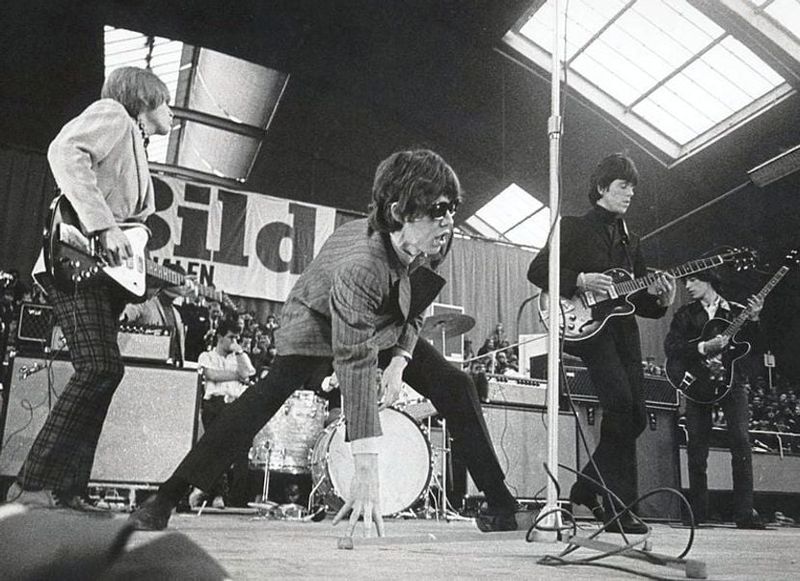
Few guitar riffs in history are as instantly recognizable as the one that kicks off this Rolling Stones classic. When it was released in 1965, some radio stations refused to play it because of its suggestive lyrics and anti-advertising message.
Today, that controversy feels almost quaint.
Ranked among the greatest rock songs ever made and inducted into the Grammy Hall of Fame, the song has only grown in stature. What once seemed rebellious now feels timeless and universally celebrated.
2. Eve of Destruction – Barry McGuire
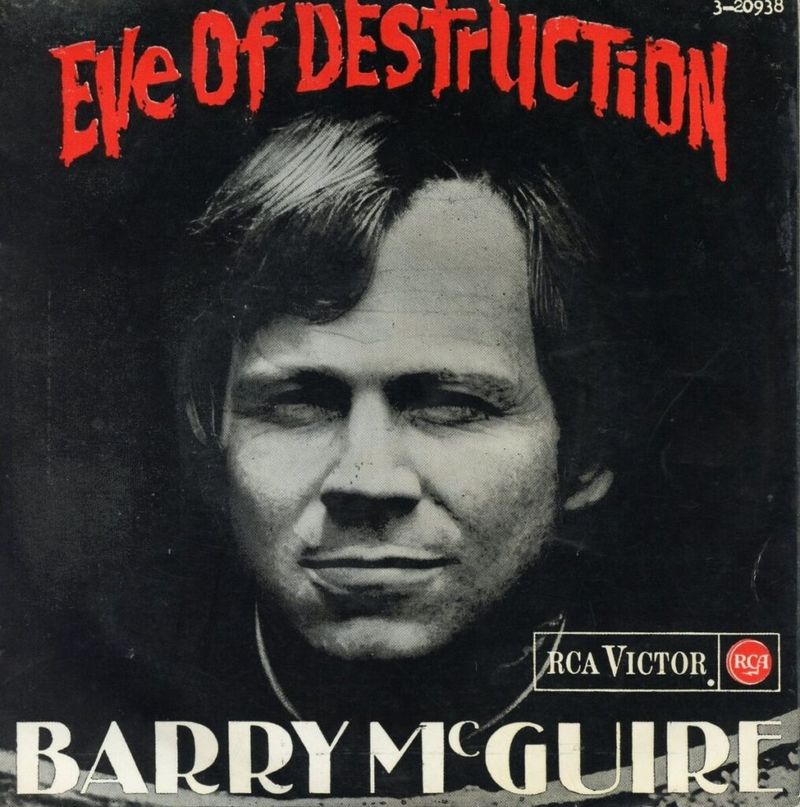
Barry McGuire did not sugarcoat anything when he recorded this raw, furious protest song in 1965. It called out the Vietnam War, racial injustice, and global tensions with a directness that shocked pop radio audiences used to love songs.
What makes this track eerie is how relevant it still feels. Whenever the world heats up politically, this song gets rediscovered.
Its bluntness, once seen as extreme, now reads more like honest reporting than angry ranting.
3. My Generation – The Who
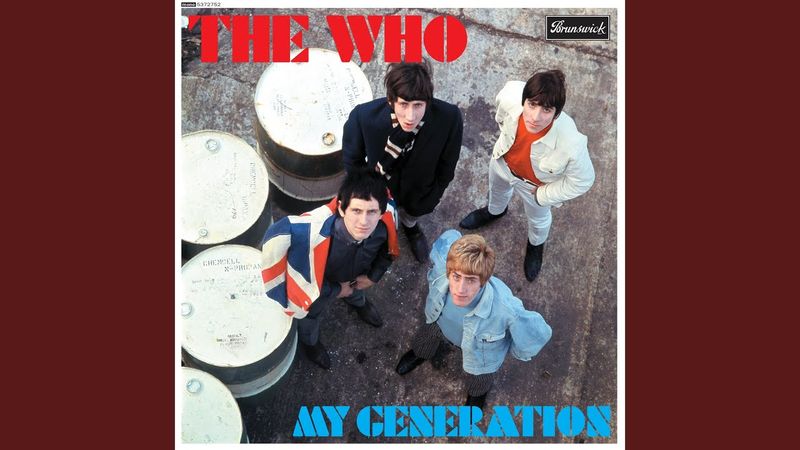
“I hope I die before I get old” is one of the most famously ironic lines in rock history. When The Who recorded it in 1965, it was a raw battle cry for youth culture, full of stuttering defiance and electric energy.
Decades later, the band kept performing it well into their 60s and 70s, which flipped the meaning entirely. Now the line feels less like a death wish and more like a reminder that attitude, not age, defines a generation.
4. Mr. Tambourine Man – The Byrds
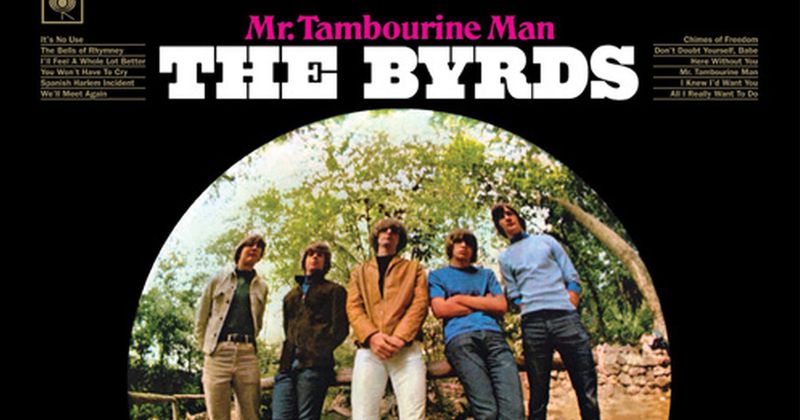
The Byrds took Bob Dylan’s poetic lyrics and plugged them into electric guitars, creating something brand new called folk rock. The dreamy, layered sound felt almost otherworldly in 1965, blending protest-era poetry with rock energy.
The song’s abstract, spiritual lyrics were often read as references to drugs, though they also work as a celebration of artistic freedom. Either way, the track helped launch an entire genre and still sounds lush and inventive more than 50 years later.
5. Yesterday – The Beatles
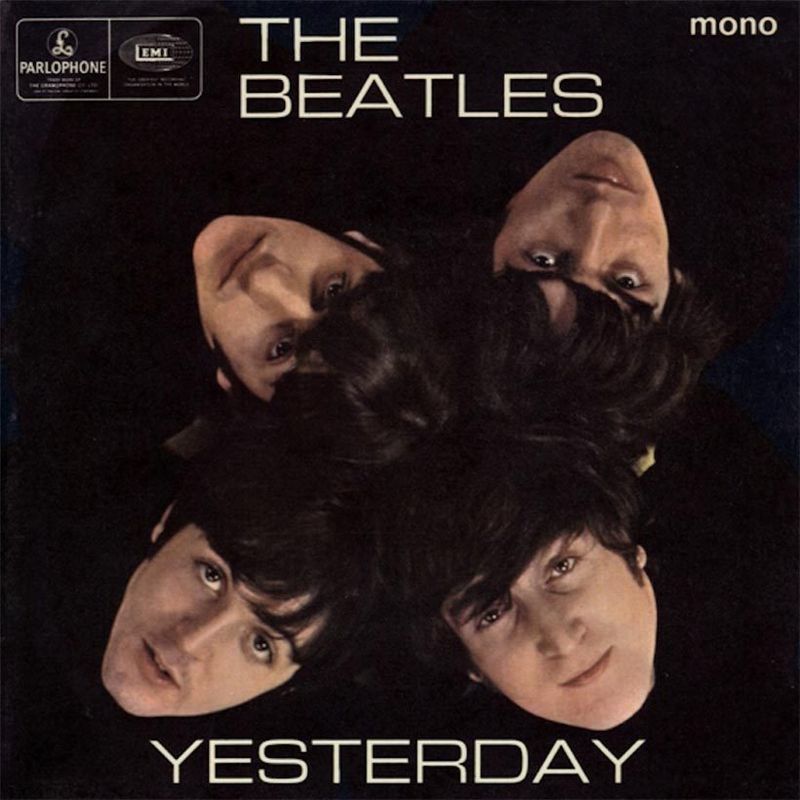
Paul McCartney reportedly woke up one morning with the melody for this song already in his head, initially using the placeholder lyrics “scrambled eggs.” The finished version, featuring just McCartney and a string quartet, stood apart from everything else The Beatles were doing.
John Lennon later admitted the lyrics did not always make literal sense, yet the song’s emotional pull is undeniable. Its mood of regret and longing connects with listeners across every generation, making it one of the most covered songs ever recorded.
6. Help! – The Beatles
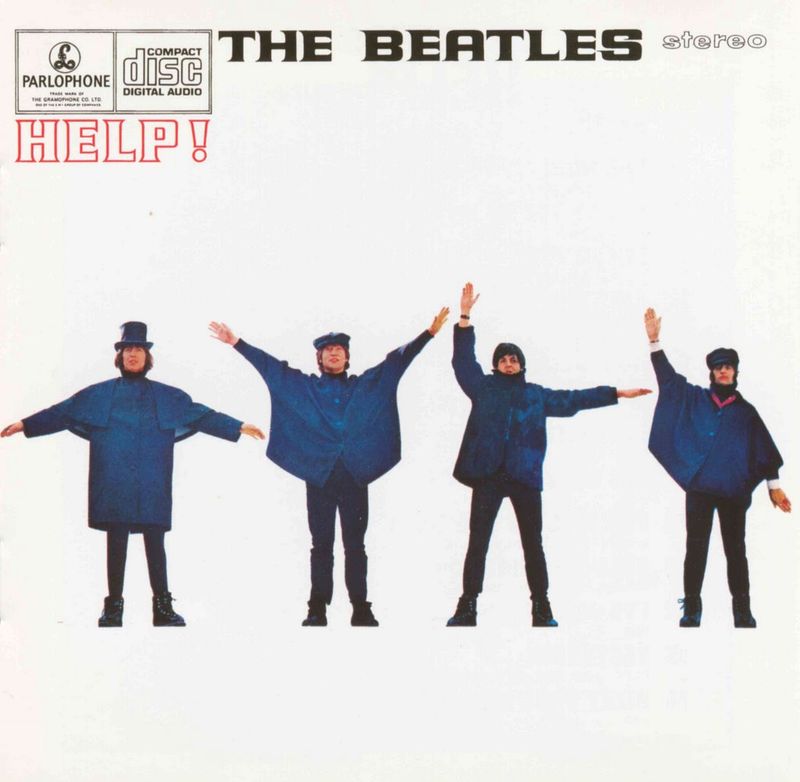
On the surface, this song sounded like another energetic Beatles pop hit, complete with bright harmonies and a catchy hook. Audiences in 1965 danced to it without realizing they were hearing a genuine emotional breakdown set to music.
John Lennon later revealed he was truly overwhelmed by fame and struggling deeply when he wrote it. Knowing that backstory completely transforms the listening experience.
What once felt cheerful now carries a haunting vulnerability that makes the song far more powerful than it first appeared.
7. California Girls – The Beach Boys
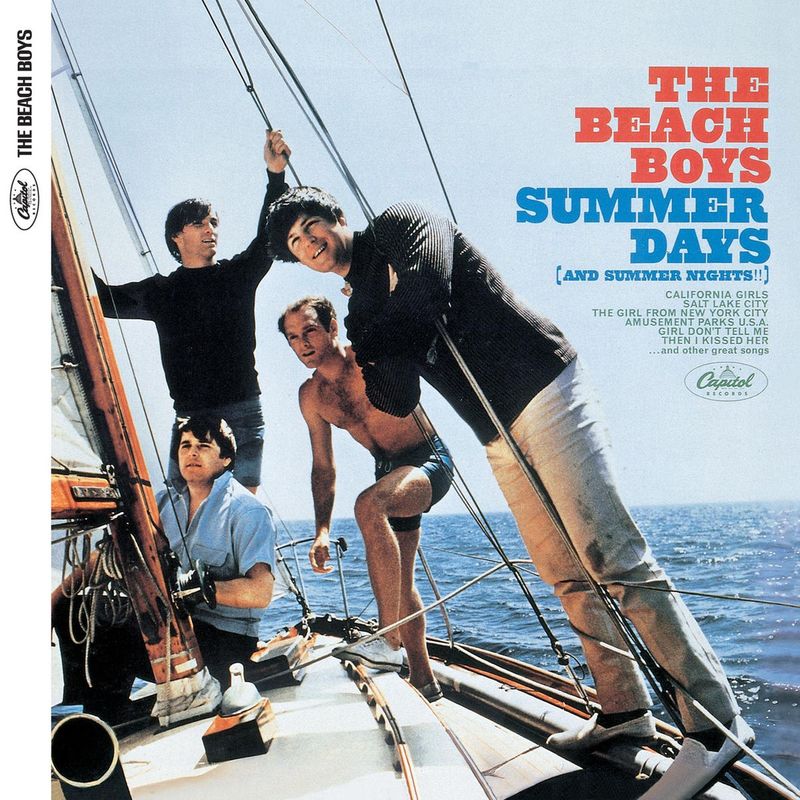
Brian Wilson wrote this song as a sun-soaked celebration of American femininity, rating girls from different regions before crowning California the winner. In 1965, it was a breezy summer anthem that nobody questioned too hard.
Modern listeners tend to hear it differently, noticing how the lyrics reduce women to regional trophies. The debate around objectification in classic pop songs has made this one a frequent topic in music criticism classes.
Its cheerful melody still slaps, but the message lands awkwardly today.
8. I Got You Babe – Sonny and Cher
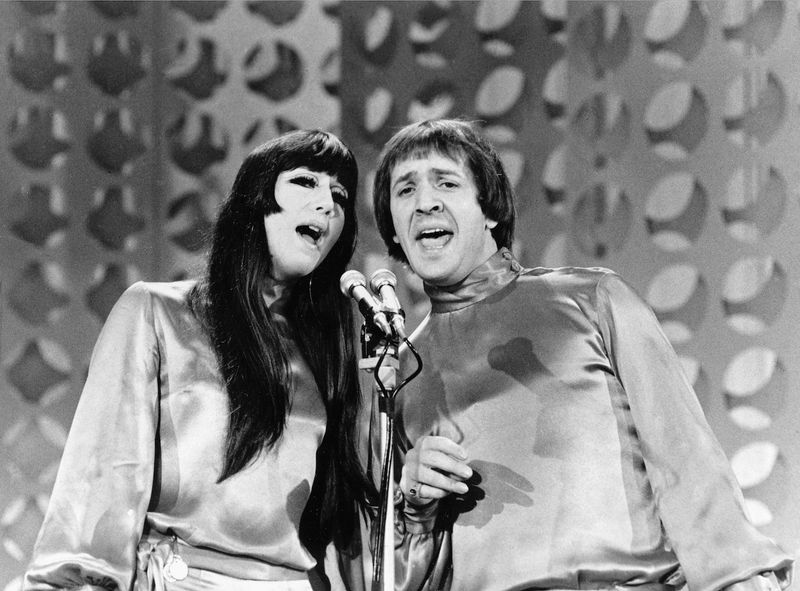
When Sonny and Cher released this duet, it captured the hopeful, romantic spirit of young love in the mid-1960s perfectly. The song felt genuine because the couple was genuinely in love, and that chemistry came through every note.
Over the decades, the song evolved beyond its original meaning. Their later divorce, television comeback, and enduring cultural partnership gave it extra layers.
Today it functions as both a sweet love song and a bittersweet reminder of how complicated real relationships can become.
9. King of the Road – Roger Miller
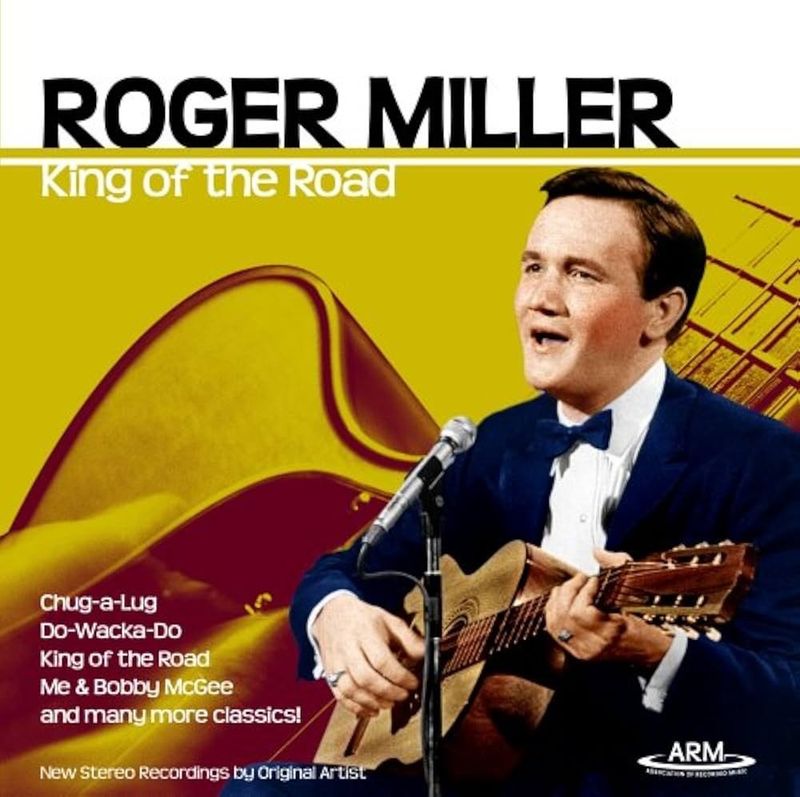
Roger Miller painted a surprisingly cheerful picture of life as a wandering hobo, making poverty and homelessness sound almost glamorous. The song’s clever wordplay and whistling melody made it an instant country-pop crossover hit in 1965.
Today, audiences bring a more complicated lens to its romanticized portrayal of homelessness. The humor and storytelling still shine, but many listeners now also notice the real hardship hidden beneath the upbeat tune.
Miller’s wit remains impressive, even as the song’s carefree premise feels more complex.
10. Mrs. Brown, You’ve Got a Lovely Daughter – Herman’s Hermits
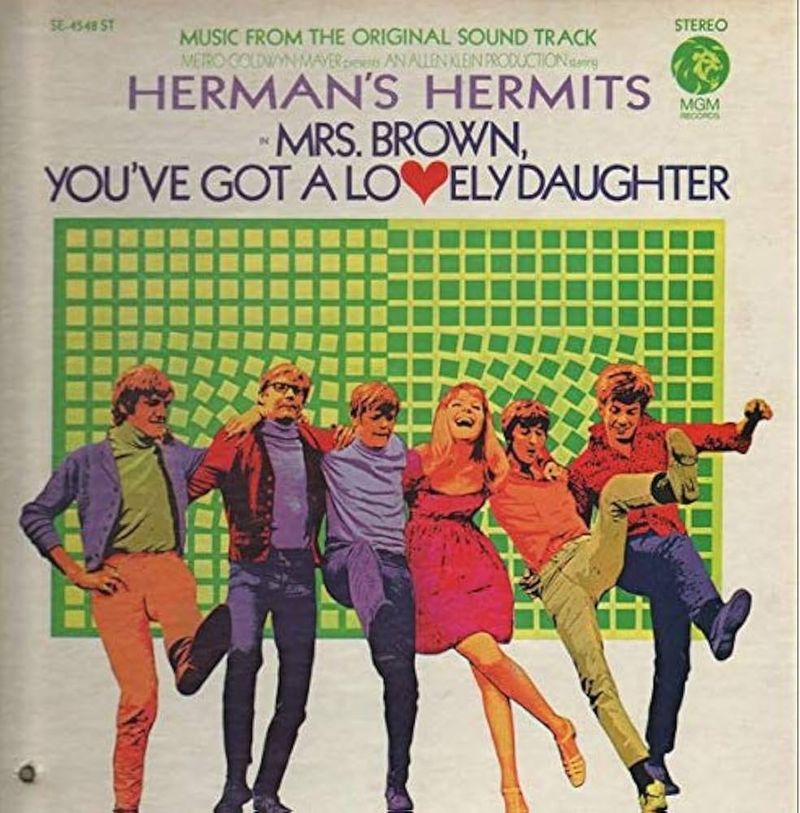
Herman’s Hermits scored a massive American hit with this sweet, almost old-fashioned British music hall tune. Peter Noone’s boyish charm and the song’s innocent storyline made it irresistible to teenage fans across the United States.
Compared to the harder, more complex rock sounds developing around it in 1965, the song always felt a bit like a novelty. Decades later, that gap has only widened.
Still, its unashamed simplicity gives it a quirky, nostalgic charm that makes it oddly endearing rather than forgettable.
11. Down in the Boondocks – Billy Joe Royal
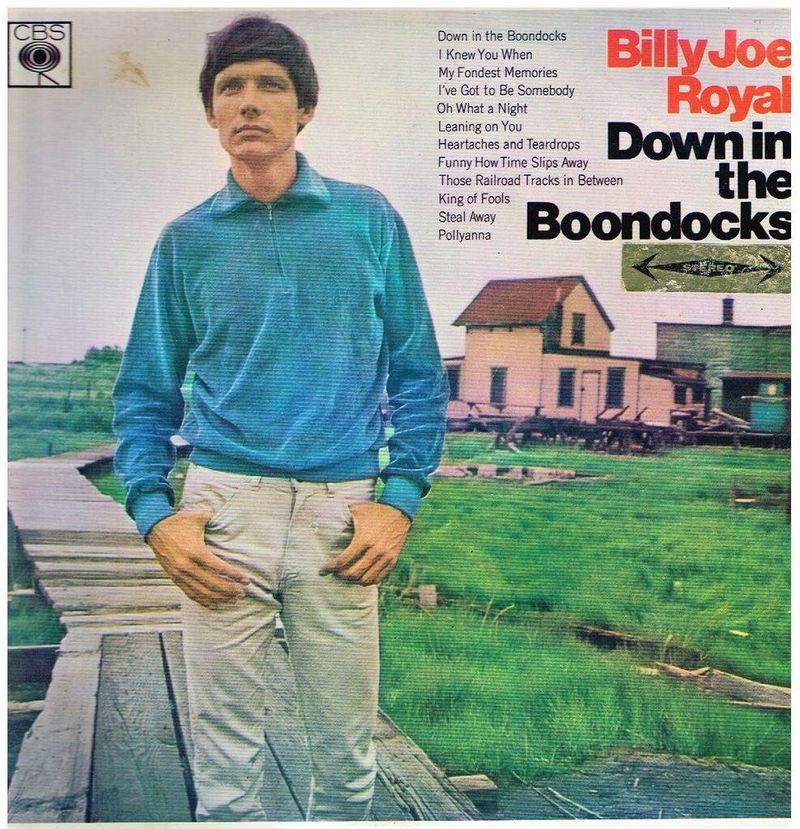
Billy Joe Royal told the story of a working-class young man in love with a wealthy girl, knowing her family would never approve. The tension between social classes gave the song a dramatic edge that connected strongly with listeners in 1965.
That theme of forbidden love across class lines still resonates today, though the specific “boondocks” framing feels rooted in a particular American era. The song works as both a catchy pop tune and a quiet commentary on inequality that still has something real to say.
12. Wooly Bully – Sam the Sham and the Pharaohs
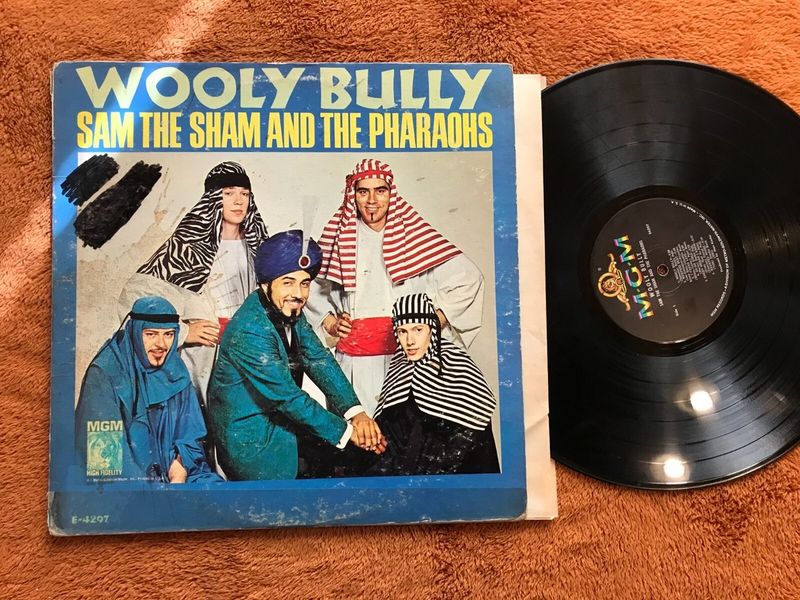
Nobody in 1965 could fully explain what “Wooly Bully” was about, and honestly, that was part of the fun. Sam the Sham and the Pharaohs delivered a wild, stomping garage-rock groove with nonsense lyrics that practically dared you to sit still.
The song hit number two on the Billboard Hot 100 and became one of the year’s best-selling singles purely on raw energy. Its staying power comes not from meaningful words but from a beat that refuses to quit, making it a permanent party playlist staple.
13. Unchained Melody – The Righteous Brothers
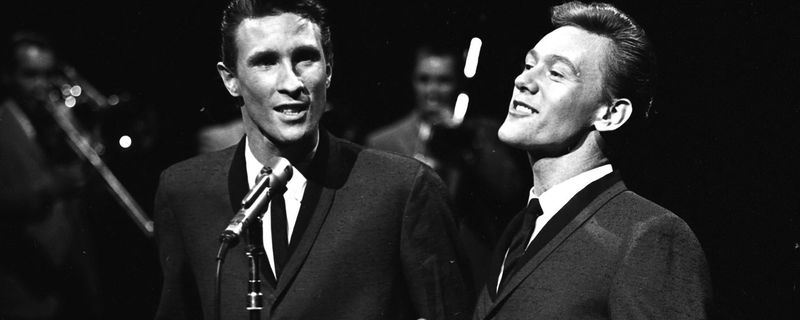
This song actually started life as a theme for a 1955 prison film, which most people who consider it the ultimate romantic ballad would find surprising. The Righteous Brothers’ 1965 version stripped away that context and replaced it with pure emotional power.
Then in 1990, the film Ghost featured the song during one of cinema’s most memorable scenes, launching it back onto the charts 25 years later. Few songs have had two completely separate moments of cultural dominance, making this one genuinely unique in pop music history.
14. Papa’s Got a Brand New Bag – James Brown
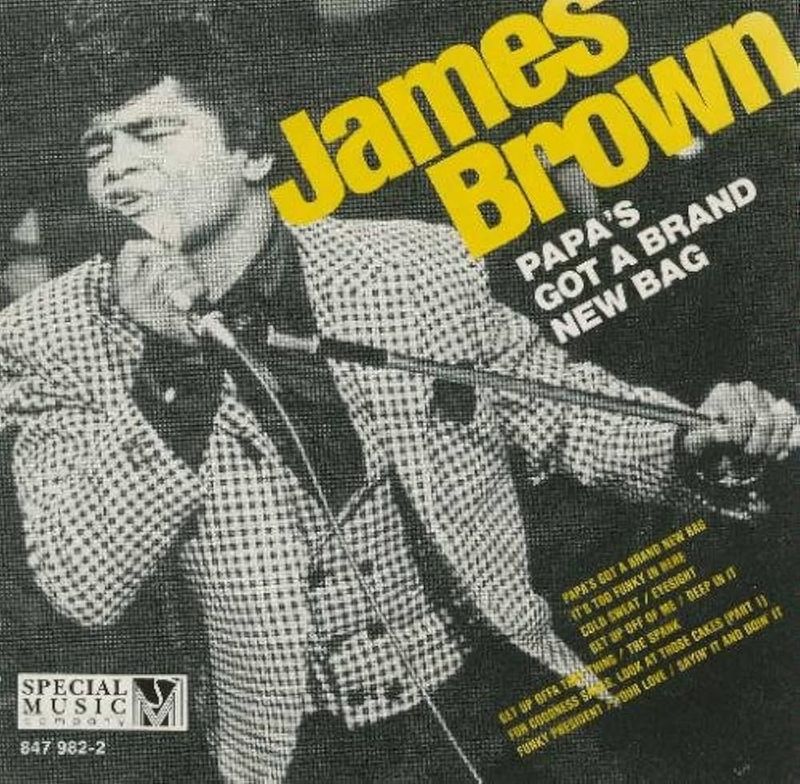
James Brown was breaking musical rules on purpose when he recorded this track, and the result changed popular music forever. By shifting the emphasis to the first beat of each measure, he created a rhythmic framework that would eventually become the backbone of funk, hip-hop, and countless other genres.
At the time, critics called it raw and unusual. Today, musicians and producers study it like a textbook.
Its historical importance as a foundational moment in Black music continues to grow with each passing decade.
15. A Taste of Honey – Herb Alpert and The Tijuana Brass
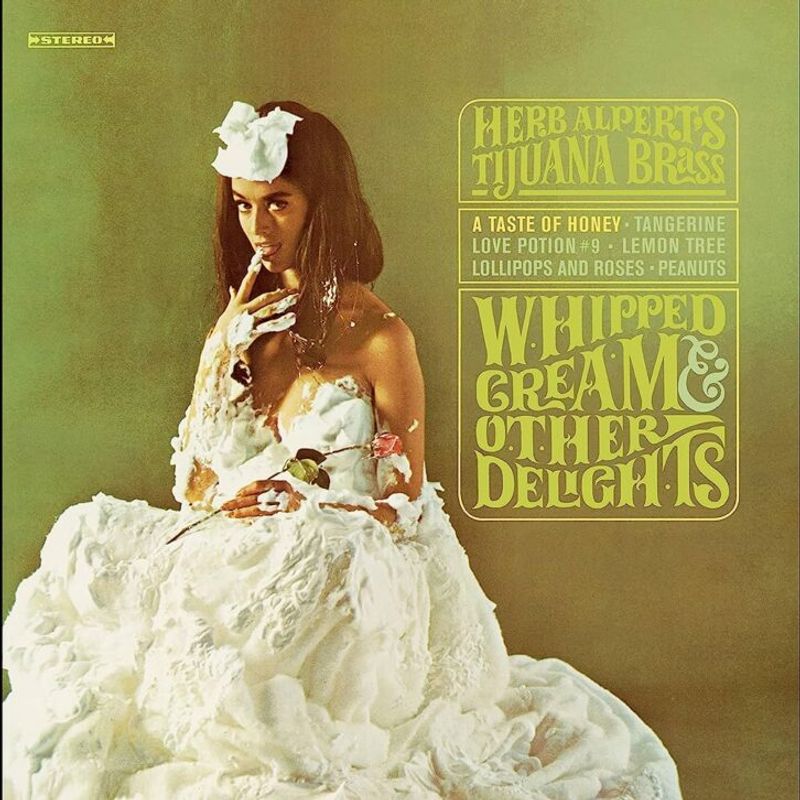
Herb Alpert’s breezy trumpet version of this melody won the Grammy for Record of the Year in 1965, and most listeners had no idea the tune had a much heavier backstory. The original song came from a 1958 British play exploring interracial relationships and social stigma.
The instrumental version is so cheerful and sunny that it completely erases that history. Knowing where the melody actually came from adds a fascinating layer of irony to its Grammy-winning, easy-listening legacy that most fans never discover.
16. What the World Needs Now Is Love – Jackie DeShannon
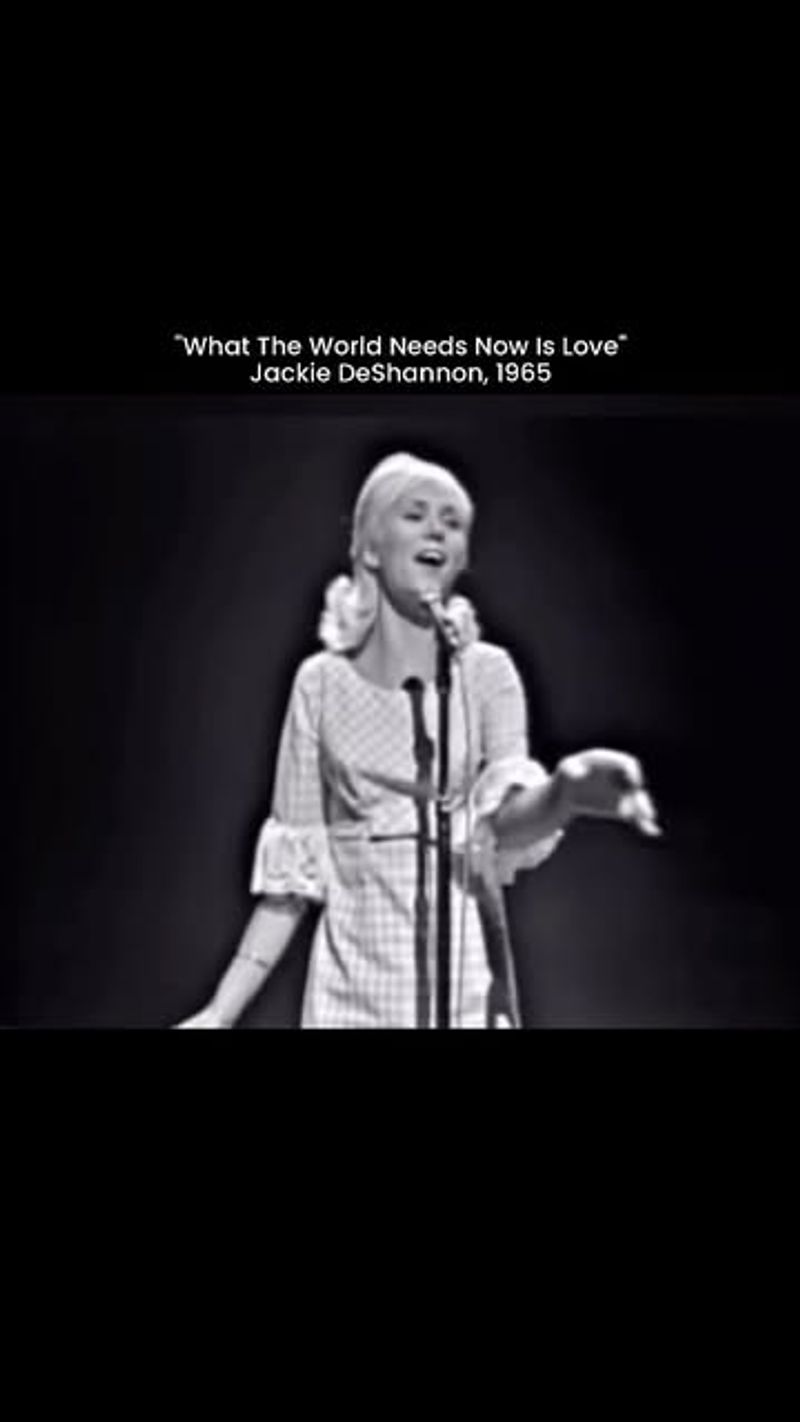
Jackie DeShannon delivered this song like a gentle but urgent plea during one of America’s most turbulent years, as the Civil Rights Movement and the Vietnam War dominated the news. The message was simple: the world needed more love, not more conflict.
Remarkably, that message has never stopped being relevant. The song gets rediscovered during every major period of social unrest, from the 1960s through today.
Its staying power comes from the painful truth that the problem it identified in 1965 still has not been fully solved.