
Staying close to your adult kids can feel harder than it looks. Many parents are surprised when the relationship they worked so hard to build starts to feel distant or strained.
The truth is, certain habits and patterns often get in the way without anyone realizing it. Recognizing these patterns is the first step toward building a stronger, more honest relationship with your grown children.
1. Lack of Healthy Boundaries

Boundaries might sound like a buzzword, but they matter more than most parents realize. When adult children try to carve out their own space, some parents take it personally, reading independence as rejection.
That misunderstanding can quietly damage the relationship over time. Healthy limits actually create room for more honest, relaxed connection.
When both sides feel respected, conversations go deeper and visits feel less tense.
2. Generation Gap and Differing Expectations

Younger generations often place a high value on mental health, personal fulfillment, and chasing happiness on their own terms. Parents raised in a different era may see these priorities as soft or unrealistic.
That clash of values can make even casual conversations feel loaded. Neither side is necessarily wrong, but the gap feels enormous when no one slows down to understand the other side.
3. Difficulty with Empathy and Active Listening

Few things sting more than sharing something vulnerable and being met with a shrug or a quick fix. Parents who respond to their adult child’s concerns with defensiveness or dismissal often do not realize the damage it causes.
Active listening means staying curious, not jumping to solutions. When adult children feel genuinely heard, they are far more likely to keep the lines of communication open long-term.
4. Parental Unwillingness to Acknowledge Past Impact

Nobody parents perfectly, and most adult children are not looking for perfection. What they often need is acknowledgment that certain moments hurt, even if the harm was never intended.
When parents consistently deflect or minimize those conversations, it sends a clear message that their child’s experience does not count. A simple, sincere acknowledgment can open doors that years of silence have kept firmly shut.
5. Unresolved Childhood Pain and Trauma

Old wounds have a way of showing up uninvited, especially in family relationships. Experiences like emotional neglect or abuse during childhood do not simply disappear once a person grows up.
They often shape how adult children relate to their parents for decades. Without honest conversations or professional support, that unresolved pain can create invisible walls that make genuine closeness feel unsafe or simply impossible to reach.
6. Controlling Tendencies and Unsolicited Advice

Offering advice can feel like love from a parent’s perspective, but when it happens constantly and without invitation, it sends a different signal entirely. It quietly says, “I don’t trust your judgment.”
Letting go of control is genuinely hard for many parents who spent decades managing every detail of their child’s life. Still, stepping back and trusting your adult child’s decisions is one of the most powerful ways to rebuild respect.
7. Rigid Expectations for Adult Children’s Lives

Some parents carry a detailed mental picture of what their child’s life should look like: the right career, the right partner, the right timeline. When reality looks different, disappointment can take over.
That disappointment, even when unspoken, is easy for adult children to sense. Releasing those rigid blueprints does not mean giving up on your child.
It means choosing relationship over expectation, which almost always leads to a closer bond.
8. Labeling Disagreement as Disrespectful

Disagreement is a normal, healthy part of any relationship between two adults. But when parents consistently interpret pushback or differing opinions as disrespect, those conversations shut down fast.
Adult children learn quickly that sharing their real thoughts is not safe, so they stop trying. Allowing room for respectful disagreement, even when it feels uncomfortable, actually signals maturity and creates a much stronger foundation for long-term connection.
9. Lack of Common Interests or Superficial Communication

Ever sat across from someone you love and had absolutely nothing to say? It happens in families more often than people admit.
When shared hobbies or deep conversations are missing, interactions stay surface-level.
Small talk about the weather only goes so far. Parents who make a genuine effort to learn about their adult child’s world, their interests, passions, and daily life, often find that the conversation starts flowing more naturally over time.
10. Divergent Beliefs and Values
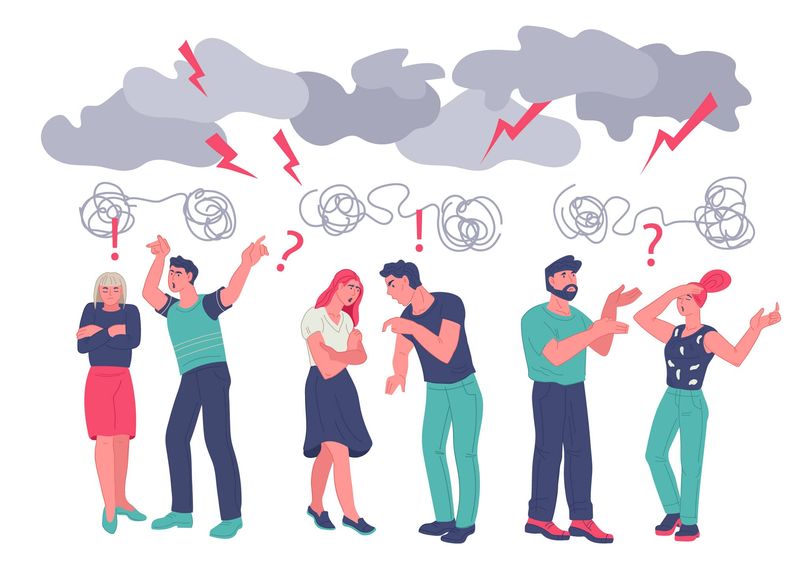
Politics, religion, and lifestyle choices can turn a holiday dinner into a battlefield without much warning. When core values pull in completely opposite directions, even a simple comment can spark a major argument.
Agreeing to disagree sounds easy but takes real discipline. Families that manage it well usually share one thing in common: they decided the relationship mattered more than winning any particular debate or changing anyone’s mind.
11. Geographic Distance and Busy Adult Lives

Life moves fast once kids grow up. Careers, new cities, partners, and eventually their own children can push regular contact far down the priority list without anyone meaning for it to happen.
Geographic distance adds another layer of challenge. The good news is that consistent, small efforts matter more than grand gestures.
A short weekly call or a simple text check-in can keep the connection alive even across hundreds of miles.
12. Parents Feeling Criticized or Unacknowledged

Raising kids is exhausting, thankless work for years on end, and many parents carry quiet resentment when that effort goes unrecognized. Hearing their adult child speak negatively about their upbringing can feel like a gut punch.
Those feelings are valid, but shutting down the conversation makes things worse. Parents who can listen without immediately defending themselves often find that their adult children eventually come around to expressing gratitude too.
13. Emotional Immaturity in Parents

Emotional maturity is not automatically gained with age. Some parents carry unhealed wounds from their own past that surface as defensiveness, mood swings, or an inability to sit with uncomfortable feelings.
For adult children, navigating a parent’s emotional unpredictability is exhausting. It often leads them to share less and pull back more.
Parents who seek therapy or commit to personal growth tend to see a noticeable shift in how their adult children respond to them.
14. Conditional Love or Acceptance

Love that comes with a long list of conditions does not feel like love at all. When adult children sense that approval depends on their career, partner choice, or identity, the relationship becomes a performance rather than a bond.
Walking on eggshells is exhausting over time. Parents who can offer acceptance regardless of outcomes give their adult children something rare and powerful: a safe place to land, no matter what life throws at them.
15. The Blame Game Dynamic

Blame is a cycle that feeds itself. Parents feel frustrated when adult children point to their upbringing as the source of personal struggles.
Adult children feel dismissed when parents refuse to take any responsibility.
Both sides end up stuck. Breaking the cycle usually requires one person to step back first.
When parents respond with curiosity instead of defensiveness, even briefly, it can change the entire tone of a long-standing conflict.
16. Enmeshment and Blurred Autonomy

Closeness is a beautiful thing, but there is a line where it tips into something unhealthy. Enmeshment happens when a parent’s emotional world becomes so intertwined with their child’s that boundaries essentially disappear.
Adult children in these dynamics often struggle to make independent decisions or develop their own identity. Healthy closeness allows for separateness.
Parents who encourage their adult children to grow independently, even when it feels lonely, build far more durable relationships.
17. Using Money or Help for Control

Financial support can be a genuine act of love or a quiet tool for control, depending on the strings attached. When help comes with expectations, guilt, or demands, it stops being a gift.
Adult children often sense this dynamic even when it is never spelled out directly. Over time, they may choose to struggle financially rather than accept help that costs them their independence.
Generosity without conditions builds trust; generosity with conditions builds resentment.
18. Poor Communication Patterns

Yelling, name-calling, constant criticism, and gaslighting are not just bad habits. They are relationship-wrecking behaviors that adult children remember for years.
Repeated exposure to these patterns makes people shut down entirely.
Communication styles learned in childhood tend to stick unless someone actively works to change them. Parents who recognize their own damaging patterns and commit to communicating differently, even imperfectly, can rebuild trust over time in ways that genuinely surprise both sides.
19. Intergenerational Patterns of Strained Relationships
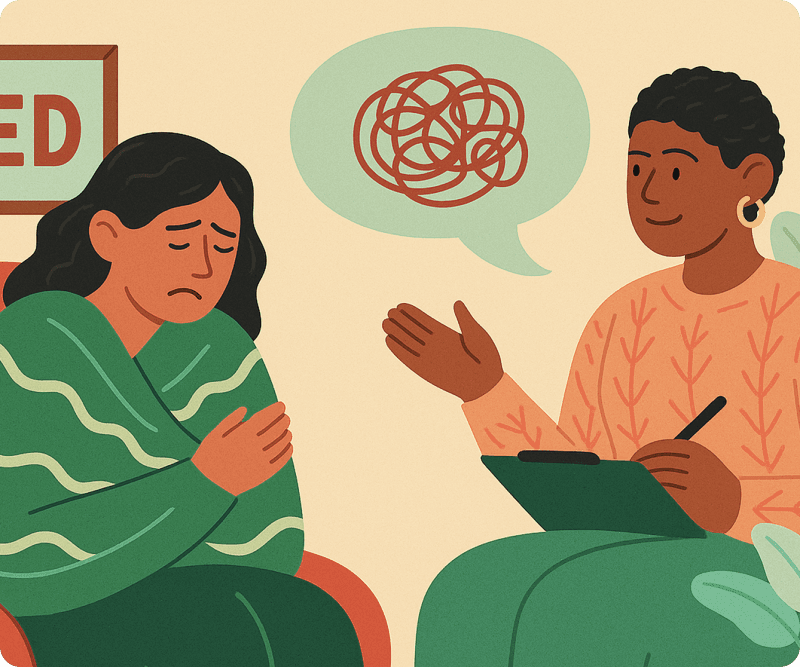
History has a habit of repeating itself in families. Parents who grew up in homes with cold, controlling, or emotionally absent caregivers often unknowingly carry those same dynamics forward into their own parenting.
Recognizing this pattern is not about assigning blame to previous generations. It is about choosing to do things differently.
Therapy, honest reflection, and a willingness to learn new ways of relating can break cycles that have run in families for decades.