
Science fiction movies have a special way of making us imagine the future, but some films go beyond imagination and actually get the science right. Scientists, physicists, and NASA experts have spoken up about certain movies that impress them with their accuracy and smart ideas.
Whether it’s the silence of outer space or the ethics of cloning, these films spark real conversations in labs and classrooms. Here are 18 sci-fi films that have earned genuine applause from the scientific community.
1. 2001: A Space Odyssey (1968)
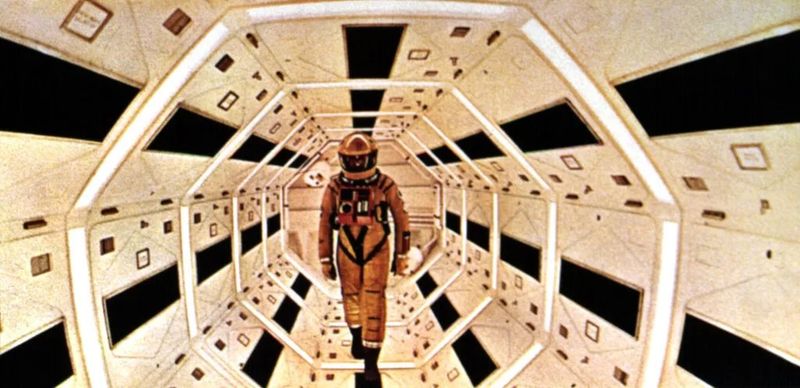
Stanley Kubrick’s legendary film did something almost no movie had done before — it treated space with total scientific respect. The silence of space, artificial gravity created by rotation, and realistic communication delays between Earth and spacecraft all appear here.
Oxford’s Anders Sandberg and Neil deGrasse Tyson have both praised it heavily.
For a film made before the moon landing, its accuracy is jaw-dropping. Scientists still use it as a reference point when discussing how space should look on screen.
2. The Martian (2015)
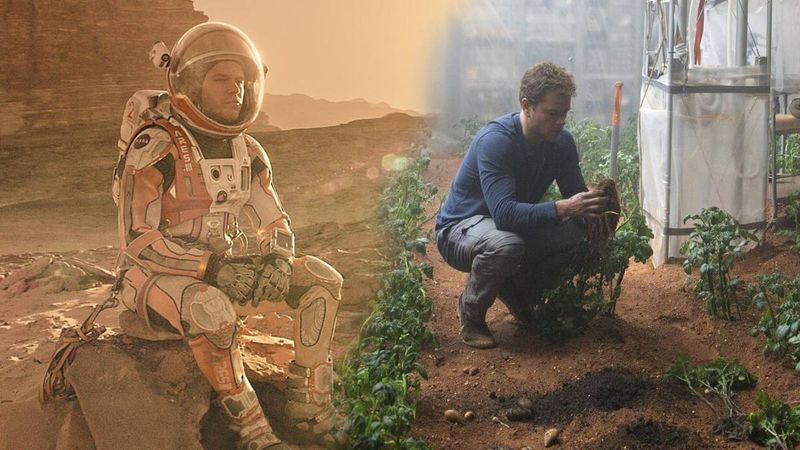
Growing potatoes on Mars sounds crazy, but the science behind it in this film is surprisingly solid. NASA itself consulted on the production, lending the story a level of credibility few Hollywood films ever achieve.
The communication delays, orbital mechanics, and survival chemistry all hold up under scrutiny.
Scientists loved watching the main character think his way out of problems using real science. It became a go-to film recommendation in many university science departments.
3. Interstellar (2014)
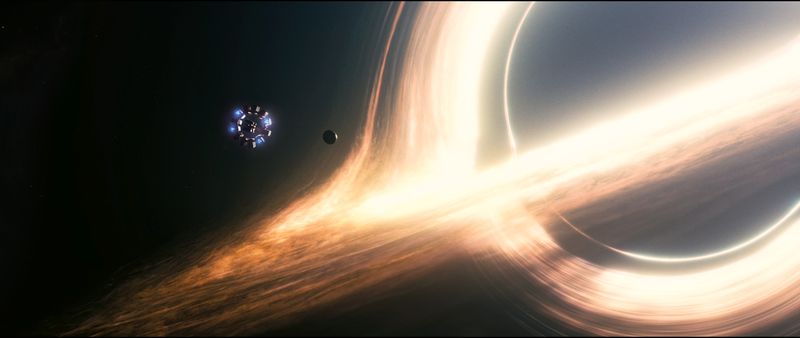
Nobel Prize-winning physicist Kip Thorne didn’t just consult on this film — he helped shape the actual science woven into the story. The visual depiction of the black hole Gargantua was so accurate that it led to a published scientific paper.
Time dilation near massive objects is handled with rare precision.
Watching it feels like a physics lecture disguised as a blockbuster. Thorne later said the rendering of the black hole taught even scientists something new.
4. Gattaca (1997)

Before the Human Genome Project was even complete, this film imagined a world where your DNA determined your destiny. NASA scientists and genetics experts have praised it for how accurately it depicts the possibilities and dangers of genetic stratification.
The science of sequencing and selecting traits is grounded in real biology.
What makes it truly unsettling is how close that future feels today. Bioethicists still screen this film when discussing the moral implications of genetic engineering.
5. Contact (1997)
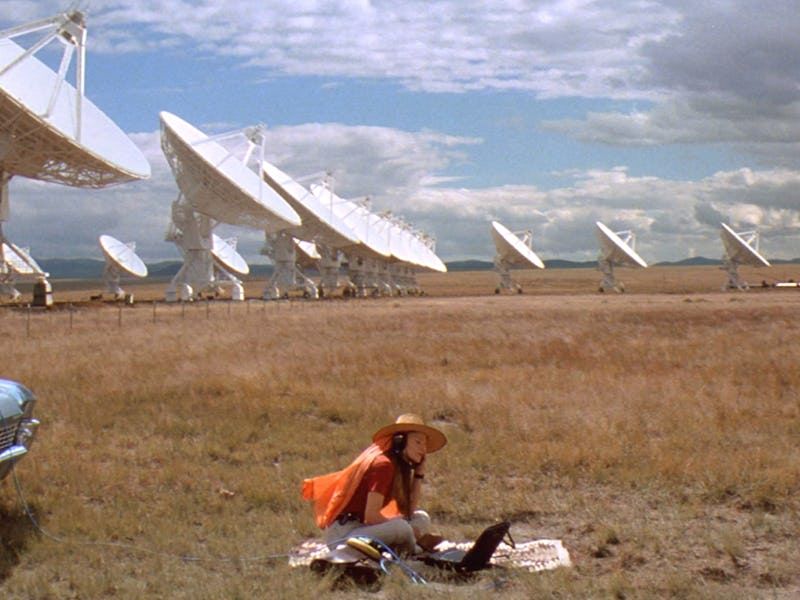
Carl Sagan wrote the novel this film is based on, and his astronomer’s fingerprints are all over it. The use of radio waves to detect alien signals, the communication through prime numbers and mathematics, and the careful scientific process of verification all reflect real SETI research methods.
Scientists appreciate that the film respects the slow, methodical nature of actual discovery. It doesn’t rush to explosions — it sits with the wonder of what finding another intelligence would actually mean.
6. Apollo 13 (1995)
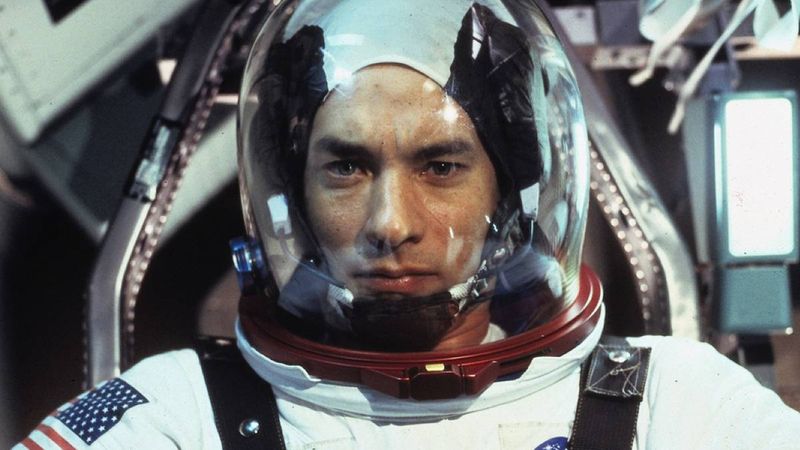
Few films blur the line between documentary and drama as effectively as this one. The oxygen tank explosion, the carbon dioxide buildup, the improvised CO2 filter using only available materials — every detail was reconstructed with painstaking accuracy from real mission logs and NASA records.
Astronauts who lived through that era have called it the most faithful space film ever made. It’s a masterclass in showing how real engineering problem-solving works under life-or-death pressure.
7. Gravity (2013)
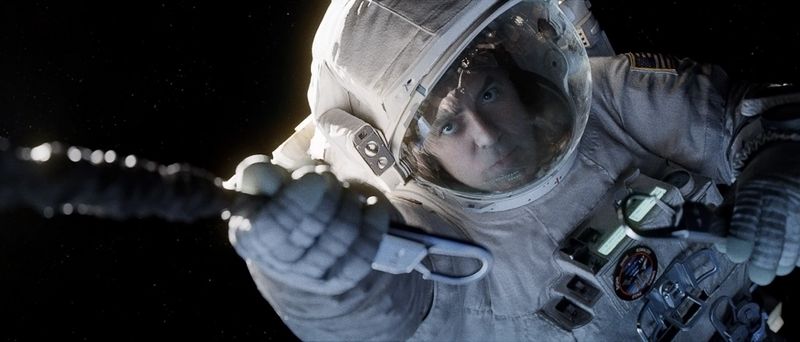
Real astronauts sat in theaters watching this film and came out genuinely impressed. The zero-gravity movements, the way objects float and tumble, and the visual rendering of orbital mechanics earned high marks from physicists and space veterans alike.
Director Alfonso Cuaron worked hard to get the details right.
Some minor inaccuracies exist, but the overall experience is closer to real spaceflight than almost anything before it. Astronaut Sandra Magnus called it remarkably accurate for a Hollywood production.
8. Deep Impact (1998)
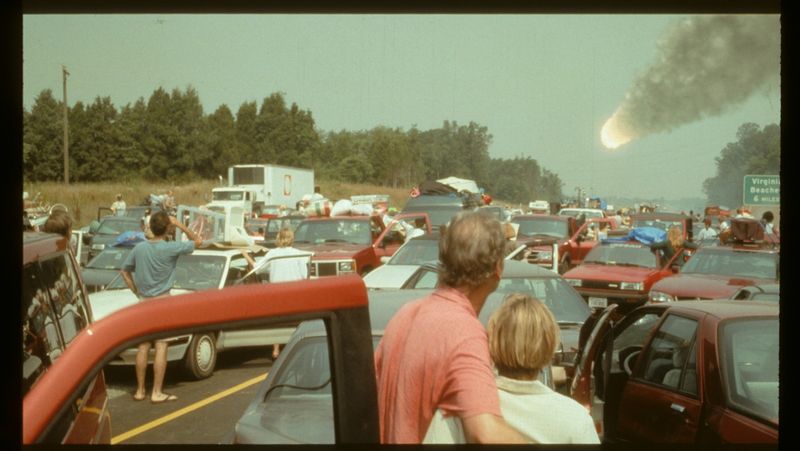
Neil deGrasse Tyson has given this disaster film his stamp of approval, which is no small thing. While it’s certainly a Hollywood spectacle, the comet itself is depicted with genuine scientific care — its icy composition, trajectory, and the realistic timeline of a planetary defense response all hold up.
Scientists appreciated that the film treated the threat seriously rather than sensationally. It sparked real public conversations about asteroid deflection programs that are now actively funded and studied.
9. Her (2013)

When this film came out in 2013, the idea of falling in love with an AI felt like pure fantasy. A decade later, AI researchers and cognitive scientists point to it as eerily prophetic.
The concept of an operating system developing a unique personality and forming emotional bonds mirrors real debates happening in AI labs right now.
Scientists admire how the film explores consciousness without cheap tricks. It asks hard questions about connection, loneliness, and what makes a mind real.
10. Jurassic Park (1993)
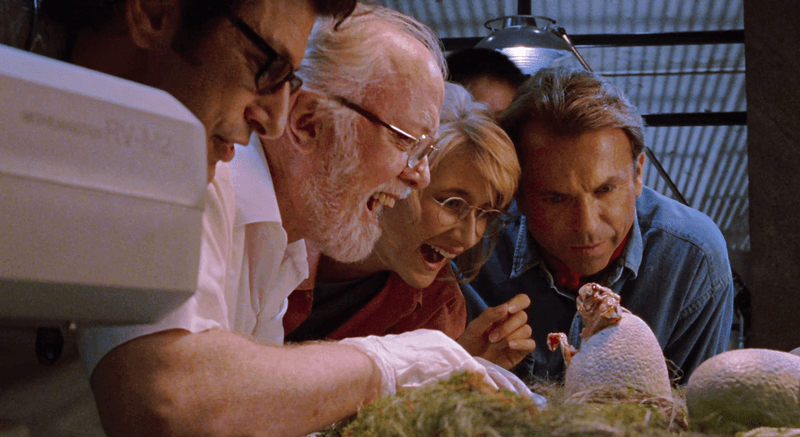
The science of recombinant DNA, gene sequencing, and cloning extinct animals is front and center in this film — and it’s handled with surprising seriousness. Scientists admire how the story engages with bioethics, asking whether just because something can be done, it should be.
The concept of using preserved amber-trapped DNA was genuinely discussed in scientific circles after the film’s release.
Yes, the velociraptors are too big and the T-Rex vision is wrong. But the genetic framework behind the story impressed the biology community.
11. The Matrix (1999)
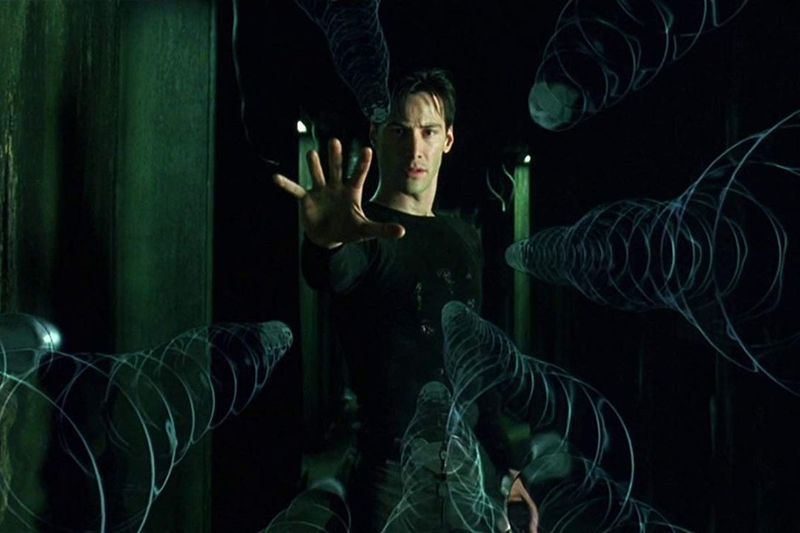
Neil deGrasse Tyson approved this one, and Stanford University’s Virtual Human Interaction Lab co-founder Jeremy Bailenson credited it with bringing virtual reality into serious public conversation. The simulation hypothesis the film explores is now a legitimate topic discussed by philosophers and physicists at major universities.
Beyond the action sequences, the film raises questions about the nature of reality that scientists and philosophers genuinely wrestle with. It turned a kung-fu blockbuster into a thought experiment that still gets cited in academic papers.
12. Alien (1979)
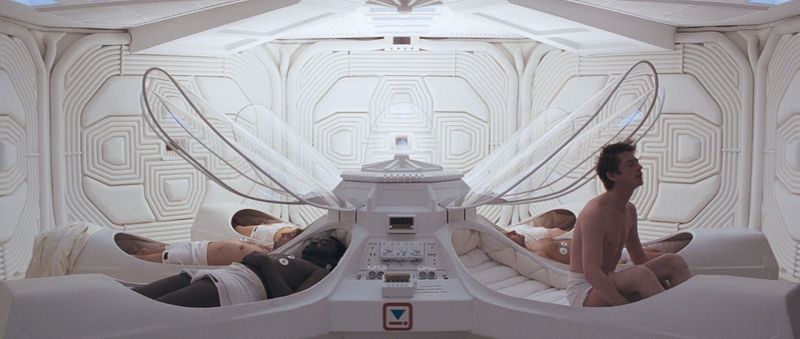
Ridley Scott’s classic gets credit for something most space films ignore — making space travel feel like a job. The ship looks lived-in and functional, not glamorous.
Suspended animation for long-distance travel, the silence of space, and the practical, unglamorous nature of deep space work all reflect real scientific thinking about what interstellar travel might actually involve.
Scientists appreciate that the crew are basically space truckers, not heroes. That blue-collar authenticity made the horror feel startlingly real and grounded.
13. Metropolis (1927)
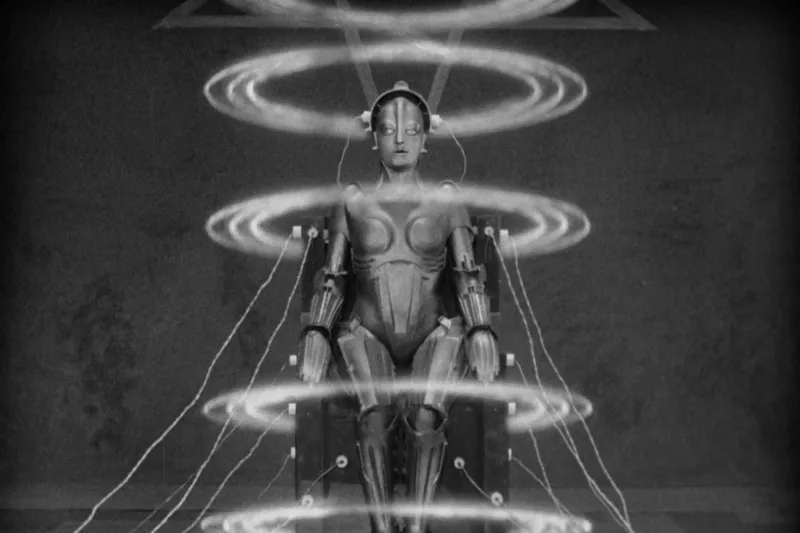
Made nearly a century ago, this silent film predicted robotics, class division driven by technology, and the social consequences of automation in ways that still feel relevant. NASA scientists have listed it as scientifically and culturally significant, which is remarkable for a film produced before commercial aviation was even widespread.
Fritz Lang imagined a future so far ahead of his time that engineers and sociologists still reference it. For a 1927 film, its vision of human-machine interaction is genuinely astonishing.
14. The Day the Earth Stood Still (1951)
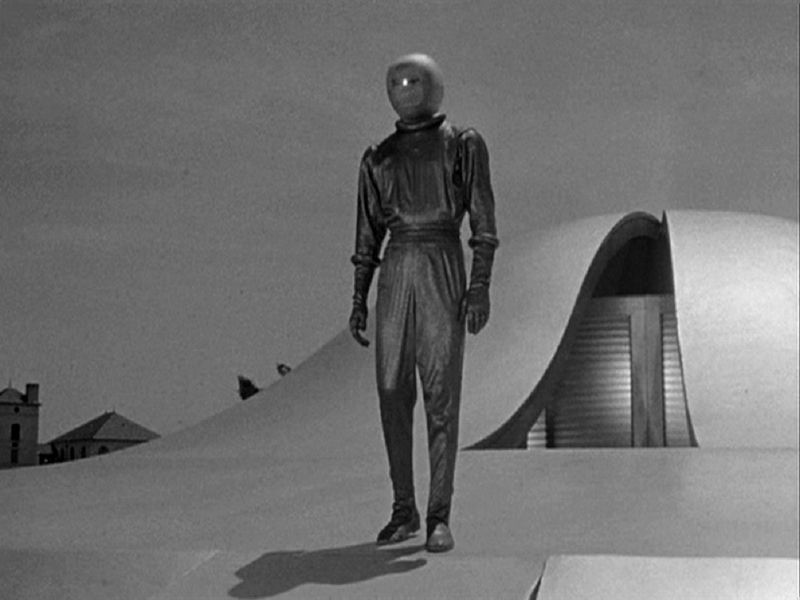
NASA scientists have praised this Cold War classic not just for nostalgia but for the thoughtfulness of its themes. An advanced alien civilization arriving to warn humanity about its own destructive behavior is a concept that aligns with real scientific discussions about the Fermi Paradox and the risks of broadcasting our location into space.
The film asks whether humanity deserves to survive — a question astrobiologists take seriously. Its influence on how scientists think about first contact scenarios is still felt today.
15. Woman in the Moon (1929)
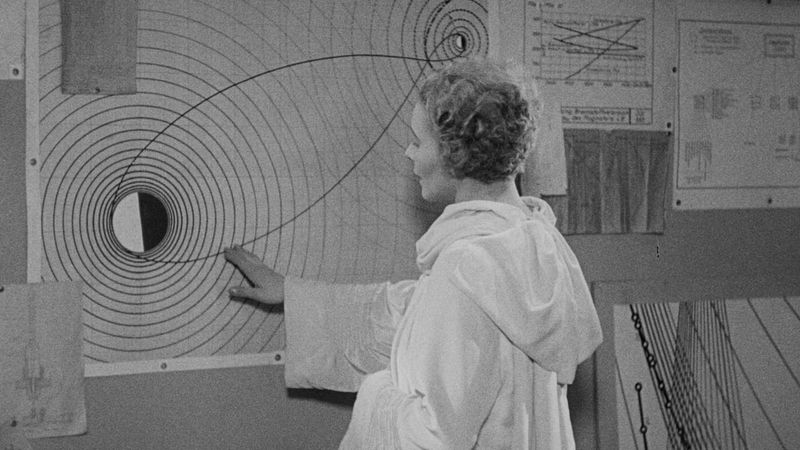
Fritz Lang was so committed to accuracy in this film that he hired real rocket scientists as consultants — in 1929. The countdown sequence before launch, now standard in every space mission, was actually invented for this movie.
NASA engineers later acknowledged that this film influenced the visual language of real rocket science.
For audiences nearly a century ago, it offered the most scientifically grounded depiction of space travel ever put on screen. That legacy is hard to overstate.
16. Europa Report (2013)
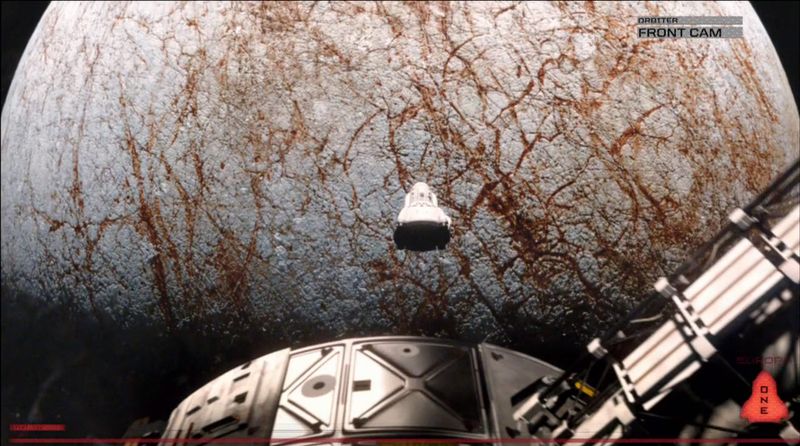
This underrated gem earned respect from real scientists for one simple reason: it refused to cheat. Every procedure, protocol, and piece of equipment in the film was modeled on actual space mission planning for a journey to Jupiter’s moon Europa.
Astrobiologists were especially impressed by its treatment of the search for microbial life beneath an icy ocean.
No dramatic shortcuts, no Hollywood conveniences — just cold, procedural realism. Scientists called it one of the most honest depictions of a manned deep-space mission ever filmed.
17. Eternal Sunshine of the Spotless Mind (2004)
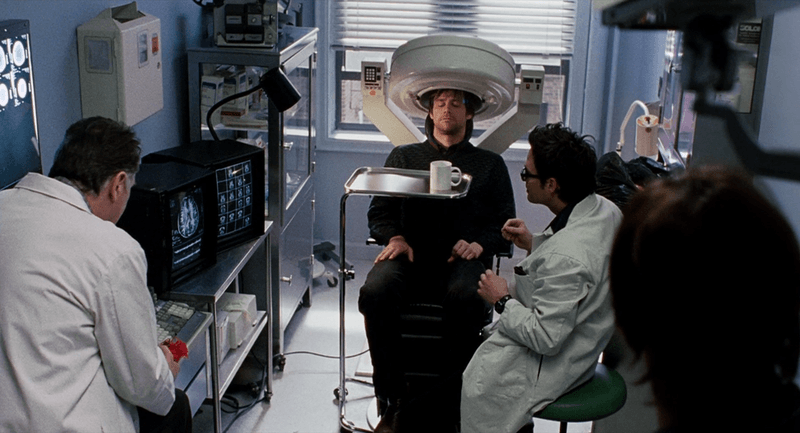
Memory erasure sounds like pure fantasy, but neuroscientists have pointed to this film as surprisingly close to real science. The concept connects to memory reconsolidation — a genuine phenomenon where memories become briefly unstable when recalled and can potentially be altered.
Researchers studying drugs like propranolol have explored exactly this kind of targeted memory interference.
The film captures the emotional texture of how memory and identity intertwine in ways that feel scientifically honest. It’s a love story that accidentally became a neuroscience conversation starter.
18. Sunshine (2007)
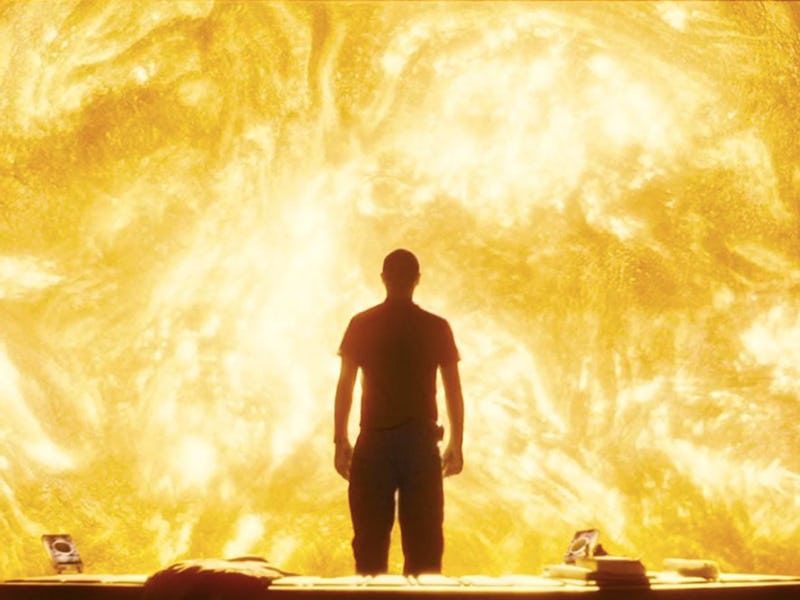
Physicist Brian Cox — one of the most respected science communicators alive — consulted directly on this film, and his influence shows. The depiction of solar physics, the psychological effects of isolation on the crew, and the sheer scale of the sun are handled with unusual care for a genre film.
Cox called it science fiction for people who genuinely love science, not just spaceships. The film rewards viewers who pay attention to the details, making it a favorite in physics classrooms worldwide.