
Getting married is one of the biggest decisions you will ever make, but many couples walk down the aisle without fully preparing for what comes next. Small things that seem unimportant while dating can quietly grow into major problems after the wedding.
From money disagreements to mismatched values, these overlooked issues are behind many separations. Knowing what to watch for can help you and your partner build a stronger, lasting relationship.
1. Lack of True Commitment

Studies show that up to 85% of divorces are linked to one or both partners not being fully committed. Commitment is more than just showing up to the wedding.
It means choosing your partner every single day, even when things get hard.
Before marriage, many couples mistake the excitement of a new relationship for deep, lasting dedication. Real commitment involves understanding that effort, patience, and sacrifice are part of the deal.
Without it, small problems can quickly spiral into reasons to walk away.
2. Poor Communication Habits

Criticism, contempt, defensiveness, and stonewalling are four communication patterns that relationship experts say can predict divorce with striking accuracy. Most couples never realize they are already falling into these traps while still dating.
By the time they notice, the damage can feel overwhelming.
Learning to truly listen and express feelings without blame is a skill that takes practice. Couples who skip this work before marriage often find themselves stuck in loops of the same arguments with no resolution in sight.
3. Financial Incompatibility

Money fights are one of the top reasons marriages fall apart, yet so many couples never have a real money conversation before the wedding. One person might be a saver while the other spends freely, and neither realizes how much tension that difference will create.
Talking about debt, savings goals, and spending habits before marriage is not romantic, but it is necessary. Couples who align their financial values early are far better equipped to handle the pressures that come with shared finances.
4. Unrealistic Expectations of Marriage

Expecting your spouse to complete you, make you happy every day, or never change is a setup for heartbreak. Marriage is a partnership between two imperfect people, not a fairy tale with a guaranteed happy ending.
Many couples enter marriage believing it will fix loneliness, personal insecurities, or relationship problems that already exist. When those expectations go unmet, resentment builds fast.
Talking honestly about what you each expect from marriage can save both of you from painful disappointment down the road.
5. Differences in Core Values

Sharing similar hobbies is fun, but sharing core values is what truly holds a marriage together. Differences in religion, ethics, and moral beliefs might seem manageable while dating, but they tend to become much louder after the wedding.
When two people disagree on what matters most in life, conflict becomes a constant companion. These clashes can affect how you raise children, how you spend your time, and even how you treat each other.
Addressing value differences early gives couples a real chance at long-term harmony.
6. Neglecting Emotional and Physical Intimacy

Intimacy is the glue that keeps couples feeling close, and it goes far deeper than physical connection. Emotional intimacy means feeling safe enough to share your fears, dreams, and vulnerabilities without judgment.
Many couples never build this foundation before they marry.
When emotional needs go unspoken and physical expectations are never discussed, partners can end up feeling lonely even while living together. Opening up about what you need from each other before marriage creates a bond that is much harder to break when life gets difficult.
7. Overlooking Substance Abuse or Addiction

Addiction does not announce itself with a warning label. Before marriage, signs of problem drinking, drug use, or gambling can be minimized, explained away, or completely hidden by the person struggling.
Once married, these issues can drain finances, shatter trust, and create an unsafe home environment. Partners who choose to overlook these red flags often find themselves carrying the weight of someone else’s addiction alone.
Honest conversations and, when needed, professional support before the wedding can change the entire trajectory of a relationship.
8. Unresolved Personal Baggage

Everyone brings something from their past into a relationship, but unresolved emotional wounds can quietly poison a marriage. Low self-esteem, childhood trauma, or unhealthy family patterns often show up as controlling behavior, emotional unavailability, or constant insecurity.
Before saying “I do,” taking time to understand your own emotional history is one of the most loving things you can do for your future spouse. Therapy, self-reflection, and honest conversations can help you show up as a healthier partner rather than repeating cycles that hurt the ones you love.
9. Mismatched Views on Household Roles

Who cooks dinner? Who pays the bills?
Who handles yard work or childcare? These questions might seem small before marriage, but they become major sources of resentment when expectations are never set.
Research consistently shows that unequal division of household labor is a common trigger for marital conflict, especially for women who feel they are carrying an unfair load. Couples who talk openly about roles and responsibilities before the wedding avoid a lot of unnecessary friction and build a more balanced partnership from day one.
10. Conflicting Views on Children and Parenting

Wanting children while your partner does not is not a compromise situation. It is a fundamental incompatibility that no amount of love can easily fix.
Yet many couples avoid this conversation entirely before getting engaged.
Even when both partners want kids, differing parenting styles can cause serious friction. Strict versus relaxed discipline, screen time rules, education choices, and family involvement are all areas where clashes happen.
Getting on the same page about children before marriage prevents some of the most painful arguments a couple can face.
11. Marrying Too Young
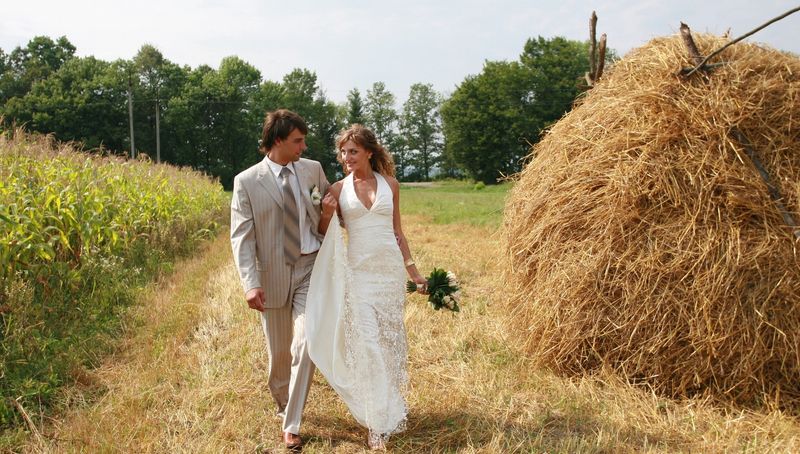
Research has consistently shown that people who marry young face a higher risk of divorce. At 18 or 20, most people are still figuring out who they are, what they want, and how they handle stress, conflict, and change.
As individuals grow and evolve, they sometimes grow in completely different directions. The person you were at 19 may have very different values and goals by age 30.
Waiting until both partners have a stronger sense of self and life experience can dramatically improve the odds of a lasting marriage.
12. Ignoring Warning Signs Before the Wedding
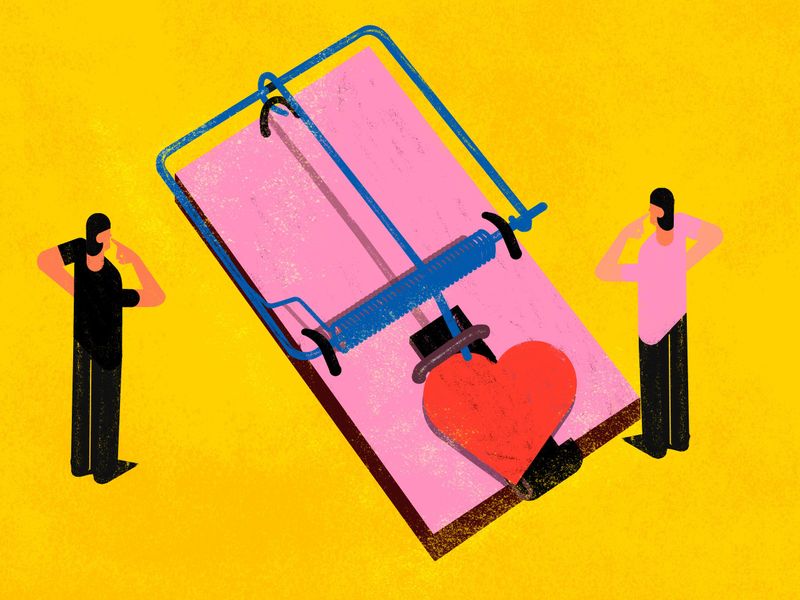
Many people admit they had a gut feeling something was wrong before the wedding but went ahead anyway. Fear of embarrassment, pressure from family, or the sunk cost of wedding planning can silence that inner voice at the worst possible moment.
Red flags like one-sided effort, vastly different values, or loving someone’s potential rather than who they actually are today are serious signals worth pausing for. Listening to those warnings before marriage, instead of hoping things will improve, can spare both people years of heartache.
13. Unwillingness to Compromise

A marriage where one or both partners refuse to bend is a marriage headed for trouble. When every disagreement turns into a power struggle and neither side will budge, small issues become walls that divide rather than challenges that bring couples closer.
Couples who establish patterns of compromise before marriage tend to handle conflict far more gracefully afterward. Practicing flexibility, respecting different opinions, and finding middle ground are habits worth building long before you share a home, finances, and a life together.
14. No Preparation for Marriage’s Real Challenges

Some couples walk into marriage believing love alone will carry them through anything. While love matters enormously, it does not pay the bills, resolve deep-rooted conflicts, or automatically teach you how to support a grieving partner.
Premarital counseling exists precisely because marriage comes with challenges that most people are not naturally prepared for. Couples who invest time in learning communication tools, conflict resolution strategies, and realistic expectations before the wedding give themselves a genuine advantage when real life tests their bond.
15. Excessive Social Media Use

Scrolling through highlight reels of other couples’ lives can make your own relationship feel like it is falling short, even when it is perfectly healthy. Social media creates constant comparison, and comparison is a quiet relationship killer.
Heavy phone use can also lead to secrecy, emotional affairs conducted through DMs, and a lack of genuine presence with your partner. Couples who set healthy boundaries around social media before marriage protect their relationship from a modern threat that previous generations never had to face.