
Most people have encountered someone who just doesn’t seem to care how their words or actions affect others. Whether it’s cutting you off mid-sentence or making a shockingly blunt comment, tactless behavior can leave you feeling disrespected and invisible.
Knowing how to spot these habits can help you set better boundaries and even improve your own social skills. Here are the behaviors that scream tactlessness louder than words ever could.
1. Constantly Interrupting Others Mid-Sentence

Few things feel worse than being cut off right when you’re making your point. Interrupting someone sends a loud, clear message: “What I have to say matters more than what you’re saying.” It shuts down real conversation and leaves the other person feeling invisible.
Chronic interrupters often don’t even realize they’re doing it, but that doesn’t soften the sting. Good listeners wait their turn, and that simple habit makes all the difference in any relationship.
2. Staring at Your Phone While Someone Talks to You

Scrolling through your phone while someone is talking to you is one of the most modern forms of disrespect. It tells the other person they’re less interesting than whatever’s on your screen, and that stings more than most people admit.
Researchers have even given this habit a name: “phubbing” – phone snubbing. Studies show it damages trust and satisfaction in relationships.
Putting your phone face-down during a conversation is a small act that carries enormous weight.
3. Making Blunt Comments About Someone’s Appearance

“You look tired.” “Have you gained weight?” Comments like these might feel honest to the person saying them, but they land like small punches to the gut. Nobody asked for your opinion on their body or face.
Tactful people understand that honesty without kindness is just cruelty wearing a costume. If a comment about someone’s looks doesn’t serve any helpful purpose, it’s almost always better left unsaid.
Your words have a longer shelf life than you think.
4. Dominating Every Single Conversation

There’s always that one person at the table who somehow turns every topic back to themselves. Conversation hogs leave everyone else feeling like props in a one-person show, which gets exhausting fast.
Healthy conversation is a two-way street. Asking follow-up questions, showing genuine curiosity, and actually listening when others speak are signs of real social intelligence.
People who make others feel heard are almost always the ones people want to be around most.
5. Asking Overly Personal or Invasive Questions

“So when are you having kids?” “Why are you still single?” “How much do you earn?” Some questions feel like a friendly chat but are actually a full-on invasion of personal boundaries. Not everyone wants to explain their life choices to an acquaintance.
Tactful people read the room and understand that curiosity doesn’t give anyone the right to pry. If a question could make someone squirm, it’s worth asking yourself whether you actually need that answer at all.
6. Rolling Your Eyes or Smirking During Someone’s Story

Body language speaks volumes, and an eye roll can demolish someone’s confidence in under a second. Smirking, sighing dramatically, or shooting a side-eye while someone speaks communicates contempt without saying a single word.
These micro-expressions are often automatic, but that doesn’t make them harmless. People who care about others train themselves to manage dismissive facial expressions.
Showing respect on your face, even when you disagree, is a basic form of human decency that costs absolutely nothing.
7. Showing Up Late Without Any Warning or Apology

Being late occasionally is human. But strolling in 30 minutes after the agreed time with zero heads-up and zero apology?
That’s a statement about how much you value other people’s time – and it’s not a flattering one.
Chronic lateness sends the message that your schedule matters more than everyone else’s. A quick text takes ten seconds.
An “I’m sorry I’m late” takes three. People who consistently skip both are broadcasting something important about how they view others around them.
8. Publicly Calling Out or Embarrassing Someone

Calling someone out in front of a crowd instead of handling it privately is a power move disguised as honesty. It humiliates the other person and rarely leads to any real resolution – it just creates defensiveness and resentment.
Tactful people know that criticism lands better in private. Whether it’s correcting a mistake or raising a concern, pulling someone aside shows maturity and genuine respect.
Public shaming might feel satisfying in the moment, but the damage it causes lasts much longer.
9. Ignoring Greetings or Refusing to Acknowledge People

Walking past someone without so much as a nod when they’ve clearly said hello is a sharp, silent rejection. It makes the other person feel invisible and sends a chilly message about how much they matter to you.
Acknowledging people costs nothing – a smile, a wave, or a simple “hey” is enough. Consistently failing to do this, especially in shared spaces like offices or neighborhoods, builds a reputation for coldness that’s hard to shake and even harder to repair.
10. Talking Loudly on Speakerphone in Public Spaces

Blasting your phone call on speakerphone in a quiet coffee shop or waiting room is the audio equivalent of barging into someone’s personal space. Everyone around you is now an unwilling audience to a conversation they never agreed to join.
There’s a reason people visibly tense up when this happens. Public spaces are shared, and volume awareness is basic courtesy.
If a call needs speakerphone, stepping outside is a simple solution that most tactful people don’t even have to think twice about.
11. Dismissing or Minimizing Other People’s Problems

“At least it’s not that bad.” “Other people have it way worse.” These phrases are meant to offer perspective but almost always make the person sharing their pain feel silly for bringing it up at all.
Minimizing someone’s struggle is a form of emotional dismissal. People don’t need their problems ranked on a scale of global suffering – they need to feel heard.
Saying “that sounds really hard” takes the same amount of effort and does infinitely more good for the relationship.
12. Never Saying Please, Thank You, or Acknowledging Kindness
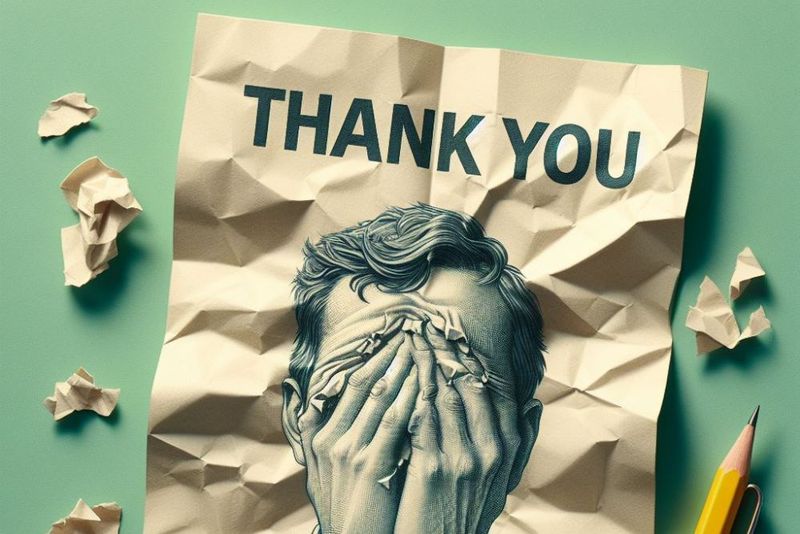
Basic courtesy words like “please” and “thank you” are social glue – they signal that you see and appreciate the people around you. Skipping them consistently isn’t just lazy; it’s quietly dehumanizing to the people on the receiving end.
Whether it’s a barista handing you a coffee or a colleague covering your shift, acknowledgment matters. People who routinely skip expressions of gratitude tend to leave others feeling used and undervalued.
A two-word phrase can genuinely change how someone’s entire day feels.
13. Revealing Someone’s Private Information Without Permission

Sharing something someone told you in confidence is a betrayal that can fracture a friendship in an instant. It doesn’t matter if the information seems harmless to you – the point is that it wasn’t yours to share.
Tactless people often justify gossip as “just keeping others informed,” but the real effect is eroding trust. Once someone learns their secrets aren’t safe with you, the relationship changes permanently.
Being a vault for other people’s private moments is one of the most underrated forms of loyalty.
14. Giving Unsolicited Opinions and Unwanted Advice

Nobody asked, and yet here comes the feedback anyway. Jumping in with opinions on someone’s parenting, relationship, diet, or career choices without being asked is a classic sign of poor social awareness.
There’s a meaningful difference between being helpful and being presumptuous. Unsolicited advice often carries a hidden message: “I think you’re doing it wrong.” Most people already know when something in their life needs work – what they usually want is support, not a critique delivered with a smile and zero invitation.
15. Taking Credit for Other People’s Work or Ideas
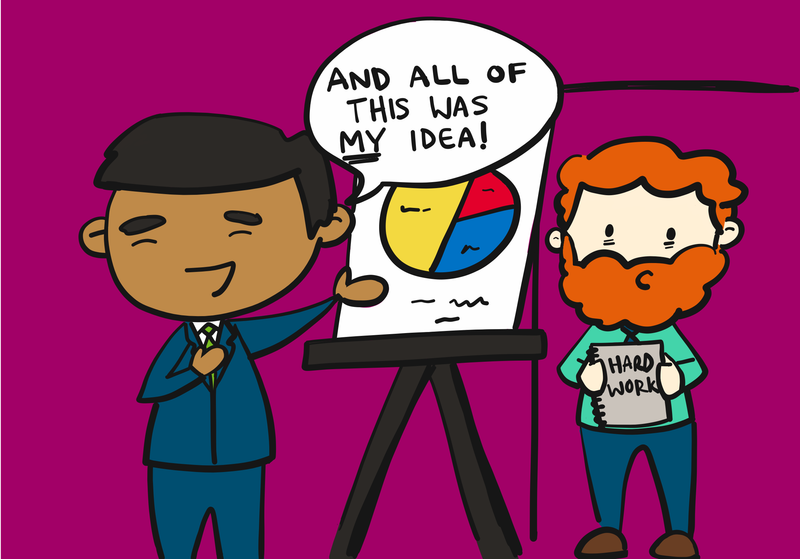
Few workplace behaviors breed resentment faster than someone swooping in to claim credit for work they didn’t do. It’s not just unfair – it actively erases the effort and creativity of the person who actually did the heavy lifting.
Credit stealers often rationalize it as “being a team player” or “presenting the idea well,” but colleagues notice. Giving credit generously and publicly is a hallmark of genuine leadership.
People who lift others up tend to earn far more respect than those who quietly pocket the applause.
16. Invading Personal Space Without Any Awareness

Personal space is one of those invisible boundaries that most people feel deeply but rarely talk about. Standing too close, touching someone without permission, or leaning over someone’s shoulder are all ways of making another person feel cornered or unsafe.
Tactless people often barrel through these unspoken boundaries without a second thought, mistaking discomfort for shyness. Reading body language cues like leaning back or crossed arms is a basic social skill.
When someone shifts away, the right move is always to give them more room.
17. Refusing to Clean Up After Yourself in Shared Spaces

Leaving your mess for others to deal with in shared spaces is a quiet but persistent form of disrespect. It essentially communicates that your convenience matters and everyone else’s comfort simply doesn’t.
Whether it’s a communal kitchen, a shared office, or a public restroom, leaving things worse than you found them burdens whoever comes next. People who clean up after themselves – even when no one is watching – demonstrate a basic consideration for others that tactless individuals rarely bother to develop.
18. Constantly Complaining Without Any Attempt to Solve Things

Venting occasionally is healthy and completely normal. But turning every interaction into a complaint session drains the energy right out of a room and leaves everyone around you feeling like emotional sponges wrung completely dry.
Chronic complainers often don’t realize how much their negativity affects others. The habit signals a kind of helplessness – a preference for narrating problems rather than addressing them.
People who balance honest frustration with a willingness to move forward are far more pleasant to be around and far more effective in their relationships.
19. Belittling Others, Especially in Front of a Group

Making someone feel small in front of others is a power play that says far more about the person doing it than the one on the receiving end. Belittling comments – even disguised as jokes – chip away at confidence in ways that linger long after the moment passes.
Tactless people often use humor as cover, claiming they were “just kidding” when called out. But consistent put-downs, even light ones, create a climate of insecurity.
Building people up in public is a much rarer and far more admirable social skill.
20. Overstaying a Welcome and Missing Every Social Cue to Leave

There’s a certain kind of guest who simply cannot take a hint. Yawning hosts, cleared dishes, dimmed lights – none of it registers.
They just keep talking, completely oblivious to the silent screaming happening around them.
Overstaying a welcome puts the host in the awkward position of having to choose between honesty and politeness. Socially aware people pick up on these cues naturally and excuse themselves before the situation gets uncomfortable.
Knowing when to leave is genuinely one of the most underrated social skills there is.