
Movies have always been a mirror of the times they were made in. But some films from the past contain moments, jokes, or storylines that audiences today would find offensive, harmful, or just plain wrong.
Looking back at these movies can teach us a lot about how our values as a society have grown and changed. Here are 15 films that would likely face serious backlash if they hit theaters right now.
1. Breakfast at Tiffany’s (1961)
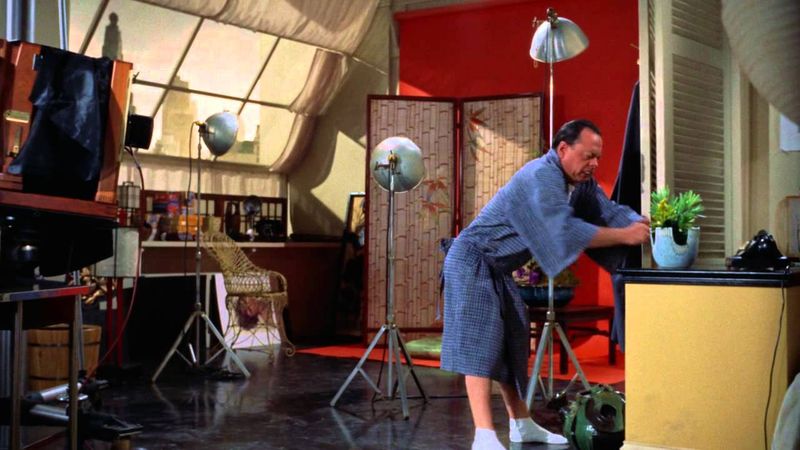
Few films are as beloved as this classic, yet one character makes modern viewers cringe hard. Mickey Rooney plays Mr. Yunioshi, a Japanese neighbor portrayed with bucked teeth, thick glasses, and an exaggerated accent.
It is widely considered one of the most offensive examples of yellowface in Hollywood history.
Today, casting a white actor to mock an Asian character would spark immediate and justified outrage. Even Rooney himself later admitted the role was a mistake he deeply regretted.
2. Grease (1978)
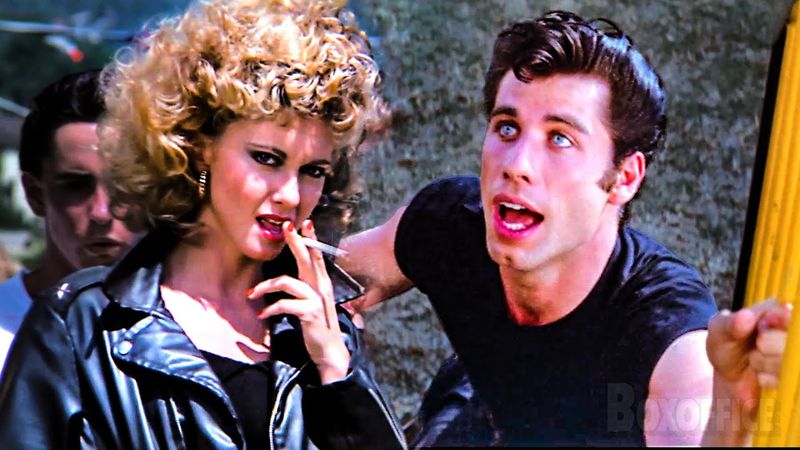
Grease is one of the most popular movie musicals ever made, but watch it closely and the ending raises some serious eyebrows. Sandy completely changes her personality, her style, and her values just to win over Danny.
The film treats this transformation like a triumph rather than a red flag.
Critics today would also point to a song that casually jokes about date rape. The catchy tunes cannot drown out how troubling those messages really are by modern standards.
3. Revenge of the Nerds (1984)
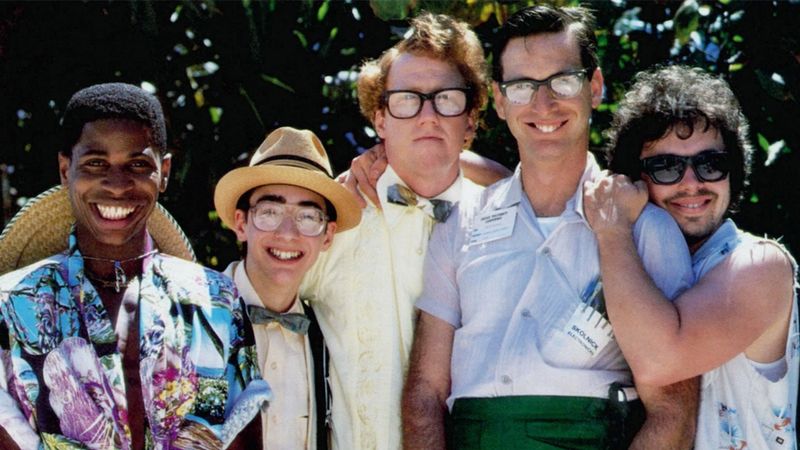
Back in 1984, this college comedy was considered a fun underdog story. But there is a scene where the main character secretly has sex with a woman who does not know who he is, and the film plays it off as romantic.
That is sexual assault, plain and simple.
There is also a scene involving hidden cameras in a sorority house. Audiences and critics today would have absolutely zero tolerance for scenes like these being framed as harmless pranks or love stories.
4. Sixteen Candles (1984)
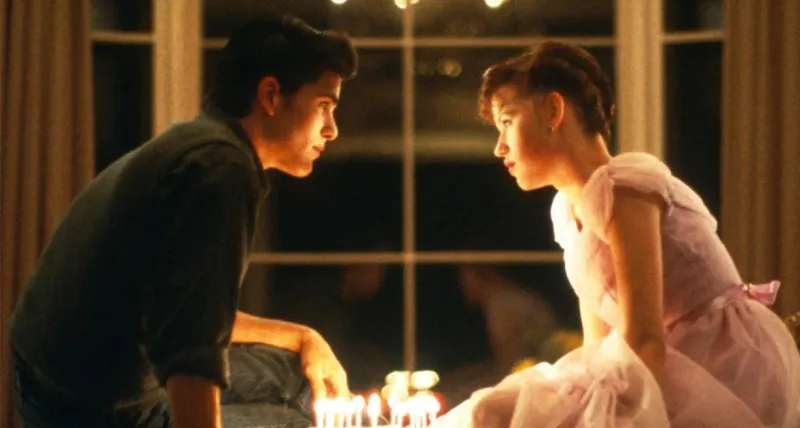
John Hughes made some iconic teen films, but Sixteen Candles has a subplot that would never fly today. The popular guy literally hands his passed-out girlfriend over to another boy, treating her like an object rather than a person.
The movie never frames this as wrong, which is the most alarming part.
There are also racist jokes aimed at a Chinese exchange student character that are played entirely for laughs. Modern audiences would call this film out loudly and quickly on both counts.
5. Ace Ventura: Pet Detective (1994)
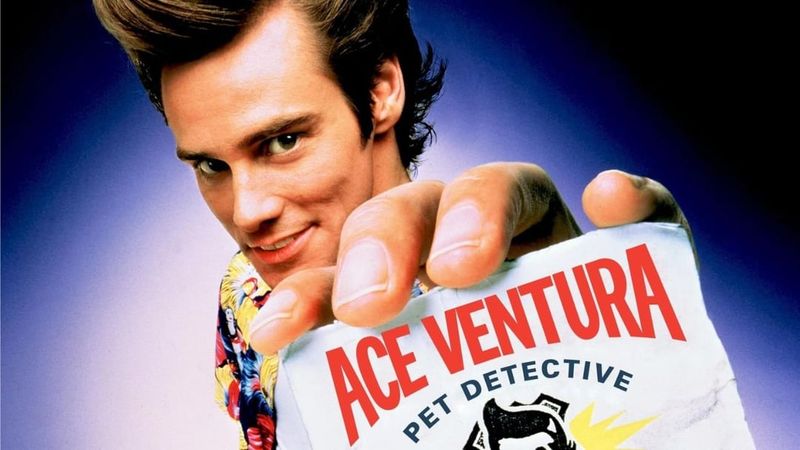
Jim Carrey’s wild performance made this comedy a massive hit in the 90s. However, the film’s ending hinges on a reveal that is deeply transphobic.
Ace discovers a character is transgender and reacts with exaggerated horror and disgust, prompting every other character to do the same thing.
The scene was meant to be played for laughs, but it sends a truly harmful message about transgender people. A studio releasing this scene today would face an enormous and well-deserved backlash from audiences and advocacy groups alike.
6. Dumbo (1941)
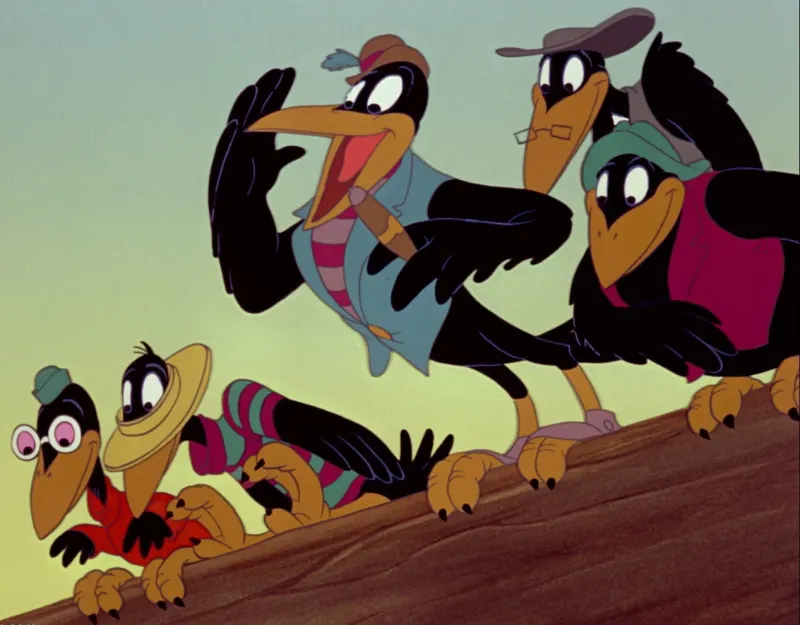
Disney’s early animated classic is charming in many ways, but it includes a group of crow characters that are painfully racist. The lead crow is literally named Jim Crow, a direct reference to the segregation laws that oppressed Black Americans for generations.
The crows speak in exaggerated stereotypical accents and are voiced by white performers.
Disney has since added a content warning to the film on its streaming platform. A new studio releasing this version today without changes would face enormous criticism from the very first trailer drop.
7. Tropic Thunder (2008)
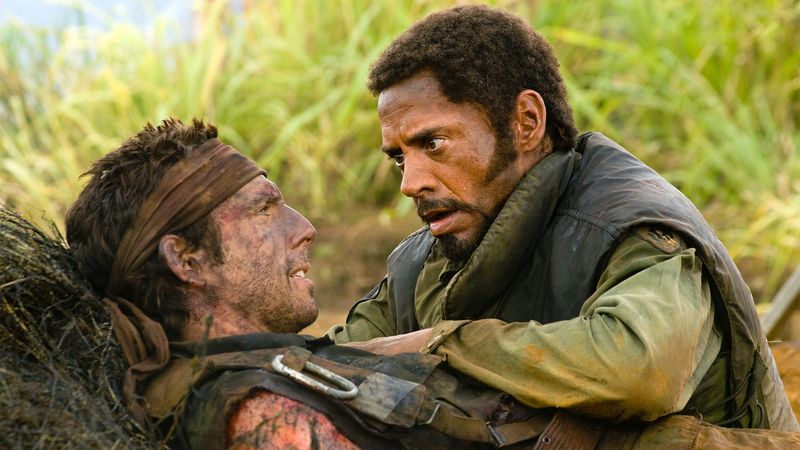
Tropic Thunder is a sharp Hollywood satire, and some of its bold choices still hold up well. But Robert Downey Jr. playing a white actor in blackface throughout the entire film would be a much harder sell today, even as a satirical joke.
The film argues it is mocking method actors and Hollywood ego, not Black people.
Still, prolonged blackface on screen is something modern audiences have very little patience for. Critics and social media would tear this apart before it even opened in theaters, regardless of the artistic intent behind it.
8. Shallow Hal (2001)
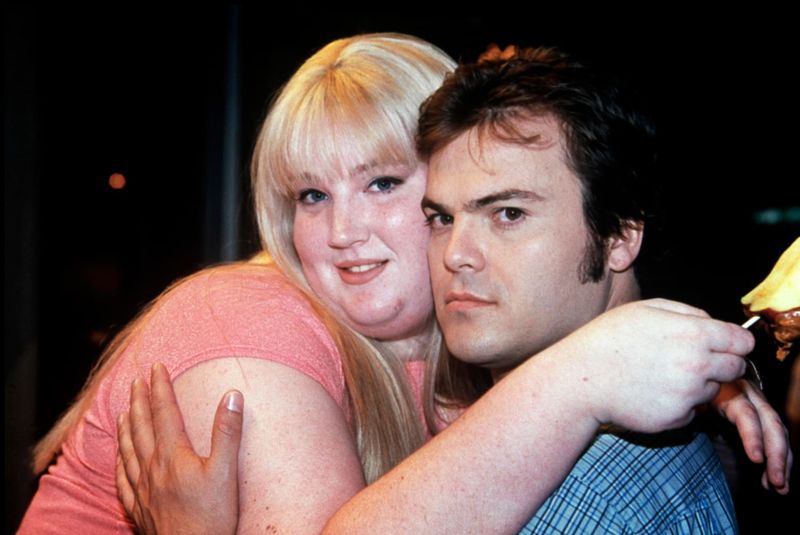
At its core, Shallow Hal tries to send a message about inner beauty, which sounds positive. But the way it gets there involves constant fat jokes, a woman in a fat suit as the punchline, and the idea that loving someone overweight is something a man needs a magic spell to do.
That framing is deeply hurtful.
Body positivity has come a long way since 2001. A film built around this premise today would be criticized sharply for reinforcing harmful ideas about weight, worth, and what kinds of bodies deserve love and respect.
9. Soul Man (1986)
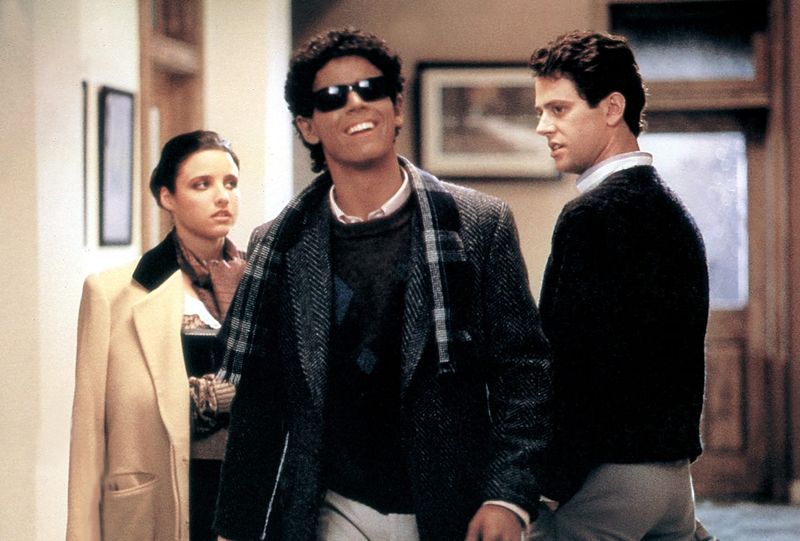
Here is a film with a premise so wild it is hard to believe it was greenlit. A white student takes tanning pills to darken his skin and pose as Black in order to win a scholarship meant for Black students.
The movie treats this as a lighthearted coming-of-age comedy.
It trivializes real racial inequality and uses blackface as a central plot device. No studio today would touch this concept without expecting an immediate and thunderous response from critics, civil rights organizations, and the general public.
10. The 40-Year-Old Virgin (2005)
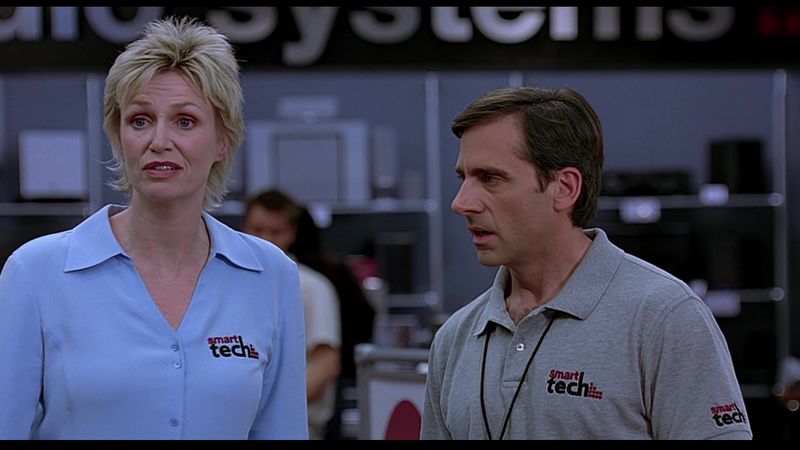
This comedy launched Steve Carell into superstardom and is genuinely funny in many moments. However, it is loaded with casual homophobic jokes used as punchlines throughout the script.
Characters casually use slurs and mock gay men in ways that were considered normal humor in 2005 but read very differently now.
Today, those jokes would land with a thud rather than a laugh. Audiences have shifted significantly in their expectations around LGBTQ+ representation and respect, and critics would not let those lines slide without serious commentary.
11. Peter Pan (1953)
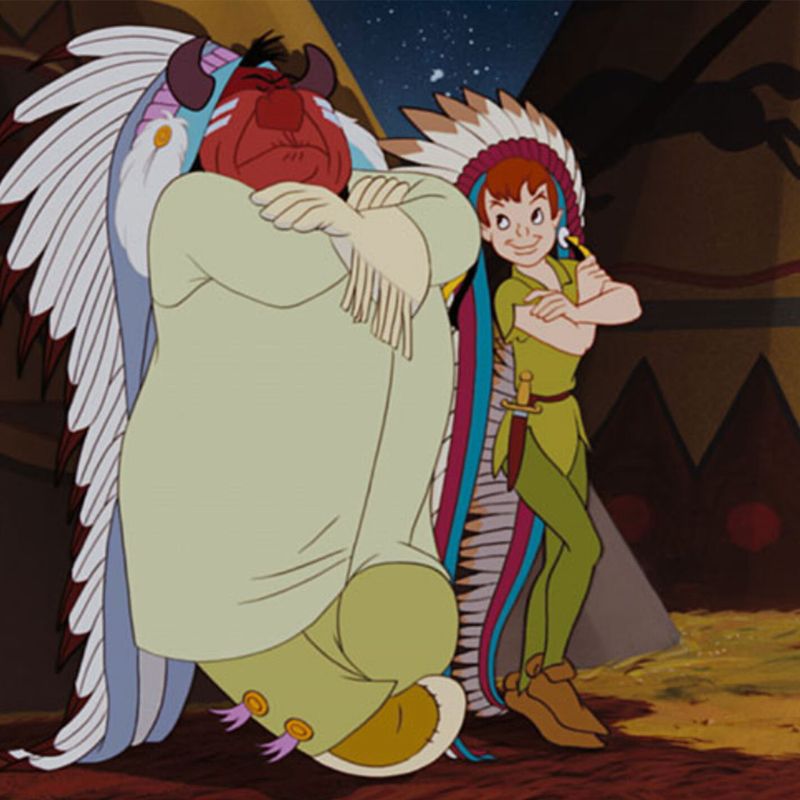
Disney’s animated Peter Pan features a sequence called “What Makes the Red Man Red” that portrays Native American people in a shockingly stereotypical and demeaning way. The caricatures, the language, and the portrayal of Indigenous culture are all deeply offensive by any reasonable modern standard.
Disney added content warnings to this film on Disney+, acknowledging its harmful depictions. A new animated studio film releasing scenes like this today would face protests, calls for boycotts, and widespread condemnation almost immediately after the first clip appeared online.
12. Weird Science (1985)
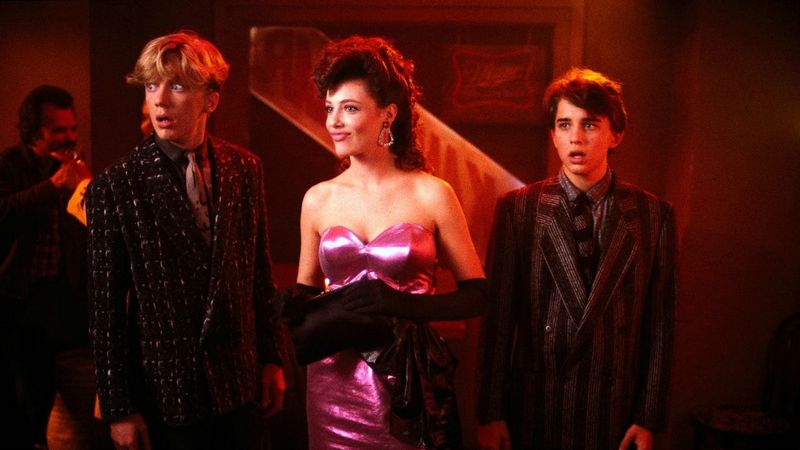
Two teenage boys use a computer to literally create their ideal woman, and the film treats this as a fun teenage fantasy rather than a deeply troubling premise. The woman they create exists purely to serve their needs and boost their confidence.
She has no real agency of her own in the story.
The objectification of women baked into this plot would draw heavy fire from critics today. Beyond that, the casual attitude toward consent and the male gaze throughout the film would make it a lightning rod for feminist criticism.
13. Blazing Saddles (1974)
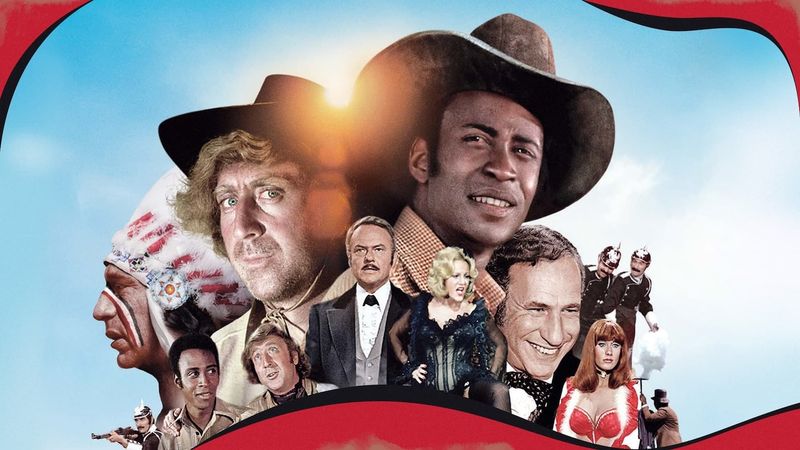
Mel Brooks made this film specifically to mock racism, and many scholars argue it succeeds brilliantly at that goal. But the movie is absolutely packed with racial slurs, used repeatedly and loudly throughout.
Brooks has said he could never make this film today, and he is almost certainly right about that.
Even with the best satirical intentions, the sheer volume of offensive language would dominate the conversation. Modern audiences would struggle to separate the anti-racist message from the uncomfortable delivery, making a wide theatrical release nearly unthinkable today.
14. Porky’s (1981)
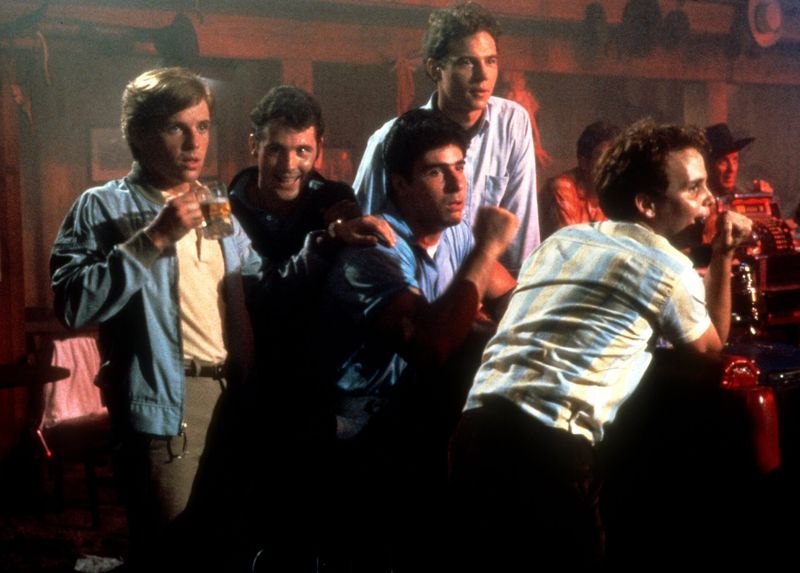
Porky’s was a massive box office hit that launched a wave of raunchy teen comedies in the early 80s. But much of its humor revolves around boys spying on girls in locker rooms and treating sexual harassment as a hilarious game.
The girls in the film exist almost entirely as objects for the boys to pursue or prank.
Today this would be labeled voyeurism and harassment, not comedy. The entire tone of the film reflects an era when boys behaving badly was celebrated rather than challenged, something modern audiences would reject pretty quickly.
15. Crocodile Dundee (1986)
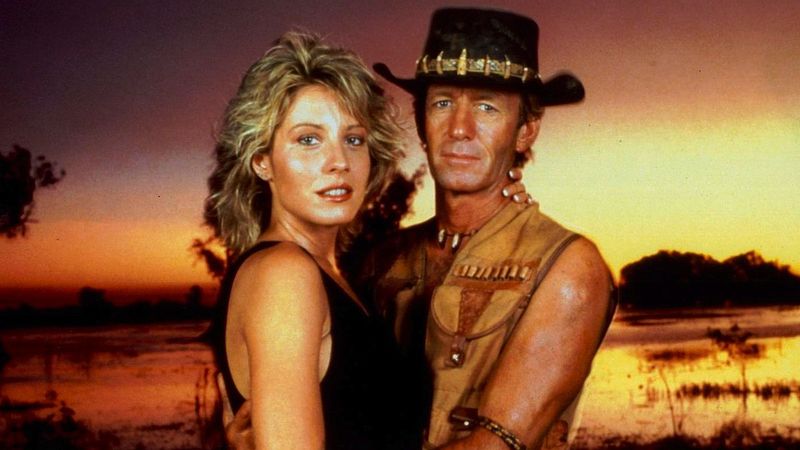
Crocodile Dundee is a fun fish-out-of-water adventure that many people remember fondly. But it contains a scene where Mick grabs a woman he suspects might be transgender and gropes her without consent to check.
The moment is played as a big comedic reveal with everyone laughing along.
That scene is a clear example of transphobia and sexual assault being used as entertainment. Audiences today would not laugh at that moment the way 1986 audiences did, and the backlash from LGBTQ+ communities and allies would be swift and forceful.