
Television wasn’t just entertainment for Baby Boomers — it was a shared experience that shaped an entire generation. Growing up in the 1950s, 60s, and 70s, Boomers watched history unfold on their black-and-white screens and laughed along with some of the most iconic characters ever created.
From wild comedic antics to gripping Westerns and thought-provoking sci-fi, these shows defined what it meant to gather around the TV set as a family. Here’s a look at the shows that had Boomers absolutely hooked.
1. I Love Lucy (1951–1957)
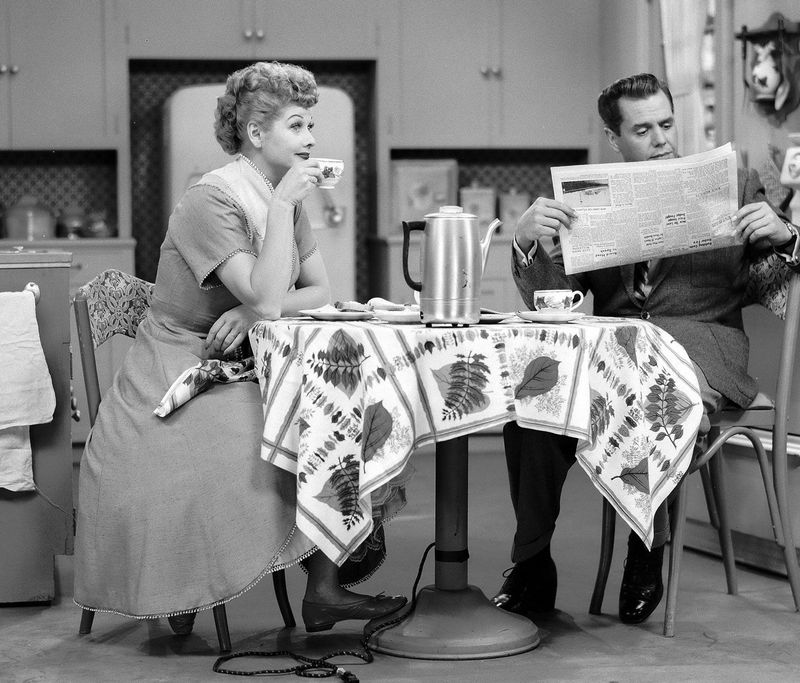
Long before streaming and binge-watching, Lucille Ball made the entire country stop what they were doing every Monday night. Her rubber-faced physical comedy was unlike anything audiences had ever seen, and her chemistry with co-star Desi Arnaz felt genuinely electric.
The show was also a trailblazer — it was the first scripted series filmed on 35mm in front of a live audience. Boomers who grew up watching Lucy’s chocolate factory escapades still quote the show decades later.
2. Gunsmoke (1955–1975)
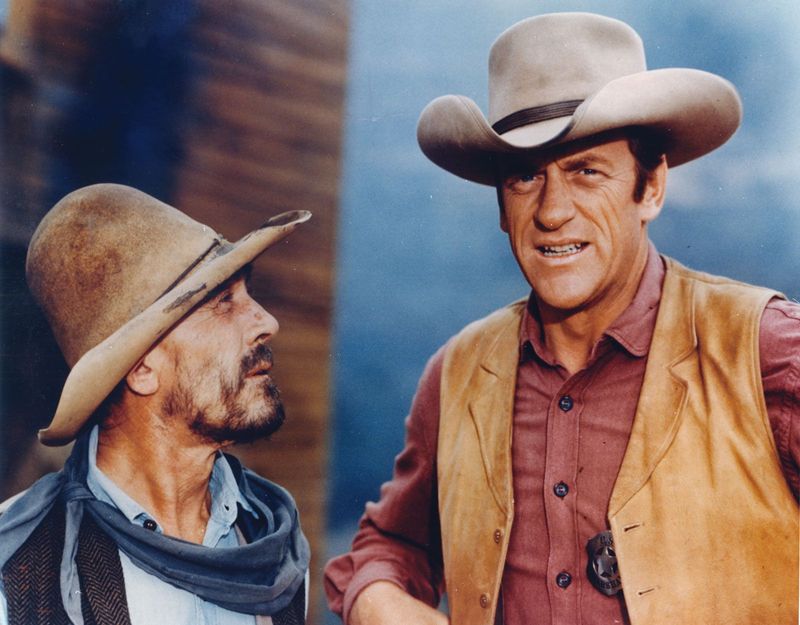
For 20 straight years, Marshal Matt Dillon kept the peace in Dodge City — and kept Boomers glued to their TV sets. Gunsmoke wasn’t just a Western; it tackled real moral dilemmas that made viewers genuinely think.
It held the record as the longest-running scripted TV series until The Simpsons finally overtook it. Watching Gunsmoke on a Saturday night was practically a family tradition, and Miss Kitty became one of television’s most beloved supporting characters.
3. Leave It to Beaver (1957–1963)
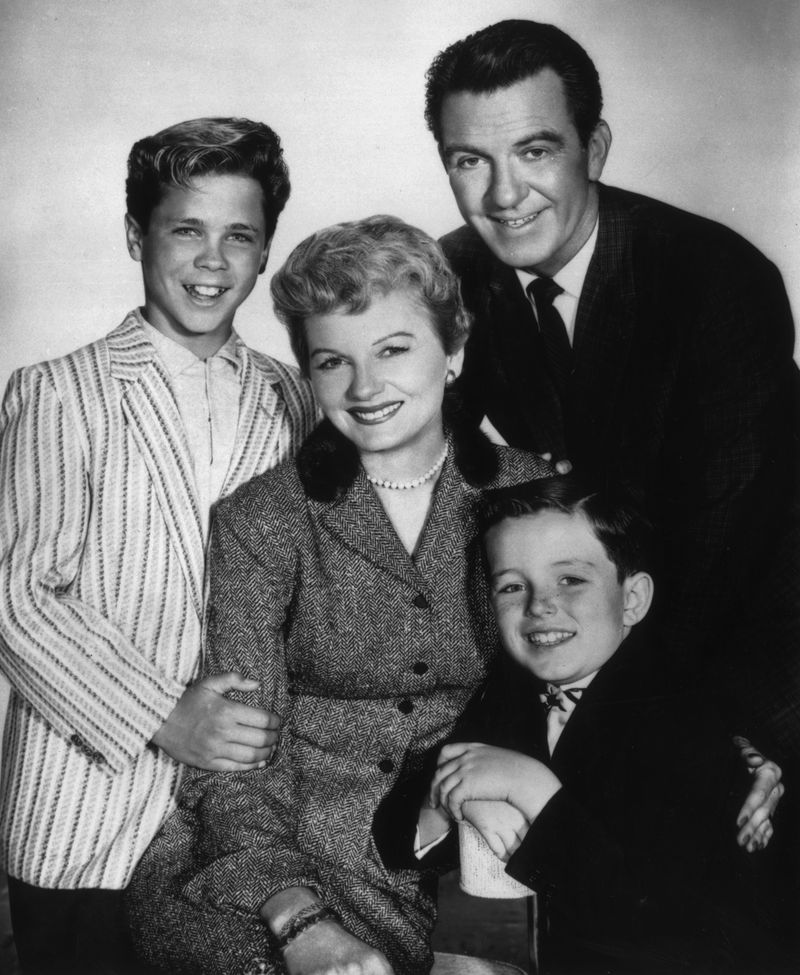
Seen through the eyes of young Theodore “Beaver” Cleaver, this sitcom captured suburban family life with warmth and a surprising amount of honesty. Unlike many shows of the era, it told stories from a kid’s perspective rather than the adults’.
Parents loved the wholesome lessons, while kids related to Beaver’s everyday struggles with school, friendship, and growing up. Many Boomers credit this show with shaping their early ideas about family values and neighborhood life.
4. The Ed Sullivan Show (1948–1971)
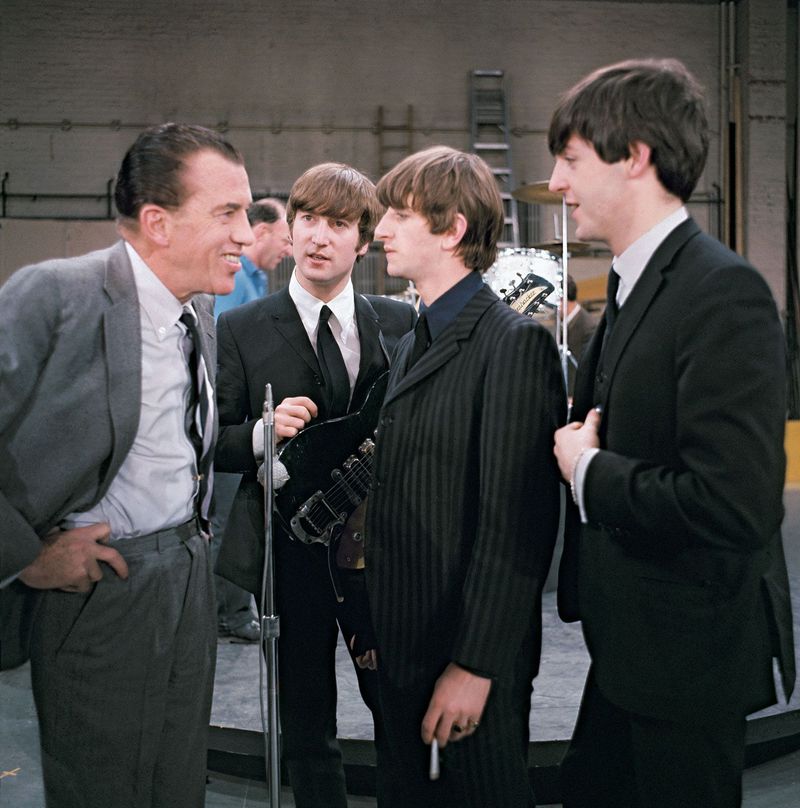
Sunday nights belonged to Ed Sullivan. For over two decades, his variety show was the place where America discovered new talent — from Elvis Presley’s controversial hip swivels to the Beatles’ earth-shaking 1964 debut.
Ed himself was famously stiff and awkward on stage, yet somehow that made him even more endearing. Boomer families dressed up and gathered around the television like it was a special occasion every single week, because honestly, it was.
5. Bonanza (1959–1973)
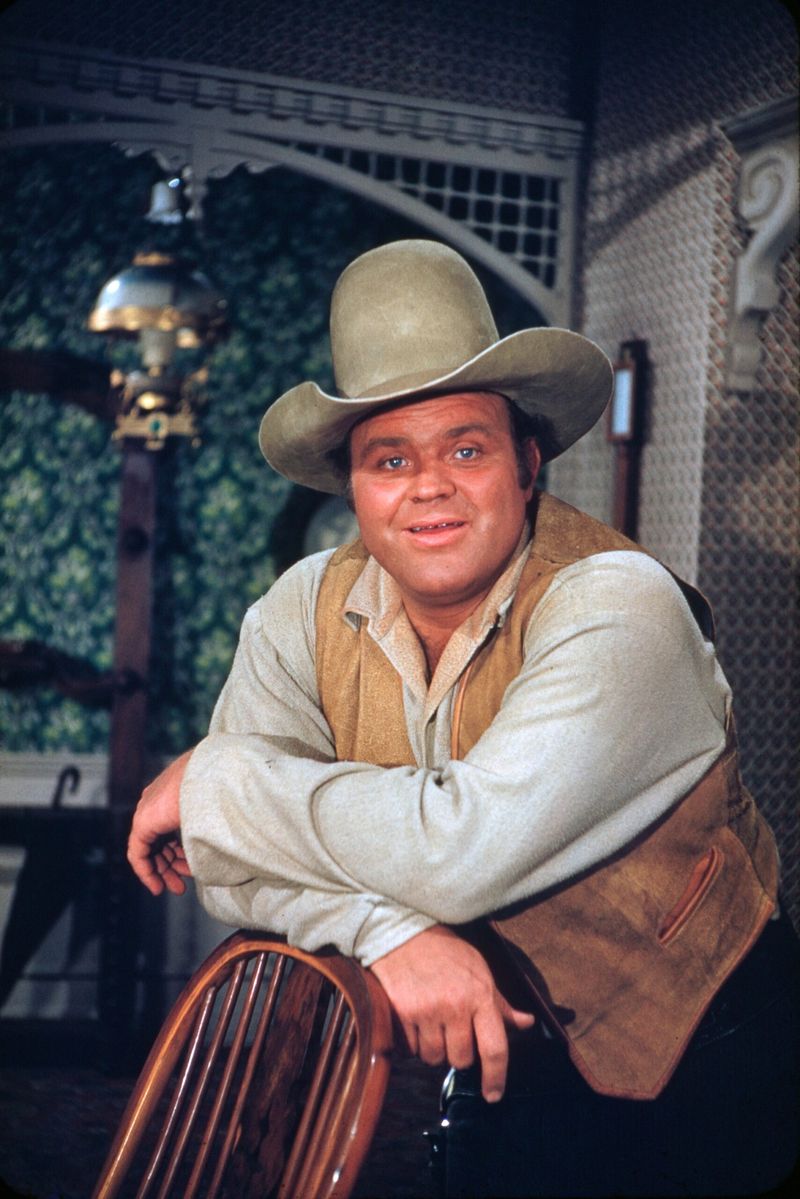
Bonanza was groundbreaking for one surprisingly simple reason — it was filmed in color at a time when most households still had black-and-white sets. NBC used it partly to sell color televisions, and it worked brilliantly.
Beyond the visuals, the Cartwright family on the Ponderosa ranch offered something rare: a fatherhood story built on respect and love. From 1964 to 1967, no show in America was more popular, and Hoss Cartwright became everyone’s favorite gentle giant.
6. The Beverly Hillbillies (1962–1971)
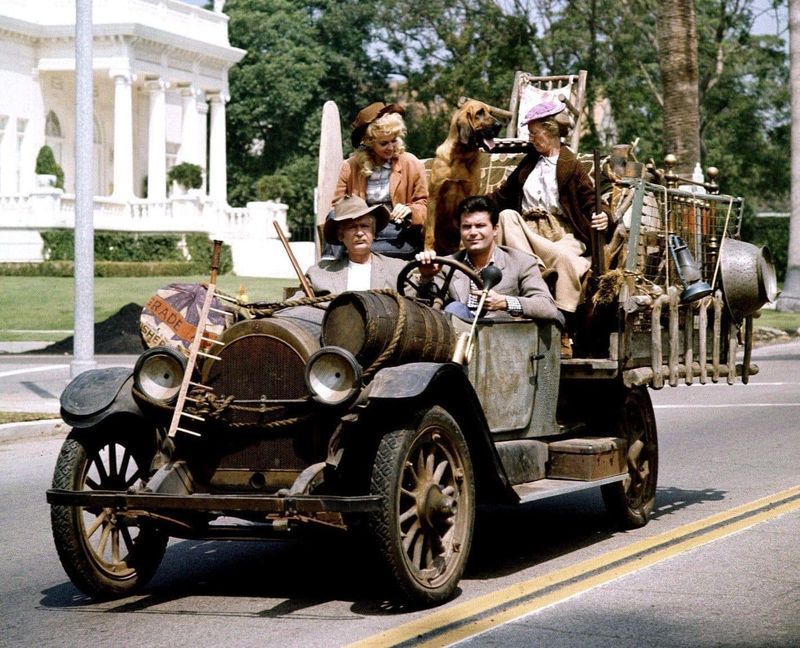
Strike oil, pack up the truck, and head to Beverly Hills — that was the simple premise that made The Beverly Hillbillies the most-watched show in America in both 1962 and 1963. The Clampett family’s bewildered reactions to swimming pools and fancy restaurants never got old.
What made it work was the genuine warmth between characters. Granny’s stubbornness, Elly May’s love of critters, and Jed’s quiet wisdom gave the show a heart that kept audiences coming back every week.
7. The Andy Griffith Show (1960–1968)
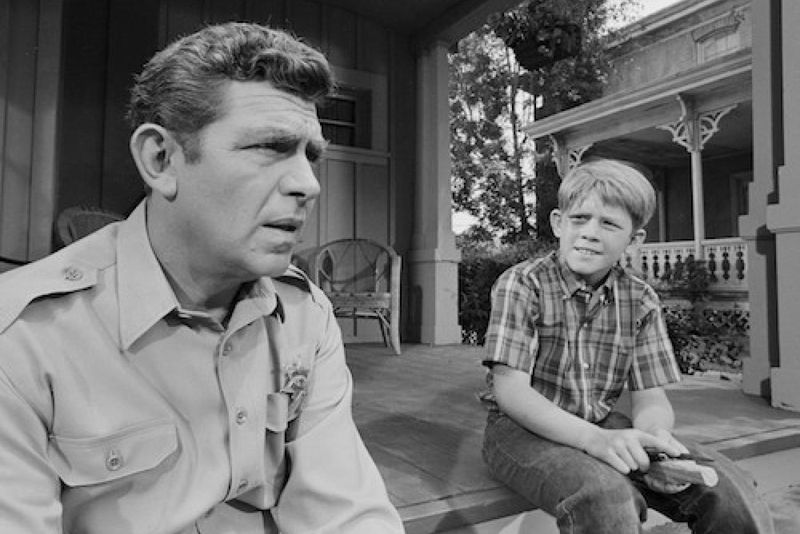
Mayberry wasn’t a real place, but for millions of Boomers, it felt more real than their own hometowns. Andy Taylor’s relaxed, wise approach to life made viewers wish they could sit on that front porch and just slow down for a while.
The show ran for eight seasons without ever losing its charm. Barney Fife’s bumbling antics balanced perfectly against Andy’s steady calm, and together they created one of television’s greatest comedic duos.
It’s still rerun constantly — and still works.
8. The Honeymooners (1955–1956)
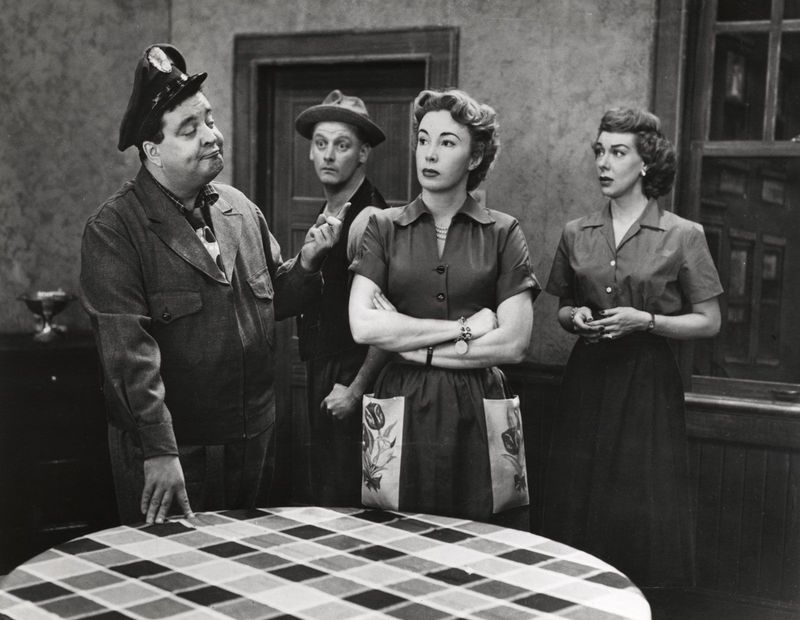
Only 39 episodes were ever made, yet The Honeymooners became one of the most quoted and imitated sitcoms in television history. Jackie Gleason’s Ralph Kramden was loud, boastful, and perpetually broke — and completely impossible not to love.
“To the moon, Alice!” became a catchphrase that outlasted the show by decades. Ralph and Ed Norton’s friendship felt real in a way that fancy productions often miss.
Boomers who caught it in reruns understood immediately why it became a comedy blueprint.
9. The Twilight Zone (1959–1964)
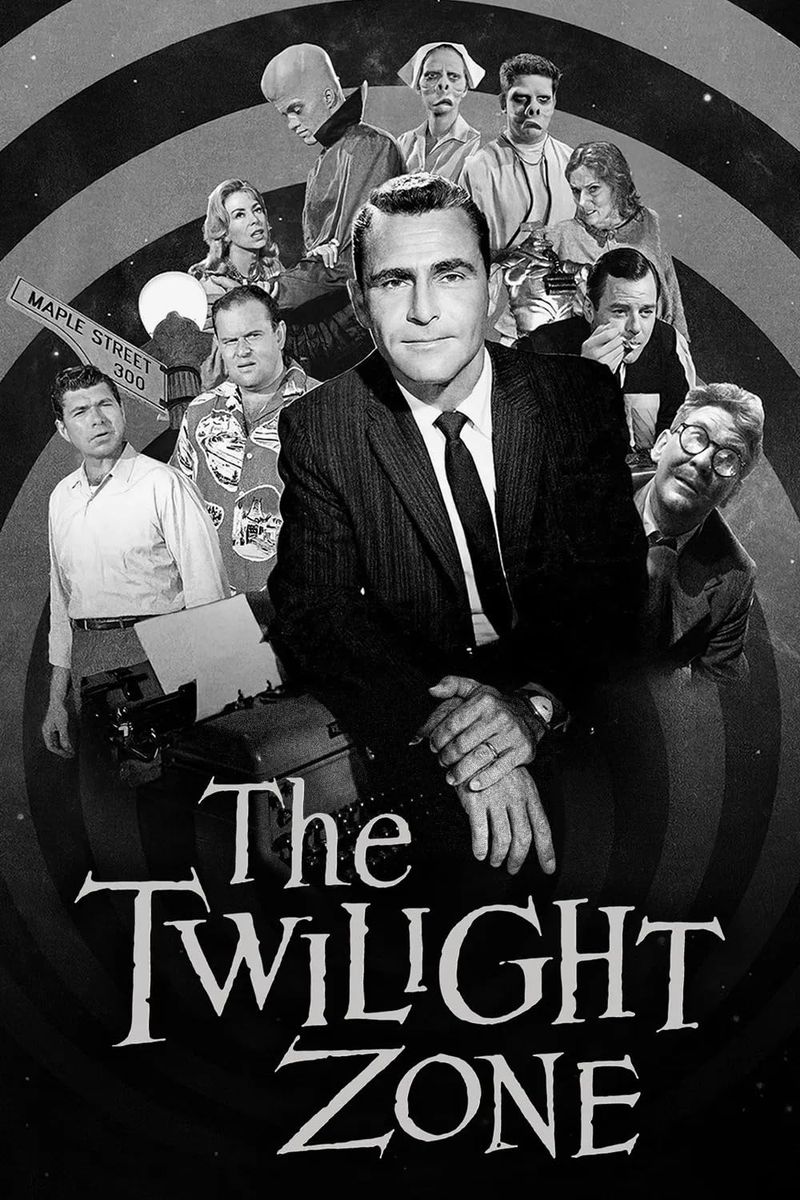
Rod Serling’s opening narration gave Boomers chills every single time: “You’re traveling through another dimension…” Before superhero franchises dominated storytelling, The Twilight Zone proved that the most powerful stories come from the unexpected twist.
Each episode was a self-contained puzzle that made you think long after the credits rolled. The show tackled racism, war, and conformity in ways mainstream television simply wouldn’t dare.
Many Boomers say it was the first show that made them feel genuinely unsettled — in the best possible way.
10. Bewitched (1964–1972)
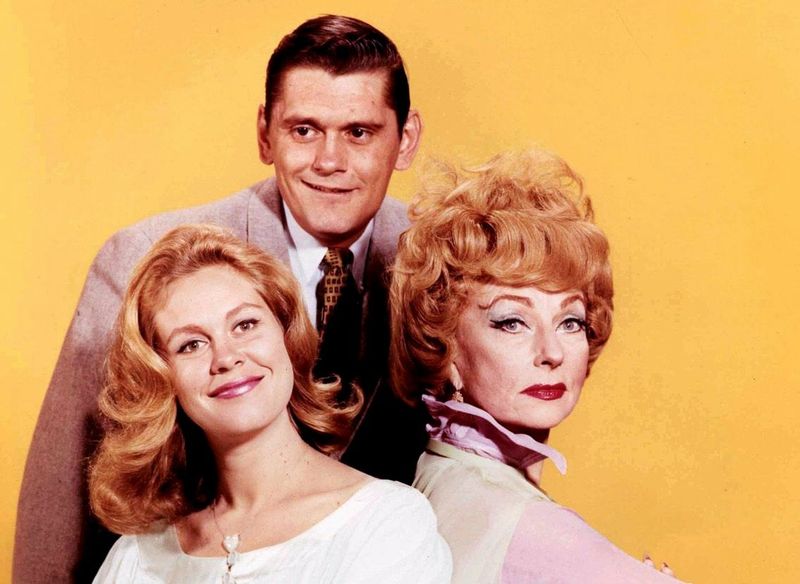
What happens when a powerful witch marries a perfectly ordinary advertising executive? Eight seasons of magical chaos, that’s what.
Samantha Stephens’ nose-twitch became one of the most recognizable gestures in television history.
Bewitched was sneakily clever — beneath the comedy, it explored what it felt like to hide your true self to fit into suburban life. Boomers adored both Elizabeth Montgomery’s charm and the endless parade of meddling relatives.
Endora alone was worth tuning in for every single week.
11. Gilligan’s Island (1964–1967)
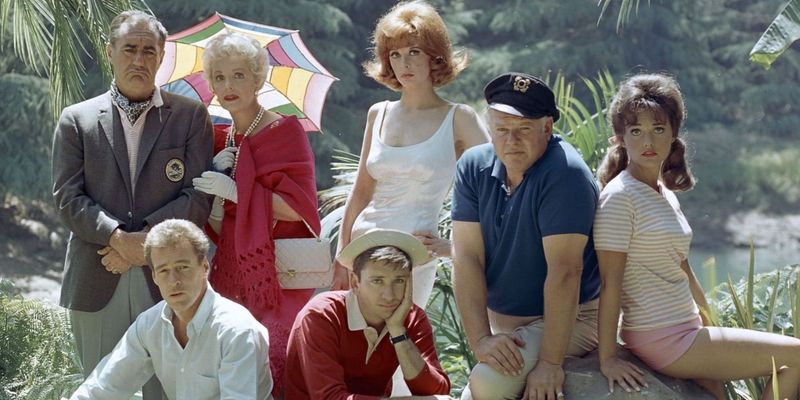
Three seasons. Ninety-eight episodes.
Zero successful rescues. And somehow, Gilligan’s Island never stopped being funny.
The show’s absurd premise — seven very different people hopelessly stranded together — gave writers endless comedic material.
Every character filled a perfectly distinct role, from the Professor’s brainy resourcefulness to the Skipper’s exasperated patience with Gilligan’s constant blunders. Boomers who watched after school reruns in the late 60s and 70s could recite the theme song word for word — and most still can today.
12. The Addams Family (1964–1966)
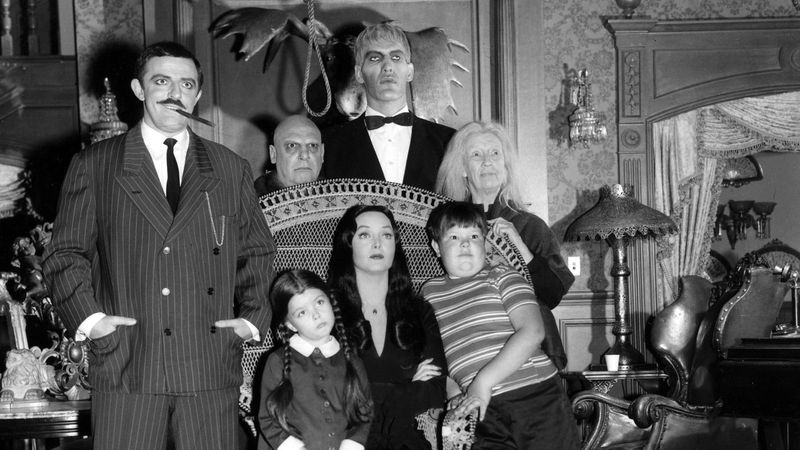
Finger-snapping, cobwebs, and a family that genuinely adored each other — The Addams Family was weird in the most wonderful way. Gomez and Morticia’s passionate, openly affectionate relationship was actually pretty radical for 1960s television.
While other sitcom couples slept in separate beds, the Addams parents were openly in love, supportive parents, and completely unbothered by what neighbors thought. Boomers loved the show’s playful mockery of suburban conformity.
Wednesday Addams, in particular, became a cultural icon who still resonates strongly today.
13. I Dream of Jeannie (1965–1970)
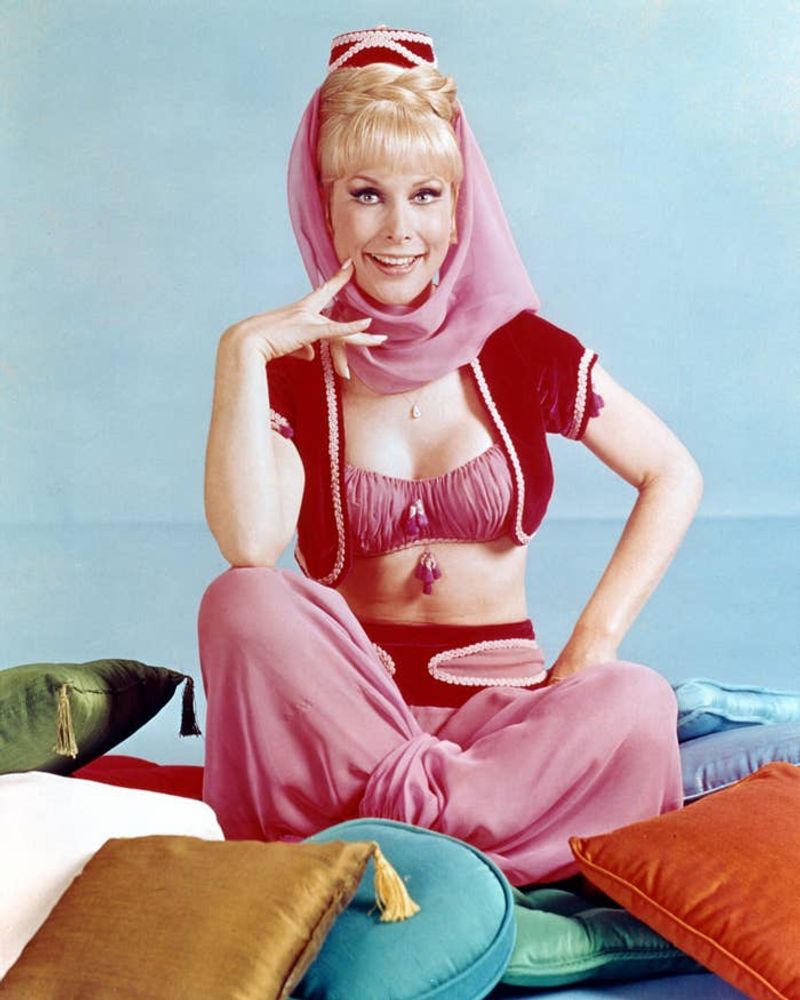
Astronaut Tony Nelson thought he had seen everything — until he opened a bottle on a deserted beach and out popped a 2,000-year-old genie. Barbara Eden’s portrayal of Jeannie was bubbly, mischievous, and completely scene-stealing.
The show ran for five seasons and generated genuine chemistry between Eden and Larry Hagman that audiences found irresistible. Jeannie’s blink-and-cross-arms magic move became instantly iconic.
Boomers who grew up watching this show remember it as pure escapist fun — and that’s exactly what it delivered.
14. Batman (1966–1968)
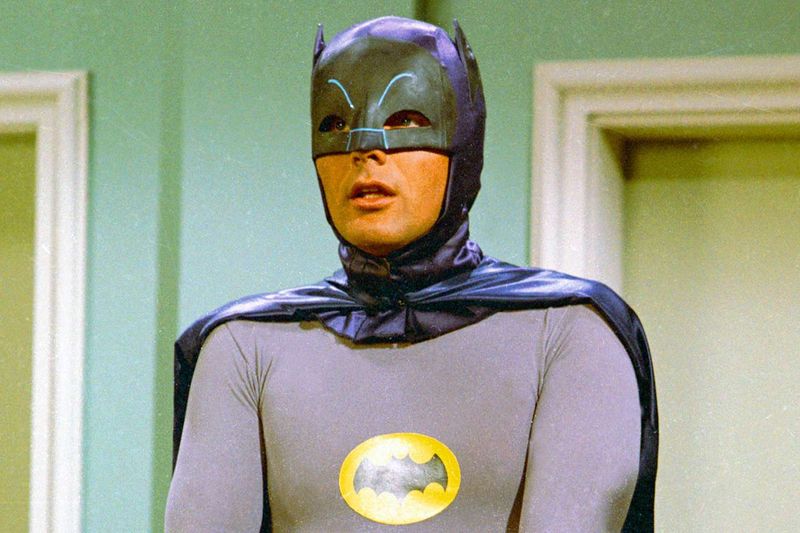
Holy television phenomenon, Batman! When the caped crusader swung onto ABC screens in January 1966, it was an instant sensation.
Adam West’s deadpan delivery turned every absurd line into comedy gold, and the show’s intentionally over-the-top campiness was completely intentional.
Twice a week, Boomers tuned in for cliffhangers that had them counting down until the next episode. The rotating parade of colorful villains — Joker, Riddler, Catwoman — made every episode feel like a new adventure.
It was gleefully, brilliantly ridiculous.
15. Star Trek (1966–1969)
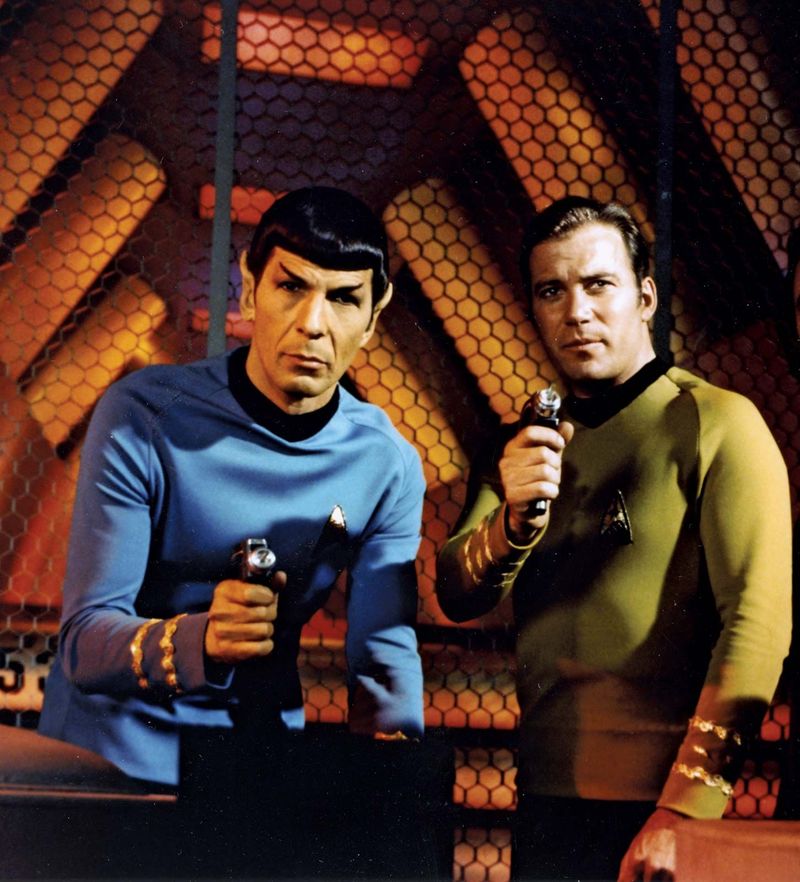
Star Trek only lasted three seasons, yet it changed science fiction — and television — forever. Gene Roddenberry’s vision of a united, diverse crew boldly going where no one had gone before felt genuinely revolutionary in 1966.
The show tackled racism, war, and human nature through alien metaphors when direct commentary would have been censored. Boomers who watched it as teenagers often describe it as the show that made them think differently about the world.
The fandom it created became one of the most passionate in entertainment history.
16. Happy Days (1974–1984)
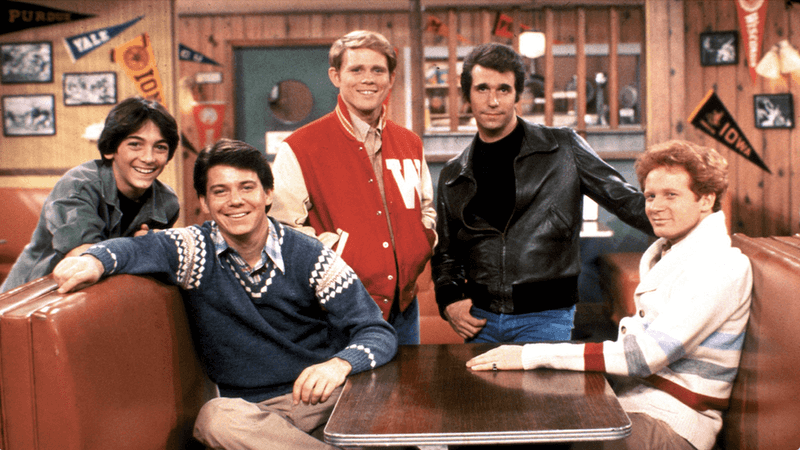
“Ayyyyy!” — two syllables were all it took for Arthur Fonzarelli to become one of the most iconic characters in television history. Happy Days was a nostalgia machine, transporting Boomers back to the carefree 1950s of their own childhoods.
The Fonz’s cool factor was so enormous that his leather jacket ended up in the Smithsonian Institution. Beyond Fonzie, the show’s warmth, humor, and Cunningham family dynamics made it appointment viewing for a full decade.
It perfectly captured a generation’s longing for simpler times.
17. All in the Family (1971–1979)
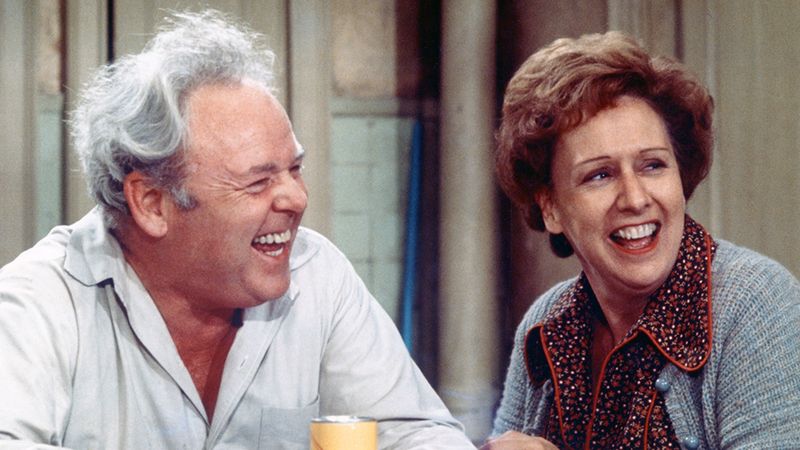
Before All in the Family, primetime television avoided anything remotely controversial. Then Archie Bunker sat down in his armchair and changed everything.
Carroll O’Connor’s portrayal of a bigoted, loud-mouthed, but oddly lovable blue-collar worker forced America to look at its own prejudices.
The show was the most-watched program of the 1970s for five consecutive years. Boomers watched it with their own parents, often squirming and laughing simultaneously.
It proved that television could tackle race, gender, and class — and actually make people think while they laughed.