
Marriage is supposed to be a partnership built on love, respect, and mutual support. But sometimes, things slowly fall apart in ways that are hard to see until it’s too late.
Many women don’t wake up one day and suddenly decide to leave — it’s usually a long, painful process that builds over time. Understanding why women choose to walk away can help couples recognize warning signs before it’s too late.
1. Emotional Neglect and Disconnection

Years before a woman packs her bags, she often checks out emotionally. Emotional neglect is sneaky — it doesn’t always look like fighting or cruelty.
It feels more like being invisible.
When a husband stops asking how she’s doing, cuts conversations short, or withdraws affection, his wife begins to feel like she’s living beside a stranger. Researchers call this slow fade “walkaway wife syndrome” — and by the time she leaves physically, she’s been gone emotionally for years.
2. Communication Breakdown

When two people stop truly talking to each other, the relationship starts running on empty. A wife who tries to bring up her needs and gets met with eye rolls or silence will eventually stop trying altogether.
Communication isn’t just about talking — it’s about feeling heard and valued. Studies show that ongoing conflicts paired with a lack of tenderness create what some therapists call a “marital temperature problem,” where the warmth slowly drains out of the relationship until nothing is left.
3. Carrying an Unequal Load at Home

Imagine working a full-time job and then coming home to another full-time job — that’s the reality for many wives. Research consistently shows that women do the majority of cleaning, caregiving, and emotional support in households, even when both partners work.
Over time, this imbalance breeds deep resentment. Many women describe feeling like their husband became “another child” rather than a true partner.
Burnout sets in, and eventually, the exhaustion of doing everything alone outweighs the desire to stay.
4. Infidelity and Betrayal of Trust

Cheating doesn’t just break a heart — it shatters the entire foundation a marriage was built on. Studies estimate infidelity occurs in roughly one in four marriages, making it one of the most commonly cited reasons for divorce.
For most women, the actual affair is only part of the wound. The lies, the deception, and the realization that the person they trusted most chose to deceive them can be impossible to recover from.
Betrayal of trust runs far deeper than the act itself.
5. Feeling Undervalued and Unappreciated

“Thank you” costs nothing, but its absence can cost a marriage everything. When a woman’s efforts — big or small — go unnoticed day after day, love quietly erodes.
Feeling undervalued doesn’t mean she needs constant praise. She simply wants acknowledgment that her contributions matter.
Whether it’s managing the household, supporting her husband’s career, or raising children, being taken for granted creates a slow-burning resentment that eventually makes staying feel pointless. Appreciation is one of the simplest ways to keep love alive.
6. A Husband Who Refuses to Grow

Growth is a two-way street in any healthy relationship. When a woman works hard on herself — emotionally, professionally, personally — but her husband refuses to do the same, a painful gap opens between them.
Worse still is when she raises concerns and he meets them with indifference or dismissal. Therapists note that when efforts to improve the relationship are repeatedly ignored, women eventually stop asking and start planning their exit.
Nobody wants to carry a relationship alone forever.
7. Emotional, Verbal, or Physical Abuse
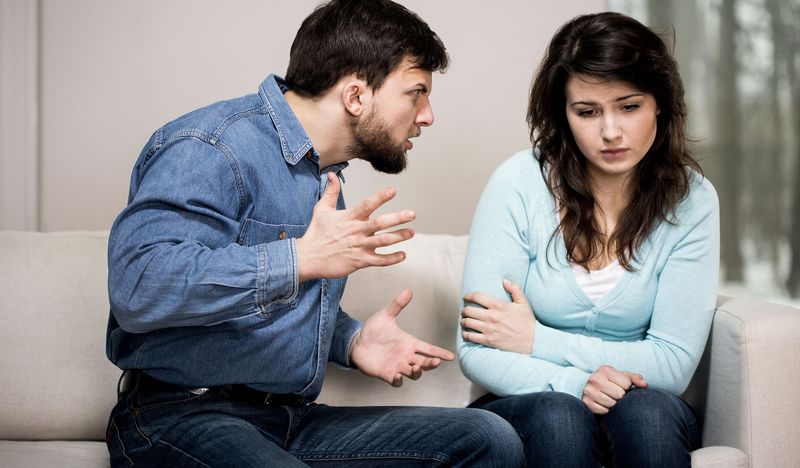
No one should stay where they are not safe. Abuse in marriage doesn’t always leave visible marks — emotional and verbal cruelty can be just as damaging as physical harm, chipping away at a woman’s self-worth over time.
“Mental cruelty” is one of the most commonly cited reasons women file for divorce. Leaving an abusive partner can also be the most dangerous time, with research showing a 75% spike in violence at the point of separation.
Safety must always come first.
8. Financial Problems and Money Inequality

Money fights are among the loudest arguments in any household — and one of the top predictors of divorce. Financial stress creates tension that seeps into every corner of a marriage, from daily decisions to long-term dreams.
Women often face a harder financial fall after separation because they’ve made career sacrifices, taken parental leave, or worked part-time to manage family life. This inequality makes leaving harder, but when financial conflict becomes constant and unresolvable, many women decide the cost of staying is even higher.
9. Loss of Physical Intimacy

Physical closeness is the glue that holds many marriages together — and when it disappears, couples can start to feel more like roommates than romantic partners. Sexual dissatisfaction or a long-term mismatch in physical needs can quietly poison a relationship over time.
Women who feel their physical needs are consistently dismissed or ignored often begin to feel unwanted and disconnected. Intimacy isn’t just about sex — it includes touch, closeness, and the feeling of being desired.
Without it, emotional distance grows fast.
10. Outgrowing Each Other Over Time
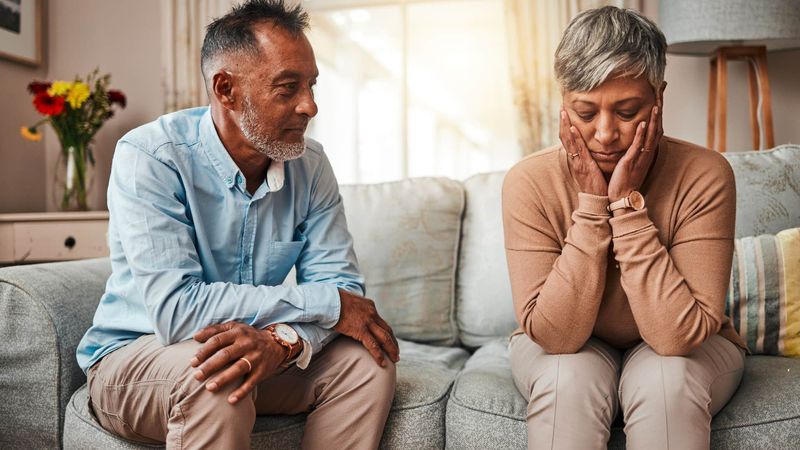
People change — that’s not a flaw, it’s just life. But when two people grow in completely different directions, the marriage can start to feel like it belongs to strangers.
Many women find that as they evolve personally, professionally, or spiritually, their vision for the future no longer matches their husband’s. This slow drift isn’t always dramatic.
Sometimes it’s just the quiet realization that the person you married and the person you’ve become no longer want the same things from life.
11. Addiction and Destructive Habits

Loving someone with an addiction can feel like loving a ghost — the person is physically present, but the relationship is slowly being hollowed out. Substance abuse plays a role in an estimated 34% of divorces, making it one of the most significant contributors to marital breakdown.
Whether it’s alcohol, gambling, pornography, or drugs, addiction erodes trust, creates financial instability, and forces the sober partner into a caretaker role they never signed up for. Eventually, exhaustion and self-preservation take over.
12. Mental Health Struggles and Burnout

Sometimes a woman doesn’t leave because she stopped loving her husband — she leaves because she stopped recognizing herself. Chronic burnout, anxiety, and depression can reach a breaking point when a woman feels her partner doesn’t notice or simply doesn’t care.
Untreated mental health conditions in either partner — including depression, ADHD, or narcissistic tendencies — can slowly dismantle even the strongest marriages. When a woman finally chooses her mental health over a relationship that drains her, that decision can be both heartbreaking and necessary.
13. Feeling Completely Alone in the Marriage

There’s a particular kind of loneliness that comes from being alone while technically not being alone. Many women describe their marriages not as explosive battlegrounds, but as cold, quiet, and hollow places where connection once lived.
When a husband is no longer his wife’s friend, confidant, or emotional anchor, she finds herself grieving a relationship that technically still exists. Women often say this loneliness — not fights or dramatic blow-ups — is what finally convinced them to leave.
Silence can be deafening.
14. Clashing Views on Parenting
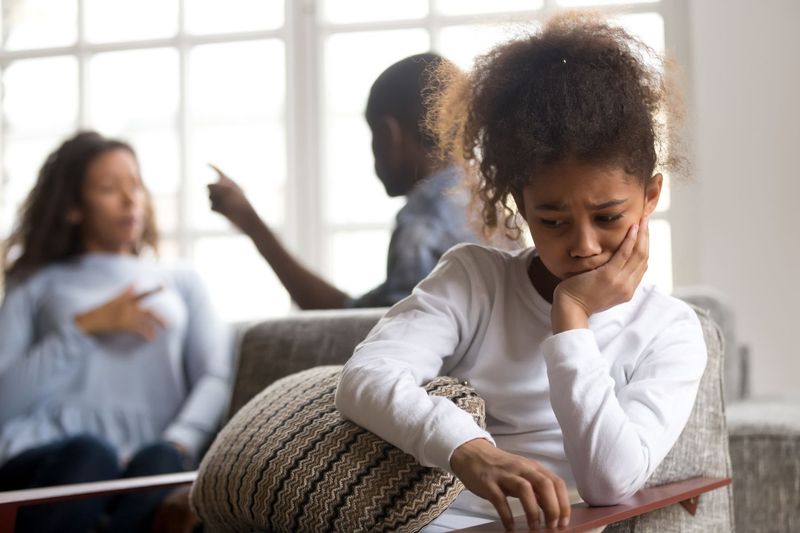
Raising kids is already one of the hardest jobs in the world — doing it while constantly battling your partner makes it nearly unbearable. Research shows that irresolvable parenting disagreements are cited in roughly 15% of woman-initiated divorces.
Conflicts about discipline, education, screen time, or even whether to have children at all can create a rift that becomes impossible to bridge. When two parents can’t find common ground on raising their family, the tension spills into every part of the marriage and wears everyone down.
15. Shifting Expectations and Changing Times

Modern marriages carry a much heavier emotional and relational load than marriages did generations ago. Today, women expect their partners to be emotionally available, financially responsible, romantically engaged, and genuinely supportive — and rightly so.
No-fault divorce laws have also made it legally easier for women to leave without proving specific misconduct. When a marriage consistently falls short of reasonable expectations and no effort is made to close that gap, women are far more willing than ever before to choose a different path forward.
16. Desire for Independence and Personal Fulfillment

Economic independence has quietly changed the landscape of marriage. When women can support themselves financially, they no longer have to stay in relationships that make them unhappy just to survive.
Some women leave not because their marriage is terrible, but because they’ve discovered a version of themselves that deserves more room to grow. The pursuit of personal happiness, passion, and purpose is a valid reason to walk away — even if it’s hard for others to understand.
Choosing yourself is never something to apologize for.