
Not all pizza shops are created equal, and some are hiding more than just secret sauce. Whether you’re grabbing a quick slice after school or ordering for the whole family, knowing what to look for can save you from a bad meal — or worse.
Pizzeria experts have a sharp eye for the warning signs that separate a truly great shop from a sketchy one. Here are 17 red flags to watch out for next time you walk through that door.
1. The Place Looks Like It Hasn’t Been Cleaned in Weeks
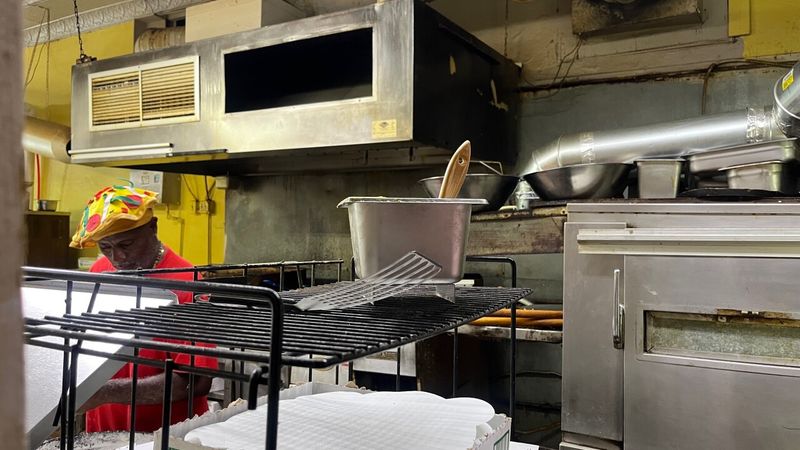
Walk into any pizza shop and your eyes will tell you a lot before you even smell the sauce. Dirty counters, crumbs on the floor, and dusty shelves are never a good sign.
A clean workspace shows that a restaurant actually cares about the food it serves.
Experts say visible grime in public areas almost always means the kitchen is even worse. If staff won’t clean what customers can see, imagine what’s happening where they can’t.
2. The Bathroom Is a Total Disaster
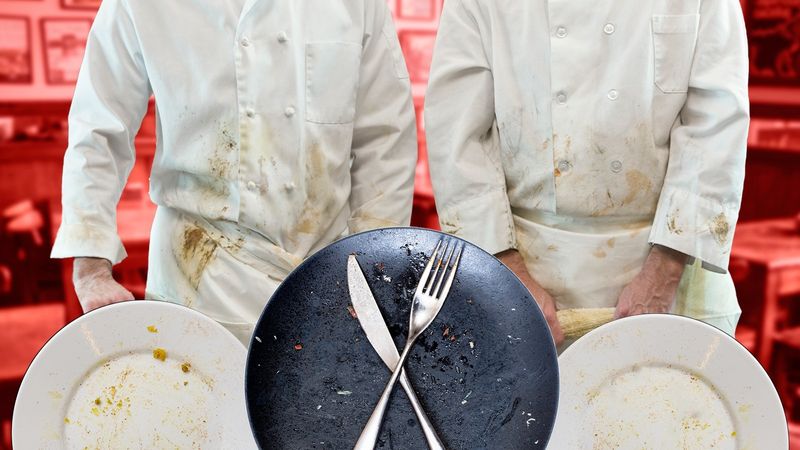
A bathroom says everything about how a restaurant runs behind the scenes. Experts agree that a messy, neglected restroom is one of the clearest red flags in the food business.
If management won’t keep the bathroom stocked and clean, handwashing habits among staff are probably just as bad.
No soap by the sink is especially alarming. That one detail alone raises serious questions about whether the people making your food are practicing basic hygiene before handling ingredients.
3. Mops Sitting in Buckets of Dirty Water on the Floor
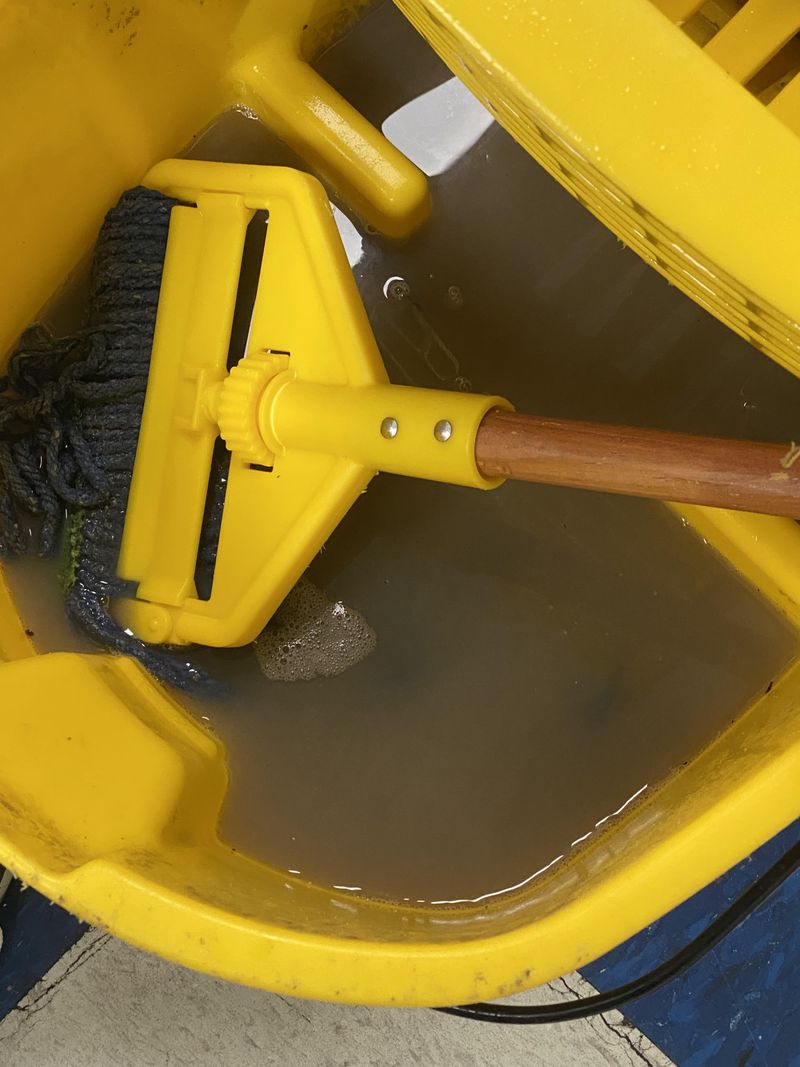
Spotting a mop bucket full of filthy water parked in the dining area is never a welcome sight. That murky water is basically a soup of bacteria being spread across the floor every time staff use it.
Proper cleaning means fresh water and keeping equipment out of customer spaces.
Pizzeria pros say this kind of carelessness points to poor training and low standards overall. A shop that cuts corners on cleaning almost certainly cuts corners on food safety too.
4. Staff Handling Food with Bare Hands Carelessly
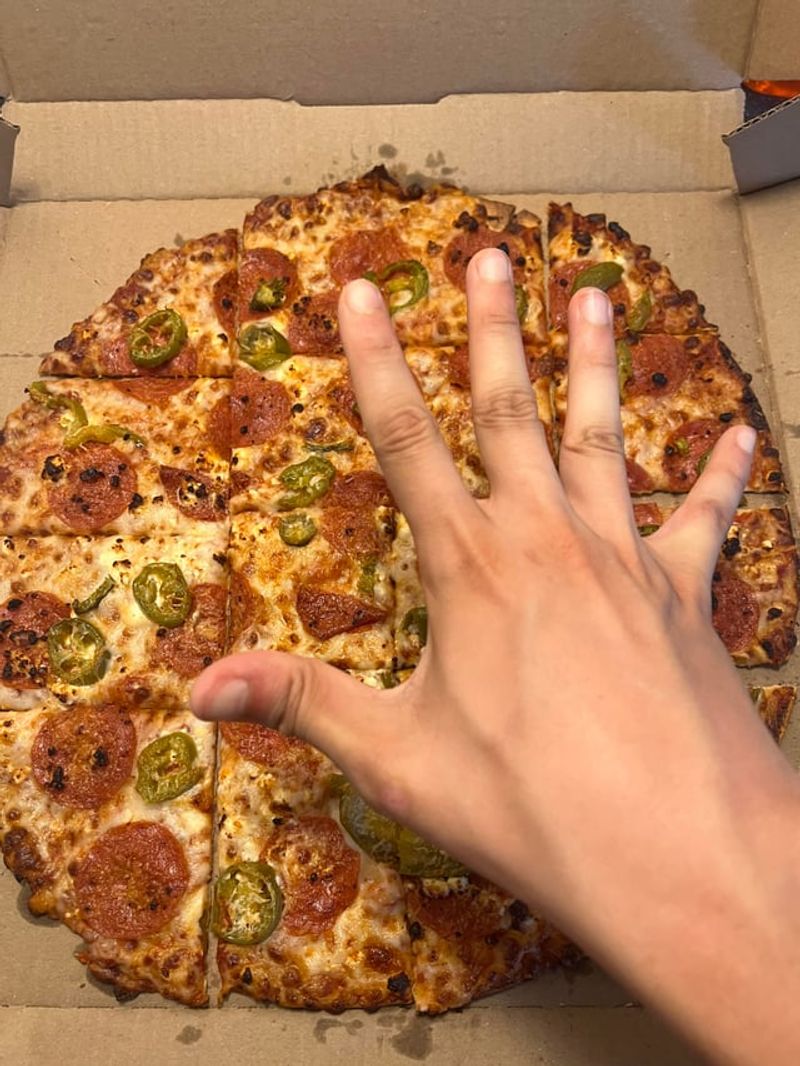
Watching someone slap toppings onto your pizza with unwashed bare hands is enough to kill your appetite instantly. Food handling rules exist for good reason, and experts take this red flag very seriously.
Gloves, tongs, or freshly washed hands should always be part of the process.
Sloppy food handling is a fast track to foodborne illness. If the person making your pizza looks like hygiene is the last thing on their mind, trust that instinct and walk out.
5. The Menu Tries to Do Way Too Much
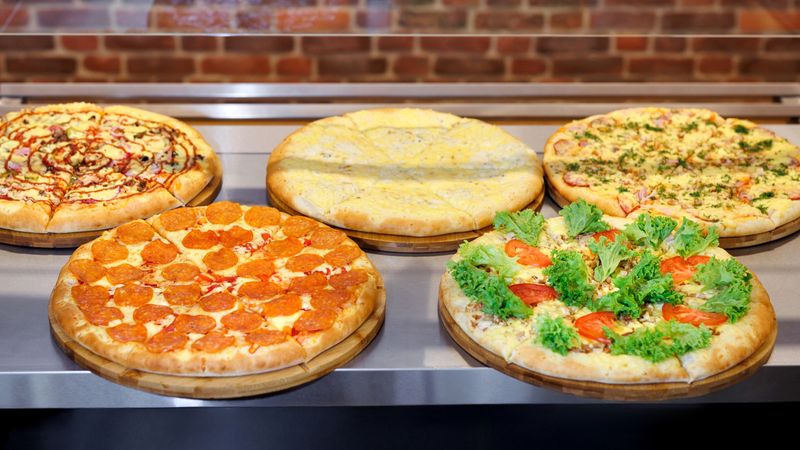
A pizza shop that also sells sushi, fried chicken, and pad thai is spreading itself dangerously thin. Culinary experts often say that a restaurant trying to master everything usually masters nothing.
Great pizza comes from focus, practice, and passion for the craft.
When a menu looks more like a food court directory than a pizzeria, quality almost always suffers. The best shops keep things simple and pour their energy into perfecting a few items rather than dabbling in everything under the sun.
6. Frozen Dough Instead of Fresh, Hand-Made Dough
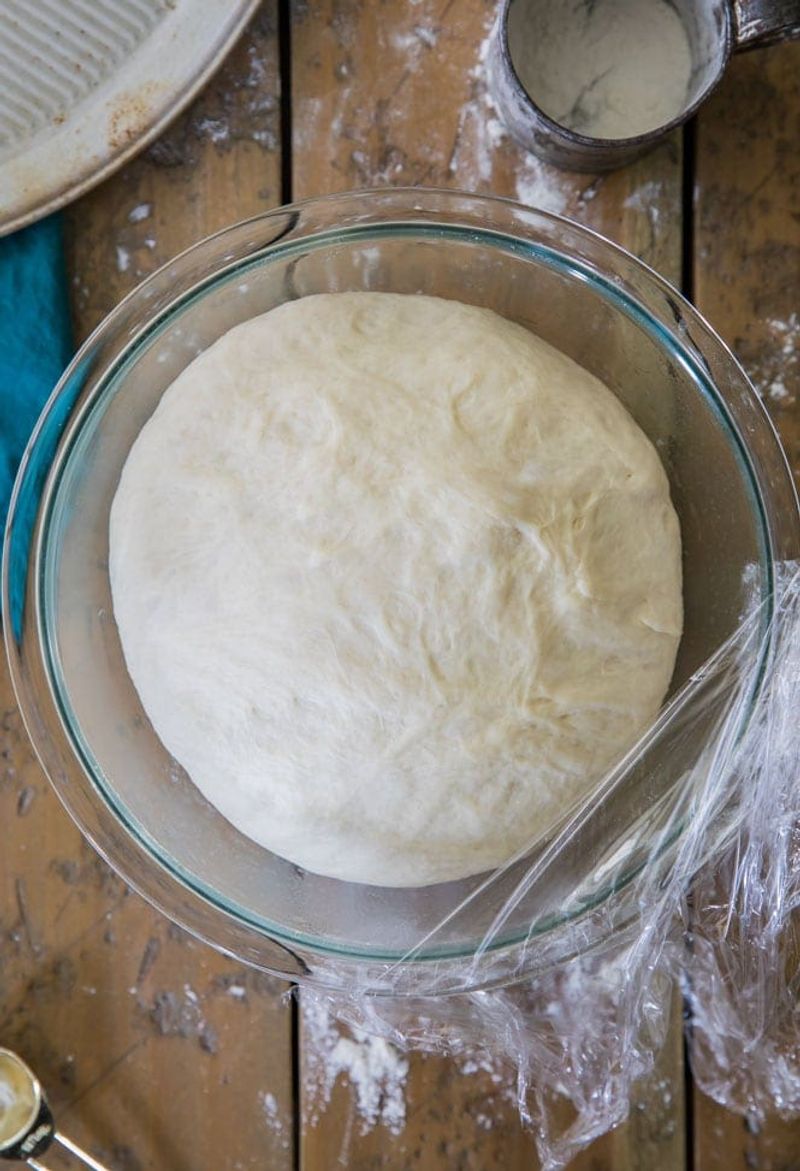
Fresh dough is the heartbeat of a great pizza. Shops that skip the fermentation process and pull pre-made frozen discs from a bag are taking a massive shortcut that shows up in every single bite.
Cold-fermented dough develops flavor, texture, and that signature chew that frozen dough simply cannot replicate.
Experts say this is one of the most telling signs of a low-quality operation. Ask how the dough is made — a proud pizzeria will always want to tell you.
7. Display Slices That Look Old, Dry, and Shriveled
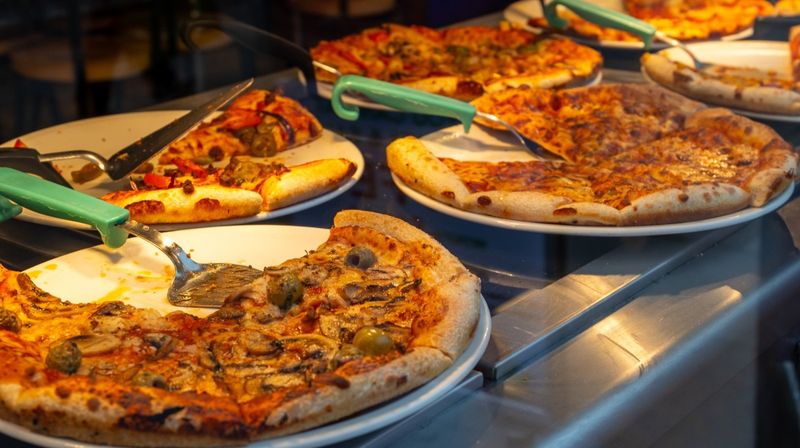
A pizza shop’s display case is basically its first impression, and old, crusty slices are a terrible one. When cheese looks congealed, toppings are shriveled, and the crust appears rock-hard, that pizza has been sitting far too long.
Beyond being unappetizing, old slices can enter the bacterial danger zone.
Busy, reputable shops turn over their display pies quickly because demand is high. Slow-moving slices are a sign that not many people are buying — and there’s probably a reason for that.
8. Pepperoni That’s Curling Up at the Edges
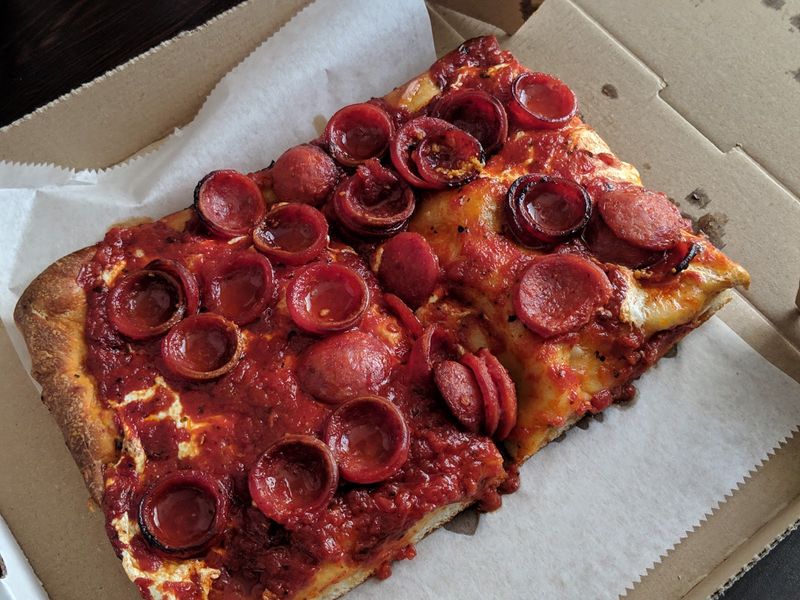
Curling pepperoni is one of those small details that expert pizza lovers notice immediately. When the edges of your pepperoni start flipping up like tiny cups, it means the meat has been sitting under heat for way too long.
Fresh, properly managed display pies should have flat, juicy pepperoni.
This is a surprisingly reliable freshness test. If the pepperoni looks like it’s trying to escape the pizza, take the hint — and maybe find a different shop for your slice.
9. A Dense, Doughy Crust with No Air Bubbles
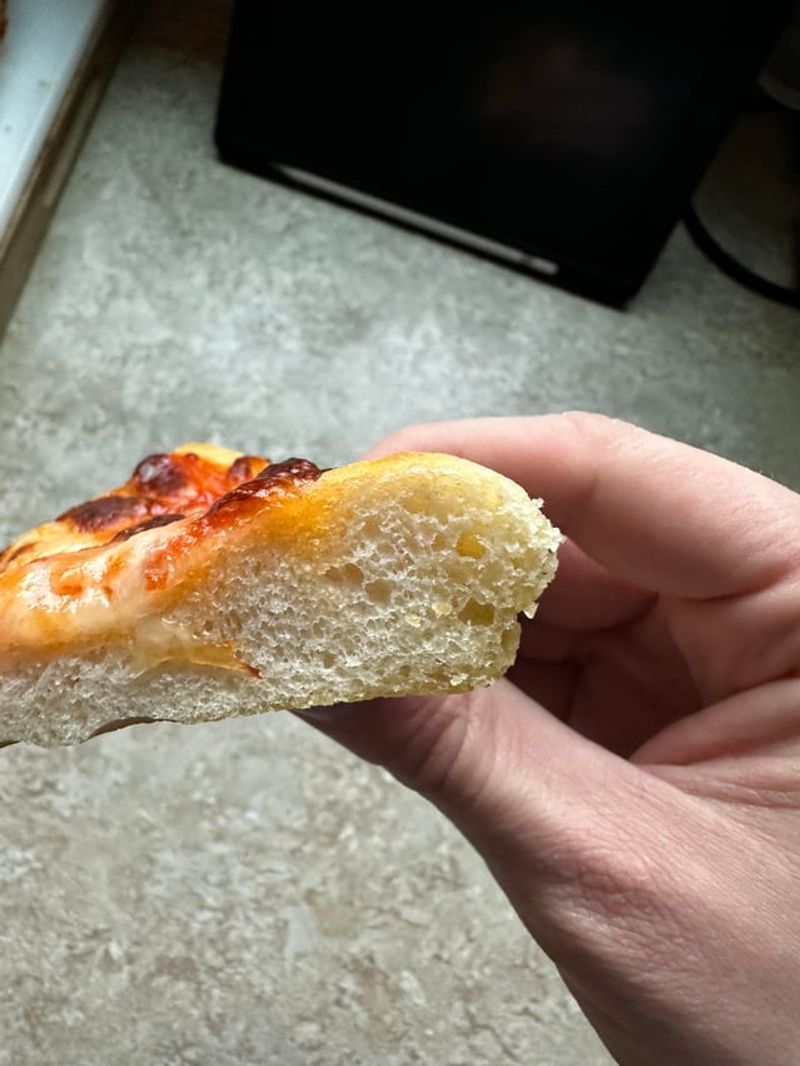
Biting into a pizza crust that feels like a brick is a dead giveaway that something went wrong during preparation. A properly fermented dough develops air pockets that create a light, bubbly, slightly crispy crust.
That texture is no accident — it takes time, skill, and quality ingredients to achieve.
Dense, gummy crusts often result from poor fermentation or low-grade flour. Pizzeria experts say the crust is where you really taste the craft, so never overlook this important detail.
10. No Sign of Basic Condiments Like Parmesan or Red Pepper Flakes
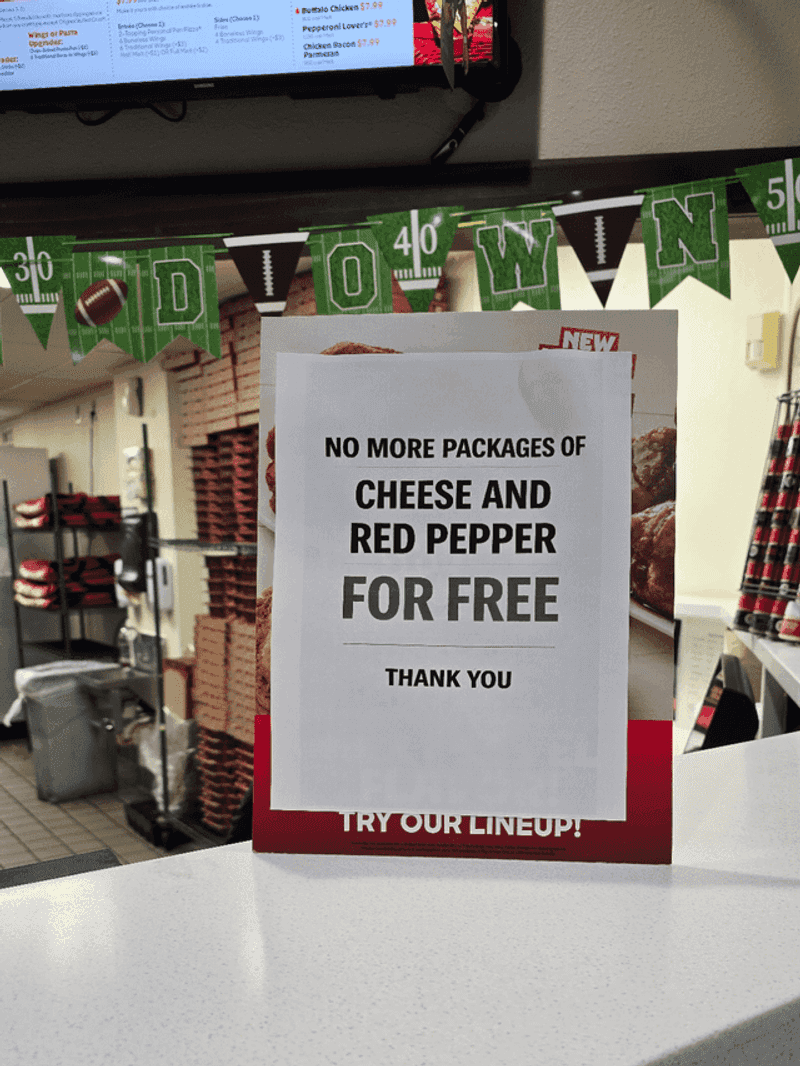
Walk up to a table at a solid pizza shop and you’ll almost always find a little lineup of condiment shakers — Parmesan, red pepper flakes, oregano, maybe garlic powder. These aren’t fancy extras; they’re the basics that any self-respecting pizzeria keeps stocked as a matter of pride.
Missing condiments suggest a shop that doesn’t sweat the small stuff. And in the pizza world, the small stuff matters enormously.
Details like these separate a shop that truly cares from one that’s just going through the motions.
11. Prices So Cheap They Seem Too Good to Be True
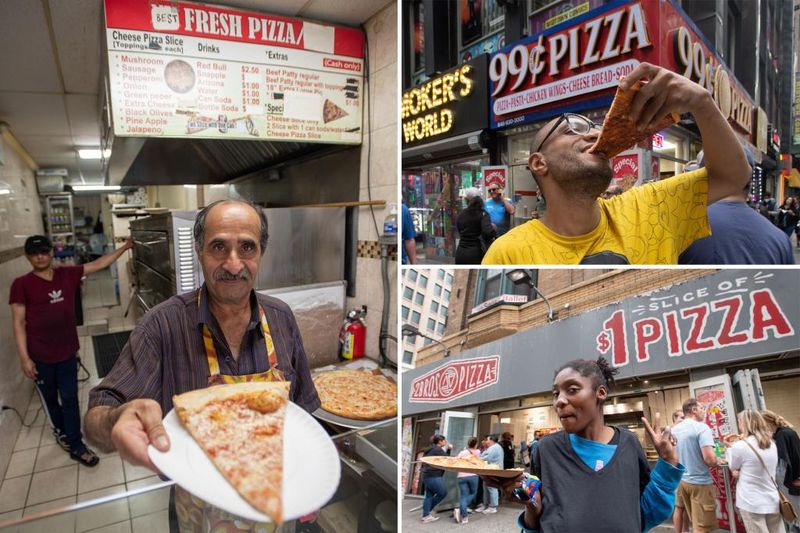
Everyone loves a bargain, but a pizza that costs almost nothing is usually telling you something important about what’s inside it. Quality ingredients — real mozzarella, fresh produce, properly sourced meats — cost money.
Shops selling slices at rock-bottom prices are almost certainly cutting corners somewhere in the supply chain.
Experts aren’t saying expensive always means better, but suspiciously cheap pizza often means cheap ingredients. You really do get what you pay for, especially when it comes to food quality.
12. The Plain Cheese Slice Just Isn’t Good
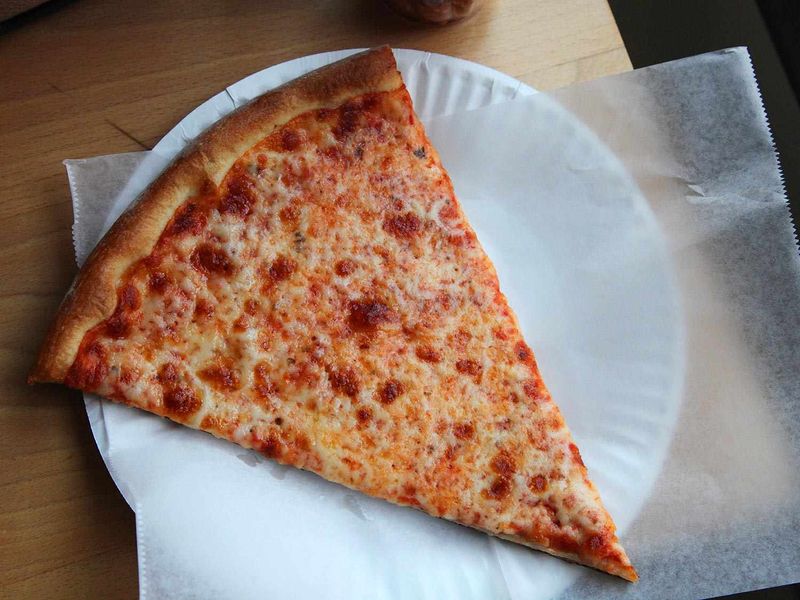
Order a plain cheese slice and you’ve basically given a pizza shop its most honest test. There’s nowhere to hide behind toppings or fancy flavor combinations — just dough, sauce, and cheese doing their thing.
Experts consistently say this is the single best way to judge a shop’s true quality.
A bad cheese slice almost always means a bad pizza shop, full stop. If the foundation isn’t right, no amount of creative toppings will save the experience.
Always start simple when sizing up a new spot.
13. No Welcoming Smell of Fresh Pizza When You Walk In
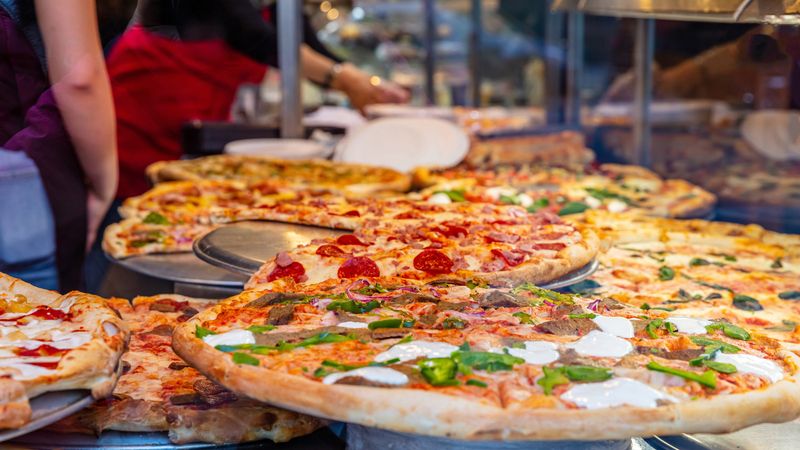
Great pizza shops have a smell that hits you before you even open the door — warm dough, bubbling cheese, tangy tomato sauce. That aroma is practically part of the menu.
When you walk into a pizza shop and there’s nothing, it’s a subtle but telling warning sign.
The absence of that comforting smell could mean frozen products, low oven temperatures, or ingredients that simply lack freshness and flavor. Trust your nose — it’s one of the most honest food critics you’ve got.
14. The Entrance Is Cluttered with Too Many Promotions
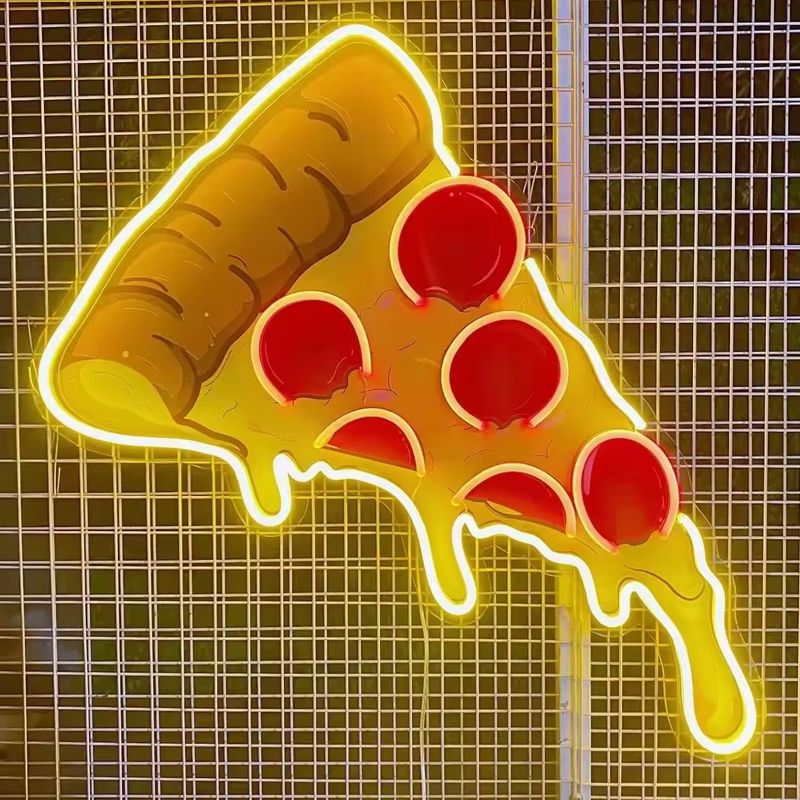
A storefront plastered wall-to-wall with discount flyers, coupon signs, and promotional posters can be a subtle red flag. Confident, quality-focused pizza shops don’t need to shout from every available surface to lure customers in.
Their reputation and the smell of fresh pizza do that work naturally.
Over-promotion sometimes signals desperation — a shop trying to make up for lack of quality with rock-bottom deals. A clean, simple entrance usually reflects a business that lets its product speak for itself.
15. Staff Who Look Like They’d Rather Be Anywhere Else

Attitude in a pizza shop travels from the staff straight into the food — and customers can feel it. When workers seem checked out, impolite, or genuinely indifferent to whether your order is right, that’s a serious warning about the shop’s culture overall.
Pride in the product starts with the people making it.
Experts often say the best pizzerias have staff who are excited about what they’re serving. Enthusiasm is contagious, and so is apathy.
Notice how the team carries themselves before you commit to ordering.
16. No Social Media Presence or Consistently Terrible Online Reviews

In today’s world, a pizza shop with zero social media presence and a trail of one-star reviews is waving some pretty serious red flags. Most thriving local pizzerias at least have a few photos online, some customer shoutouts, or an active Instagram showing off their pies.
Silence online often means something is off.
Negative reviews mentioning food safety, rude staff, or consistently bad pizza are not something to brush off. Patterns in feedback tell the real story — and smart diners read them carefully before ordering.
17. Every Single Pizza Looks Exactly the Same
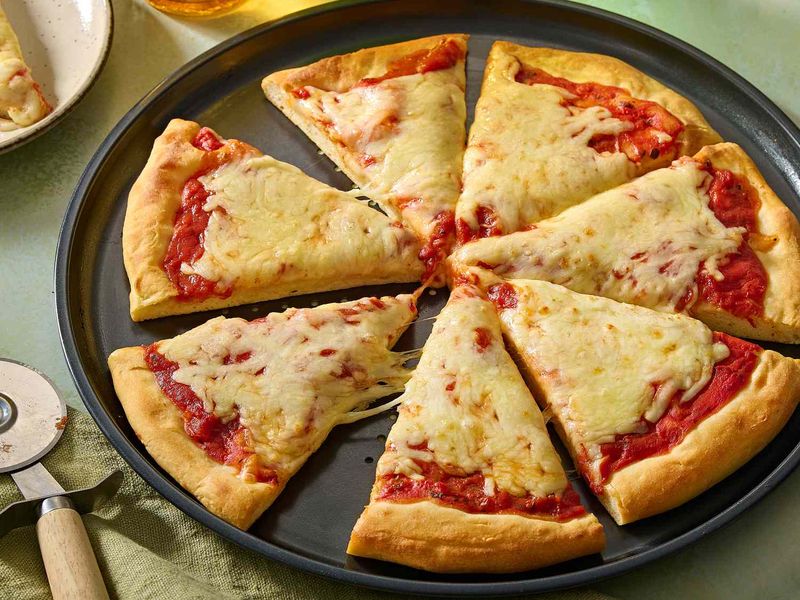
Hand-crafted pizza has personality — slight variations in crust shape, a little char here, an extra bubble there. When every single pie in the display case looks like it rolled off an assembly line, that uniformity is actually a red flag rather than a compliment.
It strongly suggests machine-pressed or frozen dough with no real artisan involvement.
Authentic pizzerias wear their imperfections proudly. A slightly lopsided crust or uneven cheese pull means human hands were involved — and that almost always tastes better.