
Comedy has a special power to make us laugh, think, and see the world differently. Throughout history, certain comedians have done more than just tell jokes — they changed the art form itself, broke rules, and inspired everyone who came after them.
From silent film legends to sharp-tongued stand-up stars, these performers pushed comedy to new heights. Here are 20 all-time greats who truly raised the standard.
1. Charlie Chaplin
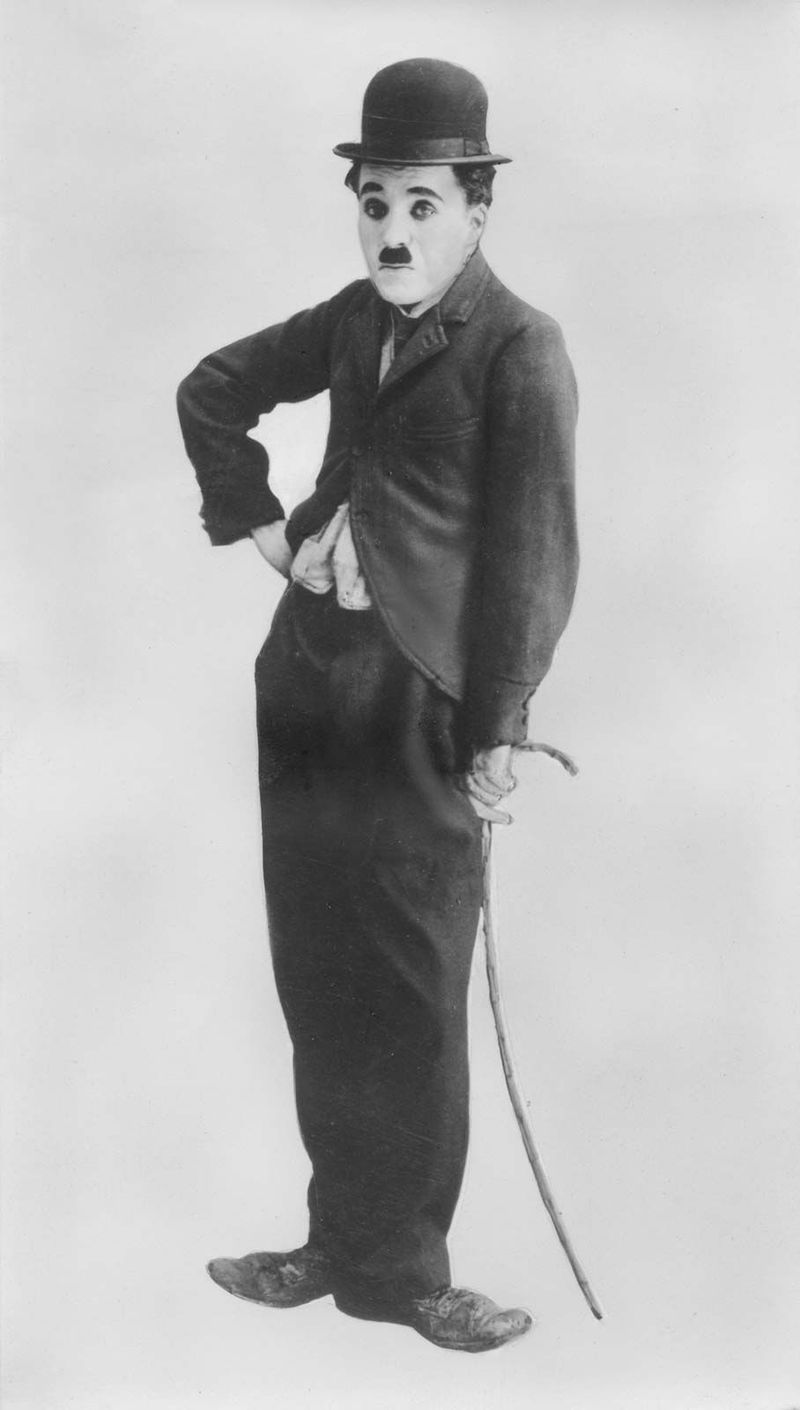
Before movies could even talk, Charlie Chaplin made the whole world laugh. His lovable “Tramp” character was clumsy, kind-hearted, and impossible not to root for.
Every stumble, every pratfall was carefully planned to land just right.
Chaplin didn’t just perform comedy — he engineered it. His physical precision influenced every comedian who came after him, proving that a well-timed slip could say more than a thousand words ever could.
2. Buster Keaton
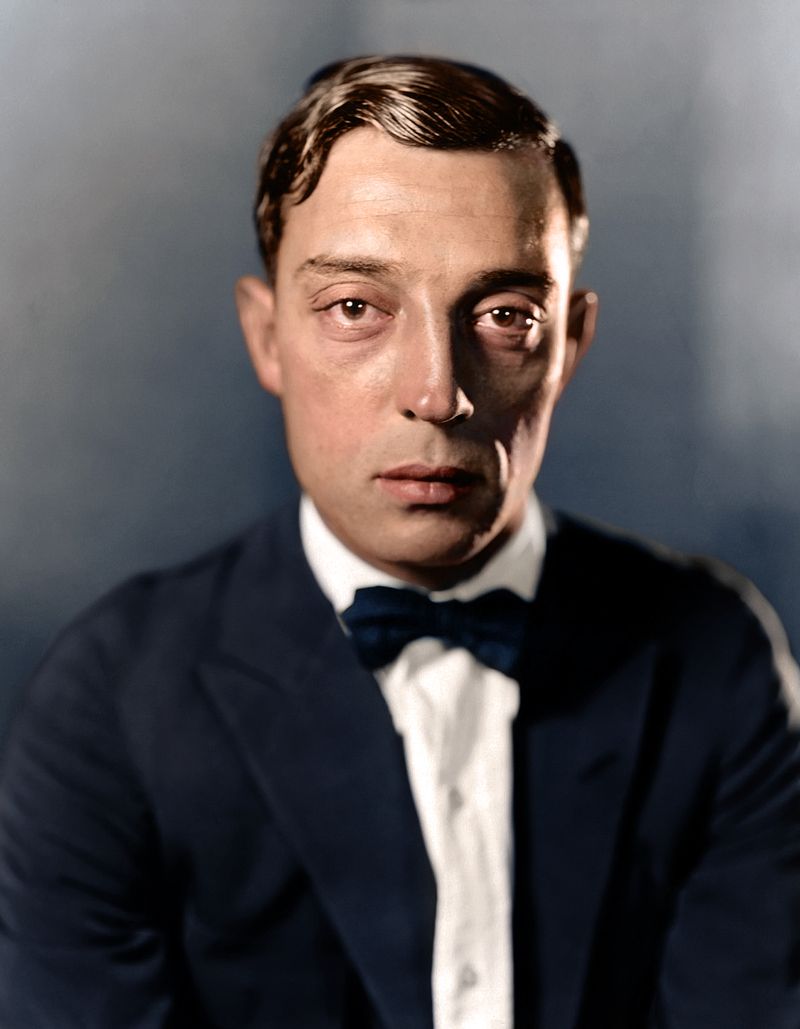
They called him “The Great Stone Face” because no matter how wild the chaos around him got, Buster Keaton never cracked a smile. That straight-faced calm in the middle of impossible situations was his comedic superpower.
Keaton performed his own breathtaking stunts and choreographed scenes with jaw-dropping precision. His silent films remain some of the most inventive comedy ever put on screen, still studied by filmmakers and comedians today.
3. Groucho Marx
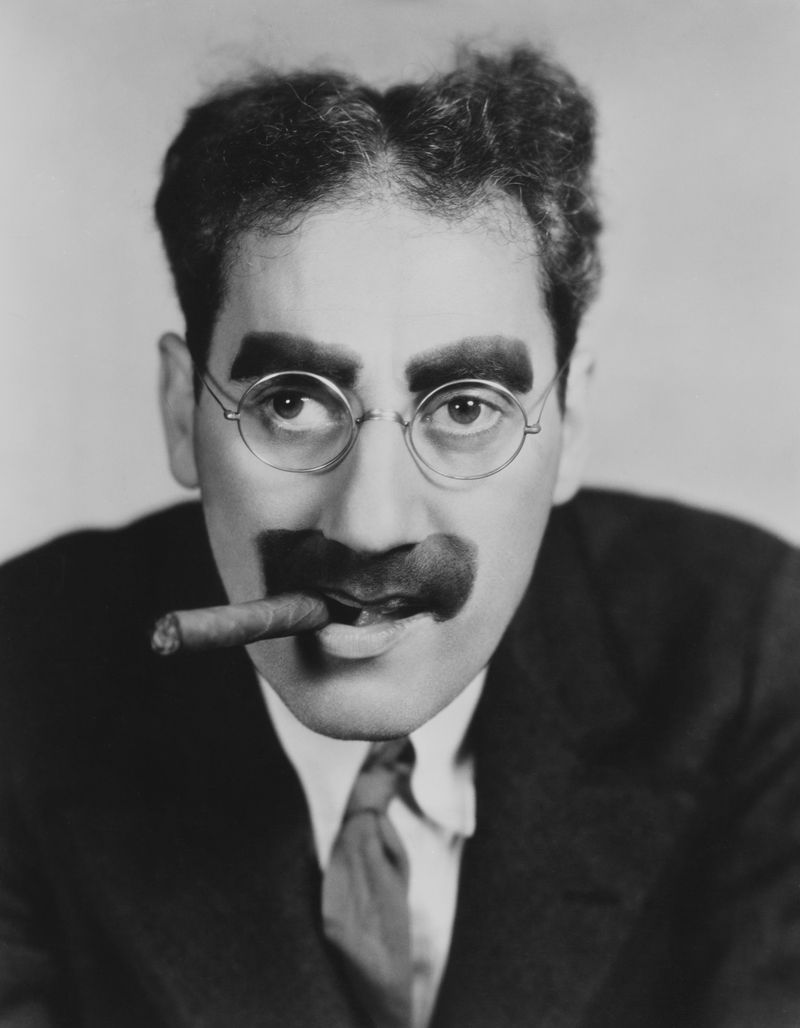
Nobody fired off a one-liner quite like Groucho Marx. His wit was so fast and sharp that audiences sometimes laughed before they even realized what he had said.
That electric brain of his turned every conversation into a comedic ambush.
As the undisputed “King of the One-Liner,” Groucho shaped the entire tradition of rapid-fire wordplay. Comedians from Jerry Seinfeld to Conan O’Brien have credited his style as a foundational blueprint for modern wit.
4. Mae West
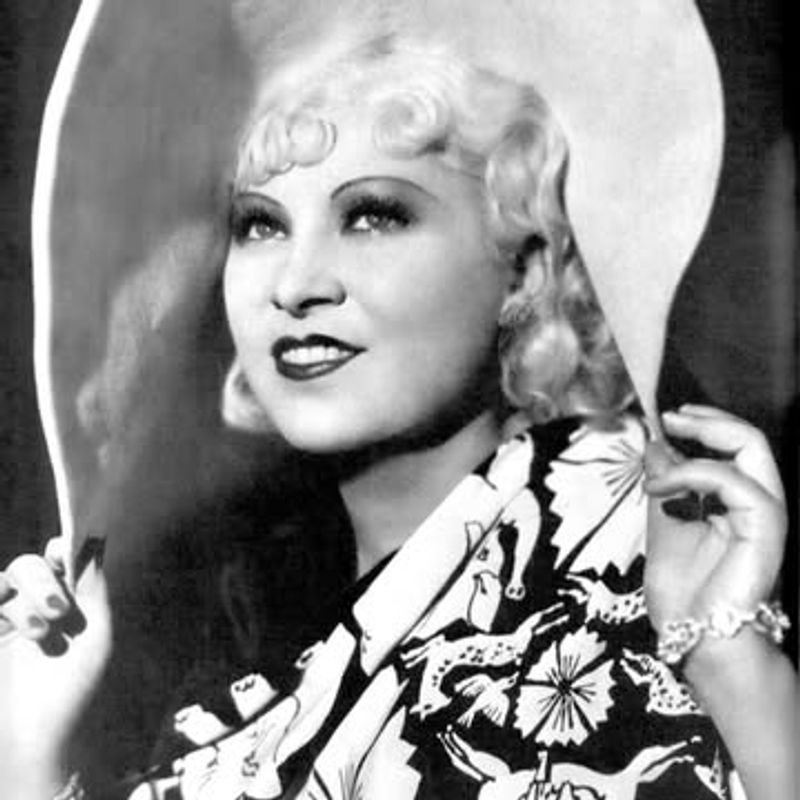
Mae West walked into every room like she already owned it — and the laughs that followed proved she did. Her bold, risque humor was shocking for its time, and that was exactly the point.
She used comedy as armor and as a weapon.
West broke barriers that most entertainers were too afraid to even approach. Her fearless persona showed that women could be funny, powerful, and completely in charge of the joke, decades before it became acceptable.
5. Jack Benny
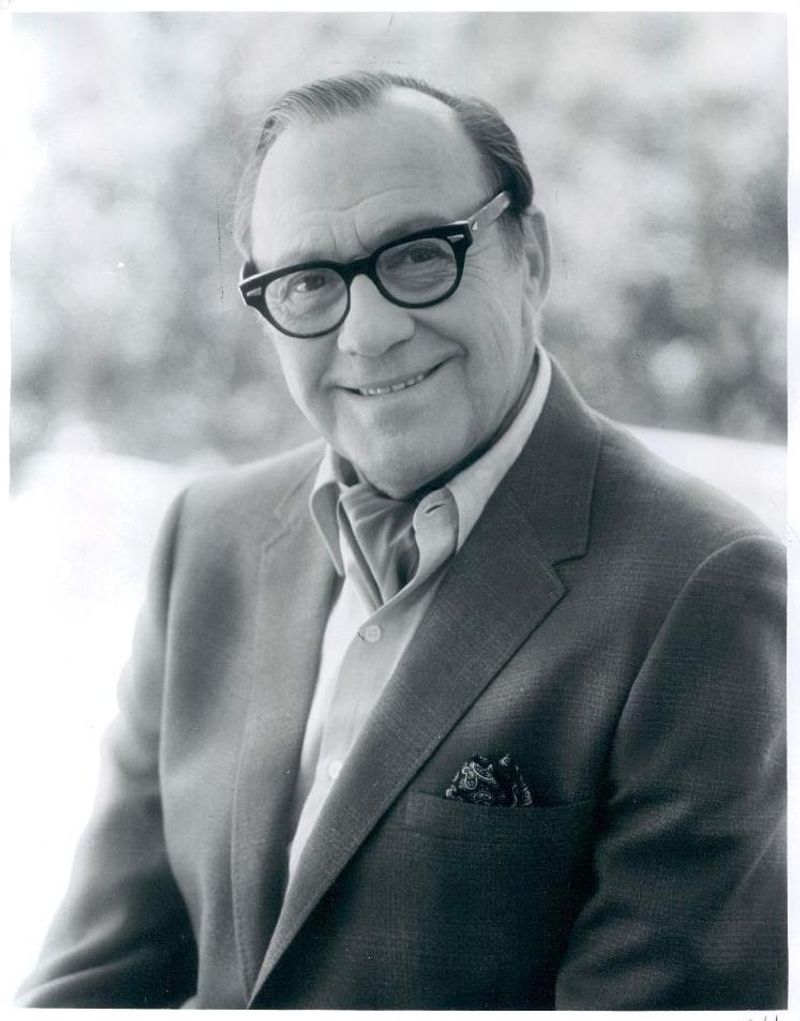
Jack Benny understood something most comedians miss — sometimes the funniest thing you can do is nothing at all. His legendary “slow burn,” that long pause of exasperated silence before responding, became one of the most imitated techniques in comedy history.
Benny built an entire comedic persona around being cheap, vain, and perpetually 39 years old. That self-deprecating character felt so real that audiences adored him for decades across radio, television, and film.
6. Lucille Ball
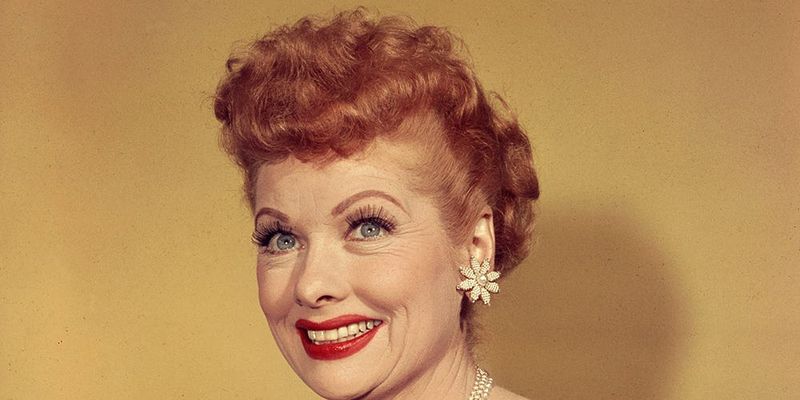
Few people have made audiences laugh as hard or as consistently as Lucille Ball. Her rubber-faced expressions and fearless physical comedy on “I Love Lucy” set a standard for sitcom performance that still holds up today.
Beyond the laughs, Ball shattered ceilings by becoming the first woman to run a major television studio. She proved that a woman could be the funniest person in any room and the smartest person in any boardroom at the same time.
7. Lenny Bruce
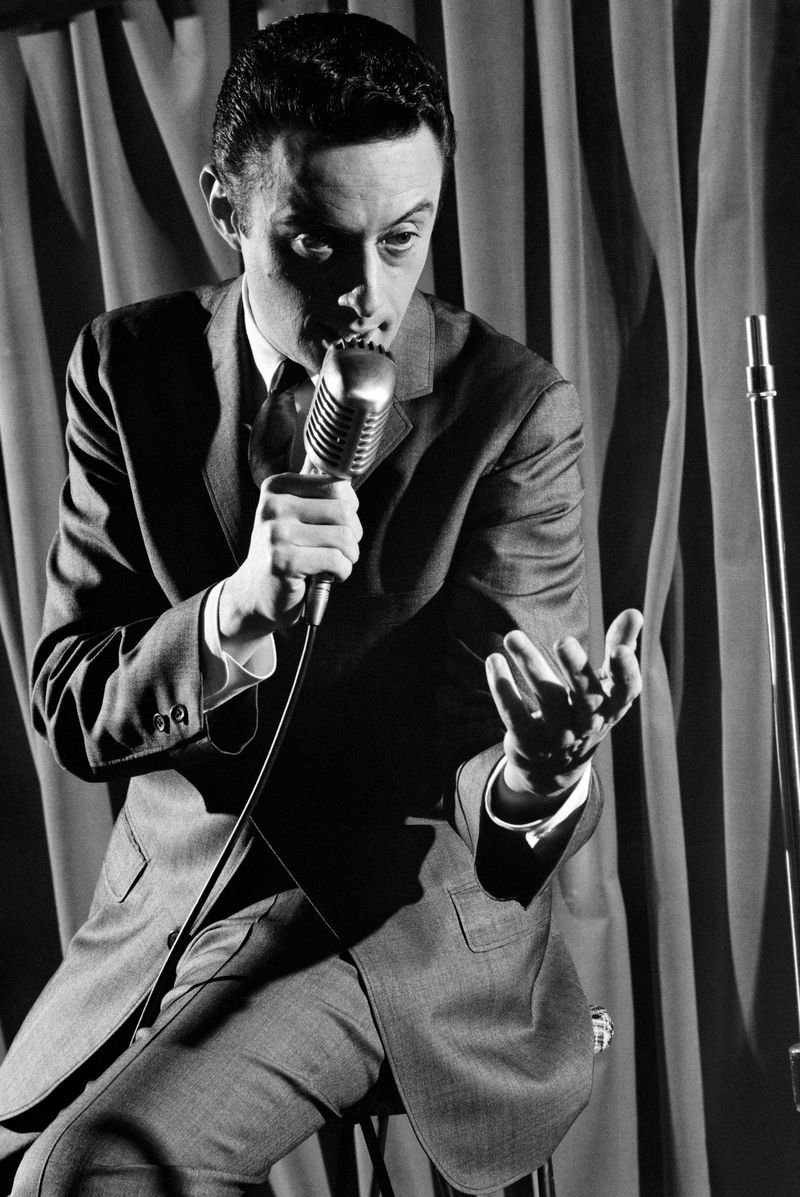
Lenny Bruce said the things nobody else dared to say out loud — and got arrested for it. In the 1950s and 60s, his raw, boundary-smashing material challenged obscenity laws and sparked real legal battles over free speech in entertainment.
His courage changed what comedians were allowed to say on stage forever. Nearly every comedian who followed him into uncomfortable territory owes Bruce a debt.
He didn’t just push the line — he erased it and drew a new one.
8. Richard Pryor
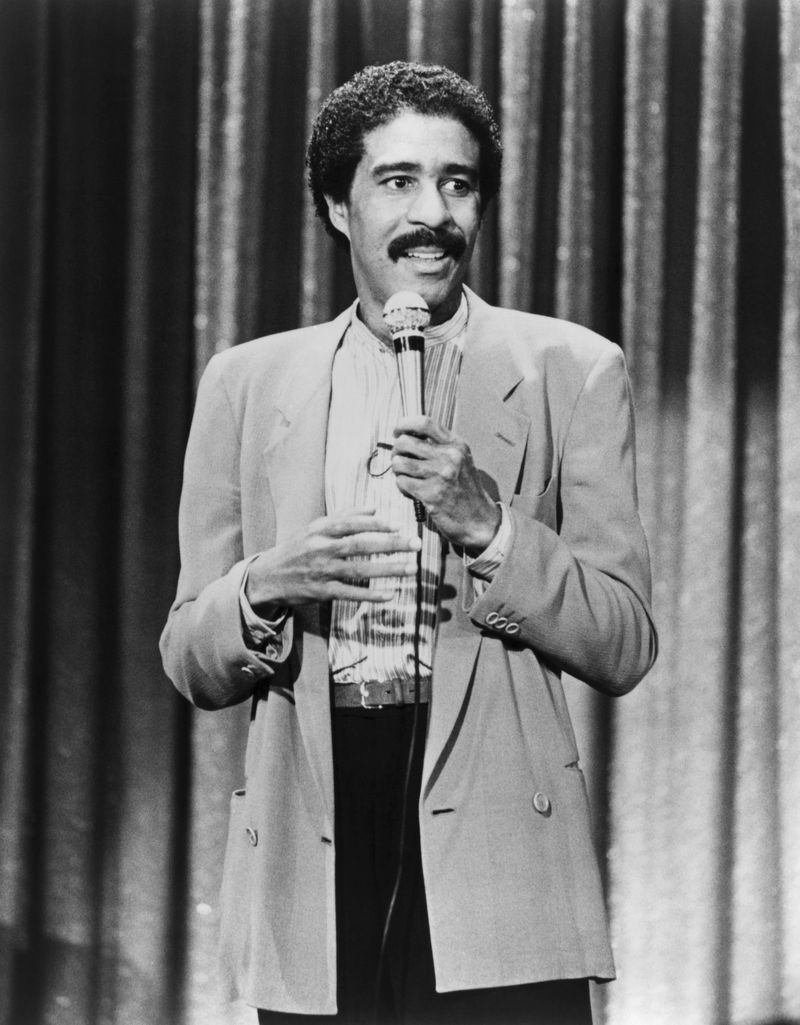
Richard Pryor turned his own pain into comedy gold. His brutally honest storytelling about race, addiction, and identity hit audiences so hard because every word felt true.
He didn’t perform his life — he lived it out loud on stage.
Widely regarded as the most influential stand-up comedian of all time, Pryor reshaped what the art form could be. His willingness to go to the rawest, most vulnerable places gave permission to every comedian who followed him to do the same.
9. George Carlin
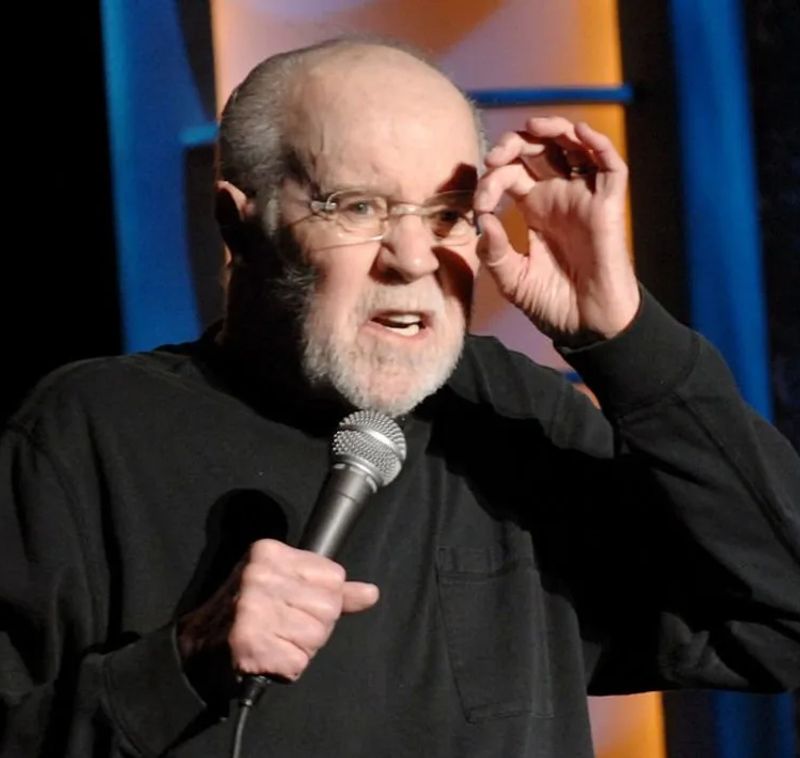
George Carlin treated the English language like a puzzle he was determined to take apart and expose. His observational routines on politics, religion, and the absurdity of everyday life made audiences laugh while also making them genuinely think.
His “Seven Words You Can’t Say on Television” routine didn’t just get laughs — it went all the way to the Supreme Court and changed legal history. Carlin was equal parts comedian, philosopher, and cultural disruptor wrapped into one brilliant package.
10. Joan Rivers
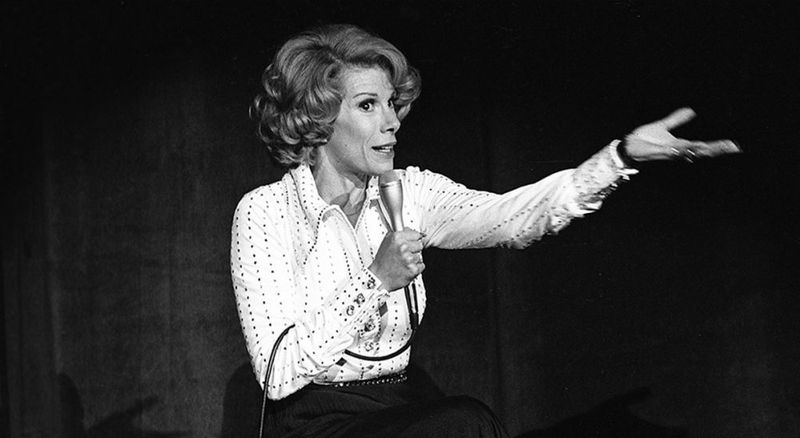
Joan Rivers never apologized for a single joke, and that fearlessness was her greatest strength. She pioneered the art of making audiences squirm with sharp one-liners that targeted everyone, including herself.
Her self-deprecating humor was both a shield and a spotlight.
Rivers opened doors for female comedians at a time when the industry barely acknowledged they existed. Her relentless hustle and punchline precision proved that a woman with a microphone could command any room, any night, without compromise.
11. Johnny Carson
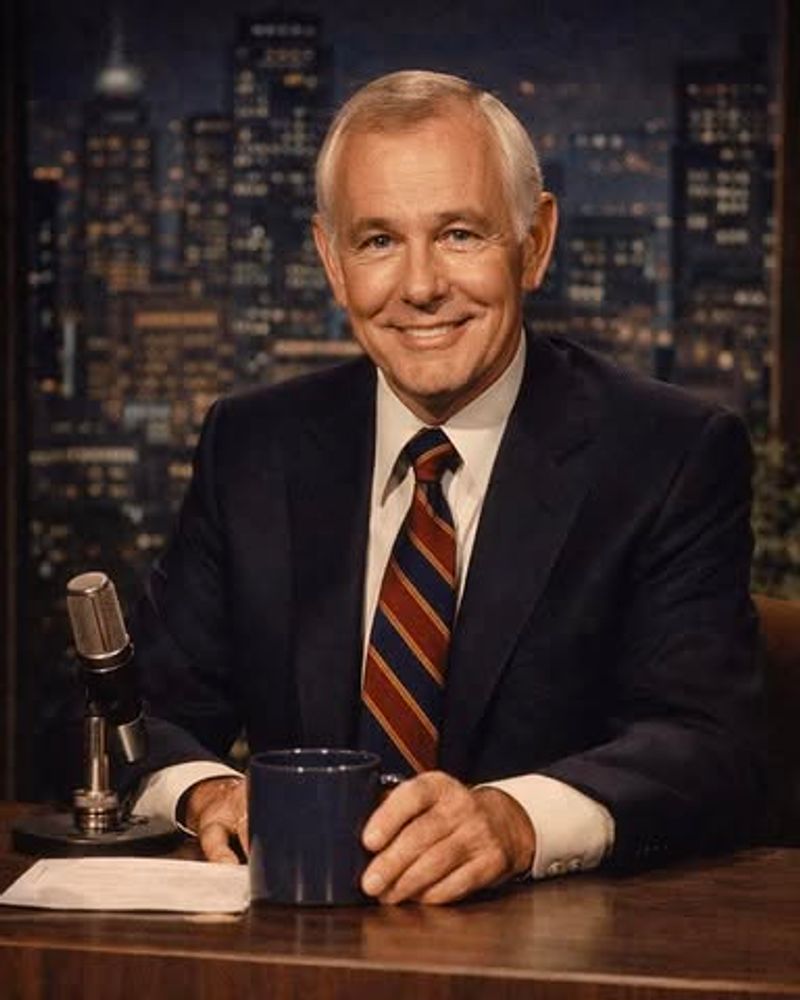
For thirty years, Johnny Carson was the last voice millions of Americans heard before they went to sleep. As host of “The Tonight Show,” he defined what late-night television could look and feel like, setting the template every host since has followed.
Carson’s genius was in his warmth and timing. He made guests feel comfortable enough to be hilarious and made audiences feel like they were in on every joke.
No blueprint for talk show hosting has ever replaced his original design.
12. Mel Brooks
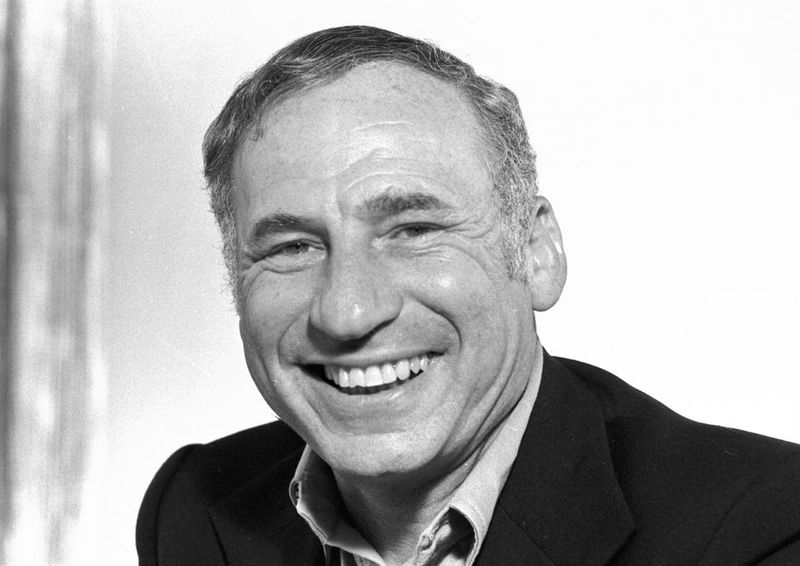
Mel Brooks once said, “Tragedy is when I cut my finger. Comedy is when you fall into an open sewer and die.” That irreverent, anything-goes attitude produced some of the greatest comedic films ever made, from “Blazing Saddles” to “Young Frankenstein.”
As the undisputed “Parody King,” Brooks mastered the art of lovingly mocking entire film genres while making them funnier than the originals. His comedic legacy spans decades and continues to influence filmmakers who love to blend humor with sharp cultural observation.
13. Bob Newhart
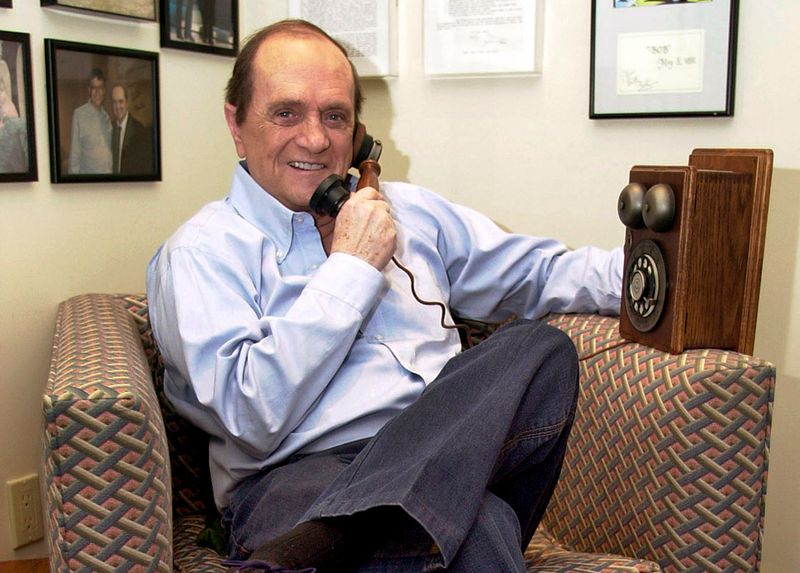
Bob Newhart proved you don’t need to shout to be funny. His quiet, deadpan delivery and uniquely one-sided telephone conversations made him one of the most original voices in comedy.
The humor crept up on you slowly and then hit all at once.
His debut comedy album won the Grammy for Album of the Year in 1961, which almost never happens for a comedian. Newhart showed that restraint and subtlety could be just as powerful as any loud punchline, if not more so.
14. Steve Martin
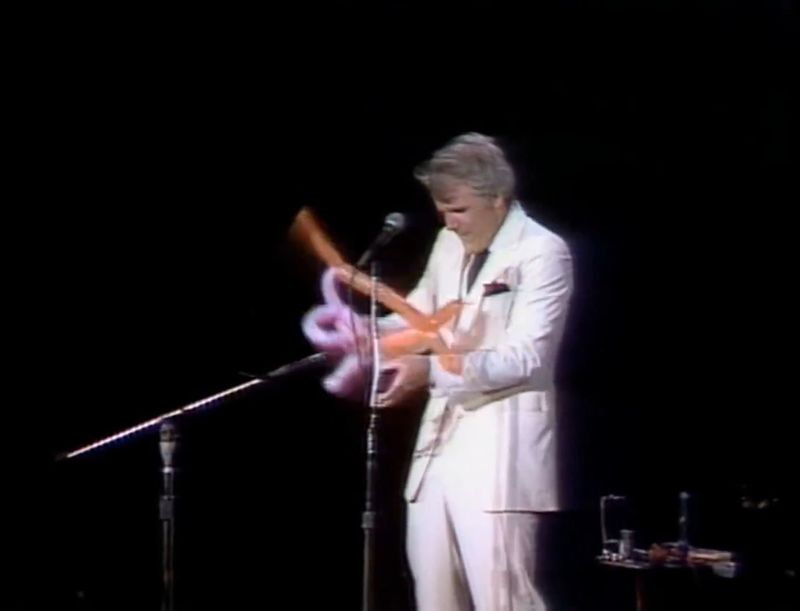
Steve Martin turned comedy arenas into something closer to rock concerts. In the 1970s, he filled stadiums with fans who came to see a comedian — something almost unheard of at the time.
His absurdist, anti-comedy style made audiences laugh at jokes that deliberately refused to have a punchline.
That willingness to subvert expectations completely changed how people thought about stand-up. Martin didn’t just perform comedy; he deconstructed it, rebuilt it in a stranger shape, and made millions love the weird new version.
15. Eddie Murphy
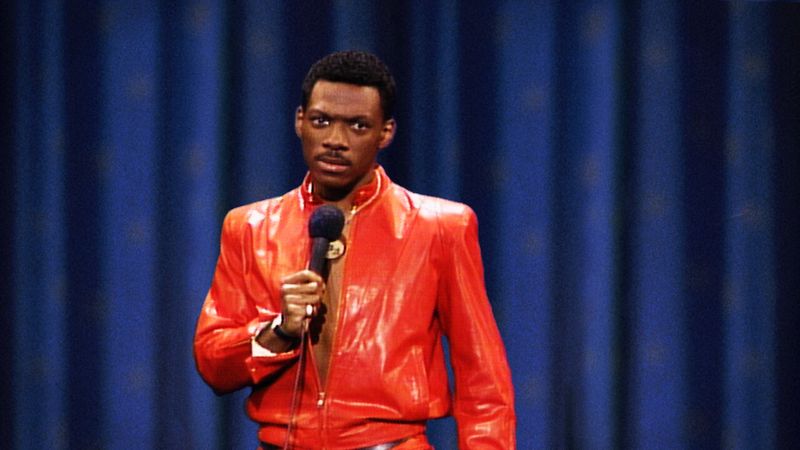
When Eddie Murphy hit the stage in the 1980s, the energy was unlike anything audiences had experienced before. His specials “Delirious” and “Raw” weren’t just popular — they were cultural events that people talked about for years afterward.
Murphy blended raw charisma, razor-sharp timing, and an infectious joy that made him impossible to look away from. His influence stretched far beyond stand-up into film, television, and pop culture, making him one of the most complete entertainers any generation has ever produced.
16. Robin Williams
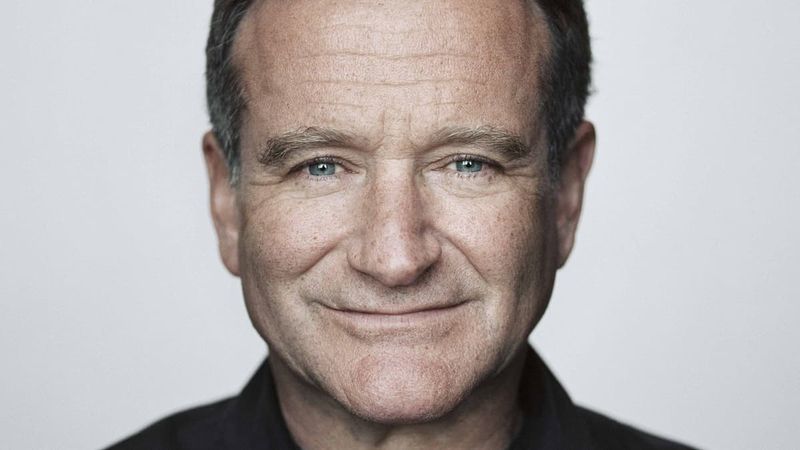
Watching Robin Williams perform felt like trying to keep up with a lightning bolt. His mind moved faster than most people could follow, bouncing between characters, voices, and ideas in ways that seemed physically impossible to sustain.
Williams wasn’t just funny — he was genuinely unpredictable, which made every performance feel alive in a way scripted comedy never could. Audiences never knew where he was going, and that electric uncertainty was the entire thrill.
He remains a singular, irreplaceable force in comedy history.
17. Jerry Seinfeld
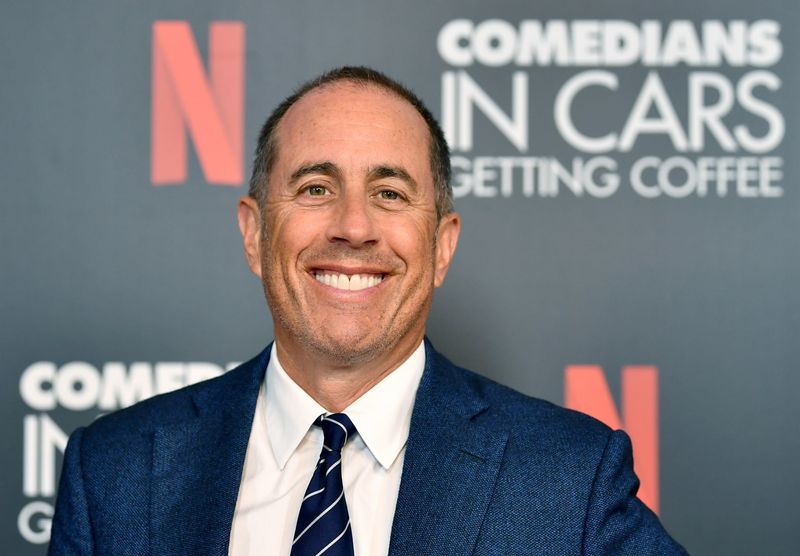
Jerry Seinfeld turned complaining about nothing into an art form worth millions. His obsessive focus on the tiny frustrations of everyday life — parking, cereal, handshakes — revealed something hilarious hiding in plain sight that everyone had missed.
His setup-payoff structure is now literally taught in comedy writing courses as the gold standard of joke construction. Seinfeld didn’t reinvent comedy; he perfected a version of it so precisely engineered that it became the mainstream definition of what stand-up could be.
18. Chris Rock
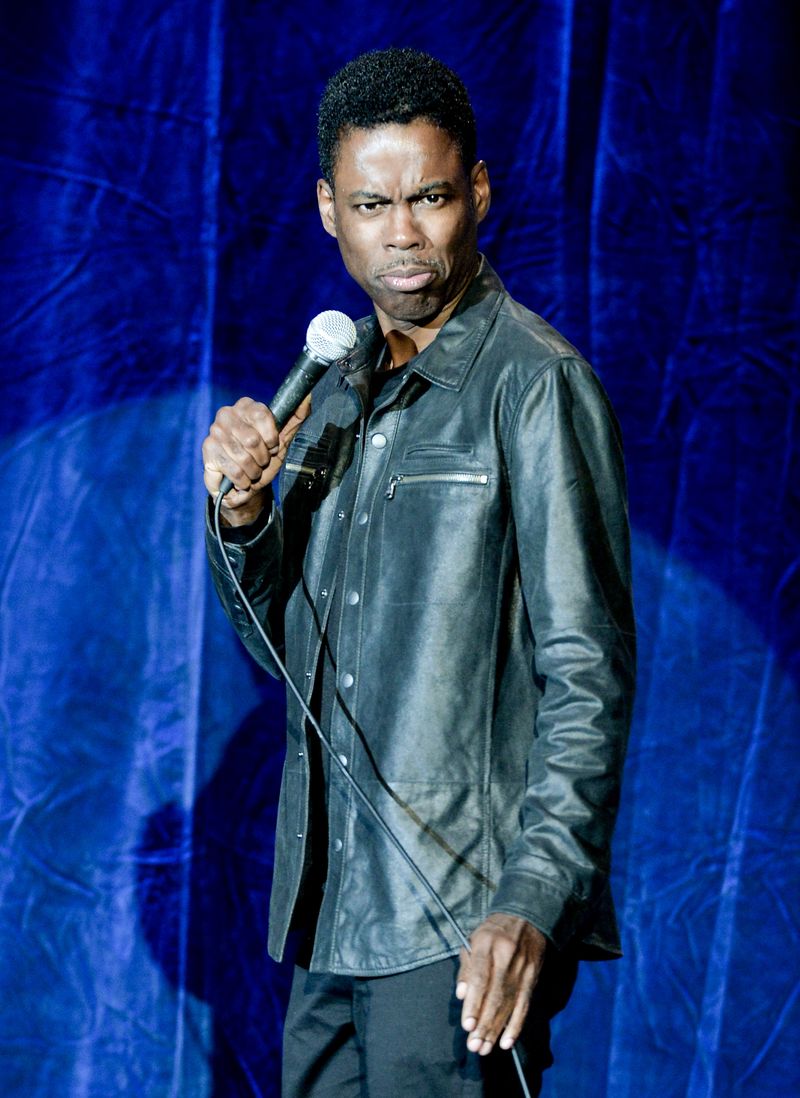
Chris Rock doesn’t just tell jokes — he builds arguments. His stand-up routines on race, relationships, and American society are constructed like essays, with a sharp point of view driving every laugh toward a bigger truth.
Specials like “Bring the Pain” and “Bigger and Blacker” are studied as examples of how comedy can carry real social weight without losing the audience’s attention. Rock proved that being the smartest person in the room and the funniest person in the room are not mutually exclusive goals.
19. Dave Chappelle
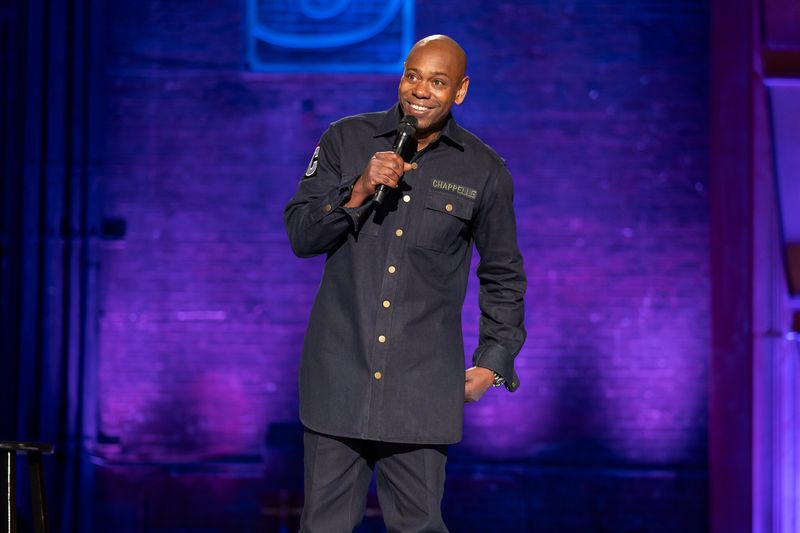
Dave Chappelle tells stories the way a master novelist writes chapters — with patience, detail, and a payoff that makes everything before it click into place. His long-form storytelling style is a masterclass in building comedic tension over time.
“Chappelle’s Show” was groundbreaking television, but his stand-up specials are where his genius truly lives. His willingness to tackle race, culture, and controversy with intelligence and humor has made him one of the most discussed and debated comedians of his generation.
20. Bill Hicks
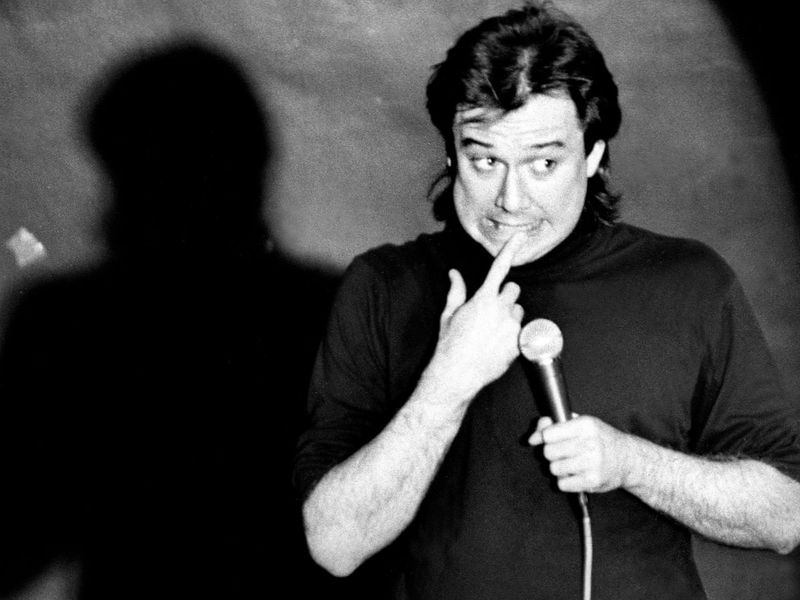
Bill Hicks was angry, but in the most productive way imaginable. His dark, thought-provoking commentary on politics, religion, and popular culture felt less like stand-up and more like a one-man intervention for an entire society sleepwalking through life.
Hicks never achieved mainstream fame in his lifetime, but his influence exploded after his death at just 32. Comedians like Louis C.K. and Russell Brand have called him a major inspiration.
He reminded the world that comedy, at its best, should make you uncomfortable enough to actually change how you think.