
Parenting doesn’t stop when your kids turn 18, but the rulebook changes completely. The words you choose with your adult children can either build a strong bond or quietly tear it apart.
Some phrases that might seem harmless or even honest can actually trigger deep hurt, resentment, or emotional distance. Knowing what not to say is just as powerful as knowing what to say.
1. “I Expected More From You”

Few phrases sting quite like this one. Telling your adult child you expected more sends the message that who they are right now simply isn’t enough.
It chips away at their confidence in a way that’s hard to repair.
Adults still crave their parents’ approval, even if they’d never admit it out loud. Swapping this phrase for “I believe in what you’re capable of” keeps the door open without slamming their self-worth shut.
2. “Why Can’t You Be More Like Your Sibling?”
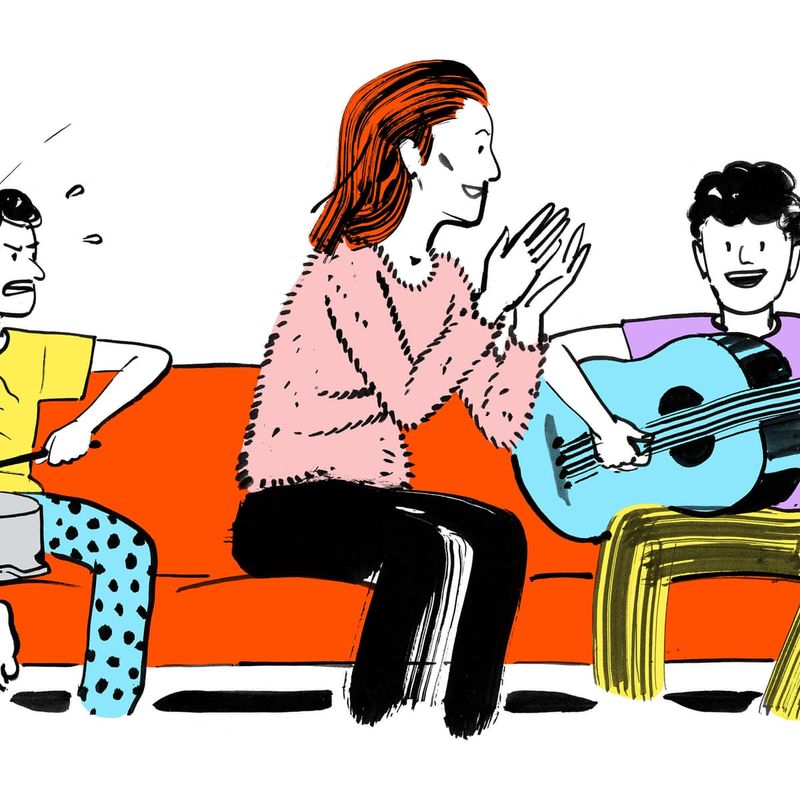
Comparison is one of the fastest ways to plant seeds of resentment, not just toward you, but toward the sibling being held up as the gold standard. Nobody wants to feel like a consolation prize in their own family.
Every adult child walks a different path, shaped by different experiences and strengths. Celebrating who each child is, rather than measuring them against each other, builds loyalty and genuine closeness that lasts for decades.
3. “After All I’ve Done For You”

Weaponizing your sacrifices turns love into a debt. When parents remind adult children of everything they gave up, it reframes the entire relationship as a transaction rather than genuine care.
Here’s the hard truth: children didn’t ask to be born, and parenting is a choice. Expressing your love without attaching an invoice to it creates space for gratitude to grow naturally, which is far more meaningful than guilt-driven appreciation.
4. “You’re Too Sensitive”

Telling someone they’re too sensitive is just another way of saying their feelings don’t matter. It shuts down honest communication and teaches your adult child to hide their emotions around you.
Feelings aren’t flaws. When your child shares something that bothered them, the goal isn’t to defend yourself immediately.
Listening with curiosity instead of defensiveness signals that their inner world is safe with you, and that matters enormously in adult relationships.
5. “If You Loved Me, You Would…”

Tying love to compliance is emotional manipulation, plain and simple. This phrase puts your adult child in an impossible position where saying no feels like abandoning you.
Healthy love doesn’t come with conditions attached. When you ask for something, try framing it as a request rather than a loyalty test. “I’d really appreciate it if…” leaves room for a genuine yes, which feels worlds better than a reluctant yes born out of guilt.
6. “You Don’t Know What You’re Talking About”

Dismissing your adult child’s opinions this bluntly is condescending, and it guarantees they’ll stop sharing ideas with you altogether. Even when you genuinely disagree, there’s always a kinder way to engage.
Try asking questions instead: “What made you think of it that way?” or “Walk me through your reasoning.” You might still disagree at the end, but your child will feel respected rather than talked down to, and that changes everything about future conversations.
7. “You’re Breaking My Heart”

Dramatic emotional statements like this place the weight of your feelings squarely on your child’s shoulders. It’s a subtle form of pressure that can make adult children feel responsible for managing your emotional health.
Adults deserve to make their own choices without fear of emotionally devastating their parents. Sharing that you’re hurt is valid and healthy, but framing it as your child breaking you crosses into manipulation.
Owning your emotions directly keeps the conversation honest and fair.
8. “You Need to Grow Up”

Telling your adult child to grow up is humiliating, even if frustration is behind it. This phrase strips away their dignity and makes them feel like a failure rather than someone navigating a tough season.
Struggling doesn’t mean someone is immature. If you’re worried about their choices or wellbeing, try asking open-ended questions that invite them to reflect.
Shaming rarely motivates change, but feeling genuinely supported by a parent? That can move mountains.
9. “Why Don’t You Ever Visit?”

Guilt-tripping your adult child about visits signals that their time and priorities don’t deserve respect. It can make spending time with you feel like an obligation rather than something they actually want to do.
Adult children have jobs, partners, kids, and full lives. Instead of making them feel guilty for living, try expressing genuine excitement when they do visit.
Positive energy is magnetic. Guilt?
It’s the fastest way to make someone dread picking up the phone.
10. “I Told You So”

Nothing says “I care more about being right than about you” quite like this phrase. When your adult child is already dealing with a mistake or setback, piling on with “I told you so” adds shame to an already difficult moment.
What they actually need when things go wrong is a soft place to land, not a scoreboard. Biting your tongue here and simply asking “How can I help?” turns a moment of failure into a memory of being truly supported.
11. “Why Aren’t You Married Yet?”

Pushing your adult child about marriage or grandchildren treats their personal life like a public timeline everyone gets a vote on. It’s intrusive, even when it comes from genuine excitement or love.
Relationship choices are deeply personal, influenced by finances, past experiences, mental health, and countless other factors you may not fully see. Showing curiosity without pressure, “Are you happy with where things are in your life?” leaves room for honesty without making them feel behind schedule.
12. “I Never Said That”

Denying things you said or did is one of the most disorienting experiences for an adult child. It makes them question their own memory and reality, which is deeply unsettling and damaging to trust.
Even if your recollection genuinely differs, responding with “I don’t remember it that way, but I can see it really affected you” validates their experience without requiring you to accept full blame. That kind of flexibility keeps communication honest and the relationship intact.
13. Unsolicited Advice About Their Life Choices

Jumping in with advice nobody asked for sends a quiet but clear message: you don’t trust your adult child to figure things out on their own. Over time, that erodes their confidence and your relationship.
Before offering your perspective, simply ask: “Would it be helpful if I shared what I think?” That one question transforms advice from an intrusion into a gift. It respects their autonomy and makes them far more likely to actually listen to what you have to say.
14. “You Have It So Much Easier Than I Did”

Every generation faces its own brand of hard. Telling your adult child their struggles don’t measure up to yours shuts down empathy and makes them feel invisible at a moment when they most need understanding.
Student debt, housing costs, and mental health pressures are very real challenges today, even if they look different from what you faced. Swapping comparison for curiosity, “Tell me more about what’s been tough lately”, opens the door to the kind of connection both of you are actually craving.
15. “I Guess I’m Just a Bad Parent”

This classic guilt-shifting move flips the script mid-conversation. Suddenly, instead of addressing your adult child’s concern, everyone is focused on comforting you, and the original issue disappears completely.
Passive-aggressive statements like this one make honest communication almost impossible. If a conversation gets hard, try staying present with what your child is actually saying instead of redirecting to your own feelings.
Accountability, even partial, does more for trust than any amount of self-pity ever could.
16. “I Don’t Need to Apologize to You”

Refusing to apologize sends a loud message: being right matters more to you than your relationship. Adult children remember the moments their parents chose pride over connection, and those moments accumulate quietly over years.
An apology doesn’t mean you lost. It means you value the relationship more than winning the argument.
Even a simple “I’m sorry you were hurt by what I said” can soften years of tension and remind your child that they genuinely matter to you.
17. “You’ll Understand When You’re Older”

Brushing off your adult child’s perspective with this phrase is a polite way of calling them naive. It implies they’re incapable of grasping complex ideas right now, which feels deeply patronizing coming from a parent.
Your adult child is already living a full, complicated life. Their perspective deserves real engagement, not a raincheck.
Saying “That’s an interesting way to look at it, here’s my experience” treats them as an equal in the conversation, which is exactly the respect they’re looking for.