
Sometimes the people we love most are hurting in silence, and we have no idea. Adult children may look like they have everything together on the outside, but inside they could be desperately wishing someone would notice something is wrong.
Parents often miss these quiet signals not out of carelessness, but because the signs can be so subtle they blend right into everyday life. Knowing what to look for could make all the difference.
1. Suddenly Canceling Plans Without Real Explanation

When an adult child starts backing out of family dinners, birthday gatherings, or casual hangouts more and more often, it may feel like flakiness. But repeated cancellations with vague excuses can signal that something deeper is going on emotionally.
Anxiety, depression, or overwhelming stress can make social situations feel impossible to manage. Instead of pushing back with frustration, try asking gently if everything is okay.
A simple, judgment-free check-in could open a conversation they have been too afraid to start themselves.
2. Joking About Being Broke All the Time

“Ha, guess I’ll just eat air this week!” Funny the first time, maybe. But when financial jokes become a constant theme in someone’s conversations, they might actually be drowning in money stress and using humor as a shield.
Many adult children feel ashamed to admit they are struggling financially, especially to parents who sacrificed so much. Listen beyond the punchline.
Offering practical support or even just saying “I’m here if you need help” can lift an enormous, invisible weight off their shoulders.
3. Sleeping Way More Than Usual

Sleep is supposed to restore us, but when someone starts sleeping twelve or fourteen hours a day and still feels exhausted, that is a red flag worth paying attention to. Hypersomnia is one of the most overlooked symptoms of depression.
Parents might chalk it up to laziness or a busy schedule, but persistent oversleeping combined with low energy and withdrawal often points to emotional burnout. Checking in with warmth rather than criticism can remind your adult child that rest is not the only thing they need right now.
4. Sending Cryptic or Unusually Heavy Texts Late at Night

A message like “do you ever feel like nothing matters?” sent at 2 a.m. might seem like a random thought. But late-night messages with a heavy emotional weight are often the closest some people come to asking for help.
Adult children who struggle to speak openly during the day may reach out indirectly when their guard is down at night. Do not brush these texts aside with a simple “get some sleep.” Respond with curiosity and care, because that message might have taken tremendous courage to send.
5. Letting Their Living Space Become Completely Chaotic

A messy room is normal. A home that has completely fallen apart over weeks or months is something else entirely.
When basic upkeep like dishes, laundry, and trash becomes too much to manage, it often reflects a deep internal struggle.
Executive dysfunction linked to depression or anxiety can make even the smallest tasks feel impossible. If you visit your adult child and notice the chaos, resist the urge to lecture.
Roll up your sleeves and help them clean up while gently asking how they have been feeling lately.
6. Constantly Asking for Reassurance About Small Decisions

Choosing between two brands of pasta should not require a twenty-minute phone call, but for someone battling anxiety, even tiny decisions can feel paralyzing. Constant reassurance-seeking is a quiet signal that self-trust has completely broken down.
Rather than simply answering every question, parents can gently encourage their child to trust their own instincts. Saying something like “What does your gut tell you?” builds confidence over time.
If the pattern is extreme, suggesting professional support is a loving and genuinely helpful step forward.
7. Ghosting Their Own Friends for Months

Pulling away from an entire friend group is not just a social phase. When an adult child stops responding to everyone around them, it usually means they are either deeply depressed, overwhelmed, or going through something they do not know how to explain.
Social isolation tends to feed on itself, making things worse the longer it continues. Parents who notice their child has stopped mentioning friends can ask about it softly.
Sometimes just hearing “I noticed you seem more alone lately” is enough to crack open a much-needed honest conversation.
8. Making Offhand Comments About Feeling Like a Burden

“You’d all be better off without me around” said with a little laugh might sound like self-deprecating humor. But comments about being a burden, even when delivered casually, are never something to dismiss lightly.
These statements can be early warning signs of suicidal ideation, especially when they appear repeatedly. Parents should take them seriously every single time.
Responding with “I hear you saying that, and I want you to know you matter deeply to me” can be a lifeline in a moment that feels hopeless to them.
9. Giving Away Prized Possessions for No Clear Reason

When someone starts giving away things they used to treasure, alarm bells should go off. This behavior can sometimes indicate that a person is mentally preparing to no longer be around, which makes it one of the most urgent silent signals to recognize.
It may not always mean that, but it warrants an immediate, honest conversation. Ask directly and compassionately if they are okay and if they have had any thoughts of harming themselves.
Directness in this situation is far safer than tiptoeing around it.
10. Suddenly Becoming Obsessed With Productivity and Overworking
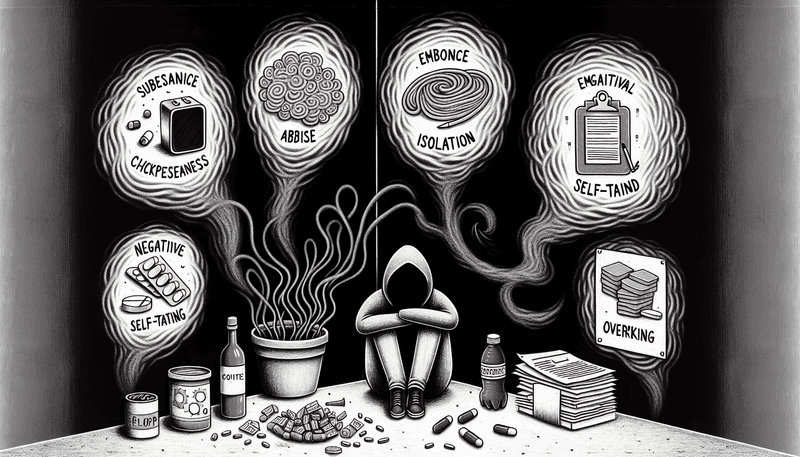
Not every workaholic is thriving. Sometimes relentless overworking is actually a way of running away from painful emotions, relationship problems, or a deep sense of emptiness that feels unbearable when things slow down.
Parents often celebrate a hardworking child without realizing the hustle might be hiding something darker. If your adult child never rests, never plays, and seems agitated whenever they stop working, that is worth a conversation.
Burnout wrapped in productivity is still burnout, and it can unravel fast without support.
11. Eating Habits That Have Shifted Dramatically

Food is tied to emotion in powerful ways. When an adult child suddenly stops eating regularly, starts binge eating, or makes dramatic changes to their diet without any clear health reason, it can point to anxiety, depression, or an emerging eating disorder.
Parents might notice their child looks thinner, or always has an excuse to skip meals. Commenting on appearance can backfire, but asking how they have been feeling emotionally opens a safer door.
Eating changes rarely exist in isolation, they usually reflect a bigger internal struggle.
12. Bringing Up Childhood Wounds Out of Nowhere

When an adult child suddenly brings up an old argument, a painful memory, or something a parent said years ago, it can feel like an attack. But often it is actually a form of reaching out, a way of saying “I am still carrying this and I need us to address it.”
These moments are uncomfortable, but they are also valuable. Rather than getting defensive, try listening with genuine openness.
Healing old wounds can strengthen your relationship and give your child the emotional resolution they have quietly been searching for.
13. Laughing Off Every Serious Conversation With Sarcasm

Sarcasm is a brilliant armor. It keeps vulnerability at a safe distance while still letting someone stay in the room.
When every serious moment gets deflected with a joke or an eye roll, it often means that person has learned that being honest about their feelings leads to pain.
Parents can gently push past the sarcasm by staying calm and saying “I really want to know how you are doing, not the funny version.” Consistency and patience can slowly dismantle even the most well-built emotional walls over time.
14. Suddenly Becoming Intensely Spiritual or Philosophical

A sudden deep interest in the meaning of life, death, afterlife, or existential philosophy can be a normal part of growing up. But when it comes with urgency, desperation, or a tone of hopelessness, it can sometimes signal an emotional or spiritual crisis.
Some adult children start exploring these themes when they are quietly questioning whether life is worth living. If the conversations feel heavy rather than curious, take them seriously.
Asking “What is making you think about this stuff lately?” opens space without judgment or alarm.
15. Dropping Hints About Needing a Break From Everything

“I just want to disappear for a while” sounds relatable in a world full of burnout. But when said repeatedly, with increasing desperation, it may mean more than just needing a vacation from a stressful week.
The desire to escape everything can be a sign of emotional exhaustion, relationship strain, or quiet hopelessness. Parents who hear this phrase often should follow up with something like “Tell me more about that feeling.” Creating space for honest answers, without rushing to fix things, is sometimes the most powerful thing a parent can do.
16. Randomly Sending “I Love You” Messages With No Context

An out-of-the-blue “I love you, you know that right?” from your adult child might warm your heart. But unprompted expressions of love or gratitude, especially when they feel unusually final or heavy, can sometimes be a quiet goodbye.
It is worth paying attention to the pattern and the emotional tone behind the message. Responding warmly and then following up with a phone call or visit shows you are paying attention.
Sometimes the most loving thing a parent can do is simply show up without being asked.
17. Refusing to Talk About the Future at All

Most people love dreaming about what comes next, new jobs, travel, relationships, goals. When an adult child goes completely silent or dismissive every time the future comes up, it can mean they simply cannot picture themselves in it.
This is one of the lesser-known symptoms of depression and hopelessness. Rather than pressing for five-year plans, try asking smaller questions like “Is there anything you are looking forward to lately?” It is a gentle way to gauge how they are seeing their own life right now.
18. Starting Risky Hobbies or Behaviors With No Prior Interest

Picking up extreme sports or risky activities can be exciting and healthy. But when an adult child suddenly starts doing things that seem reckless, dangerous, or self-destructive without any real enthusiasm behind them, it can signal emotional numbness or a subconscious disregard for their own safety.
Risk-taking behavior is sometimes a way of feeling alive when everything inside feels flat and colorless. Asking what drew them to the new activity, and really listening, can reveal whether it is healthy excitement or something that deserves a closer, more caring look.