
Some anime series start out so good that fans clear their schedules just to watch the next episode. But not every show manages to keep that magic going from start to finish.
Over time, certain beloved series have stumbled through bad seasons, rushed storylines, or animation that took a serious nosedive. Here are 17 anime that fans once adored but felt let down by as the story unfolded.
1. Tokyo Ghoul
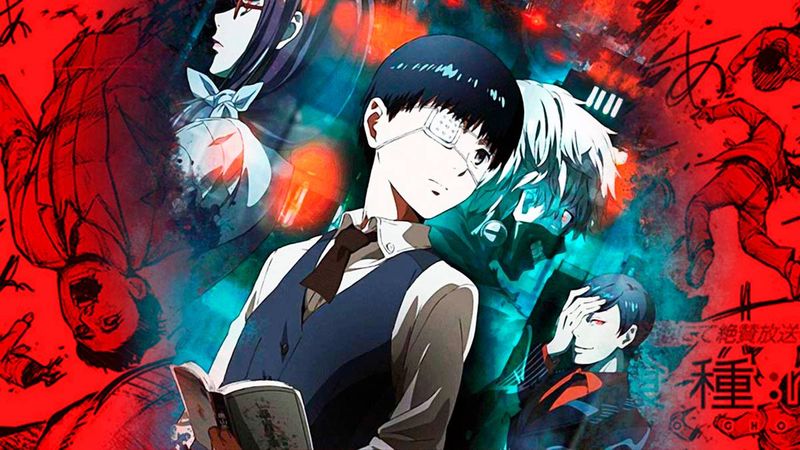
Few anime dropped the ball as visibly as Tokyo Ghoul did after its gripping first season. The second season ditched the manga’s story entirely, replacing it with a confusing original plot that left fans scratching their heads.
Later seasons rushed through the material, cutting about 70% of key content. Animation quality also tanked, with still frames and heavy censorship ruining what should have been jaw-dropping fight scenes.
2. The Promised Neverland
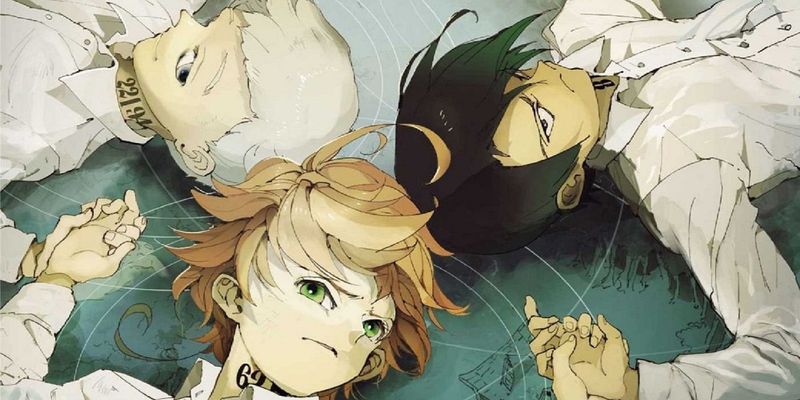
When Season 1 aired, fans were absolutely hooked. The Promised Neverland felt like a thriller, a mystery, and an emotional rollercoaster all wrapped into one beautifully crafted package.
Then Season 2 happened. Entire manga arcs were skipped, complex villains were removed, and years of emotional buildup were squashed into quick montages.
The original story created to fill the gaps felt completely out of place, leaving fans deeply disappointed.
3. One-Punch Man
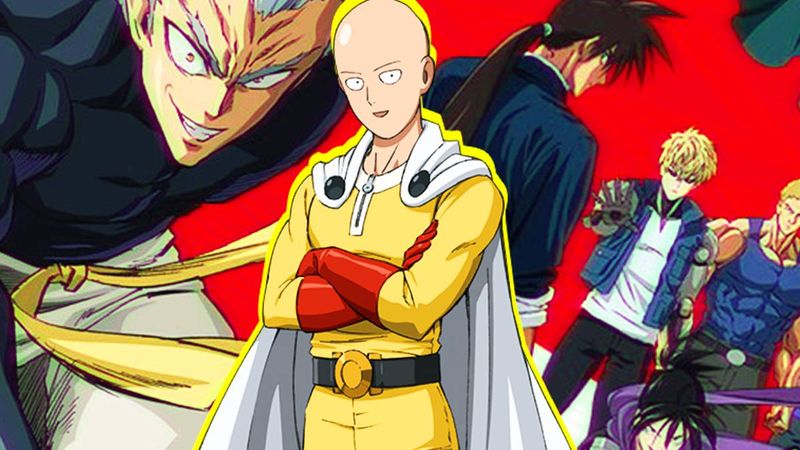
Madhouse’s Season 1 of One-Punch Man was nothing short of legendary. The animation was fluid, explosive, and genuinely thrilling to watch, setting a nearly impossible standard.
When J.C. Staff took over for Season 2, the difference was painfully obvious.
Fight scenes felt stiff and lifeless, CGI monsters looked clunky, and the rushed production drained the show of its energy. Season 3 also struggled with uneven animation that frustrated longtime fans.
4. Death Note
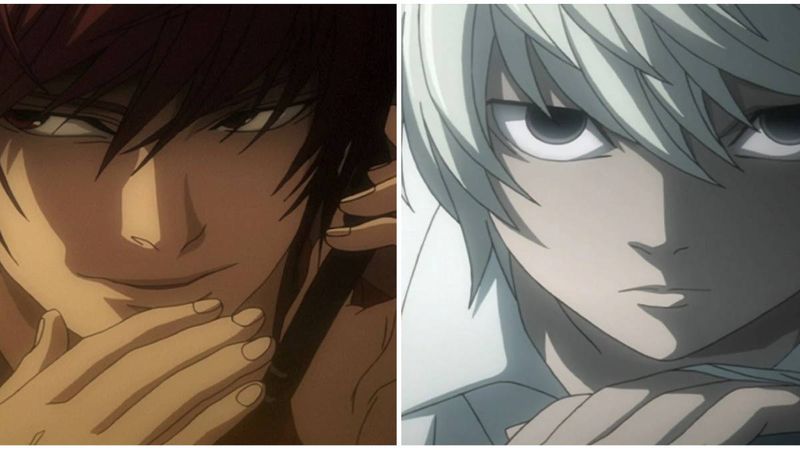
Death Note was practically a masterpiece in its first half. The cat-and-mouse battle between Light and L was electric, unpredictable, and endlessly clever.
Once L died, the series introduced N and M as replacements, and the magic evaporated almost instantly. Light’s character became harder to root for or against, and the writing felt forced rather than sharp.
Many fans consider the second half an entirely different and far weaker show.
5. The Seven Deadly Sins
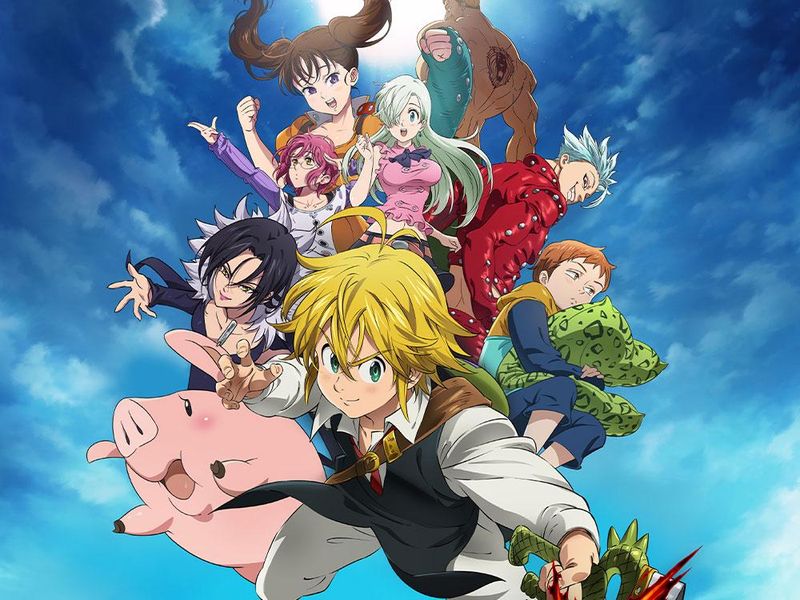
Early seasons of The Seven Deadly Sins were a blast, filled with fun characters, exciting battles, and vibrant animation courtesy of A-1 Pictures.
Studio Deen’s takeover changed everything. Action scenes became stiff, character designs looked off, and the gore that made battles feel intense was toned way down.
The story also grew melodramatic in a way that felt more exhausting than exciting, making it hard to stay invested in the later arcs.
6. Fullmetal Alchemist (2003)
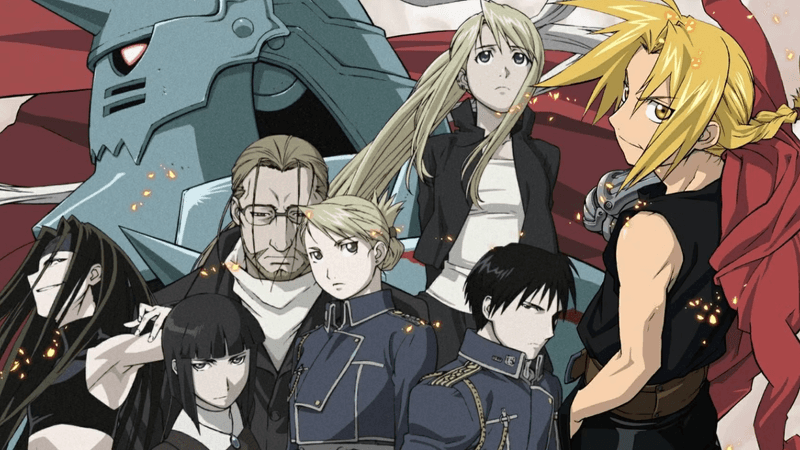
The 2003 Fullmetal Alchemist adaptation had a strong and emotionally rich beginning that drew viewers deep into the brothers’ painful journey. It followed the manga closely at first, building real emotional weight.
Once the show caught up to the manga, it went off on its own path. The anime-original ending introduced new villains and a bizarre WWII-era finale that felt disconnected from everything the series had built, leaving many fans unsatisfied.
7. Bleach
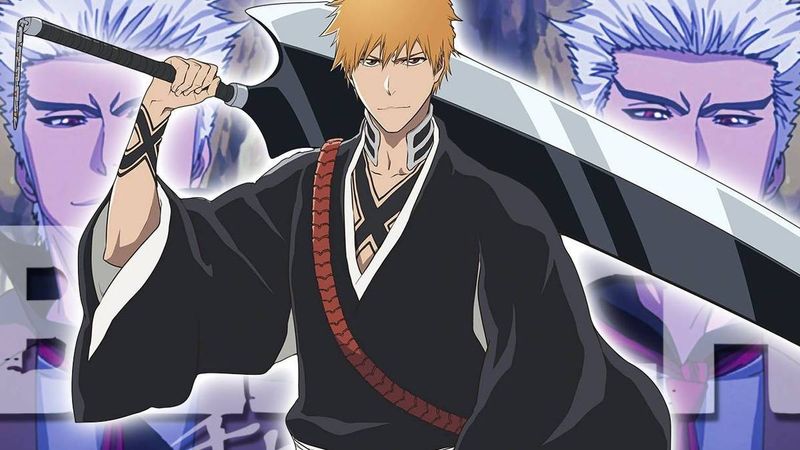
Ask any longtime anime fan about Bleach’s Soul Society arc and their eyes might just light up. That stretch of episodes was some of the most thrilling shonen storytelling ever put to screen.
Unfortunately, filler arcs piled up fast and furiously after that peak. The show became formulaic and repetitive, dragging through storylines that added little to the overall plot.
By the time it ended, many viewers had already mentally checked out long before.
8. Sword Art Online
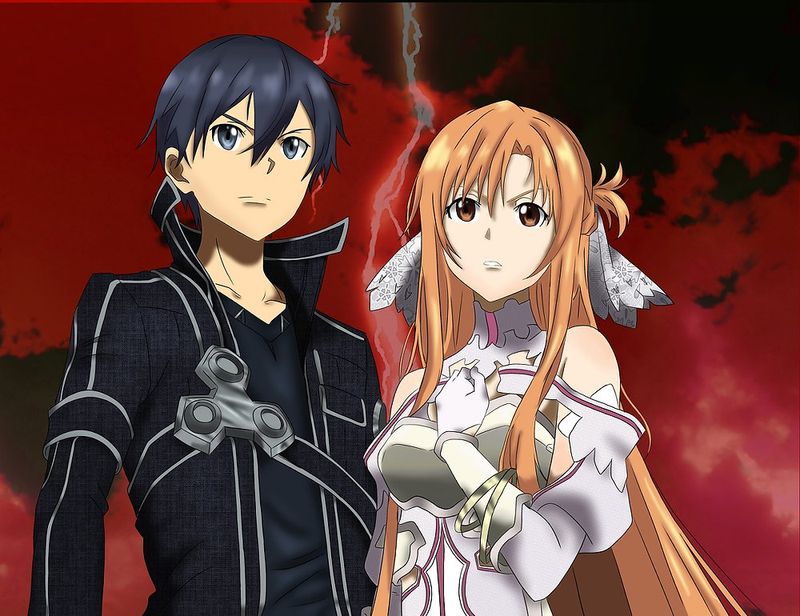
The Aincrad arc hooked millions of viewers with its high-stakes survival story inside a deadly virtual game. Kirito and Asuna’s relationship felt earned, and the world-building was genuinely exciting.
Later arcs struggled to maintain that momentum. Plot conveniences piled up, established rules got broken for dramatic effect, and Asuna shifted from a fierce co-lead to a character who mostly needed rescuing.
Each new arc seemed to deliver a little less than the one before it.
9. Darling in the Franxx
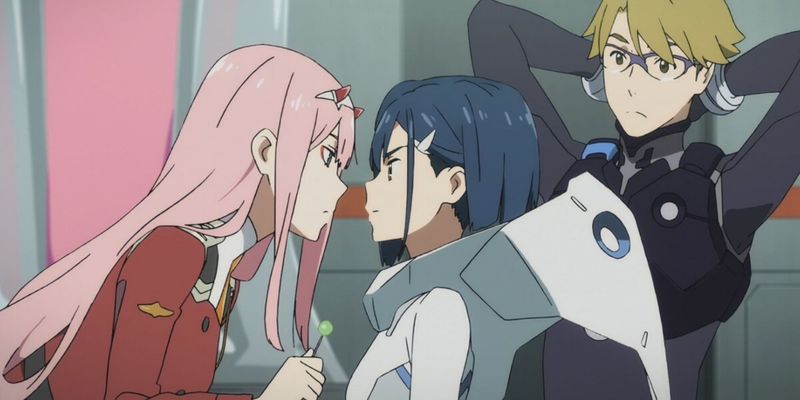
For its first half, Darling in the Franxx was electric. Zero Two’s fiery personality, the mecha action, and the complicated relationships between characters made it one of the most talked-about anime of 2018.
Around episode 16, things took a sharp and confusing turn. An alien plotline appeared seemingly out of nowhere, character growth stalled, and the finale felt wildly disconnected from the emotional story fans had been following.
The backlash was swift and widespread.
10. Wonder Egg Priority
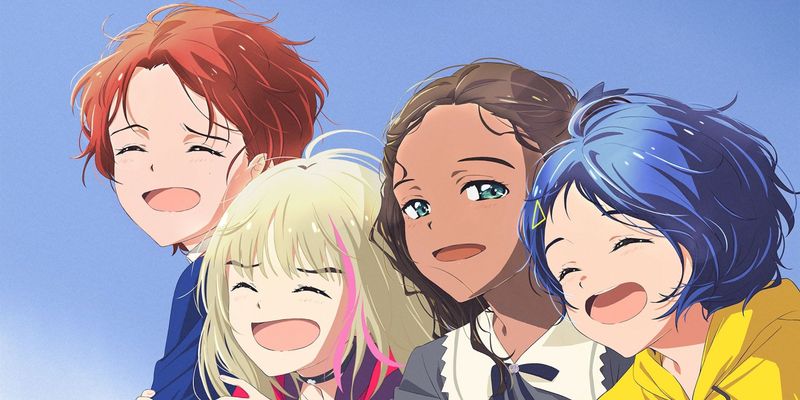
Wonder Egg Priority arrived like a breath of fresh air. Its rich symbolism, stunning visuals, and thoughtful exploration of trauma made it one of the most ambitious anime in years.
Sadly, the ending could not match those sky-high expectations. Production troubles led to a rushed finale that left major plot threads dangling without resolution.
What started as something truly special collapsed under its own weight, leaving fans both impressed by the journey and frustrated by the destination.
11. Berserk (2016/2017)
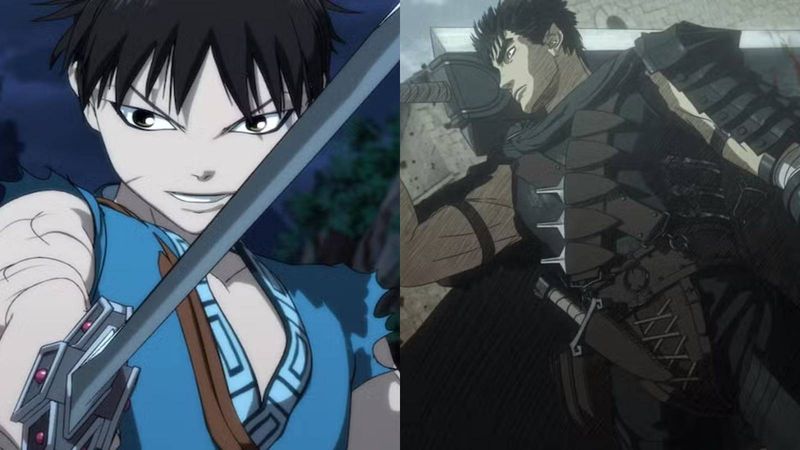
Fans of the beloved 1997 Berserk anime were thrilled to see the story continue in 2016. That excitement faded fast once the CGI animation quality became clear.
Low frame rates, stiff movements, and unnatural character designs made the action scenes painful to watch rather than epic. The 1997 anime had set such a high bar that this adaptation felt like a massive step backward, disappointing longtime fans who had waited years for more Berserk content.
12. Attack on Titan
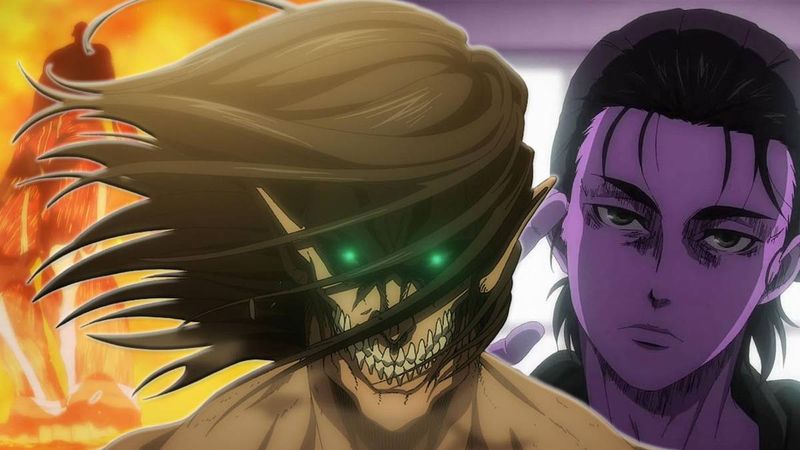
Attack on Titan built one of the most intense and emotionally complex stories in anime history. Seasons 1 through 3 kept fans on the edge of their seats with shocking twists and incredible animation.
The ending, however, sparked serious debate. Eren’s decision to wipe out most of humanity through the Rumbling divided the fanbase sharply.
Some respected the bold direction, while many felt the conclusion undermined years of careful storytelling and character development they had deeply invested in.
13. Food Wars! Shokugeki no Soma
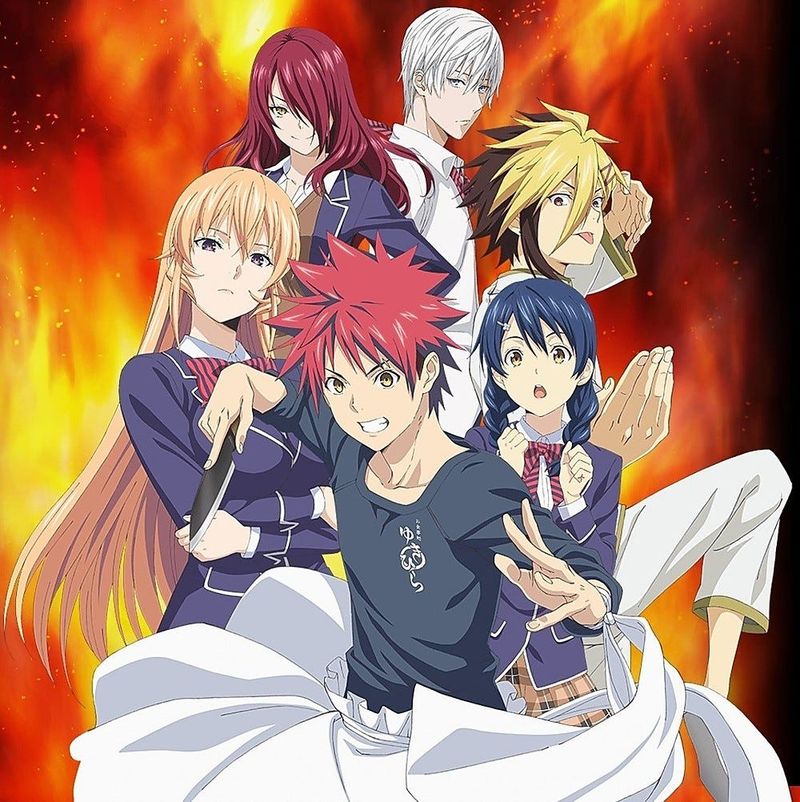
Food Wars was a delightfully over-the-top cooking anime that made gourmet food battles genuinely thrilling. Its early seasons were fun, creative, and full of satisfying character growth.
Later seasons rushed through manga chapters at a frantic pace, sometimes covering four chapters in a single episode. The result felt more like a slideshow than an animated series.
The manga’s own story also faltered in its later arcs, and the anime adaptation mirrored those weaknesses without adding any energy to compensate.
14. Rurouni Kenshin
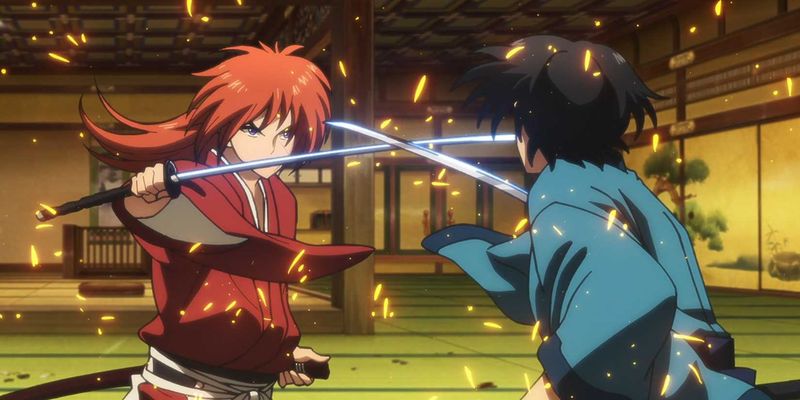
Rurouni Kenshin earned its reputation as a samurai classic through sharp storytelling and a memorable lead character with a fascinating moral code.
Season 3 threw all of that goodwill away by abandoning the manga and filling its runtime with confusing, low-energy filler episodes. The main plot stalled completely, and the filler content offered nothing compelling to replace it.
The show was eventually cancelled, a disappointing end for a series that had shown so much promise in its earlier episodes.
15. Naruto
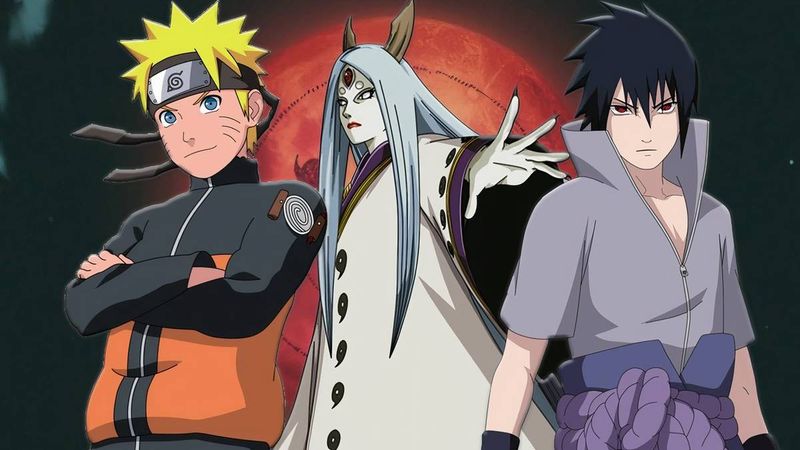
Naruto’s early arcs were genuinely inspiring. Watching a loud, overlooked kid fight his way toward recognition while forming meaningful bonds made the show a global phenomenon.
Filler episodes became such a constant presence that the main story felt like a rare treat rather than the norm. Naruto Shippuden’s ending also frustrated fans, particularly the last-minute villain swap from Madara to Kaguya and Sasuke’s rushed change of heart, which felt unearned after years of buildup.
16. Platinum End
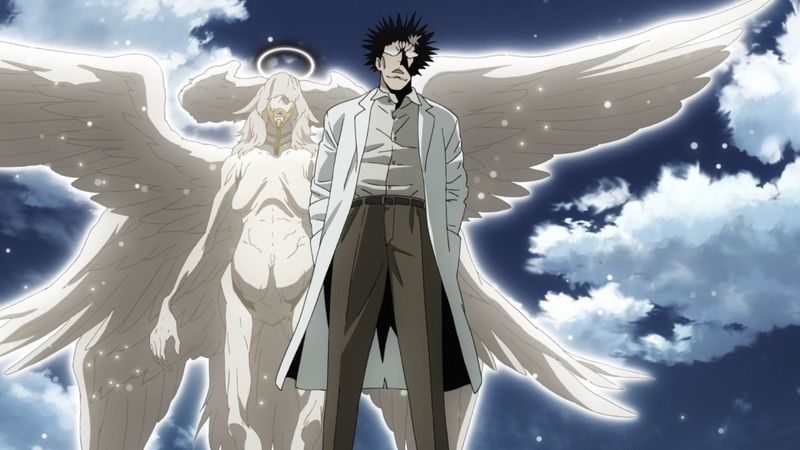
Coming from the creative team behind Death Note, Platinum End arrived with enormous expectations. Its premise of god candidates battling for divine power sounded thrillingly dark and philosophical.
After 24 episodes of heavy philosophical dialogue and moral debate, the ending simply gave up. The conclusion felt like the writers had run out of ideas and just stopped, leaving viewers with an empty, anticlimactic resolution that wasted the intriguing foundation the series had worked hard to establish.
17. Hunter x Hunter
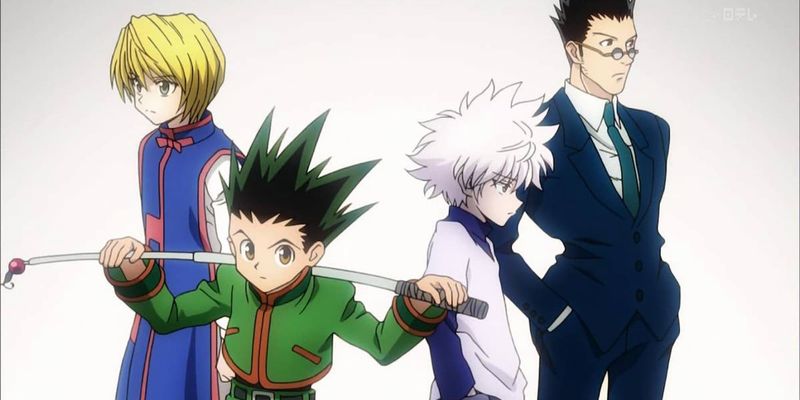
Hunter x Hunter is the kind of anime that earns fierce loyalty from everyone who watches it. Gon and Killua’s friendship, the clever power system, and the surprisingly dark story arcs made it feel genuinely special.
Despite its reputation for excellence, the series appears on lists of anime that lost momentum over time. Whether through pacing issues, extended hiatuses mirroring the manga, or an incomplete ending, many fans felt the show never quite reached the finish line it deserved.