
Pizza is one of the most beloved foods in the world, but it comes with a surprising number of myths that people accept as fact. From its origins in Italy to what makes the perfect slice, there is a lot of misinformation floating around.
Some of these myths have been passed down for generations, while others spread thanks to clever marketing. Get ready to rethink everything you thought you knew about pizza.
1. Italians Invented Pizza
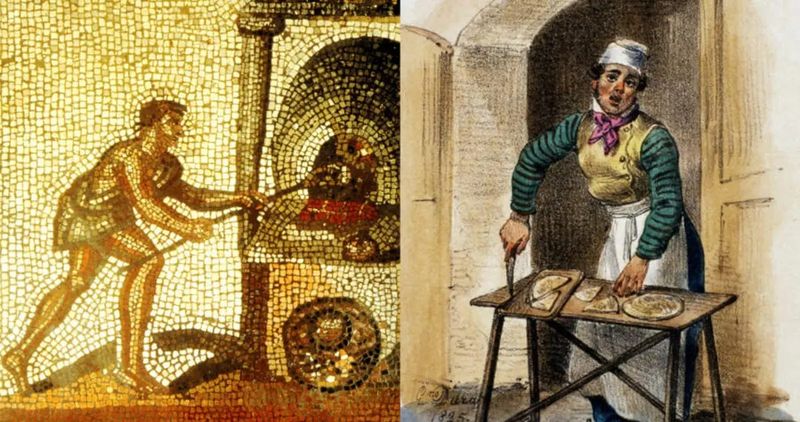
Long before Naples became famous for pizza, ancient Greeks and Persians were already baking flatbreads topped with herbs, cheese, and oils as far back as the 6th century BC. The idea of putting toppings on baked dough is much older than Italy itself.
Naples did give us the tomato-sauce-and-cheese version we recognize today, but crediting Italy with the entire invention leaves out thousands of years of culinary history from civilizations that came long before.
2. Queen Margherita Inspired the Margherita Pizza
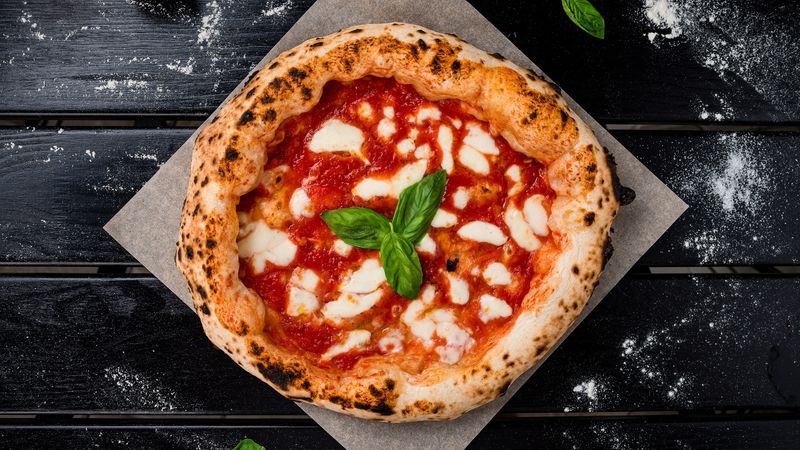
The story goes that pizzaiolo Raffaele Esposito created this iconic pizza in 1889 specifically to honor Queen Margherita of Italy, matching the colors of the Italian flag. It is a romantic tale, but historians have found serious problems with it.
The name “Pizza Margherita” does not actually appear in any written texts until the 1960s, suggesting the royal story was more of a marketing legend than a real historical event. Great branding, though.
3. WWII Soldiers Brought Pizza to America
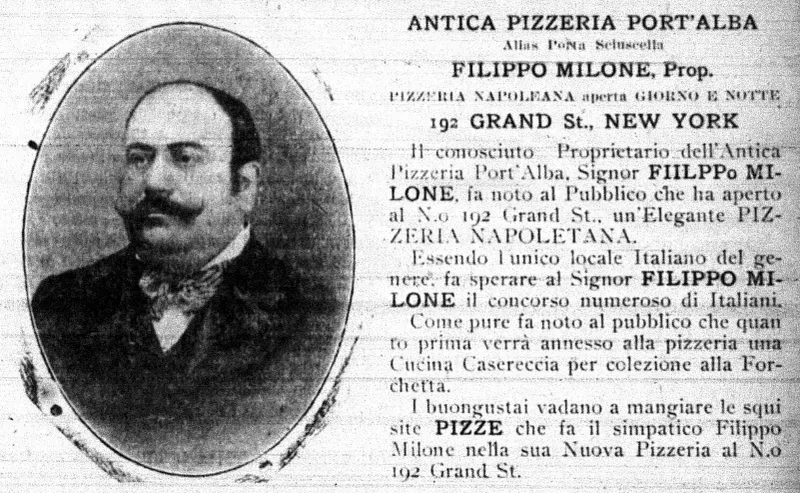
Many people believe that American soldiers returning from Italy after World War II came back with a craving for pizza and sparked its popularity back home. The timeline does not quite hold up, though.
Italian immigrants had already been sharing pizza in American cities well before the war began. Additionally, wartime Italy was extremely poor, and pizza would have been scarce.
Most U.S. troops were stationed in northern and western Europe, far from Italian pizzerias anyway.
4. Pizza Was Always a Beloved Italian Classic
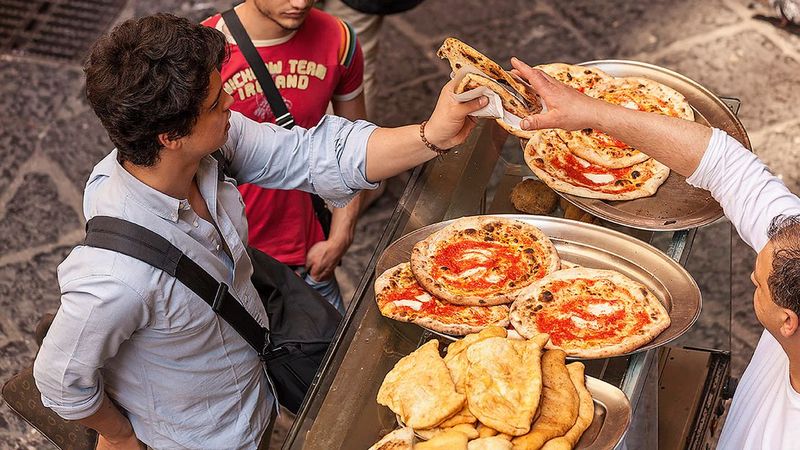
Surprise: pizza was once considered cheap street food for the poor in Naples, eaten by laborers known as “lazzaroni” who could not afford anything better. Respectable Neapolitan society actually looked down on it for many decades.
Pizza did not earn its status as a celebrated Italian dish until well into the 20th century. The same food that was once dismissed as peasant fare is now eaten by millions of people around the world every single day.
5. Tomato Sauce Was Always Part of Pizza
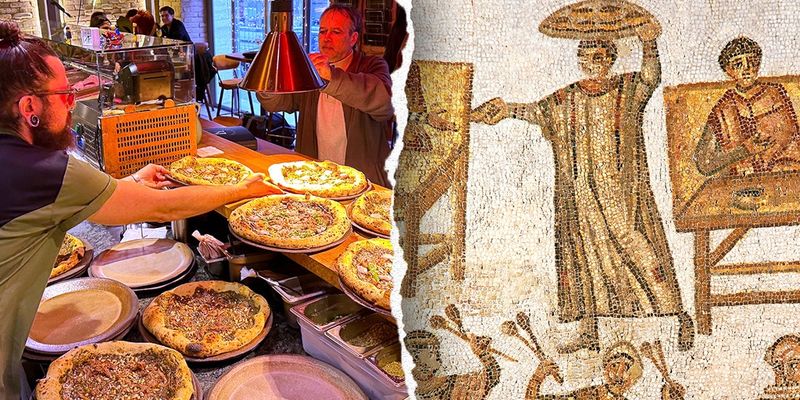
Before tomatoes even existed in Europe, pizza-style flatbreads were already being made with toppings like garlic, lard, salt, herbs, mushrooms, and fish. Tomatoes did not arrive in Naples until they were brought from Peru in the 1500s.
Even after tomatoes arrived, it took time before they were trusted as food, since many Europeans initially believed they were poisonous. So for a long stretch of pizza history, there was absolutely no red sauce involved.
6. Ordering Pepperoni in Italy Gets You Spicy Meat
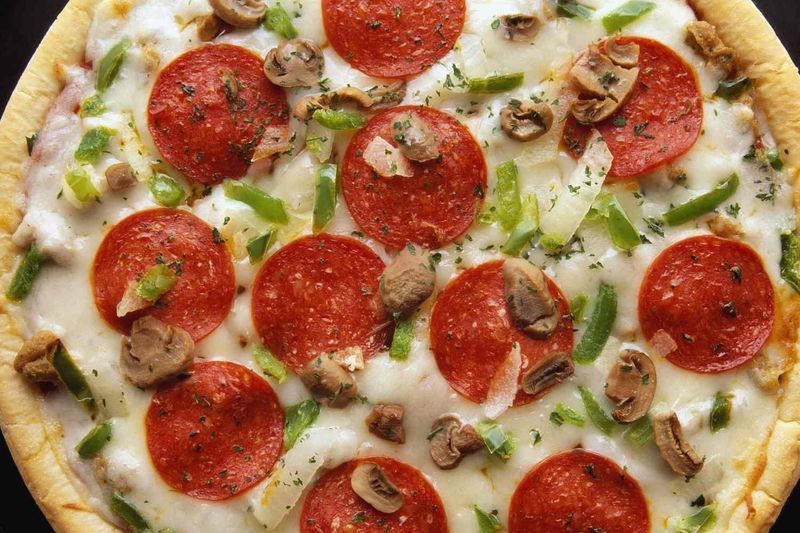
Walk into a pizzeria in Italy and order a pepperoni pizza, and you will likely get a confused look followed by a pie topped with bell peppers. In Italian, “peperoni” simply means bell peppers, not the spicy cured meat Americans love.
The American-style pepperoni, made from a blend of beef and pork with bold spices, was actually invented by Italian immigrants in New York City. If you want something close to it in Italy, ask for “salame piccante” instead.
7. Hawaiian Pizza Was Created in Hawaii
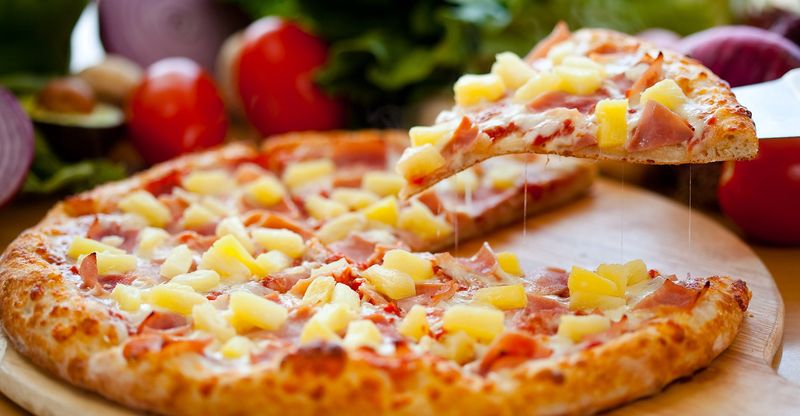
Pineapple on pizza is one of the most debated toppings in food history, and most people assume it came from Hawaii. Here is the twist: Hawaiian pizza was invented in Canada, not Hawaii, by a Greek-born restaurateur named Sam Panopoulos in 1962.
Panopoulos was experimenting with sweet and savory combinations at his Ontario restaurant when he added canned pineapple to a pizza. The name “Hawaiian” came from the brand of canned pineapple he used, not from any connection to the island state.
8. Mozzarella di Bufala Is Required for Great Pizza
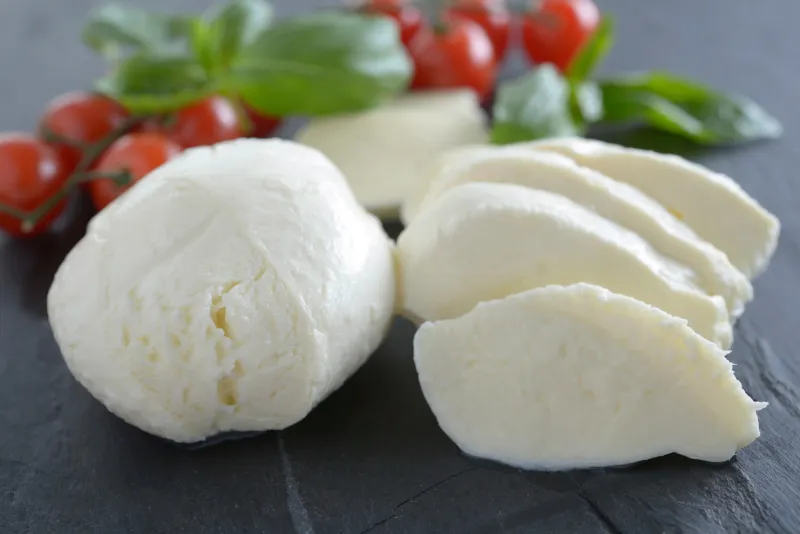
Mozzarella di Bufala sounds luxurious, and it is delicious, but it is not automatically the best choice for every pizza style. Because it contains significantly more water than regular mozzarella, it can make your pizza crust soggy and watery.
For New York-style or larger pies that need to hold their shape, part-skim mozzarella actually performs better. The right cheese depends entirely on the pizza style you are making, so matching the cheese to the method matters more than prestige.
9. Pepperoni Is Always the Number One Topping
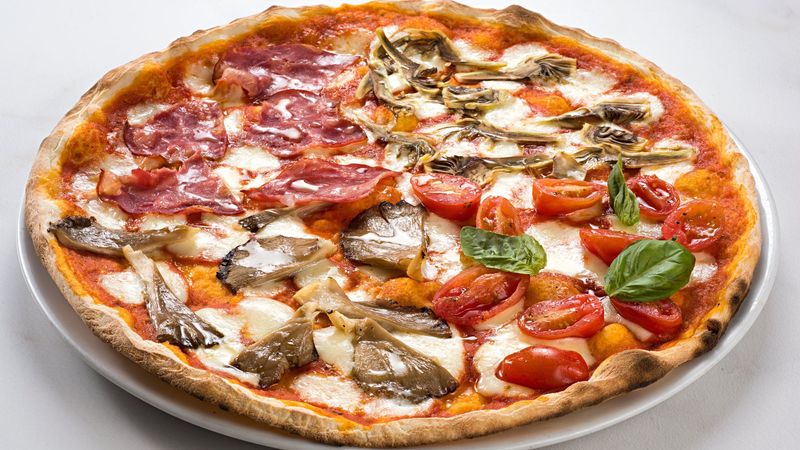
Pepperoni has long held the reputation of being America’s undisputed favorite pizza topping, and it does sell in massive quantities. But mushrooms regularly compete for that top spot in surveys and studies across different regions of the country.
Regional preferences play a huge role in what toppings people reach for, and mushrooms, onions, and extra cheese all have passionate fan bases. The pepperoni crown is real, but it is not as secure as pizza lovers might think.
10. More Cheese Always Makes Pizza Better
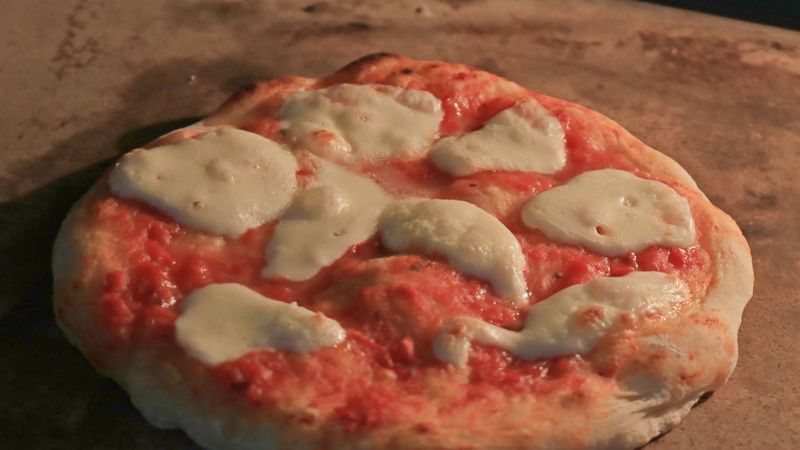
Piling on extra cheese might seem like a guaranteed upgrade, but it can actually work against you. Too much cheese overwhelms the other flavors, creates a greasy texture, and can make each slice feel heavy and unpleasant to eat.
Using a moderate amount of high-quality cheese allows the sauce, crust, and toppings to each contribute to the overall flavor. Balance is the secret ingredient that separates a good pizza from a genuinely great one, regardless of how much cheese is involved.
11. Pizza Is Only for Meat Lovers
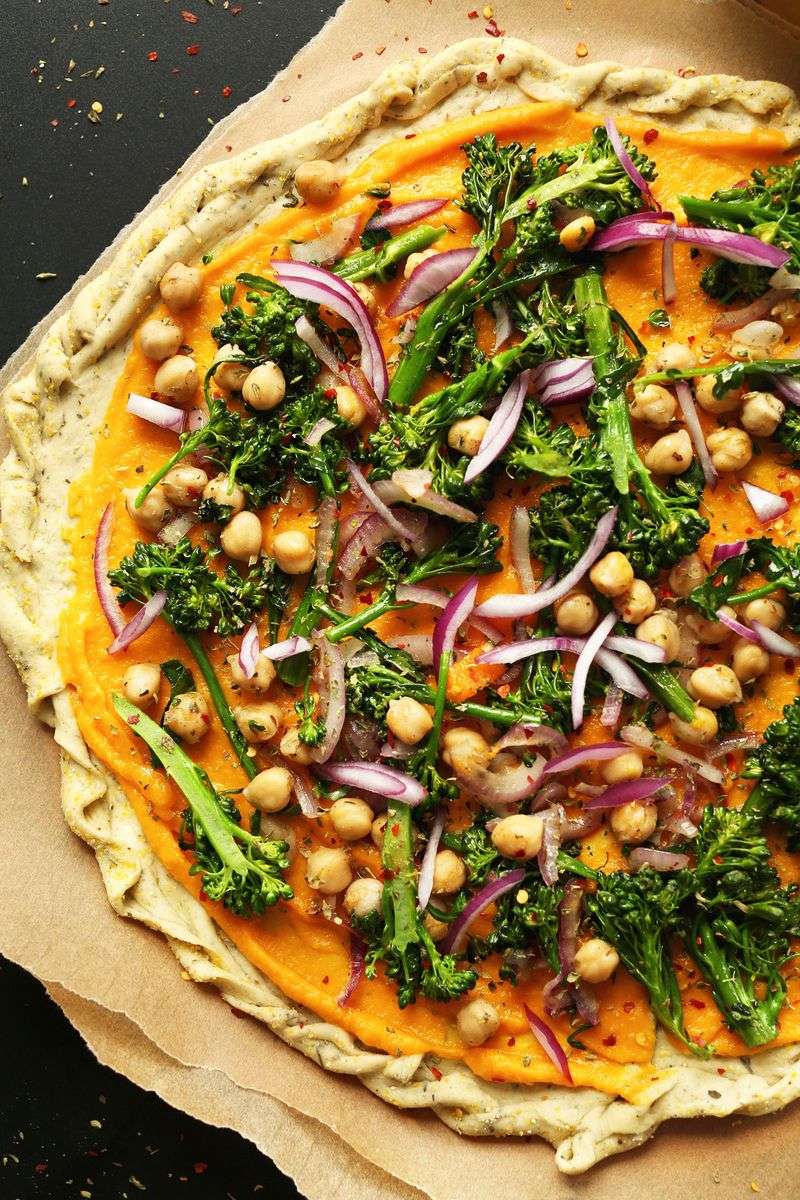
Some people picture pizza as strictly a meat-heavy indulgence, but vegetarian and vegan versions have been around since the very beginning. The classic Margherita pizza is entirely meatless and remains one of the most popular styles worldwide.
Plant-based toppings like roasted vegetables, artichokes, olives, caramelized onions, and dairy-free cheeses have transformed pizza into something for everyone. Whether you eat meat or not, there is a pizza combination out there that will absolutely win you over.
12. Ike Sewell Invented Chicago Deep-Dish Pizza
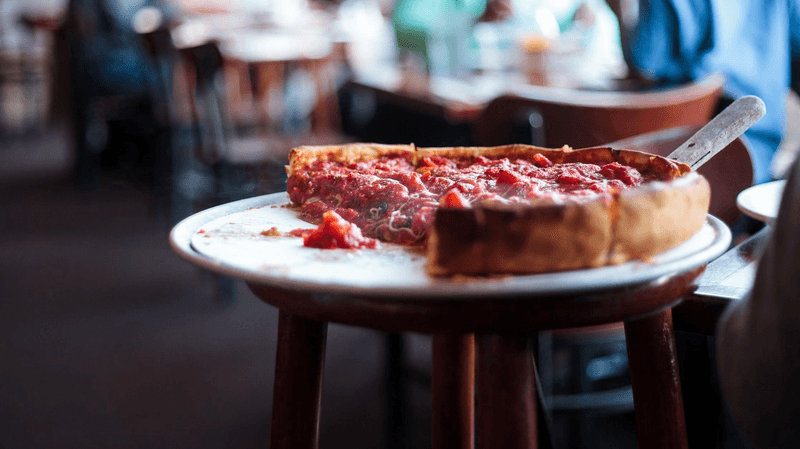
Ike Sewell gets most of the credit for deep-dish pizza since he co-founded Pizzeria Uno in Chicago in 1943, but food historians believe the real creative mind behind it was his business partner, Ric Riccardo.
A cook named Alice Mae Redmond is also credited with important contributions to the iconic dough recipe. Sewell was a savvy businessman who promoted the dish brilliantly, but the actual culinary invention likely had more hands involved than the popular version of the story suggests.
13. Chicagoans Eat Deep-Dish Pizza Every Day
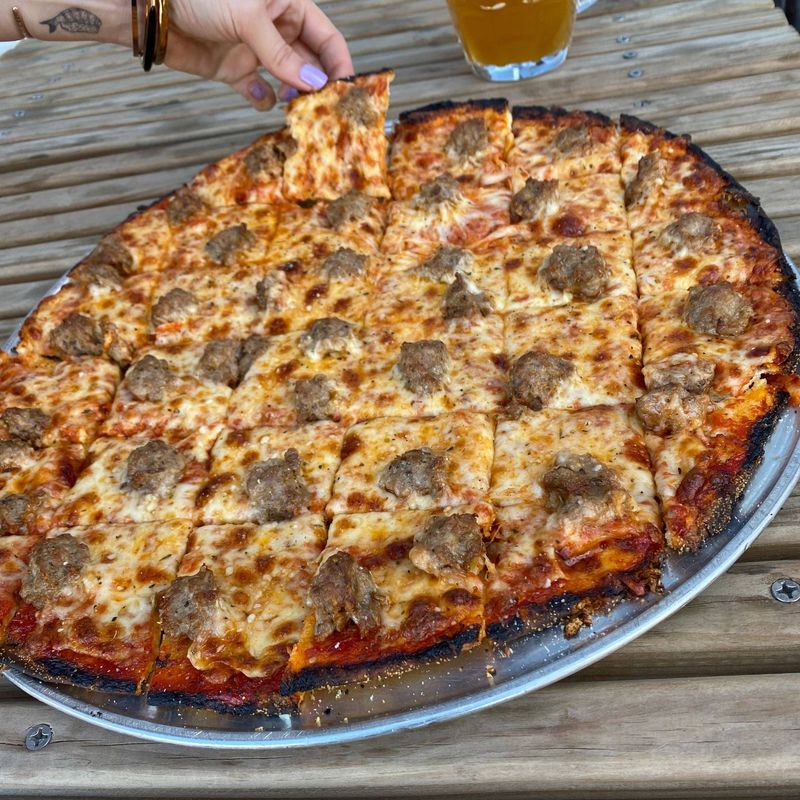
Ask a Chicago local what pizza they actually eat on a regular Tuesday night, and deep-dish probably is not the answer. Deep-dish is more of a special occasion or tourist experience than a daily habit for most residents of the city.
Tavern-style pizza, with its thin, crispy crust and squares cut in a party style, is far more common for everyday meals in Chicago neighborhoods. Deep-dish is beloved and iconic, but it is a celebration food, not a weeknight staple for most Chicagoans.
14. Pizza Is Inherently Unhealthy and Fattening
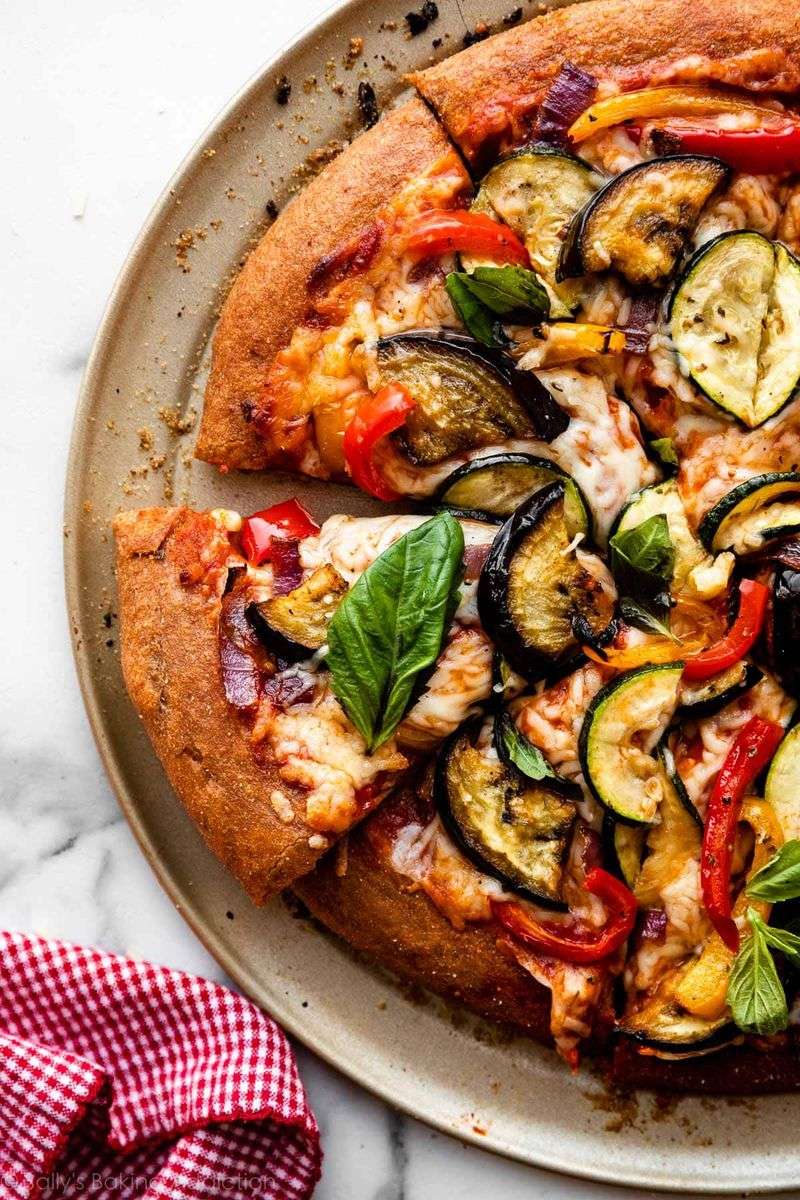
Pizza has a reputation as junk food, but that label is not entirely fair. Made with a whole wheat crust, quality tomato sauce, and fresh toppings, a slice can deliver carbohydrates, protein, fiber, vitamins, and antioxidants all in one meal.
The calorie count really depends on the crust thickness, sauce amount, type of cheese, and chosen toppings. Eating a couple of balanced slices is very different from demolishing half a stuffed-crust meat lover’s pie, so context and portions matter enormously.
15. Eating Pizza with a Knife and Fork Is Wrong
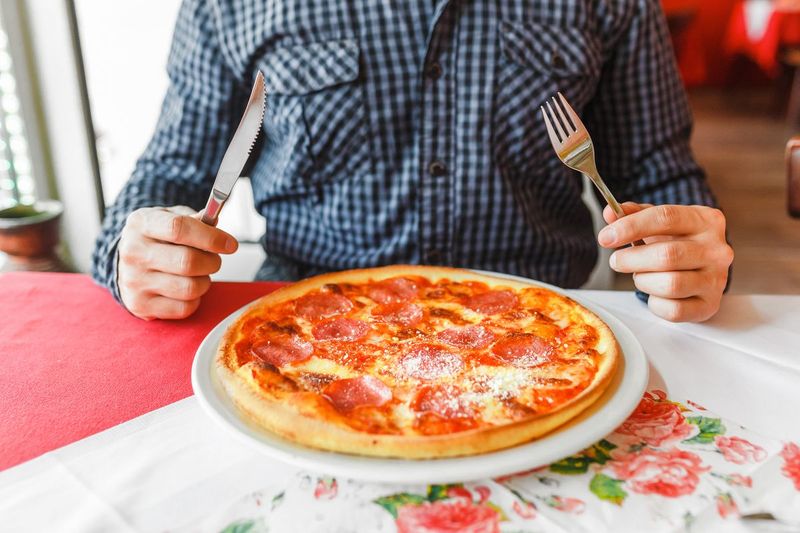
In the United States, folding a slice and eating it by hand is practically a rule, and using utensils might earn you some raised eyebrows. Flip the scene to Italy, and the etiquette is completely reversed.
Italians commonly eat pizza with a knife and fork, especially when it is served whole and uncut, as is traditional in many Italian restaurants. Neither method is wrong; it simply comes down to cultural norms and the style of pizza being served.
16. Fresh Dough Always Makes the Best Pizza
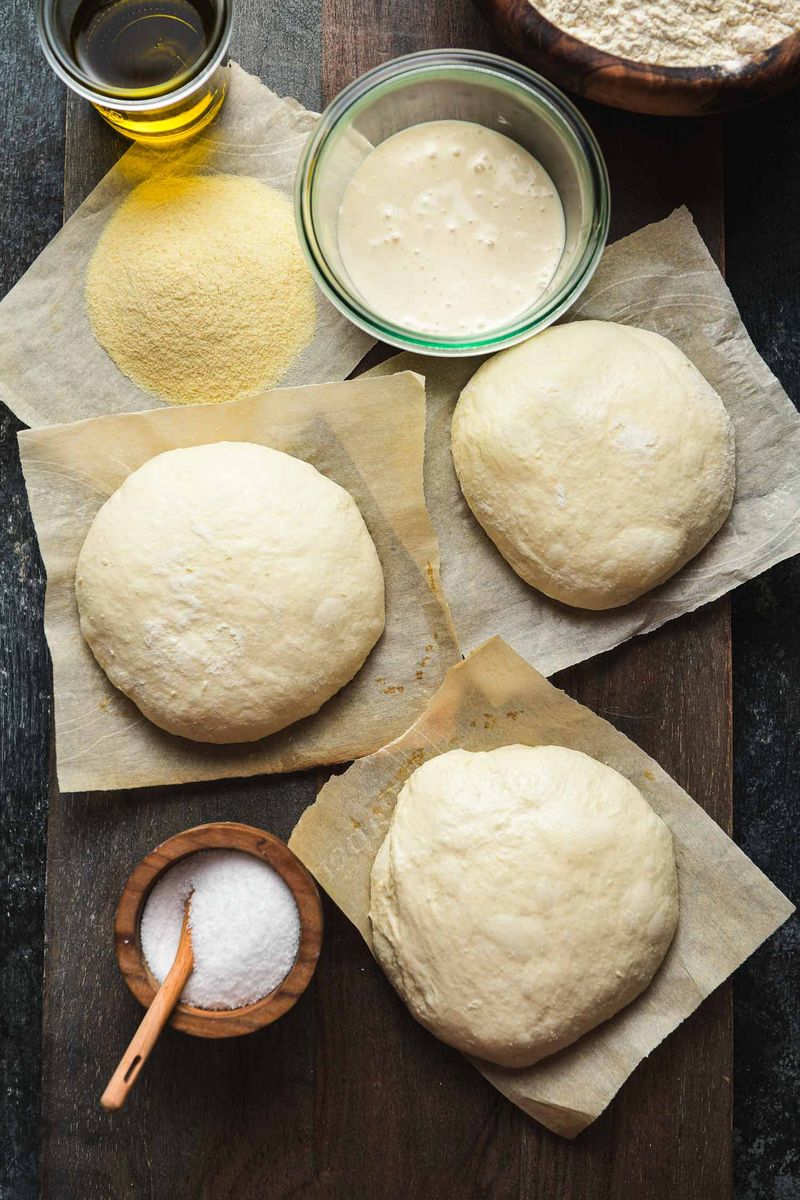
Fresh dough sounds like it should be the gold standard, but bakers and pizzaiolos know that patience actually produces better results. Dough that has been slowly fermenting in a cooler temperature for a day or two develops much deeper, more complex flavor.
The slow fermentation process allows natural sugars and acids to develop in the dough, creating a richer taste and better texture once baked. Same-day dough can work, but letting it rest and ferment is a game-changer for the final product.
17. You Can Only Reheat Pizza in the Oven
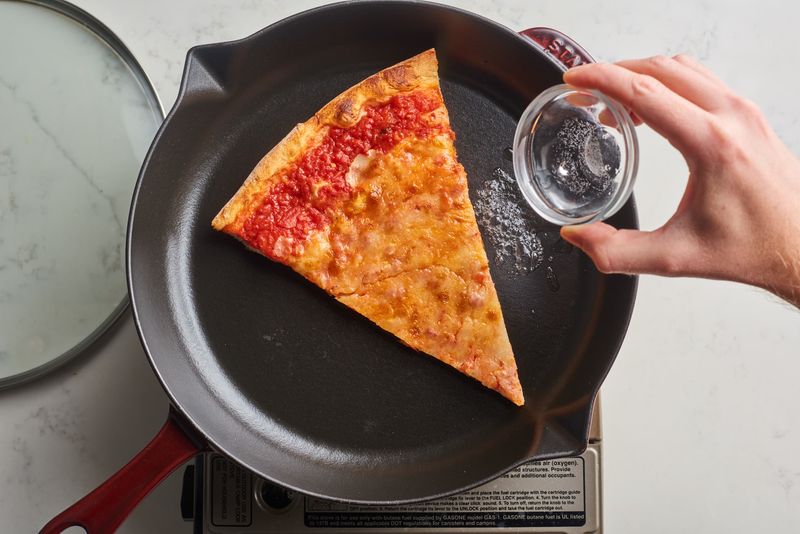
The oven is a reliable way to reheat pizza, but it is far from the only good method. Reheating a slice in a covered skillet on the stovetop is actually a favorite technique among pizza enthusiasts because it crisps up the bottom beautifully.
A toaster oven works great for smaller portions, and even the microwave can do the job if you place a cup of water beside the slice to prevent it from turning rubbery. The best method just depends on what texture you are going for.