
Back in the 1960s, home cooks had their own set of kitchen rules that were passed down from parents and grandparents. Many of these habits felt perfectly normal at the time, but food science has come a long way since then.
What was once considered smart and thrifty cooking would now raise serious red flags in any modern kitchen. From leaving food out overnight to tasting straight from the can, these old-school practices are a fascinating look at how much our understanding of food safety has changed.
1. Thawing Meat on the Counter
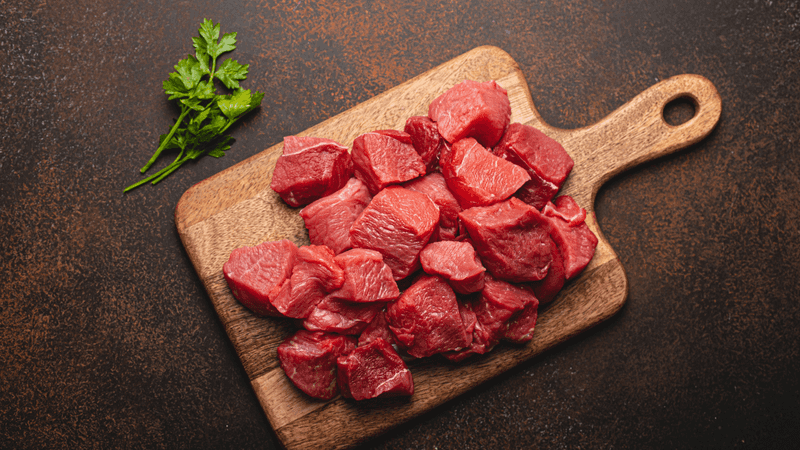
Leaving a frozen roast on the counter all morning was just how things were done in the ’60s. Cooks believed it kept the meat juicy and saved time.
But here is the problem: as the outside of the meat warms up, it enters the bacterial “danger zone” between 40°F and 140°F.
Bacteria can double in number every 20 minutes in that range. Today, the safe method is to thaw meat in the refrigerator, under cold running water, or in the microwave.
2. Judging Doneness by Color Alone
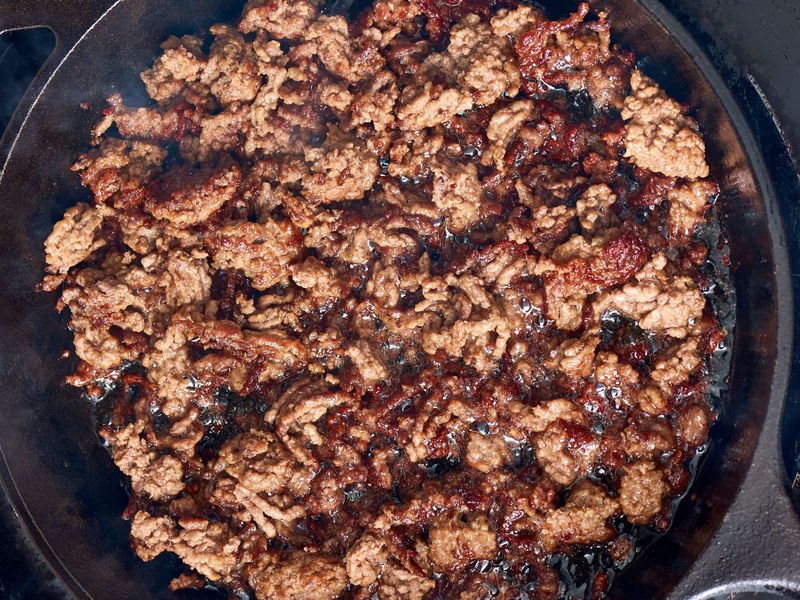
A browned burger meant dinner was ready in most ’60s households. If the meat looked cooked, it was served without a second thought.
The trouble is, color is not a reliable measure of whether harmful bacteria have been destroyed.
Ground beef can turn brown before it ever reaches a safe internal temperature of 160°F. Modern food safety strongly recommends using a meat thermometer every time, because looks can absolutely be deceiving when it comes to food safety.
3. One Cutting Board for Everything
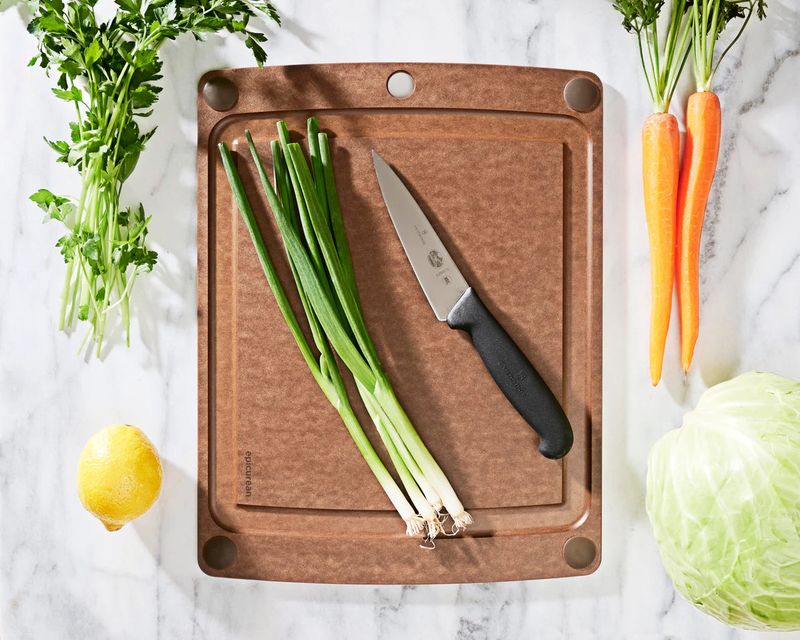
Picture this: raw chicken gets chopped, then without rinsing, the same board is used to slice tomatoes for the salad. That was completely normal kitchen behavior decades ago.
Cross-contamination was not yet a household word.
Raw poultry carries bacteria like Salmonella that can easily transfer to ready-to-eat foods. Modern kitchens now use color-coded cutting boards to keep raw meats completely separate from produce and bread.
It is a simple change that makes a huge difference.
4. Leaving Soup on the Stove Overnight
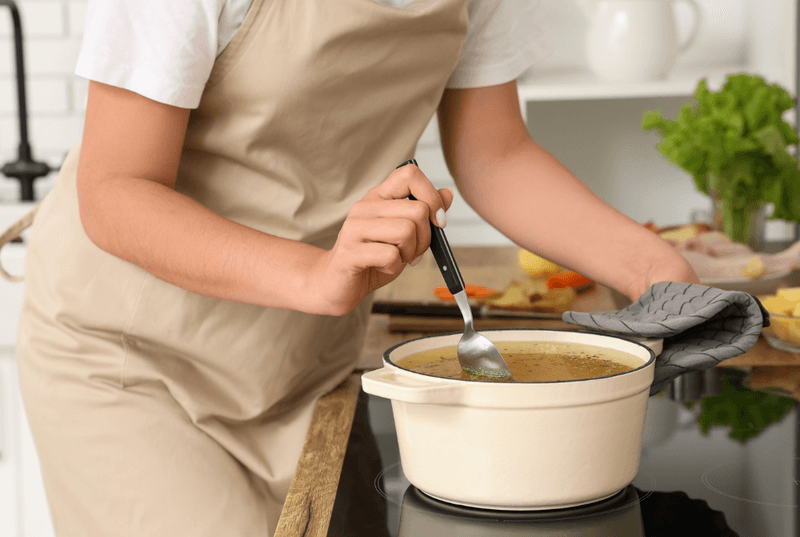
Many home cooks in the ’60s believed that putting hot food straight into the refrigerator would ruin it or even break the appliance. So big pots of soup or stew were simply left on the stove until morning.
As the food slowly cooled, bacteria multiplied rapidly.
Some heat-resistant strains can survive and thrive as temperatures drop. Today, food safety guidelines recommend cooling large batches in shallow containers and refrigerating them within two hours of cooking.
5. Packing Lunches Without Ice Packs
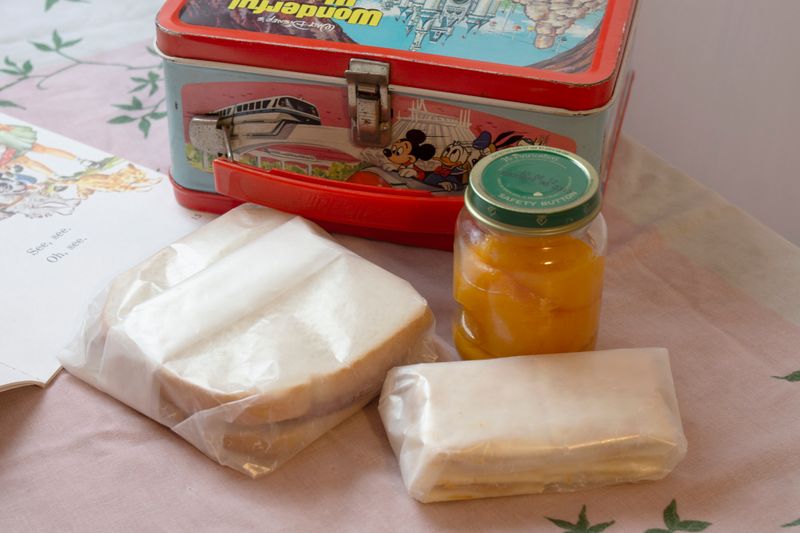
Metal lunchboxes were an icon of the era, but they offered zero insulation. Sandwiches packed with deli meat or egg salad would sit for hours at room temperature before lunchtime rolled around.
Nobody thought much of it back then.
Modern food safety guidelines say perishable foods should not stay above 40°F for more than two hours. Insulated lunch bags and frozen gel packs are now the standard tools to keep school lunches safe and free from bacterial growth.
6. Trusting Your Nose to Check Food Safety
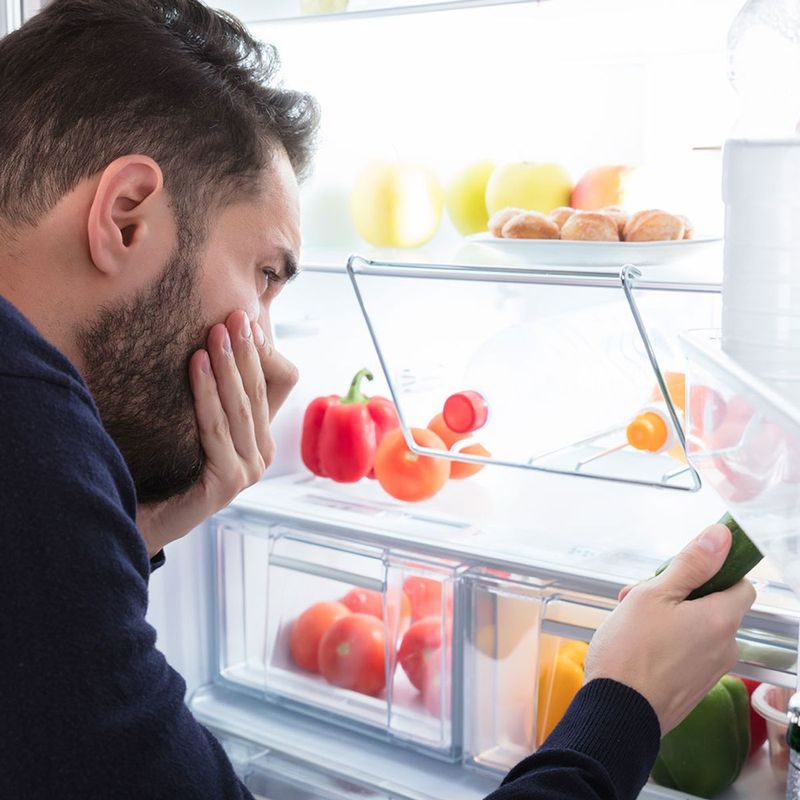
“Does it smell okay? Then it is fine to eat.” That was the unofficial food safety test of the 1960s.
Sniffing leftovers was considered a perfectly reasonable way to decide whether something was still good.
The scary truth is that many dangerous bacteria, including those that cause Salmonella and Listeria infections, produce absolutely no odor at all. Food can smell completely fresh and still make you seriously ill.
Modern guidance focuses on storage times and temperatures, not just your sense of smell.
7. Reusing Cooking Oil Until It Turned Black
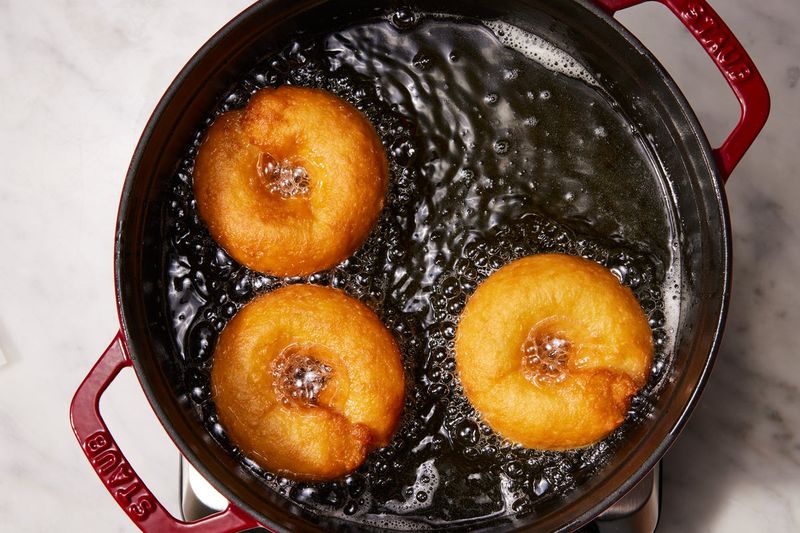
Waste not, want not was the motto of many Depression-era and postwar households. Cooking oil was reused again and again until it turned dark brown or even black.
It seemed frugal and practical at the time.
But each time oil is heated, it breaks down and creates harmful compounds called aldehydes and acrolein, which have been linked to health problems. Modern food safety recommends filtering oil after each use and discarding it after just a few frying sessions for safety.
8. Skipping Sanitization on Wooden Boards
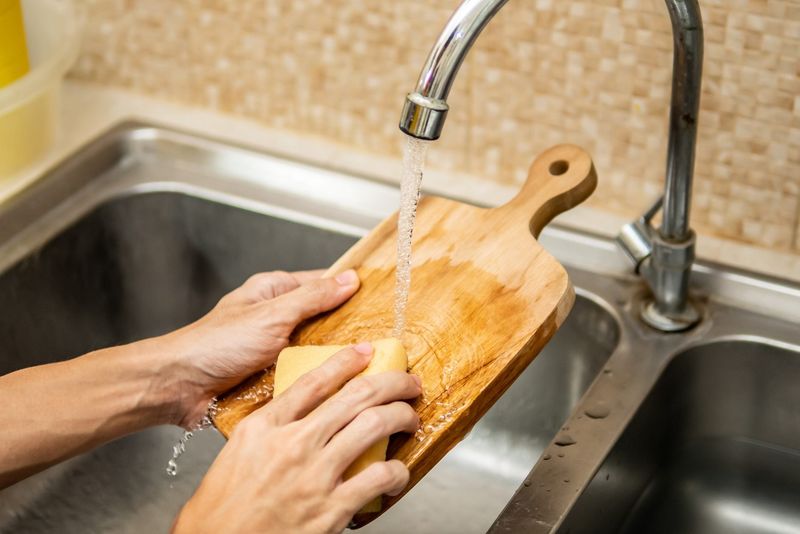
Wooden cutting boards were rinsed off, given a quick soap scrub, and hung up to dry. That was considered clean enough for decades.
The problem hides in the knife grooves carved into the wood over years of use.
Bacteria like E. coli and Salmonella can nestle deep into those grooves and survive regular washing. Today, food safety experts recommend sanitizing wooden boards with a diluted bleach solution regularly and replacing boards that are heavily scored or cracked.
9. Snacking on Raw Cookie Dough
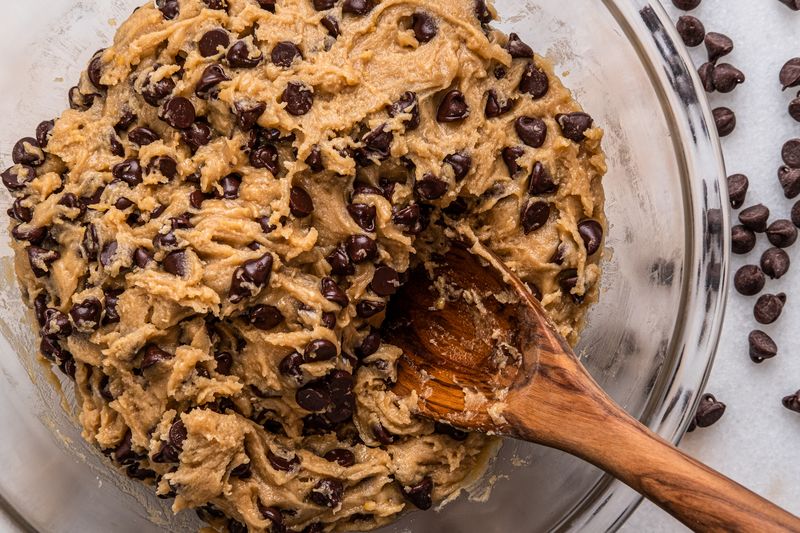
Raw cookie dough was practically a treat in itself growing up in the ’60s. Licking the spoon and sneaking spoonfuls from the bowl was part of the fun of baking day.
Back then, no one worried much about it.
Raw eggs in the dough carry a risk of Salmonella, and raw flour has been linked to E. coli outbreaks. Modern guidelines strongly advise against eating any unbaked dough or batter.
Heat-treated flour and pasteurized eggs are now used in store-bought edible dough.
10. Washing Raw Chicken in the Sink
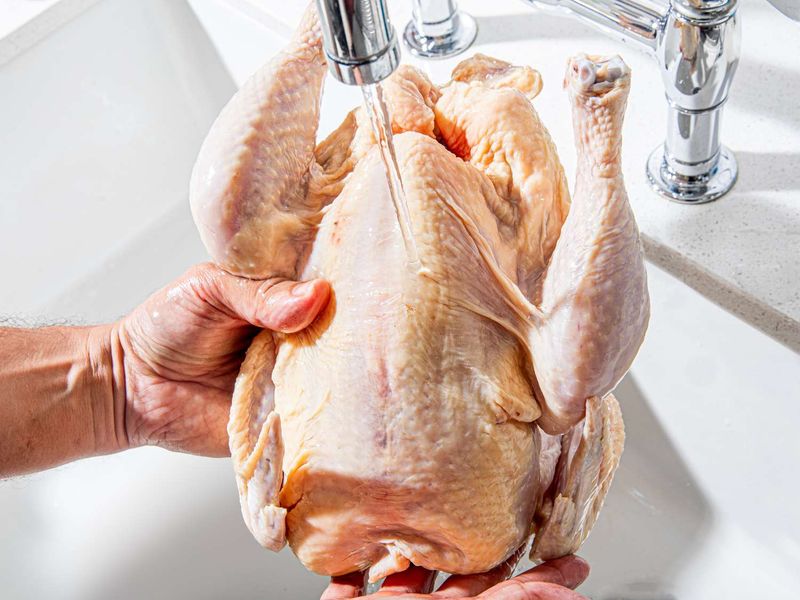
Rinsing raw chicken under the tap before cooking felt like the clean and responsible thing to do. It was a step many home cooks learned from their mothers without question.
The logic seemed sound: wash away the germs.
In reality, water splashes bacteria like Campylobacter and Salmonella across the sink, faucet handles, and surrounding countertops. Modern food safety guidance is clear: do not wash raw poultry.
Proper cooking temperatures are what actually eliminate harmful bacteria, not rinsing.
11. Tasting Home-Canned Foods Right After Processing
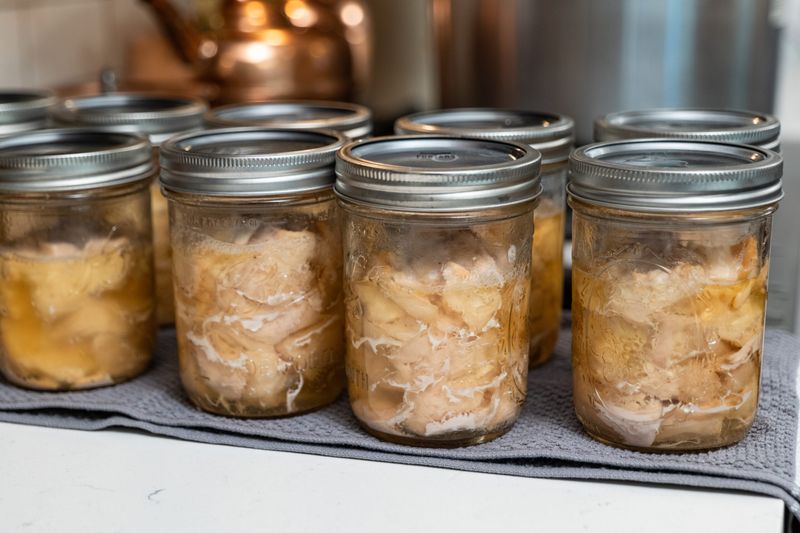
Home canning was a beloved tradition, and tasting the finished product right after processing felt like a natural reward for all that hard work. A quick spoonful to check the seasoning seemed harmless enough at the time.
Botulism toxin is odorless, colorless, and tasteless, making it completely undetectable without lab testing. It is also one of the most lethal naturally occurring toxins known.
Modern food safety guidelines warn against tasting any home-canned food before it has been properly stored and inspected for signs of spoilage.
12. Storing Eggs at Room Temperature
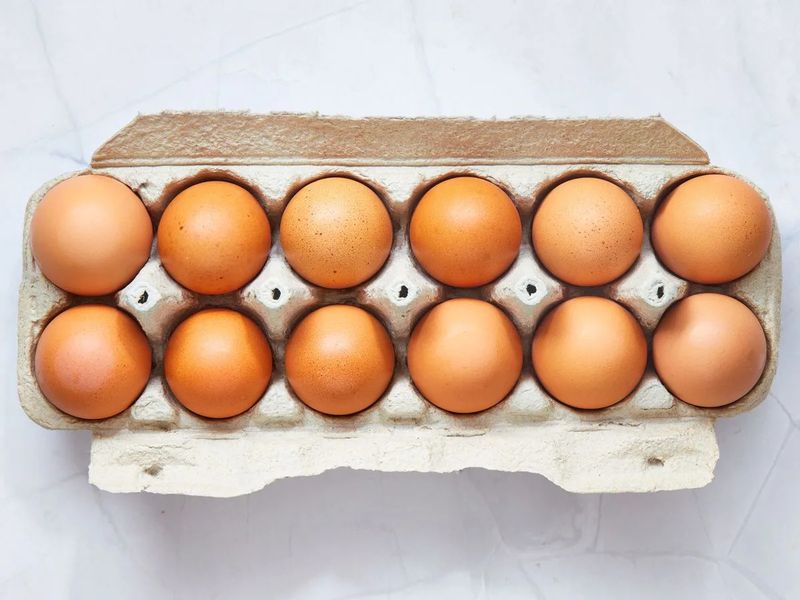
Eggs sitting in a bowl on the kitchen counter was a charming and common sight in American homes during the ’60s. It kept them handy for cooking and looked perfectly homey.
In Europe, this is still standard practice today.
In the United States, commercial eggs are washed, which removes a natural protective coating called the cuticle. Without it, bacteria can enter through the shell more easily.
That is why American food safety guidelines recommend refrigerating eggs to prevent Salmonella growth.
13. Homemade Mayonnaise With Raw Eggs
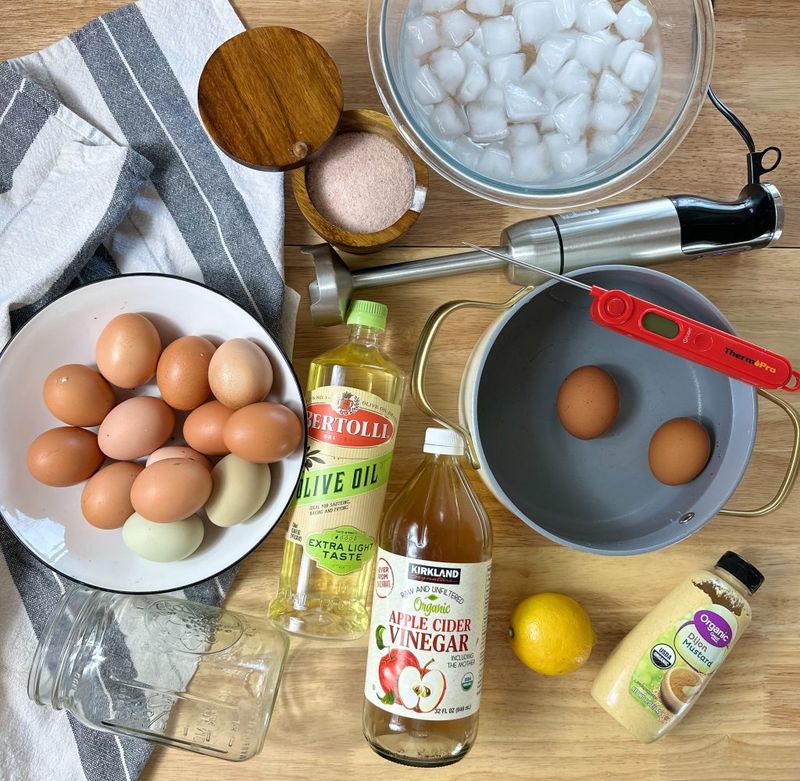
Homemade mayo was a point of pride in many kitchens. Whipping up a batch from scratch with raw eggs, oil, and lemon juice was considered a real cooking skill worth showing off at potlucks and picnics.
Raw eggs carry a risk of Salmonella, and homemade mayo lacks the preservatives found in commercial versions. Modern guidelines recommend using pasteurized eggs if you want to make mayo at home.
Store-bought versions go through processes that make them much safer for everyday use.
14. Using Cracked or Chipped Dishes
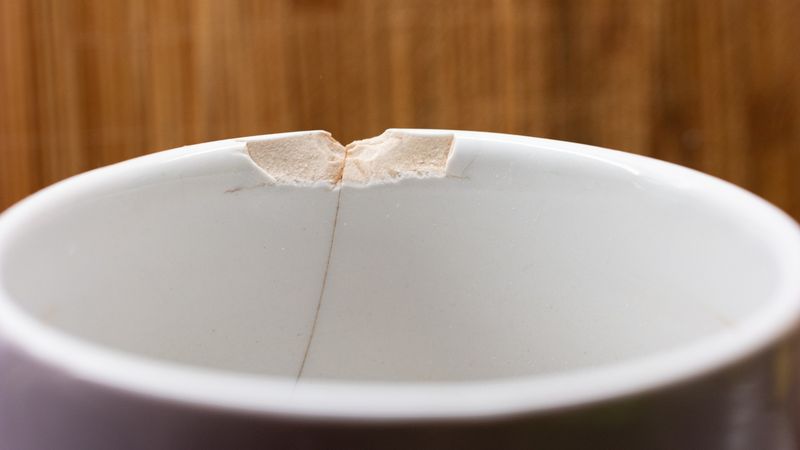
Throwing away a dish just because of a small chip seemed wasteful to households that had lived through wartime rationing. Chipped plates and cracked mugs stayed in rotation for years without anyone thinking twice about it.
Those tiny cracks and chips create hidden crevices where bacteria can survive even after washing. Normal dishwashing often cannot reach deep enough to fully sanitize damaged surfaces.
Food safety experts now recommend discarding cracked or chipped dishes, especially those that come into direct contact with food.
15. Keeping Bacon Grease in a Jar on the Counter
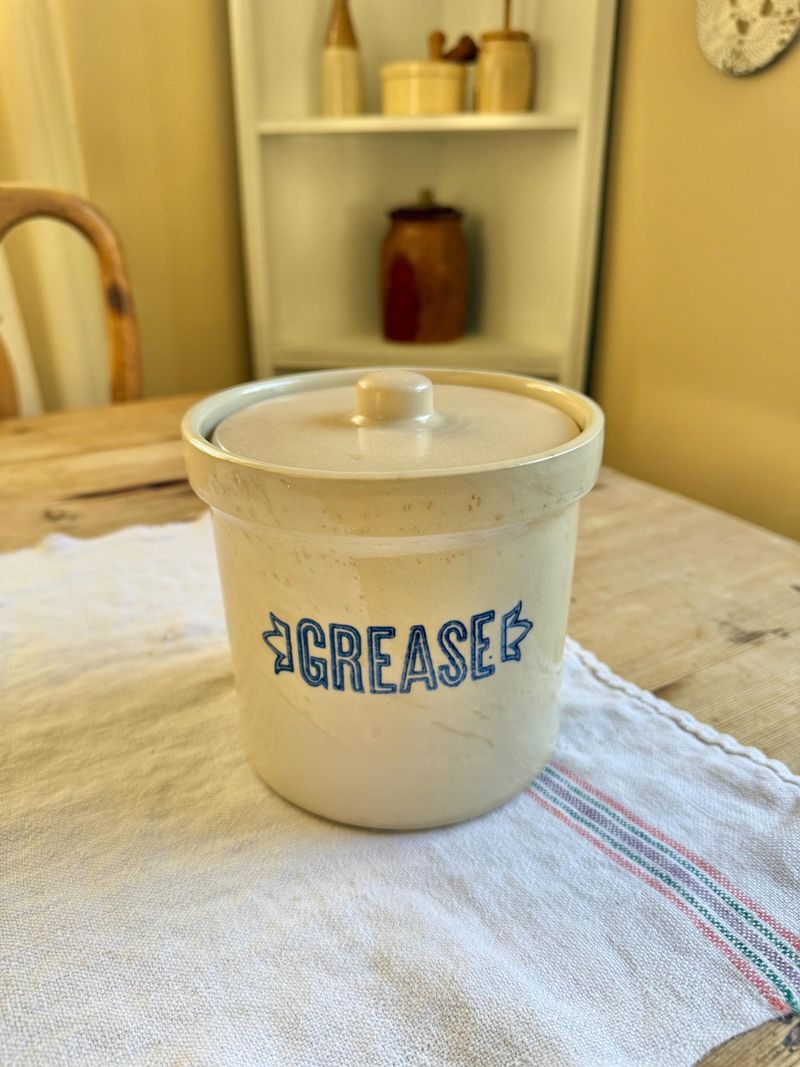
A jar of bacon grease parked next to the stove was practically a kitchen staple in the 1960s. After frying up a batch of bacon, the fat was strained and saved for flavoring everything from green beans to cornbread.
It was thrifty and delicious.
At room temperature, bacon grease can go rancid quickly and may also support bacterial growth over time. Modern food safety recommends storing bacon grease in a sealed container in the refrigerator, where it stays fresh and safe for up to a month.