
Some albums don’t grab you right away — they grow on you, slowly revealing layers you never noticed before. These records were sometimes overlooked, misunderstood, or even criticized when they first came out, only to be recognized as masterpieces years later.
Music fans and critics alike have come to realize that the best albums often reward patience. Get ready to revisit some of the greatest records ever made and discover why they just keep getting better.
1. Paul’s Boutique – Beastie Boys (1989)
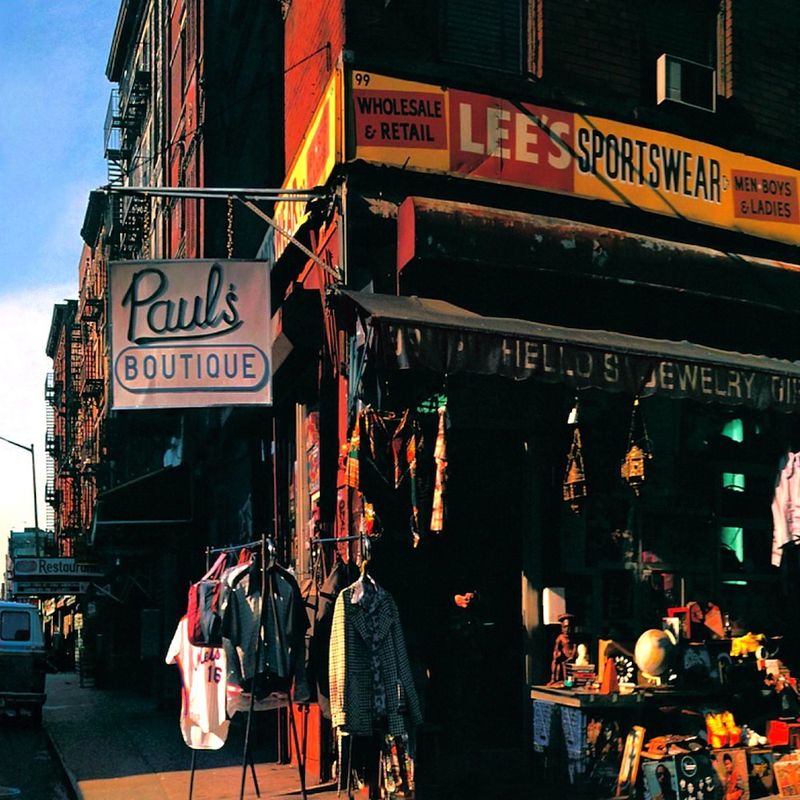
Buried under layers of samples and sonic chaos, this album confused fans expecting more frat-rap bangers. When it dropped in 1989, most people had no idea what to make of it.
But over time, its genius became undeniable.
Paul’s Boutique is widely credited with bringing sampling to the mainstream. Each listen uncovers a new musical reference hidden in the mix.
It remains one of the most creatively ambitious hip-hop records ever made.
2. Pet Sounds – The Beach Boys (1966)
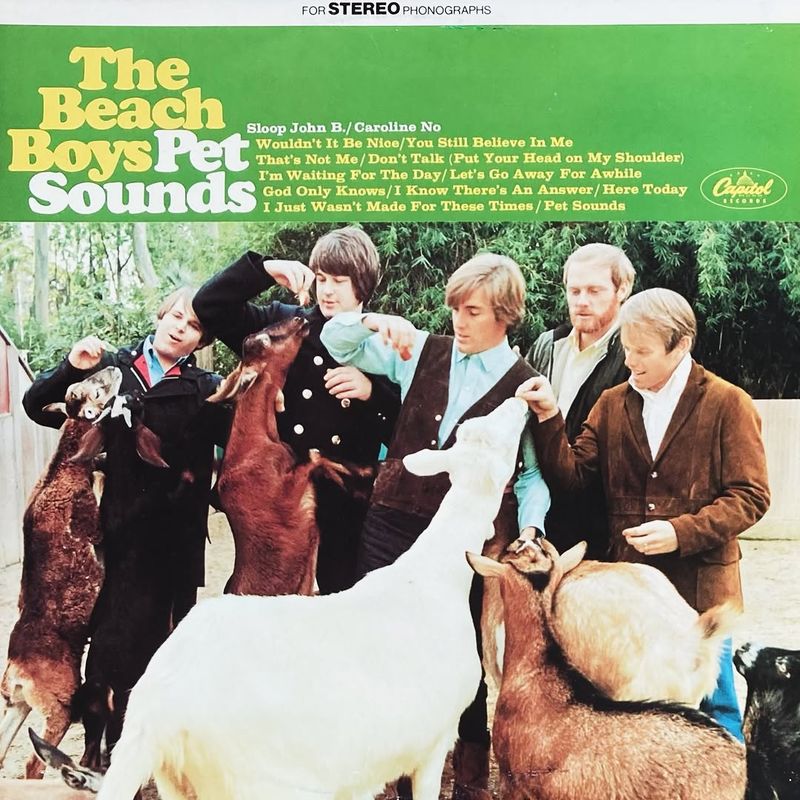
Brian Wilson locked himself in the studio and came out with something nobody was ready for. Critics called it strange, and even some band members were unsure about the new direction.
At the time, the surf-rock crowd just wanted another summer anthem.
Decades later, Pet Sounds is considered one of the greatest albums ever recorded. The Beatles even cited it as a direct inspiration for Sgt.
Pepper’s. Its lush arrangements and emotional depth grow richer with every listen.
3. In the Aeroplane Over the Sea – Neutral Milk Hotel (1998)
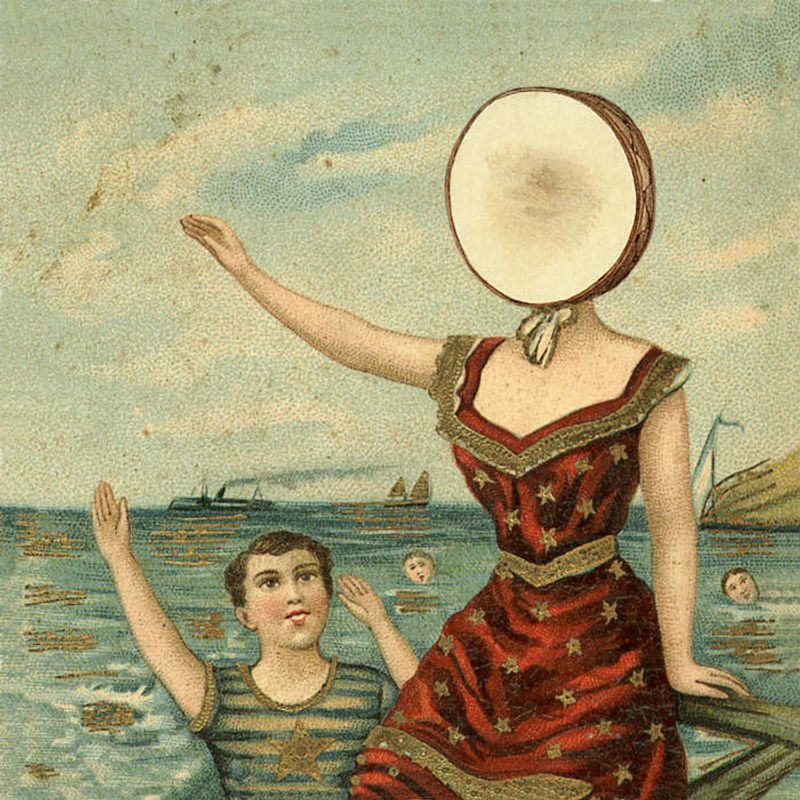
Weird, fragile, and achingly personal — this album barely made a ripple when it arrived in 1998. Mainstream critics mostly ignored it, and commercial radio certainly wasn’t playing it.
But a small, devoted community of indie listeners kept passing it around like a secret.
Over the years, word spread, and its reputation exploded. Today it’s considered a cornerstone of the indie folk genre.
The raw, lo-fi sound that once seemed rough now feels powerfully honest.
4. 3 Feet High and Rising – De La Soul (1989)
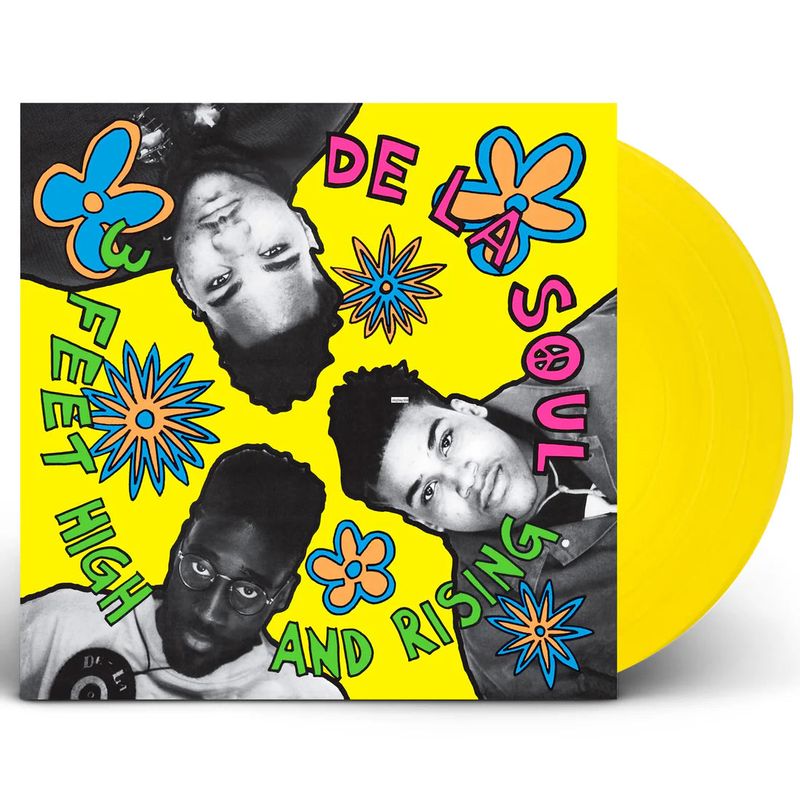
Legendary critic Robert Christgau called it “unlike any rap album you or anybody else has ever heard” — and he was absolutely right. Producer Prince Paul stitched together an album overflowing with humor, samples, and personality.
Nothing in hip-hop sounded quite like it before.
More than 35 years later, that description still holds. The playful energy and creative fearlessness feel just as infectious today.
It helped prove that hip-hop could be joyful, quirky, and deeply artistic all at once.
5. London Calling – The Clash (1979)
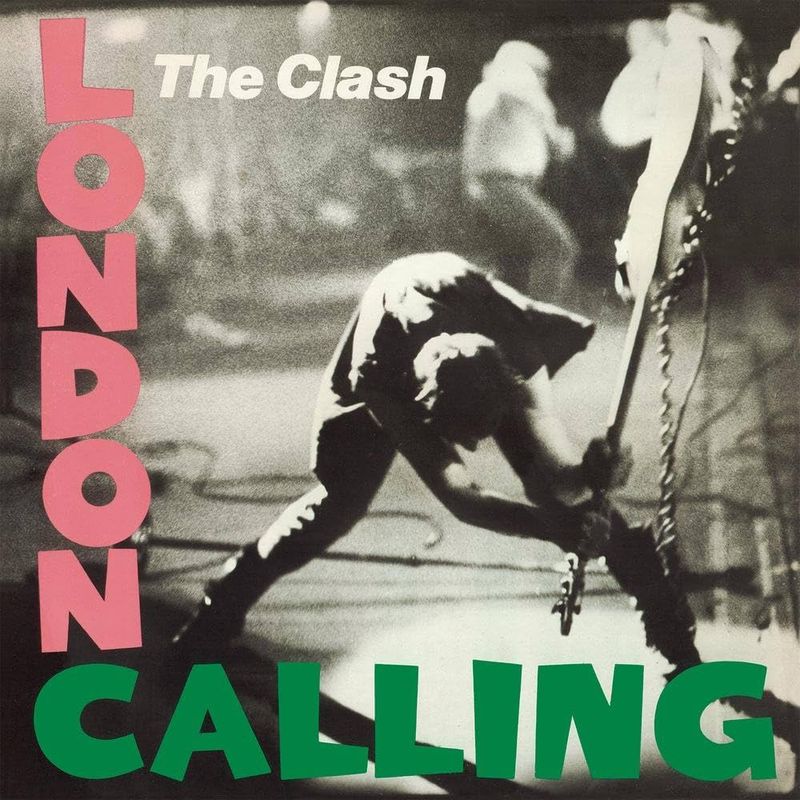
A double album packed with reggae, rockabilly, jazz, and punk fury — London Calling refused to sit still. When it hit shelves in late 1979, its restless energy was almost overwhelming.
Some listeners weren’t sure if The Clash were punk anymore.
Looking back, that genre-blending was exactly what made it timeless. The album’s political fire and raw emotion feel just as urgent today.
Over 40 years later, its anger still resonates with new generations discovering it for the first time.
6. The Beatles (The White Album) – The Beatles (1968)
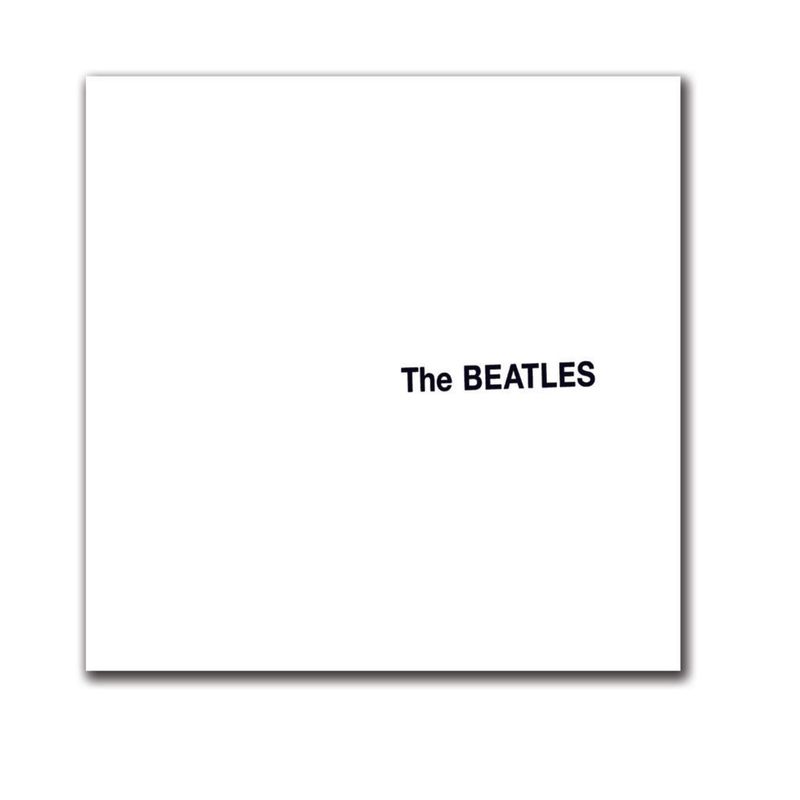
Thirty songs, zero artwork on the cover, and a band barely holding itself together — The White Album is a fascinating contradiction. Recorded during a period of serious tension within the group, it somehow produced some of their most inventive work.
Critics at the time weren’t sure what to make of its sprawling nature.
Many fans now consider it The Beatles’ greatest achievement. The sheer variety of styles packed into one record is staggering.
Each revisit reveals something you somehow missed before.
7. Madvillainy – Madvillain (2004)
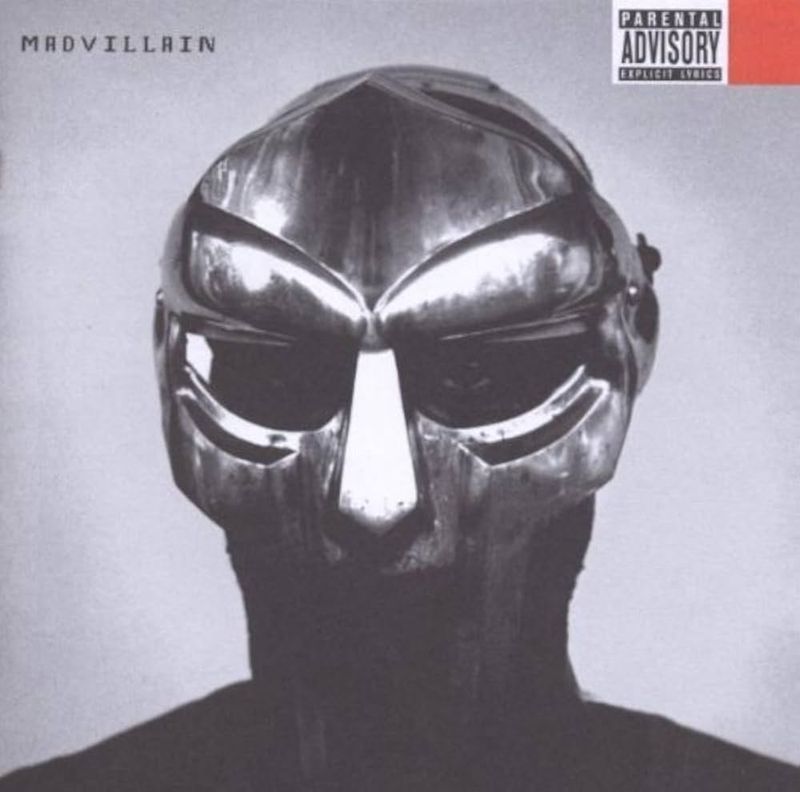
MF DOOM and Madlib created something so dense that a single listen barely scratches the surface. When Madvillainy dropped in 2004, underground hip-hop heads loved it, but mainstream audiences mostly walked past it.
The beats were abstract, the rhymes deliberately cryptic.
That complexity is exactly why it ages so well. New listeners keep finding hidden wordplay and sonic details buried deep in the mix.
It rewards curiosity, which is why its reputation has only grown stronger over time.
8. The Velvet Underground & Nico – The Velvet Underground (1967)
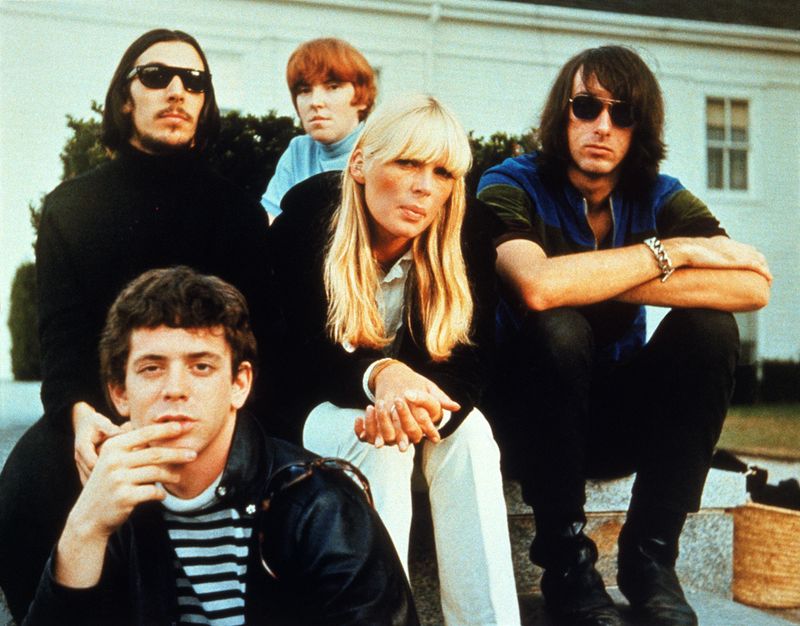
Famously, this debut album barely sold when it came out. A famous quote often attributed to Brian Eno suggests that everyone who bought it started a band — that’s how influential it turned out to be.
At the time, though, most people simply weren’t ready for it.
The experimental sound and provocative lyrics felt jarring in 1967. Today, the album is recognized as a foundational pillar of alternative rock.
Its importance to music history grows more obvious with every passing decade.
9. Pink Moon – Nick Drake (1972)
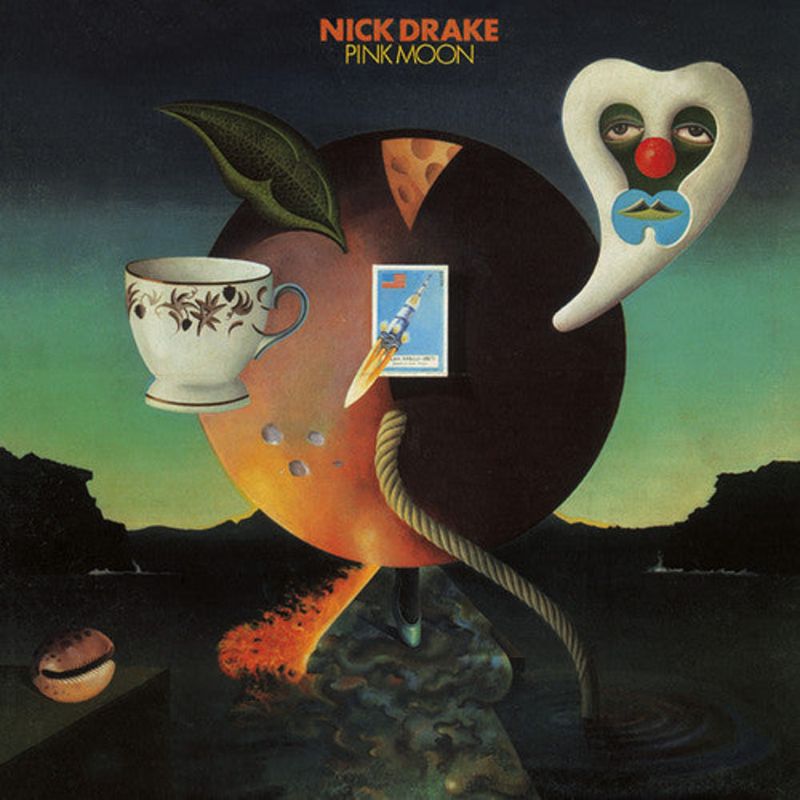
Nick Drake recorded this entire album in just two nights, with nothing but his voice and an acoustic guitar. It went almost completely unnoticed when it was released in 1972.
The music world simply wasn’t paying attention to quiet, introspective folk at that moment.
After Drake’s tragic passing, listeners slowly discovered what they had missed. Pink Moon developed a devoted cult following and is now celebrated as hauntingly beautiful.
Its stark simplicity feels more emotionally powerful the older you get.
10. Autobahn – Kraftwerk (1974)
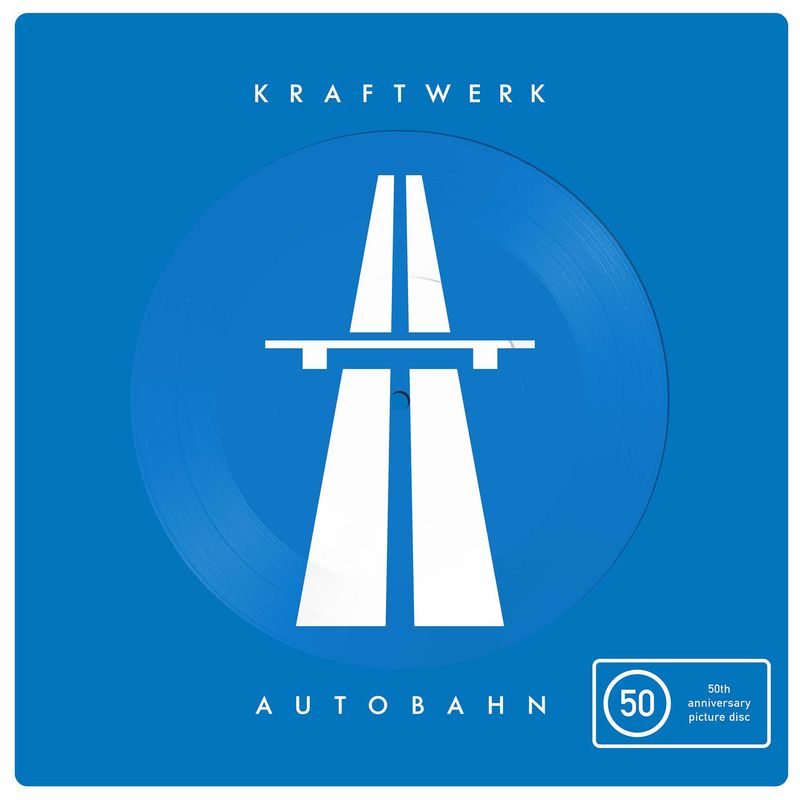
A 22-minute song about driving down a German highway — it sounds like a joke, but Autobahn changed music forever. In 1974, critics raised on prog rock found Kraftwerk’s electronic sound cold and mechanical.
Some dismissed it as soulless noise made by machines.
History proved those critics spectacularly wrong. Autobahn essentially invented the blueprint that electronic, new wave, and modern EDM would follow for decades.
Artists from David Bowie to Coldplay have cited Kraftwerk as a defining influence on their work.
11. The Dark Side of the Moon – Pink Floyd (1973)
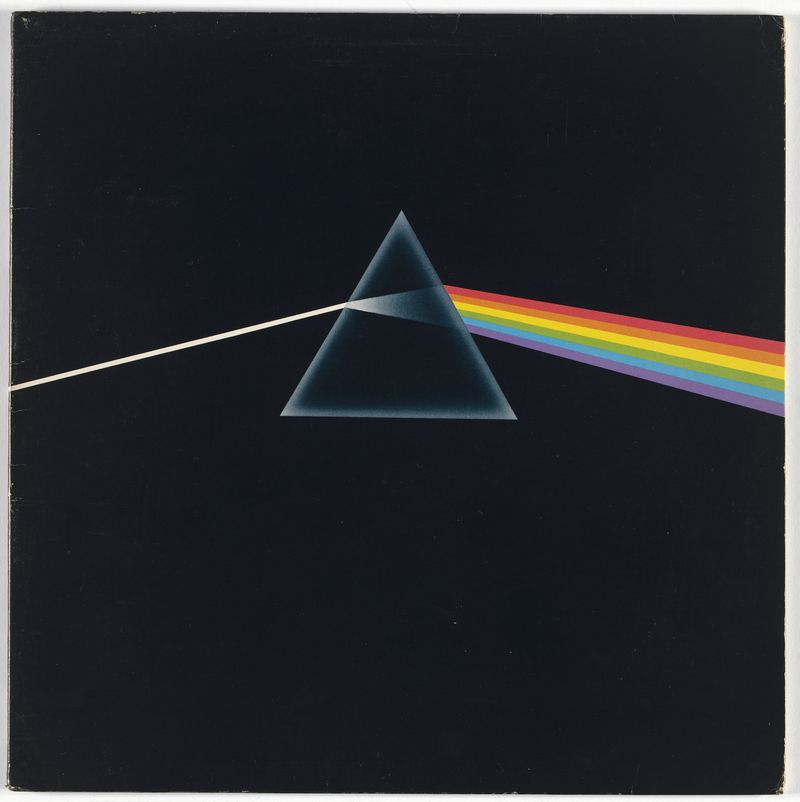
Few albums have ever captured the weight of being human quite like this one. Pink Floyd explored anxiety, greed, madness, and mortality across a seamless 43-minute journey.
When it arrived in 1973, listeners felt they were experiencing something genuinely new.
It stayed on the Billboard charts for over 900 weeks — one of the most remarkable commercial streaks in music history. Each return trip through its sonic landscapes feels more meaningful as life experience accumulates.
It somehow gets heavier and more beautiful at the same time.
12. Nevermind – Nirvana (1991)
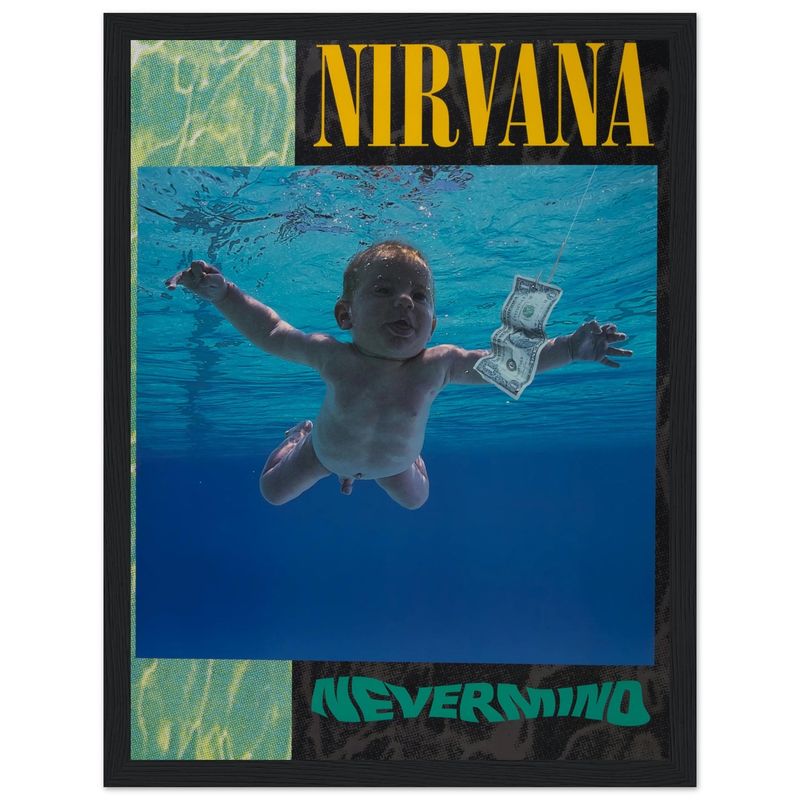
Kurt Cobain’s voice cracked open something that millions of teenagers didn’t even know they were feeling. Nevermind hit in 1991 like a sledgehammer, dragging underground angst straight into the mainstream.
Overnight, the rules of rock music changed completely.
More than three decades later, new listeners are still discovering its seismic impact for the first time. The raw honesty in Cobain’s lyrics created a template for authenticity that bands still chase today.
It remains a generational document that refuses to get old.
13. Dirty Mind – Prince (1980)
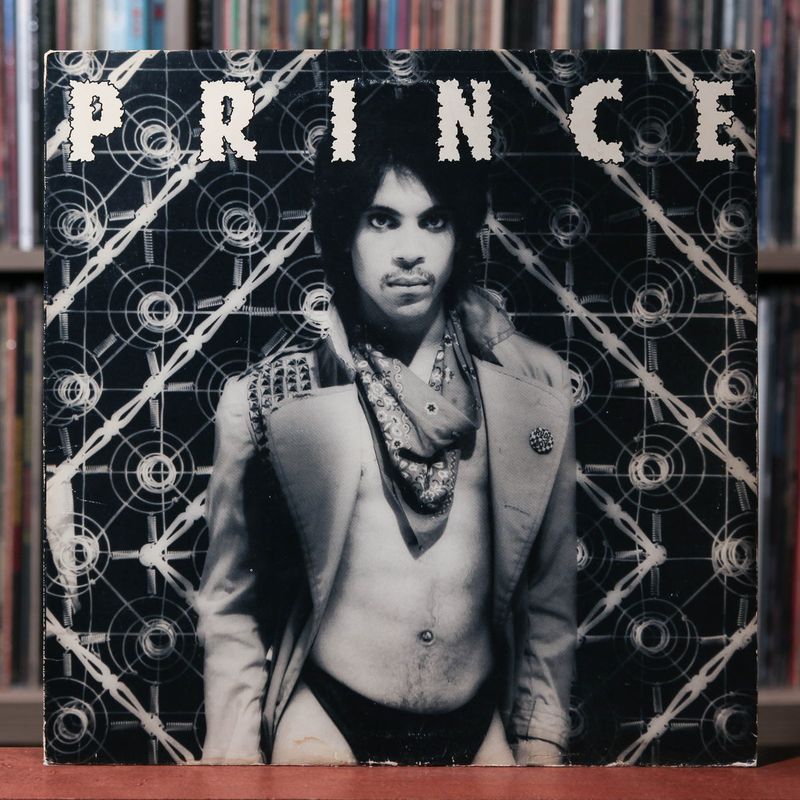
Prince had already released two albums with modest success when he took a sharp left turn with Dirty Mind. Sales actually dipped, and the provocative content made radio stations nervous.
But artistically, it was a massive leap forward for one of music’s most restless talents.
Blending new wave, funk, rockabilly, and electronic grooves, it sounded like nothing else in 1980. Critics who dismissed it then have since reversed course entirely.
Dirty Mind is now recognized as the moment Prince truly became Prince.
14. Led Zeppelin II – Led Zeppelin (1969)
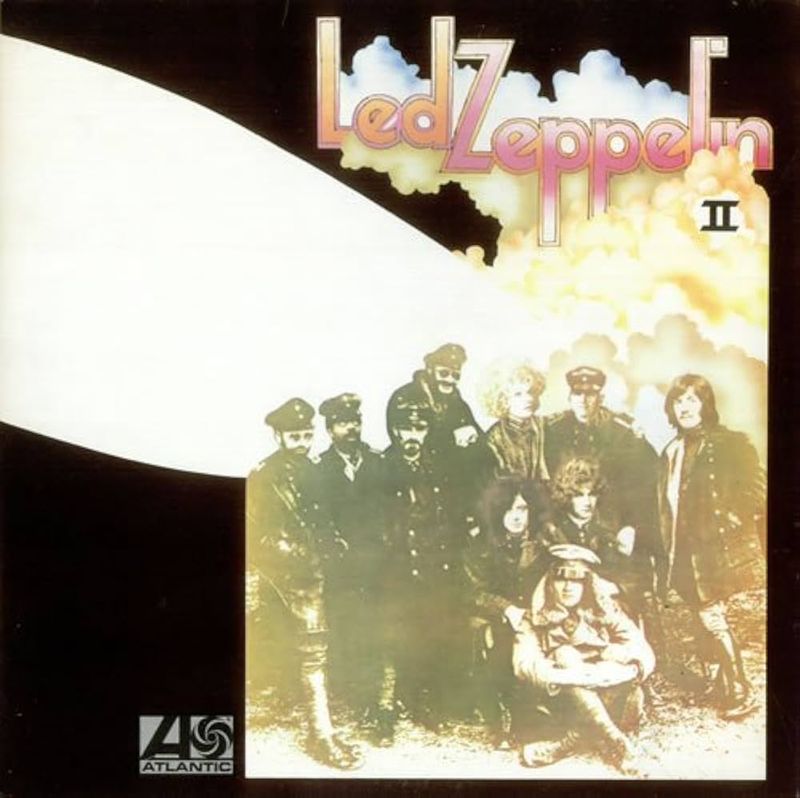
Released just eight months after their debut, Led Zeppelin II arrived like a force of nature in 1969. The band had taken their blues-rock foundation and stretched it into something heavier and stranger.
Whole Lotta Love alone sounded like it came from another planet.
Critics at the time were sometimes dismissive, unsure where this aggressive new sound belonged. Looking back, the album helped create the entire hard rock and heavy metal landscape that followed.
It was simply ahead of where music was ready to go.
15. Murmur – R.E.M. (1983)
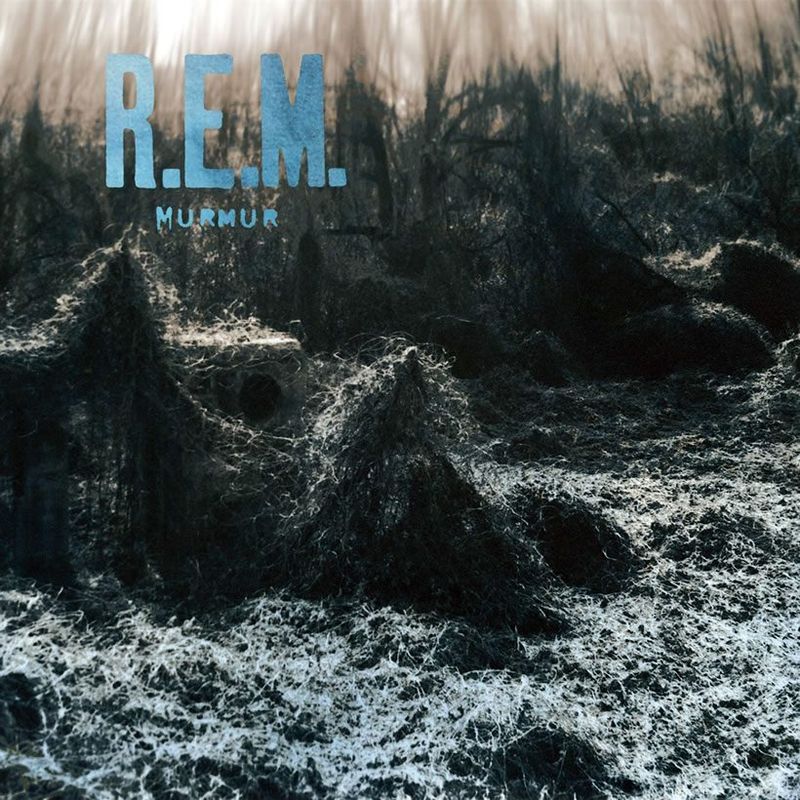
Jangly guitars, mumbled vocals, and a dreamy haze that was unlike anything punk had produced — Murmur arrived in 1983 with no obvious roadmap. Rolling Stone named it Album of the Year over Thriller, which tells you how seriously critics took it immediately.
Yet mainstream audiences mostly passed it by.
Over time, its importance became crystal clear. Murmur laid the groundwork for the entire alternative rock explosion of the 1990s.
Without it, the college rock scene that changed everything might never have existed.
16. Ram – Paul McCartney (1971)
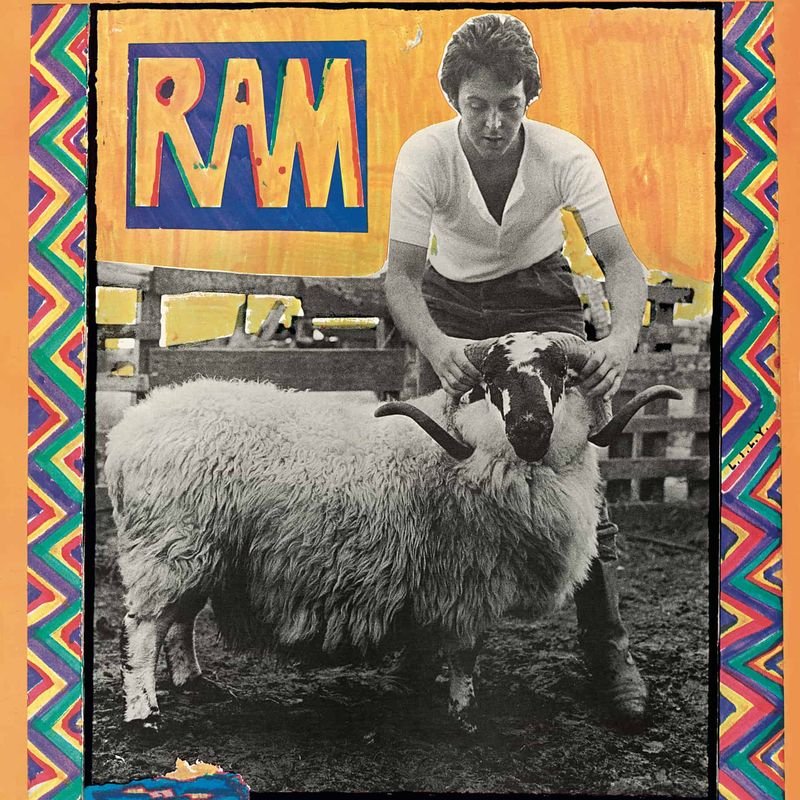
Critics absolutely savaged Ram when it came out in 1971. Some found it too quirky, too domestic, too far removed from Beatles grandeur.
Coming so soon after the band’s breakup, McCartney couldn’t seem to win over the press no matter what he did.
Fans who kept returning to Ram, though, discovered something genuinely charming. The melodies are irresistible growers that reveal themselves slowly over multiple listens.
Today it’s widely regarded as a pop classic and one of McCartney’s finest solo achievements.
17. Oxygene – Jean-Michel Jarre (1976)
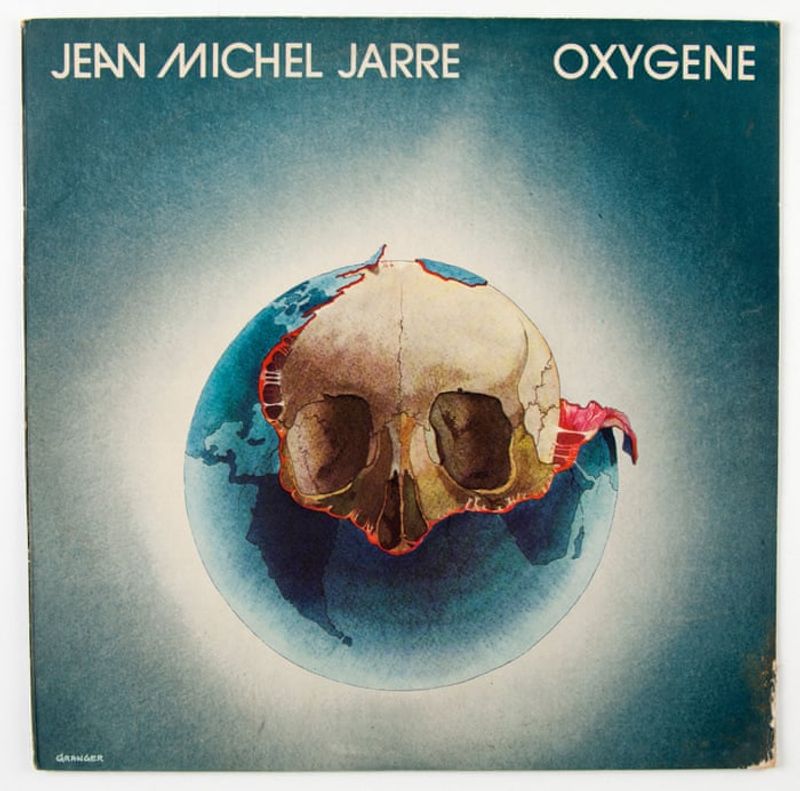
Recorded entirely on synthesizers in Jarre’s apartment, Oxygene sounded like transmissions from another dimension when it arrived in 1976. Initial reviews were mixed — the world of prog rock wasn’t entirely sure what to make of it.
Yet something about those swirling electronic textures kept pulling listeners back.
Jarre is now credited as a key architect of the synthesizer revolution that defined the 1980s. The album’s influence stretches across electronic, ambient, and new age music.
It gets more visionary-sounding with every passing year.
18. Discovery – Daft Punk (2001)
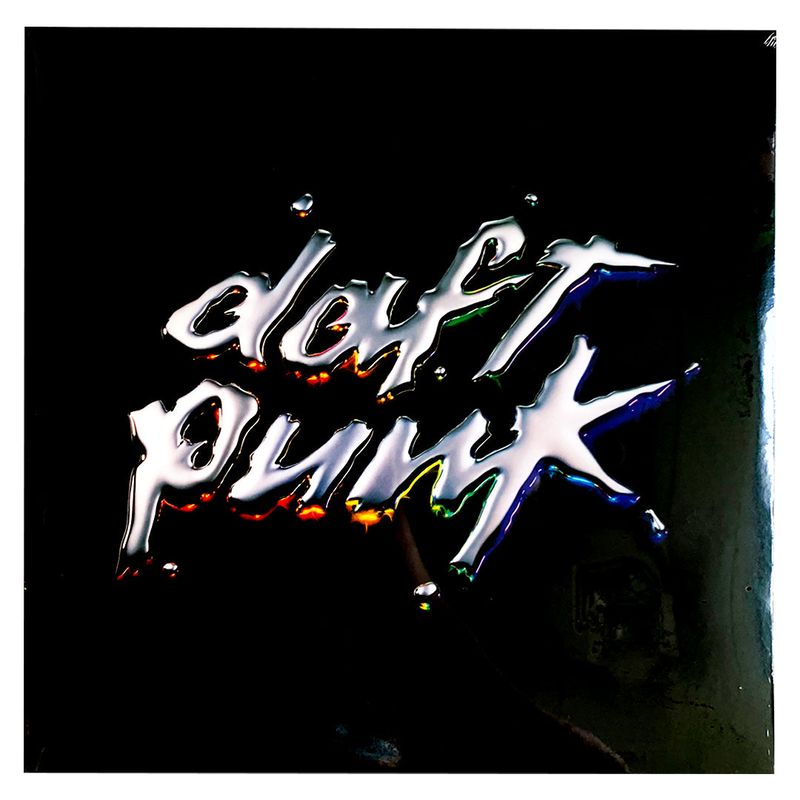
When Discovery landed in 2001, many indie critics turned their noses up at its unabashedly fun, disco-influenced dance pop. The consensus in certain critical circles was that electronic music simply wasn’t serious enough to deserve real attention.
Daft Punk’s robot helmets didn’t help their credibility with that crowd.
Time has completely flipped that verdict. Discovery is now celebrated as one of the greatest electronic albums ever made.
Songs like Harder Better Faster Stronger and Digital Love feel genuinely timeless in a way few albums achieve.