
Tucked into the hills and hollows of the Appalachian Mountains, a rich food tradition has been simmering for centuries. From hand-me-down recipes passed through generations to wild ingredients foraged straight from the forest, this region’s cooking is full of heart and history.
Whether you grew up eating these dishes or are discovering them for the first time, each one tells a story worth tasting.
1. Soup Beans and Cornbread
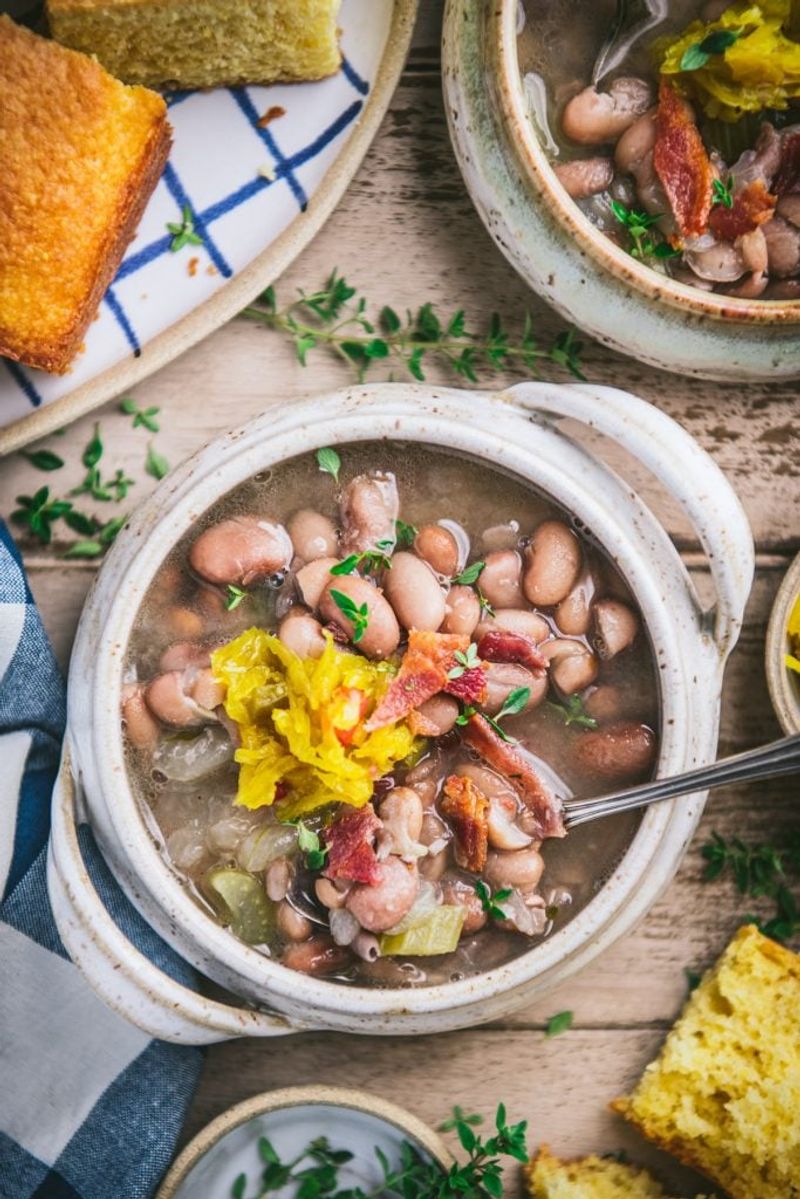
Few dishes carry the soul of Appalachian cooking quite like soup beans. Pinto beans are slowly simmered with a ham hock or strips of bacon until they form a rich, hearty broth that mountain families have called “soup-level gravy” for generations.
That thick, savory liquid is meant to be sopped up with a wedge of cast-iron skillet cornbread. Born from simplicity and Native American tradition, this humble meal still fills tables across the region every week.
2. Chicken and Dumplings
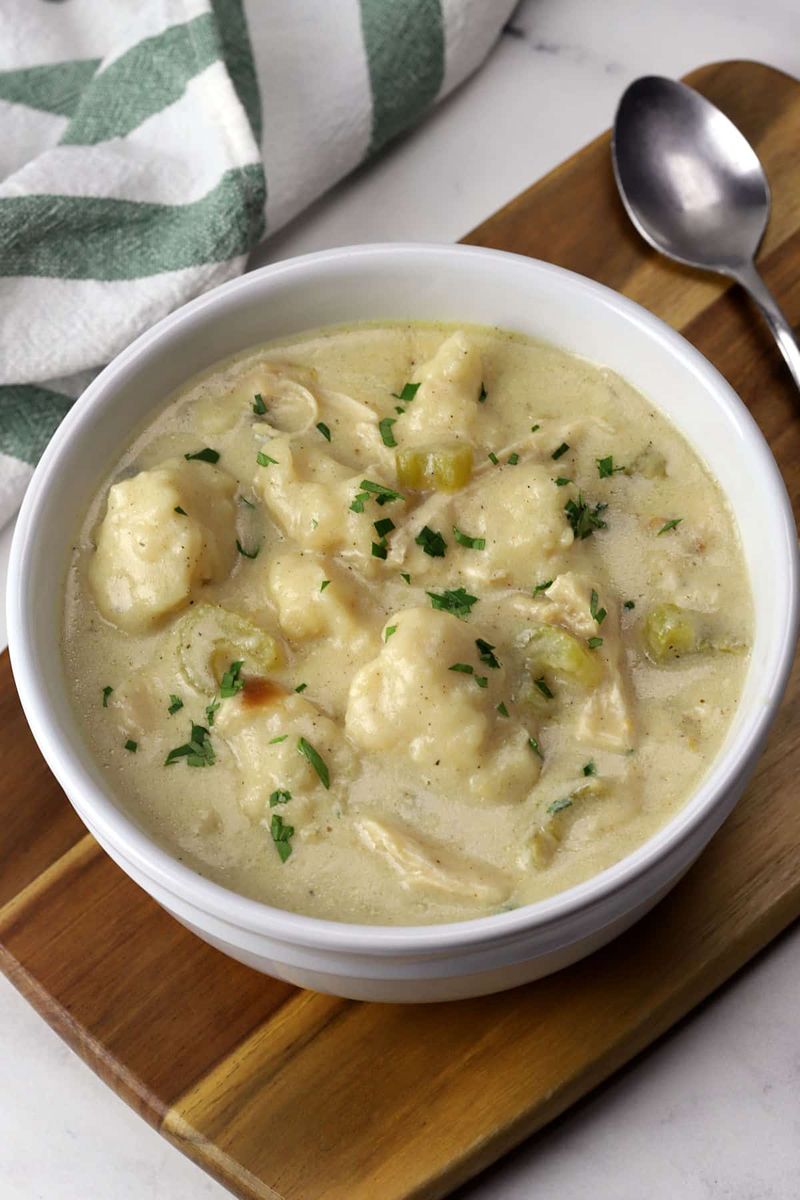
On a cold mountain evening, nothing hits the spot like a bowl of chicken and dumplings. Tender shredded chicken swims in a thick, creamy broth, topped with soft, pillowy drop-style dumplings that soak up all that savory goodness.
Mountain cooks often made this dish using leftover chicken and whatever vegetables were on hand, making it both resourceful and filling. It is the kind of one-pot comfort food that wraps around you like a warm blanket.
3. Biscuits and Gravy

Walk into any down-home diner in the Appalachian region on a Sunday morning and biscuits and gravy is almost guaranteed to be on the menu. Fluffy buttermilk or sourdough biscuits, baked golden and tall, are smothered in a rich gravy made from sausage drippings, milk, and flour.
It is a breakfast that sticks to your ribs and keeps you going through a long day of work. Simple, satisfying, and deeply Southern at heart.
4. Kilt Greens (Killed Lettuce)
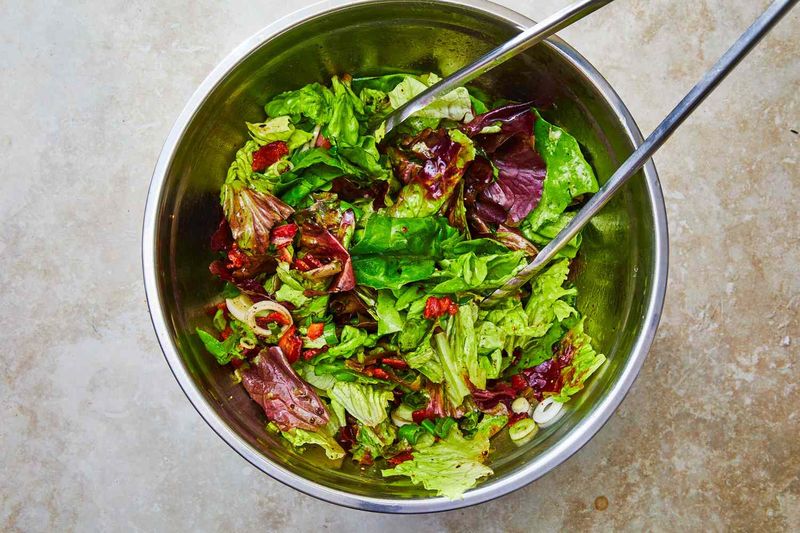
The name sounds a little alarming, but kilt greens are a beloved Appalachian side dish with serious flavor. Fresh lettuce or leafy greens are wilted, or “killed,” by pouring hot bacon grease right over them, causing them to wilt and soak up that smoky richness.
Crumbled bacon and spring onions are piled on top for extra punch. Sometimes foraged greens like dandelion or ramps are used, giving each batch a slightly different wild character.
5. Ramp and Potato Hash
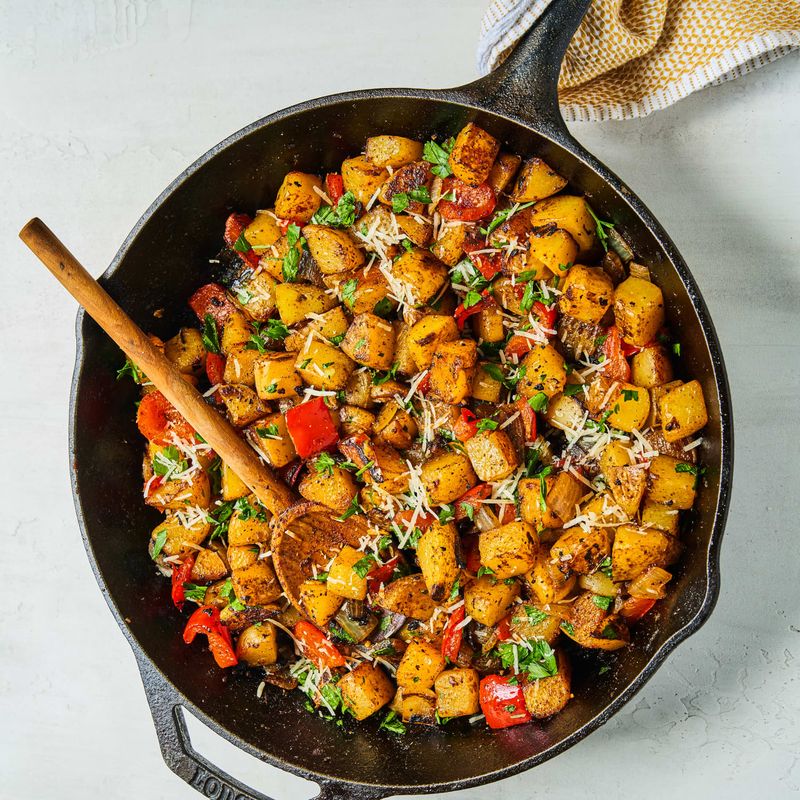
Every spring, Appalachian communities celebrate the arrival of ramps like a seasonal holiday. Ramps are wild leeks that grow along mountain streams, and their pungent, garlicky flavor is unlike anything found in a grocery store.
Combined with crispy skillet potatoes, butter, and bacon, ramp and potato hash is a springtime tradition that locals look forward to all year. Fair warning: ramps have a strong smell that tends to linger, but fans say it is absolutely worth it.
6. Collard Greens
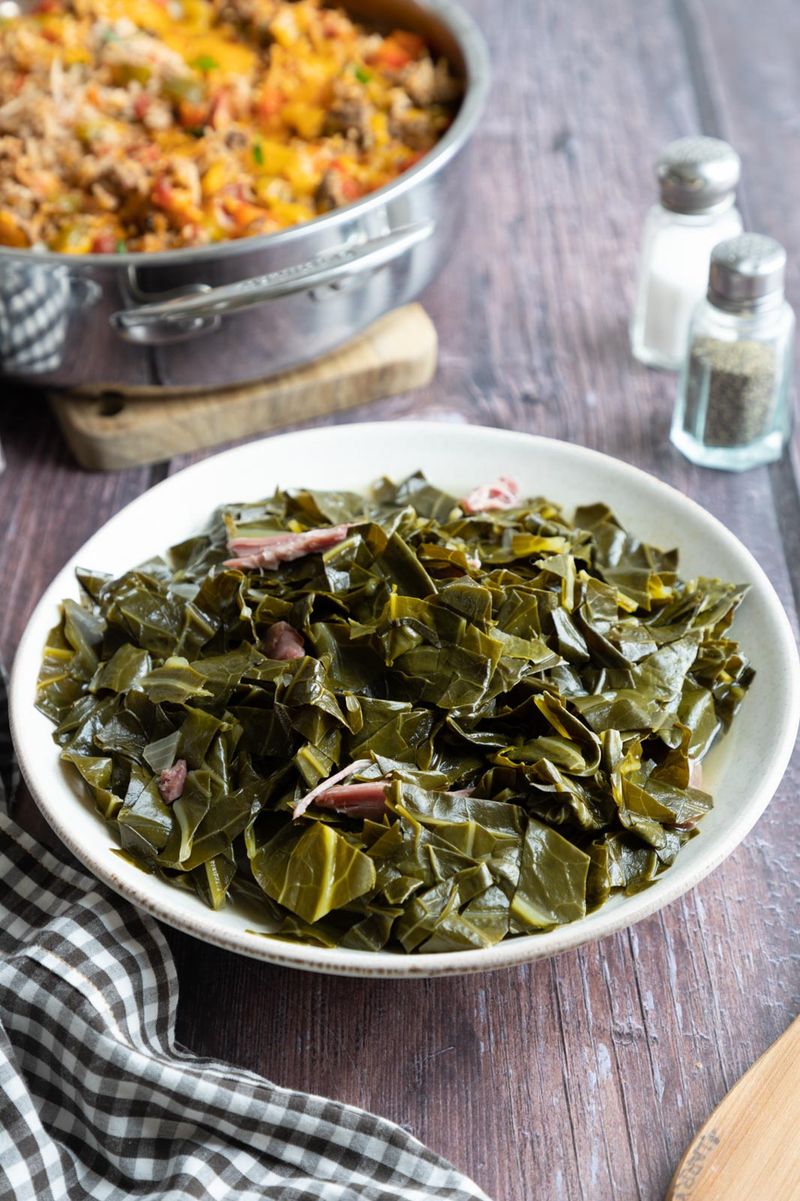
Collard greens have anchored mountain cooking for centuries, and once you taste them slow-cooked the right way, you will understand why. The large, leafy greens are simmered low and slow in broth with garlic, onion, vinegar, and salt until they become meltingly tender.
Their slightly bitter edge balances out the richness of heavier dishes on the table beautifully. A splash of apple cider vinegar at the end brightens everything up and is considered a non-negotiable finishing touch by many cooks.
7. Grits
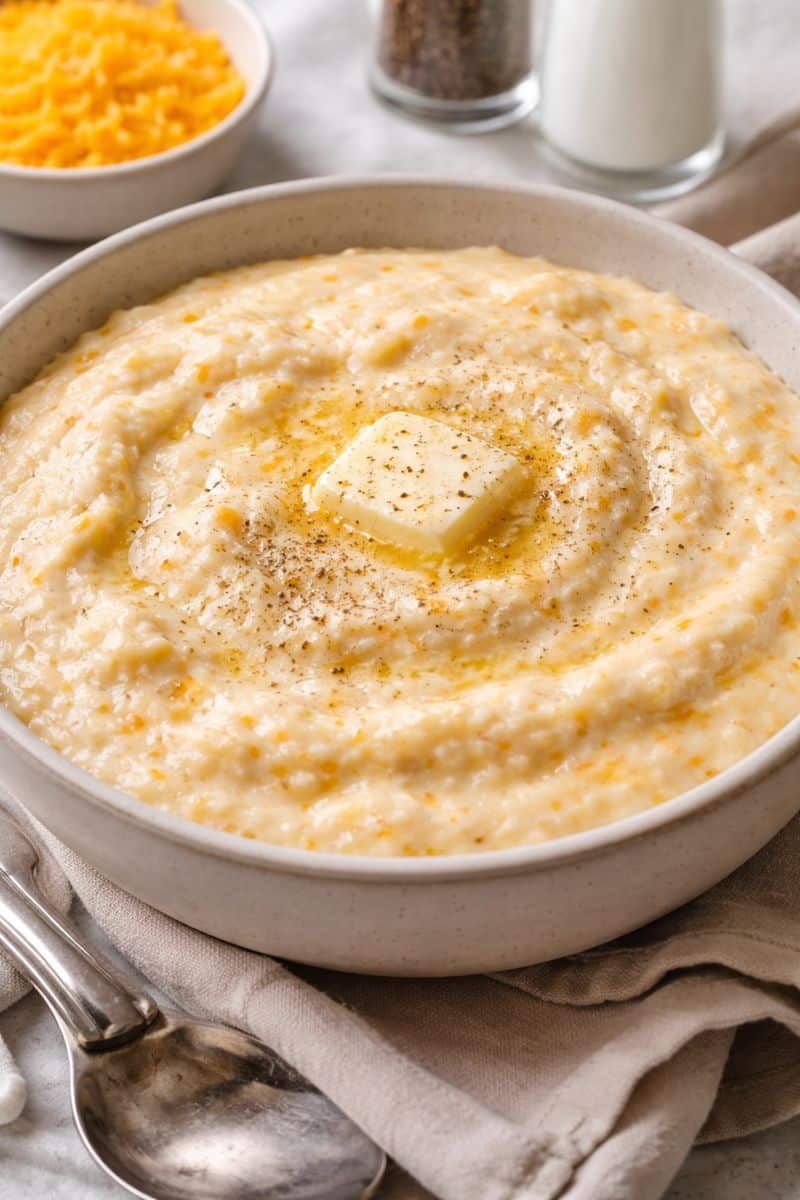
Stone-ground grits made from dried corn are one of those foods that sound plain until you actually eat them properly made. Cooked slowly until creamy and thick, grits have a mild, comforting flavor that pairs brilliantly with butter, bacon, or a fried egg on top.
Appalachian cooks have embraced grits as both a breakfast staple and a hearty side dish for decades. The secret is patience: rushing the cooking process gives you lumpy results, but slow stirring delivers something truly wonderful.
8. Spoon Bread
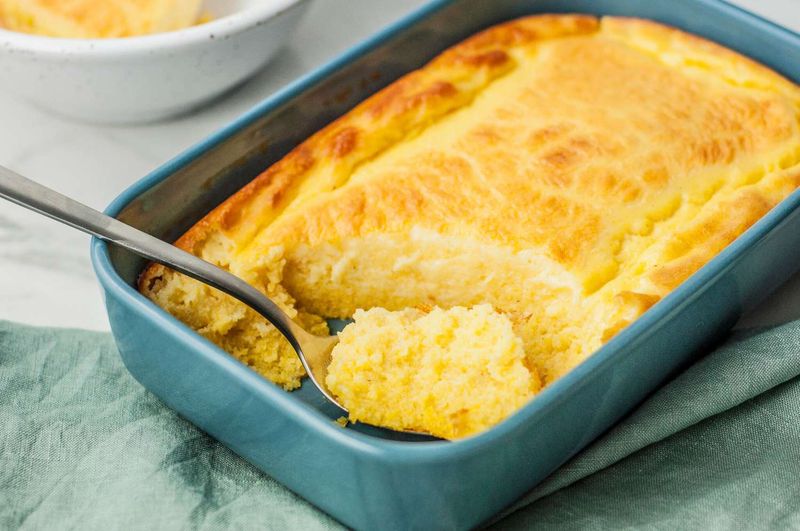
Spoon bread sits somewhere between cornbread and a savory pudding, and that in-between space is exactly where its magic lives. Made from cornmeal, eggs, milk, and butter, it bakes up with a custard-like center that is soft enough to scoop with a spoon rather than slice.
The flavor is both sweet and savory, making it a flexible companion for everything from roasted meats to braised greens. Many Appalachian families serve it at holiday gatherings as a cherished tradition passed down through the years.
9. Chow Chow Relish
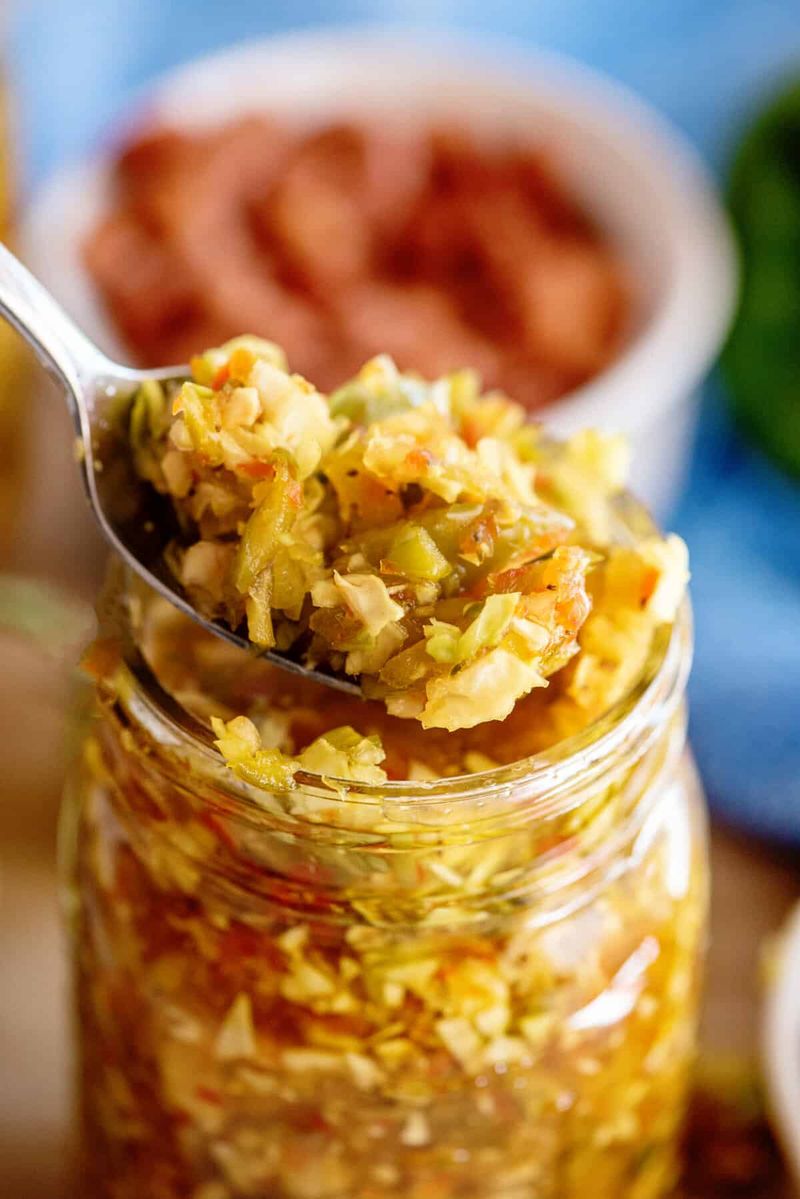
Ask an Appalachian cook what goes on top of soup beans or pulled pork, and the answer is almost always chow chow. This tangy, slightly sweet relish is made by salting chopped vegetables to draw out moisture, then packing them in jars with vinegar, brown sugar, and warming spices.
Every family has a slightly different recipe, and those variations are guarded like treasure. Chow chow adds a bright, punchy contrast to rich, heavy dishes and is a staple of the Appalachian pantry.
10. Apple Butter
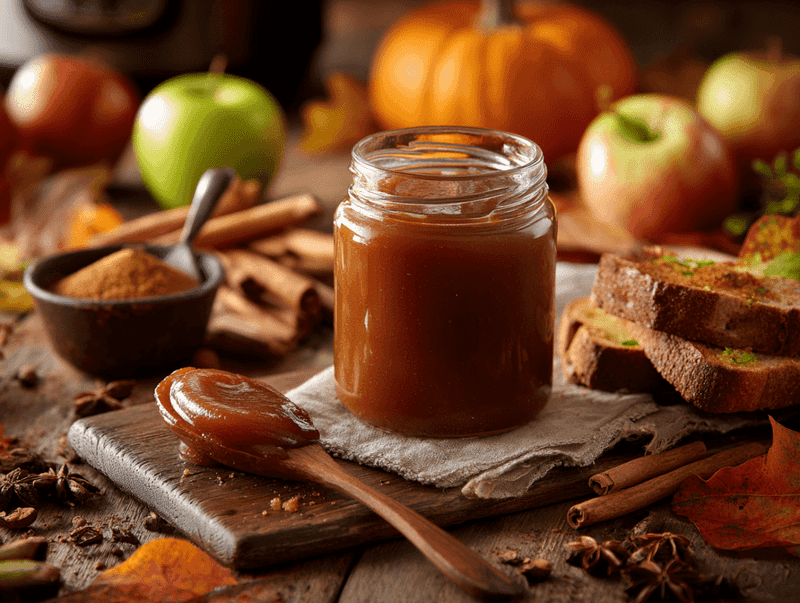
Apple butter is proof that patience and a big pot of apples can produce something magical. Whole apples are slow-cooked for hours with sugar and warm spices like cinnamon and cloves until they break down into a thick, deeply flavored spread with a color that looks almost like chocolate.
Appalachian families have been making apple butter together in large outdoor kettles for generations, turning it into a community event. Spread on a warm biscuit, it is pure mountain comfort in every bite.
11. Apple Stack Cake
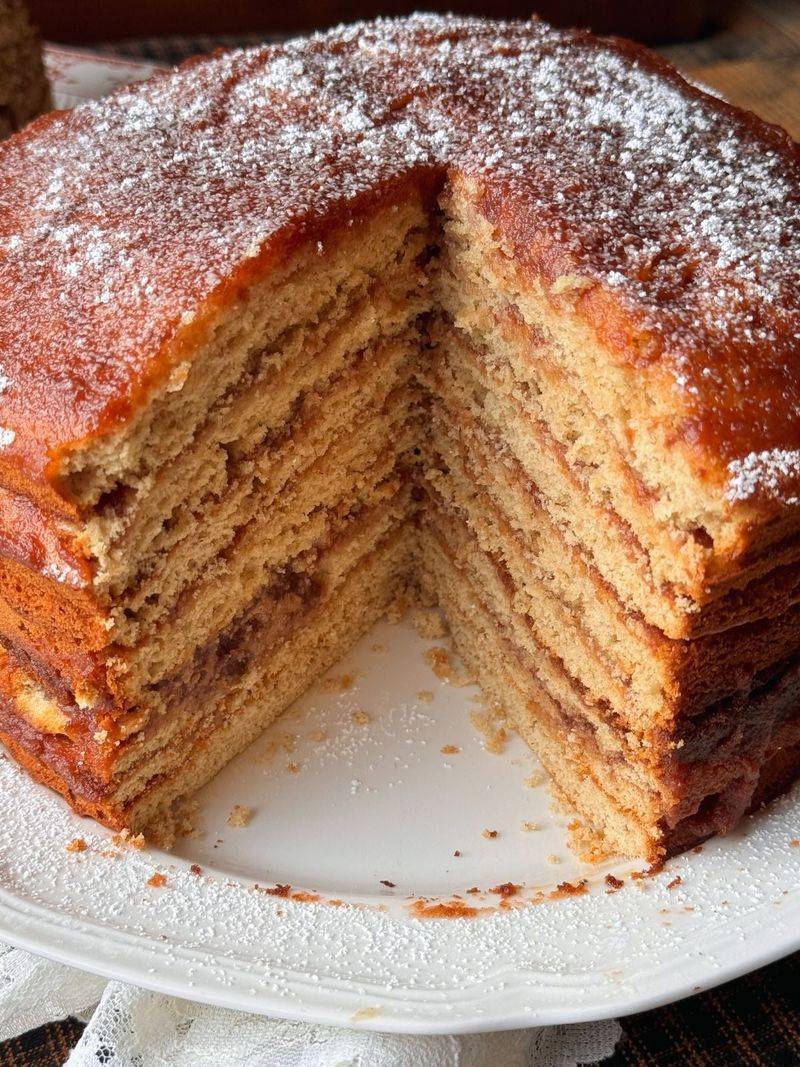
Apple stack cake has a legend attached to it: mountain families at weddings would each bring a layer of cake, and the bride’s popularity was measured by how many layers were stacked. Whether that story is entirely true or not, the cake itself is absolutely real and delicious.
Thin, spiced gingerbread-like layers are sandwiched together with a slow-cooked dried apple filling that softens and melds overnight. The longer it sits, the better it gets, making it one of the most rewarding bakes in Appalachian tradition.
12. Fried Trout
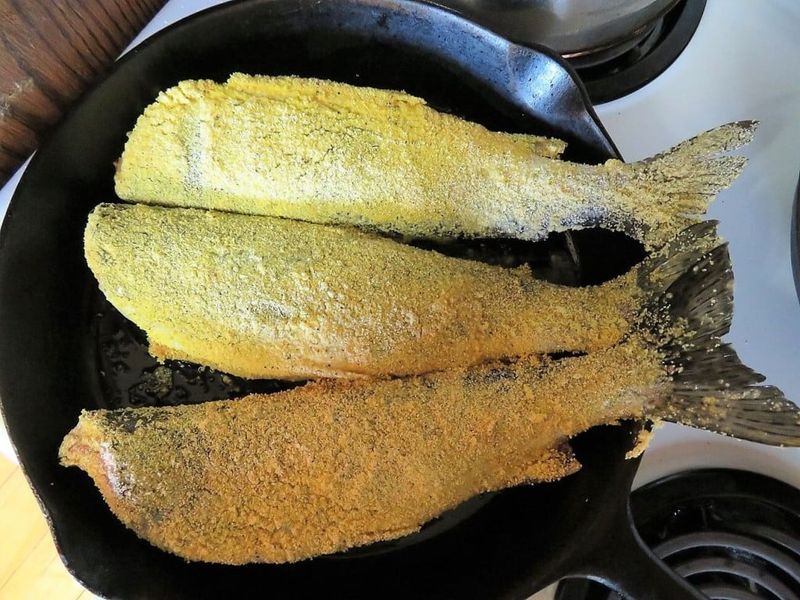
Mountain streams running through Appalachia have fed families for hundreds of years, and fried trout is one of the most celebrated results of that relationship. Fresh-caught trout is coated in seasoned cornmeal and fried in bacon grease until the crust is shatteringly crisp and golden.
The fish inside stays moist and flaky, with a clean, mild flavor that lets the crust shine. Many Appalachian families still fish their own catch and fry it the same day, honoring a tradition that goes back generations.
13. Country Ham

Country ham is not the same as the pink, watery sliced ham from a deli counter. This is something else entirely: dry-cured with salt for months, sometimes years, developing an intensely salty, savory flavor that is bold enough to wake up any dish it touches.
Pan-fried in a cast-iron skillet, the edges turn crispy and the drippings become the base for red-eye gravy, made simply with black coffee. It is a flavor combination that sounds unusual but tastes completely unforgettable.
14. Pepperoni Rolls

West Virginia lays strong claim to pepperoni rolls as its own invention, and the story behind them is a working-class classic. Italian immigrant miners in the early 1900s needed a lunch that could be carried into the coal mines without silverware or refrigeration, and stuffed bread fit perfectly.
Soft, slightly chewy rolls are baked with sticks of pepperoni tucked inside, and the fat from the meat soaks into the bread as it cooks. Warm or room temperature, they are endlessly snackable.
15. Fried Dandelion Blossoms
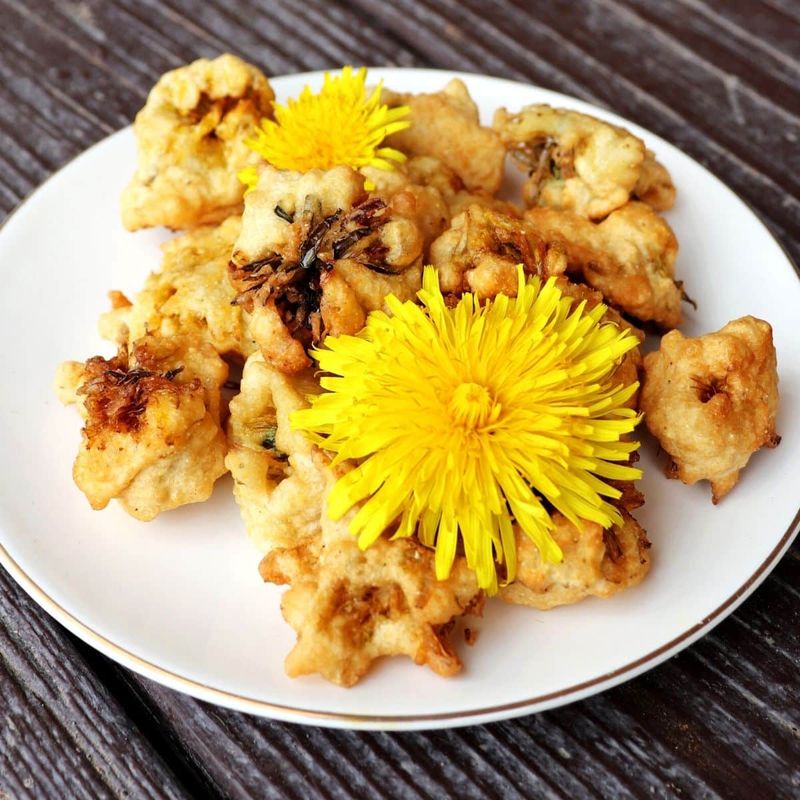
Before dandelions took over your lawn, Appalachian foragers knew they were food. The bright yellow blossoms are dipped in a simple batter and fried until golden, producing a surprisingly delicate and slightly sweet fritter that tastes nothing like the bitter greens.
Spring is the only time to make them, which gives fried dandelion blossoms a seasonal magic that store-bought ingredients simply cannot replicate. Dusted with powdered sugar or drizzled with honey, they are a quirky, cheerful reminder that good food sometimes grows right underfoot.
16. Leather Britches (Shuck Beans)
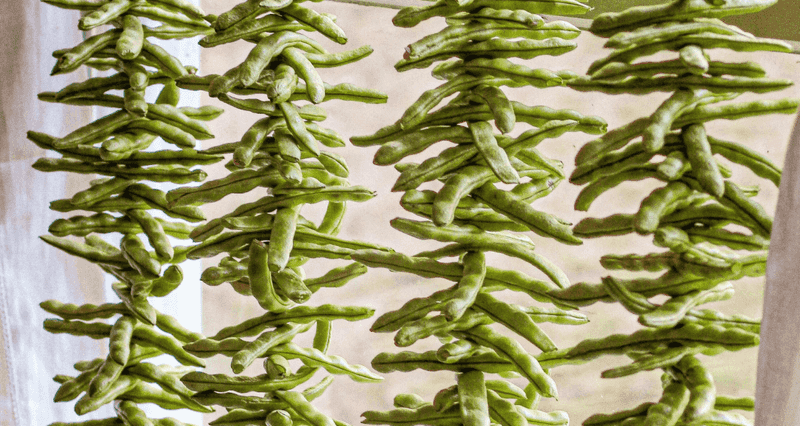
Long before freezers existed, Appalachian cooks figured out how to preserve green beans by stringing them on thread with a needle and hanging them to dry in the open air. The dried beans, called leather britches or shuck beans, shrivel and concentrate in flavor over weeks.
When cooked low and slow with pork fat and onions, they transform into something earthy, chewy, and deeply satisfying. The flavor is more intense than fresh green beans, carrying a hint of that dried, almost smoky character that preservation creates.
17. Buttermilk and Crumbled Cornbread

Some Appalachian comfort foods require no cooking at all. Crumbling leftover cornbread into a glass of cold buttermilk with a pinch of salt is one of the oldest and most rustic snacks in the mountain tradition, and people who grew up eating it tend to be fiercely loyal to it.
The cornbread softens in the tangy buttermilk, creating a porridge-like texture that is both filling and refreshing. Skeptics become converts quickly, because sometimes the simplest things really are the best.
18. Sweet Potato Pie
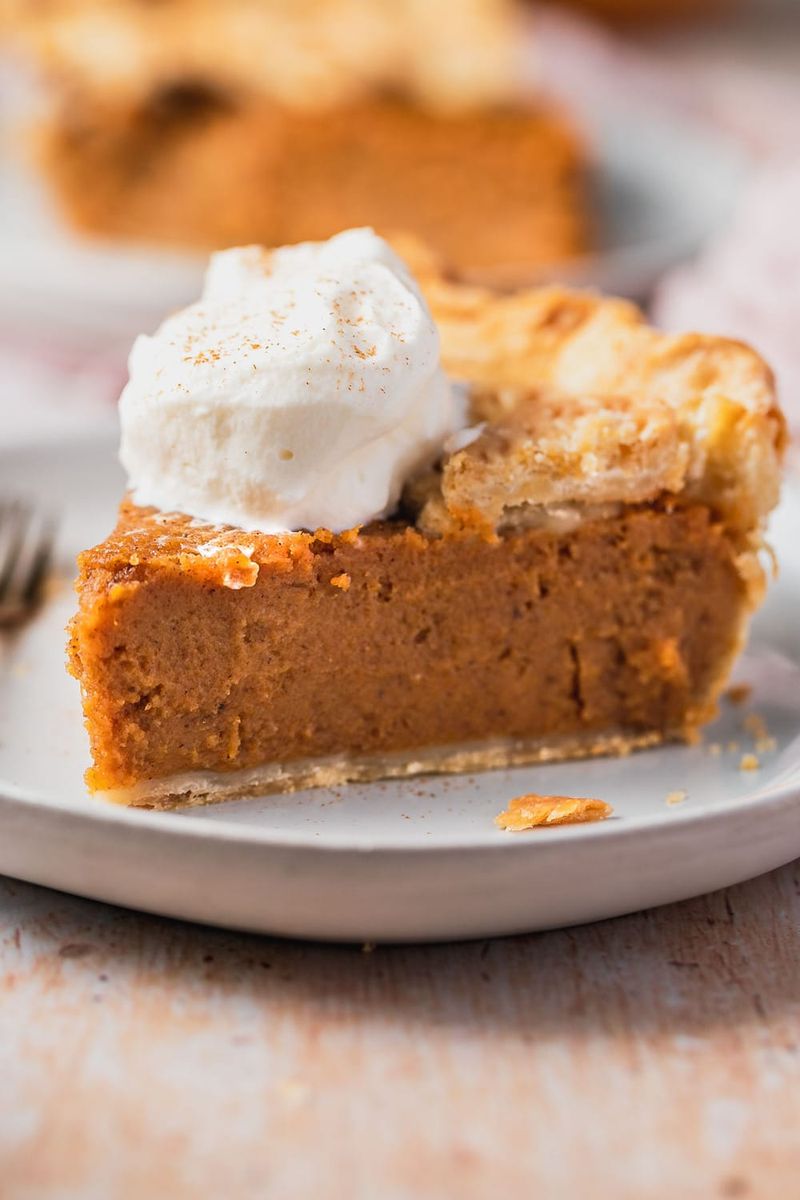
Sweet potato pie has deep roots in Appalachian food history, shaped largely by the contributions of African American cooks who brought this tradition into the region’s culinary identity. The filling is silky-smooth, made from mashed sweet potatoes blended with butter, sugar, eggs, and warm spices like nutmeg and cinnamon.
It looks similar to pumpkin pie but tastes richer and earthier, with a natural sweetness that does not need much added sugar. One slice rarely feels like enough.