
Some songs do more than just sound good — they take you somewhere. The best storytelling songs work like short films, painting vivid characters, dramatic moments, and emotional journeys using nothing but words and melody.
From tales of injustice to bittersweet love stories, these songs prove that music can be one of the most powerful ways to share a human experience. Get ready to rediscover nineteen tracks that changed the way people think about what a song can do.
1. Hurricane by Bob Dylan
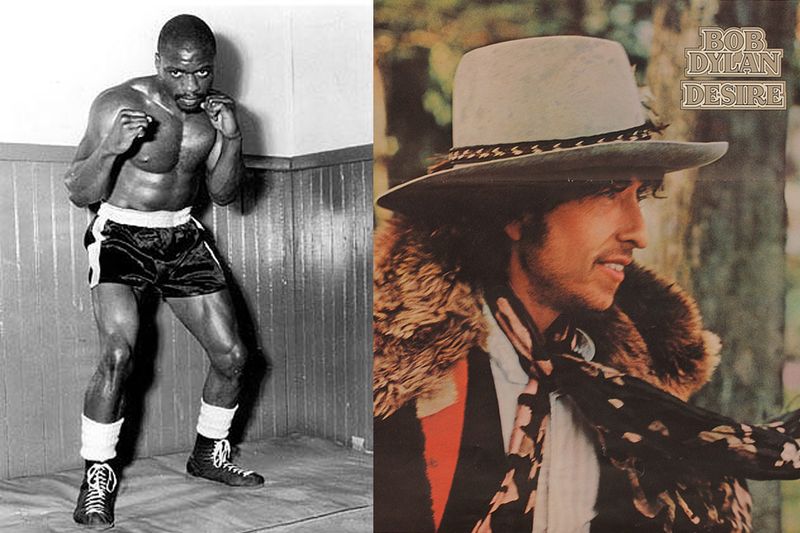
Few songs carry the weight of injustice the way this one does. Bob Dylan spent over eight minutes laying out the case of Rubin “Hurricane” Carter, a boxer wrongfully convicted of triple murder.
Dylan named names, cited evidence, and called out racial prejudice with the precision of a courtroom lawyer.
Released in 1975, the song helped reignite public interest in Carter’s case. It remains one of the boldest examples of protest music ever recorded.
2. Cat’s in the Cradle by Harry Chapin

Harry Chapin wrote this song as a warning wrapped inside a melody — and it landed like a punch. A father too busy for his son watches that same son grow up and become too busy for him.
The cycle repeats quietly and painfully across the years.
Chapin’s wife Sandra actually wrote most of the lyrics, inspired by a poem. The song hit number one in 1974 and has made parents reflect on their priorities ever since.
3. Alice’s Restaurant Massacree by Arlo Guthrie
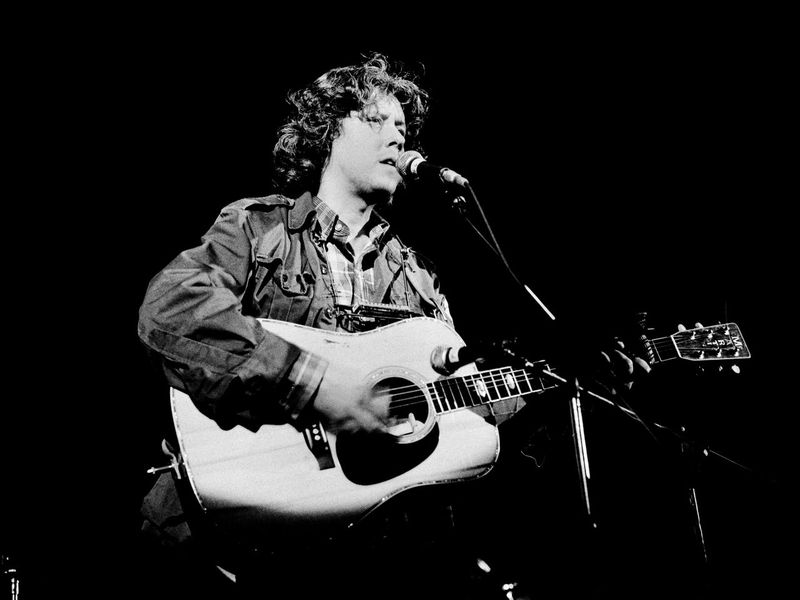
Running nearly eighteen and a half minutes, this song is basically a comedy monologue set to music. Arlo Guthrie tells the true story of getting arrested on Thanksgiving for illegally dumping trash — and how that misdemeanor somehow made him unfit for the Vietnam War draft.
The absurdity builds beautifully, layer by layer. Released in 1967, it became an anthem of counterculture humor and showed that folk music could be laugh-out-loud funny while still making a sharp political point.
4. The Wreck of the Edmund Fitzgerald by Gordon Lightfoot
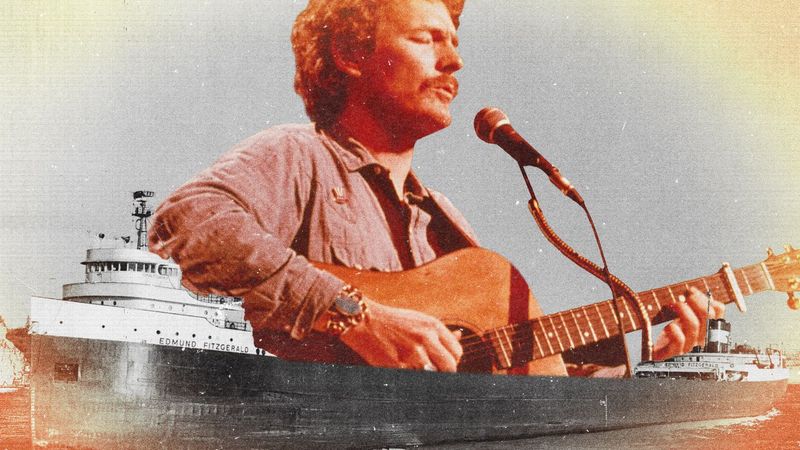
Gordon Lightfoot turned a real maritime disaster into a haunting ballad that feels like a memorial. The SS Edmund Fitzgerald sank in Lake Superior on November 10, 1975, taking all 29 crew members with it.
Lightfoot read a Newsweek article about the tragedy and began writing almost immediately.
The song captures the raw power of the Great Lakes and the helplessness of those caught in the storm. It stands as one of the finest examples of musical journalism ever written.
5. A Boy Named Sue by Johnny Cash
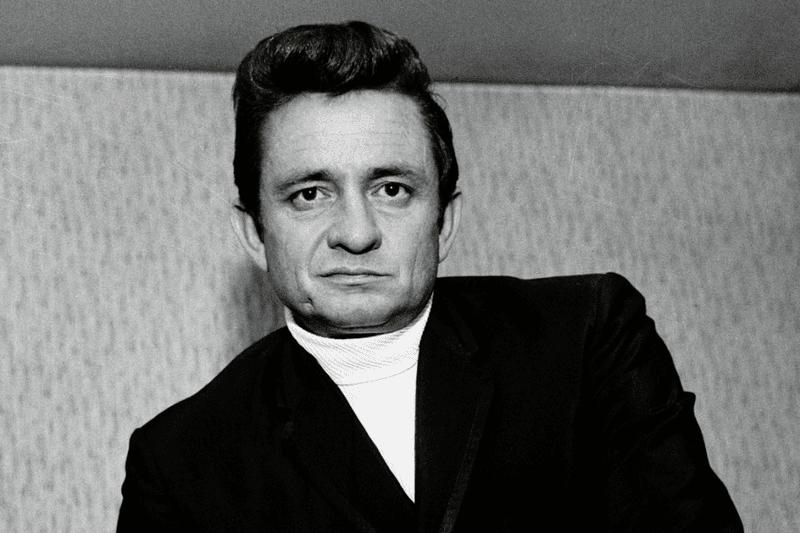
What happens when your dad names you Sue and then disappears? According to Johnny Cash, you spend your whole life fighting — and eventually track down the man responsible.
The song is equal parts comedy and revenge fantasy, written by Shel Silverstein and performed live at San Quentin Prison in 1969.
Cash’s delivery is perfect, half spoken, half sung, always building. The twist ending, where the son almost forgives his father, gives the whole wild ride an unexpected emotional landing.
6. Ode to Billie Joe by Bobbie Gentry
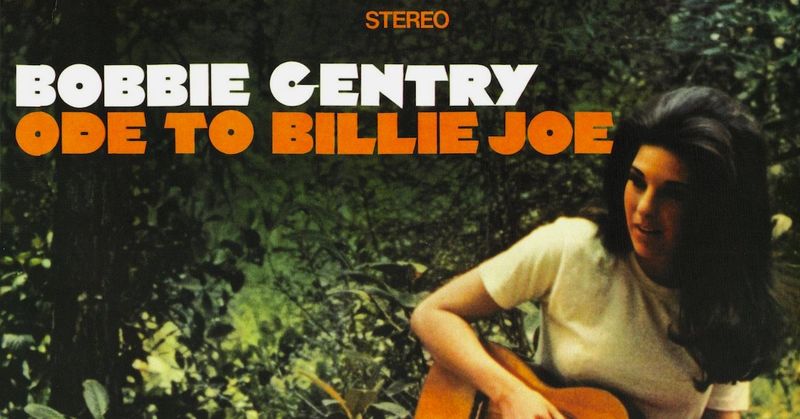
Bobbie Gentry wrote this song in just thirty minutes, and it has kept listeners guessing for decades. A family sits down to dinner and casually mentions that Billie Joe McAllister jumped off the Tallahatchie Bridge — and then keeps passing the biscuits.
The narrator’s quiet grief suggests she knew Billie Joe far better than anyone at that table realizes.
Gentry never explained what he threw off the bridge or what their relationship was. That mystery is exactly what makes the song unforgettable.
7. Bohemian Rhapsody by Queen
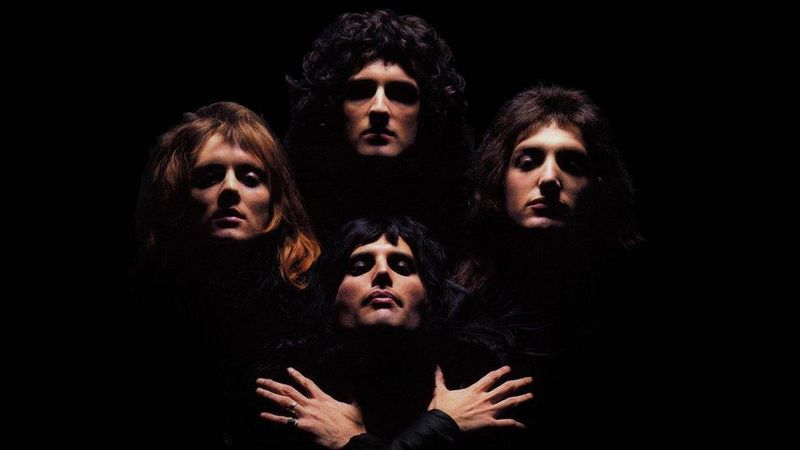
Queen threw out every rule in the pop songbook with this six-minute genre-bending masterpiece. At its core, the song tells the story of a young man who confesses to his mother that he has killed someone and now faces the terrifying consequences of that act.
Freddie Mercury moves through ballad, opera, and hard rock as if they were all one language. Released in 1975, it became one of the best-selling singles of all time and proved that rock music could be genuinely theatrical.
8. Jeremy by Pearl Jam

Eddie Vedder wrote this song after reading a newspaper report about a 15-year-old Texas boy who shot himself in front of his English class in 1991. The song also drew from Vedder’s own memories of a classmate who brought a gun to school years earlier.
Pearl Jam turned those real events into something urgent and haunting. The music video won four MTV Video Music Awards in 1993 and forced a mainstream conversation about bullying, isolation, and what happens when kids feel invisible.
9. Scenes from an Italian Restaurant by Billy Joel
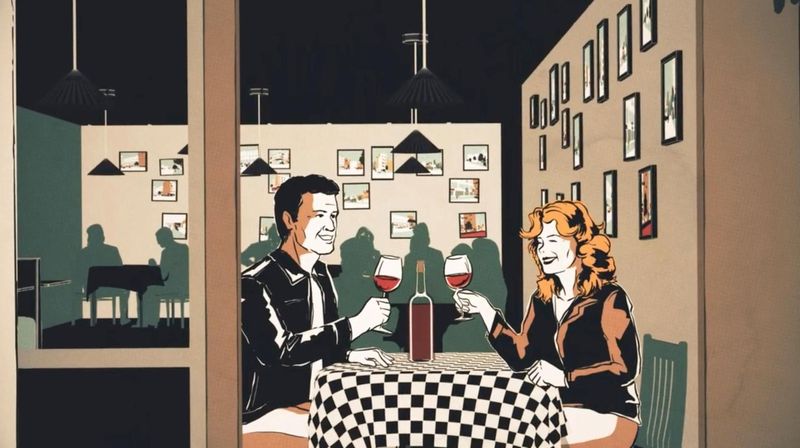
Billy Joel built this song like a novel with chapters. Two old friends meet at their favorite restaurant and fall into conversation about Brenda and Eddie — the golden couple from high school who everyone assumed would make it.
They married young, ran out of money, and quietly fell apart.
The song shifts musical styles as it shifts time periods, moving from jazz to doo-wop to rock and back. At over seven minutes long, it is a complete short story set to a piano.
10. The Devil Went Down to Georgia by The Charlie Daniels Band
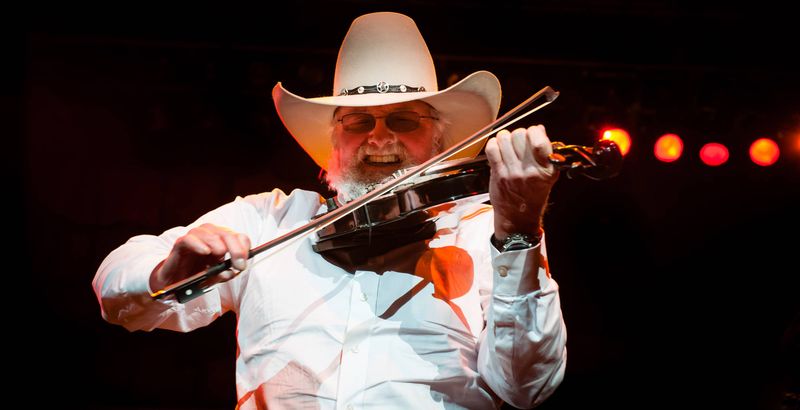
Charlie Daniels turned an old folk legend into a breathless country-rock showdown. The Devil needs a soul and challenges a young fiddle player named Johnny to a musical duel.
If Johnny wins, he gets a golden fiddle. If he loses, the Devil takes his soul.
Released in 1979, the song features some of the fastest, most exciting fiddle playing ever recorded. Johnny wins, naturally — but the Devil’s solo is so wild that some listeners secretly root for him anyway.
11. The Night They Drove Old Dixie Down by The Band
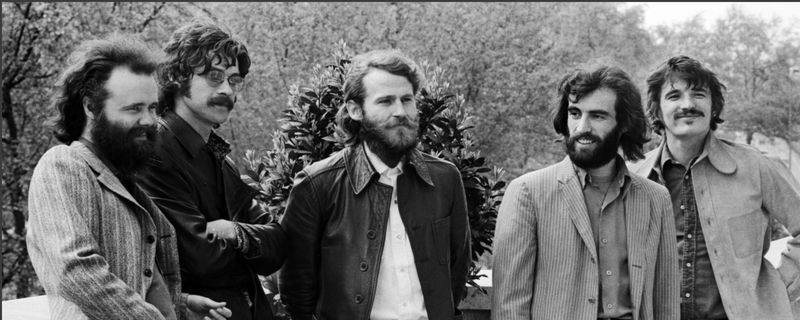
Robbie Robertson wrote this song from the perspective of Virgil Caine, a fictional young Southerner watching the Confederacy crumble around him in 1865. It is a rare thing — a song about the Civil War told from the losing side, without glorifying the cause, but fully humanizing the loss.
Levon Helm’s vocal performance is raw and deeply felt, partly because he was from Arkansas and understood that grief personally. The song is a history lesson delivered with the ache of lived experience.
12. Pancho and Lefty by Townes Van Zandt
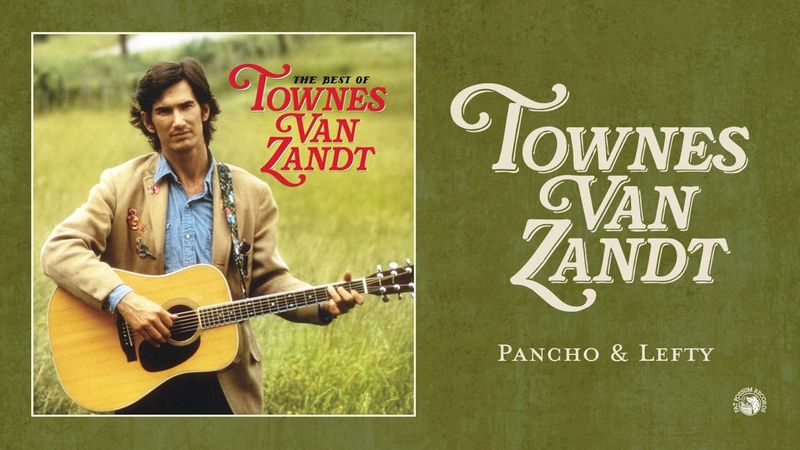
Townes Van Zandt wrote this song in the early 1970s, and it reads like a ballad pulled from a forgotten history book. Pancho is a bold outlaw who lives fast and dies young.
Lefty is his quieter companion, who may have sold Pancho out and lives the rest of his days in cheap hotels, haunted by what he did.
Willie Nelson and Merle Haggard made it a massive hit in 1983. But the mystery Van Zandt built into the original version still lingers — who exactly was Lefty, and what did he do?
13. Fast Car by Tracy Chapman
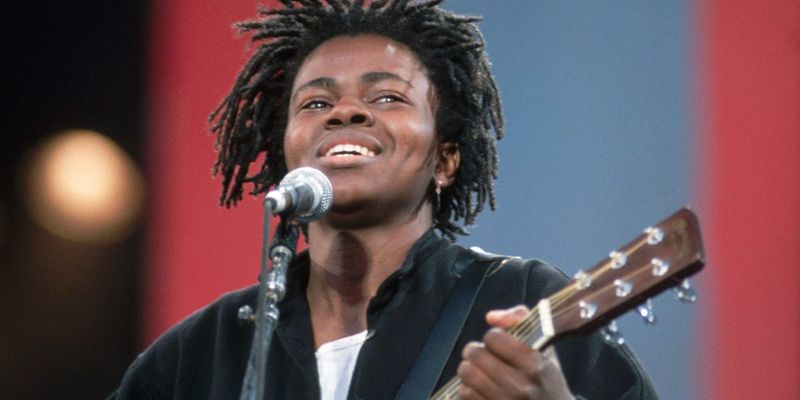
Tracy Chapman released this song in 1988, and it immediately felt like something overheard rather than performed. The narrator is a young woman caring for an alcoholic father, dreaming of escape, falling for a partner who promises a new beginning — and slowly realizing that the new life looks a lot like the old one.
The song is quiet but devastating. Chapman tells the whole arc of a relationship — hope, effort, disappointment — with spare, honest language that hits harder than any dramatic chorus could.
14. Three Wooden Crosses by Randy Travis
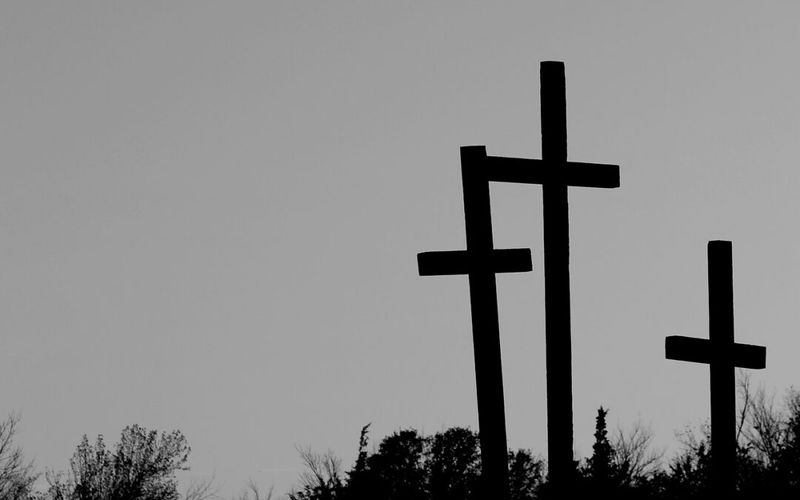
Randy Travis recorded this song in 2002, and it won the Country Music Association Award for Song of the Year. A bus carrying four very different passengers — a farmer, a teacher, a preacher, and a prostitute — crashes on a highway.
Only one survives.
The preacher passes his blood-stained Bible to the woman beside him before he dies. Years later, her son becomes a preacher himself.
The story circles back on itself in a way that feels both surprising and completely inevitable.
15. The River by Bruce Springsteen
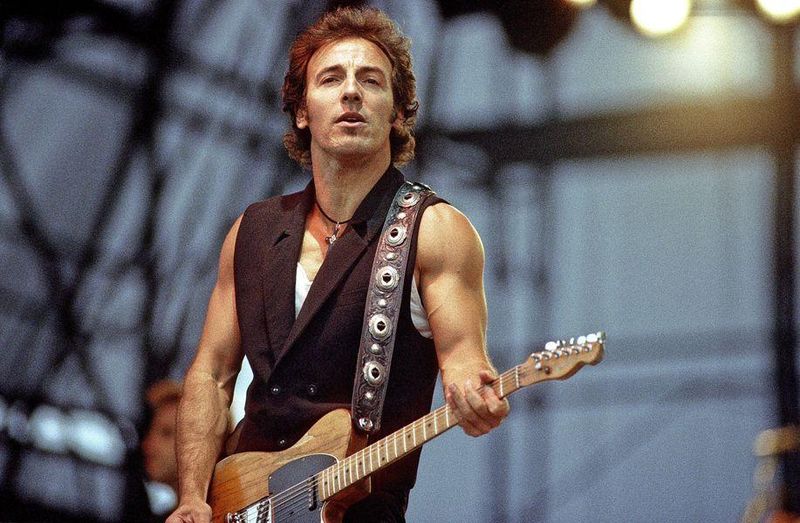
Bruce Springsteen wrote this song about his sister and brother-in-law, who married young after an unplanned pregnancy and faced a future narrowed by economic hardship. The river in the song starts as a place of joy and freedom — somewhere the young couple escapes to — and slowly becomes a symbol of everything that slipped away.
Released in 1980, the song is achingly specific in its details. That specificity is what makes it universal.
Anyone who has watched a dream quietly fade will recognize something of themselves in it.
16. Taxi by Harry Chapin
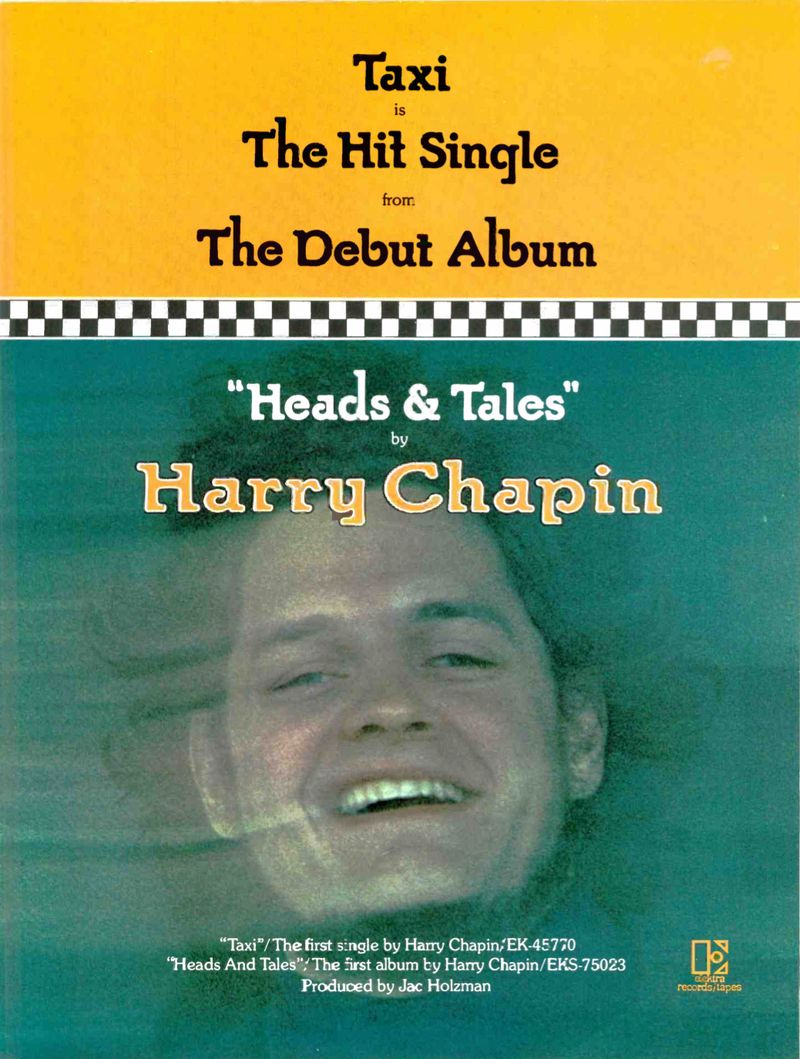
Harry Chapin had a gift for turning ordinary moments into emotional gut-punches, and this 1972 song might be his best example. A cab driver picks up a fare and realizes it is a woman he once loved.
They both had big dreams. His did not work out.
Hers appear to have — at least from the outside.
The conversation between them is loaded with things left unsaid. By the end, both characters drive away unchanged, which somehow makes the song even more heartbreaking than if something dramatic had happened.
17. El Paso by Marty Robbins
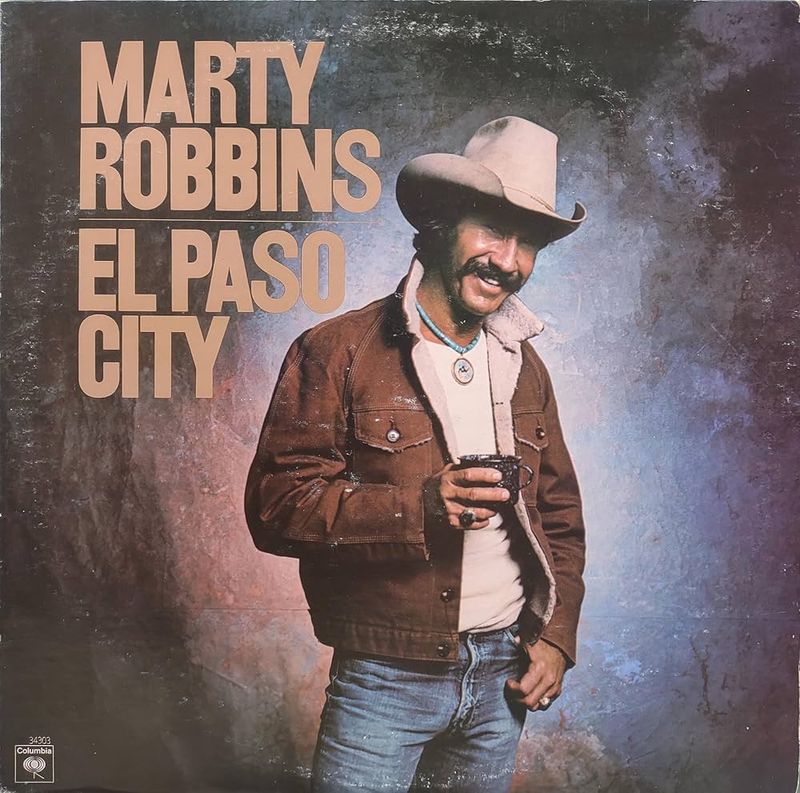
Marty Robbins wrote this song as a full Western movie compressed into four and a half minutes. A cowboy falls for a Mexican dancer named Felina, kills a rival in a jealous rage, and flees into the desert.
Love pulls him back — and that decision costs him his life.
Released in 1959, it won the first-ever Grammy Award for Best Country and Western Recording. Robbins reportedly wrote the entire song on a single drive through El Paso, Texas, which makes the vivid detail even more impressive.
18. Come Dancing by The Kinks
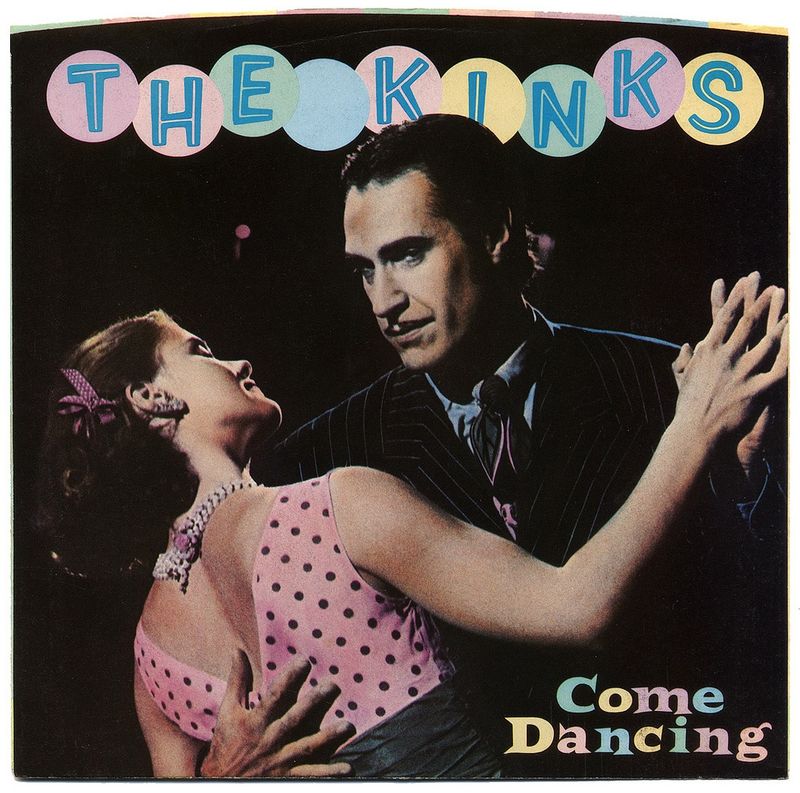
Ray Davies wrote this song as a loving tribute to his older sister, who used to dance at a local ballroom that was eventually torn down and turned into a parking lot. The song bounces along cheerfully, but underneath the bright melody is a quiet sadness about the things communities lose when old places disappear.
Released in 1983, it became The Kinks’ biggest American hit. Davies uses the dance hall as a symbol for youth itself — vibrant, fleeting, and impossible to get back once it is gone.
19. Sam Stone by John Prine
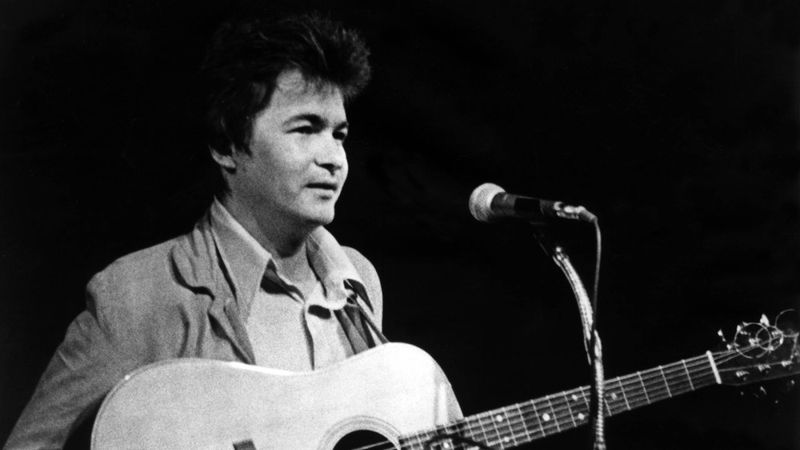
John Prine wrote this song when he was just 23 years old, and it remains one of the most heartbreaking portraits of addiction ever put to music. Sam Stone comes home from Vietnam with a shrapnel wound and a morphine habit.
He loves his family but cannot stop. The song watches him disappear, piece by piece.
The line “there’s a hole in daddy’s arm where all the money goes” is devastating in its simplicity. Prine never judges Sam — he just tells the truth, and that is more than enough.