
TV spinoffs are shows that branch off from an already popular series, bringing familiar characters or worlds into something brand new. Some spinoffs have gone on to be even more beloved than the originals, while others crashed and burned almost instantly.
The history of television is packed with both triumphs and disasters in the spinoff department. Get ready to look back at the shows that nailed it and the ones that never stood a chance.
1. Frasier (from Cheers)
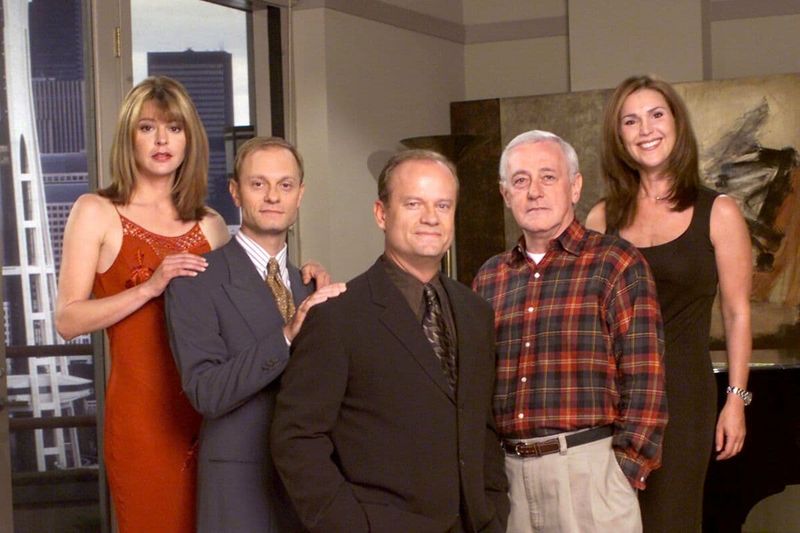
Few spinoffs in TV history have matched the sheer brilliance of Frasier. Spinning off from the Boston bar drama Cheers, this show moved Dr. Frasier Crane to Seattle, where he hosted a radio advice show while navigating his complicated family life.
The series ran for 11 seasons and racked up an incredible 37 Emmy wins from 108 nominations, a record that stood until Game of Thrones. Many fans argue it actually outshined its parent show.
2. Better Call Saul (from Breaking Bad)
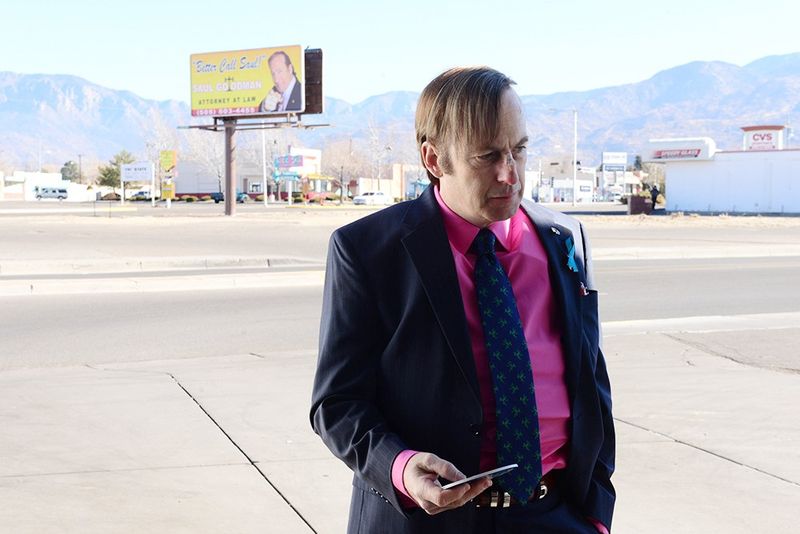
What started as a prequel to Breaking Bad quickly became its own masterpiece. Better Call Saul followed the transformation of small-time lawyer Jimmy McGill into the morally flexible Saul Goodman, and the storytelling was nothing short of extraordinary.
Critics consistently ranked it among the best dramas ever made. The show proved that a spinoff does not have to ride on the coattails of its original.
Sometimes, it can stand completely on its own two feet.
3. The Simpsons (from The Tracey Ullman Show)
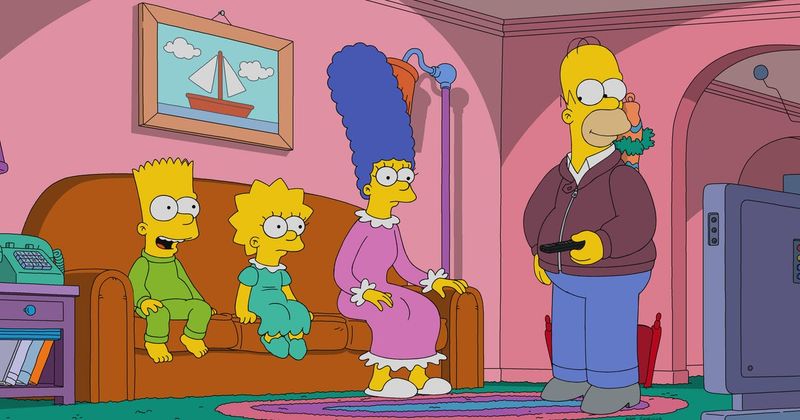
Starting as short animated segments on The Tracey Ullman Show in 1987, The Simpsons grew into one of the most iconic television series ever created. Homer, Marge, Bart, Lisa, and Maggie became household names across the entire world.
Nearly 40 seasons in, the show holds records for the longest-running American animated series and primetime scripted TV series. It shaped comedy, pop culture, and even the way people talk.
Not bad for a quirky little spinoff.
4. Law and Order: Special Victims Unit (from Law and Order)
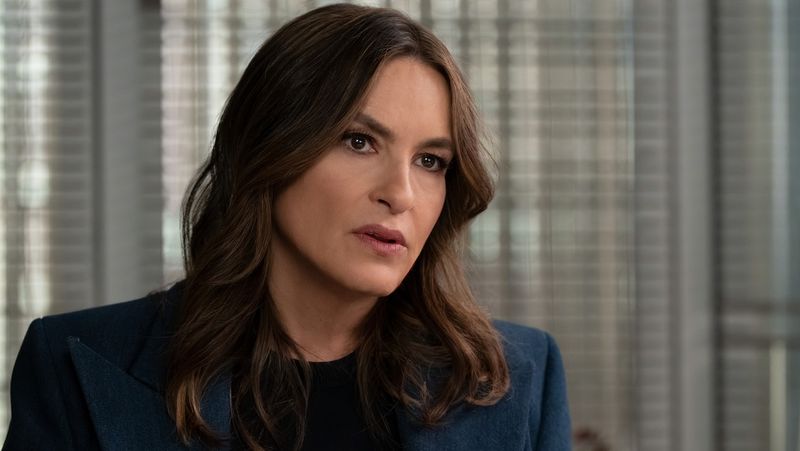
Law and Order: SVU premiered in 1999 and has never looked back. While the original Law and Order was already a massive hit, this spinoff carved out its own identity by focusing on emotionally charged, realistic crimes and the personal lives of its investigators.
It is now the longest-running primetime live-action drama in American TV history. Mariska Hargitay’s portrayal of Detective Olivia Benson has become legendary.
The show has tackled real social issues with a depth the original rarely matched.
5. Angel (from Buffy the Vampire Slayer)
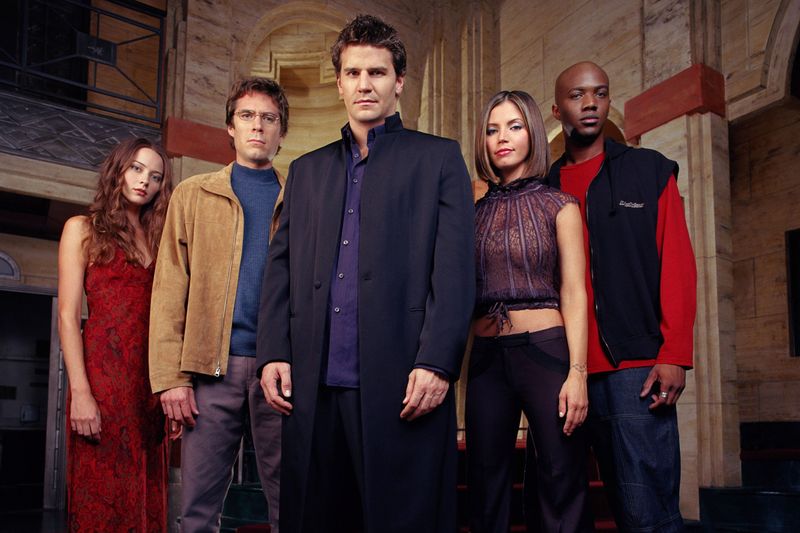
Angel took the brooding vampire from Buffy the Vampire Slayer and dropped him into the gritty streets of Los Angeles. The show had a noticeably darker tone, blending supernatural drama with hard-boiled detective storytelling in a way that felt genuinely fresh.
Running for five seasons from 1999 to 2004, it built a fiercely loyal fanbase. Many viewers actually preferred Angel to Buffy for its more mature themes and complex character development.
It aged incredibly well.
6. The Jeffersons (from All in the Family)
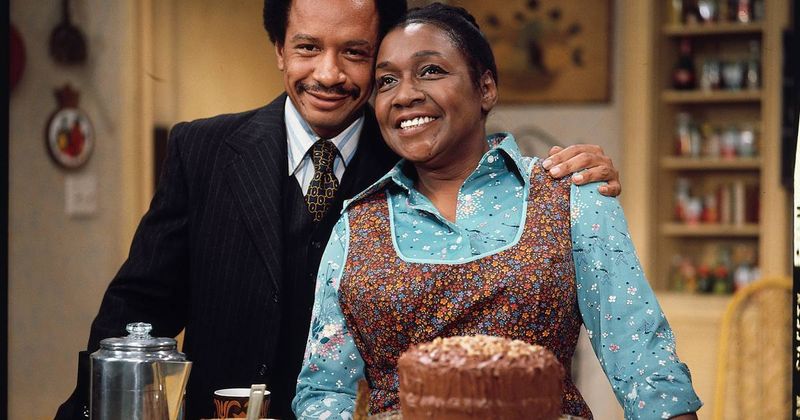
George and Louise Jefferson were introduced as neighbors on All in the Family before getting their own show in 1975. The Jeffersons followed the couple as they moved on up to a deluxe apartment in New York City after George built a successful dry-cleaning empire.
The show ran for 11 seasons and is remembered as one of the finest sitcoms of its era. It was groundbreaking for featuring a successful Black family front and center on primetime television.
7. Lou Grant (from The Mary Tyler Moore Show)
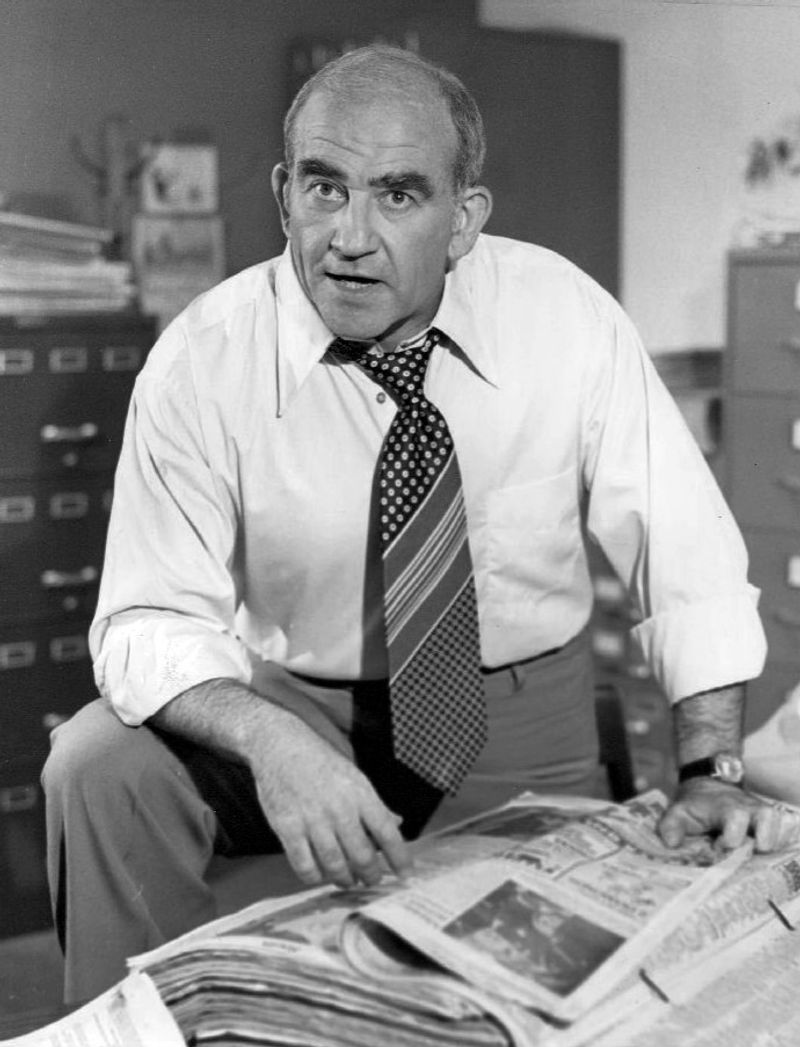
Here is something truly unusual in TV history: a character left a beloved sitcom and walked straight into a completely different genre. Lou Grant transitioned from the comedic world of The Mary Tyler Moore Show into a serious drama about print journalism.
The show tackled pressing social issues of the late 1970s and early 1980s with real substance. Ed Asner won multiple Emmy Awards for the role.
It proved that great characters can thrive in totally unexpected settings.
8. Laverne and Shirley (from Happy Days)
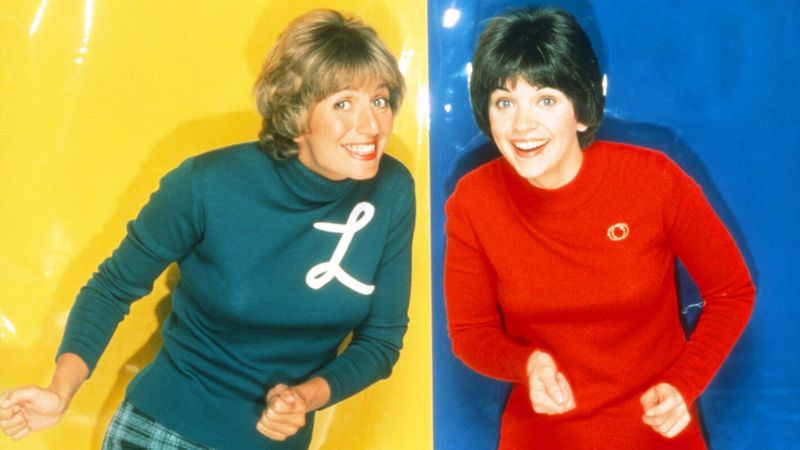
Originally appearing as fun side characters on Happy Days, Laverne DeFazio and Shirley Feeney were such a hit with audiences that they earned their own show in 1976. Set in Milwaukee, the series followed the two best friends working at a brewery and stumbling into endless comic misadventures.
At its peak, Laverne and Shirley was the most-watched show on American television. It had an irresistible energy and a friendship at its core that audiences genuinely adored.
9. NCIS (from JAG)
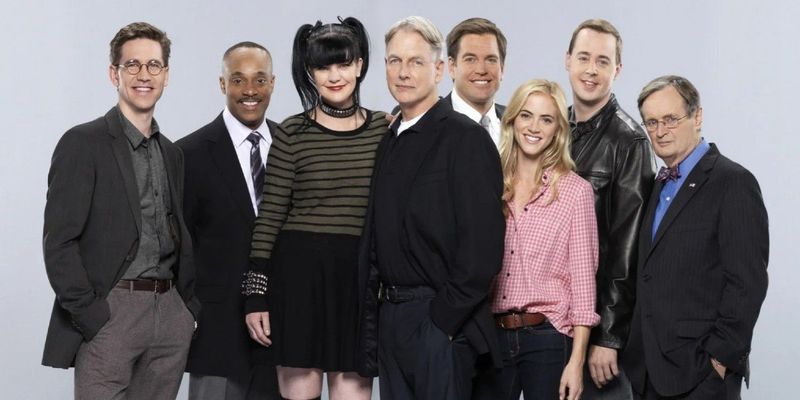
NCIS quietly debuted as a spinoff of the military legal drama JAG back in 2003, and nobody could have predicted how enormous it would become. The show follows a team of special agents investigating crimes involving the Navy and Marine Corps.
For years, NCIS ranked as one of the most-watched scripted dramas on American television. It spawned multiple spinoffs of its own, including NCIS: Los Angeles and NCIS: Hawai’i.
Sometimes the student really does surpass the teacher.
10. Xena: Warrior Princess (from Hercules: The Legendary Journeys)
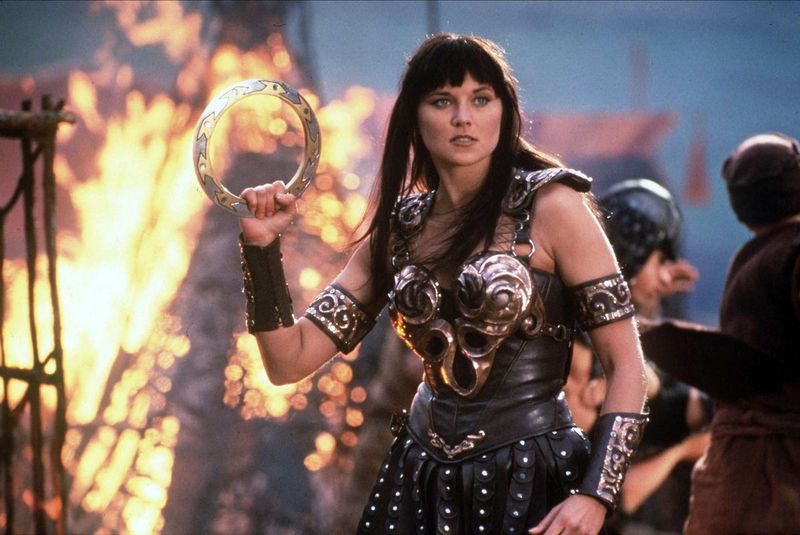
Xena began as a villain on Hercules: The Legendary Journeys before audience reaction was so overwhelmingly positive that producers gave her an entire series of her own. Smart move.
The show ran for six seasons and became a global phenomenon.
Lucy Lawless brought an incredible physicality and emotional depth to the role. Xena became a feminist icon and a hugely important figure in LGBTQ+ pop culture.
The spinoff completely overshadowed the show that created her.
11. Daria (from Beavis and Butt-Head)
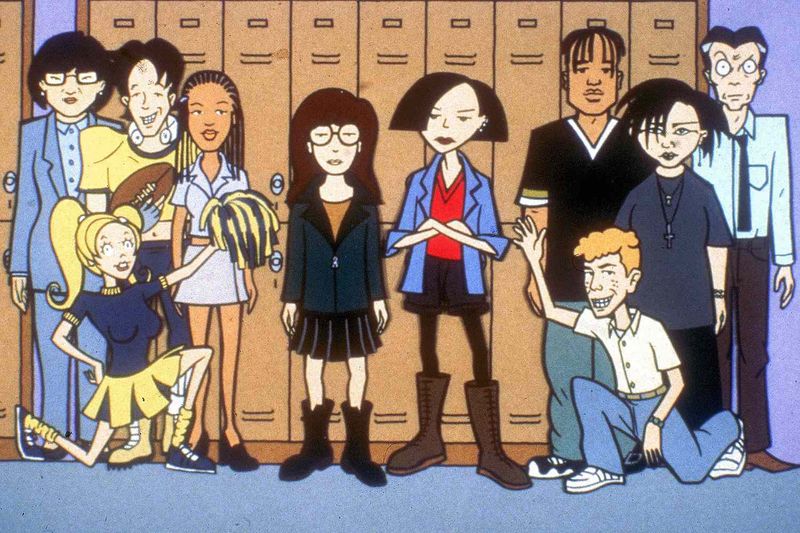
Daria Morgendorffer appeared as the only intelligent person in the room on Beavis and Butt-Head before landing her own show in 1997. The spinoff followed her navigating high school in the painfully shallow town of Lawndale with razor-sharp sarcasm and quiet wisdom.
The show resonated deeply with teens who felt like outsiders. Its writing was genuinely smart and surprisingly empathetic beneath all the dry humor.
Daria is widely considered one of the best animated series of the 1990s.
12. The Facts of Life (from Diff’rent Strokes)
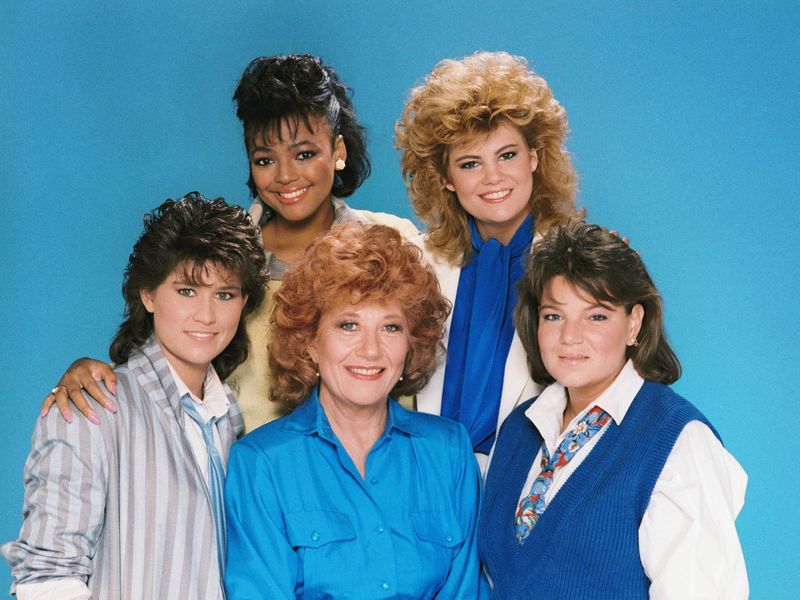
Edna Garrett was the housekeeper on Diff’rent Strokes before she moved over to become the beloved housemother at an all-girls boarding school in Peekskill, New York. The Facts of Life debuted in 1979 and ran for an impressive nine seasons.
The show tackled topics like eating disorders, substance abuse, and teenage pregnancy with more honesty than most TV of its era dared. It helped launch the careers of several young actresses and remains fondly remembered by anyone who grew up in the 1980s.
13. The Good Fight (from The Good Wife)
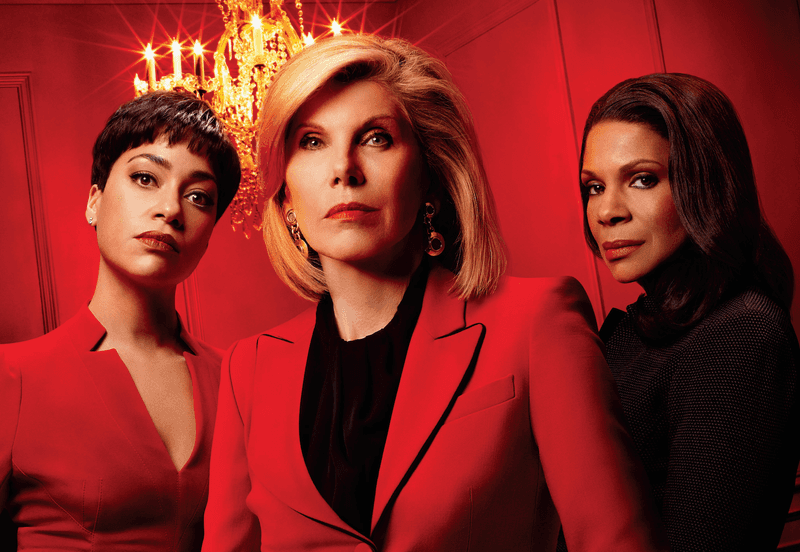
The Good Fight picked up where The Good Wife left off, following attorney Diane Lockhart after a financial scandal upended her life. Premiering on CBS All Access in 2017, the show leaned into bold political commentary and pushed creative boundaries further than its predecessor ever did.
Critics praised its sharp writing and fearless storytelling. Christine Baranski’s performance earned widespread acclaim.
The series proved that streaming spinoffs could actually outpace network television in terms of ambition and quality.
14. Young Sheldon (from The Big Bang Theory)
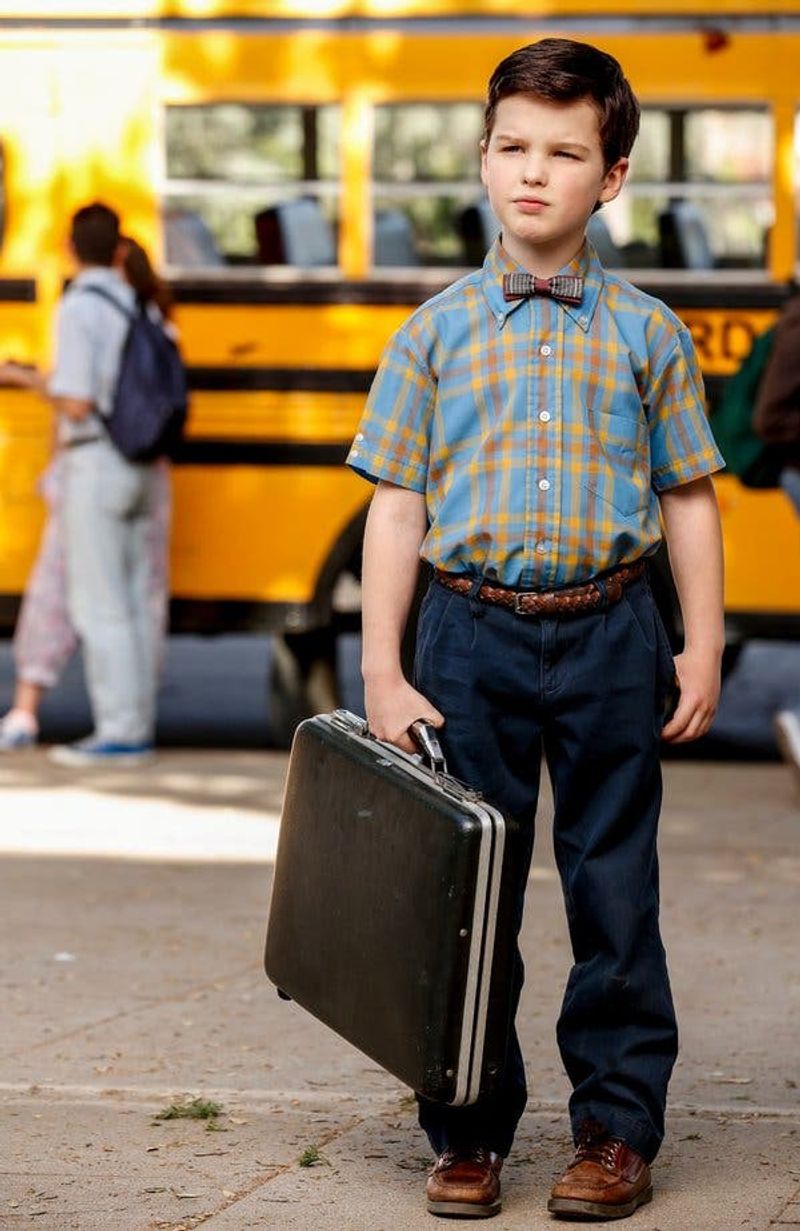
Young Sheldon gave audiences a peek into the childhood of Big Bang Theory’s most memorable character, Sheldon Cooper, growing up in a small Texas town in the late 1980s. The show swapped the original’s laugh track for a warmer, more heartfelt tone.
It became one of CBS’s most popular shows and ran for seven seasons. Iain Armitage was charming in the lead role, and the family dynamics added surprising emotional depth.
Fans who loved the original had plenty to enjoy here.
15. The Flash (from Arrow)
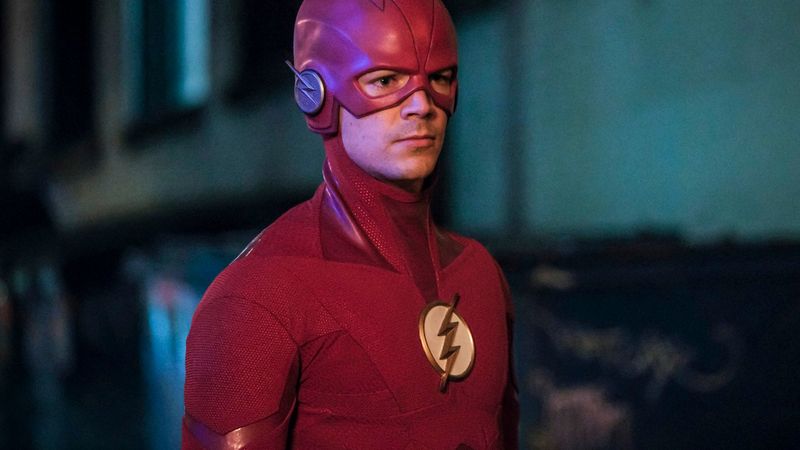
Arrow introduced Barry Allen before he got his own show in 2014, and The Flash quickly became the crown jewel of the CW’s Arrowverse. The show had a lighter, more optimistic tone than Arrow, and audiences embraced it immediately.
The Flash ran for nine seasons and helped establish a whole interconnected universe of superhero shows. Grant Gustin’s enthusiastic performance made Barry Allen genuinely likable.
At its best, the show captured the pure joy of being a superhero better than almost anything else on TV.
16. Joey (from Friends)
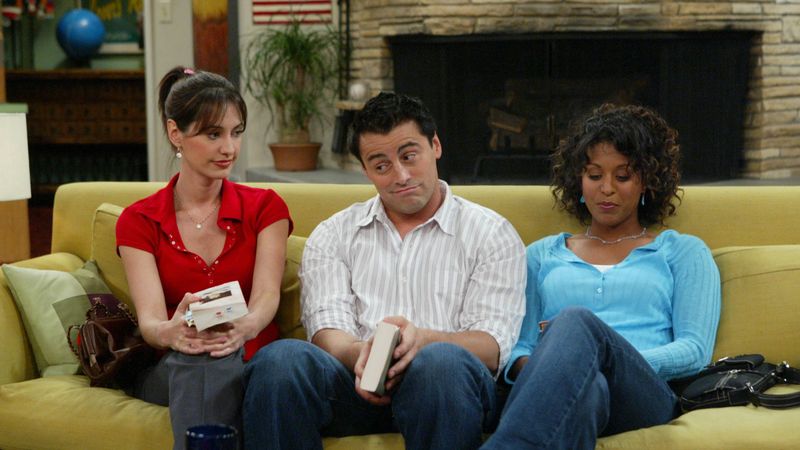
Joey Tribbiani was the lovable goofball of Friends, but separating him from his Central Perk crew exposed a hard truth: he worked best as part of an ensemble. Joey premiered in 2004 and followed the character pursuing his acting career in Hollywood.
Without the chemistry of the original cast surrounding him, the jokes fell flat and the supporting characters never clicked. NBC canceled it after two seasons.
Joey stands as one of television’s most famous cautionary tales about spinoffs that simply should not have happened.
17. Joanie Loves Chachi (from Happy Days)
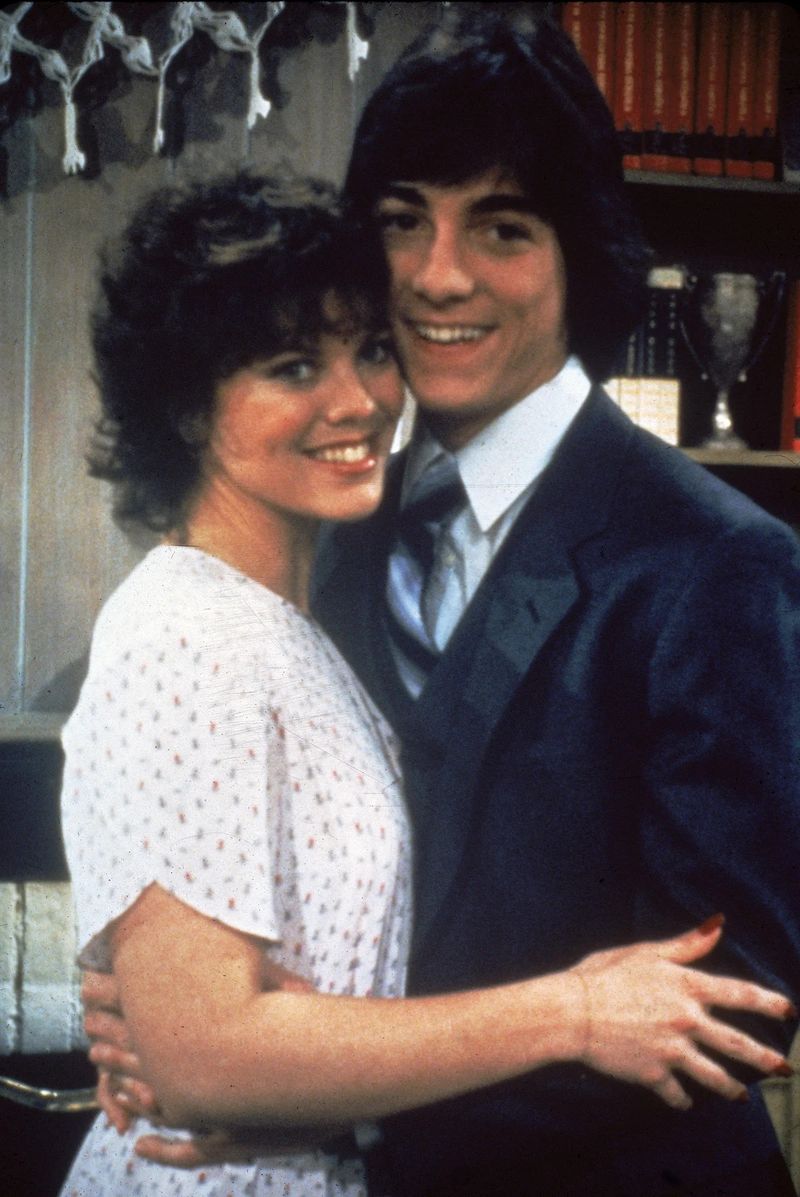
Joanie Cunningham and Chachi Arcola were fan favorites on Happy Days, so ABC gave them a spinoff in 1982 centered on their romance and dreams of becoming rock musicians. The first season pulled decent ratings, but things fell apart quickly.
Season two saw viewership collapse dramatically, and the show was canceled after just 17 episodes. The romance that audiences enjoyed as a subplot on Happy Days simply could not carry an entire series on its own.
Even Scott Baio’s charm had its limits.
18. The Brady Bunch Variety Hour (from The Brady Bunch)
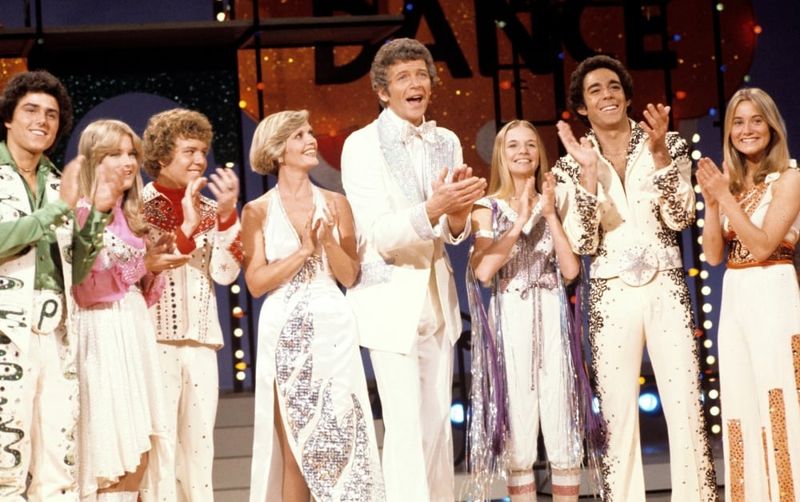
Of all the spinoff disasters in TV history, this one might be the most spectacular. The Brady Bunch Variety Hour debuted in 1976 and tried to reinvent the beloved family as song-and-dance performers.
The cast had no variety show experience, and it showed painfully.
The show managed just nine episodes before being mercifully canceled. It has since earned a reputation as one of the worst TV productions ever made.
Even the original Brady kids have spoken about it with a mixture of embarrassment and disbelief.
19. Baywatch Nights (from Baywatch)
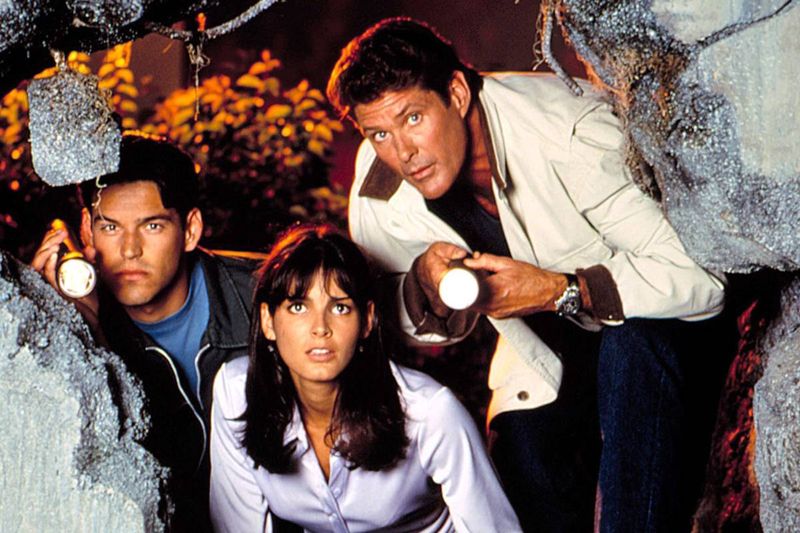
Baywatch was a global sensation built entirely on sun, sand, and slow-motion beach rescues. So naturally, someone decided the obvious next step was a dark sci-fi mystery spinoff.
Baywatch Nights premiered in 1995 and had almost nothing in common with its parent show.
The genre switch baffled viewers who showed up expecting anything related to the original. Ratings were dismal, and the supernatural storylines in season two made things even stranger.
It was canceled after two seasons and is still considered one of the most misguided spinoff concepts ever attempted.
20. AfterMASH (from MASH)
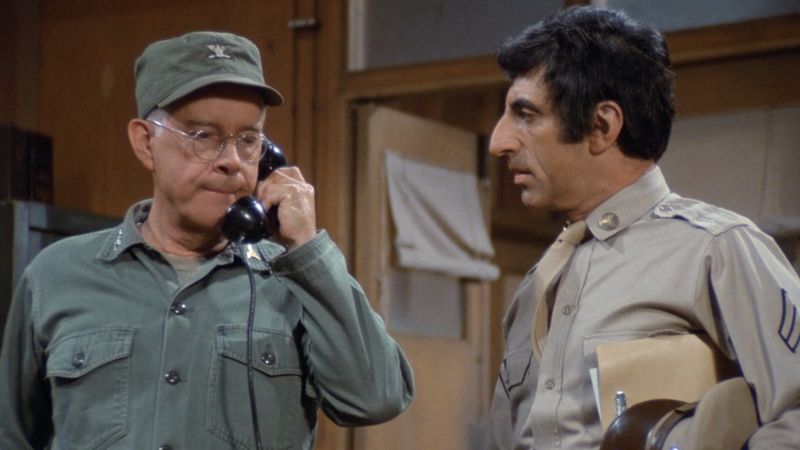
The MASH finale in 1983 drew over 100 million viewers, making it the most-watched TV episode in American history at the time. Following that kind of send-off, AfterMASH had an impossible task.
The spinoff reunited three cast members at a veterans hospital back in the United States.
Without the Korean War setting and the full ensemble, the magic simply was not there. Ratings dropped sharply in its second season and CBS pulled the plug.
Chasing the ghost of a legendary show rarely ends well.
21. CSI: Cyber (from CSI)
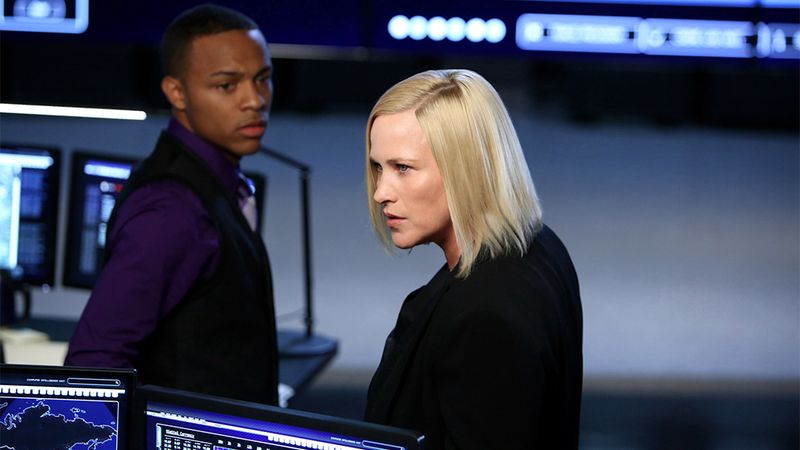
The original CSI was a massive franchise that spawned multiple successful spinoffs, but CSI: Cyber was a step too far. Premiering in 2015, the show focused on cybercrime and internet-based threats, a concept that sounded timely but never came together on screen.
Critics found the technology explanations laughably inaccurate, and the characters lacked the personality needed to keep viewers invested. The show was canceled after two seasons.
Patricia Arquette’s star power could not save a series that felt hollow from the start.
22. The Golden Palace (from The Golden Girls)
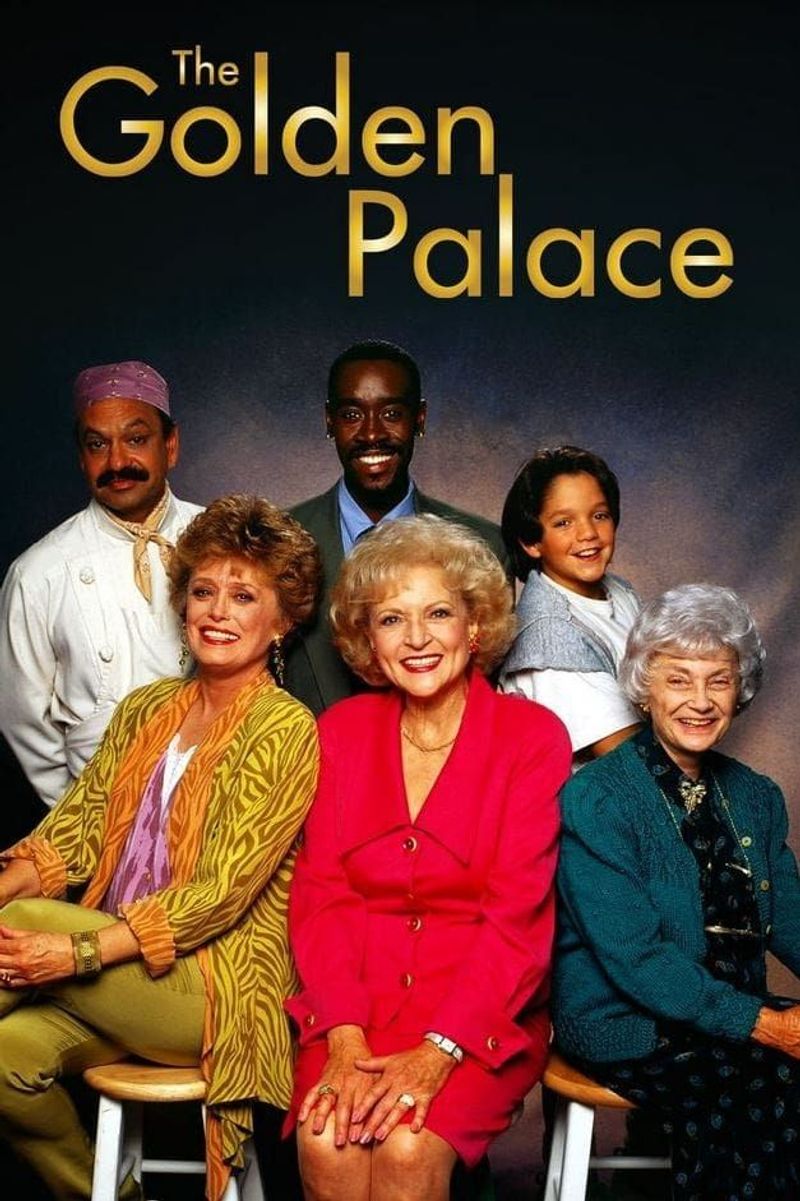
When Bea Arthur left The Golden Girls in 1992, the remaining three cast members moved over to a spinoff called The Golden Palace, where they ran a Miami hotel. Without Dorothy’s sharp wit providing the perfect comedic counterbalance, something essential was missing.
The show lasted just one season before CBS canceled it. Cheech Marin was added to the cast in an attempt to inject new energy, but it never clicked.
Replacing a beloved ensemble with even most of that ensemble just does not work the same way.
23. That ’80s Show (from That ’70s Show)
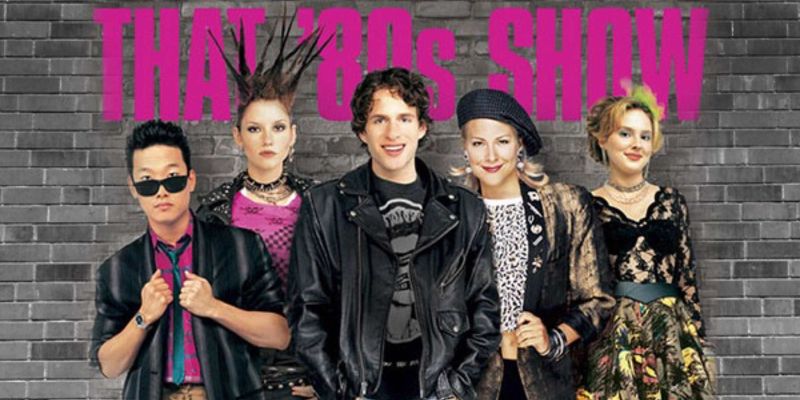
That ’70s Show was a nostalgic hit built on a genuinely funny ensemble cast. Riding that success, Fox launched That ’80s Show in 2002 as a loose spinoff set in San Diego during the early Reagan era.
It was canceled after just 13 episodes.
The problem was simple: none of the original cast returned, and the new characters had zero chemistry. The 1980s references felt forced rather than affectionate.
Nostalgia only works when there is real heart behind it, and this show had very little of either.
24. Gloria (from All in the Family)
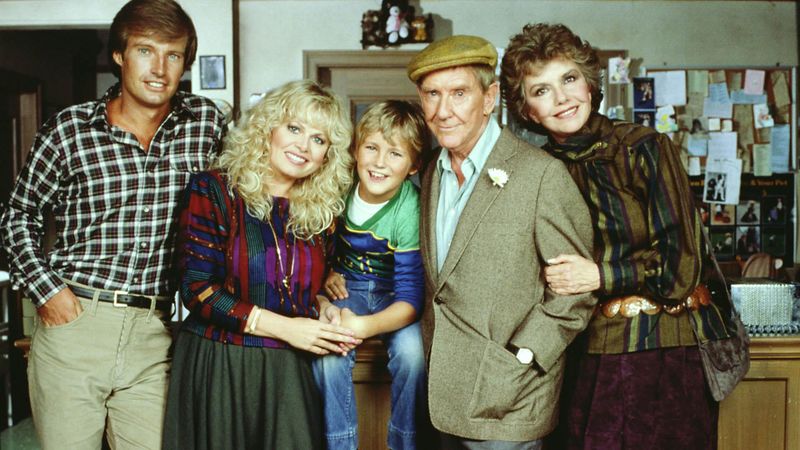
All in the Family produced The Jeffersons, one of the all-time great spinoffs. But its other attempt, Gloria, did not fare nearly as well.
The show followed Gloria Stivic after her husband Mike abandoned the family, leaving her to raise their son alone in a small town.
Premiering in 1982, the series struggled to find its tone and never built a compelling supporting cast around Sally Struthers. CBS canceled it after just one season.
It serves as proof that even a great original show cannot guarantee spinoff success.
25. Sanford Arms (from Sanford and Son)
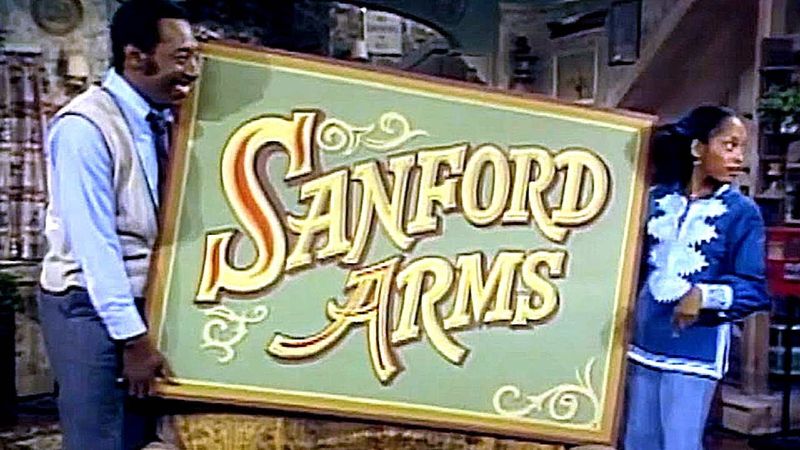
Sanford and Son was one of the funniest shows of the 1970s, powered almost entirely by Redd Foxx’s unstoppable comedic presence. When Foxx left the show in a contract dispute, NBC tried to keep the franchise alive with Sanford Arms in 1977.
The spinoff kept the junkyard setting but replaced the entire cast with new characters. Audiences had absolutely no interest.
The show was canceled after just four episodes, making it one of the shortest-lived spinoffs in network television history. Nobody wanted Sanford and Son without Sanford.
26. Models Inc. (from Melrose Place)
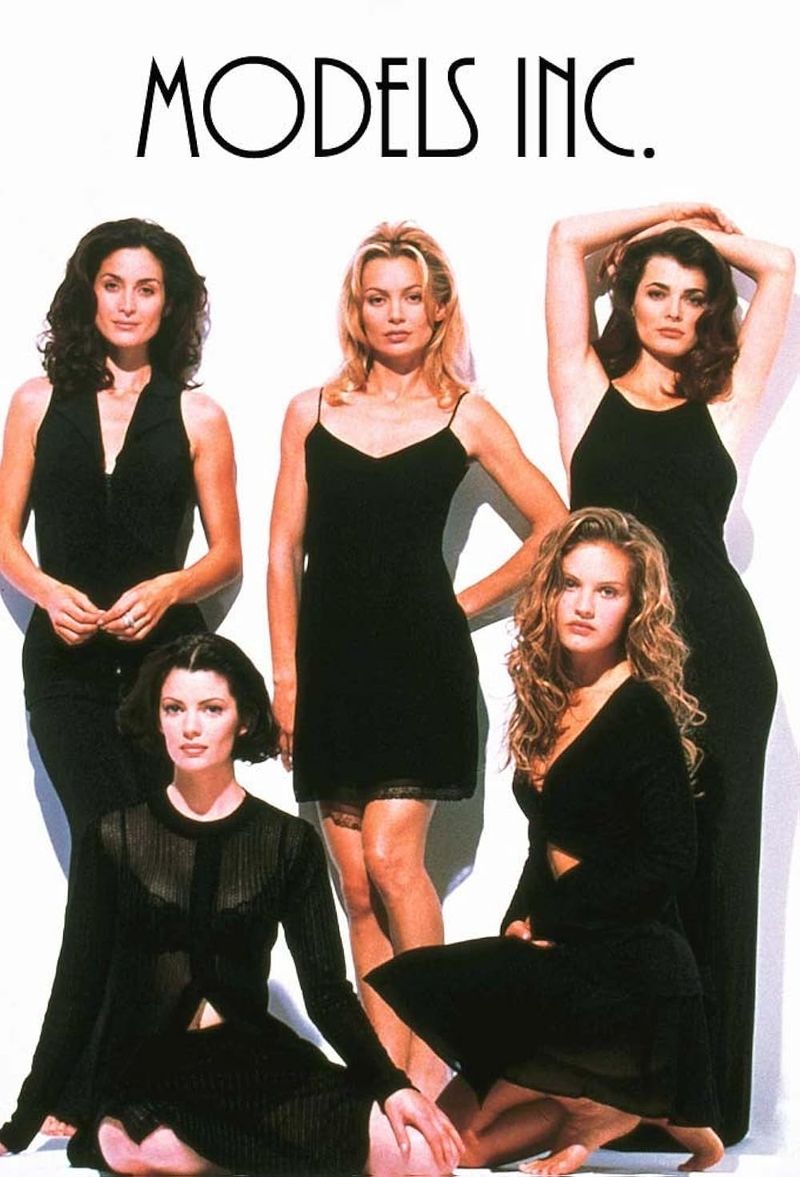
Melrose Place thrived on scandal, romance, and deliciously over-the-top drama. Its 1994 spinoff Models Inc. tried to bottle that same energy inside a Los Angeles modeling agency, but the results were underwhelming at best.
The characters lacked the magnetic personalities that made Melrose Place appointment television.
Without a truly compelling hook or a standout performer to anchor the show, viewers drifted away quickly. Fox canceled it after one season.
Sometimes the secret sauce of a hit show simply cannot be transferred to a new location and a new cast.
27. The Cleveland Show (from Family Guy)
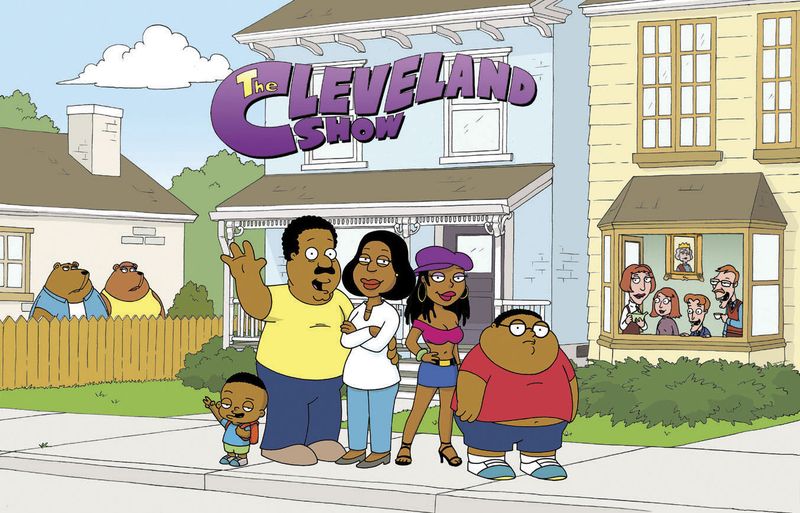
Cleveland Brown was a fan favorite on Family Guy, so Fox gave him his own show in 2009. The Cleveland Show moved the character to a small Virginia town and surrounded him with a new family.
Creator Seth MacFarlane had high hopes, but audiences were skeptical from day one.
The humor often felt like a lesser version of Family Guy without the anarchic spark that made the original work. Critics and fans frequently called it unnecessary.
After four seasons, Fox quietly ended it and brought Cleveland back to Quahog where he belonged.
28. Kamp Koral: SpongeBob’s Under Years (from SpongeBob SquarePants)
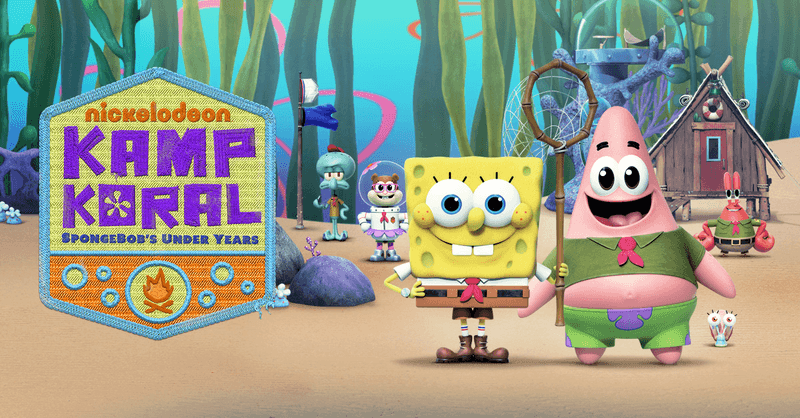
Nickelodeon launched Kamp Koral in 2021 as a prequel spinoff showing SpongeBob and his friends as young campers at an underwater summer camp. The concept sounded cute, but fans of the original were largely unimpressed with what they got.
The show felt like it was running on the SpongeBob name without capturing the anarchic creativity that made the original series a cultural landmark. Many longtime fans found it unnecessary and creatively thin.
It was a reminder that beloved childhood shows deserve spinoffs with genuine inspiration behind them.
29. All Grown Up! (from Rugrats)
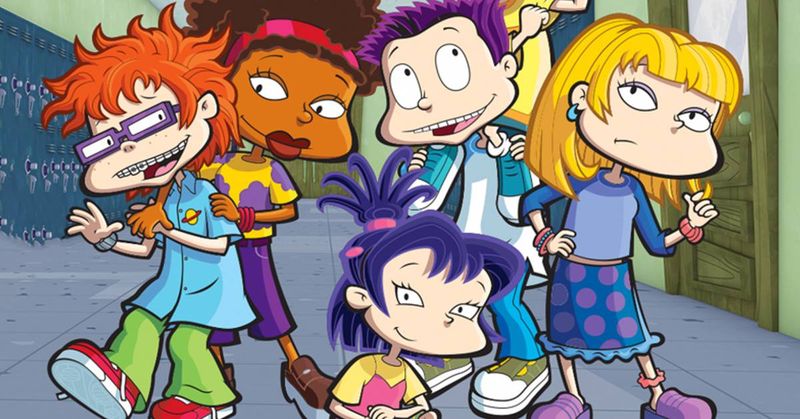
Rugrats was a Nickelodeon classic built on the imaginative perspective of babies seeing the world as a giant adventure. All Grown Up! debuted in 2003 and aged those same characters into self-conscious tweens dealing with middle school drama.
The magic was immediately, noticeably gone.
Taking away what made the original special and replacing it with generic teenage storylines left most fans cold. The show ran for five seasons but was never embraced the way Rugrats had been.
Some characters are simply best left exactly as they were first imagined.
30. Sam and Cat (from iCarly and Victorious)
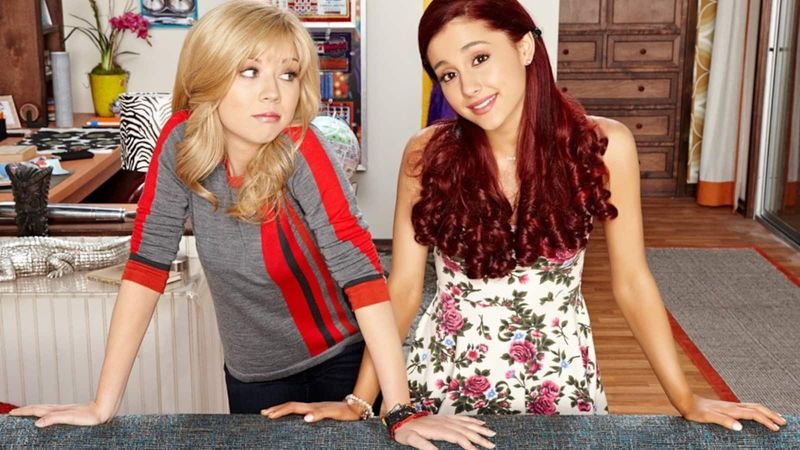
Combining characters from two popular Nickelodeon shows sounds like a guaranteed hit, but Sam and Cat proved otherwise. The 2013 series paired Sam Puckett from iCarly with Cat Valentine from Victorious as unlikely roommates running a babysitting service.
Without their original supporting casts, both characters felt oddly hollow.
Fans noted that Sam’s abrasive personality and Cat’s extreme airheadedness clashed rather than complemented each other. The show lasted just one season before being canceled amid behind-the-scenes conflicts.
Chemistry on paper does not always translate to chemistry on screen.