
Some of the most comforting, delicious foods you love are surprisingly hard to find at a restaurant. Whether it’s because they’re tricky to portion, too simple to charge big money for, or just too homey to fit a professional kitchen, these dishes often stay off the menu.
From old-fashioned classics to everyday staples, these are the foods that restaurants quietly skip. Get ready to appreciate your home kitchen a whole lot more.
1. Lasagna
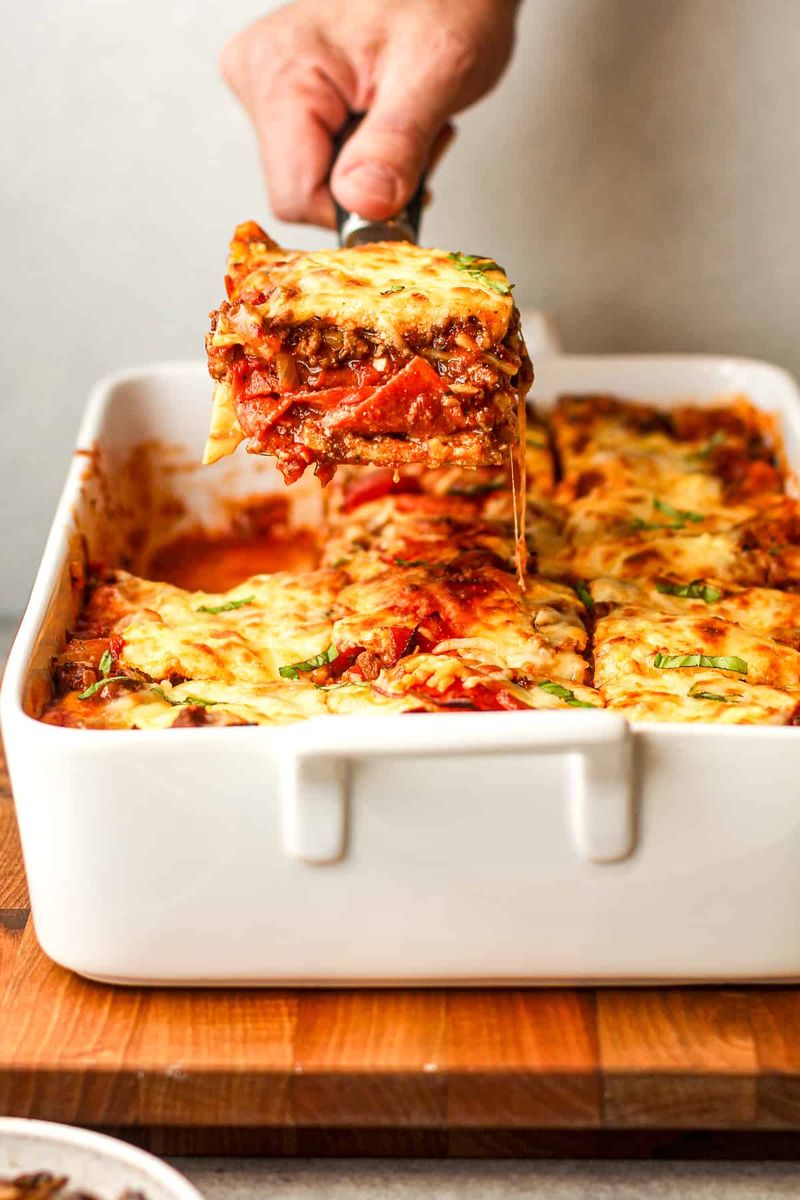
There is something magical about a pan of lasagna pulled straight from the oven, cheese bubbling and sauce sizzling at the edges. Restaurants rarely serve it because it is a family-sized dish that is hard to portion neatly or prepare fresh for every order.
Homemade lasagna also tends to have a depth of flavor that jar sauces just cannot match. It is one dish that truly belongs at the dinner table, not a restaurant plate.
2. Applesauce
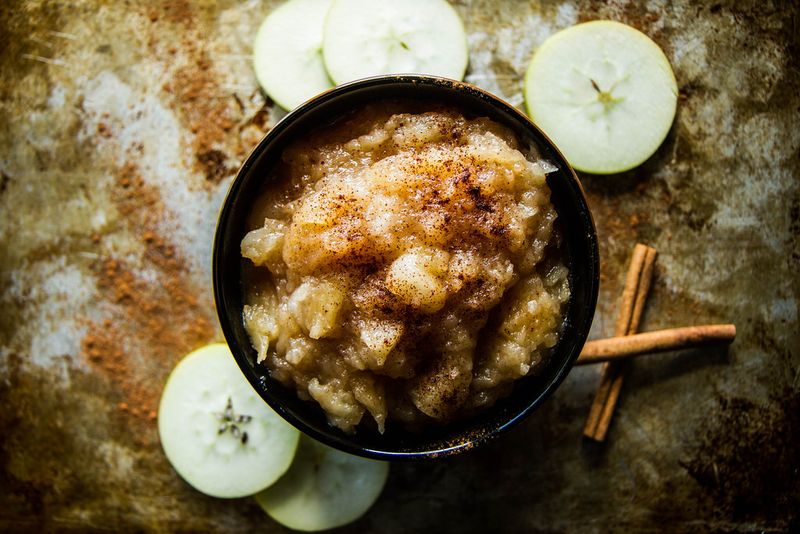
Applesauce might seem too simple to talk about, but once you have tasted a warm, freshly made batch at home, the jarred version just does not compare. Most restaurants that do serve it are using store-bought, which takes away all the charm.
Making applesauce at home takes only a handful of ingredients and about 20 minutes. It is one of those quietly satisfying dishes that restaurants have little reason to bother with, and honestly, that is just fine.
3. Grilled Cheese Sandwich
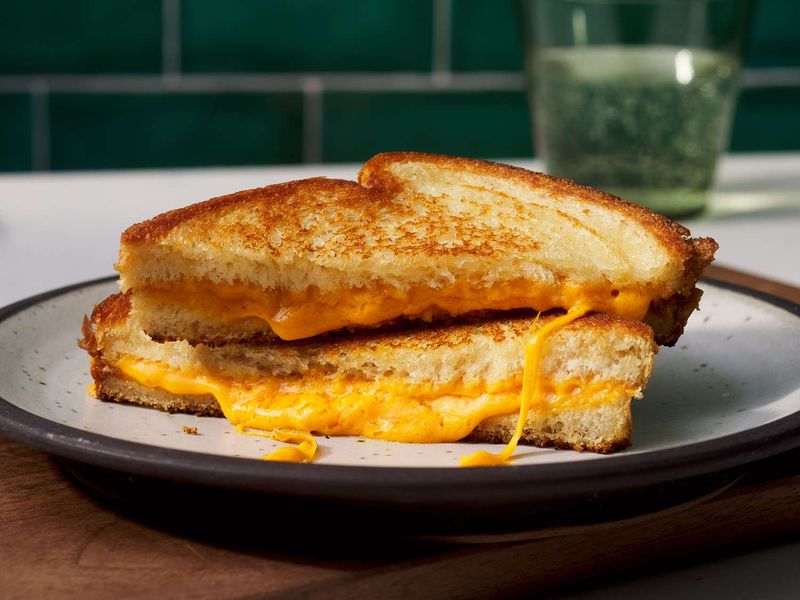
Few foods hit the spot quite like a grilled cheese sandwich fresh off a buttery skillet. The crispy bread, the gooey melted cheese, the smell filling up the kitchen – it is pure nostalgia on a plate.
Restaurants rarely put it on the menu because it feels too easy, too homey, and too cheap to charge much for. But that simplicity is exactly what makes it so lovable.
No restaurant version will ever beat the one made at home.
4. Homemade Spaghetti Sauce
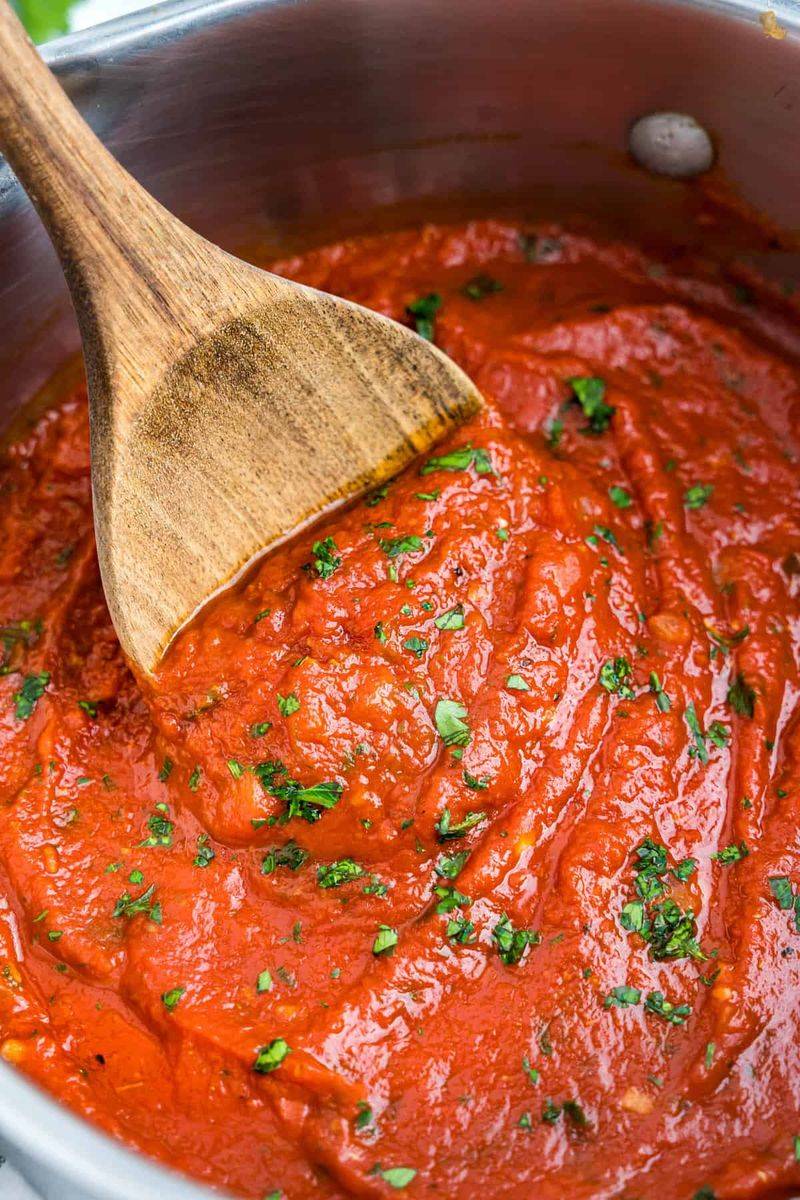
Ask any passionate home cook about their spaghetti sauce, and you will likely hear a proud story involving secret ingredients and hours of simmering. That kind of personal touch is nearly impossible to replicate in a busy restaurant kitchen.
Restaurant marinara can often taste too sweet or too bland compared to a family recipe passed down through generations. Many people feel their version is simply better, and they are probably right.
Some dishes are meant to stay home.
5. Roast Chicken or Turkey
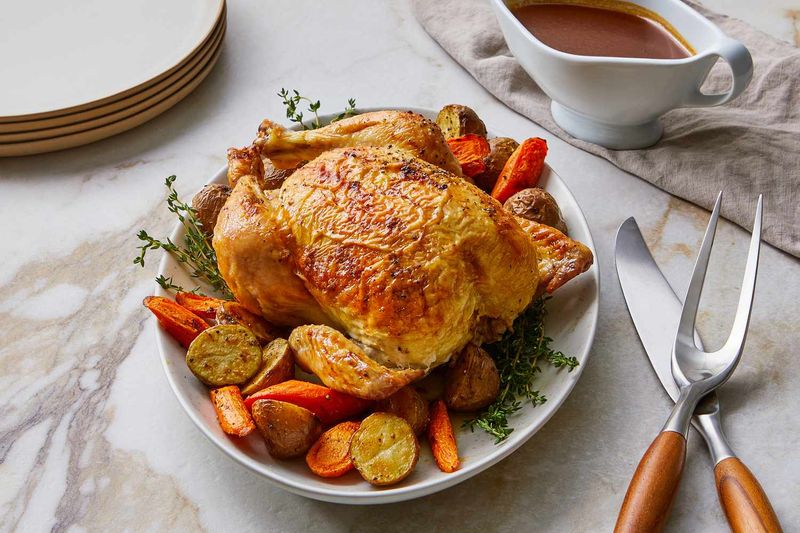
Roast chicken and turkey are weekend staples in many households, filling the home with an irresistible aroma for hours. Restaurants do serve portions of roasted birds, but keeping them moist under heat lamps is a real challenge.
At home, you control the timing, the seasoning, and the rest period, which makes all the difference. It is also one of the most budget-friendly meals you can make.
No wonder so many families prefer keeping this one in the kitchen.
6. Macaroni and Cheese
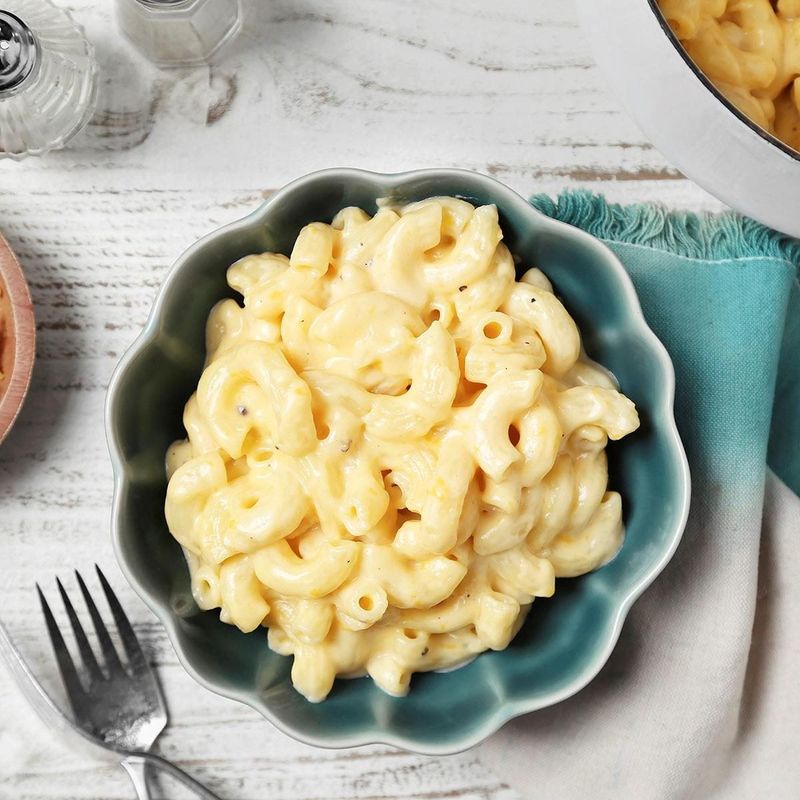
Macaroni and cheese holds a special place in almost everyone’s childhood food memories. Some restaurants offer fancy, truffle-loaded versions, but many people just want the simple, creamy classic they grew up eating.
That gap between what restaurants serve and what people actually crave is part of why this dish stays mostly at home. When comfort food gets too complicated, it stops being comforting.
The best mac and cheese is still the one made in your own pot.
7. Homemade Pies
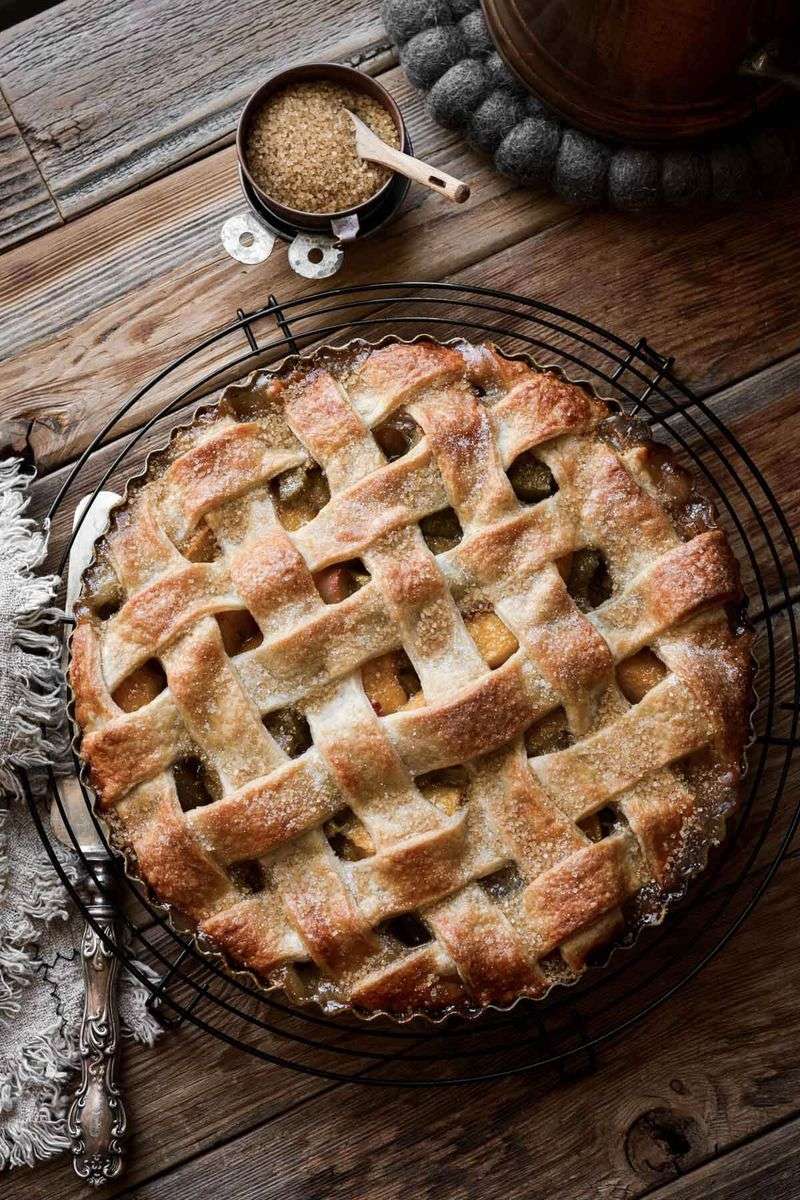
A homemade pie with a perfectly flaky crust is one of the great joys of home baking. Bakeries and restaurants rarely nail that same texture because pastry dough is fussy, and high-volume kitchens often cut corners.
The best pies are the ones made slowly and carefully, with fillings chosen by the baker. Whether it is apple, cherry, or pecan, a pie from a home oven just tastes like love.
That quality is nearly impossible to mass-produce.
8. Casseroles
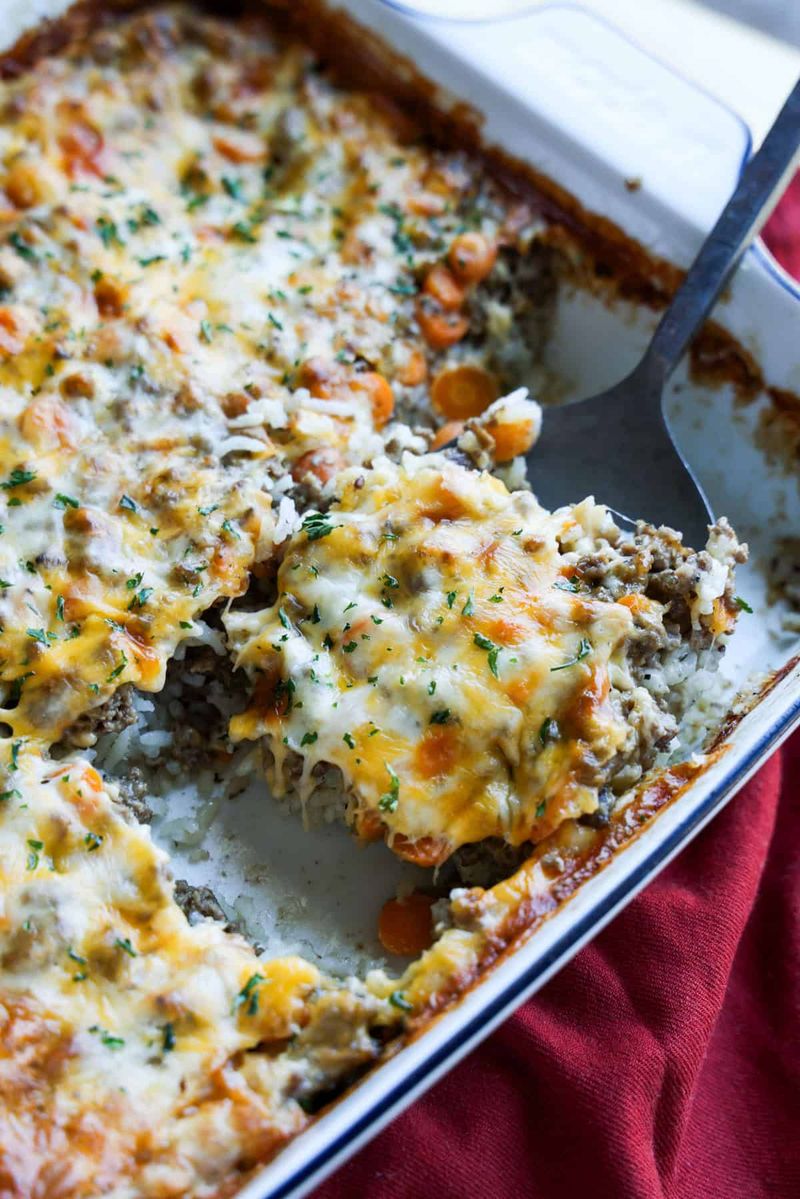
Casseroles are the definition of comfort cooking – warm, filling, and made to feed a crowd. But that crowd-serving quality is exactly what makes them tricky for restaurants to pull off.
Portioning a casserole into individual servings without it falling apart or drying out is genuinely difficult. Add in the time it takes to bake one from scratch, and most kitchens simply skip it.
At home, though, a good casserole is the kind of meal that feeds everyone and satisfies completely.
9. Stuffed Vegetables
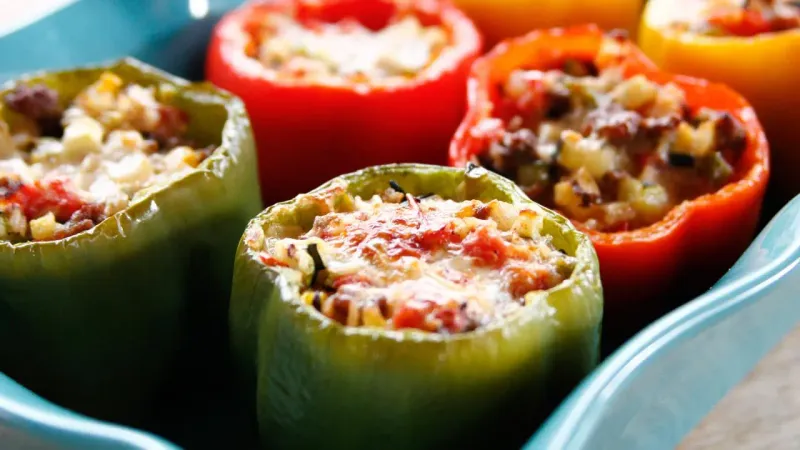
Stuffed grape leaves, cabbage rolls, and stuffed peppers carry a sense of heritage that feels deeply personal. These dishes are rooted in family traditions and regional recipes that vary from household to household.
That kind of authenticity is hard for a restaurant to replicate at scale without losing what makes them special. They also require careful prep and long cook times, which do not fit neatly into a commercial kitchen schedule.
Home cooking is where these dishes truly shine.
10. Liver and Onions
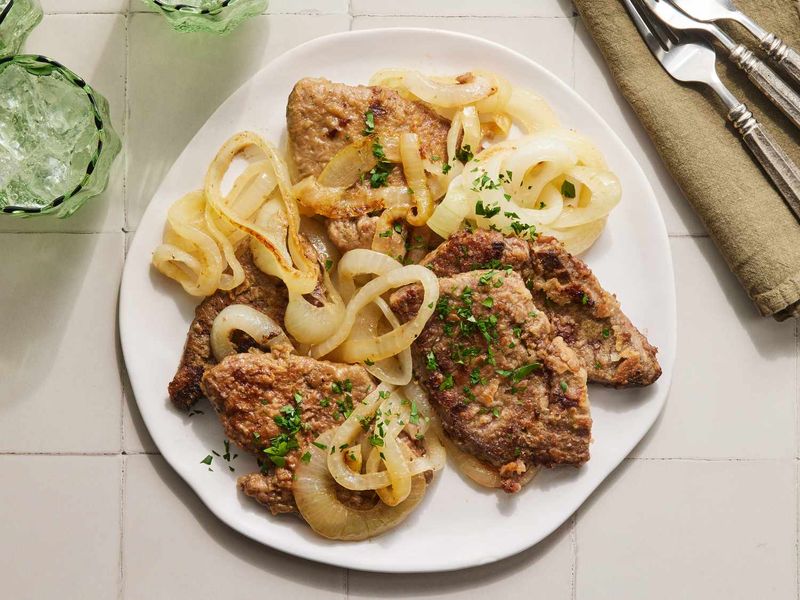
Back in the 1970s, liver and onions was a regular weeknight dinner in many American homes. Today, it is nearly impossible to find on a restaurant menu, largely because demand for organ meats has dropped sharply over the decades.
Younger generations grew up without it, making it feel unfamiliar rather than nostalgic. For those who do love it, cooking it at home is often the only option.
It is a dish that time has quietly pushed off the plate.
11. Milk Toast
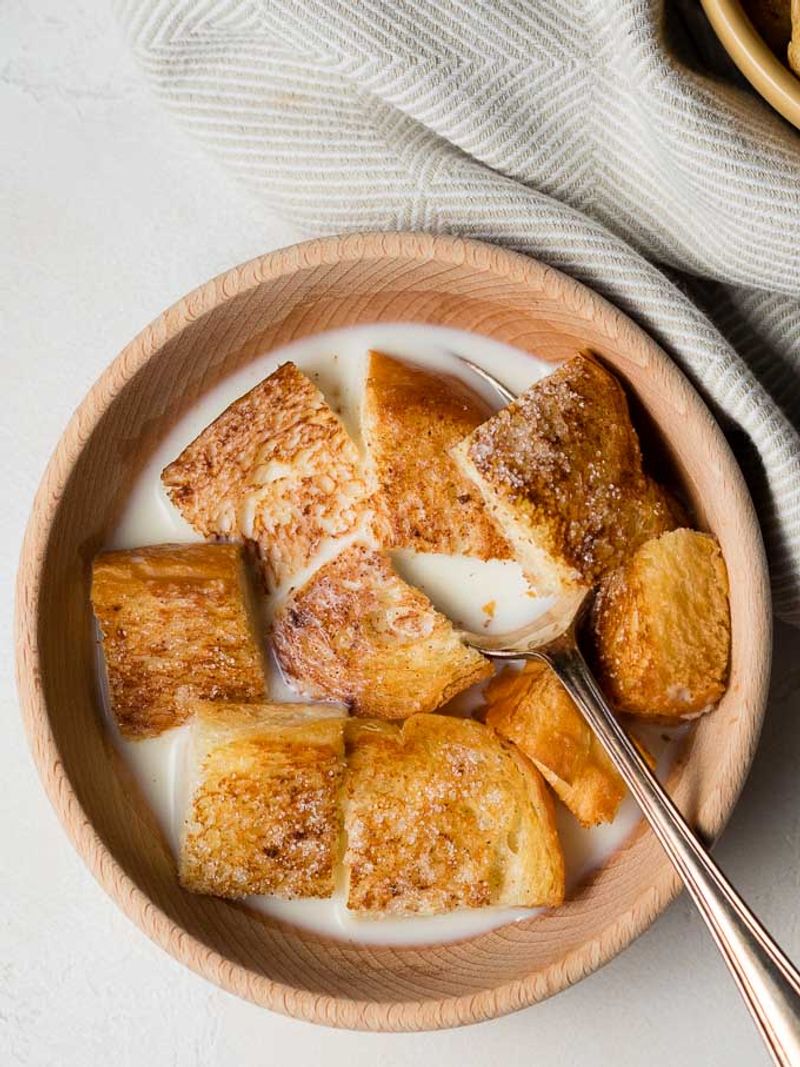
Milk toast sounds almost too simple to be real, but for generations of Americans in the late 1800s and early 1900s, it was a beloved sick-day staple. Toasted bread soaked in warm, lightly sweetened milk was considered soothing and easy on the stomach.
By modern standards, it seems incredibly plain, which is exactly why it has vanished from menus entirely. No restaurant is going to charge for soggy toast in warm milk, but there is something quietly charming about its old-fashioned simplicity.
12. Quiche
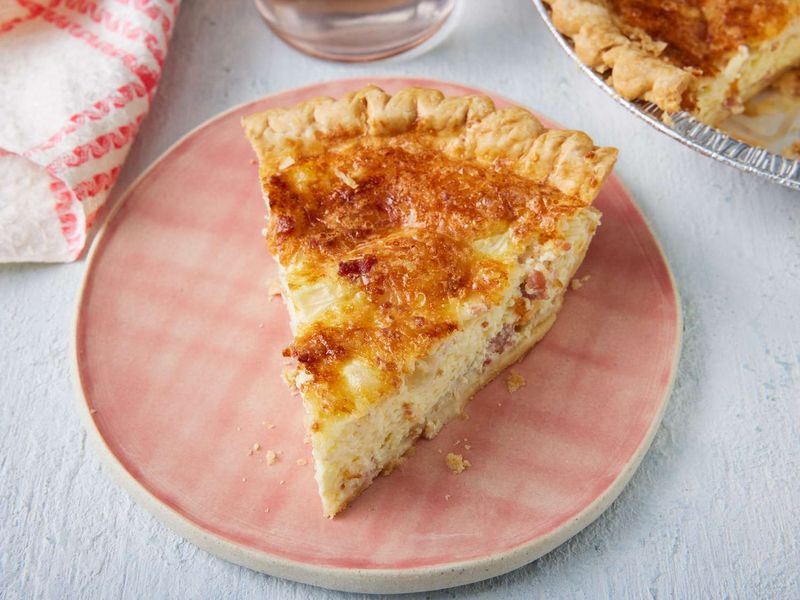
Quiche had a serious moment in the 1970s and 80s, appearing on brunch menus and at dinner parties everywhere. These days, it has faded from most restaurant menus, even though it is still a reliable and satisfying dish to make at home.
A good quiche requires patience, a properly blind-baked crust, and a silky egg filling, none of which are hard at home but are easy to rush in a commercial kitchen. Quiche deserves a comeback, and your oven is the best place to start.
13. Peanut Butter and Jelly Sandwich

The peanut butter and jelly sandwich is as American as it gets, a lunchbox legend that has fueled kids and adults alike for over a century. Yet walk into almost any restaurant and you will not find it on the menu.
The reason is pretty obvious – it costs almost nothing to make and takes about 90 seconds. Restaurants need dishes that justify a price tag, and PB and J simply does not.
Some classics are best enjoyed at home, and this is one of them.
14. Scrambled Eggs as a Standalone Entree
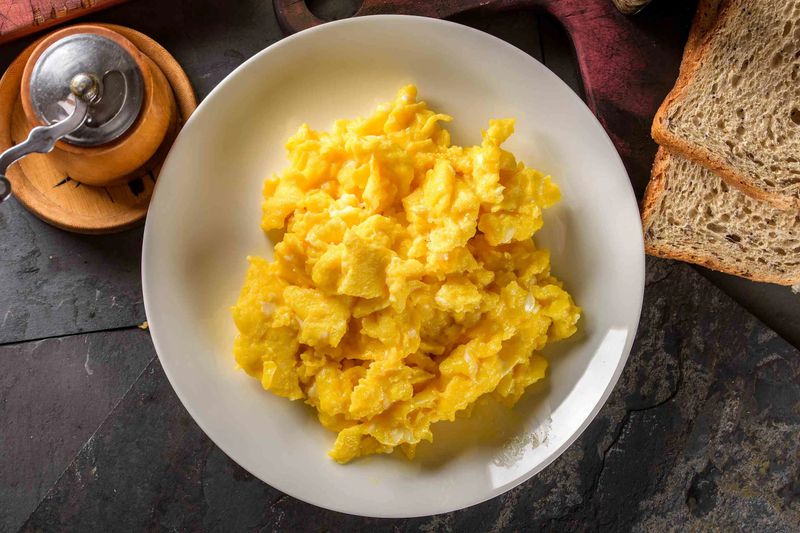
Perfectly scrambled eggs sound simple, but getting them just right is genuinely tricky. Whether you like them soft and custardy or fully set, achieving your ideal texture requires attention and timing that a busy restaurant kitchen rarely offers.
Restaurant scrambled eggs are often cooked in batches and held too long, which makes them rubbery and dry. At home, fresh out of the pan and made exactly to your taste, scrambled eggs can be absolutely perfect.
It is one of those dishes where home always wins.
15. Homemade Biscuits

Light, flaky, melt-in-your-mouth biscuits are one of the hardest things to get consistently right, even for experienced bakers. Restaurants that try often end up serving dense, gummy, or dry versions that disappoint.
The secret to a great biscuit is cold butter, a gentle hand, and a hot oven – conditions that are easier to control at home than in a high-volume kitchen. When biscuits are done right, they are extraordinary.
When they are done wrong, they are just sad bread lumps.
16. Dishes Needing Specialized High-Heat Equipment
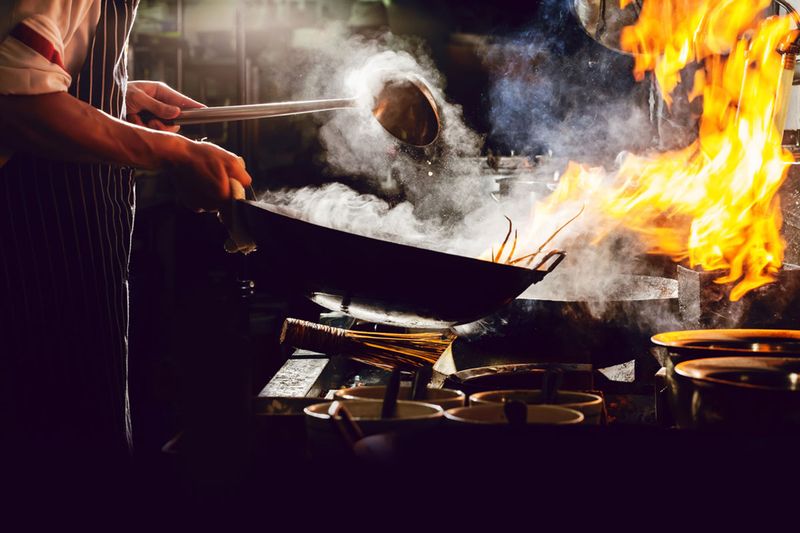
True brick oven pizza and authentic wok-fired stir-fry share one thing in common: they both need extreme heat that most standard kitchens cannot produce. Without that intense, focused heat, the results are noticeably different.
Even many restaurants lack the specialized equipment needed to do these dishes justice. A coal-fired pizza oven or a commercial wok burner is a major investment, and not every kitchen has one.
When the right equipment is missing, even great ingredients cannot save the dish.
17. Soup of the Day
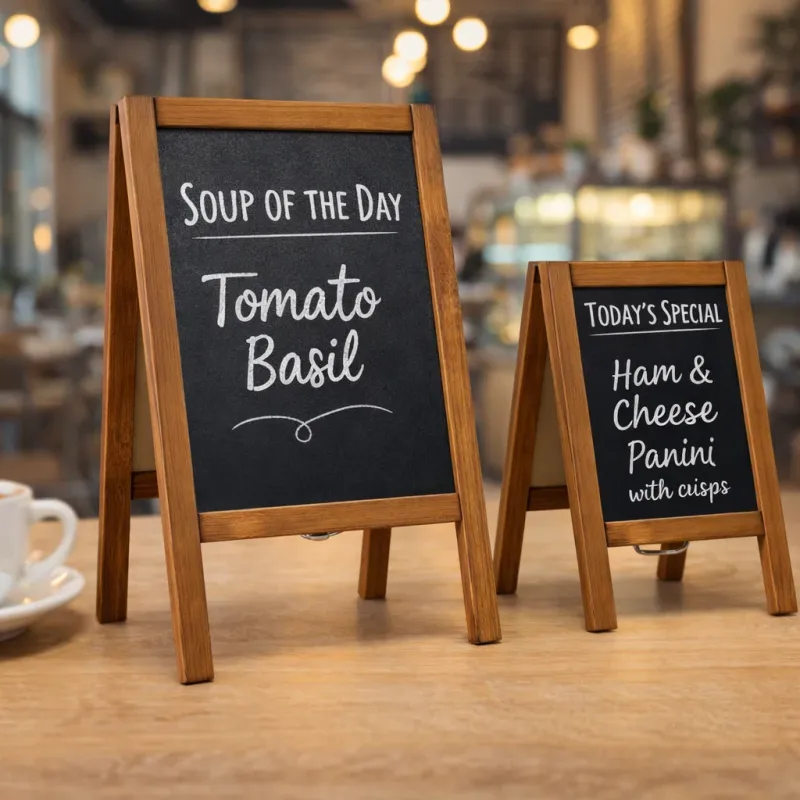
The soup of the day sounds like a fun, spontaneous menu option, but plenty of diners and chefs have a complicated relationship with it. The big question is always: how long has that soup actually been sitting there?
Concerns about freshness are real, and not every restaurant is transparent about when the soup was made. Some kitchens do it beautifully with truly daily batches, but others stretch yesterday’s pot into today’s special.
Homemade soup, made fresh and eaten right away, never leaves you guessing.
18. Foods That Don’t Travel Well for Delivery
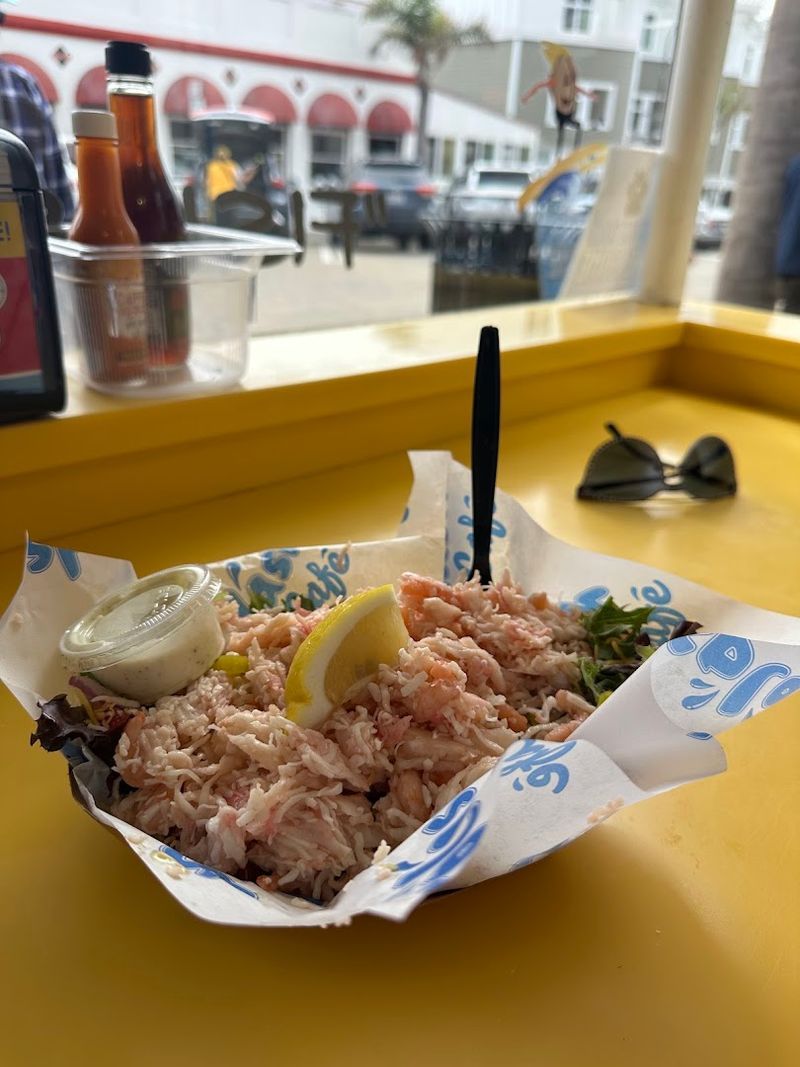
Fried calamari is a restaurant favorite, but by the time it reaches your door, it is often a sad, soggy version of its former crispy self. Delicate pastries face the same fate, arriving crushed or deflated after a bumpy delivery ride.
Smart restaurants quietly remove these items from their delivery menus rather than send out disappointing food. It is not that the dish is bad – it is just that some foods are meant to be eaten the moment they leave the kitchen, not 30 minutes later.