
McDonald’s Filet-O-Fish might look like a simple sandwich, but there’s a surprisingly rich story behind that little square of breaded fish and half-slice of cheese. From its humble beginnings in a Cincinnati neighborhood to becoming a global favorite, this sandwich has earned its spot on the menu in a big way.
Whether you eat it every Friday during Lent or just grab one when the mood strikes, these 15 facts might just change the way you look at your next Filet-O-Fish.
1. The Man Who Invented It
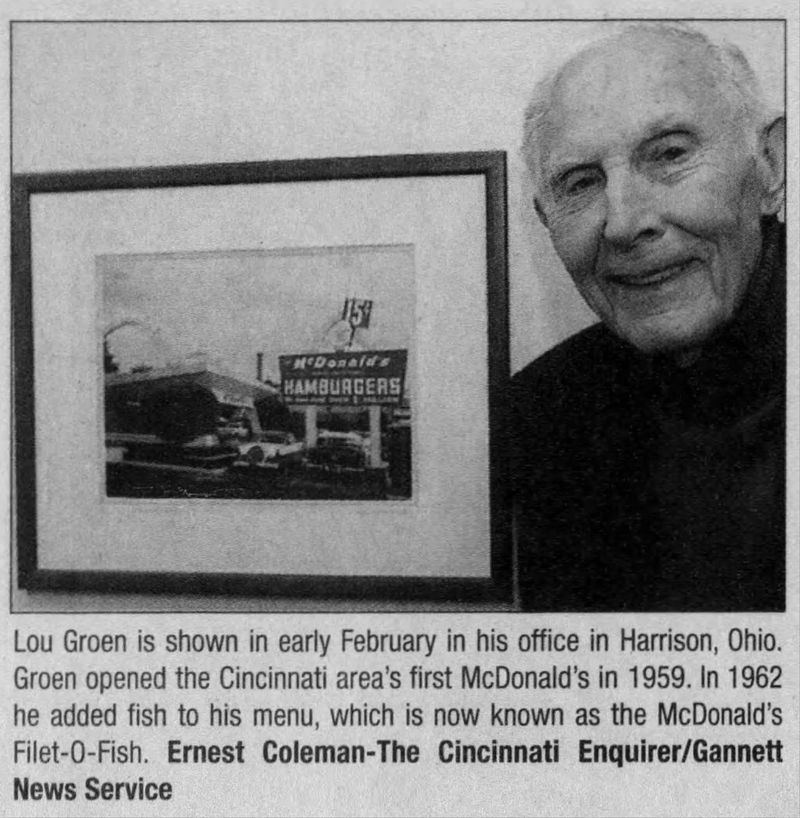
Lou Groen wasn’t a corporate executive or a famous chef — he was just a McDonald’s franchise owner in Cincinnati, Ohio, trying to keep his business alive. In 1962, he noticed that his hamburger sales dropped sharply every Friday because many of his customers were Catholic and didn’t eat meat.
So he put on his thinking cap and came up with a fish sandwich that would keep customers coming back all week long.
2. Friday Sales Were the Real Problem
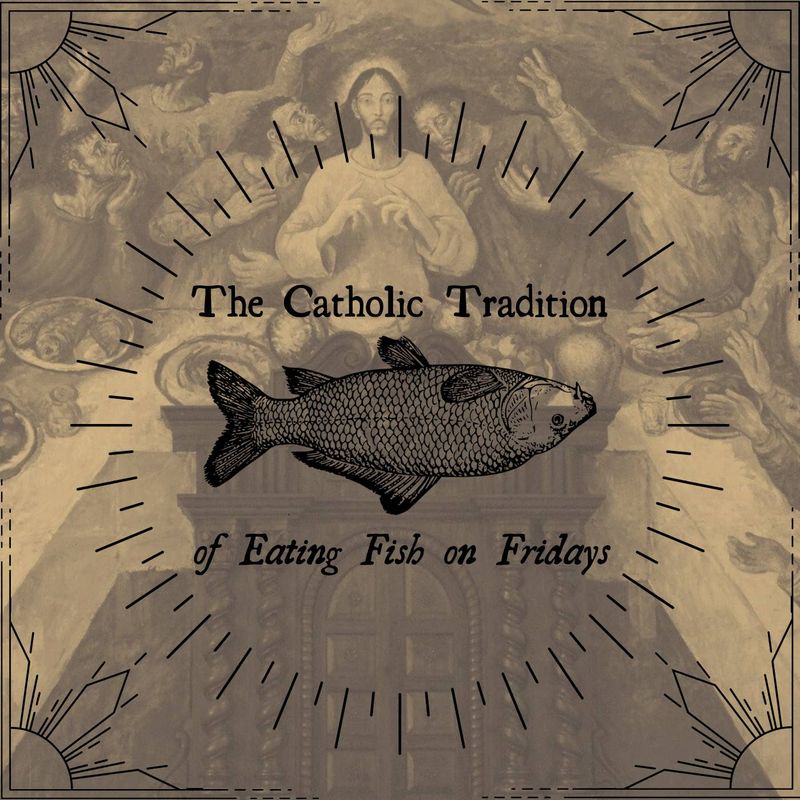
Groen’s Cincinnati neighborhood was home to a large Catholic community, and Catholic tradition meant no meat on Fridays — especially during Lent. His hamburger sales would practically fall off a cliff every week.
That weekly slump pushed him to get creative fast.
Rather than accept the loss, Groen saw a real opportunity. A fish option could fill the gap and keep customers loyal even on meat-free days.
Sometimes the best ideas come straight from a problem that needs solving.
3. Ray Kroc Had a Very Different Idea
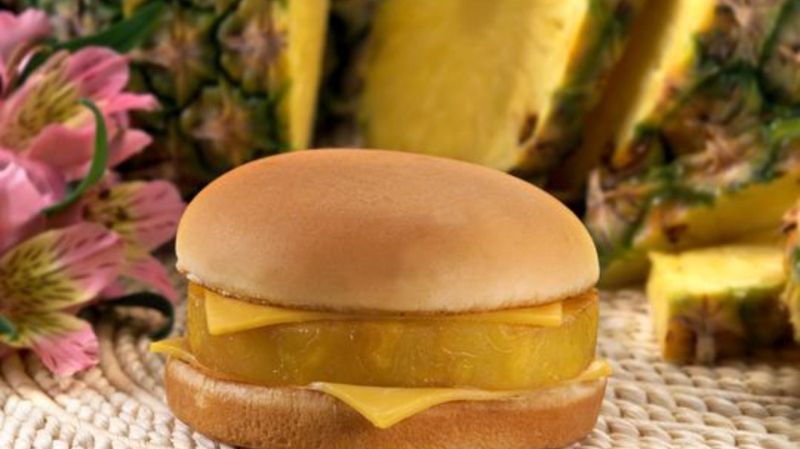
Ray Kroc, the man who built McDonald’s into a global empire, wasn’t exactly cheering for the fish sandwich idea. He had his own meatless creation in mind — something he called the “Hula Burger.” It was a grilled pineapple slice topped with cheese on a bun, and Kroc was convinced it was the future.
The idea sounds a bit wild today, but Kroc genuinely believed in it. He and Groen agreed to settle the debate the old-fashioned way: a friendly competition.
4. The Good Friday Showdown
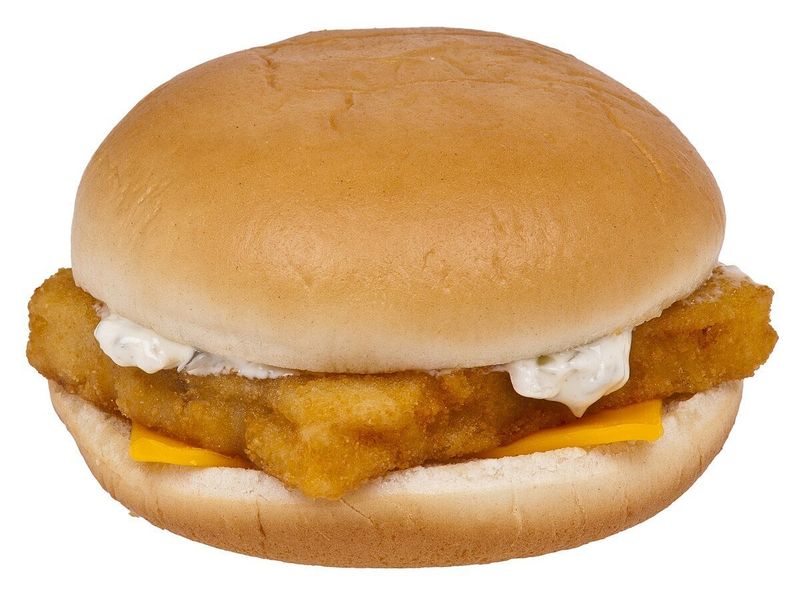
Picture this: Good Friday, 1962, and two sandwiches are going head-to-head for a spot on the McDonald’s menu. Lou Groen’s fish sandwich faced off against Ray Kroc’s Hula Burger in a one-day sales contest.
The rules were simple — whichever sold more would earn its place on the menu.
By the end of the day, the fish sandwich had sold 350 units. The Hula Burger?
Just six. That lopsided result pretty much settled the debate for good.
5. A Menu-Changing Milestone in 1965
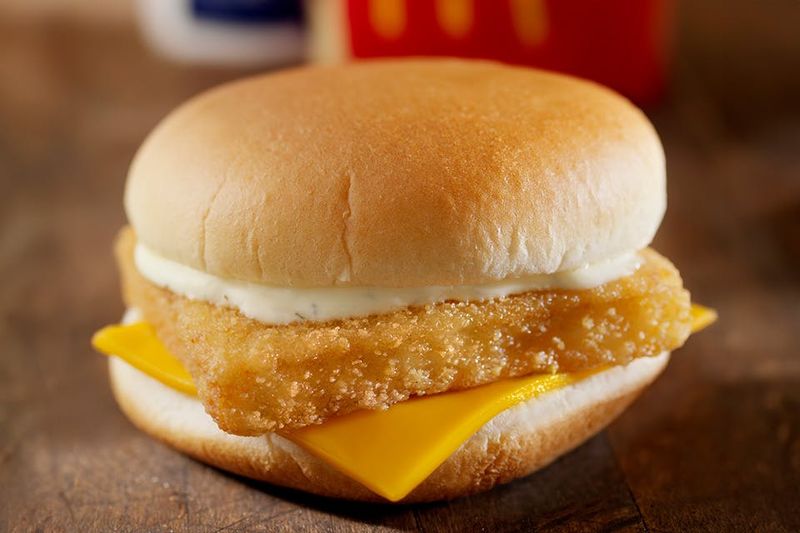
After crushing the Hula Burger in that legendary contest, the Filet-O-Fish earned its spot at McDonald’s restaurants everywhere. By 1965, it became the first non-hamburger item ever added to McDonald’s national menu — a pretty big deal for a chain that had built its entire identity around the burger.
That single addition opened the door for everything that came after, from chicken sandwiches to salads. The little fish sandwich quietly changed the direction of fast food history.
6. It Only Cost 29 Cents at Launch
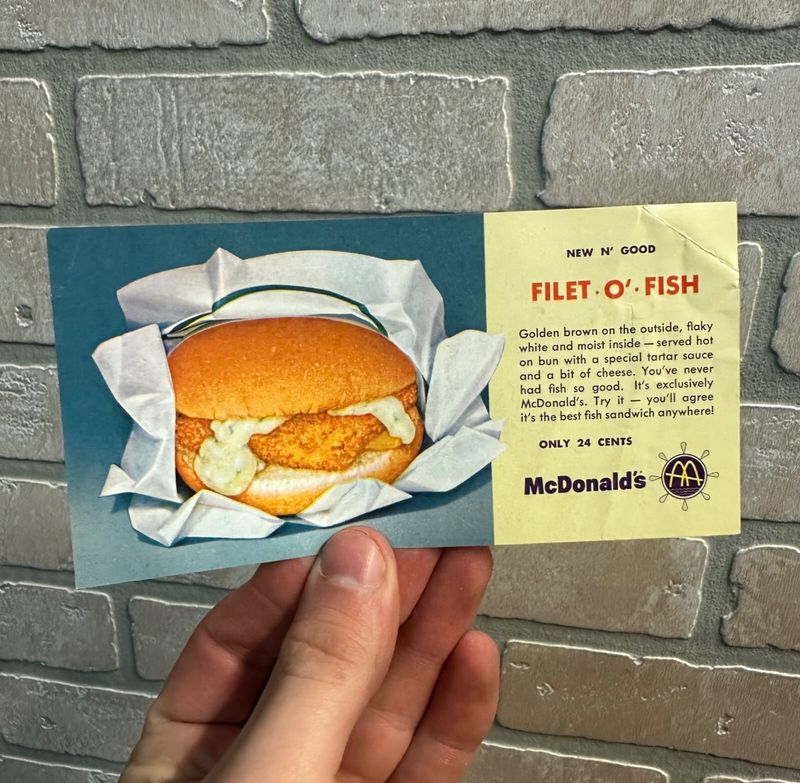
Back in 1965, grabbing a Filet-O-Fish would only set you back 29 cents. That’s less than a third of a dollar for a full fish sandwich!
Prices were obviously very different back then, but even by 1960s standards, it was an affordable meal option for working families.
Adjusted for inflation, that 29-cent sandwich would cost a little over $3 today — still cheaper than what you’d pay at most fast food spots now. Value was baked in from the very beginning.
7. The Recipe Has Barely Changed
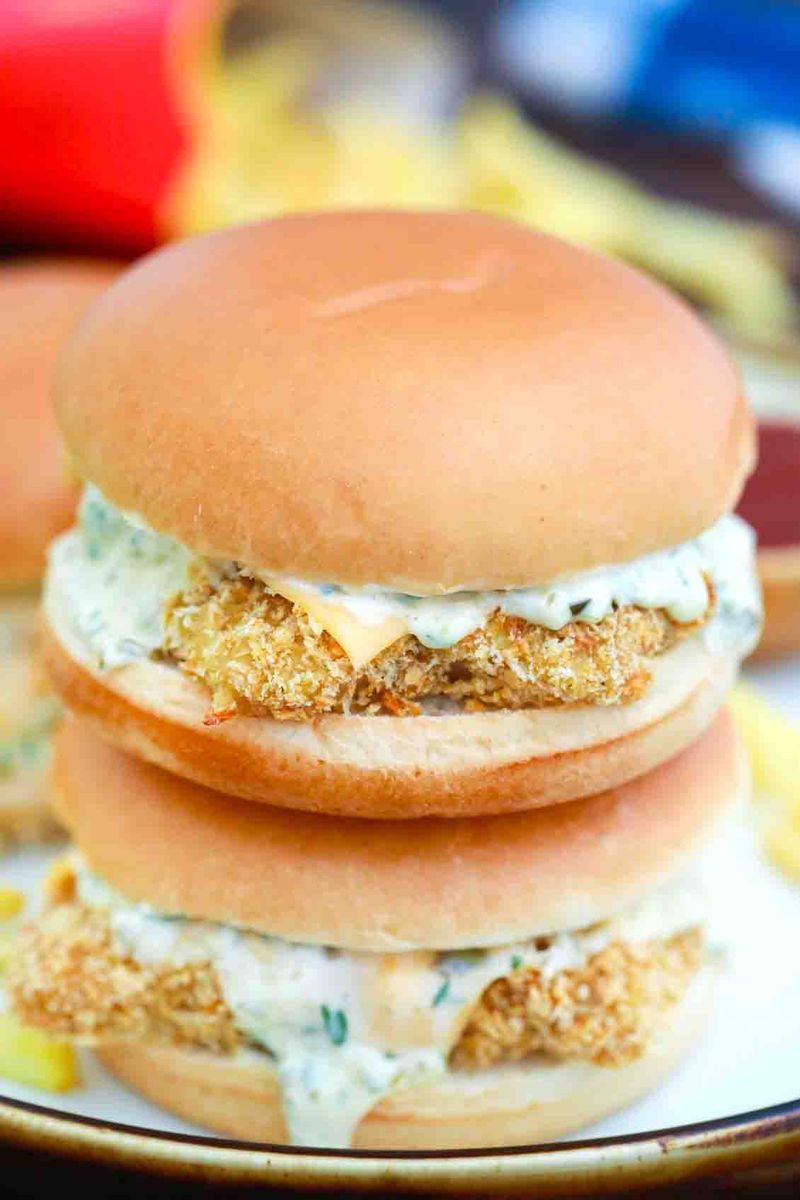
Fried breaded fish fillet. Steamed bun.
Tartar sauce. Half a slice of American cheese.
That’s basically the Filet-O-Fish recipe, and it’s been that way for decades. McDonald’s hasn’t felt the need to dramatically overhaul it, and honestly, why would they?
There’s something comforting about a recipe that stands the test of time. Fans of the sandwich know exactly what they’re getting every single time they order, and that consistency is a huge part of its lasting appeal.
8. The Fish Has Changed Over the Years
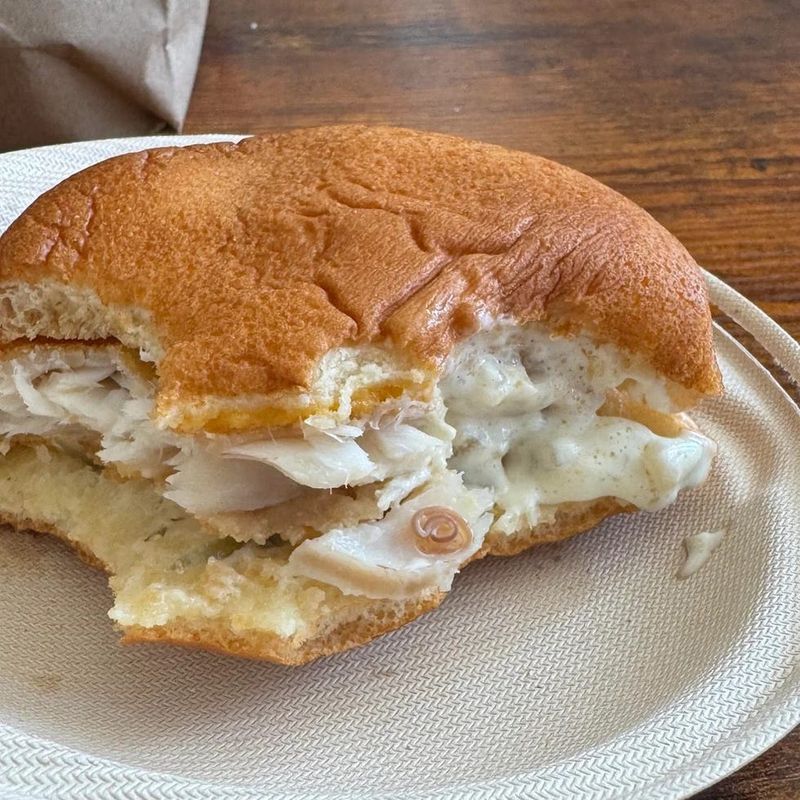
Not everything about the Filet-O-Fish has stayed the same. The type of fish inside the sandwich has actually gone through a few changes since the 1960s.
It started with halibut, then switched to Atlantic cod, and now the U.S. version uses 100% wild-caught Alaskan Pollock.
Alaskan Pollock is a mild, flaky white fish that holds up well to breading and frying. It’s widely available, which helps McDonald’s keep the sandwich consistent across thousands of locations nationwide.
9. Sustainability Matters to the Sourcing
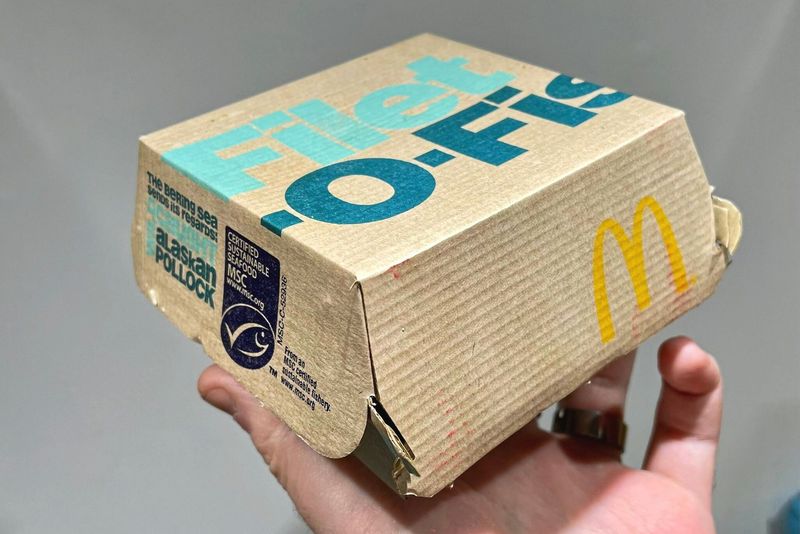
McDonald’s says the fish used in its Filet-O-Fish comes from sustainably managed fisheries. That means the fish are caught in ways that help protect ocean ecosystems and prevent overfishing.
For a company serving millions of sandwiches every year, responsible sourcing actually makes a real difference.
The Alaskan Pollock used in U.S. sandwiches is certified by the Marine Stewardship Council (MSC), one of the most recognized sustainability standards in the seafood industry. Eating well and doing good at the same time?
That’s a win.
10. Fish Gets Its Own Fryer
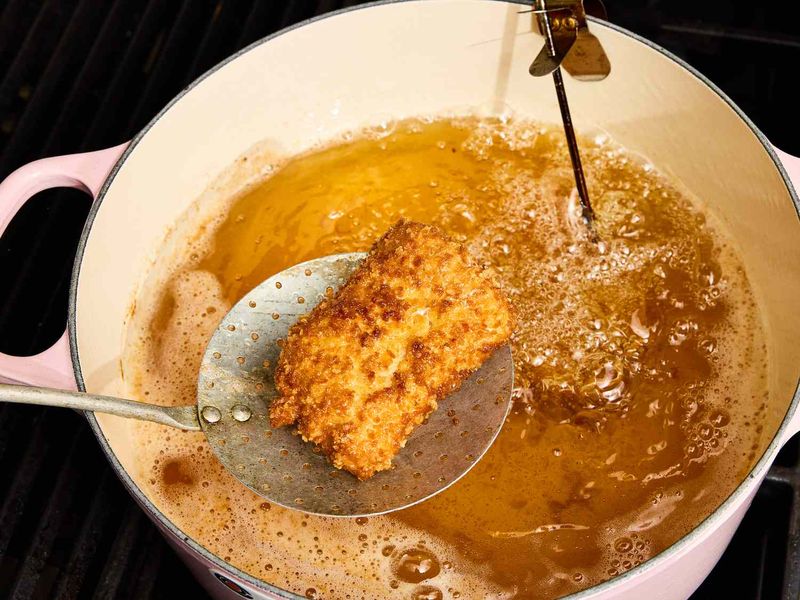
Ever wonder why your Filet-O-Fish tastes like fish and not like french fries? McDonald’s actually cooks the fish patties in completely separate fryers from everything else.
This keeps the flavors from mixing together and ensures the fish tastes the way it’s supposed to.
It’s a small but thoughtful kitchen detail that makes a real difference in the final product. Cross-contamination of flavors (and allergens) is taken seriously, so dedicated fryers are a smart and practical solution all around.
11. Why Only Half a Slice of Cheese?
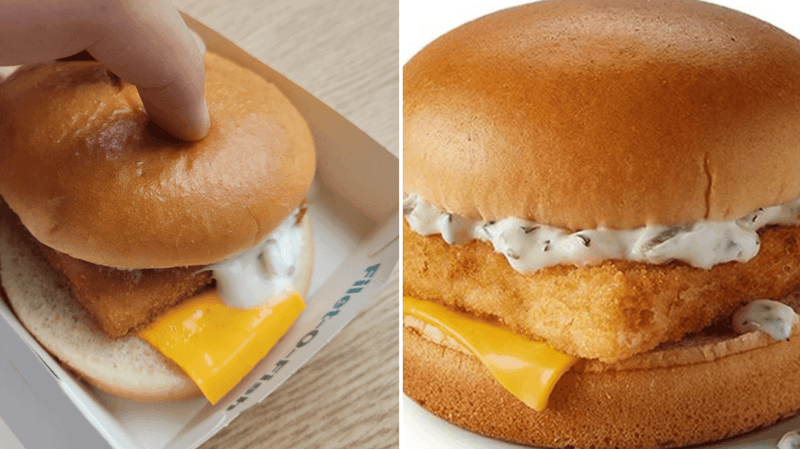
Here’s a quirky detail that has sparked countless debates among fast food fans: the Filet-O-Fish only gets half a slice of American cheese. Not a full slice — exactly half.
McDonald’s has said this is intentional, designed to keep the cheese from overpowering the delicate fish flavor.
Some people think it’s just a cost-cutting move, but the official reasoning is about balance. Whatever the real story, that half-slice has become one of the sandwich’s most recognizable — and endlessly mocked — features.
12. A Bun Unlike Any Other at McDonald’s
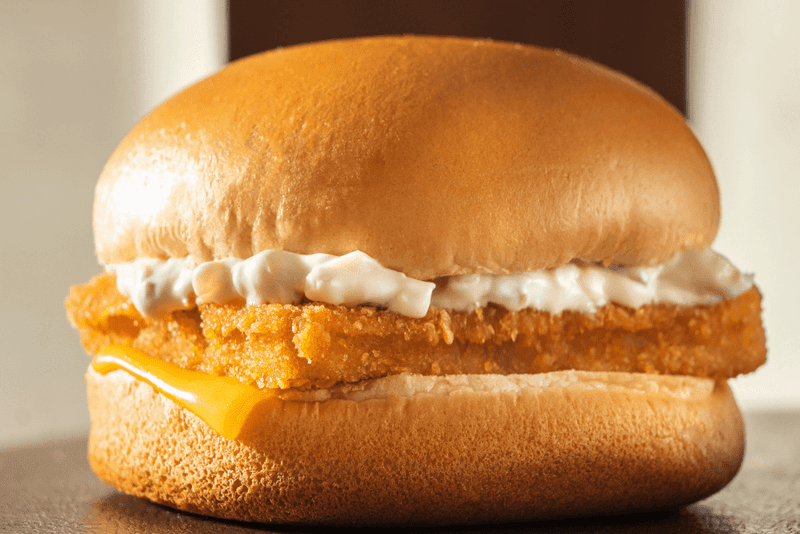
While most McDonald’s sandwiches are served on toasted buns, the Filet-O-Fish gets something a little different — a steamed bun. Steaming gives the bun a softer, fluffier texture that pairs well with the crispy fish fillet and creamy tartar sauce inside.
It’s one of those details you might not notice until someone points it out, but it genuinely changes the eating experience. That pillowy softness has become a signature part of what makes the Filet-O-Fish feel like its own unique sandwich.
13. Lent Sends Sales Through the Roof
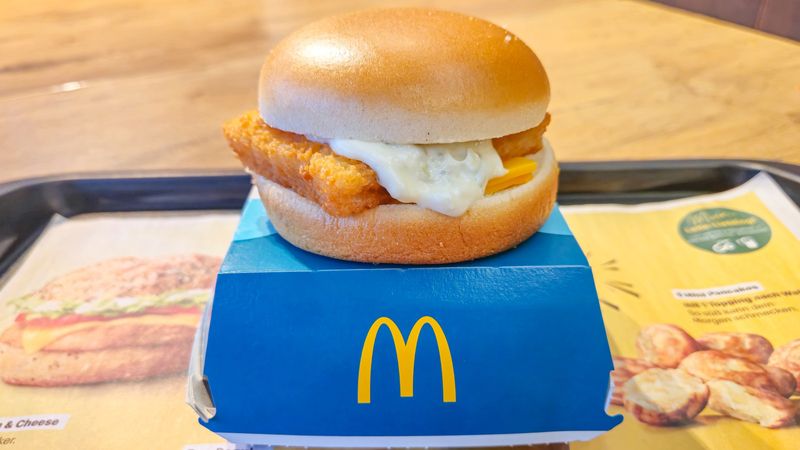
The Filet-O-Fish is available all year long, but there’s one stretch of the calendar when it becomes a true superstar: Lent. During the roughly 40-day Lenten season, about 25% of all annual Filet-O-Fish sales happen.
That’s a quarter of the whole year’s sales packed into just a few weeks.
McDonald’s knows this well and often runs special Lenten promotions to capitalize on the surge. The sandwich’s Catholic origins have clearly given it a loyal seasonal fanbase that shows up every single year.
14. 300 Million Sandwiches Sold Every Year
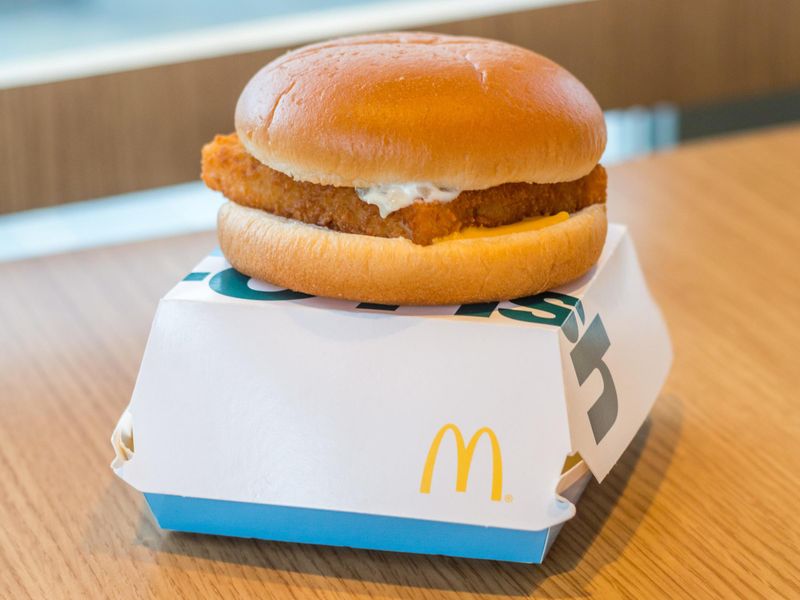
Around 300 million Filet-O-Fish sandwiches are sold globally every single year. That number is almost hard to wrap your head around.
If you lined them all up end to end, they’d stretch from New York to Los Angeles and back — many times over.
For a sandwich that almost never made it to the menu, that’s a remarkable legacy. The Filet-O-Fish has quietly become one of the most popular fast food fish options on the entire planet, decade after decade.
15. The Calorie Count Might Surprise You
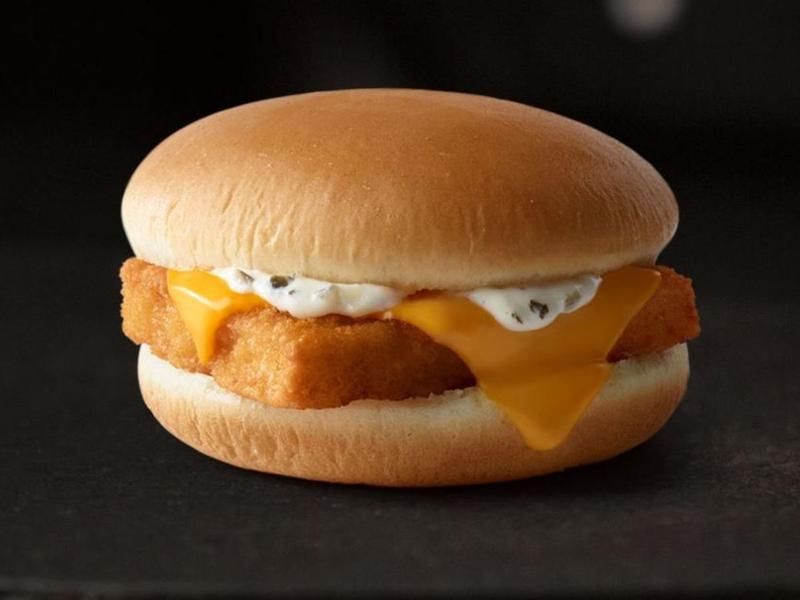
A single Filet-O-Fish sandwich contains roughly 380 to 390 calories, which puts it on the lighter end of the McDonald’s menu compared to many burgers. For a fast food option, that’s actually pretty reasonable — especially if you skip the large fries and soda on the side.
Of course, calories aren’t the whole nutrition story, but for people keeping an eye on their intake, the Filet-O-Fish offers a relatively manageable choice. It’s one reason some customers reach for it as their go-to lighter option.