
The year 1957 was a golden moment in cinema history, producing films that tackled war, justice, love, and the human condition in ways that still feel fresh today. From courtroom dramas to philosophical masterpieces, these movies pushed boundaries and changed what audiences expected from storytelling.
Many of them earned major awards, sparked important conversations, and influenced countless filmmakers who came after. Here are 18 films from that remarkable year that are absolutely worth your time.
1. 12 Angry Men
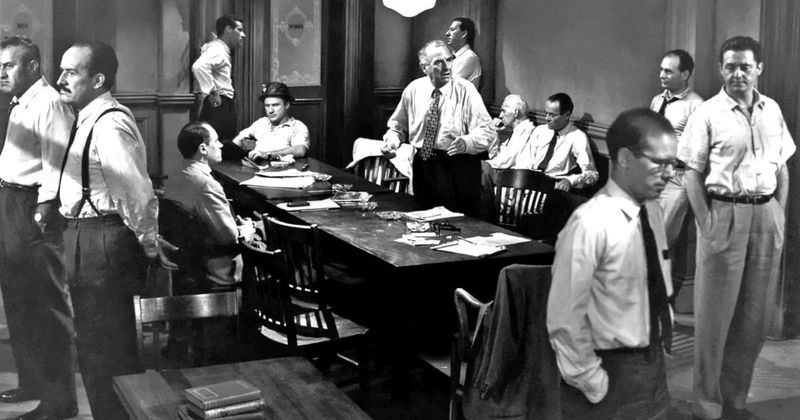
A single juror refuses to go along with the crowd, and that decision changes everything. Sidney Lumet’s directorial debut traps twelve men in a sweltering jury room as they debate a young man’s fate.
The film holds a perfect 100% on Rotten Tomatoes and was preserved in the U.S. National Film Registry.
Every argument feels razor-sharp and real. Justice, prejudice, and personal bias collide in one of cinema’s most gripping dramas ever filmed.
2. The Seventh Seal
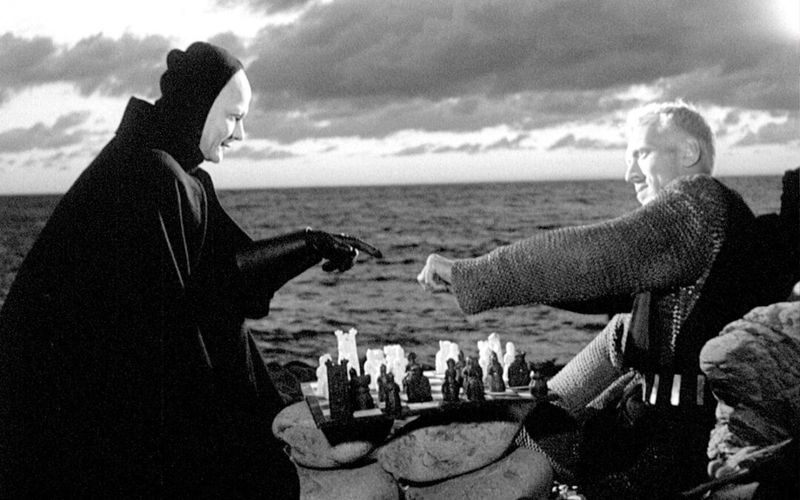
Imagine sitting across from Death at a chessboard, wagering your life one move at a time. Swedish director Ingmar Bergman created one of cinema’s most iconic images with exactly that premise.
Set during the Black Plague, this philosophical drama wrestles with faith, doubt, and what it means to be alive.
The film helped launch the European Art Cinema movement. Audiences and critics still study it as a profound meditation on human existence.
3. Paths of Glory
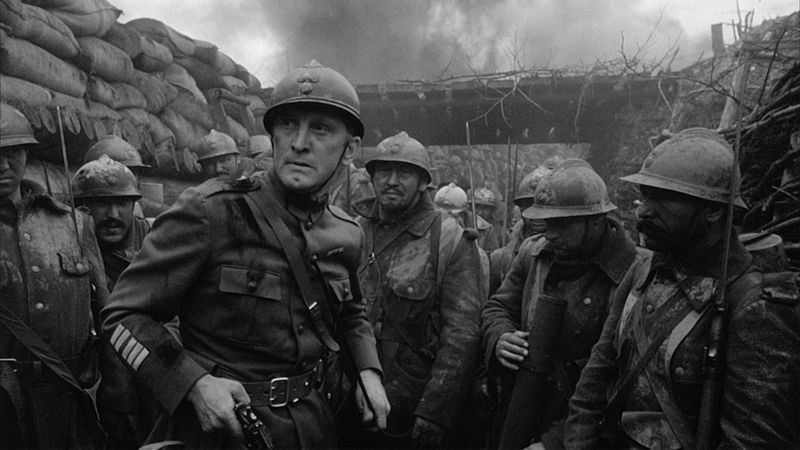
Stanley Kubrick was only 29 years old when he made this devastating anti-war film, and it hit like a thunderclap. Three French soldiers are court-martialed for cowardice after being ordered on a suicidal attack no sane person could survive.
Kirk Douglas delivers one of his finest performances as Colonel Dax, their defiant defender.
Ranked among the best films ever made by Rotten Tomatoes, Paths of Glory remains a searing critique of military arrogance and blind authority.
4. The Bridge on the River Kwai
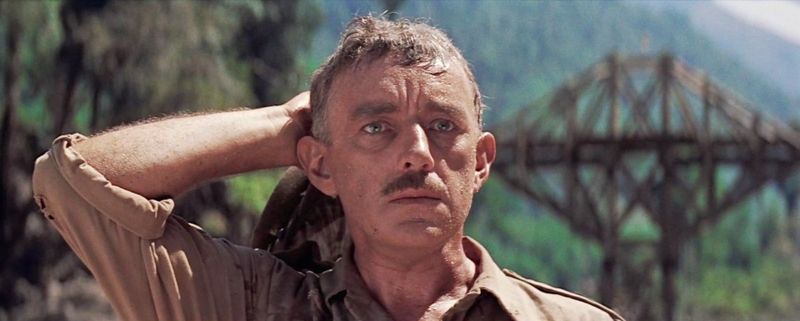
Seven Academy Awards, including Best Picture, say a lot about a film’s impact. David Lean’s epic war drama places British prisoners in a Japanese POW camp, forced to construct a strategic bridge for their captors.
What unfolds is less about action and more about psychology, pride, and dangerously misplaced honor.
The film blurs the line between duty and self-deception in ways that feel surprisingly modern. Its famous whistled march still echoes through popular culture today.
5. Nights of Cabiria
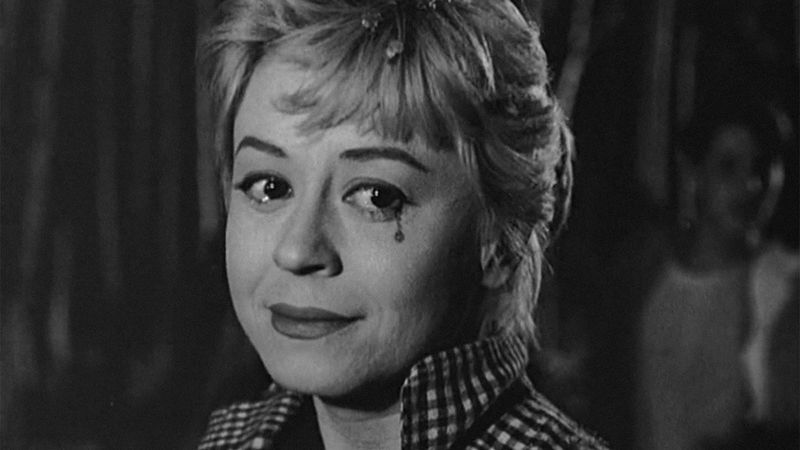
Giulietta Masina plays Cabiria with a smile so heartbreaking it stays with you for days. Federico Fellini’s masterpiece follows a street-level woman in Rome whose stubborn optimism keeps getting crushed by the world around her, yet she refuses to quit.
The film won the Academy Award for Best Foreign Language Film.
What makes it timeless is Cabiria’s fierce spirit. She reminds viewers that dignity does not require perfect circumstances, just an unbreakable will.
6. Sweet Smell of Success
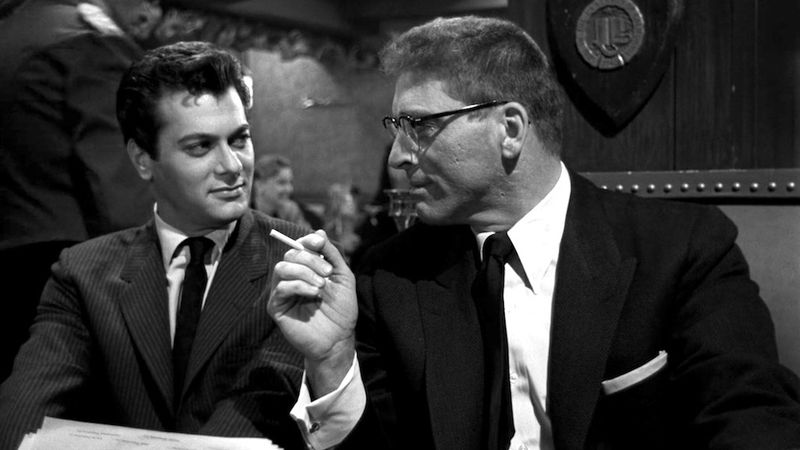
Flopped at the box office in 1957. Celebrated as a masterpiece today.
Sweet Smell of Success is a slick, cynical film noir about media power and moral corruption in New York City. Burt Lancaster plays a ruthless newspaper columnist while Tony Curtis is the desperate press agent willing to do anything to please him.
With a 98% Tomatometer rating, this film now ranks among the greatest ever made. Its warnings about media manipulation feel startlingly relevant in today’s world.
7. Wild Strawberries
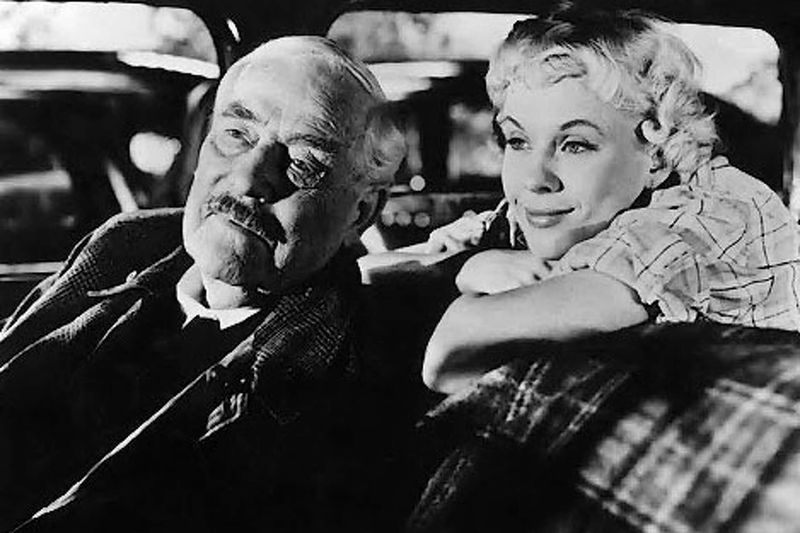
Not many films can make you rethink your entire life during a single road trip, but this one manages it beautifully. Ingmar Bergman’s Wild Strawberries follows an aging professor who revisits memories and regrets while traveling to accept an honorary degree.
The emotional warmth here is surprising coming from a director known for heavy themes.
Victor Sjostrom’s lead performance is quietly unforgettable. The film leaves viewers with a surprisingly hopeful message about self-awareness and the possibility of change.
8. Throne of Blood
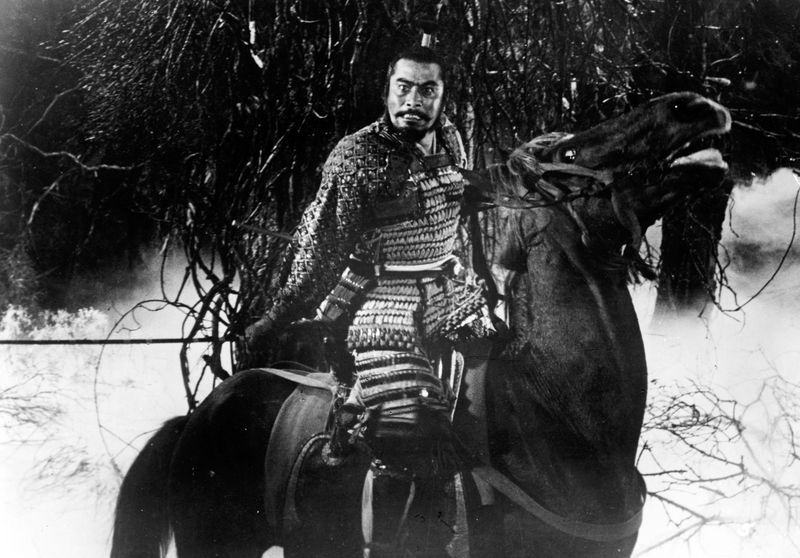
Akira Kurosawa took Shakespeare’s Macbeth and transported it to feudal Japan, and the result is absolutely haunting. Toshiro Mifune commands every frame with an intensity that goes beyond words, conveying ambition and paranoia through movement and expression alone.
The fog-soaked forest scenes rank among cinema’s most visually stunning sequences.
Purists and newcomers alike admire this adaptation for honoring the spirit of the original play while creating something entirely its own. It is Kurosawa at his most atmospheric.
9. The Incredible Shrinking Man
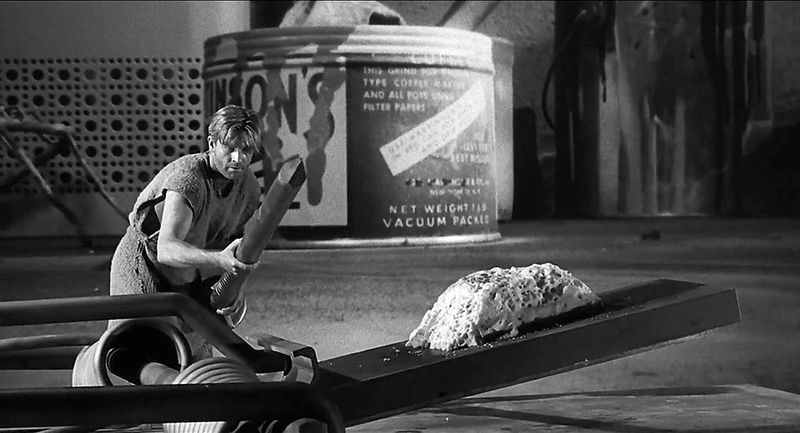
What starts as a quirky sci-fi premise quickly becomes something far more philosophical. After exposure to a radioactive cloud, a man begins shrinking and must redefine his identity, purpose, and worth as the world grows impossibly large around him.
Based on Richard Matheson’s novel, the film treats its strange concept with surprising seriousness.
The final monologue alone elevates it above typical genre fare. This pioneering 1957 film asks big questions wrapped inside a very small package.
10. An Affair to Remember
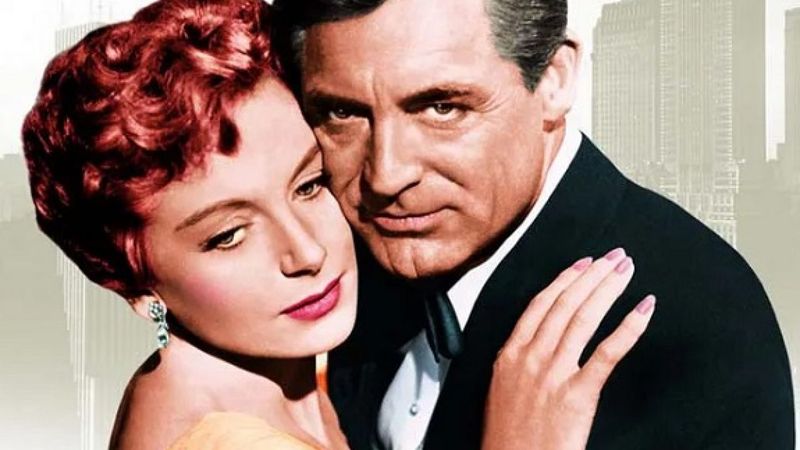
Two strangers meet on a transatlantic cruise, fall deeply in love, and make a promise to reunite at the top of the Empire State Building. Simple premise, devastating execution.
Director Leo McCarey brings genuine restraint and sincerity to what could easily have been a sugary romance.
Cary Grant and Deborah Kerr share undeniable chemistry throughout. The film became such a cultural touchstone that it was lovingly referenced in the 1993 hit Sleepless in Seattle.
11. A Face in the Crowd
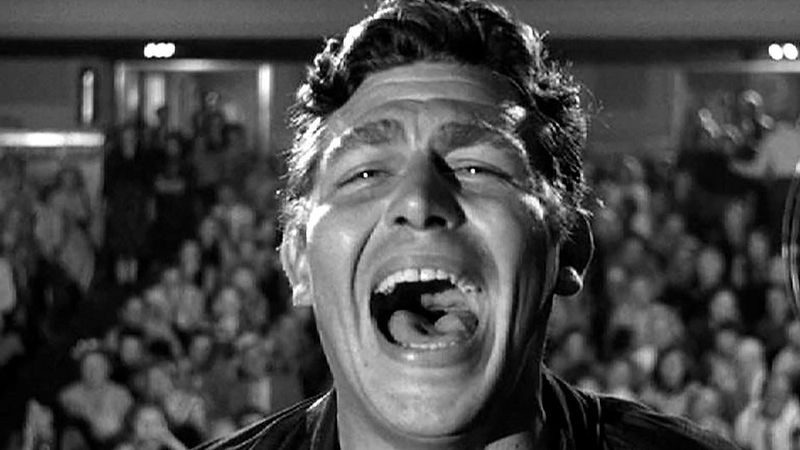
Long before reality television and social media influencers existed, Elia Kazan imagined exactly how dangerous a charming nobody could become with a camera and an audience. Andy Griffith plays Lonesome Rhodes, a drifter who transforms into a media phenomenon with terrifying speed and arrogance.
The film is a sharp, uncomfortable warning about celebrity and propaganda.
Critics today call its predictions remarkably accurate. Watching it now feels less like watching a classic film and more like reading tomorrow’s headlines.
12. The Cranes Are Flying
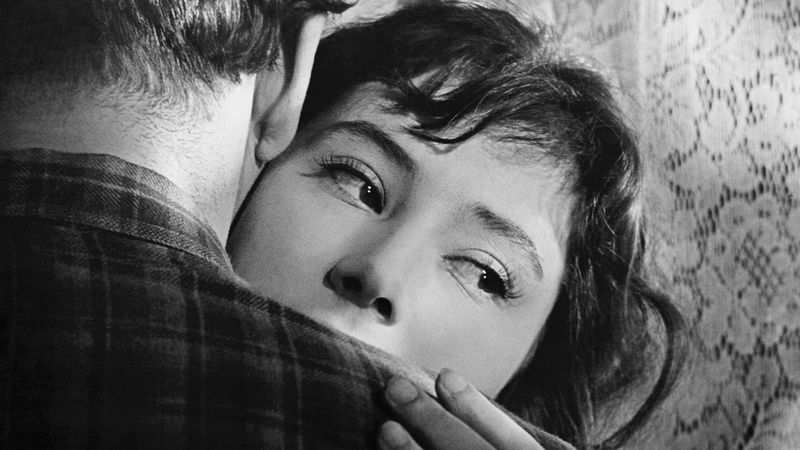
Winner of the Palme d’Or at Cannes, this breathtaking Soviet film proves that great love stories transcend all political borders. Set against the chaos of World War II, it follows a young woman navigating grief, betrayal, and fragile hope while her beloved fights at the front.
The camerawork is genuinely extraordinary for its era.
Director Mikhail Kalatozov used sweeping, inventive shots that felt revolutionary in 1957. The film’s emotional honesty continues to move audiences around the world today.
13. Witness for the Prosecution
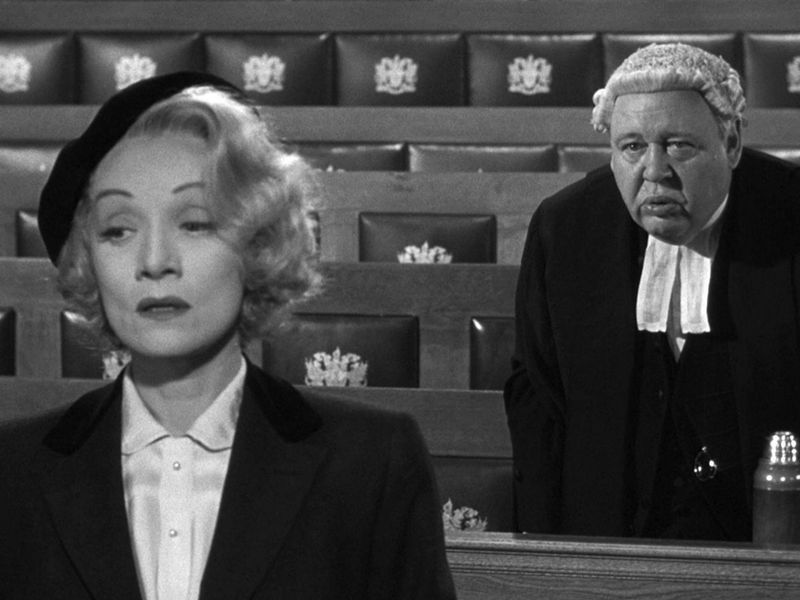
Billy Wilder directing an Agatha Christie courtroom thriller sounds almost too good to be true, yet here it is. Charles Laughton and Marlene Dietrich deliver performances so layered and surprising that first-time viewers rarely see the ending coming.
The twists stack up beautifully without ever feeling cheap or manipulative.
Courtroom dramas rarely achieve this level of elegant suspense. Decades later, Witness for the Prosecution still holds up as one of the most satisfying mystery films ever crafted.
14. Peyton Place
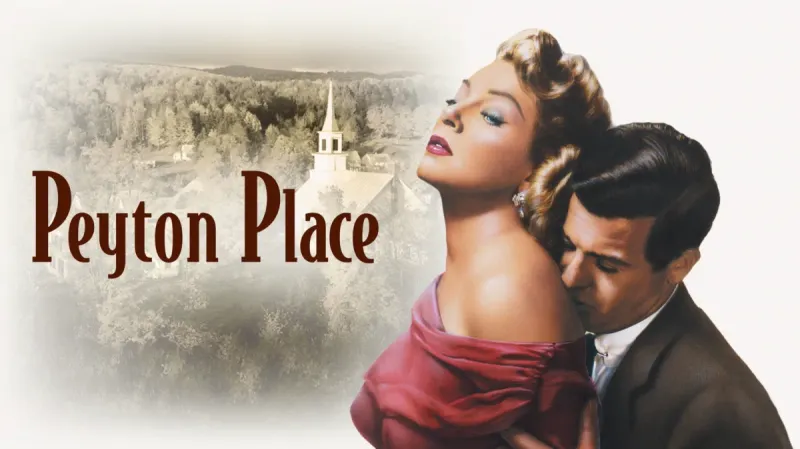
Beneath Peyton Place’s charming small-town exterior lurks scandal, repression, and secrets that the community desperately wants buried. Based on Grace Metalious’s controversial bestselling novel, the film adaptation peeled back the comfortable facade of postwar American life with surprising boldness for its time.
It earned nine Academy Award nominations.
The story later inspired one of television’s first long-running soap operas. As a film, it remains a fascinating snapshot of the social tensions simmering beneath 1950s suburban respectability.
15. Funny Face
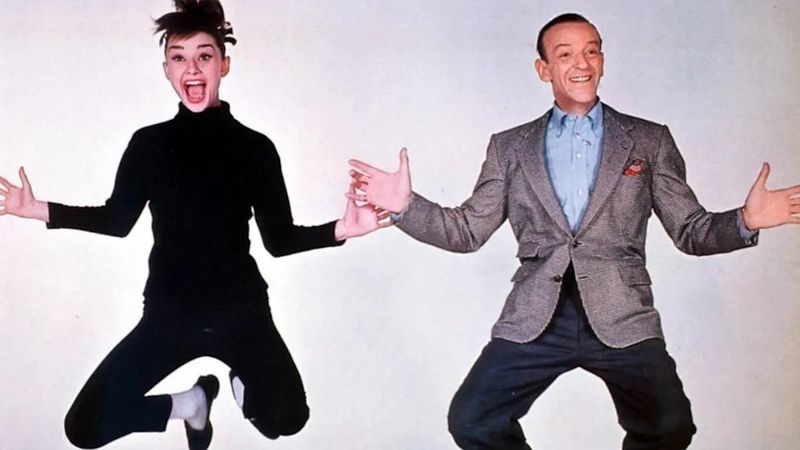
Fred Astaire and Audrey Hepburn together in Paris, dancing to Gershwin songs while the world looks impossibly glamorous. Funny Face is pure cinematic joy from start to finish, blending fashion photography, intellectual humor, and irresistible musical numbers into something completely its own.
Hepburn’s effortless charm anchors every scene she inhabits.
The film’s visual style was groundbreaking for its era. Even today, its color palette and costume design feel fresh and aspirational, making it a favorite among fashion enthusiasts worldwide.
16. 3:10 to Yuma
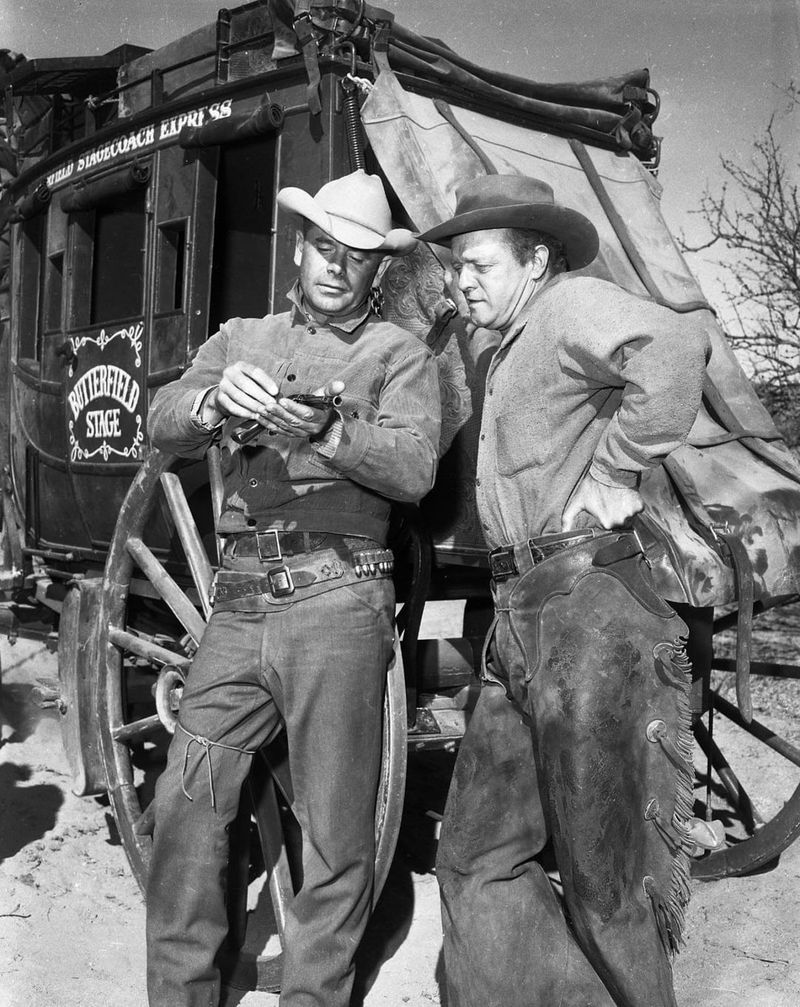
Forget shootouts and sweeping landscapes for a moment. The original 3:10 to Yuma is a Western built almost entirely on psychological tension and moral pressure.
A struggling rancher agrees to escort a charming but deadly outlaw to a prison train, and the battle of wills between them is absolutely gripping. Glenn Ford and Van Heflin are perfectly matched.
The film influenced an entire generation of character-driven Westerns. Its 2007 remake is proof that this story still commands serious attention.
17. Jailhouse Rock
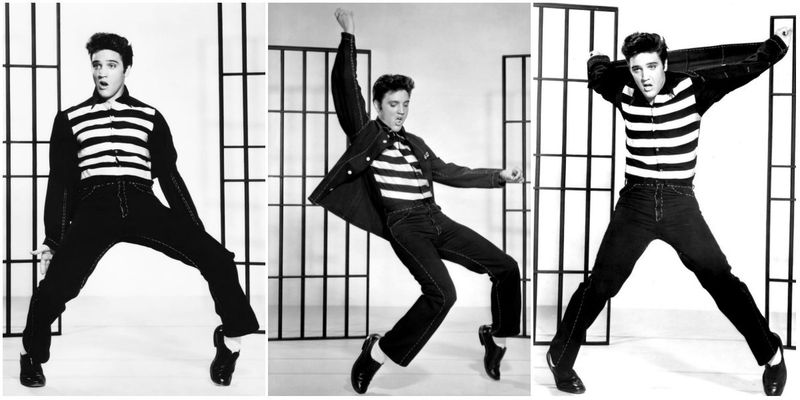
Elvis Presley was already a phenomenon, but Jailhouse Rock turned him into a full-fledged movie star. The title musical sequence, choreographed by Elvis himself, is one of the most electrifying moments in 1950s cinema and helped define what rock and roll looked like on screen.
The film gave a generation something genuinely new to move to.
Beyond the music, it showcased Elvis’s surprisingly natural screen presence. Decades later, the Jailhouse Rock number remains instantly recognizable around the entire world.
18. Gunfight at the O.K. Corral
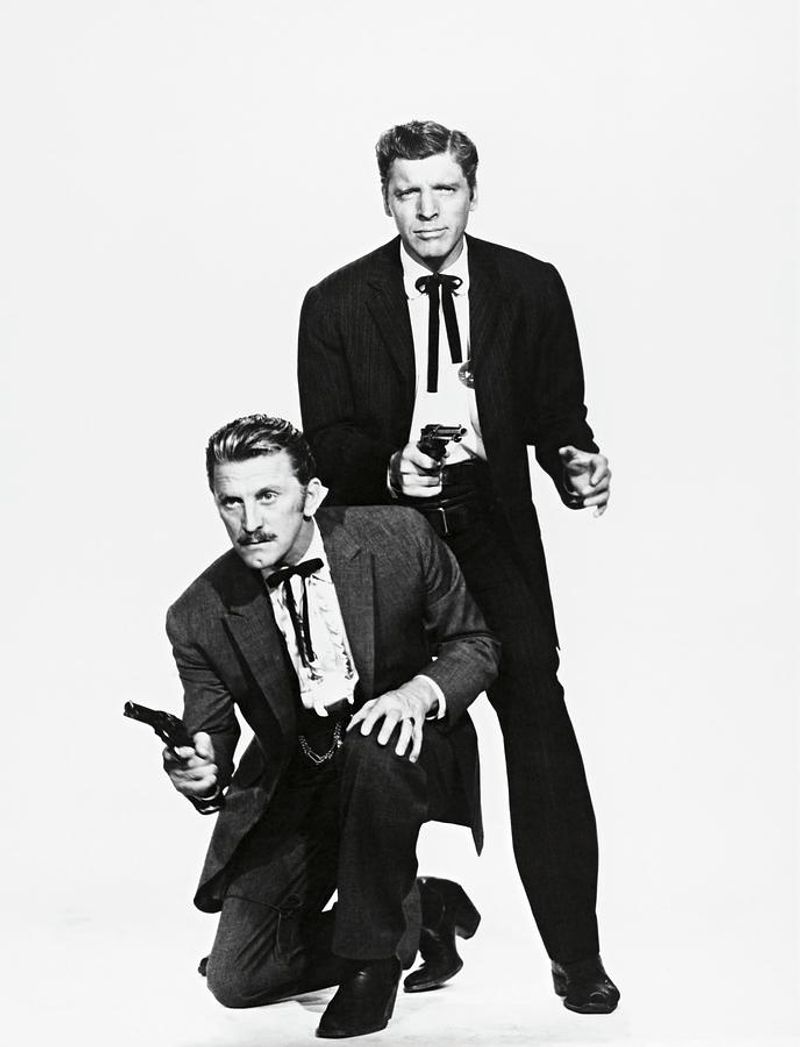
Burt Lancaster as Wyatt Earp and Kirk Douglas as Doc Holliday make one of Hollywood’s most charismatic on-screen partnerships. The legendary 1881 Tombstone showdown gets the full big-budget Western treatment here, complete with sharp dialogue and enough swagger to fill an entire frontier town.
The film captures exactly why the O.K. Corral story captured America’s imagination.
Director John Sturges keeps the pacing tight and purposeful. It remains one of the most watchable versions of this endlessly retold piece of American folklore.