
Not too long ago, people learned how to fix things, cook from scratch, and find their way without a phone telling them where to go. Many of these everyday skills were passed down from parents and grandparents as essential parts of growing up.
But today, technology and modern convenience have quietly replaced a lot of these hands-on abilities. Here are 16 useful life skills that younger generations are slowly leaving behind.
1. Handwriting and Letter Writing

There was a time when a handwritten letter meant everything. Today, many people under 40 struggle to write in cursive or even print neatly, mostly because schools stopped teaching it and texting took over.
Beyond just looks, handwriting helps with memory, creativity, and personal expression. Writing a heartfelt note by hand still carries a warmth that no email or text message can fully replace.
Try picking up a pen more often.
2. Basic Cooking and Meal Preparation

Fast food, meal kits, and delivery apps have made it incredibly easy to skip the kitchen altogether. Many people under 40 have never learned to cook a simple meal from basic ingredients, and that gap is growing.
Knowing how to cook saves money, supports better health, and gives you real independence. Start small with a few staple recipes, and you might surprise yourself.
Even scrambled eggs and pasta are a solid foundation to build on.
3. Basic Car Maintenance

Ask someone under 35 how to check their oil or change a flat tire, and you might get a blank stare. Roadside assistance apps and mechanics have made it easy to hand off every car problem to someone else.
But basic car knowledge can save you time, money, and stress in an emergency. Knowing how to jump-start a battery or swap a spare tire could be the difference between being stranded and getting home safely.
4. Sewing and Mending Clothes

Fast fashion has made it cheaper to toss worn clothing than to fix it. Because of this, sewing a button or patching a small tear has become a forgotten art for most people under 40.
Mending clothes is not just practical, it is also surprisingly satisfying. It reduces waste, saves money, and gives your favorite pieces a longer life.
Even learning one or two basic stitches can make a real difference in your wardrobe and wallet.
5. Navigation Without GPS

Before Google Maps, people actually had to think about where they were going. Reading a paper map, using landmarks, or memorizing a route were skills everyone needed just to get around town.
GPS is incredibly convenient, but it has also made many of us navigationally helpless. Studies suggest that heavy reliance on digital navigation can weaken your spatial memory over time.
Challenge yourself occasionally to find your way without your phone. You might rediscover your sense of direction.
6. Financial Literacy and Money Management

Online banking, auto-pay, and budgeting apps have made managing money feel almost automatic. But that convenience comes with a cost: many people under 40 do not fully understand interest rates, credit scores, or how to build a real budget.
Financial literacy is one of the most powerful skills you can develop. Knowing where your money goes each month, and why, puts you in control of your future.
Even basic budgeting knowledge can prevent years of financial stress down the road.
7. Face-to-Face Communication and Social Skills

Texting and social media have quietly chipped away at our ability to hold real conversations. Many younger people feel more comfortable sending a message than picking up the phone or talking face to face.
Strong in-person communication skills are still essential for job interviews, friendships, and building trust. Eye contact, active listening, and reading body language are things no app can teach you.
Practicing real conversations, even small ones, can rebuild confidence and deepen your connections with others.
8. Time Management Without Apps
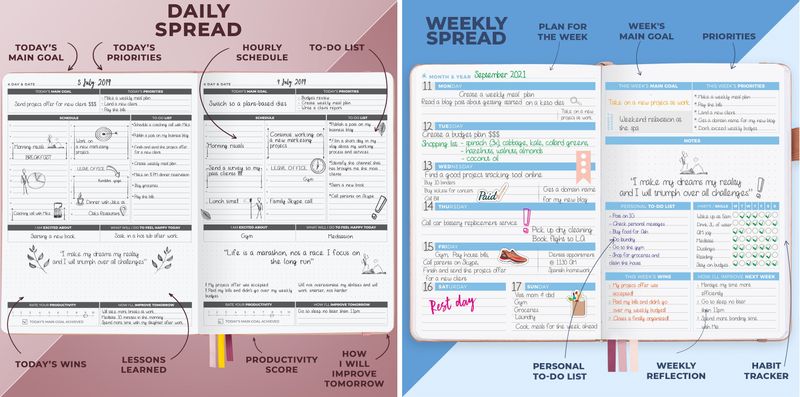
Productivity tools, reminders, and scheduling apps do a lot of the heavy lifting when it comes to staying on track. But many people under 40 struggle deeply when those tools are taken away.
Real time management means knowing how to prioritize, set boundaries, and stay focused without constant digital nudges. A handwritten to-do list or a simple daily plan can work wonders.
Building this skill manually creates habits that stick, regardless of whether your phone battery is dead or not.
9. Critical Thinking and Problem-Solving

When you can Google any answer in seconds, it gets tempting to stop thinking things through on your own. Many younger people have grown accustomed to accepting the first result they find rather than questioning it or looking deeper.
Critical thinking means asking why, evaluating sources, and forming your own conclusions. It is a skill that protects you from misinformation and makes you better at solving real-life problems.
Practicing it regularly, even in small decisions, sharpens your mind in meaningful ways.
10. Home Repair and Handyman Skills

Something drips, a shelf wobbles, or a wall gets a hole in it, and the immediate instinct is to call someone else to fix it. For many people under 40, basic home repairs feel completely out of reach.
Learning a handful of DIY skills, like patching drywall, unclogging a drain, or tightening a loose hinge, can save you hundreds of dollars each year. Plus, there is a quiet sense of pride that comes from handling your own home with confidence and competence.
11. Gardening and Growing Food

Growing your own food was once a basic part of life. Now, with grocery stores on every corner and delivery services at your fingertips, fewer people under 40 have ever planted a single seed.
Gardening connects you to the natural world, reduces grocery costs, and even improves mental health. You do not need a big yard to start.
A few pots on a balcony with herbs or tomatoes is a great entry point into one of the most rewarding skills a person can develop.
12. Basic First Aid Skills
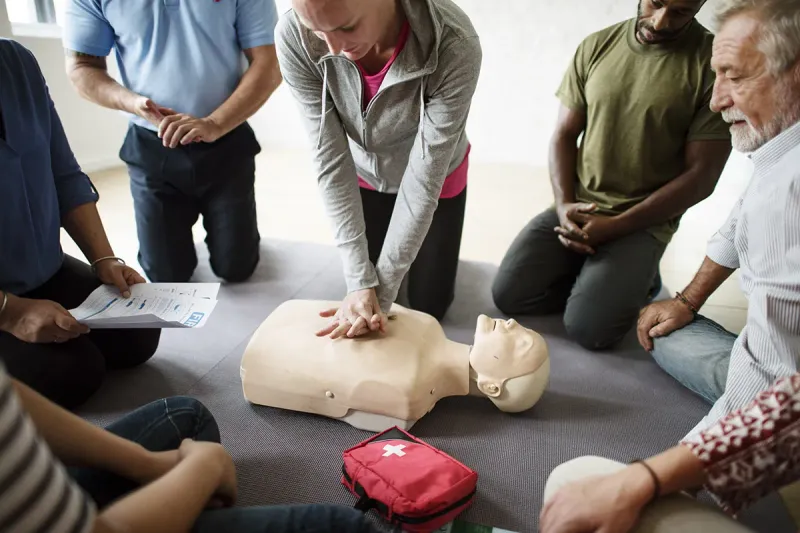
Most people would panic in a real medical emergency, not because they are cowardly, but because they simply were never taught what to do. Basic first aid knowledge, like performing CPR or treating a wound, is becoming increasingly rare among younger adults.
These skills can literally save a life. Taking even a short first aid course gives you tools that no app can replace in a crisis.
Knowing how to respond calmly and correctly in an emergency is one of the most valuable things anyone can learn.
13. Mental Math

Calculators are everywhere now, even built into every smartphone. Because of that, many people under 40 cannot quickly figure out a tip, estimate a discount, or split a bill without reaching for a device.
Mental math is not just a classroom trick. It builds number sense, sharpens your brain, and keeps you sharp in everyday situations.
Try calculating your grocery total in your head or figuring out percentages without help. A little daily practice goes a long way toward keeping your mind nimble.
14. Patience and Delayed Gratification

Everything today arrives fast: streaming, deliveries, instant replies. That speed is convenient, but it has quietly trained many of us to expect results immediately and give up when things take time.
Patience is a skill, not just a personality trait. Learning to stick with a long-term goal, whether it is saving money, building a skill, or nurturing a relationship, builds resilience and self-discipline.
People who practice delayed gratification tend to make better decisions and feel more satisfied with their lives overall.
15. Reading an Analog Clock
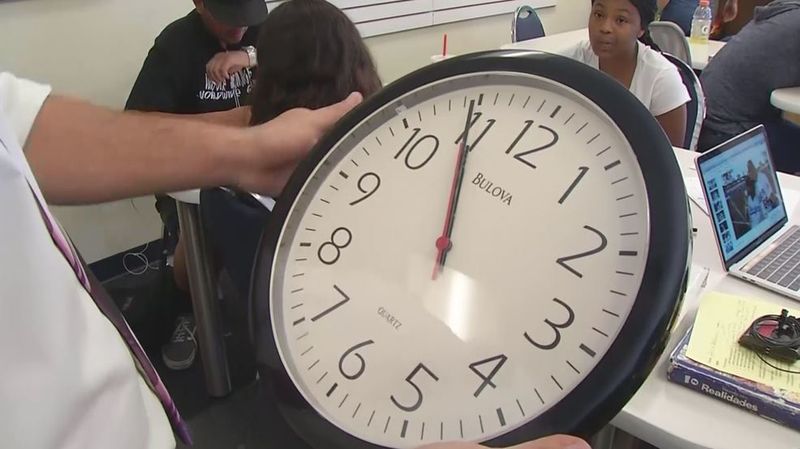
It sounds almost too simple to be a real problem, but studies have shown that a growing number of young people struggle to read a traditional analog clock. Digital displays are everywhere, so there is rarely a need to interpret clock hands anymore.
Reading an analog clock builds visual reasoning and reinforces number sense. It is also a skill that shows up in unexpected places, from classroom tests to job interviews.
Knowing how to read one quickly and accurately still matters in the real world.
16. Remembering Phone Numbers

Quick, what is your best friend’s phone number? If you drew a blank, you are not alone.
Smartphones store every contact automatically, so there is almost never a reason to memorize a number anymore.
But what happens when your phone dies or gets lost in an emergency? Not knowing a single number by heart can leave you completely cut off.
Memorizing just a few key numbers, like a parent or close friend, is a small habit that could make a huge difference when it matters most.