
Some restaurants feel like they will be around forever, but even the most beloved chains can disappear over time. From bankruptcy filings to food safety scandals, many once-thriving spots have faded into memory.
These places were packed with families, teens, and road-trippers for decades before shutting their doors for good. Take a walk down memory lane with these 18 restaurant chains that used to be everywhere but are now gone.
1. Bennigan’s
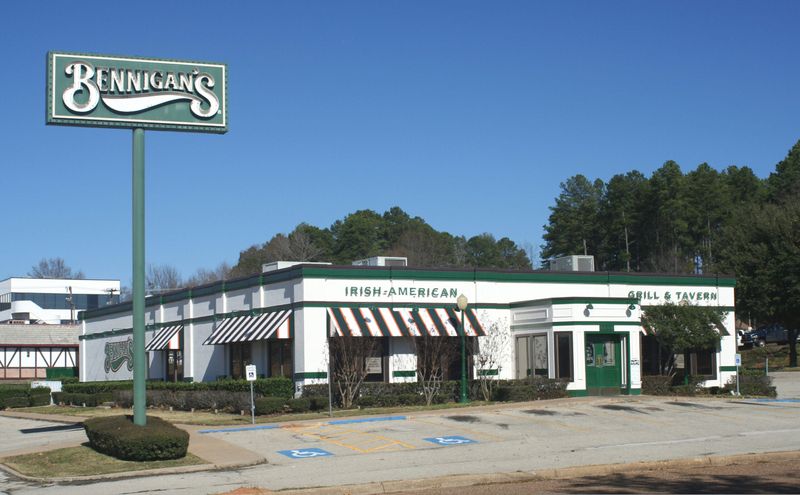
Back in the 1980s, walking into a Bennigan’s felt like stepping into a lively Irish pub without needing a passport. The chain was famous for its Monte Cristo sandwich and fun, bar-style atmosphere that appealed to families and young adults alike.
When the parent company filed for Chapter 7 bankruptcy in July 2008, all 150 corporate locations shut down overnight. A new owner has since been trying to revive the brand, with about 16 locations now operating across 9 states.
2. Bill Knapp’s
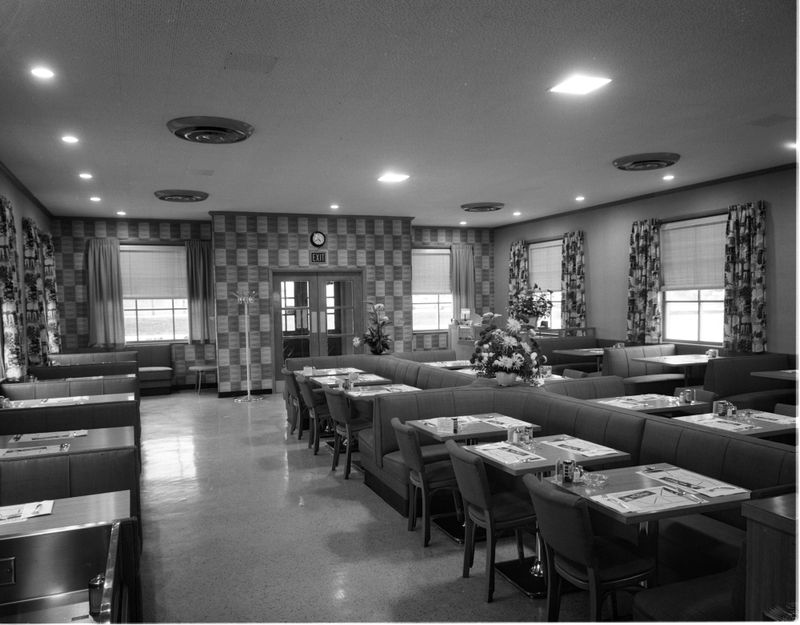
Founded in 1948 in Battle Creek, Michigan, Bill Knapp’s was the kind of place where grandparents took the whole family for Sunday dinner. The chain built its reputation on comforting, home-style cooking at reasonable prices, and senior citizens especially loved it.
Things started going downhill in 1996 when the chain changed how it sourced its food, and loyal customers noticed the difference immediately. By 2002, every last location had quietly closed its doors for good.
3. Chi-Chi’s
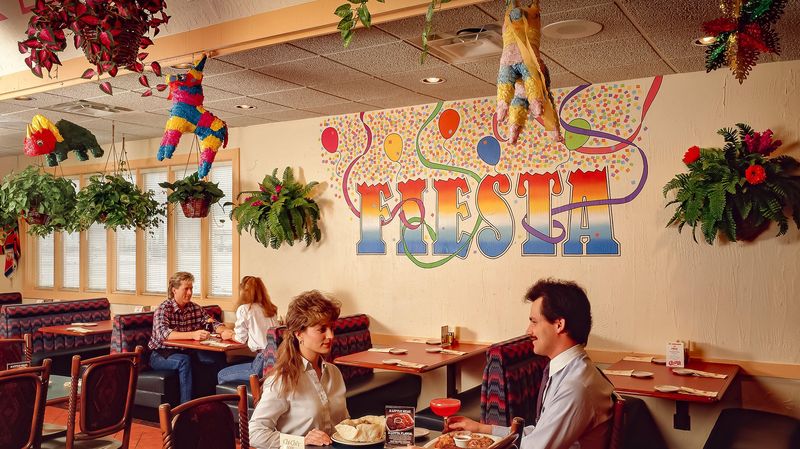
At its peak in 1995, Chi-Chi’s had 210 locations serving up sizzling fajitas and frozen margaritas to Tex-Mex fans across the country. Founded in 1975, the chain was a go-to spot for birthday celebrations and family nights out for nearly three decades.
A devastating hepatitis A outbreak in 2003, the largest in U.S. history at the time, destroyed the chain’s reputation overnight. All remaining locations closed permanently in September 2004, ending one of fast-casual dining’s most tragic stories.
4. Burger Chef
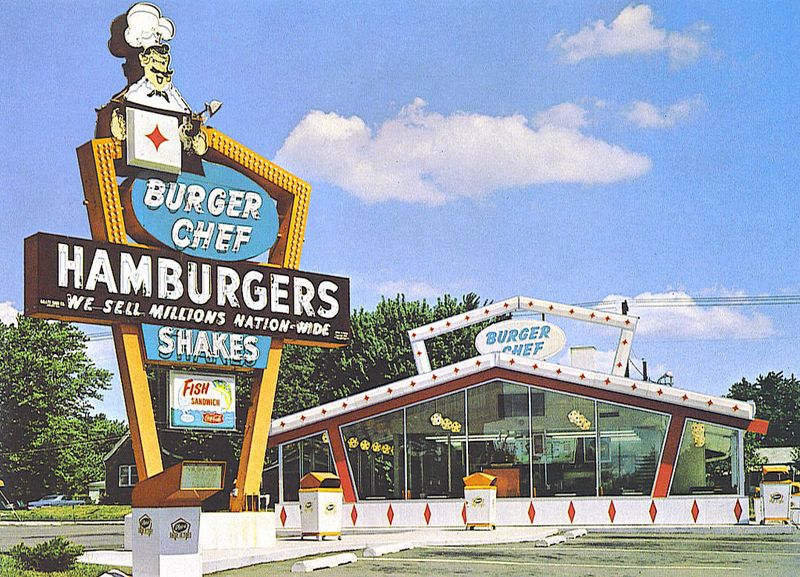
Before McDonald’s became the undisputed king of burgers, Burger Chef was right there competing for the crown as America’s second-largest hamburger chain. The brand actually pioneered the concept of the combo meal, a fast-food staple that every chain uses today.
By 1982, Hardee’s parent company had absorbed most of the locations, slowly converting them one by one. The very last restaurant to carry the Burger Chef name finally dropped it in 1996, closing a chapter in fast-food history.
5. Horn & Hardart
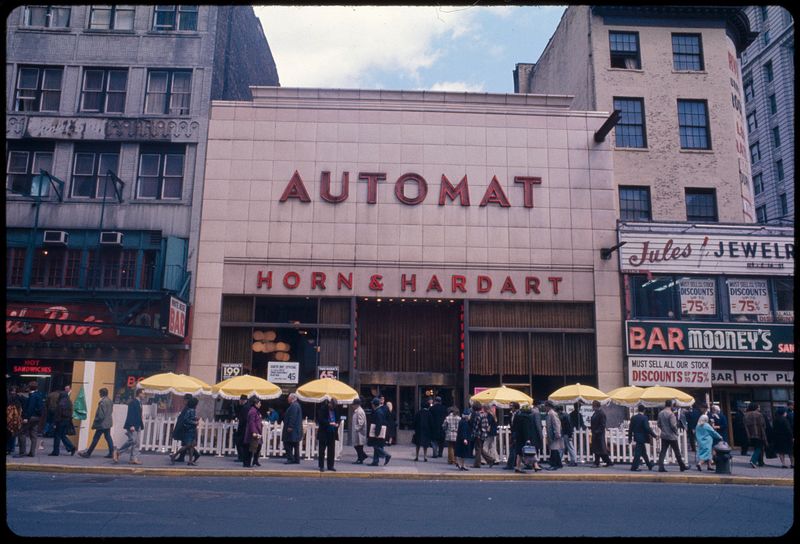
Imagine walking into a restaurant where you put coins into a slot and pulled out a fresh meal from behind a little glass window. That was the magic of Horn & Hardart, America’s very first automated restaurant chain, which operated for over a century.
The concept survived the Gilded Era, the Great Depression, and two world wars, serving millions of hungry Americans along the way. Eventually, changing tastes and the rise of modern fast food made the automat concept obsolete, and the last location quietly closed forever.
6. Howard Johnson’s
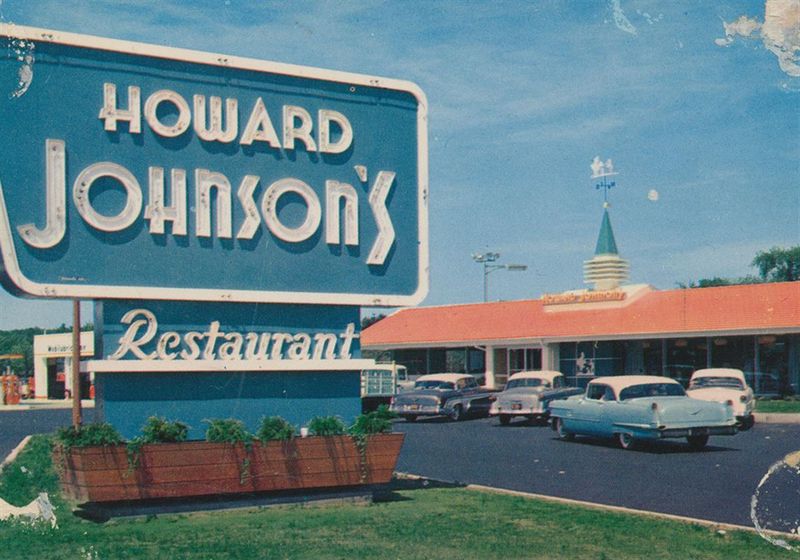
During the 1960s and 70s, Howard Johnson’s was literally the largest restaurant chain in the entire United States, with over 1,000 locations lining America’s highways. Road-trippers planned stops around its famous fried clams and legendary 28 flavors of ice cream.
The brand slowly declined as newer chains grabbed the spotlight, and its locations dwindled one by one over the following decades. The very last Howard Johnson’s restaurant, located in Lake George, New York, finally closed in 2022 due to the COVID-19 pandemic.
7. Steak & Ale
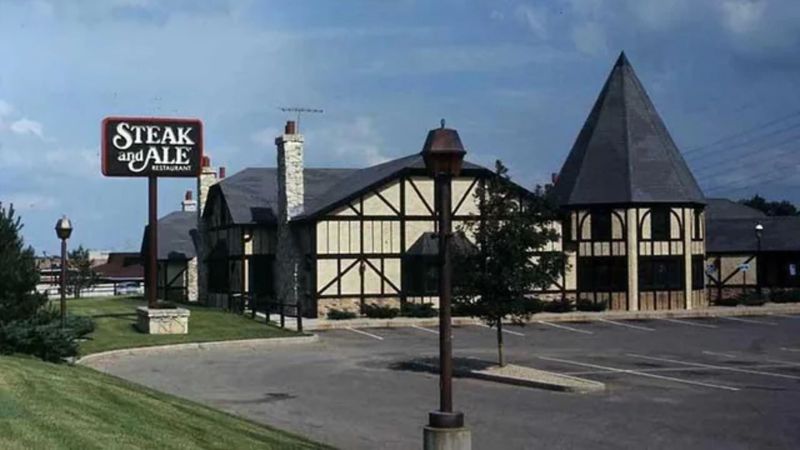
Steak & Ale cracked the code on something tricky: making customers feel like they were dining at an upscale steakhouse without draining their wallets. Founded in 1966, the chain grew to over 100 locations by the 1980s and was a popular date-night destination for budget-conscious couples.
The salad bar was a signature feature that diners absolutely loved, piling their plates high before the main course arrived. When the parent company filed for bankruptcy in 2008, most locations shuttered almost simultaneously, leaving fans with only memories.
8. Kenny Rogers Roasters
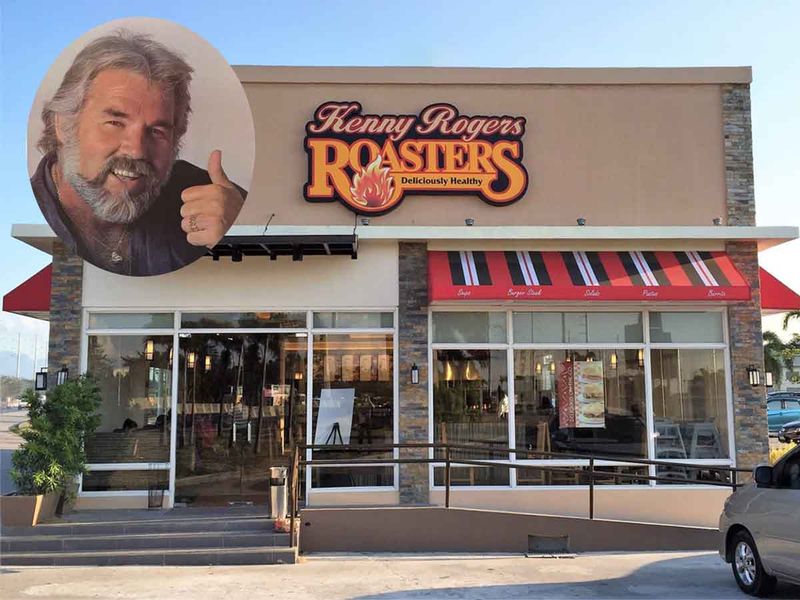
Country music legend Kenny Rogers put his name and reputation behind a rotisserie chicken chain in the early 1990s, and for a while it was a massive hit. At its peak, Kenny Rogers Roasters had 425 locations worldwide, proving that slow-roasted chicken could compete with burgers and fries.
The U.S. locations struggled financially and the last American restaurant closed by 2011. Interestingly, the brand still thrives in parts of Asia, where fans continue lining up for that signature slow-roasted chicken.
9. White Tower
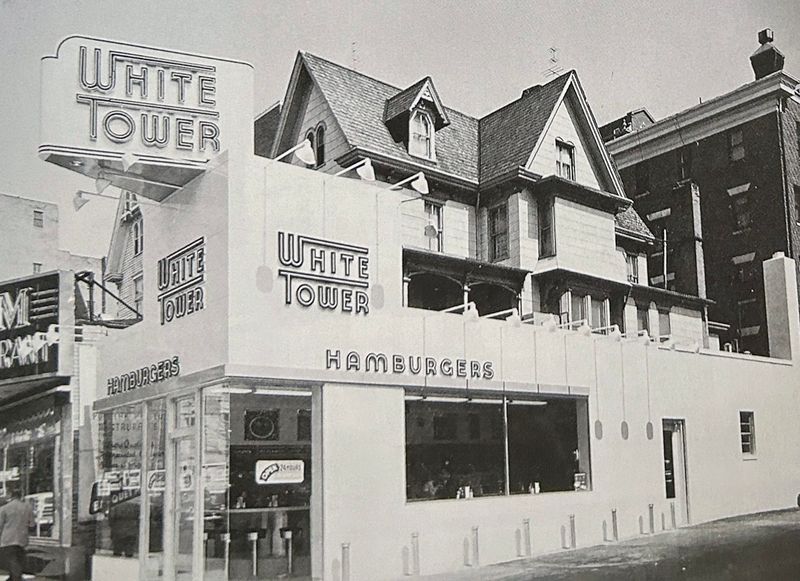
White Tower had one of the boldest business strategies in early fast-food history: copy White Castle almost exactly, right down to the small square burgers and castle-style building design. The Saxe brothers opened their first location and found real success copying the already-popular formula.
White Castle eventually fought back with legal action, forcing White Tower to differentiate itself. Though it managed to survive for decades, the chain gradually faded from the American landscape and ceased operations in its original form in the U.S.
10. All Star Cafe
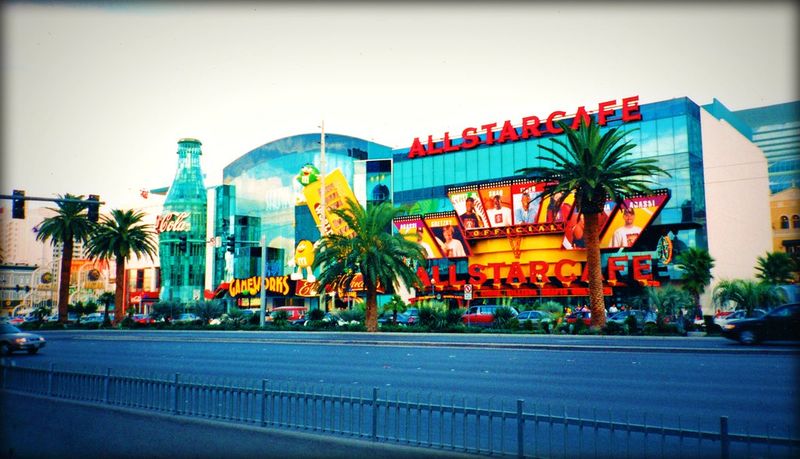
Star power and chicken wings seemed like a winning combination when All Star Cafe launched in 1995 with celebrity investors including Tiger Woods, Andre Agassi, and Wayne Gretzky. The first location opened in Times Square, New York City, drawing massive crowds and media attention right out of the gate.
The novelty wore off fast, and by 2001 almost every location had closed. The final holdout at Walt Disney World limped along until 2007 before it, too, disappeared from the sports-themed dining scene.
11. Pup ‘N’ Taco
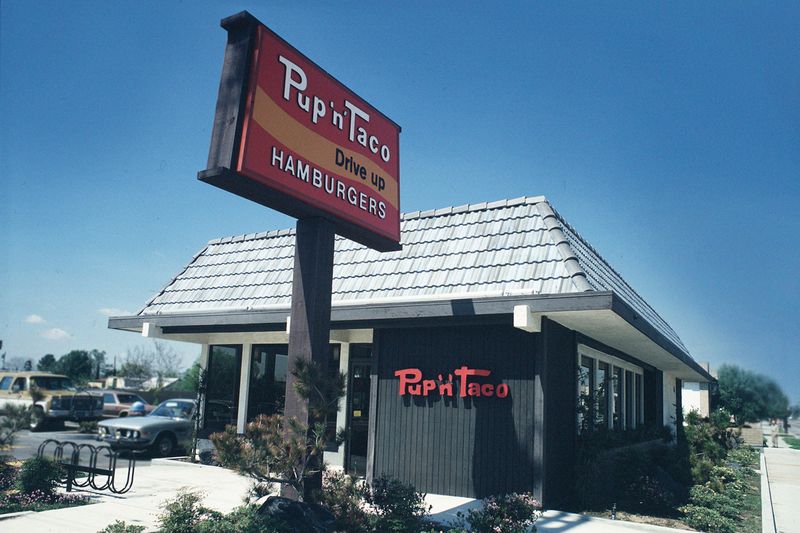
Hot dogs and tacos might sound like an odd pairing, but Pup ‘N’ Taco made it work for loyal California customers who kept coming back for both. The chain carved out a quirky niche in the fast-food world during an era when unusual concepts could still find a solid following.
In 1984, Taco Bell purchased 99 Pup ‘N’ Taco locations, slowly converting them to its own brand over the years. The very last remaining Pup ‘N’ Taco locations permanently closed in 2010, ending a beloved regional fast-food oddity.
12. Red Barn
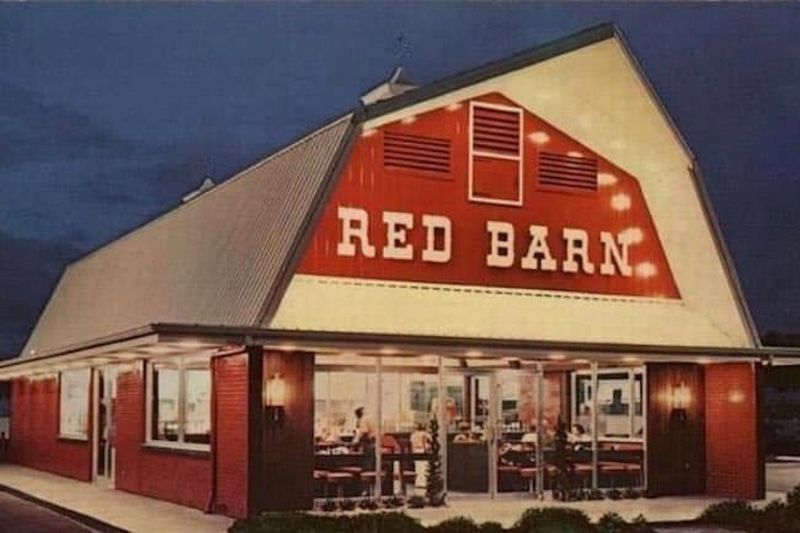
Few fast-food restaurants have ever had a more memorable building design than Red Barn, which was literally shaped like a big red barn. Founded in 1961, the chain grew to over 300 locations and was known for its creatively named burgers and one of the earliest self-service salad bars in fast food.
As the 1980s rolled on, franchise licenses were simply allowed to expire rather than being renewed. By 1988, most locations had closed, and the distinctive barn-shaped buildings became a rare roadside curiosity.
13. D’Lites
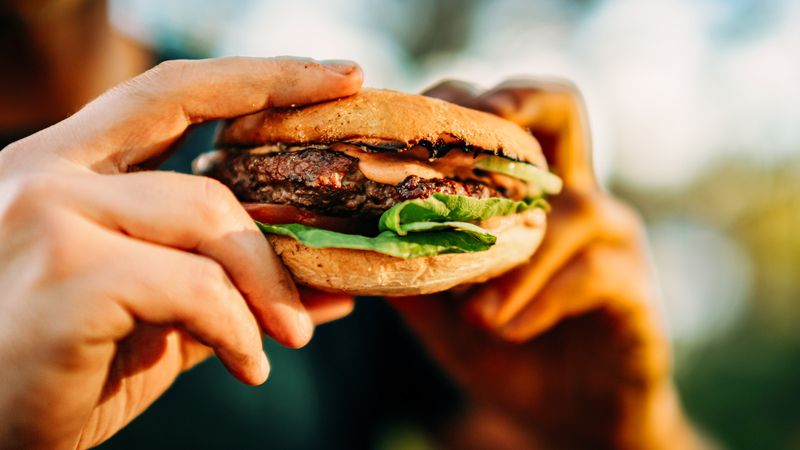
Way ahead of its time, D’Lites launched in the early 1980s with a bold promise: fast food that was actually good for you. The chain offered lower-calorie versions of burgers, shakes, and sides at a time when nobody else in the fast-food world was thinking that way.
Despite the innovative concept, customers were not quite ready to trade taste for nutrition, and the chain struggled to build a loyal base. By 1987, D’Lites had folded, with most of its locations being converted into Hardee’s restaurants.
14. Doggie Diner
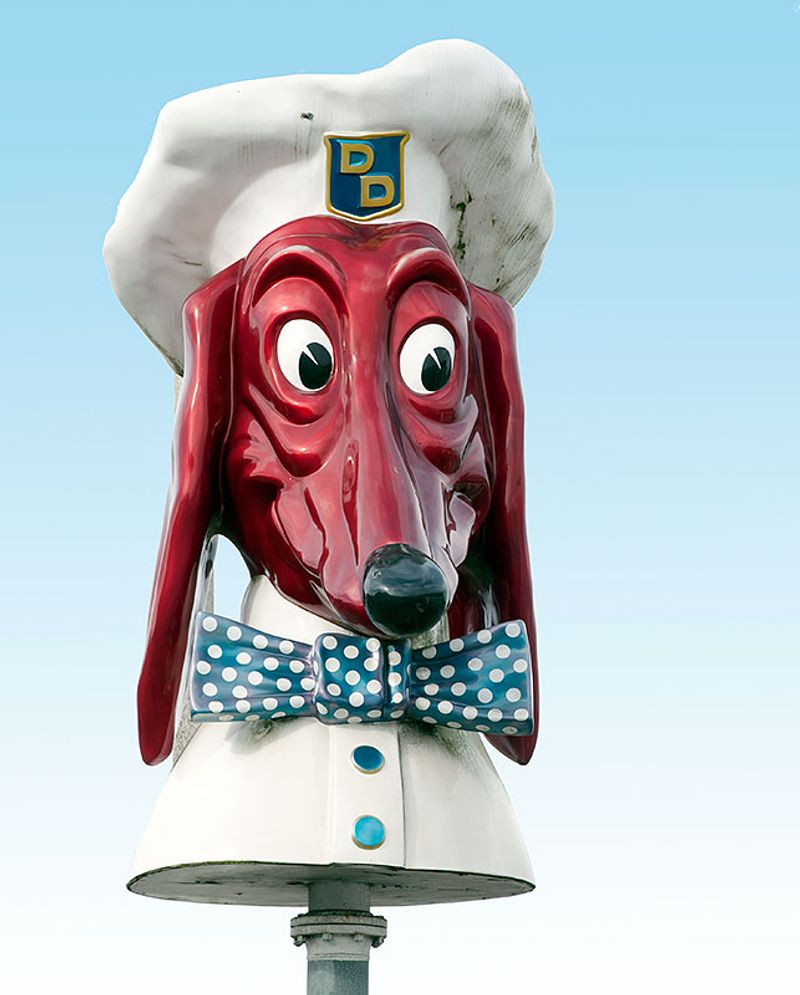
The giant cartoon dachshund head perched on top of each Doggie Diner location was so iconic that San Franciscans fought to preserve one as a city landmark. The chain served hot dogs and hamburgers across San Francisco and Oakland, California, becoming a beloved part of Bay Area culture from 1948 onward.
As major national fast-food chains expanded into the region, Doggie Diner simply could not keep up with the competition. The last location closed in 1986, but the oversized dog head sign lives on as a treasured piece of local history.
15. Naugles
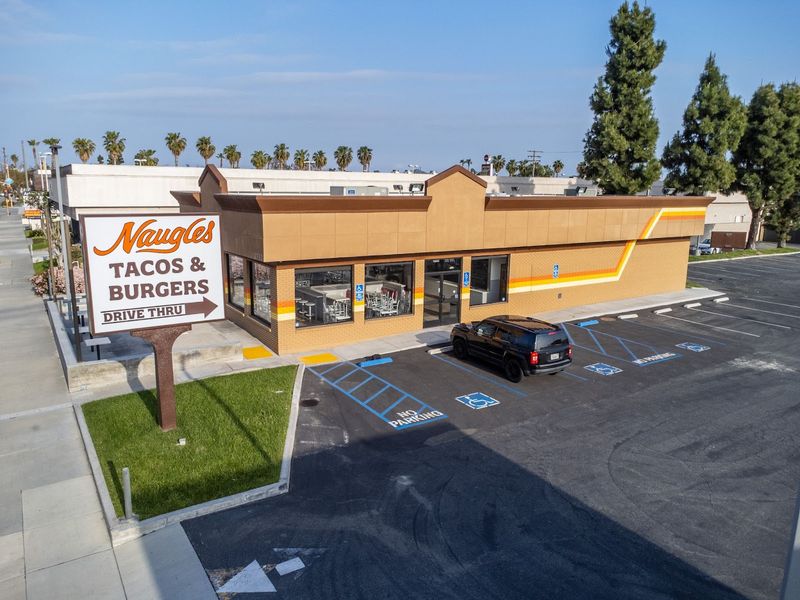
Naugles had a fiercely devoted fan base in California, the kind of loyal customers who still post about their favorite menu items on social media decades after the chain disappeared. The Mexican fast-food chain was known for its burritos and a laid-back vibe that felt distinctly West Coast.
Del Taco acquired Naugles in 1988 and gradually converted or closed all locations by 1995. Small-scale revival attempts have kept the flame alive, with two locations reportedly open as of 2025 for the most dedicated fans.
16. Wimpy Grills (U.S.)
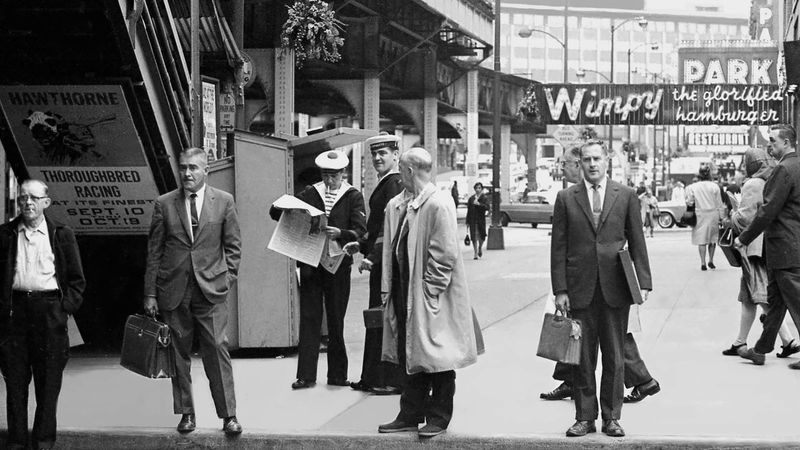
Long before the famous Popeye character made the name Wimpy synonymous with burger obsession, there was an actual burger chain called Wimpy Grills operating in the United States. Founded in Bloomington, Indiana, in 1934, the chain grew to 25 locations across the country at its peak.
All American Wimpy Grills locations had closed by 1978, unable to compete in a fast-food landscape that was rapidly changing. Somewhat confusingly, the Wimpy name lives on internationally, with locations still operating in several countries outside the U.S.
17. Lum’s
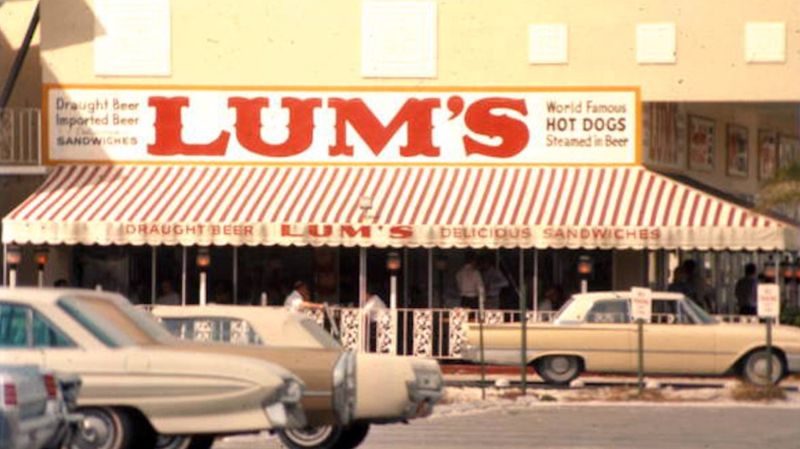
Beer-steamed hot dogs sound like something you would find at a ballpark, but Lum’s turned that quirky concept into a fast-food chain that grew to 273 locations across the country. The chain burst onto the scene in the 1950s and built a reputation around that one unforgettable menu item.
Financial troubles eventually caught up with the company, and most locations closed after a bankruptcy filing. Remarkably, one stubborn Lum’s location held on until 2017, making it one of the longest-lasting remnants of a largely forgotten chain.
18. Yankee Doodle Dandy
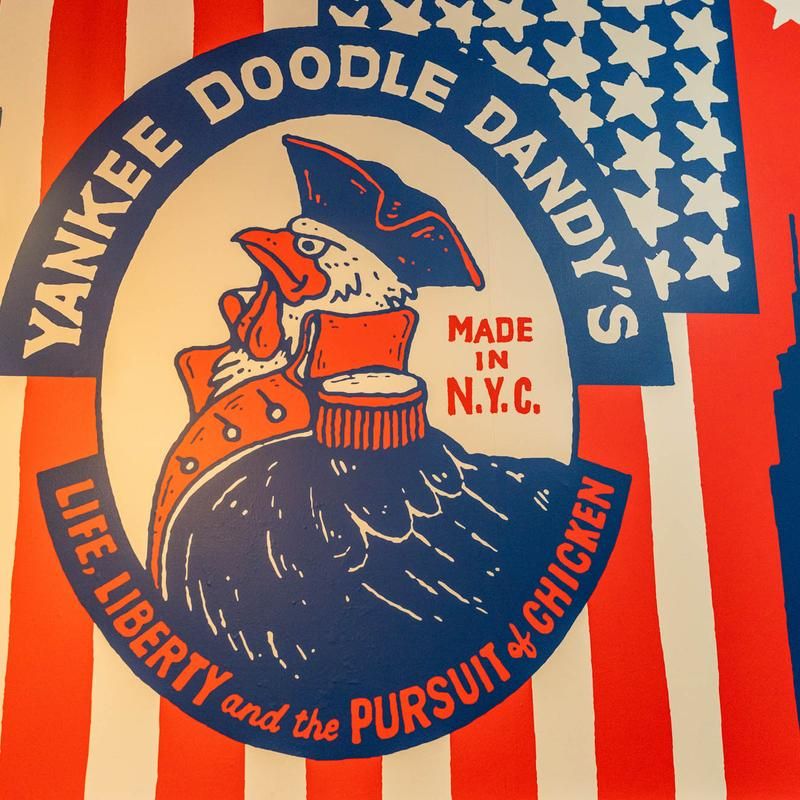
Wrapping a burger chain in American patriotism might seem like a can’t-miss idea, but Yankee Doodle Dandy never quite found its footing despite the spirited branding. The chain operated 27 locations and leaned hard into red, white, and blue Americana to set itself apart from the competition.
The 1980s were a brutal time for smaller regional chains trying to survive against giants like McDonald’s and Burger King. Yankee Doodle Dandy closed all its locations during that decade, leaving behind little more than a patriotic name and a handful of nostalgic memories.