
The 1960s were a golden era for American television, packed with quirky sitcoms, bold dramas, and wild sci-fi adventures. While shows like The Andy Griffith Show and Star Trek still live on in reruns and pop culture, dozens of other series from that decade have quietly faded away.
Some were canceled too soon, others simply got lost in the shuffle of changing tastes. Here are 20 TV shows from the 1960s that most people have completely forgotten about.
1. The Patty Duke Show (1963–1966)
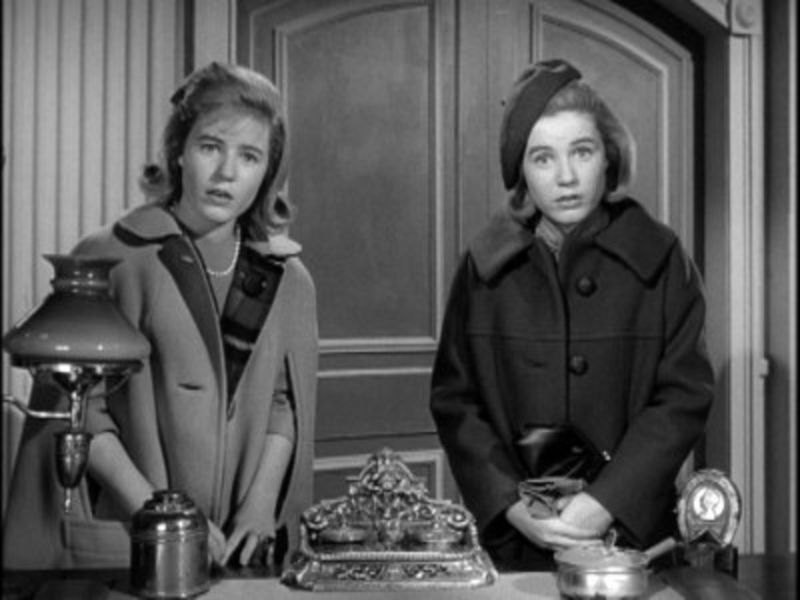
Playing identical cousins sounds like a strange concept, but Patty Duke pulled it off brilliantly. She starred as both Patty Lane, a bubbly American teen, and Cathy Lane, her sophisticated British cousin.
The show was a genuine hit early on, earning strong viewership and fan loyalty.
By the third season, ratings had dropped noticeably. A dispute over switching to color filming sealed its fate.
Duke went on to a celebrated career, but this charming little show quietly disappeared from the cultural conversation.
2. The Mothers-In-Law (1967–1969)
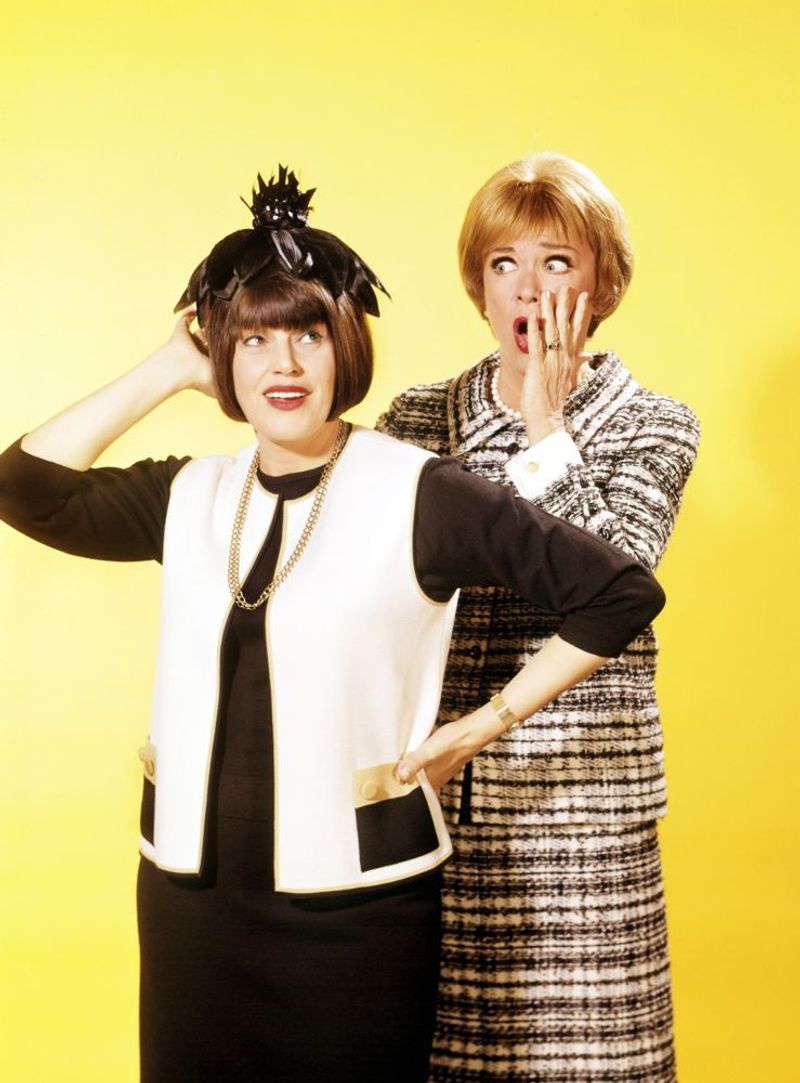
Imagine two neighboring mothers-in-law constantly clashing over their kids’ shared marriage. That was the entire premise of this underrated sitcom, and honestly, it had real comedic potential.
Eve Arden and Kaye Ballard brought sharp timing and genuine chemistry to every episode.
Behind the scenes, Desi Arnaz executive produced the series, lending it some serious Hollywood pedigree. Unfortunately, poor ratings cut the fun short after just two seasons.
Today, almost nobody brings it up when talking about classic 1960s TV comedy.
3. Honey West (1965–1966)
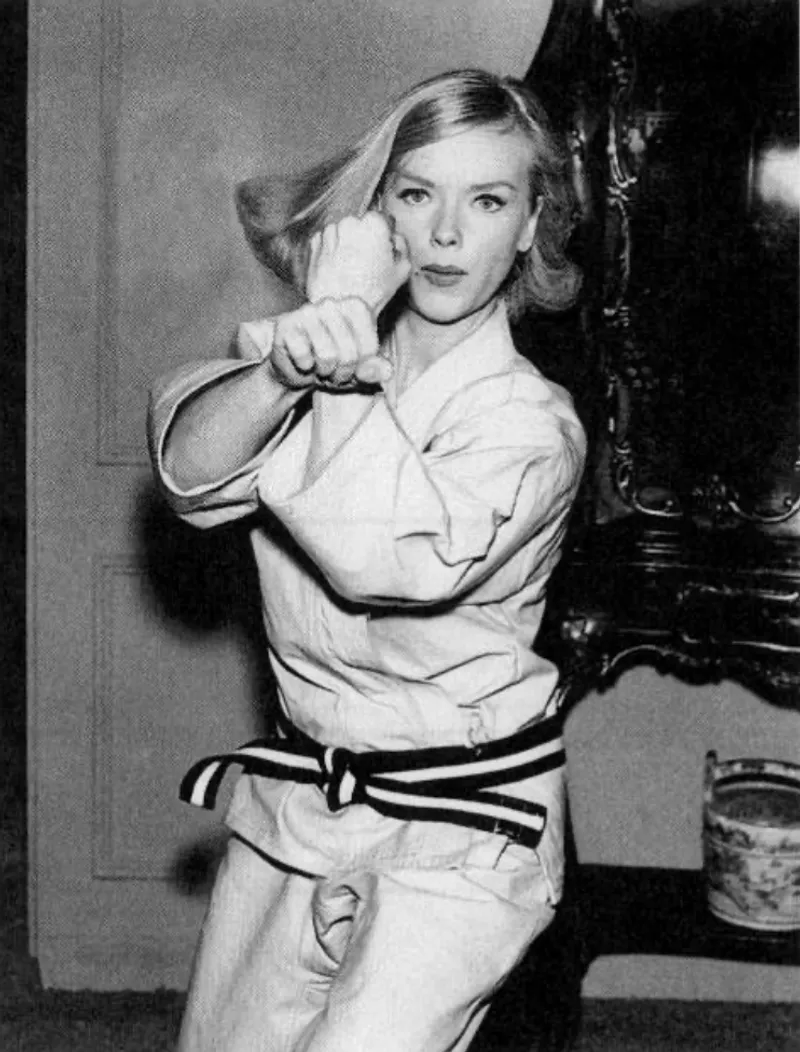
Long before female-led action shows became common, Honey West was breaking ground. Anne Francis played a sharp, resourceful private detective who could handle herself in any dangerous situation.
The character was cool, clever, and ahead of her time in just about every way.
ABC ultimately pulled the plug after one season, partly because they chose to import The Avengers from Britain instead. That decision left Honey West without a second chance.
It remains one of the most criminally overlooked shows in early television history.
4. Family Affair (1966–1971)
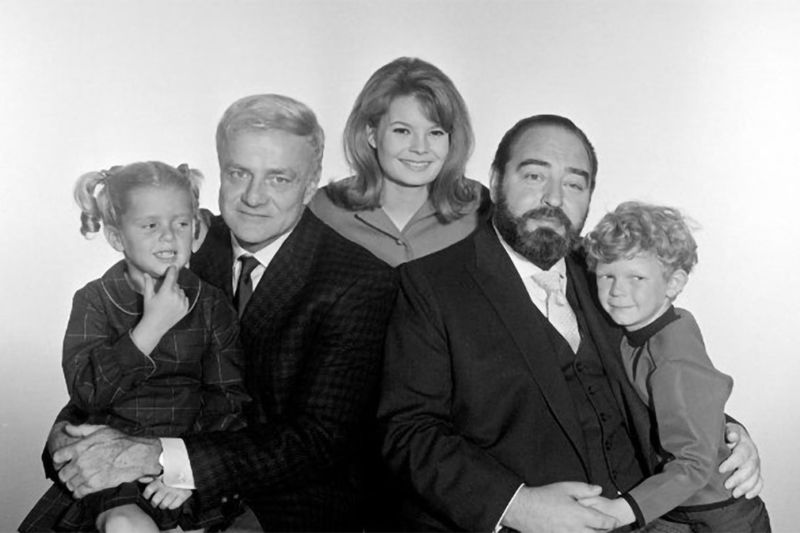
Family Affair had everything going for it during its original run on CBS. The show earned Emmy and Golden Globe nominations and drew strong ratings week after week.
Brian Keith played a bachelor uncle suddenly responsible for three adorable kids, and Mr. French the butler stole every scene he appeared in.
Somehow, despite all that success, the show never stuck around in reruns the way others did. It faded from public memory with surprising speed.
Fans who do remember it tend to hold it with real warmth and affection.
5. Car 54, Where Are You? (1961–1963)
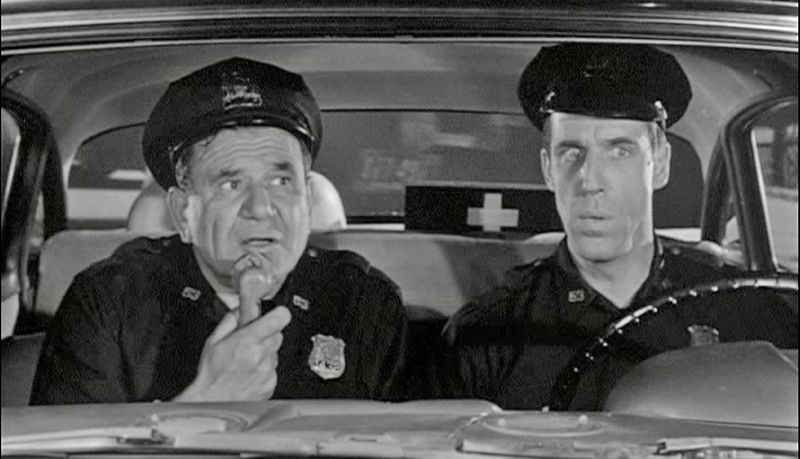
Fred Gwynne, who most people remember as Herman Munster, got his start playing Officer Francis Muldoon on this goofy police comedy. Joe E.
Ross played his bumbling partner Toody, and together they were an endlessly entertaining odd couple. Creator Nat Hiken had already proven himself with The Phil Silvers Show, so expectations were high.
The show ran for two seasons and had a devoted audience. Still, it never quite found the lasting legacy it deserved.
Its catchy theme song is probably more remembered than the show itself.
6. The Prisoner (1967–1968)
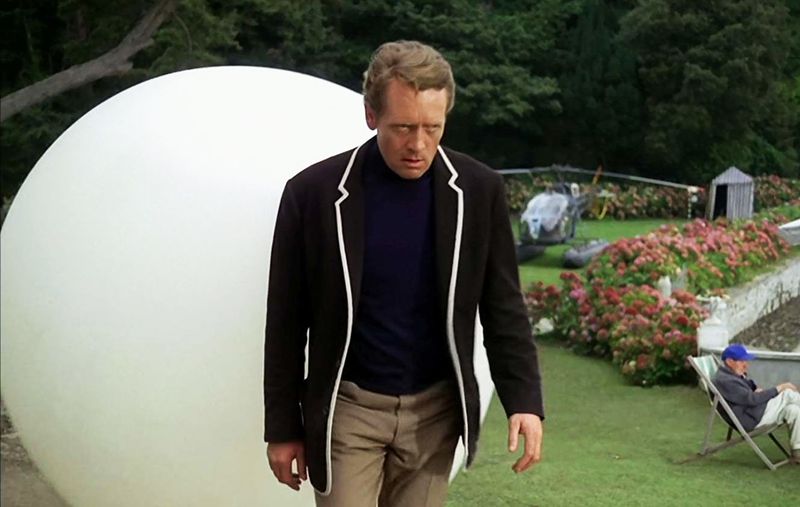
Patrick McGoohan created something genuinely strange and brilliant with The Prisoner. He played a secret agent who resigns from his job and wakes up trapped in a mysterious village where everyone has a number instead of a name.
The whole series felt like a fever dream wrapped in a spy thriller.
Critics loved it, but general audiences were often baffled by its abstract storytelling. Only 17 episodes were ever made, and it ended on a wildly controversial note.
Cult fans still debate its meaning to this day.
7. My Three Sons (1960–1972)
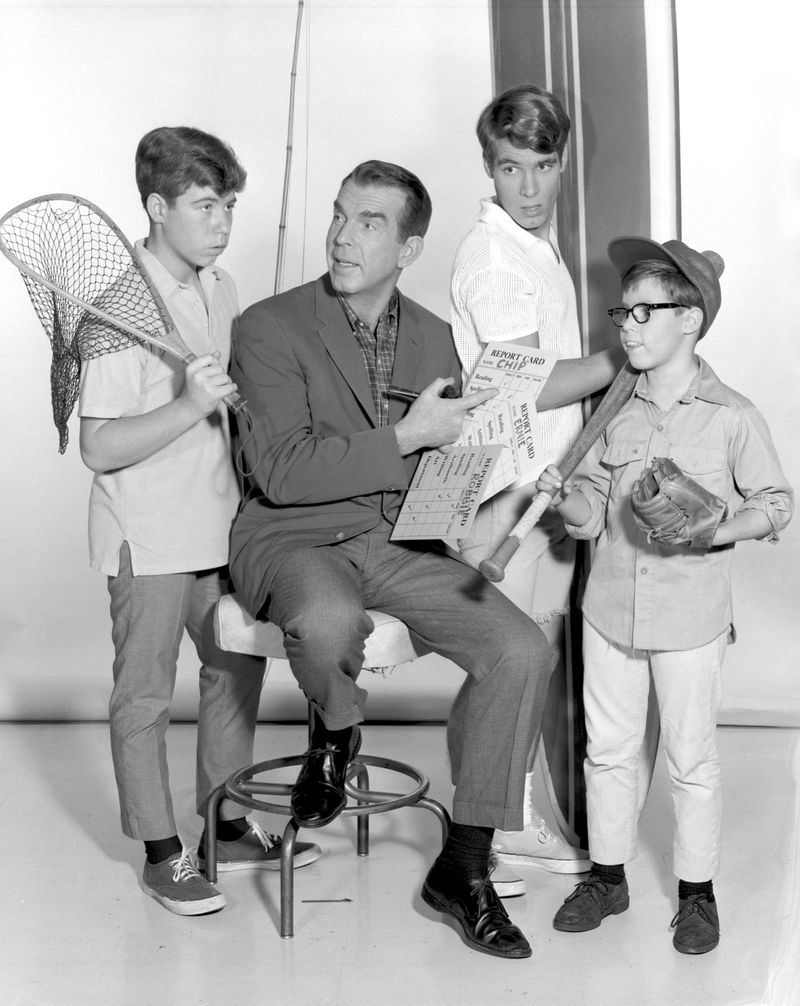
Twelve seasons is an extraordinary run for any television show, and My Three Sons earned every one of them. Fred MacMurray played a widowed aerospace engineer raising his boys with help from his father-in-law, and later a housekeeper.
The show was reliable, wholesome, and genuinely popular throughout the 1960s.
Yet somehow it gets far less nostalgic love than Leave It to Beaver or The Andy Griffith Show. Maybe its sheer length made it hard to pin down.
Whatever the reason, it deserves a lot more recognition than it currently gets.
8. Dr. Kildare (1961–1966)
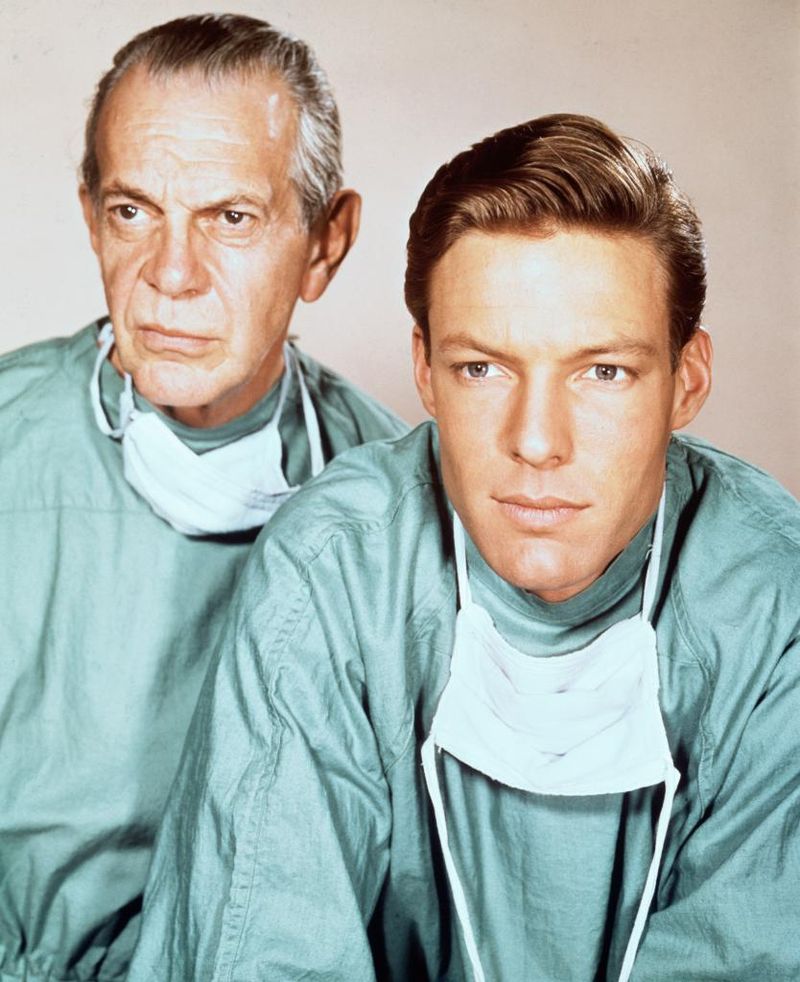
Medical dramas are everywhere today, but Dr. Kildare was doing it first. Richard Chamberlain played the idealistic young intern James Kildare, learning the ropes from the seasoned Dr. Gillespie at Blair General Hospital.
The show had real emotional depth and tackled serious medical and ethical questions for its time.
Chamberlain became a full-blown teen idol thanks to the role. Despite running for five seasons, the show rarely gets mentioned when people talk about classic TV dramas.
It was quietly influential in ways that have gone largely unrecognized.
9. The Virginian (1962–1971)
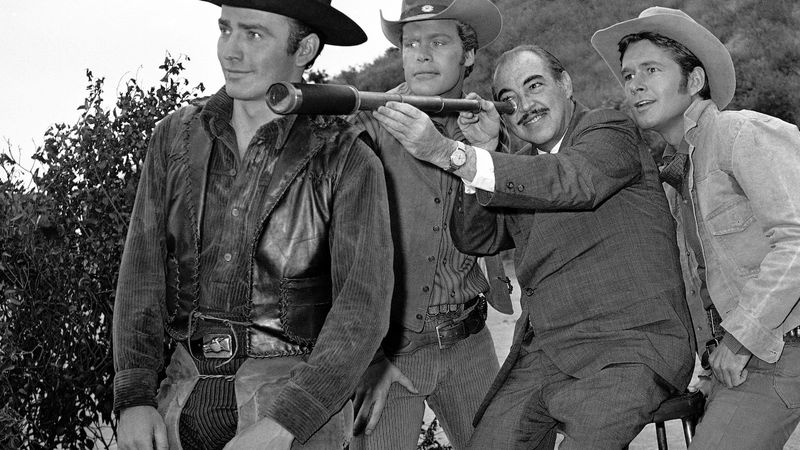
Nearly 250 episodes across nine seasons makes The Virginian one of the longest-running Westerns in TV history. James Drury played the title character, a mysterious ranch foreman at the Shiloh Ranch in Wyoming.
The show was also one of the first 90-minute dramatic series on American network television.
Despite its impressive record, it rarely comes up in conversations about great Westerns. Gunsmoke and Bonanza tend to dominate that discussion.
The Virginian deserves a spot at that table, even if most people have completely forgotten it existed.
10. Petticoat Junction (1963–1970)
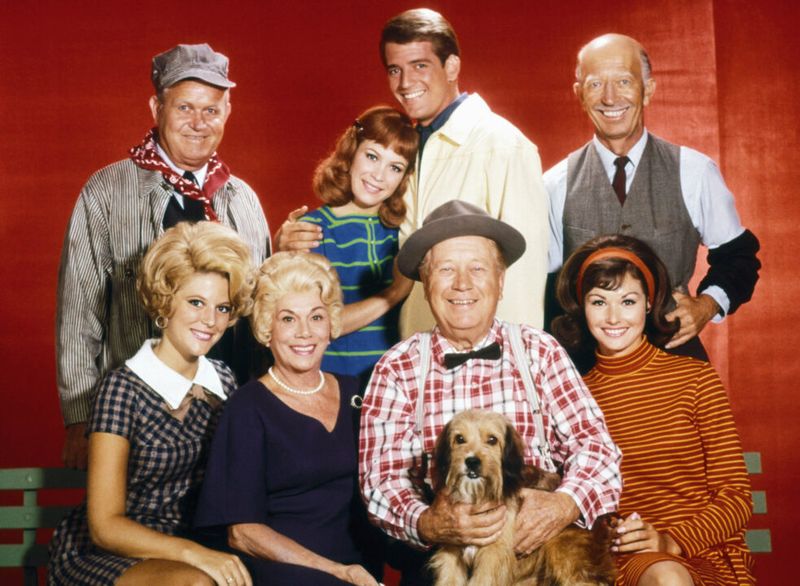
Spun off from The Beverly Hillbillies, Petticoat Junction had a built-in audience from day one. Bea Benaderet starred as Kate Bradley, the warm-hearted owner of the Shady Rest Hotel near the fictional town of Hooterville.
Three daughters, a bumbling uncle, and a slow old train rounded out the charming cast.
Seven seasons is nothing to dismiss, yet the show has faded much faster than its parent series. Rural comedies had a moment in the 1960s, and this was one of the better ones.
It just never quite found its forever fans.
11. Voyage to the Bottom of the Sea (1964–1968)
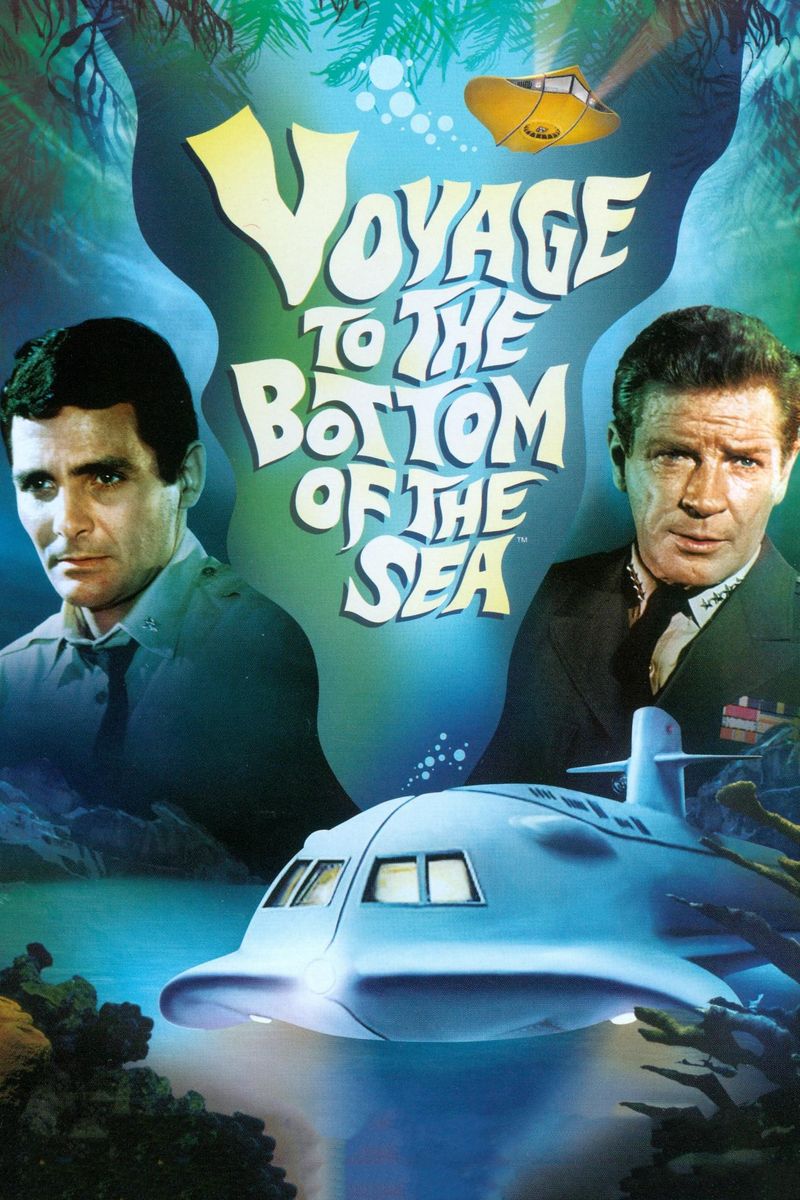
Before Star Trek launched in 1966, Voyage to the Bottom of the Sea was already giving sci-fi fans their weekly fix. Based on a 1961 film of the same name, the show followed the crew of the Seaview, an advanced research submarine.
Monsters, aliens, and Cold War threats kept things exciting week after week.
Richard Basehart and David Hedison led the cast with solid authority. Four seasons of underwater adventure aired on ABC, yet the show has almost completely vanished from mainstream memory.
Science fiction history owes it more credit than it receives.
12. Daniel Boone (1964–1970)
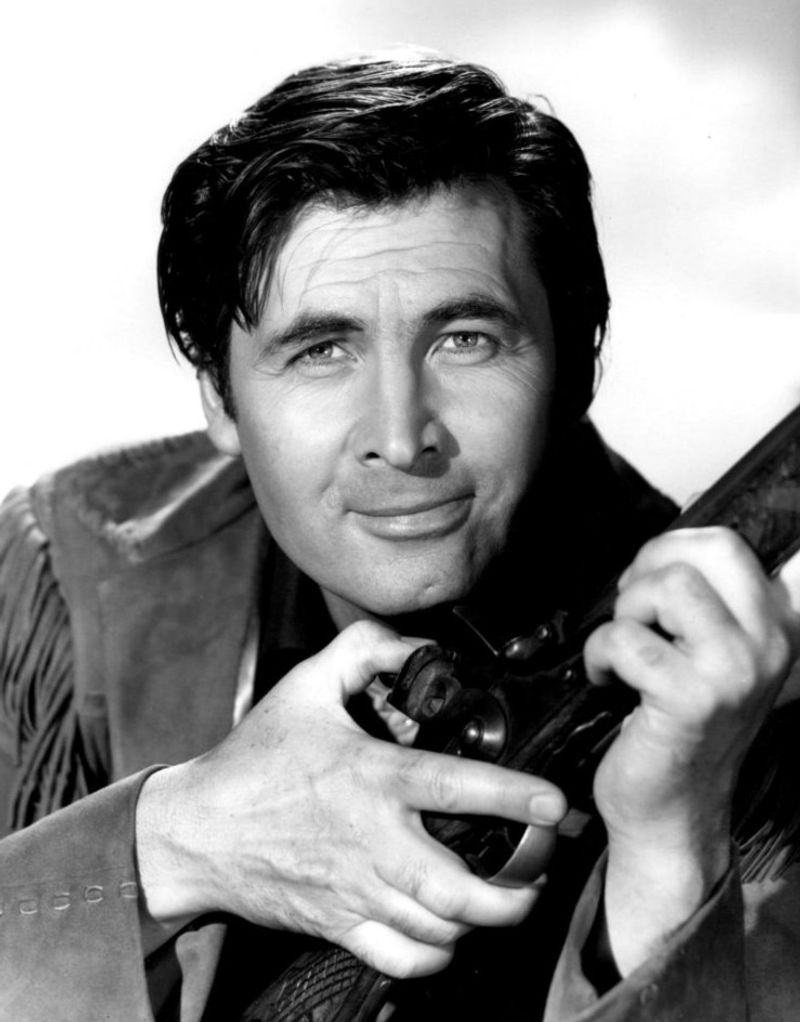
Fess Parker had already become a household name playing Davy Crockett for Disney, so casting him as Daniel Boone felt like a natural fit. The show followed Boone’s adventures on the American frontier, and Parker brought the same rugged warmth he had perfected in his earlier role.
Six seasons and over 160 episodes gave the show a solid run on NBC. Ed Ames as Mingo, Boone’s Cherokee friend, was a fan favorite throughout the series.
Still, Daniel Boone rarely gets mentioned today when frontier adventure TV is discussed.
13. Gomer Pyle – USMC (1964–1969)
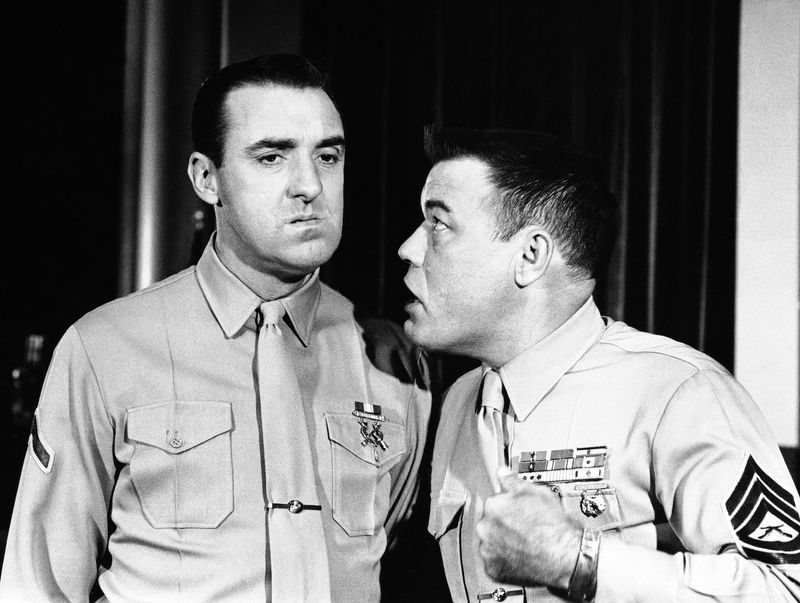
Jim Nabors first won hearts as the lovable Gomer Pyle on The Andy Griffith Show, and the character was popular enough to earn his own spinoff. Gomer leaves Mayberry and joins the Marines, where he drives his tough sergeant Vince Carter absolutely crazy.
Frank Sutton played Sgt. Carter with hilarious exasperation every single episode.
The show was actually one of the highest-rated programs on TV during its run. Despite that success, it rarely gets the nostalgic attention it deserves today.
Nabors himself became a beloved entertainer far beyond just this one role.
14. The Time Tunnel (1966–1967)
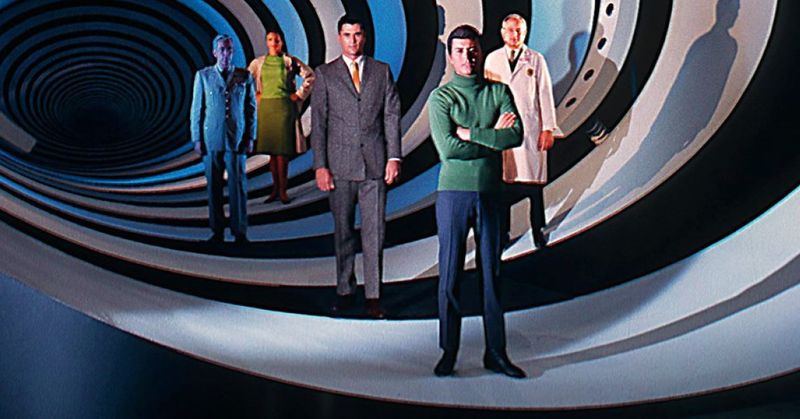
Two scientists accidentally get trapped in time after their experimental time travel project goes haywire. That is the entire setup of The Time Tunnel, and it was genuinely thrilling for its era.
Each week, Tony and Doug would land in a different historical period, from the Titanic to ancient Troy.
Irwin Allen, the same producer behind Voyage to the Bottom of the Sea and Lost in Space, created this series for ABC. Only 30 episodes were made before cancellation.
The show had real ambition, but it never got the chance to fully develop its story.
15. The Flying Nun (1967–1970)
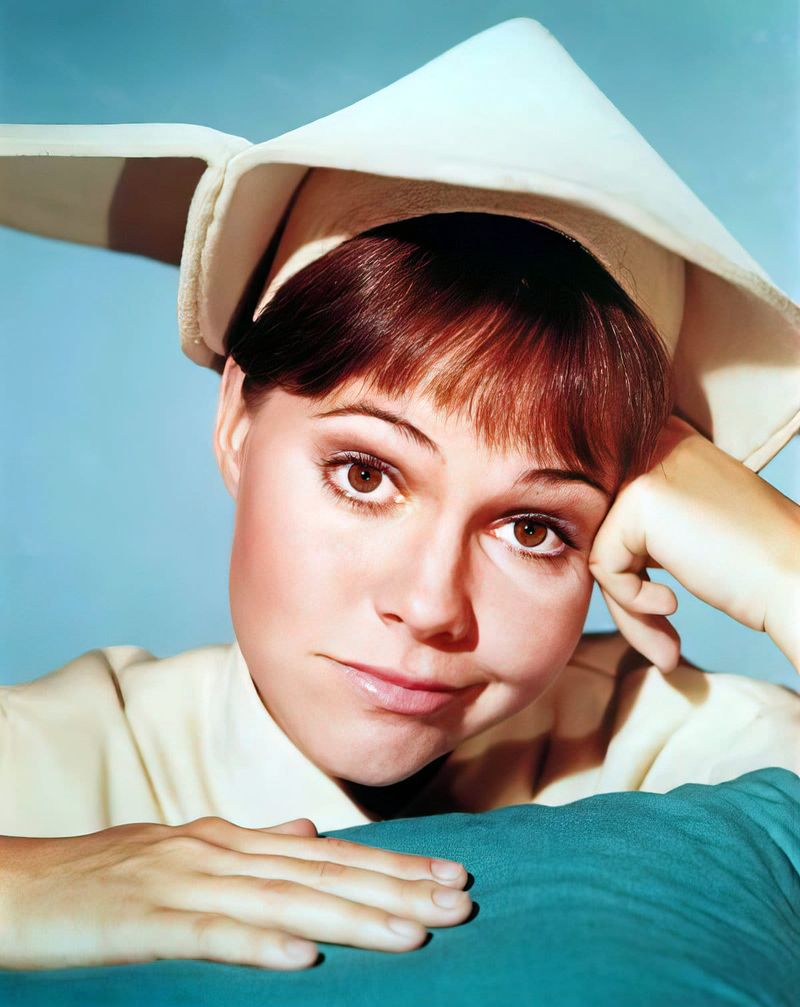
Sally Field was just 20 years old when she took on the role of Sister Bertrille, a novice nun whose lightweight frame and oversized cornette allowed her to fly. Yes, really.
The show leaned hard into its absurd premise and somehow made it work for three seasons on ABC.
Field herself has openly admitted she found the role embarrassing in later years. Still, it was a ratings performer and launched her career in a big way.
Today it gets dismissed as a silly relic, which is a bit unfair to what it actually achieved.
16. Hazel (1961–1966)
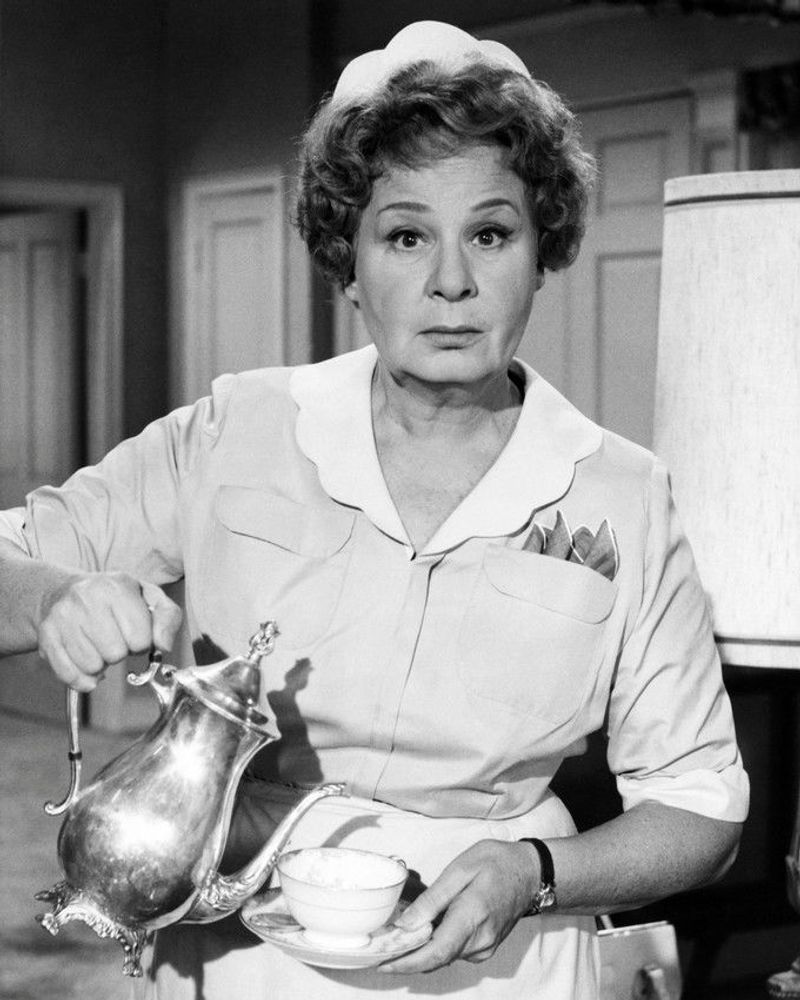
Shirley Booth won an Academy Award before she ever starred in Hazel, which tells you something about the caliber of talent this show had. She played Hazel Burke, a maid who somehow managed to run the Baxter household better than anyone in it.
Her bossy-but-loving personality made her impossible not to root for.
Five seasons and over 150 episodes proved audiences genuinely adored her. Booth even won two Emmy Awards for the role.
Despite all of that, Hazel has not endured in reruns the way it truly should have.
17. The Joey Bishop Show (1961–1965)
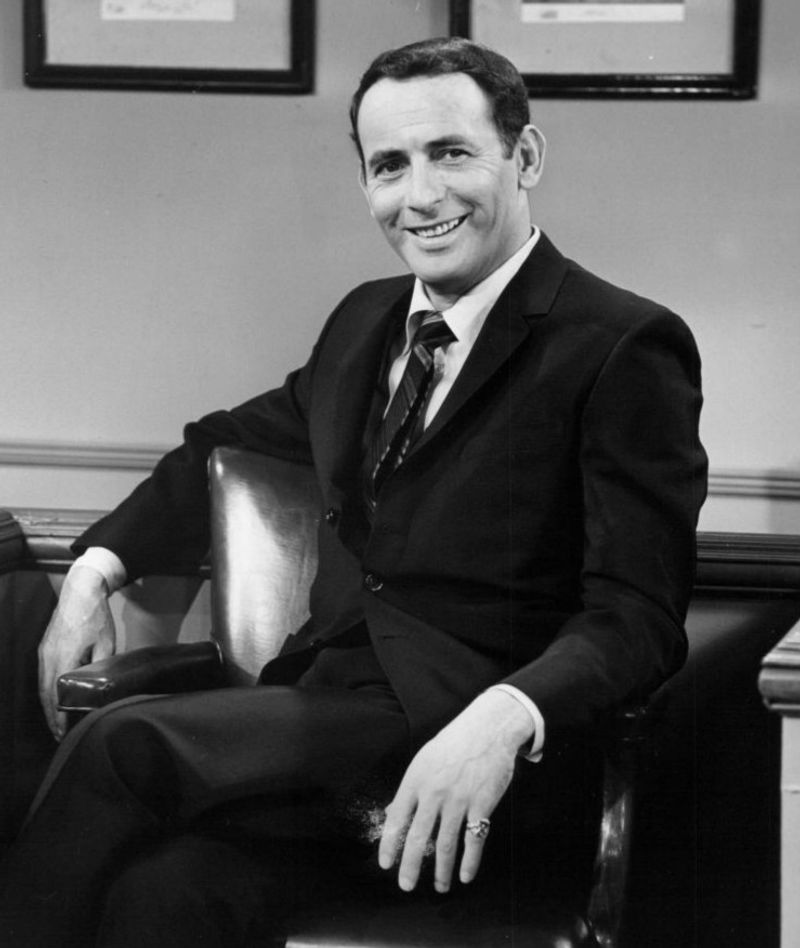
Joey Bishop was a member of the famous Rat Pack alongside Frank Sinatra and Dean Martin, so his own sitcom seemed like a guaranteed win. He played a fictionalized version of himself, first as a public relations executive and later as a talk show host after a format retool midway through the run.
Neither version of the show ever truly clicked with audiences in a lasting way. Four seasons came and went without making much of a cultural dent.
Bishop remained far more famous for his Rat Pack connections than for anything this show produced.
18. Route 66 (1960–1964)
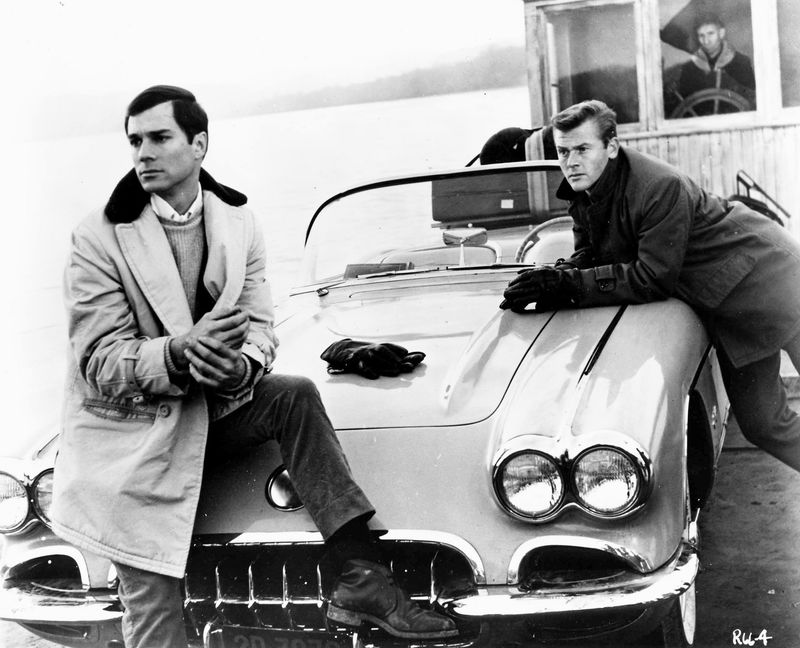
Route 66 had a genuinely cinematic quality that set it apart from almost everything else on TV at the time. Martin Milner and George Maharis played two young men driving across America in a Corvette, stopping in different towns and getting tangled up in other people’s lives.
The writing was serious, thoughtful, and often surprisingly literary.
It was popular during its four-season run on CBS and even won a Primetime Emmy. But the format made it hard to rerun easily, since each episode was a self-contained story in a new location.
That structure may have hurt its long-term legacy.
19. My Living Doll (1964–1965)
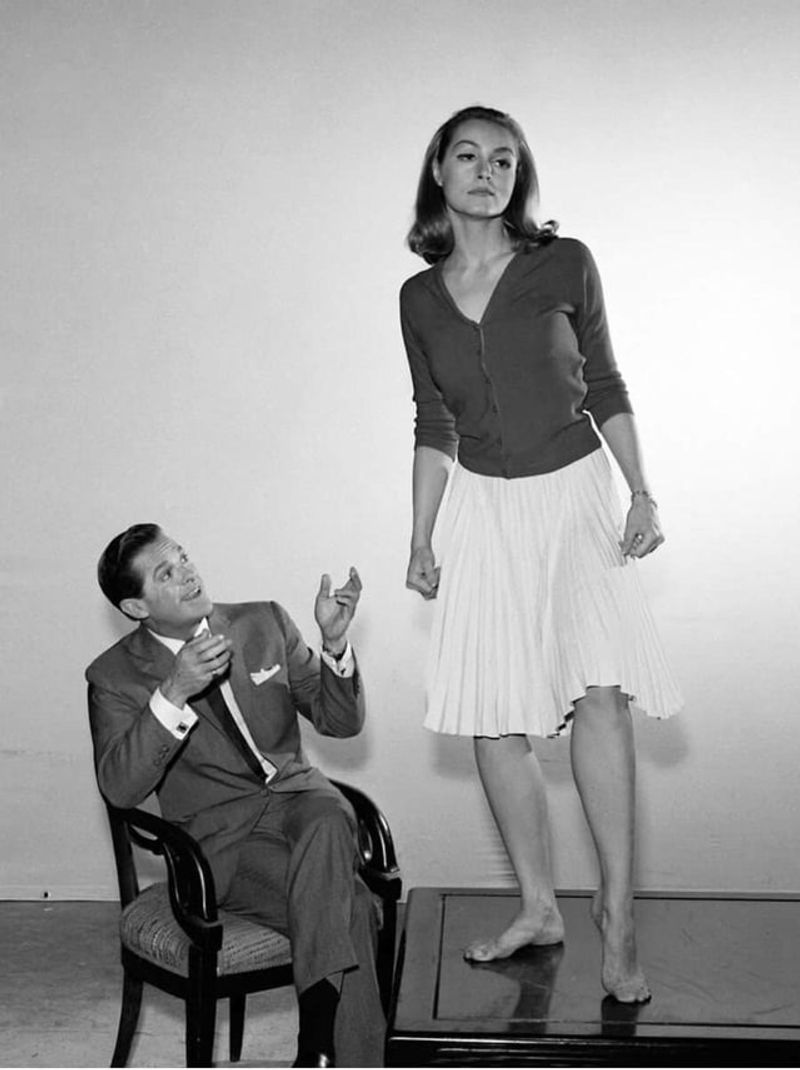
Julie Newmar played Rhoda, a highly advanced female android being taught how to behave like a human by a psychiatrist played by Bob Cummings. The concept sounds like it could have been ahead of its time, and in many ways it genuinely was.
Newmar brought an otherworldly grace to the role that made the whole thing oddly compelling.
Tragically, most episodes of this show no longer exist. Only a handful of episodes are known to have survived, making it one of television’s more significant lost artifacts.
What little remains hints at something genuinely interesting that the world barely got to see.
20. It’s About Time (1966–1967)
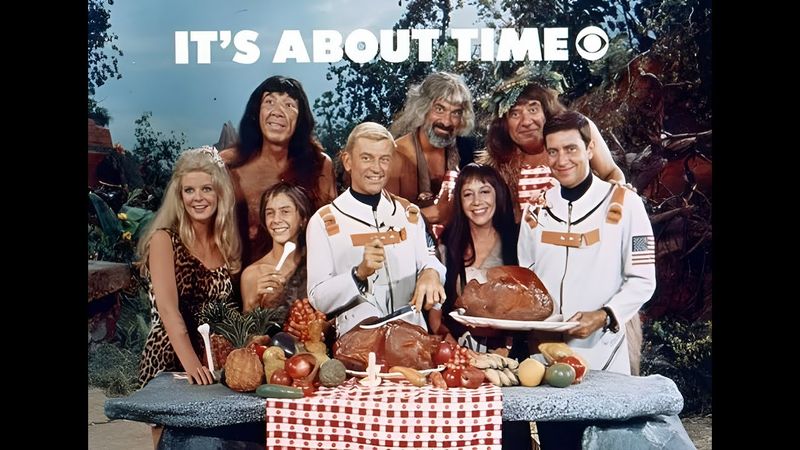
Sherwood Schwartz gave the world Gilligan’s Island and The Brady Bunch, so people expected big things from his next project. Two astronauts accidentally break the time barrier and end up living among cavemen.
The show had a goofy charm, and the first half of its single season drew decent ratings.
Then the show flipped its premise entirely, sending the cavemen to modern times instead. Critics were not kind, and audiences drifted away quickly.
It wrapped up after just 26 episodes, becoming one of Schwartz’s rare misfires that history has largely chosen to forget.