
Life gets overwhelming sometimes, and finding ways to quiet your mind can feel like a challenge. Books have long been one of the best tools for helping people slow down, breathe easier, and regain a sense of calm.
Whether you prefer science-backed strategies, mindfulness practices, or even a good story to whisk you away, there is something on this list for you. These 20 reads are here to help you feel lighter, clearer, and more at peace.
1. The Power of Now by Eckhart Tolle
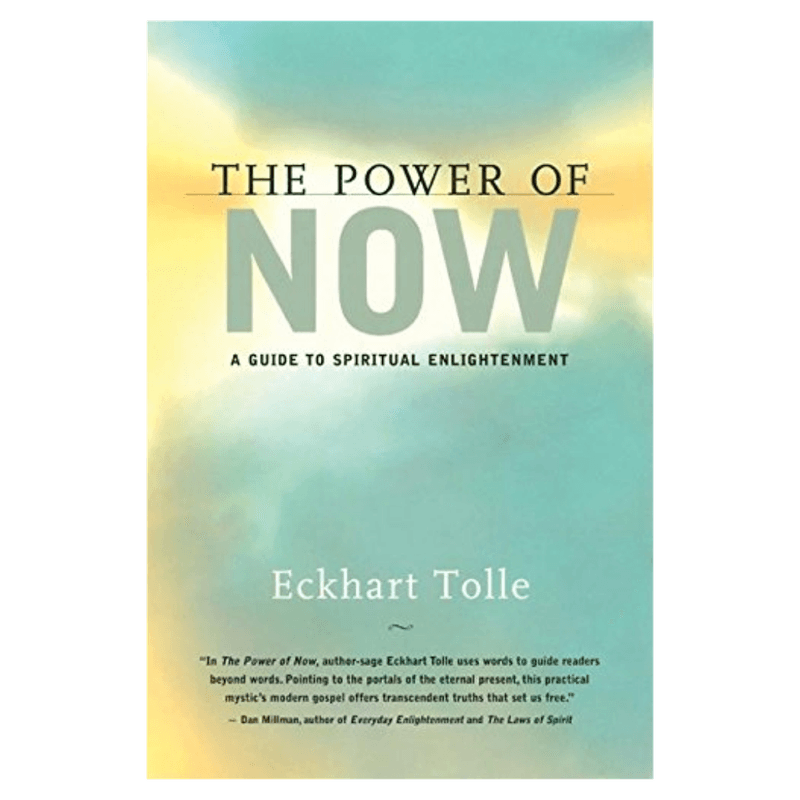
Right now is the only moment that truly exists, and Eckhart Tolle wants you to feel that deeply. This groundbreaking book shows how your mind constantly pulls you into the past or future, which is where most stress lives.
By learning to anchor yourself in the present, you begin to loosen anxiety’s grip.
Tolle’s writing is calm and thought-provoking. Many readers say this book changed the way they experience everyday life entirely.
2. Wherever You Go, There You Are by Jon Kabat-Zinn
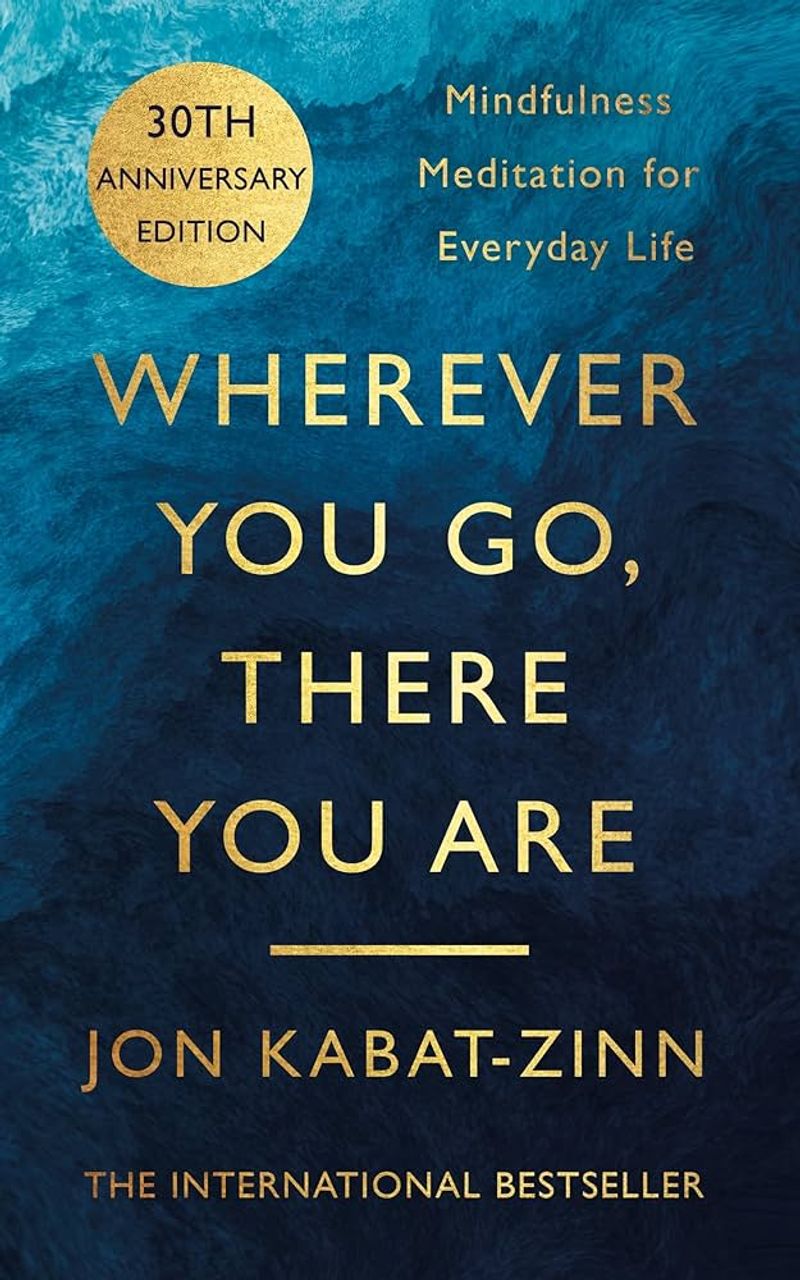
Mindfulness does not require a meditation cushion or a mountain retreat. Jon Kabat-Zinn proves that awareness can bloom in the most ordinary moments of your day.
His short, easy-to-absorb reflections make this book ideal for busy people who want to feel more grounded without overhauling their entire routine.
Each passage reads almost like a gentle reminder to breathe. Whether you are brand new to mindfulness or a seasoned practitioner, this book meets you exactly where you are.
3. Radical Acceptance by Tara Brach
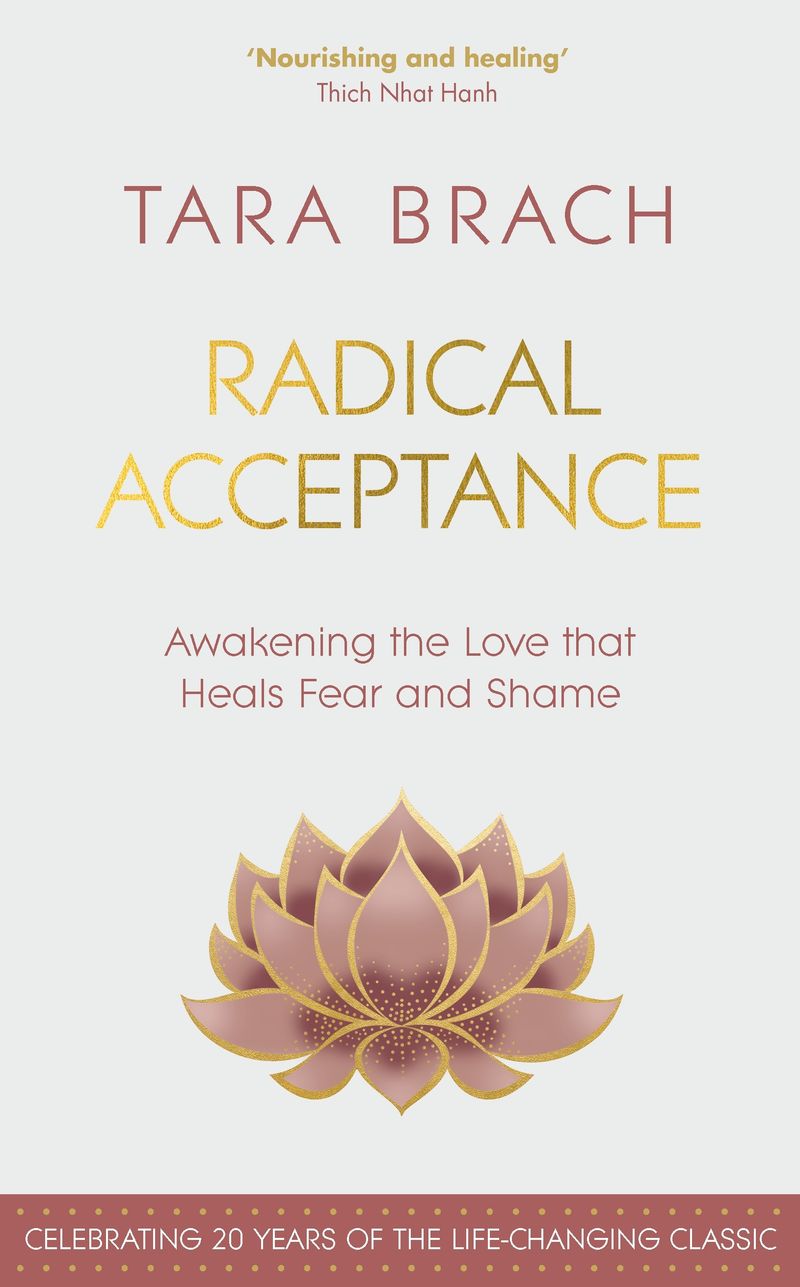
Self-judgment is one of the sneakiest causes of stress, and Tara Brach offers a compassionate way out. Blending Buddhist wisdom with modern psychology, she teaches that true healing starts the moment you stop fighting yourself and begin offering kindness instead.
This book is especially helpful for anyone caught in cycles of shame or emotional overwhelm. Brach writes with warmth and honesty, making even the heaviest topics feel approachable and manageable for everyday readers.
4. Atomic Habits by James Clear
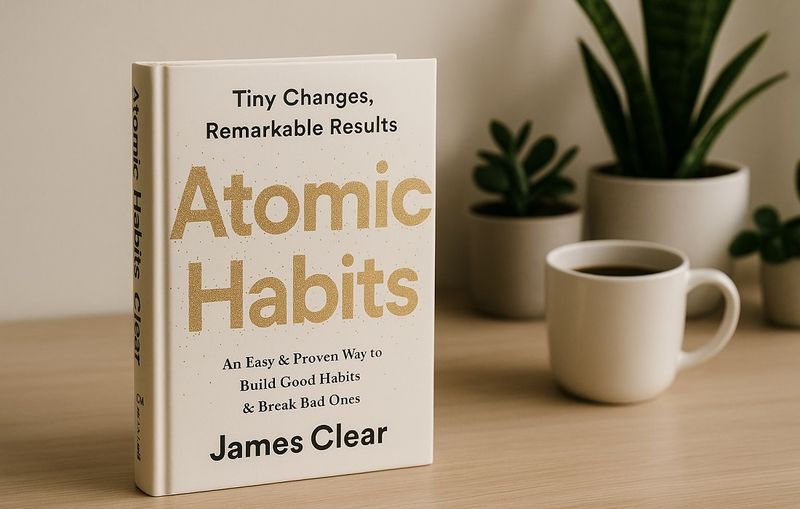
Stress often comes from feeling stuck or out of control, and that is exactly what Atomic Habits addresses. James Clear reveals how tiny, repeatable actions compound into massive life changes over time.
You do not need a dramatic transformation overnight, just one small step done consistently.
Clear’s writing style is crisp and practical, packed with real-world examples. Readers who feel overwhelmed by big goals often find this book a refreshing and genuinely motivating reset for daily life.
5. The Untethered Soul by Michael A. Singer
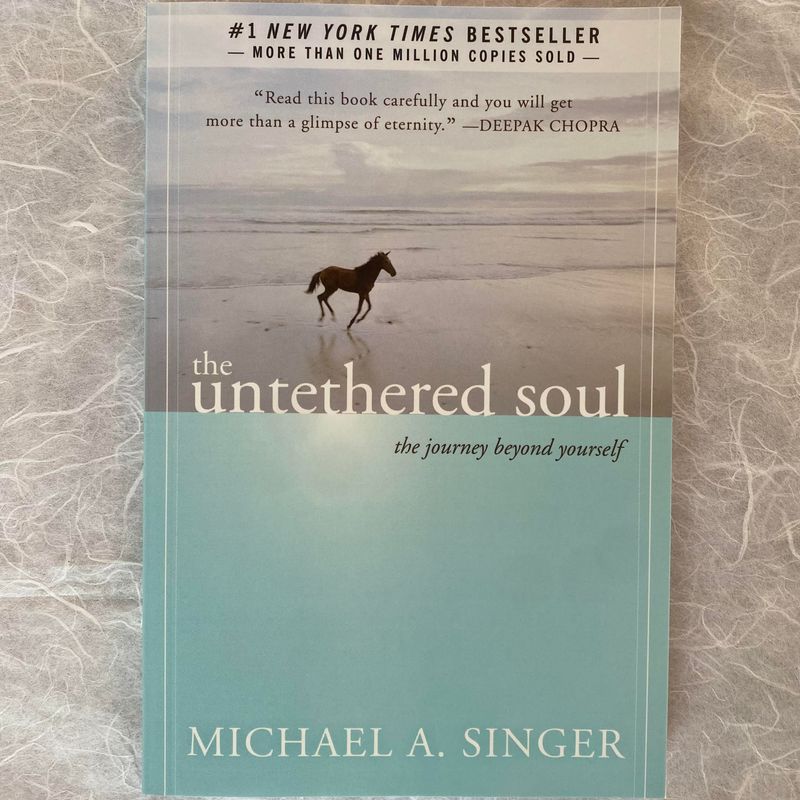
Have you ever noticed the constant chatter inside your head? Michael A.
Singer calls it the inner roommate, and this book teaches you how to stop letting it run your life. By observing your thoughts instead of identifying with them, you create space for genuine calm and self-discovery.
Singer’s approach feels both spiritual and surprisingly practical. Readers often describe finishing this book feeling lighter, as though a quiet but heavy weight had finally been lifted from their shoulders.
6. Full Catastrophe Living by Jon Kabat-Zinn
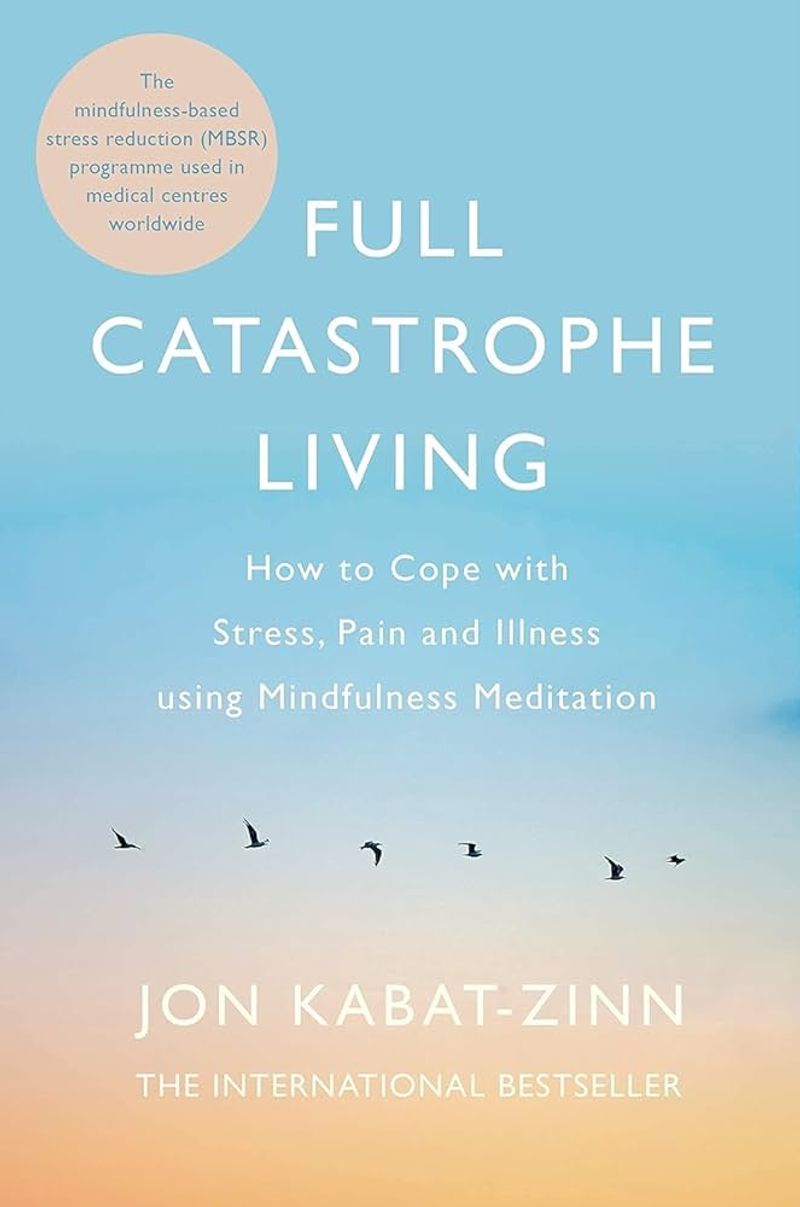
This is the book that helped launch the entire Mindfulness-Based Stress Reduction movement. Jon Kabat-Zinn wrote it as a thorough, compassionate guide for people dealing with chronic stress, pain, and illness.
It is not a quick fix but a deeply researched and genuinely empowering roadmap.
Working through this book feels like having a knowledgeable friend walk you through every tool you need. Many readers return to it again and again during especially difficult seasons of life.
7. Nothing Much Happens by Kathryn Nicolai
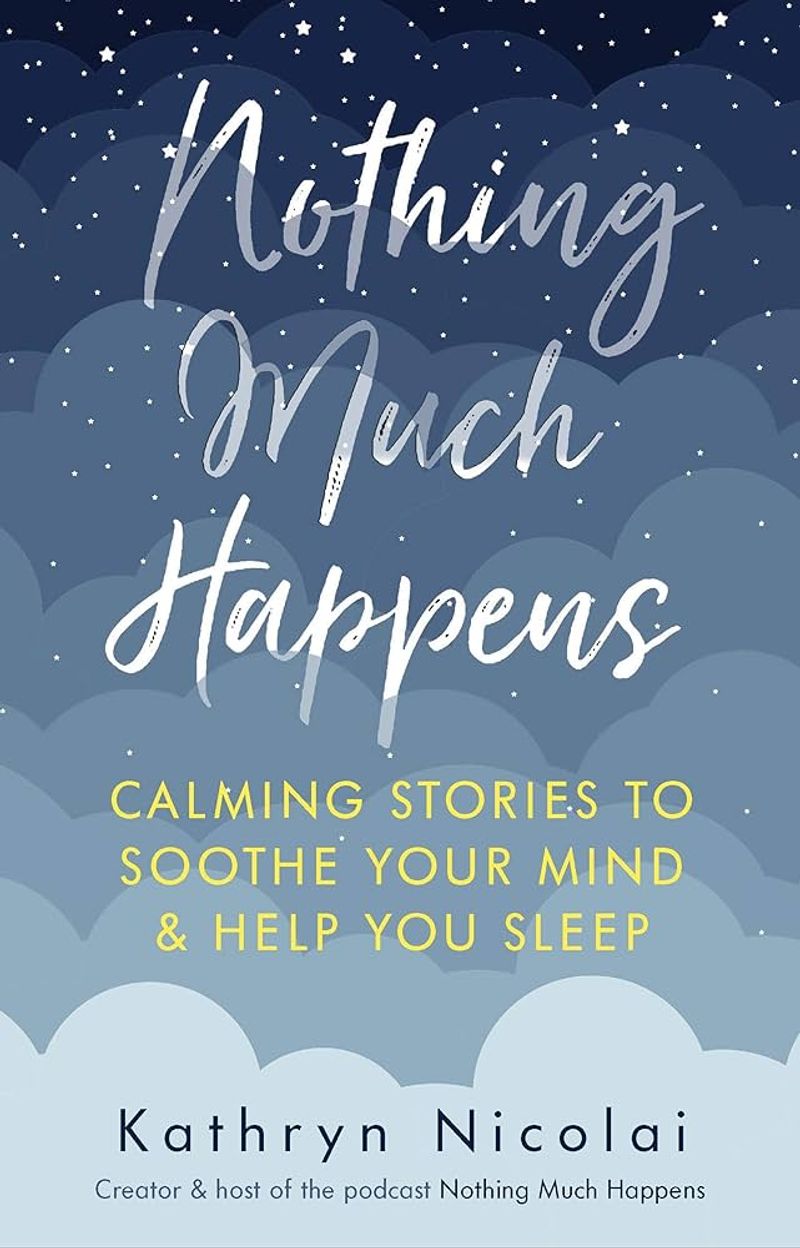
Sometimes the best remedy for a racing mind is a story where absolutely nothing dramatic unfolds. Kathryn Nicolai crafts beautifully slow, sensory-rich narratives specifically designed to calm anxiety and ease you toward rest.
Think of it as a warm mental bath after a long, stressful day.
Originally created for a sleep podcast, these stories have helped millions unwind at bedtime. If counting sheep never worked for you, this book might just become your new nighttime ritual.
8. The Miracle of Mindfulness by Thich Nhat Hanh
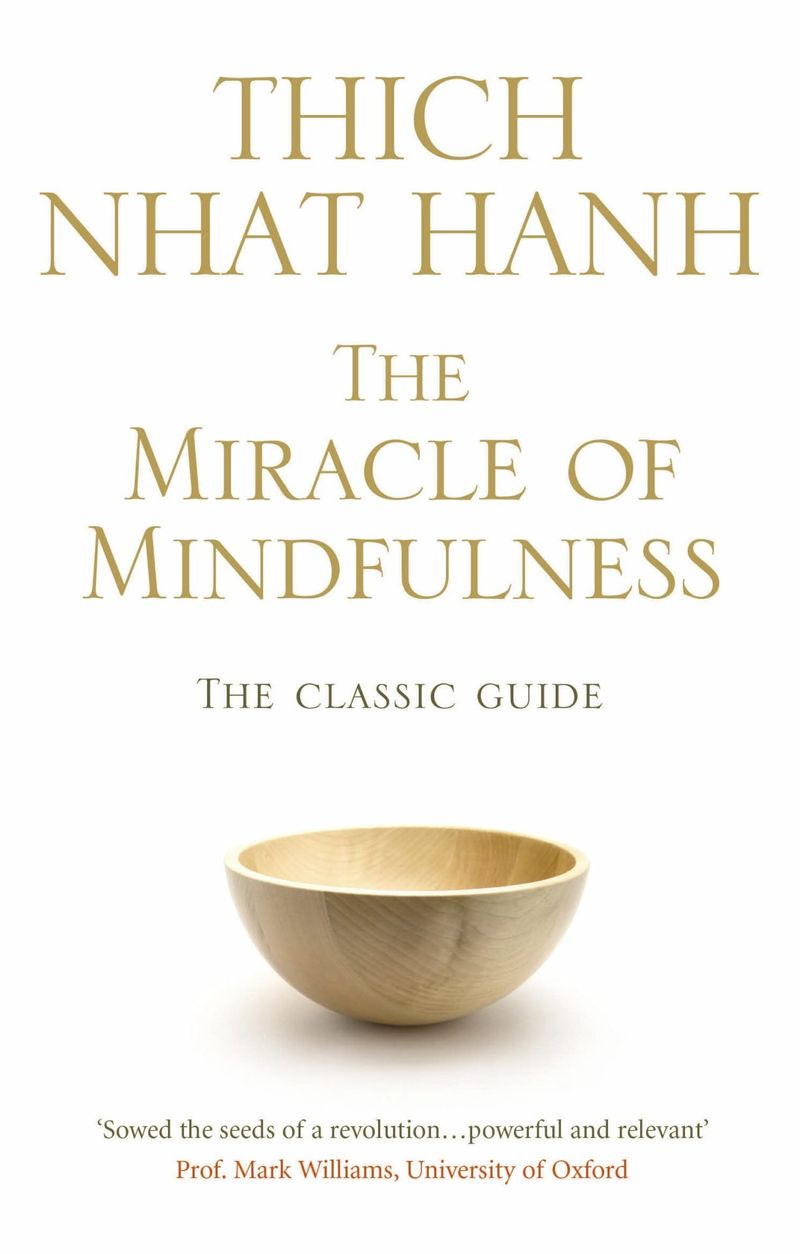
Thich Nhat Hanh believed that washing dishes could be a spiritual practice, and this slim, beautiful book explains exactly why. Through gentle storytelling and simple exercises, he shows how bringing full attention to ordinary tasks transforms stress into stillness.
Originally written as a letter to a fellow monk, the book carries an intimate and unhurried tone that feels rare in today’s fast-paced world. Even a single chapter can shift your entire mood on a difficult afternoon.
9. 10% Happier by Dan Harris
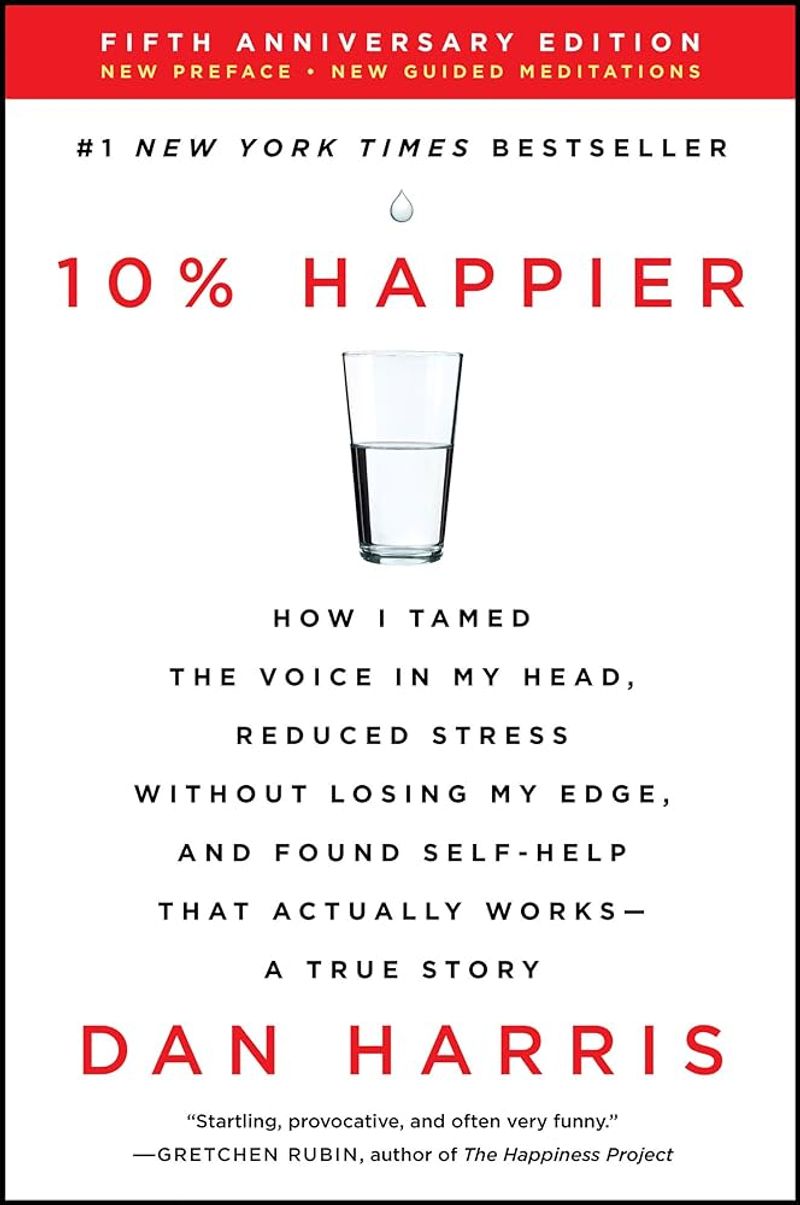
After having a panic attack live on national television, news anchor Dan Harris went searching for answers and stumbled onto meditation. His story is funny, honest, and refreshingly free of spiritual fluff.
For anyone who rolls their eyes at wellness trends, this book feels like a breath of fresh air.
Harris admits he was deeply skeptical at first, which makes his transformation all the more convincing. By the end, even the most resistant readers tend to consider giving mindfulness a genuine try.
10. How to Stop Worrying and Start Living by Dale Carnegie
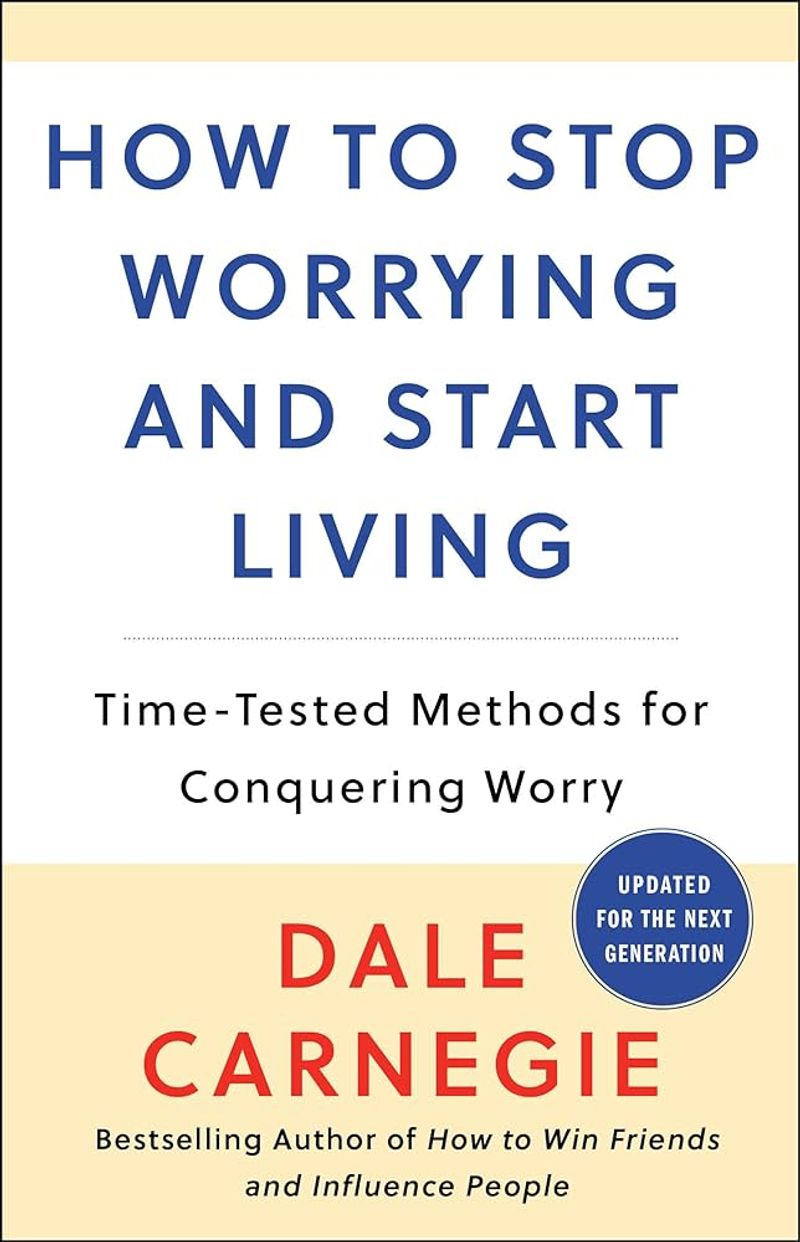
First published in 1948, this classic has helped generations of readers break free from the grip of chronic worry. Dale Carnegie offers straightforward, time-tested techniques that feel less like therapy and more like advice from a wise, no-nonsense mentor.
The strategies are simple but surprisingly effective.
What makes this book stand out is how practical it remains decades later. Carnegie understood that worry is a habit, and like any habit, it can be replaced with something far healthier and more productive.
11. Why Zebras Don’t Get Ulcers by Robert M. Sapolsky
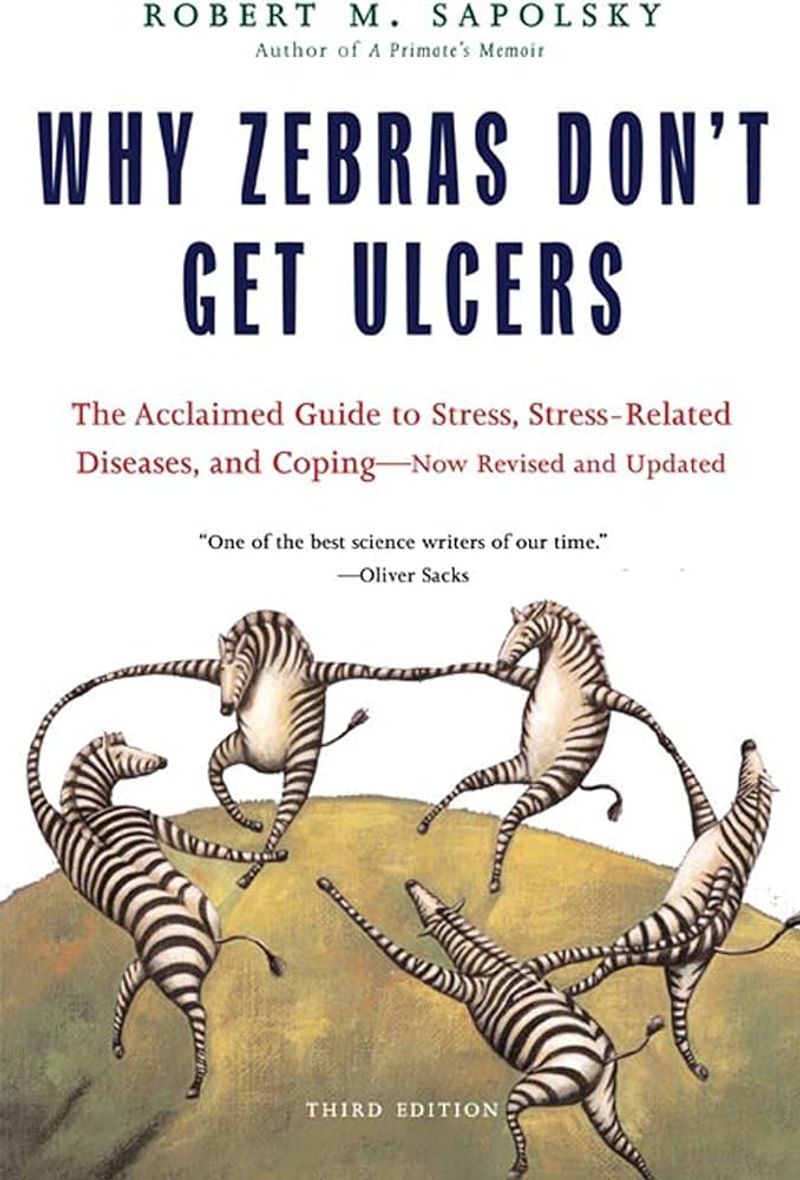
Here is a fun fact: zebras do not lie awake worrying about tomorrow’s problems, and that biological difference is the heart of this fascinating book. Robert Sapolsky, a Stanford neuroscientist, explains in clear and often hilarious terms how chronic human stress literally damages the body over time.
Understanding why stress happens can actually make it easier to manage. This book turns complex biology into engaging storytelling, making it one of the most entertaining and eye-opening reads on this entire list.
12. Burnout: The Secret to Unlocking the Stress Cycle by Emily and Amelia Nagoski
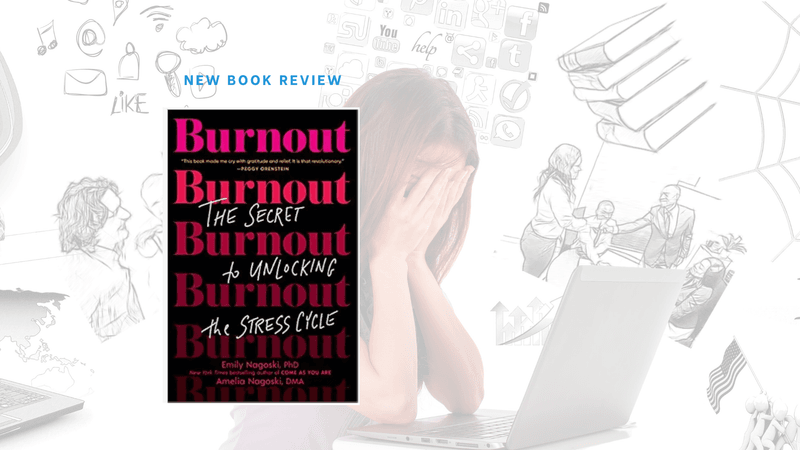
Burnout is not just feeling tired. It is being trapped in an incomplete stress cycle with no clear way out.
Sisters Emily and Amelia Nagoski explain this brilliantly and offer concrete, science-backed ways to actually finish the stress cycle so your body can finally relax and recover.
This book is especially powerful for working professionals and women juggling multiple responsibilities. Readers consistently describe it as validating and practical, a rare combination that makes real change feel genuinely possible.
13. Ikigai: The Japanese Secret to a Long and Happy Life by Hector Garcia and Francesc Miralles
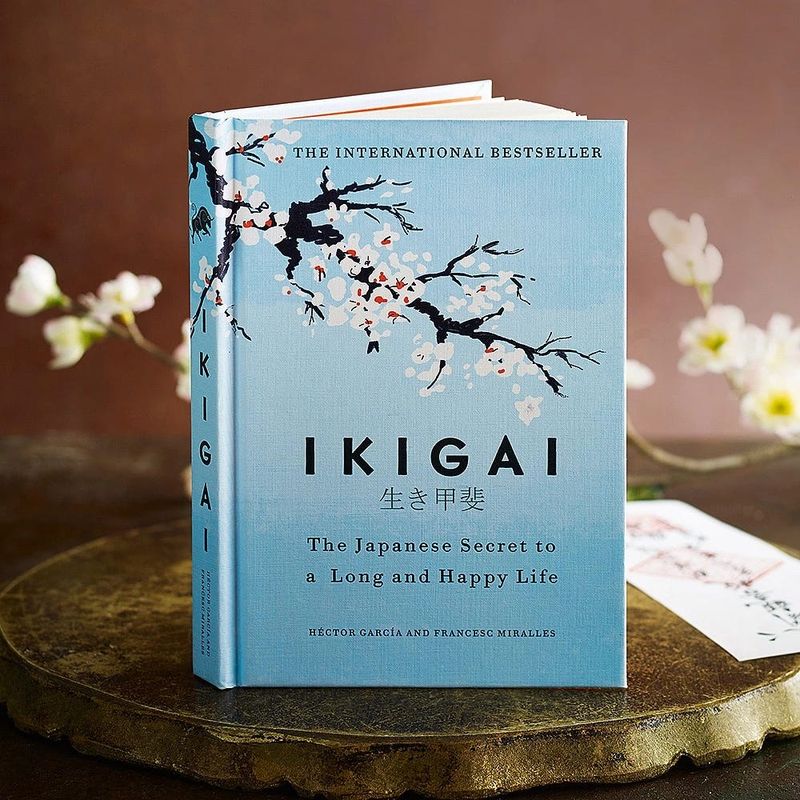
On the Japanese island of Okinawa, people regularly live past 100, and their secret has less to do with diet than with purpose. Ikigai, meaning reason for being, is the concept at the core of this warm and inspiring book.
Finding your ikigai pulls you out of daily stress and toward something meaningful.
Garcia and Miralles write with genuine affection for the subject. The book also introduces calming practices like qigong that readers can start using immediately in their own lives.
14. The Daily Stoic by Ryan Holiday and Stephen Hanselman
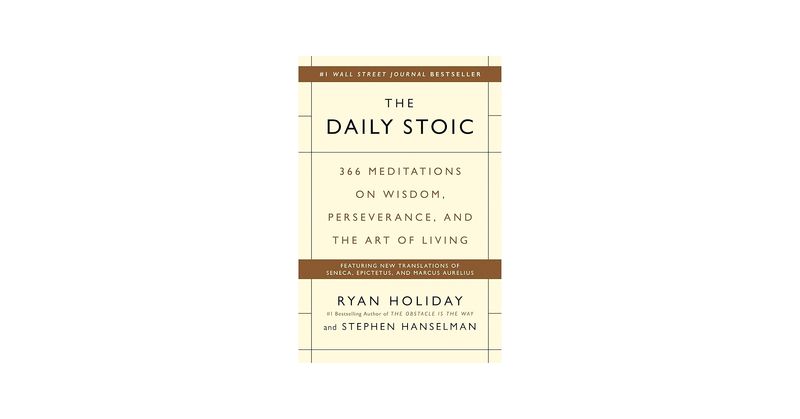
Ancient philosophers like Marcus Aurelius and Seneca faced wars, plagues, and personal loss, yet they wrote about maintaining calm and clarity through it all. Ryan Holiday and Stephen Hanselman bring 366 of their best meditations together into one daily reading practice that fits easily into any morning routine.
Each entry is short enough to read in two minutes but rich enough to carry with you all day. Stoicism offers a surprisingly modern and empowering framework for managing anxiety and uncertainty.
15. The Flatshare by Beth O’Leary

Not every stress-busting book needs to teach you a technique. Sometimes pure laughter and a swoony story are exactly what your exhausted brain needs.
Beth O’Leary’s romantic comedy follows two strangers who share an apartment but never actually meet, and the result is absolutely charming.
Reading this novel feels like curling up under a blanket with your favorite snack. Readers consistently report finishing it with a big grin on their face, which is honestly one of the most underrated forms of stress relief available.
16. Life of Pi by Yann Martel
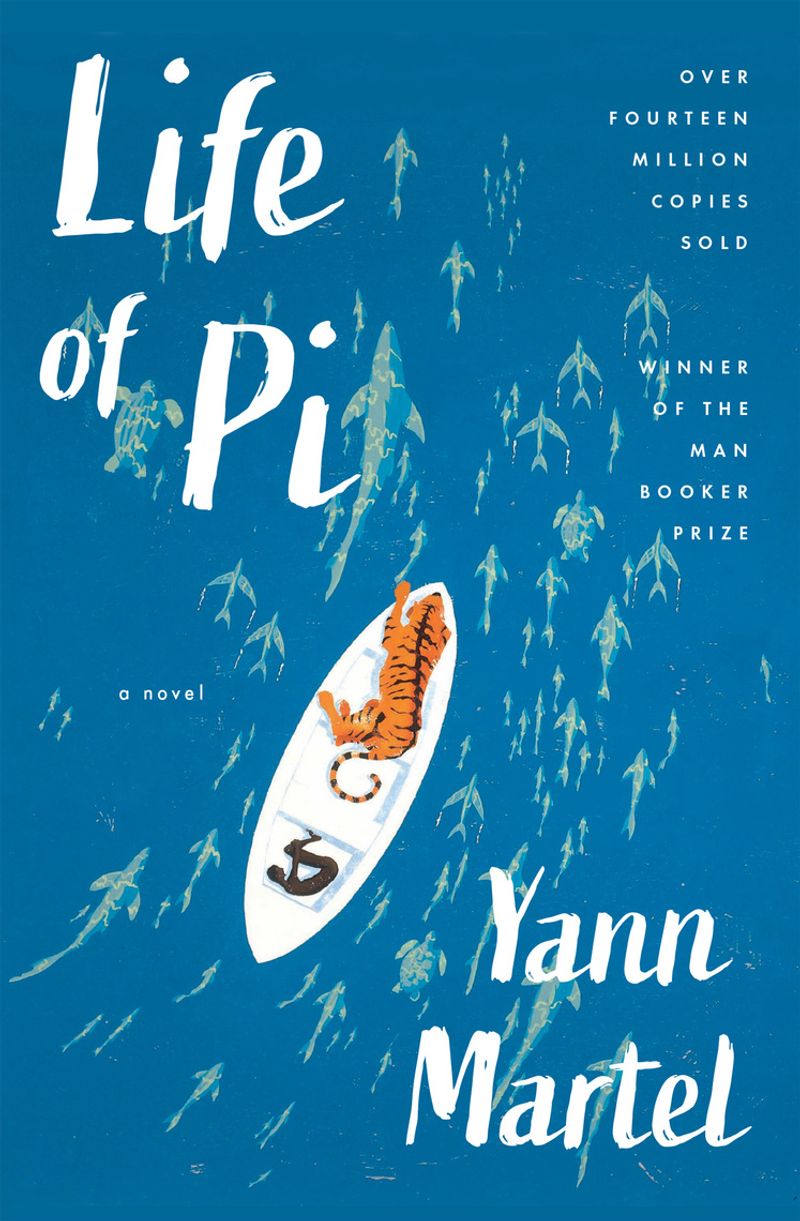
Few books transport you as completely as this one. Yann Martel’s story of a teenage boy stranded on a lifeboat with a Bengal tiger is so vivid and immersive that the real world tends to disappear entirely while you are reading it.
That kind of mental escape is genuinely therapeutic.
Beyond the adventure, Life of Pi carries quiet philosophical reflections on faith, survival, and perspective. Readers often emerge from its pages feeling oddly refreshed, as though they have returned from somewhere far away.
17. The Happiness Trap by Russ Harris
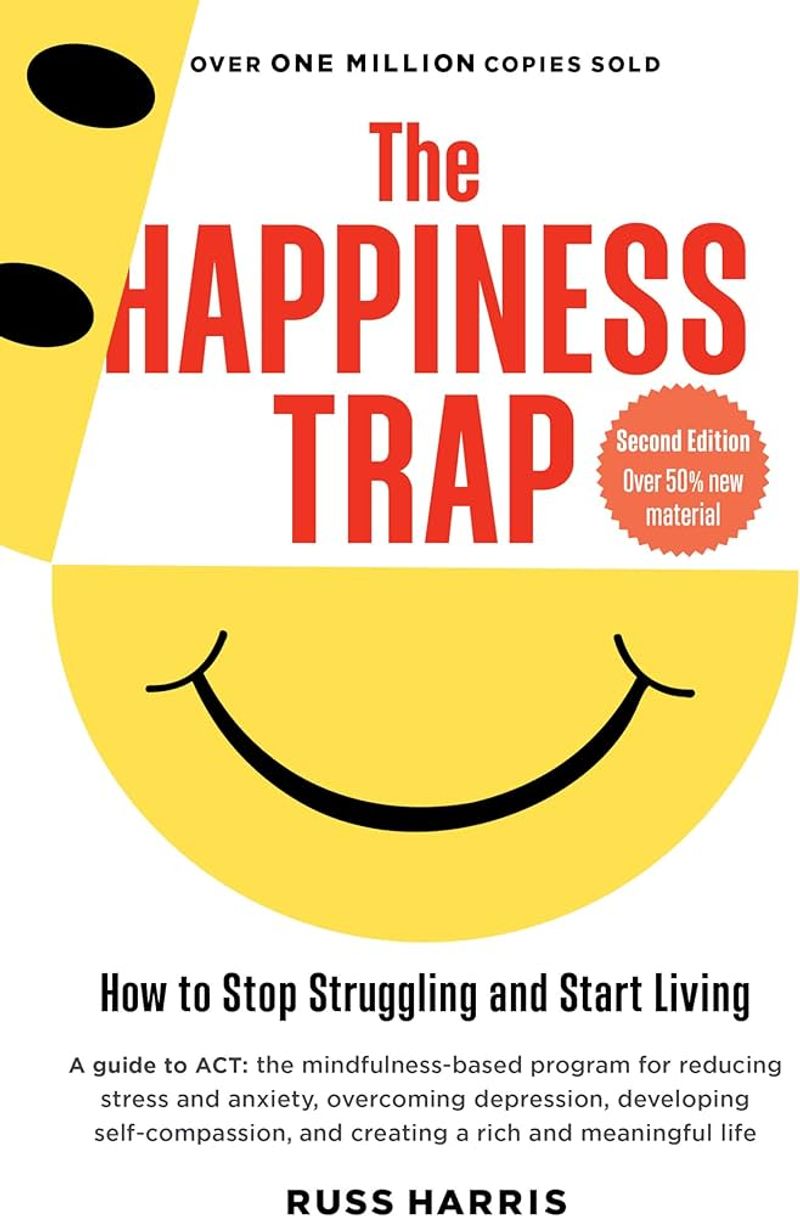
Most self-help books tell you to think positive, but Russ Harris takes the opposite approach. Based on Acceptance and Commitment Therapy, this book teaches you to stop wrestling with difficult thoughts and instead focus on what actually matters to you.
It is a game-changer for people who feel trapped by their own minds.
Harris writes with clarity and zero jargon, making complex psychological concepts feel completely accessible. Readers who have tried and failed with traditional positive thinking often find this approach surprisingly freeing and effective.
18. Feeling Good: The New Mood Therapy by David Burns
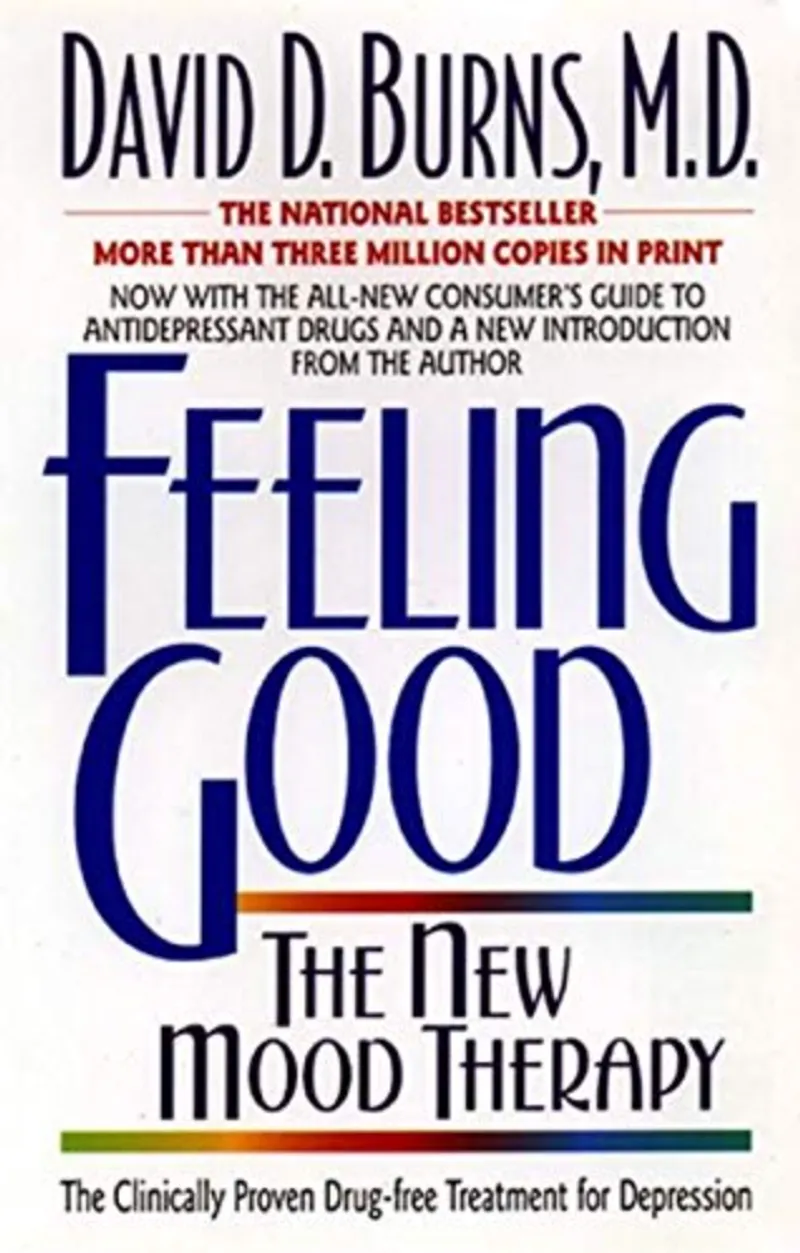
Cognitive Behavioral Therapy is one of the most effective tools for managing anxiety and low mood, and David Burns made it accessible to everyday readers back in 1980. Feeling Good walks you through the exact techniques therapists use, with worksheets and examples that help you apply them immediately.
Clinical studies have actually shown that reading this book alone can significantly reduce symptoms of depression. For anyone navigating difficult emotions without regular access to therapy, it is an incredibly valuable and empowering resource to have.
19. The Let Them Theory by Mel Robbins
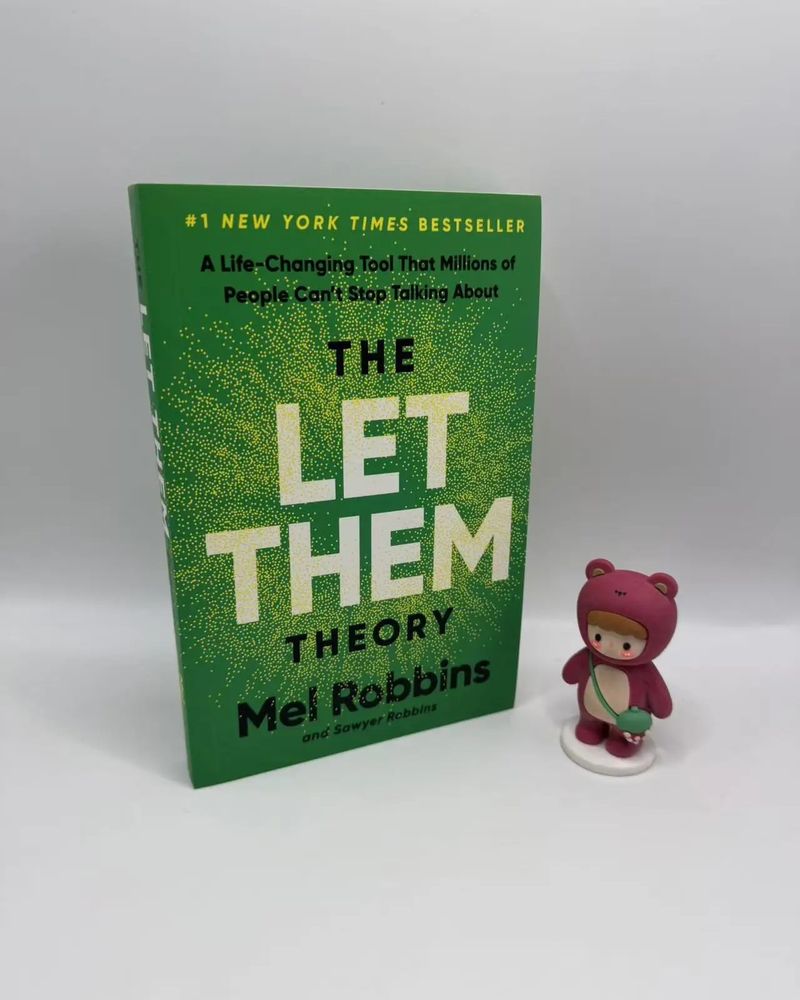
Trying to control what other people think, say, or do is one of the fastest roads to exhaustion. Mel Robbins flips the script with a deceptively simple idea: let them.
When you stop pouring energy into things outside your control, you suddenly have so much more left for yourself.
Her writing is punchy, direct, and genuinely motivating. Readers describe feeling a weight lift off their shoulders almost immediately after grasping this concept, making it one of the most instantly applicable books on this list.
20. Unwinding Anxiety by Judson Brewer
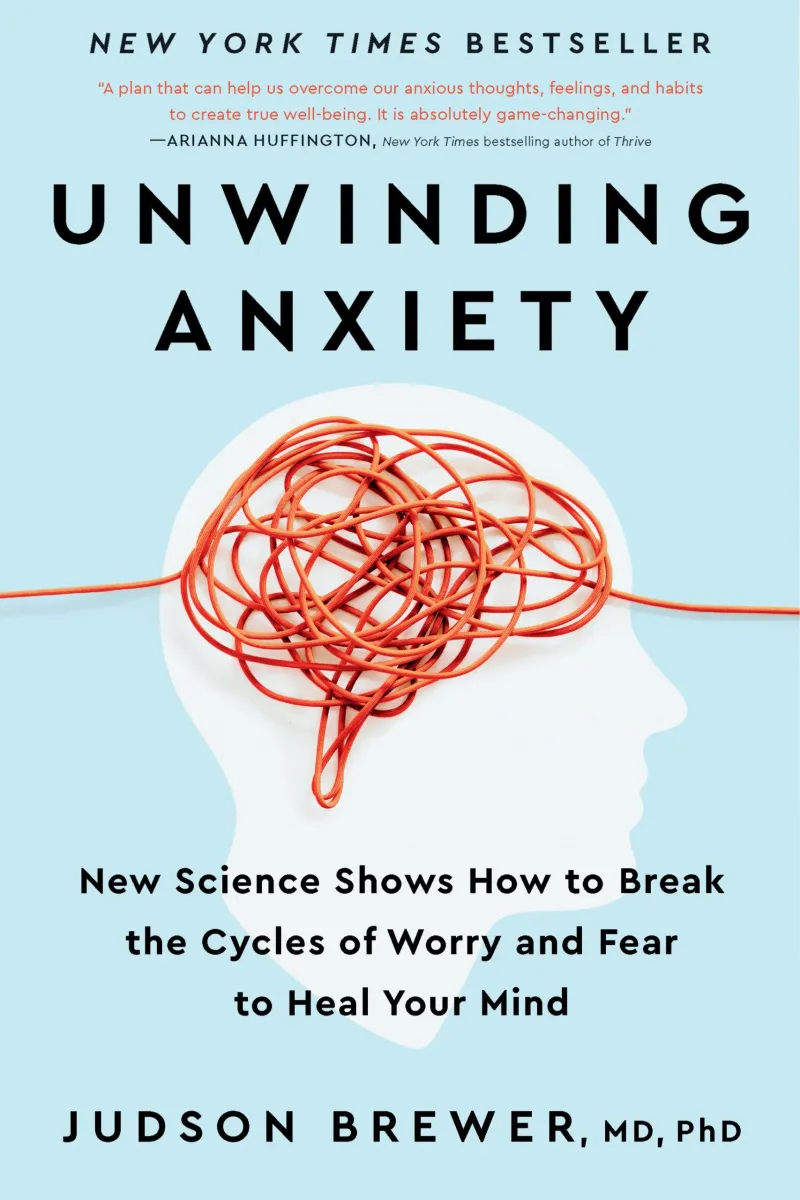
Anxiety feeds on habit loops, and psychiatrist Judson Brewer spent years studying exactly how those loops form and how to break them. His research-backed approach combines neuroscience with mindfulness in a way that is both logical and deeply practical.
Understanding why your brain gets anxious makes the whole thing feel far less scary.
Brewer includes exercises readers can use immediately, even mid-panic. Many people who have struggled with anxiety for years report that this book finally gave them a framework that actually made lasting sense.