
Your body is constantly talking to you, and sometimes it uses some pretty strange ways to get your attention. When stress piles up, it doesn’t just mess with your mood — it shows up in your skin, muscles, eyes, and even your hair.
Some of these signals are so unexpected that most people never connect them to stress at all. Learning to spot them early can help you take better care of yourself before things get worse.
1. Eye Twitching Out of Nowhere
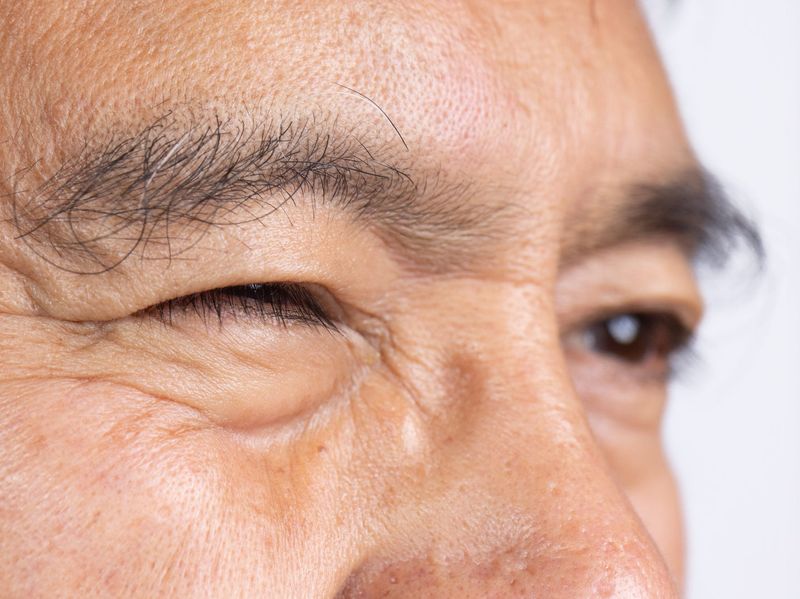
Ever had your eyelid flutter on its own at the worst possible moment? That annoying twitch is called myokymia, and it happens when your eye muscles get overstimulated from stress, fatigue, or too much caffeine.
Most of the time, it goes away on its own once you rest. Try cutting back on coffee, getting more sleep, and taking breaks from screens.
If it sticks around for more than a week, it’s worth checking with a doctor.
2. Surprise Acne Flare-Ups
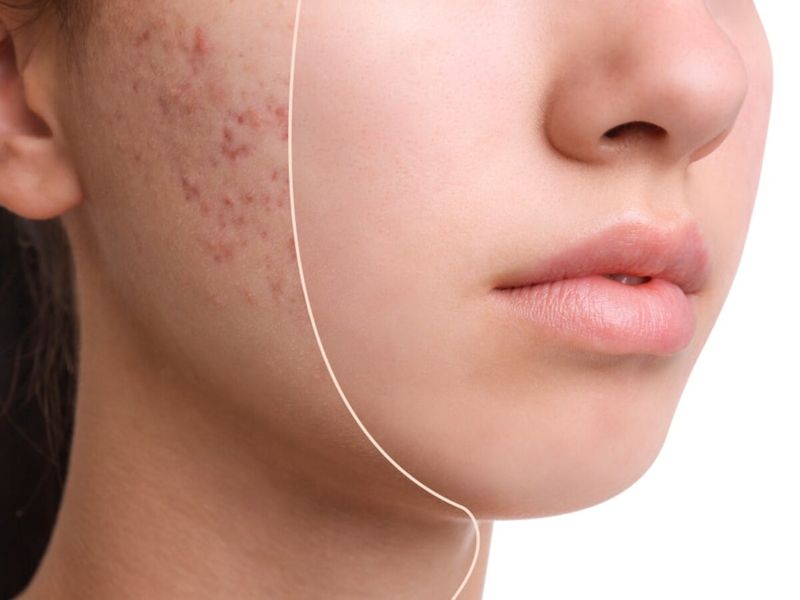
Stress doesn’t just ruin your mood — it can wreck your skin, too. When cortisol levels spike, your skin produces more oil, which clogs pores and triggers breakouts even if you’ve never had acne problems before.
Washing your face twice a day and staying hydrated can help keep things under control. Managing stress through exercise or journaling can also reduce how often flare-ups happen.
Your skin often reflects what’s going on inside your mind.
3. Mystery Aches and Body Pain

You wake up sore, but you didn’t work out. Sound familiar?
Stress causes your muscles to tighten up as part of your body’s natural defense response, and that tension sticks around long after the stressful moment has passed.
Your shoulders, neck, and lower back tend to take the biggest hit. Gentle stretching, warm baths, or even a short walk can release some of that built-up tension.
Chronic pain without a clear cause is often stress whispering louder than usual.
4. Clumps of Hair in the Drain
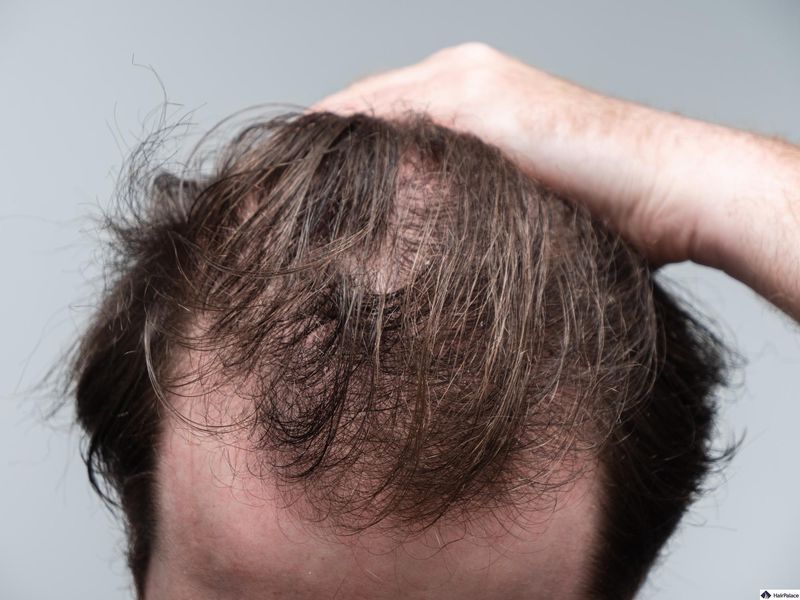
Finding more hair than usual on your pillow or in the shower drain can be alarming. A condition called telogen effluvium pushes hair follicles into a resting phase all at once, causing noticeable shedding weeks or even months after a stressful event.
The tricky part is that the hair loss often shows up long after the stressor is gone, making it hard to connect the two. Eating well and managing stress can help hair grow back over time.
5. Gut Problems That Come and Go
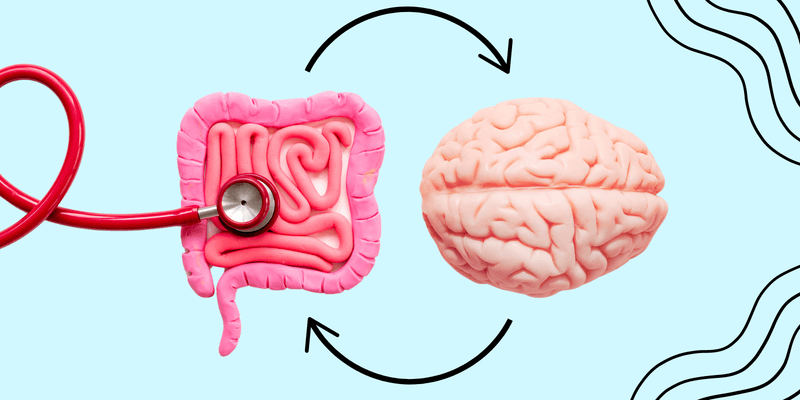
Your gut and brain are in constant conversation, which is why stress hits your stomach so hard. Bloating, cramping, nausea, or sudden changes in bathroom habits can all be your digestive system reacting to emotional overload.
Doctors call this the gut-brain connection, and it’s very real. Eating smaller meals, avoiding greasy foods, and practicing deep breathing before meals can calm things down.
When your mind is in chaos, your stomach often follows right along.
6. Mood Swings That Hit Fast
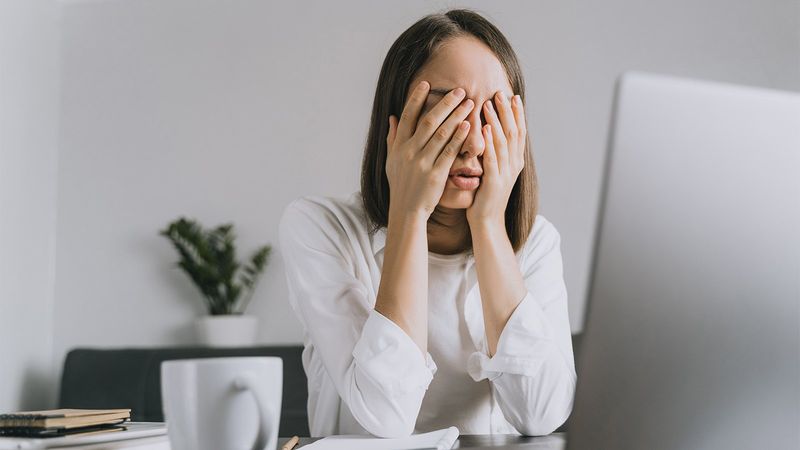
One minute you’re fine, and the next you’re snapping at someone over something tiny. Stress floods your body with hormones that make emotional regulation much harder, leaving you more reactive and less patient than usual.
Recognizing that stress is behind the mood swings is already half the battle. Stepping away for a few minutes, taking slow breaths, or going outside briefly can help reset your emotional state.
You’re not overreacting — your brain chemistry is just overwhelmed right now.
7. Headaches That Won’t Quit

Tension headaches are one of stress’s most common calling cards. When you’re stressed, the muscles around your skull, neck, and shoulders tighten, creating that familiar dull, squeezing pain that can last for hours.
Staying hydrated, taking breaks from screens, and doing gentle neck stretches can provide real relief. Over-the-counter pain relievers help short-term, but addressing the root cause — stress itself — is what keeps headaches from becoming a daily visitor in your life.
8. Breathing That Feels Shallow

Heavy stress kicks your body into fight-or-flight mode, and one of the first things that changes is how you breathe. Breaths become shorter and faster, which can actually make anxiety worse and leave you feeling lightheaded or tight in the chest.
Box breathing is a simple trick that helps — breathe in for four counts, hold for four, out for four, hold for four. Practicing this daily trains your nervous system to stay calmer under pressure.
Your breath is one of the fastest tools you have.
9. Memory Gaps and Brain Fog
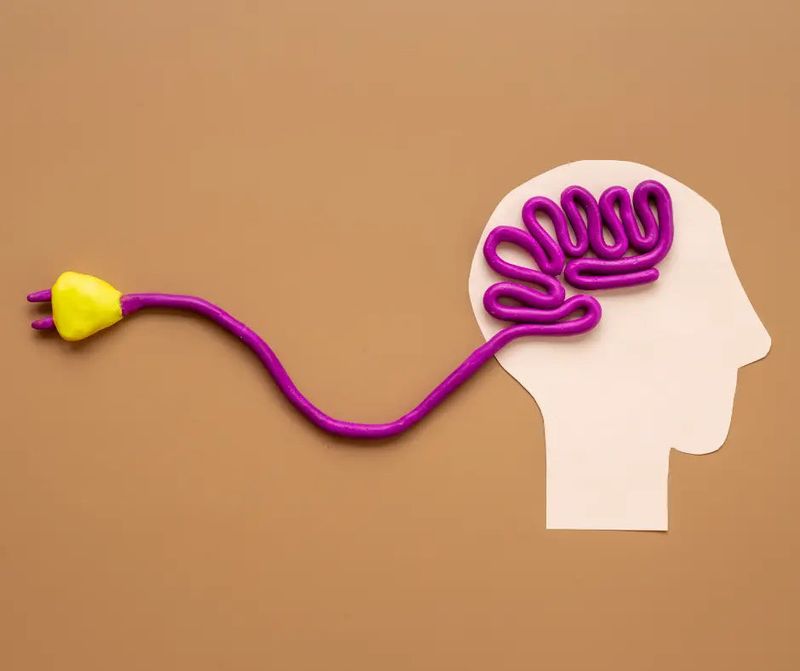
Forgetting where you put your keys is normal, but stress can make memory problems much more frequent and frustrating. High cortisol levels interfere with the hippocampus — the part of your brain responsible for storing and retrieving memories.
Students often notice this during exam periods when stress is highest. Getting enough sleep, eating brain-friendly foods like nuts and berries, and reducing screen time before bed can all sharpen your thinking.
A foggy brain is often a tired, stressed brain in disguise.
10. Jaw Clenching and Teeth Grinding
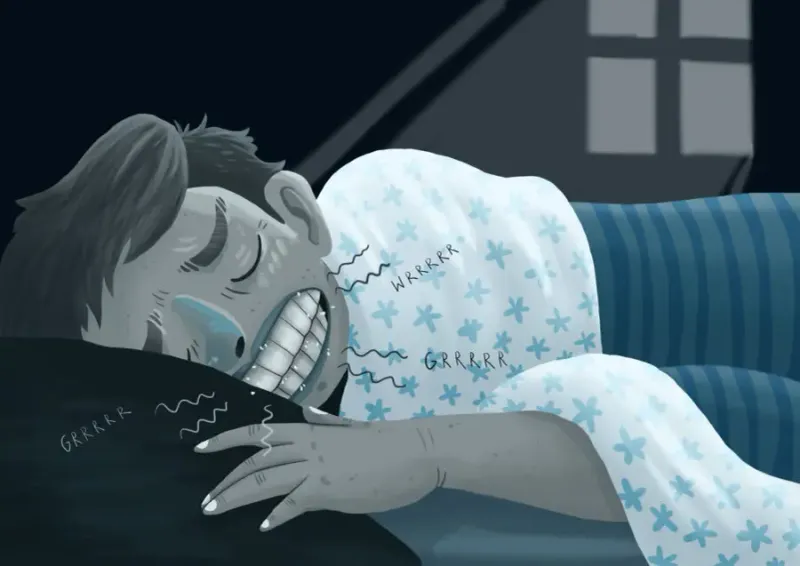
Many people grind or clench their teeth during stressful periods without even realizing it — often while sleeping. This condition, called bruxism, can lead to jaw soreness, worn-down teeth, and even earaches that seem to come from nowhere.
A dentist can fit you with a mouth guard to protect your teeth at night. Reducing stress before bed with a calming routine — like stretching, reading, or light music — can also lower how often it happens.
Your jaw holds a lot of unspoken tension.
11. Skin That Suddenly Feels Itchy
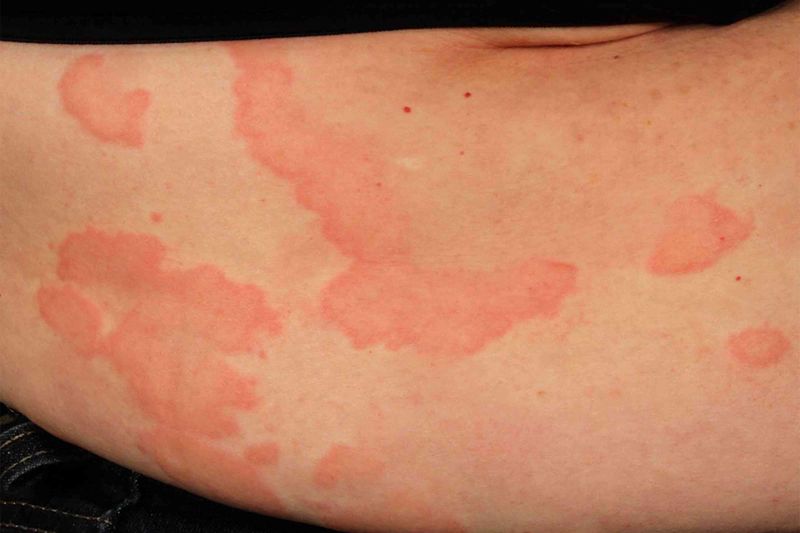
Stress can trigger histamine release in the body, which causes itching, hives, or general skin sensitivity even without any allergic reaction. Some people develop a condition called stress urticaria — basically, stress-induced hives that appear out of nowhere.
Applying a fragrance-free moisturizer and avoiding hot showers can reduce skin irritation. Antihistamines may offer short-term relief, but calming the nervous system through relaxation techniques works better long-term.
When your skin starts crawling for no clear reason, your stress levels deserve a second look.
12. Constant Fatigue Even After Sleep
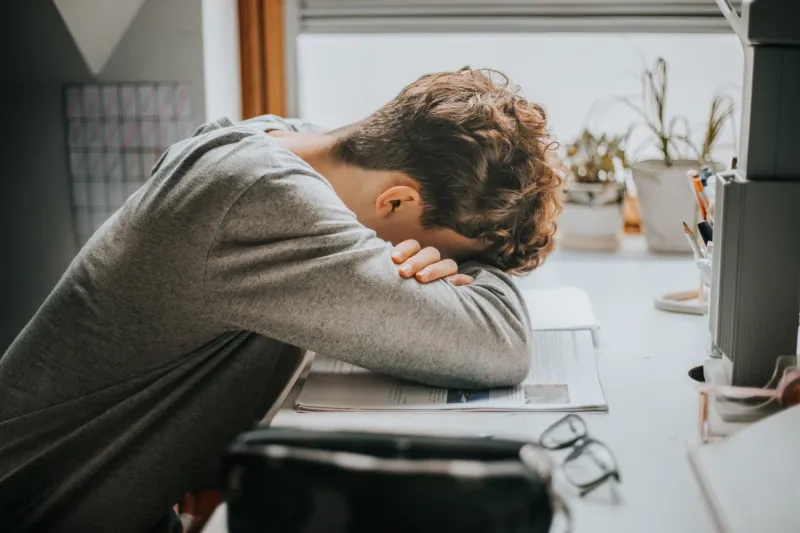
Sleeping eight hours but still waking up drained? Chronic stress keeps your body in a constant state of low-level alert, burning through energy reserves even while you rest.
Your body never fully powers down the way it should during recovery sleep.
Creating a wind-down routine before bed — like dimming lights an hour early and avoiding your phone — signals to your brain that it’s safe to relax. Over time, managing your stress load during the day improves sleep quality at night significantly.
13. Hands and Feet That Feel Cold

Cold hands on a warm day can be a strange but real sign of stress. When your body activates its stress response, blood flow gets redirected to your major organs and large muscles — leaving your hands and feet feeling icy cold.
Wiggling your fingers and toes, doing light movement, or holding a warm drink can help restore circulation quickly. If it happens often, stress management practices like yoga or meditation can reduce how frequently your body triggers this response throughout the day.
14. A Ringing Sound in Your Ears
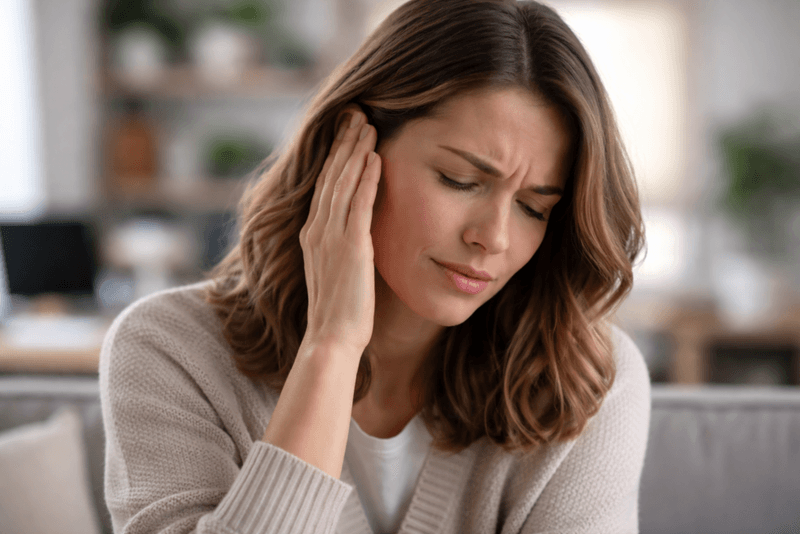
Tinnitus — that persistent ringing or buzzing in your ears — can be made worse by stress, even if it started from another cause. Stress increases blood pressure and muscle tension in the neck and jaw, both of which can amplify that phantom noise.
Limiting caffeine, practicing relaxation techniques, and using white noise machines at night can help reduce the intensity. Many people don’t realize stress is feeding their tinnitus until they manage their stress and notice the ringing actually quiets down a bit.
15. Weird Changes in Your Appetite

Stress eating is real — and so is stress-induced loss of appetite. Cortisol and adrenaline affect hunger hormones in opposite ways depending on the person, which is why some people binge on snacks while others forget to eat entirely when stressed.
Keeping regular meal times, even when you don’t feel hungry, helps stabilize your blood sugar and mood. Choosing foods rich in magnesium and B vitamins, like leafy greens and whole grains, can also support your body’s ability to handle stress more effectively.
16. Breaking Out in Unexpected Sweats

Stress sweating is a whole different beast from regular exercise sweat. It’s triggered by your sympathetic nervous system rather than body heat, which means it tends to pop up in places like your palms, underarms, and forehead at the most inconvenient times.
Antiperspirants can help manage the physical side, but addressing the stress itself is the real fix. Mindfulness apps, regular exercise, and even talking to a counselor can significantly reduce how often your body hits the panic button and starts sweating unnecessarily.