
Old photographs have an incredible way of pulling us back in time, letting us peek into worlds that no longer exist. From workers perched on skyscraper beams to children playing in dusty streets, these rare images show us how people truly lived, worked, and found joy in simpler times.
Each photo tells a story that no history book could fully capture. Get ready to see the past through the eyes of the people who actually lived it.
1. Lunch Atop a Skyscraper (1932)
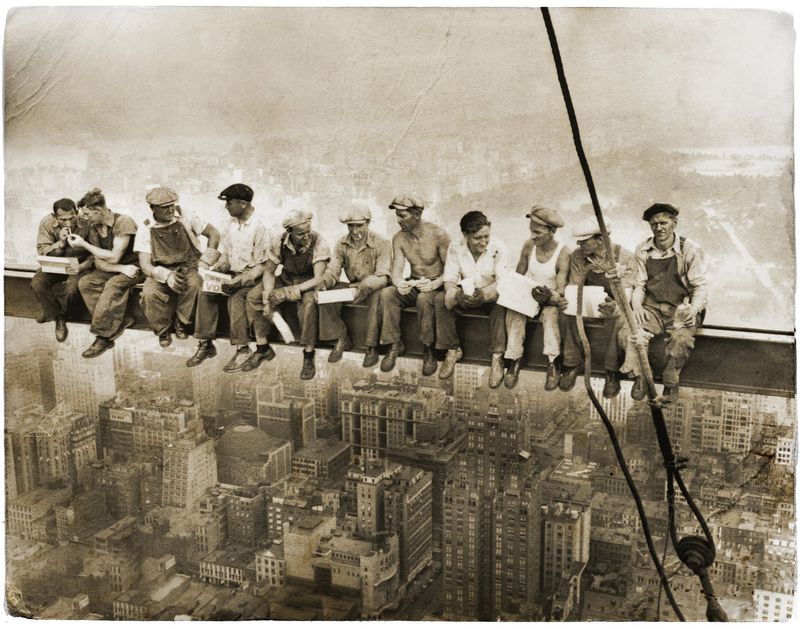
Eleven workers. One steel beam.
Hundreds of meters above New York City with absolutely no safety gear. This jaw-dropping photograph from 1932 shows construction workers on the Rockefeller Center casually eating lunch as if they were sitting on a park bench.
During the Great Depression, men took any job they could find, no matter how dangerous. These workers represent the fearless spirit of an era when survival meant showing up and holding on tight.
2. Migrant Mother (1936)
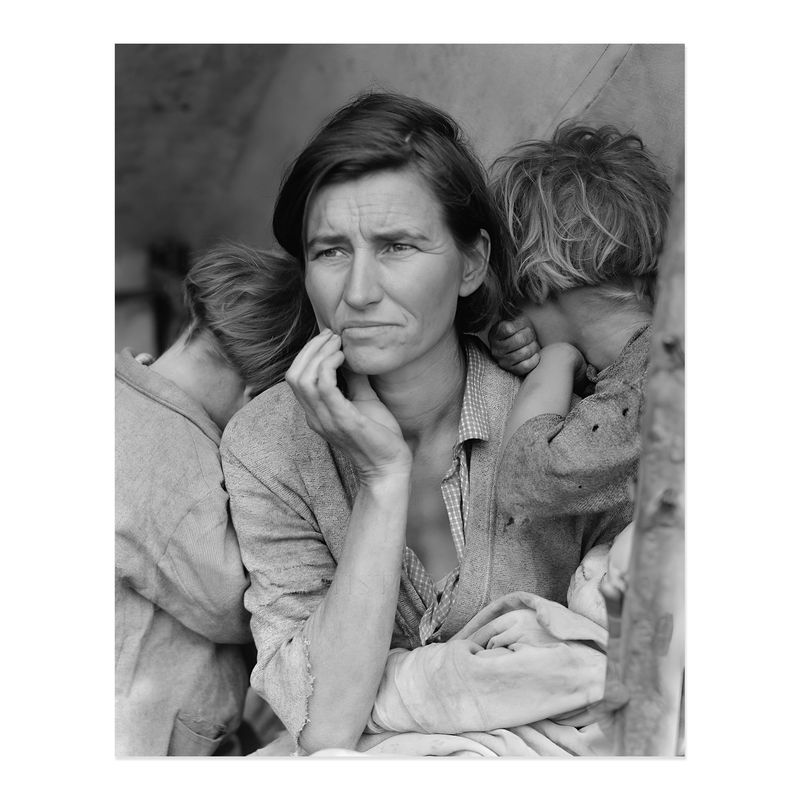
Dorothea Lange captured one of history’s most powerful portraits in a California pea-picker camp in 1936. Florence Owens Thompson, just 32 years old, stares into the distance with a look that carries the full weight of the Great Depression.
Her children lean against her shoulders, faces turned away. No words were spoken during the shoot, yet the image said everything.
It became the defining face of hardship, resilience, and a mother’s unbreakable love.
3. Children Playing in the Street (1909)
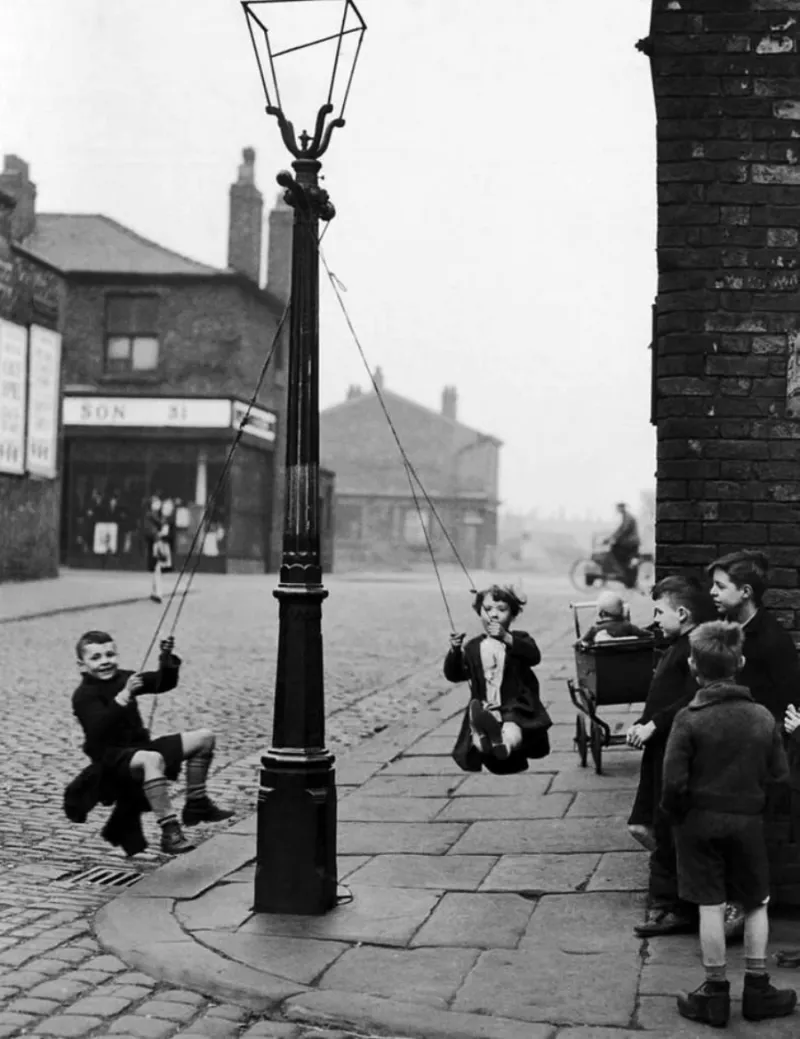
Before video games, tablets, or even organized playgrounds, the street was every kid’s playground. A 1909 snapshot of city children playing on cobblestone roads shows a world where imagination was the only equipment needed.
Barefoot and laughing, these kids turned ordinary sidewalks into arenas for chase games, marbles, and spinning tops. Looking at this photo, it is hard not to feel a little nostalgic for the kind of childhood that existed without screens or schedules.
4. Two Women Telephone Operators (1907)

Long before smartphones, connecting a phone call required human hands and lightning-fast reflexes. In 1907, telephone operators like these two women were the backbone of communication, manually routing thousands of calls a day through a maze of wires and plugs.
Women dominated this profession because they were considered polite and quick. The job was exhausting and repetitive, yet it opened new doors for women entering the workforce at a time when career options were incredibly limited.
5. Main Reading Room, New York Public Library (1910)
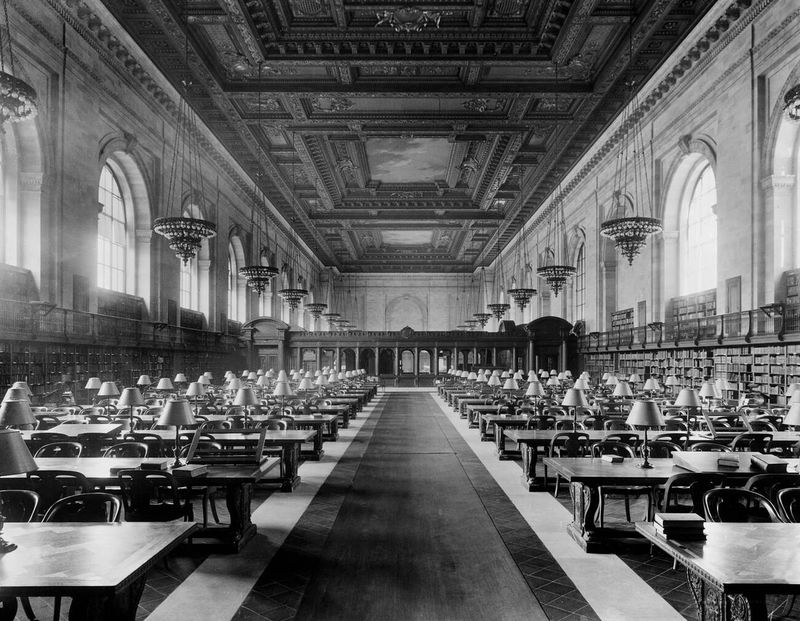
Silence, marble floors, and the rustle of turning pages — the New York Public Library in 1910 was nothing short of magnificent. Readers gathered under soaring ceilings to access knowledge that many could not afford to own at home.
Public libraries were revolutionary at the time, offering ordinary people access to the same information as the wealthy. This photo captures a moment of quiet equality, where a factory worker and a businessman could sit side by side and read the same book.
6. A Busy Market Street in London (1890s)
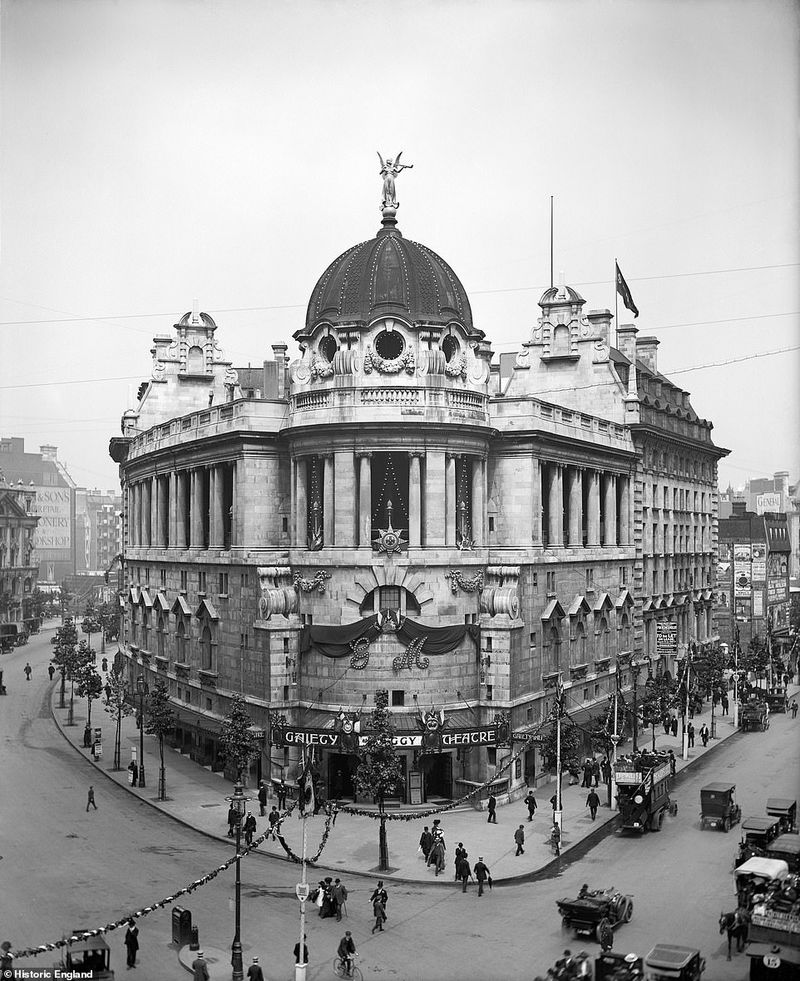
The streets of Victorian London were loud, smelly, and absolutely alive with energy. Horse-drawn carts rattled over cobblestones while vendors shouted prices for fish, bread, and vegetables from every corner.
Shopping was not a casual weekend activity back then — it was a daily necessity. Families had no refrigerators, so fresh food had to be bought every single day.
This bustling market scene captures the raw rhythm of everyday life in one of the world’s most powerful cities at its industrial peak.
7. Ice Delivery Man (1918)
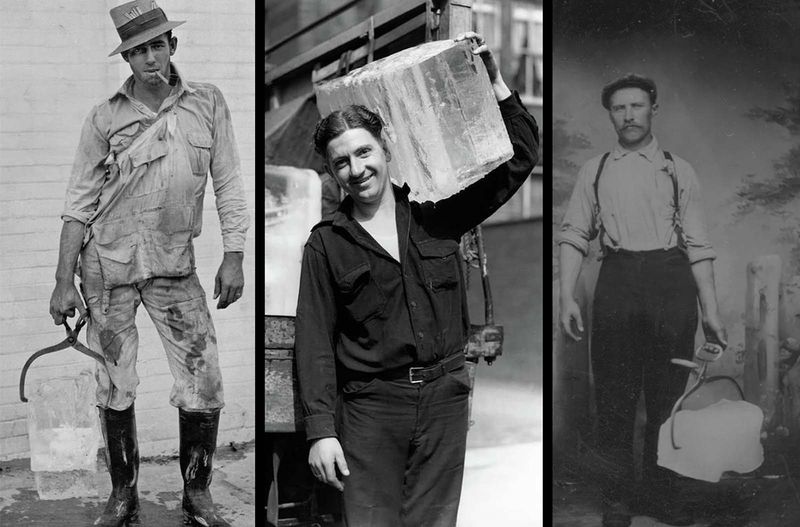
Before electric refrigerators became common, keeping food cold meant waiting for the ice man. Every few days, a delivery worker would haul massive blocks of ice up flights of stairs and drop them into wooden iceboxes inside apartments.
Kids in the neighborhood would race behind the ice wagon in summer, grabbing slivers of ice to suck on as a treat. It sounds like a small thing, but this job was essential to keeping families healthy before modern refrigeration changed everything in the 1930s.
8. Women Welders During World War II (1943)
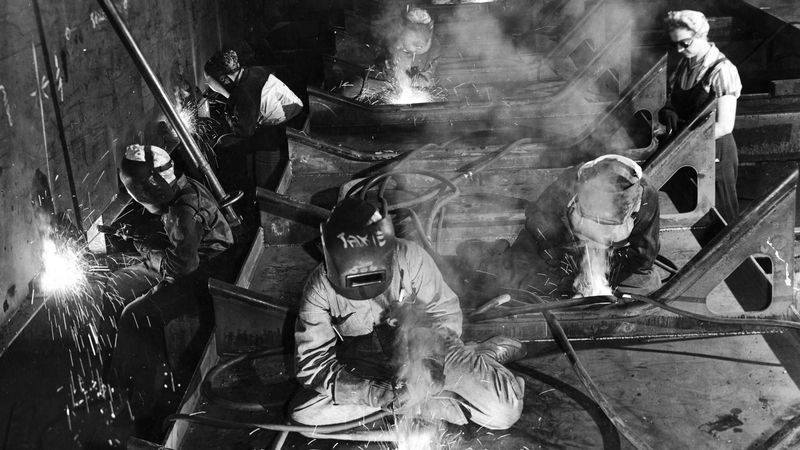
When millions of men shipped off to fight in World War II, women stepped into factories and picked up the tools they left behind. By 1943, women were welding ship hulls, building aircraft, and assembling tanks with the same skill as any trained man.
These workers challenged every stereotype about what women could do. The iconic Rosie the Riveter poster was inspired by real women exactly like these.
Their contributions helped win the war and permanently changed the role of women in the American workforce.
9. A Family Gathered Around the Radio (1930s)
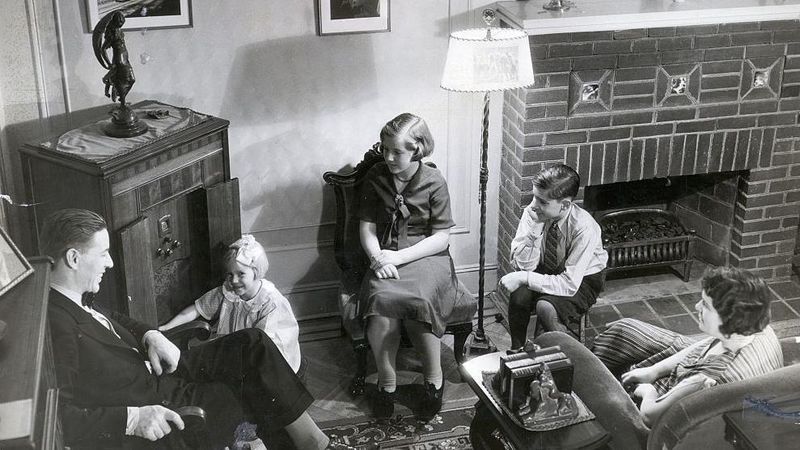
Imagine your entire family huddled around a single wooden box, hanging on every word of a radio broadcast. In the 1930s, the radio was the television, the internet, and the newspaper all rolled into one glowing piece of furniture.
Families tuned in for news, soap operas, baseball games, and President Roosevelt’s famous fireside chats. The radio created shared experiences in a way that felt almost magical.
This photo captures a quiet evening ritual that millions of households repeated every single night across America.
10. Milkman Making Early Morning Deliveries (1950s)
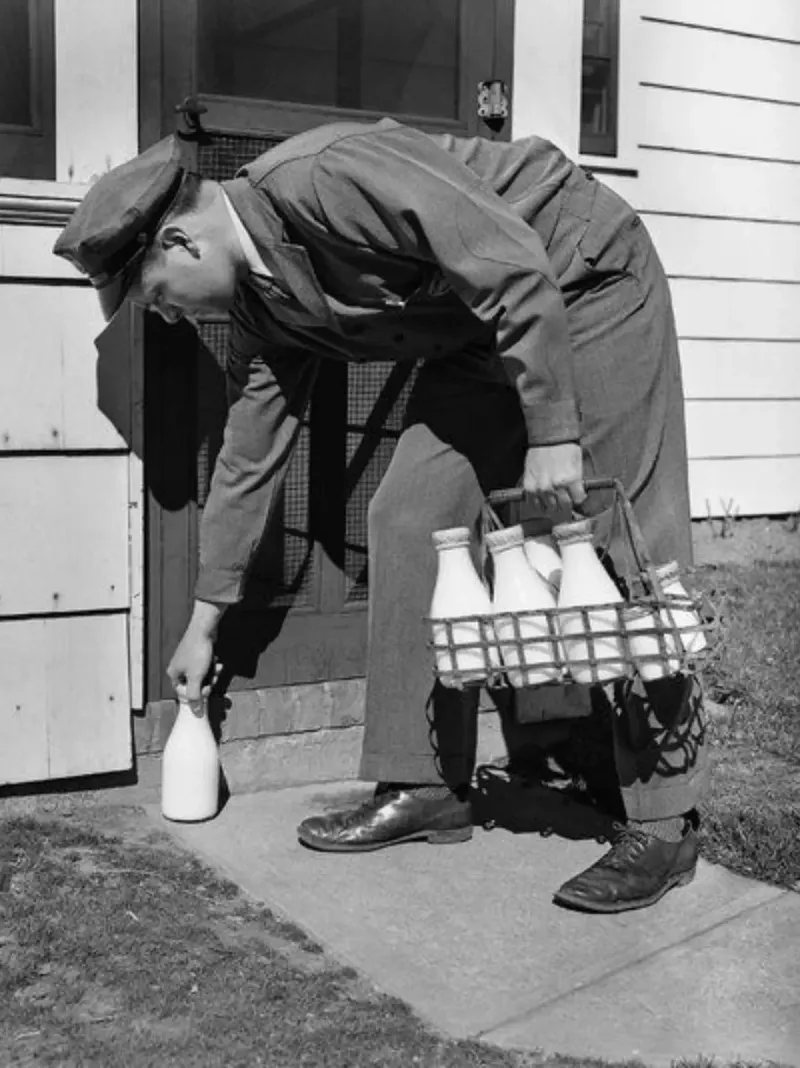
Fresh milk arrived at your doorstep before sunrise, left in glass bottles by a man who knew every family on his route by name. The milkman was a trusted daily visitor in 1950s America, rain or shine, seven days a week.
Glass bottles were collected, washed, and reused — a recycling system far ahead of its time. When supermarkets expanded and home delivery faded, an entire profession quietly disappeared.
This cheerful snapshot reminds us of a neighborhood culture built on routine, trust, and community.
11. One-Room Schoolhouse Class Photo (1900s)
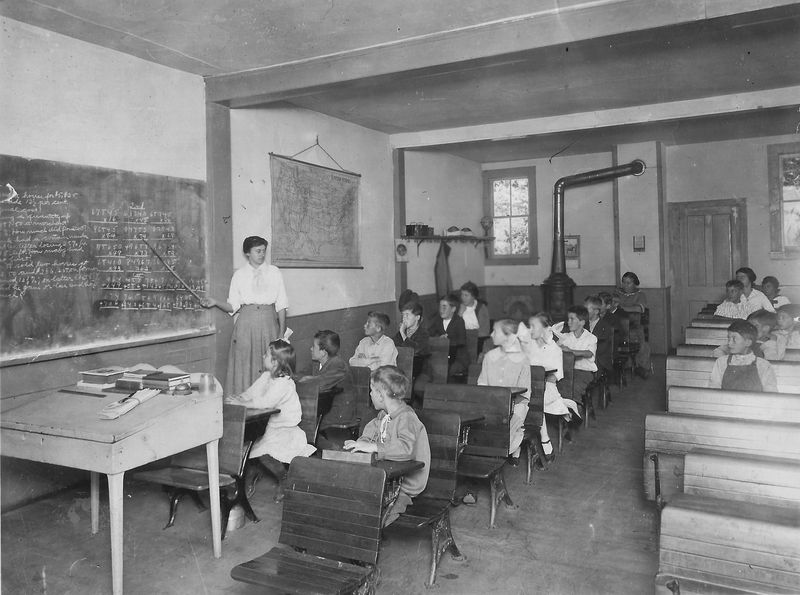
All grades, one room, one teacher. That was the reality for millions of American children in rural areas at the turn of the 20th century.
Older students often helped teach younger ones, and everyone shared the same worn textbooks.
School ran around farm schedules, meaning kids might miss weeks during harvest season. Despite the limitations, many students who came from these humble schoolhouses went on to become doctors, lawyers, and community leaders.
Education, even in its simplest form, had the power to change lives.
12. Coney Island Beach Crowds (1940s)
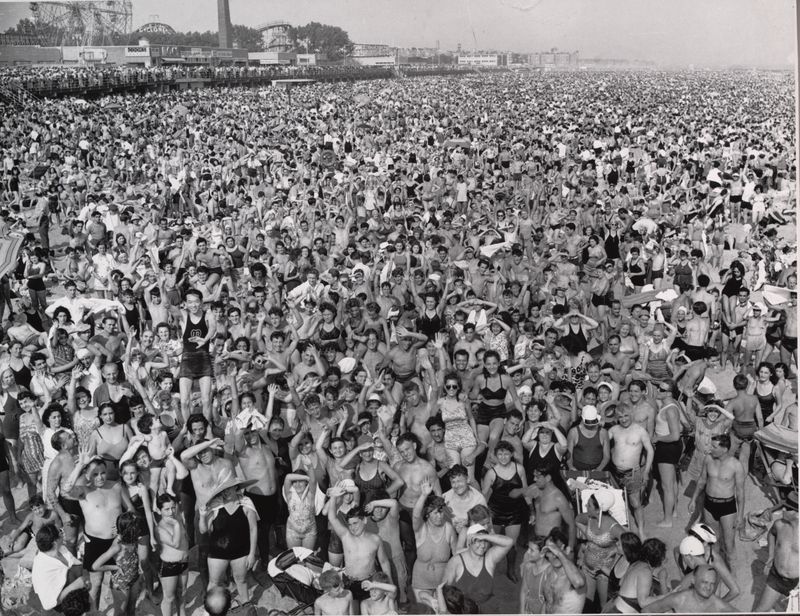
On a hot summer Sunday in the 1940s, Coney Island beach was so packed you could barely find a patch of sand to sit on. Estimates suggest over a million people visited on peak days, making it one of the most photographed beaches in history.
Families who could not afford vacations came here by subway for just a nickel. Hot dogs, salt water taffy, and the smell of sunscreen mixed together in the salty air.
For working-class New Yorkers, Coney Island was paradise found just a train ride away.
13. Coal Miners Emerging from a Shaft (1910)
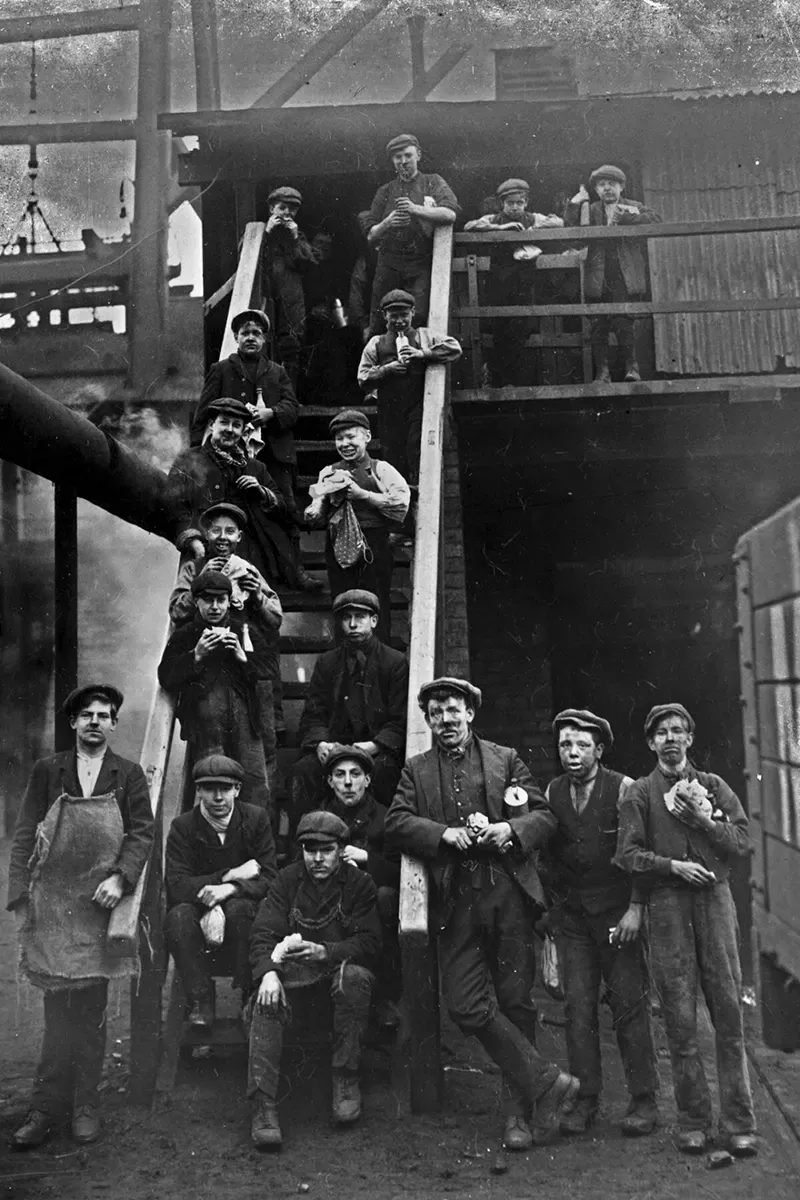
Every single day, these men descended into darkness to fuel a nation. Coal miners in 1910 worked eight to twelve hour shifts underground with little ventilation, poor lighting, and constant risk of cave-ins or gas explosions.
Their blackened faces tell a story that no safety report could. Child labor in mines was still common at this time, with boys as young as eight working as breaker boys sorting coal.
This gritty photo is a sobering reminder of how much the industrial age cost in human lives.
14. Women Hanging Laundry on Rooftops (1900s)
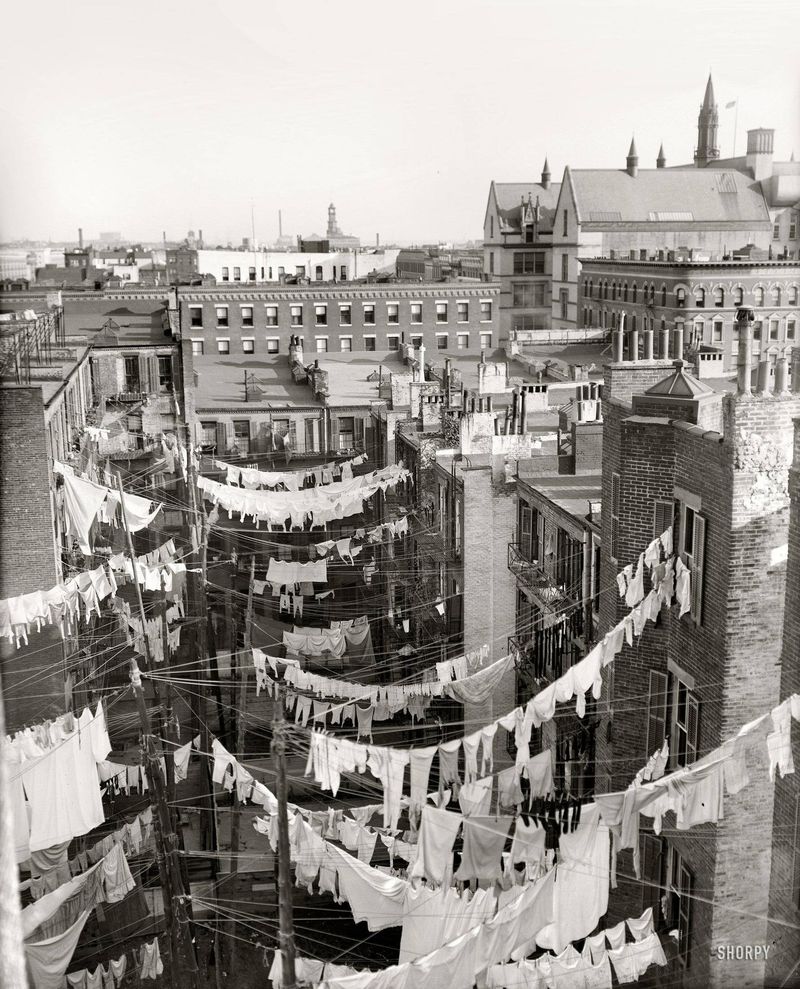
Laundry day in the early 1900s was not a quick chore — it was an all-day physical workout. Women hauled heavy wet clothes up several flights of stairs and strung them across rooftop lines that stretched between buildings like giant spiderwebs.
In crowded city neighborhoods, rooftops became social spaces where women chatted while they worked. No dryers, no laundromats — just strong arms, wooden clothespins, and the hope that it would not rain before everything dried.
Simple, exhausting, and oddly beautiful.
15. First Day of a Department Store Sale (1920s)
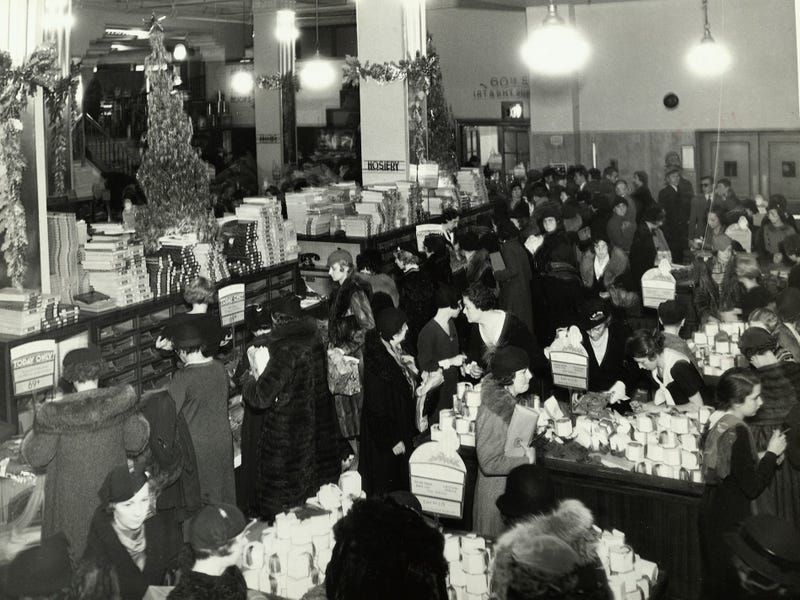
Retail therapy is not a modern invention. In the 1920s, department store sales drew massive crowds who lined up hours before opening, eager to snag discounted hats, gloves, and household goods.
Shopping had become a genuine social event.
Stores like Macy’s and Marshall Field’s were designed like palaces, making customers feel glamorous just by walking through the doors. For many working-class women, a trip to a department store sale was the closest thing to a luxury experience they could afford all year.
16. A Barber Shop on Main Street (1940s)
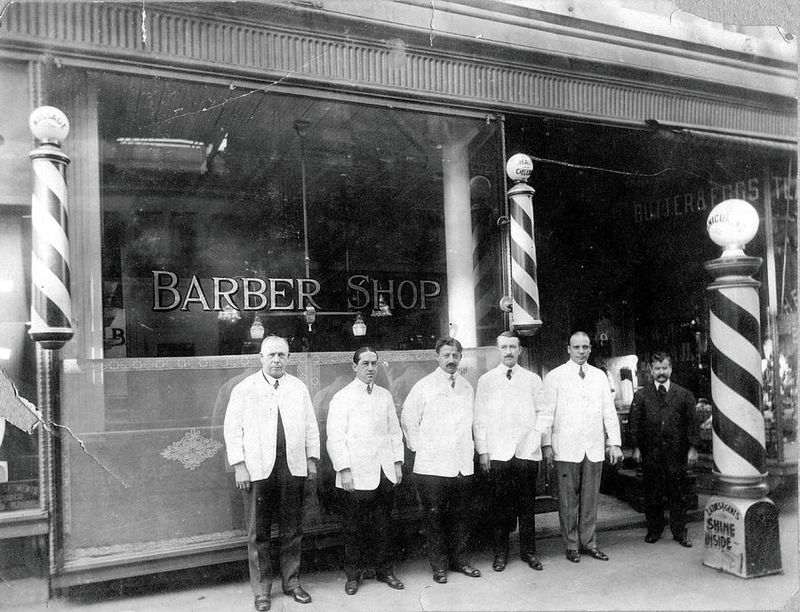
The neighborhood barber shop was far more than a place to get a trim — it was the original social media. Men gathered here to swap news, debate politics, and catch up on neighborhood gossip while waiting their turn in the red leather chair.
Barbers in the 1940s charged around 25 cents for a cut and a shave. The striped rotating pole outside was a symbol every kid recognized from blocks away.
Some things about this scene feel timeless, even in a world of modern hair salons and online bookings.
17. Soldiers Writing Letters Home from the Front (1944)
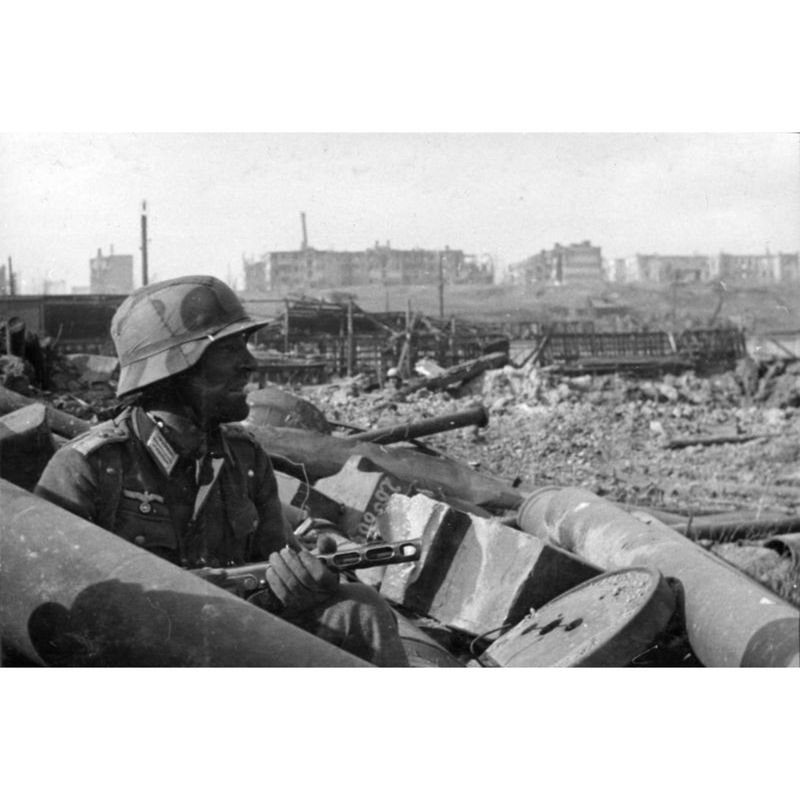
Before texts and video calls, a handwritten letter was the only lifeline between a soldier and the people he loved. During World War II, mail from home was so important to troop morale that the military created a special lightweight airmail system called V-Mail.
Some soldiers wrote every day. Others kept letters tucked inside their uniforms like armor.
Reading these surviving letters today feels like holding a piece of someone’s heart. This photograph captures the quiet, deeply human side of war that combat photos often miss entirely.
18. Street Photographer in Paris (1950s)
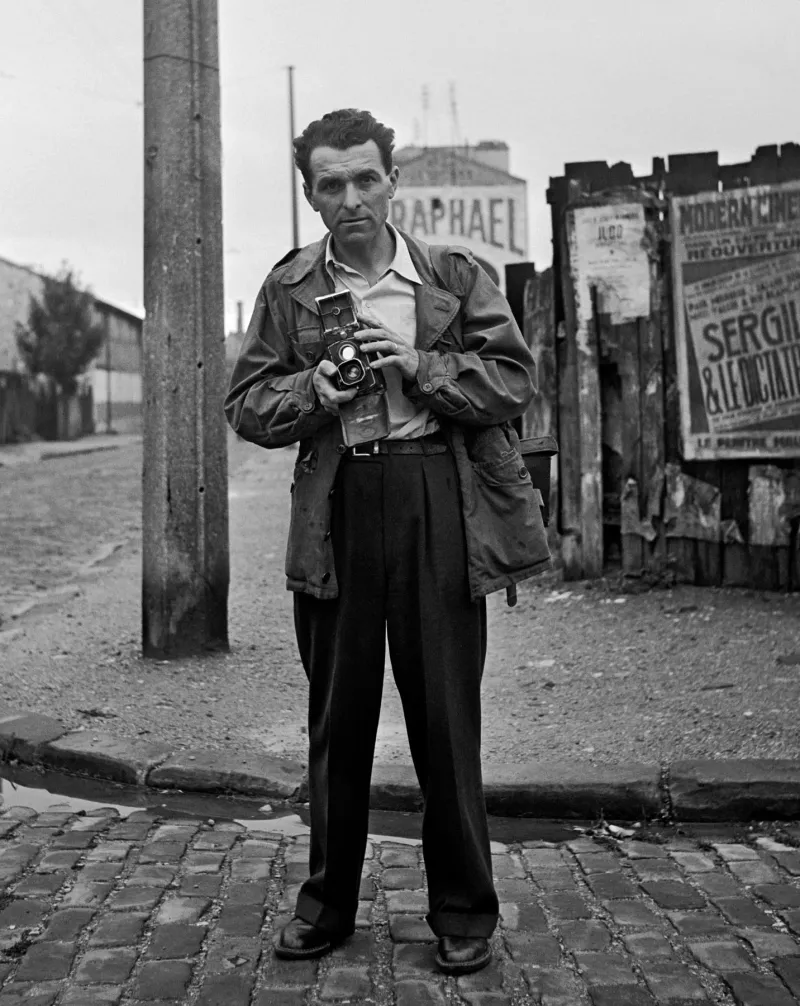
Paris in the 1950s was a photographer’s dream — wide boulevards, candid cafe moments, and light that seemed almost cinematic. Street photographers like Henri Cartier-Bresson roamed the city waiting for what he called the decisive moment, that split second when everything in a frame aligned perfectly.
Film was expensive, so every shot had to count. There was no deleting a bad photo or checking a screen.
This image of a crouching photographer mid-shot captures the patience, instinct, and artistry that made street photography one of the great art forms of the 20th century.
19. Children Receiving Polio Vaccines at School (1955)
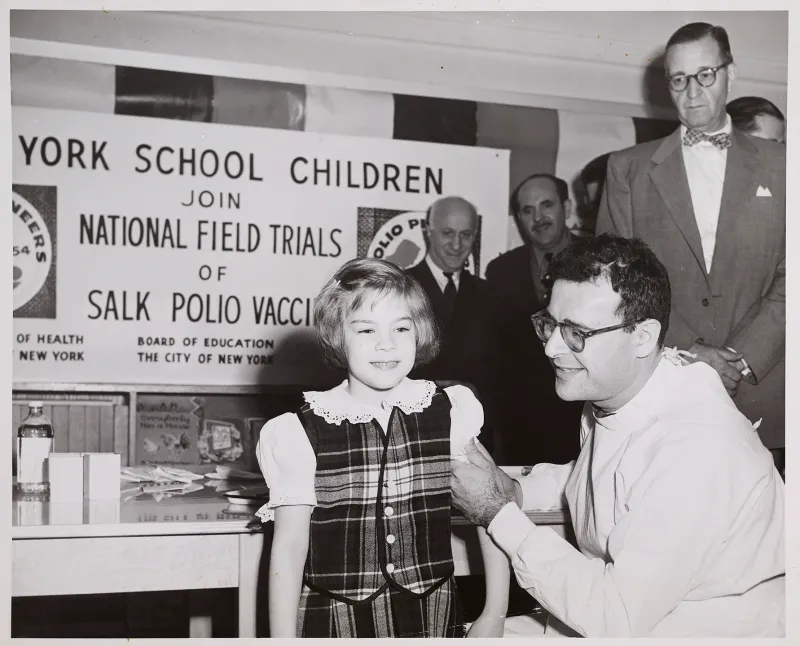
April 12, 1955 was one of the most celebrated days in medical history. Dr. Jonas Salk’s polio vaccine was declared safe and effective, and schools across America became vaccination centers almost overnight.
Polio had terrified parents for decades, leaving thousands of children paralyzed every summer. When the vaccine arrived, people literally cried in the streets.
This school photo captures a generation of children who had no idea they were witnessing a turning point in human health — they just knew the needle stung for a second.
20. A Drive-In Movie on a Summer Night (1950s)
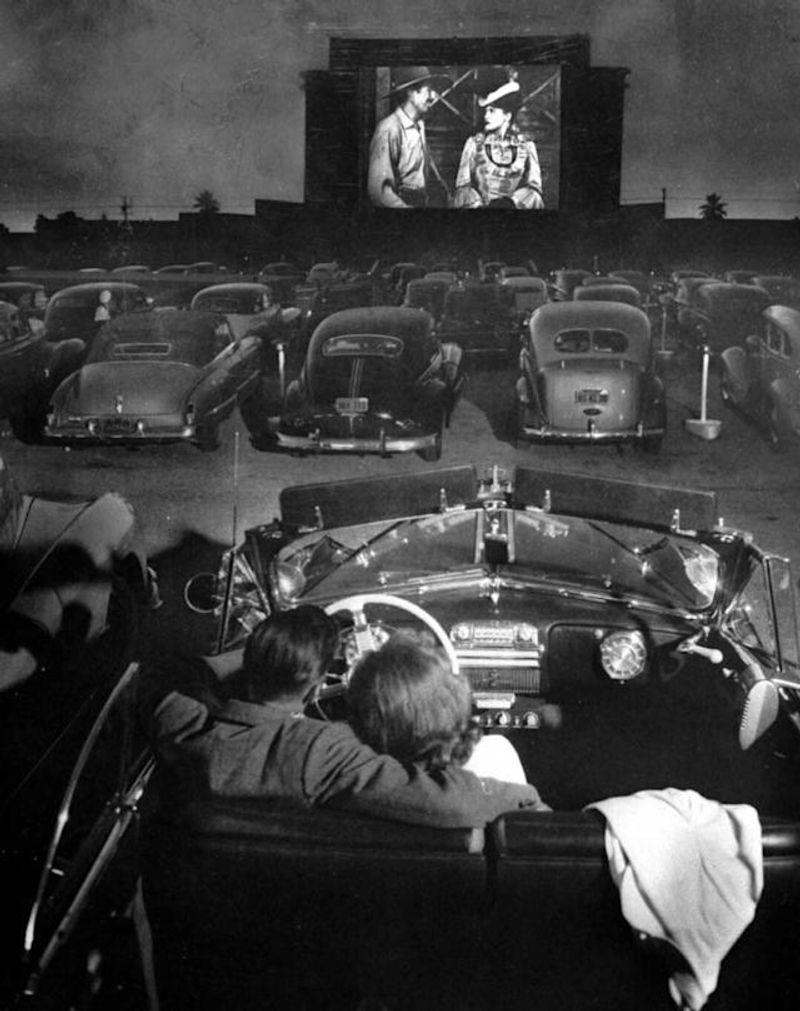
Nothing says mid-century America quite like a drive-in movie on a Friday night. Families loaded into station wagons with pillows and popcorn, while teenagers cruised in with their dates hoping to catch a glimpse of the latest Hollywood blockbuster.
At the peak of drive-in culture in 1958, there were over 4,000 outdoor theaters across the United States. You paid per car, not per person, which made it the most affordable family night out around.
Watching a giant glowing screen under the open sky felt like pure magic.