
Breakfast used to be a big deal. Families gathered around the table for warm, hearty meals that took time and care to prepare.
Over the decades, busy schedules and grab-and-go convenience foods pushed many of these classic dishes off our plates for good. Here is a look at some truly wonderful breakfast favorites that most people have completely forgotten about.
1. Creamed Chipped Beef on Toast
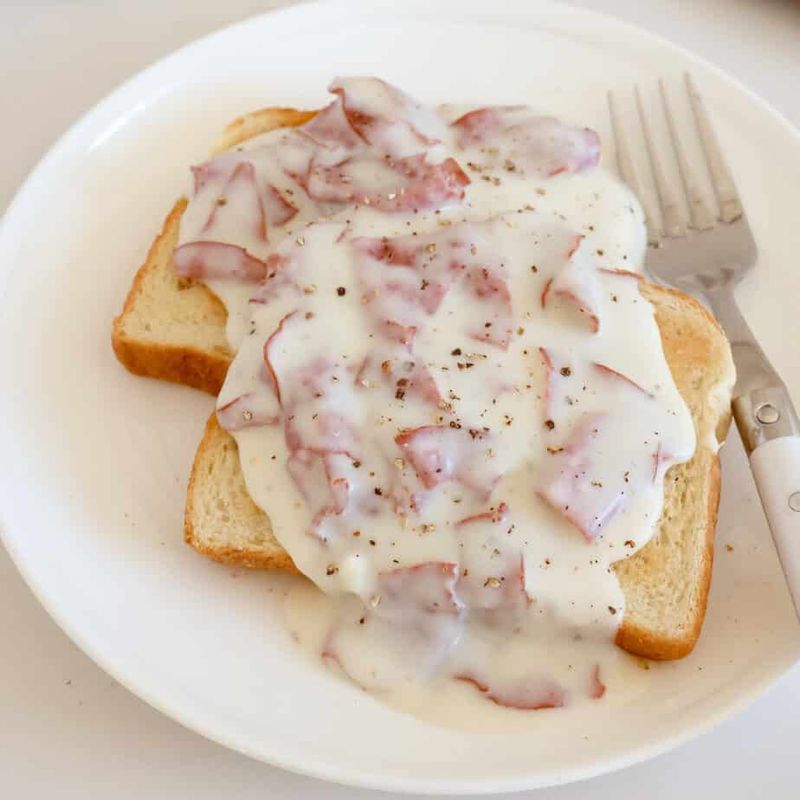
Military veterans from World War II know this one by a much saltier nickname. Officially called creamed chipped beef on toast, soldiers dubbed it ‘S.O.S.’ because it showed up so often in mess halls.
Thin slices of dried, salted beef were folded into a rich, peppery white sauce and ladled over crispy toast.
It was cheap, filling, and fast to make. Families across America adopted it long after the war ended.
Today, almost nobody makes it anymore.
2. Kedgeree
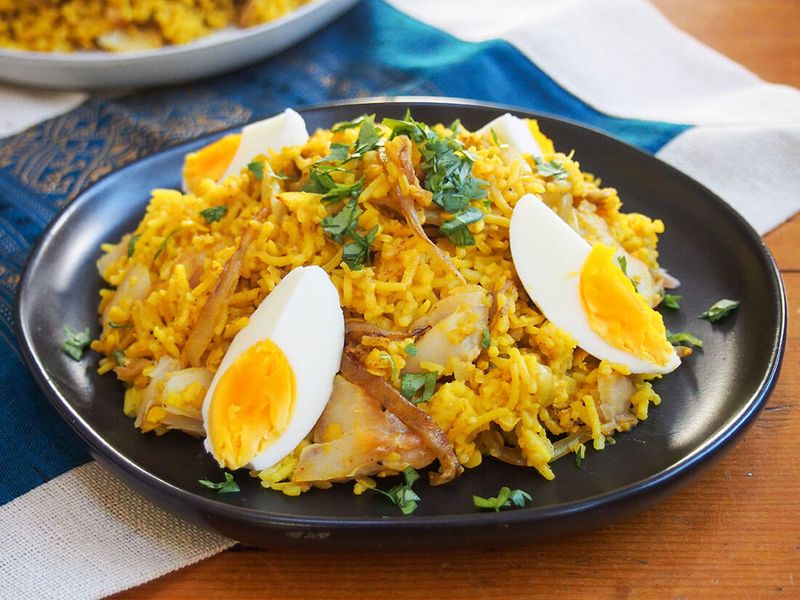
Imagine sitting down to a bowl of smoky fish, spiced rice, and soft boiled eggs first thing in the morning. That was perfectly normal in Victorian England, where kedgeree ruled the breakfast buffet.
British colonists brought this dish home after spending time in India, blending local flavors with Anglo cooking traditions.
Smoked haddock was the fish of choice, stirred together with curry powder and basmati rice. Rich, warming, and surprisingly satisfying, it vanished quietly from modern menus without much fanfare.
3. Cornmeal Mush Fried Slices
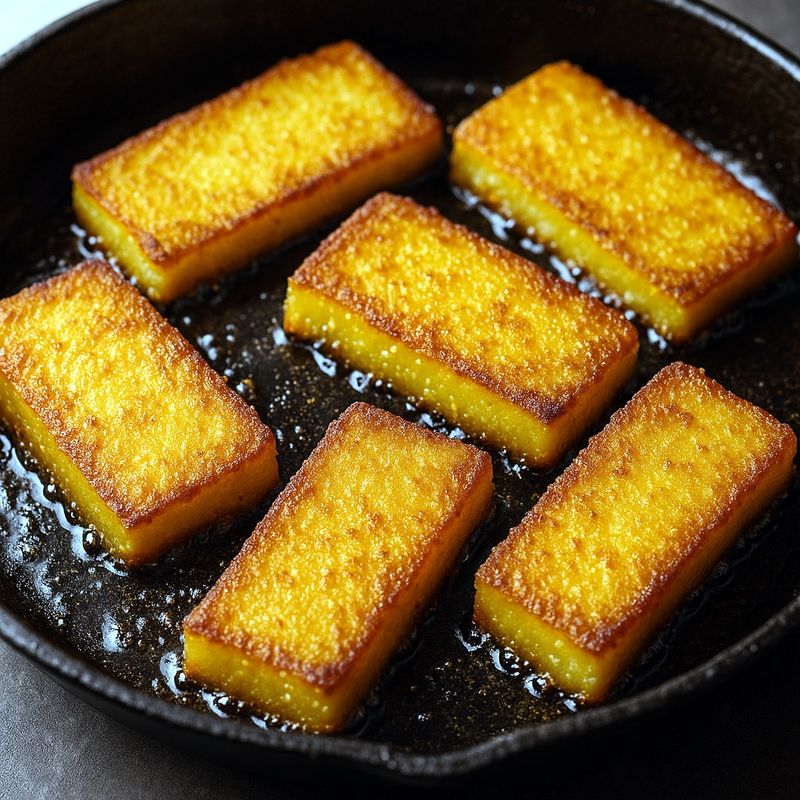
Back when nothing went to waste, leftover cornmeal porridge got a second life in the skillet. Cooked cornmeal mush was poured into a loaf pan, left to cool overnight until firm, then sliced thick and fried in butter until each side turned beautifully golden and crisp.
Rural and Appalachian families relied on this budget-friendly breakfast for generations. Drizzled with maple syrup or sorghum molasses, those crunchy slices were something special.
Sadly, most younger generations have never even heard of this dish.
4. Scrapple
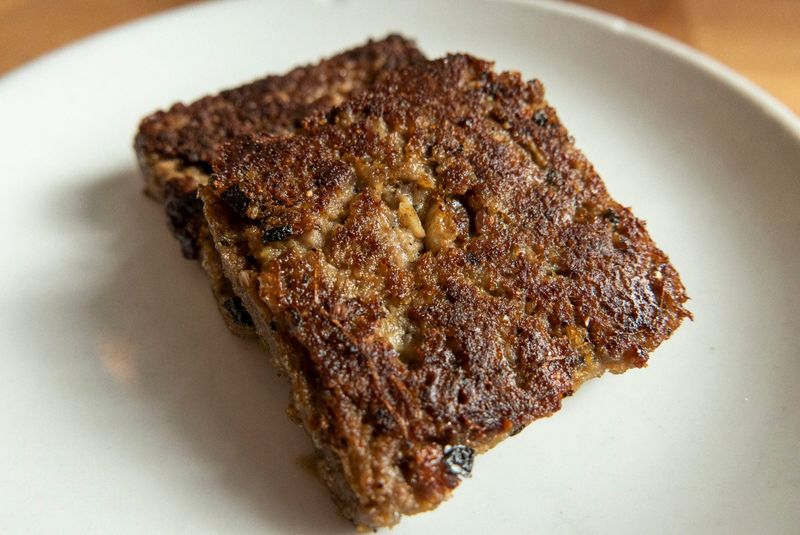
Pennsylvania Dutch cooks were masters of using every last bit of the pig, and scrapple is proof of that resourceful spirit. Pork scraps and trimmings were simmered down, mixed with cornmeal and spices, then pressed into a loaf and left to set.
Each morning, slices were cut and fried until the outside crackled.
Served alongside eggs and toast, scrapple was a true farmhouse staple. Outside of Pennsylvania and Delaware, though, most Americans have never tasted it and probably never will.
5. Broiled Grapefruit Half
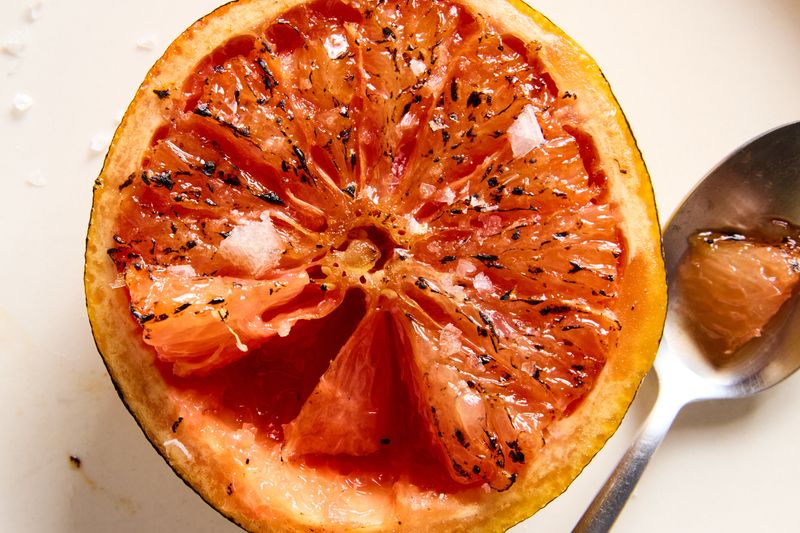
There was a time when broiled grapefruit felt downright elegant. Cut a grapefruit in half, sprinkle brown sugar over the top, and slide it under the broiler until the sugar bubbled and turned into a thin, crackling caramel crust.
The heat softened the fruit and mellowed its bitterness perfectly.
Mid-century cookbooks featured this simple treat constantly. It required almost no skill and just a few minutes of effort.
Somewhere along the way, people stopped making it, which is honestly a shame.
6. Salt Pork and Gravy
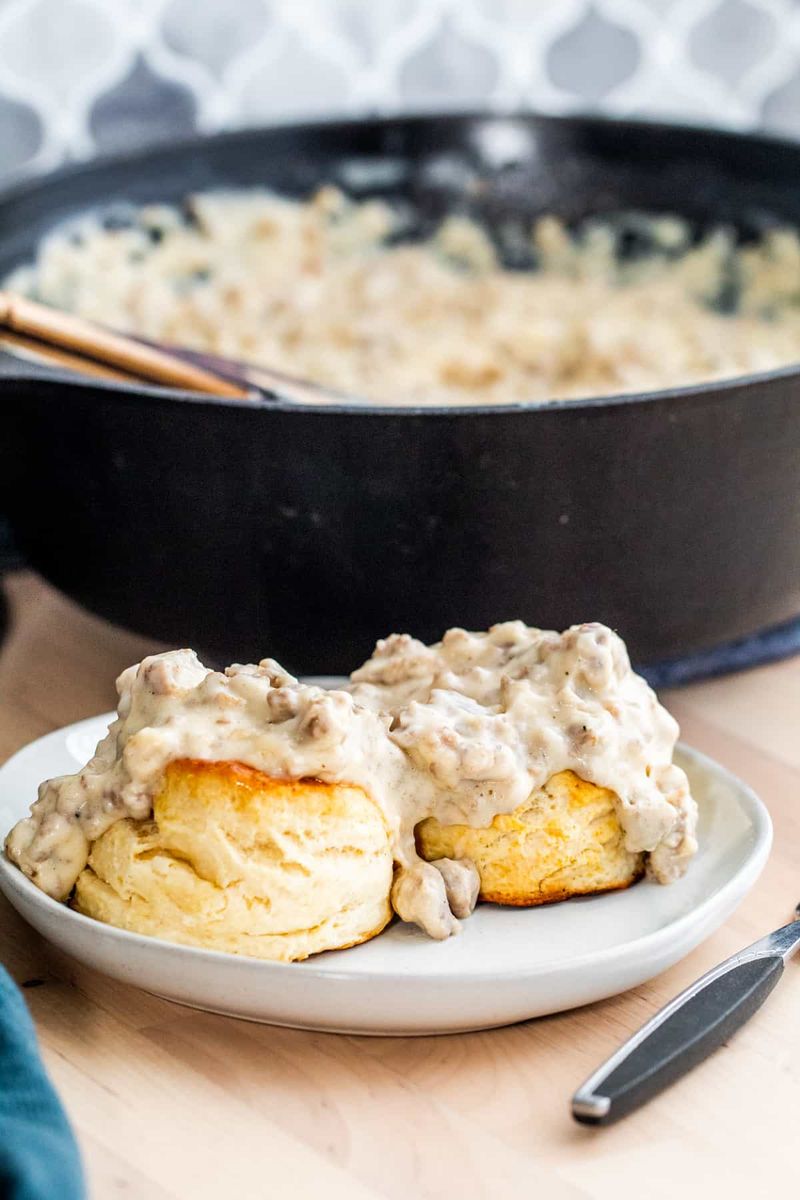
Salt pork was once a pantry essential found in nearly every American farmhouse kitchen. Thick slabs of heavily salted pork fat were sliced, fried until the edges crisped, and then the leftover drippings became the base for a rich, savory pan gravy.
Poured over hot biscuits, it was a breakfast that stuck with you all morning.
Before refrigeration, salting meat was how families preserved food through winter. This humble dish fed generations of working families.
Few people under fifty would even recognize it today.
7. Codfish Cakes
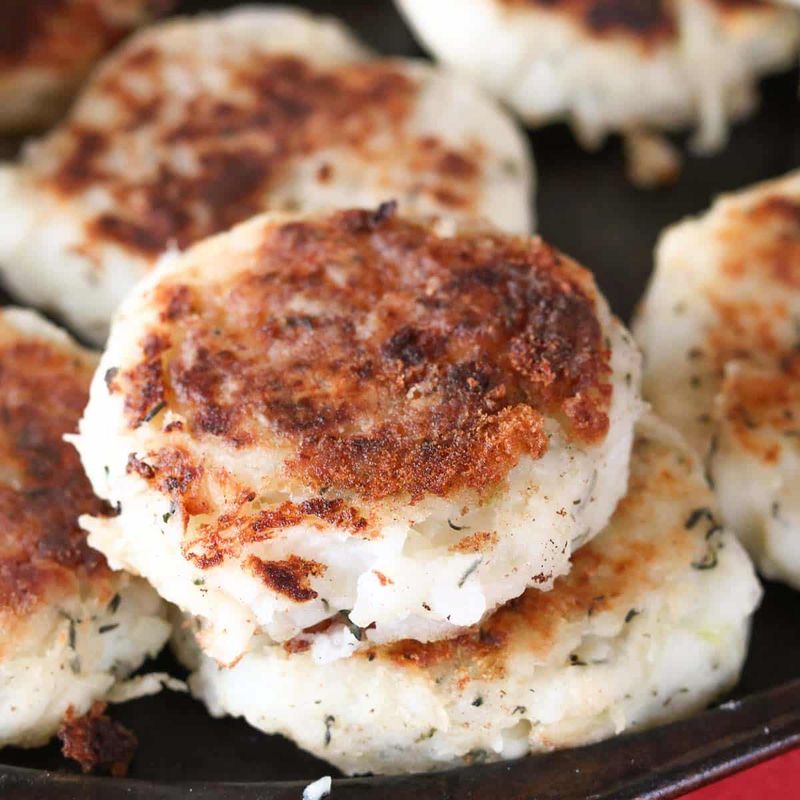
New England Saturday mornings once had a very specific smell: salt cod and frying potatoes. Codfish cakes were made by mixing rehydrated dried salt cod with mashed potato, shaping the mixture into patties, and frying them until each side was deeply golden.
They were almost always paired with baked beans for a full weekend breakfast.
This tradition stretched back to colonial times when dried cod was an affordable, shelf-stable protein. The combination sounds unusual now, but generations of New Englanders swore by it every single weekend.
8. Flannel Cakes
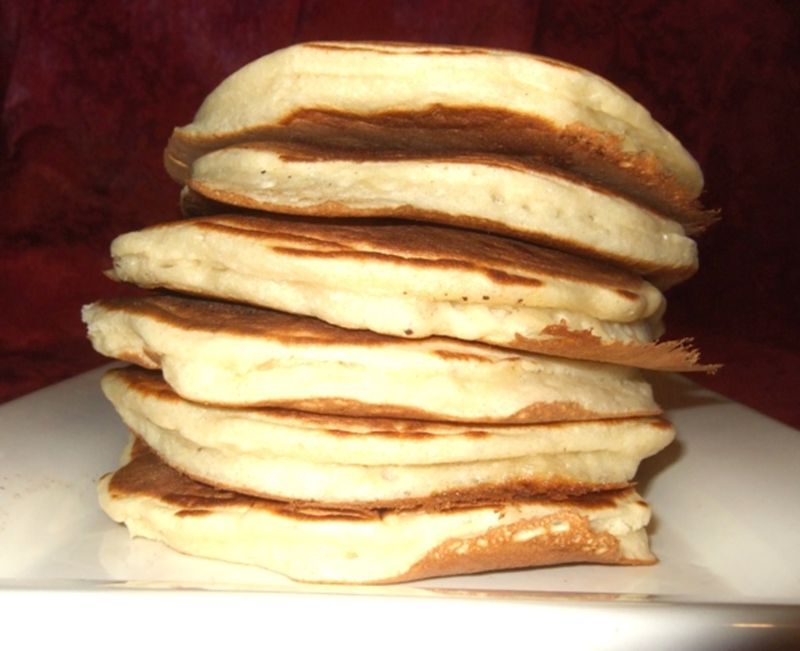
Flannel cakes are what pancakes were called before the word pancake took over completely. They were thicker, denser, and slightly more rustic than the fluffy stacks we know today.
Named for their soft, warm texture that supposedly resembled flannel fabric, these were a beloved fixture on early American breakfast tables from the 1800s onward.
Recipes called for cornmeal or buckwheat flour, giving them a heartier flavor than modern versions. Nobody really uses the name anymore, and the old recipes have mostly been forgotten in kitchen drawers.
9. Fried Apple Rings
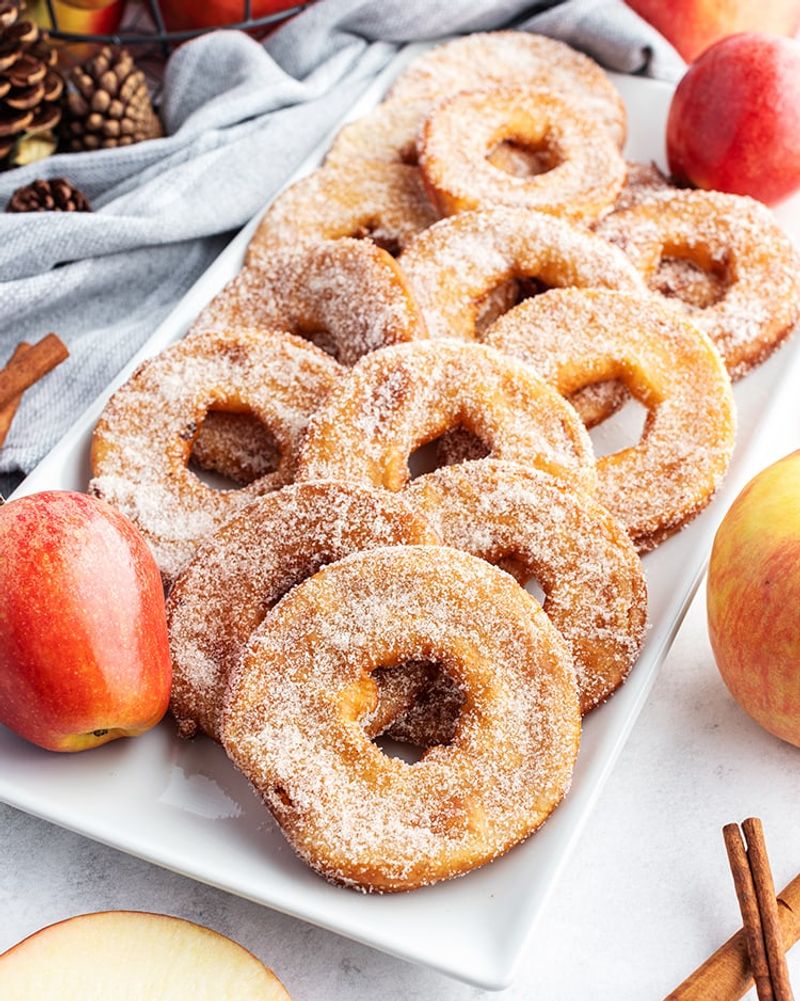
Sweet, buttery, and kissed with cinnamon, fried apple rings were once a beloved side dish at the breakfast table, especially in Southern and Appalachian homes. Thick apple slices were dredged in a simple batter and pan-fried in butter until soft on the inside and caramelized on the outside.
They paired beautifully with pork sausage or ham, balancing savory flavors with natural sweetness. Grandmothers made them without a written recipe.
Today, most people reach for a banana instead, and this lovely tradition has quietly disappeared.
10. Buckwheat Pancakes
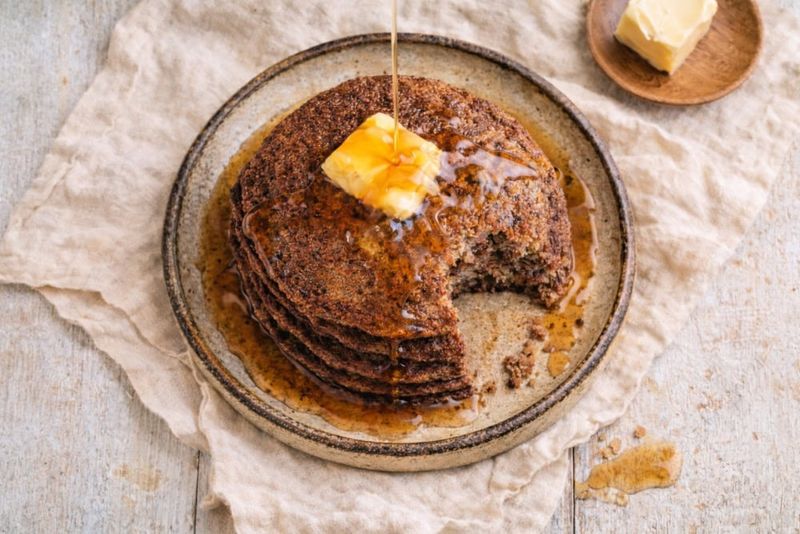
Buckwheat pancakes carry a deep, nutty flavor that regular pancakes simply cannot match. Once a cold-weather staple across the northeastern United States and into the Midwest, these dark, hearty cakes were made from buckwheat flour, which was far more common in American kitchens before white flour took over entirely.
Farmers loved them because buckwheat grew well in poor soil and cold climates. The batter was sometimes fermented overnight, adding a pleasant tang.
Health food trends briefly revived interest, but true old-fashioned buckwheat pancakes remain largely a relic of the past.
11. Shirred Eggs
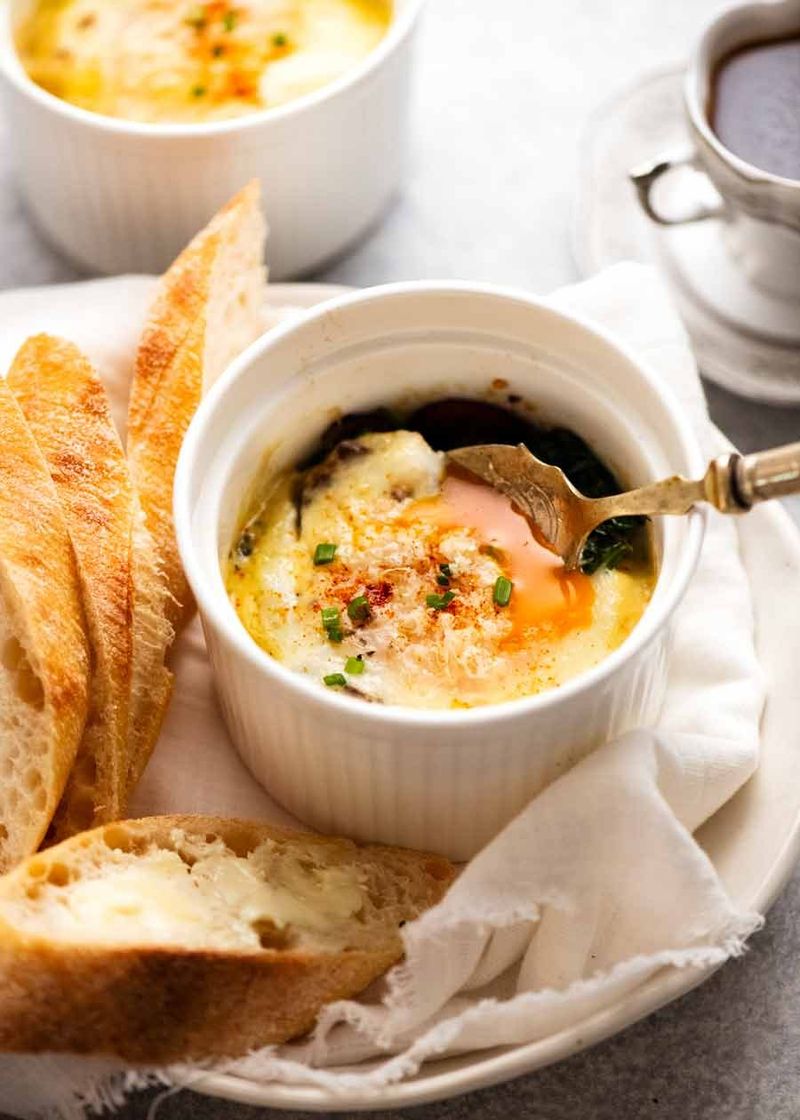
Shirred eggs sound fancy, but they could not be simpler to make. Eggs were cracked directly into small buttered baking dishes, sometimes topped with a spoonful of cream, and then slid into a hot oven until the whites set while the yolks stayed gloriously runny.
Edwardian hostesses considered them the height of refined breakfast elegance. The individual ramekins made everyone feel special.
Somewhere between the rise of the scrambled egg and the breakfast sandwich, shirred eggs got left behind completely.
12. Pork Tenderloin Breakfast Steak
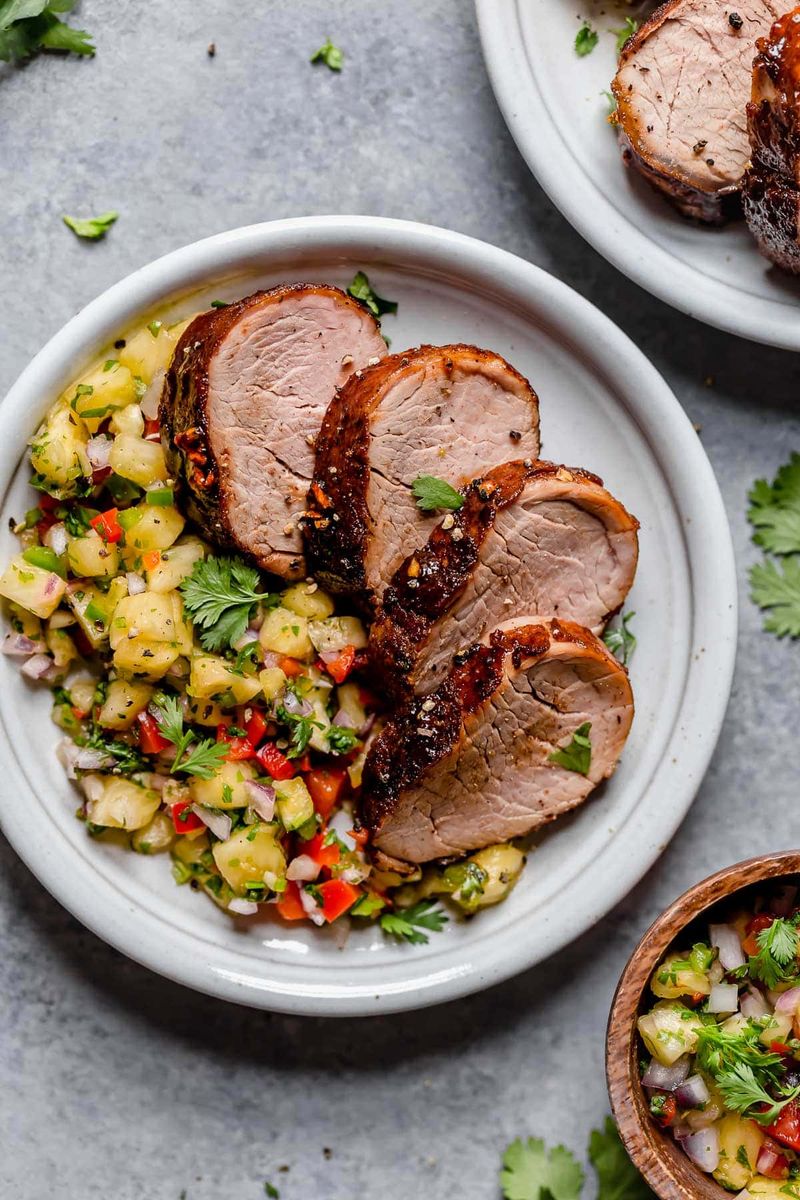
Before chicken nuggets and drive-through sausage patties, a thin slice of pork tenderloin was the protein of choice at many American breakfast tables. Pan-fried quickly in a hot skillet with just a little lard or butter, these small steaks were tender, juicy, and ready in minutes.
Midwestern farm families were especially fond of this morning ritual. A pork tenderloin steak alongside fried eggs and potatoes was the kind of breakfast that powered a full day of hard outdoor labor.
Few restaurants even offer it anymore.
13. Prune Stewed in Syrup
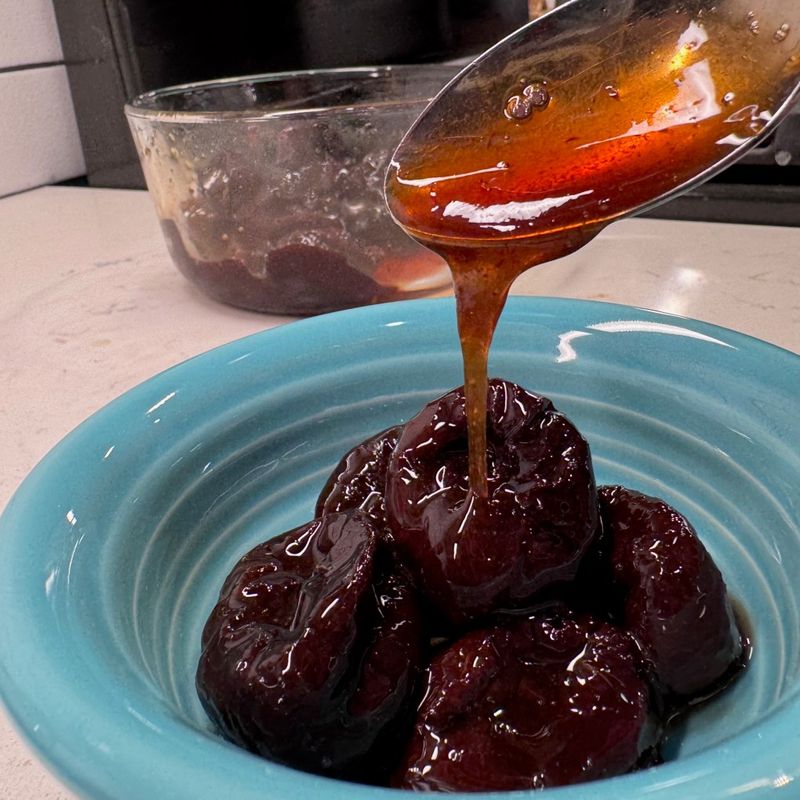
Every grandmother seemed to have a bowl of stewed prunes sitting somewhere on the breakfast table, and there was actually a very good reason for that. Prunes simmered gently in water with a little sugar and lemon peel until they swelled up plump and glossy, swimming in a sweet, dark syrup full of natural flavor.
They were considered essential for digestion and general morning wellness. Doctors once recommended them routinely.
Today, prunes carry an unfair reputation that has pushed this genuinely delicious breakfast item almost completely off the table.
14. Oatmeal Gruel
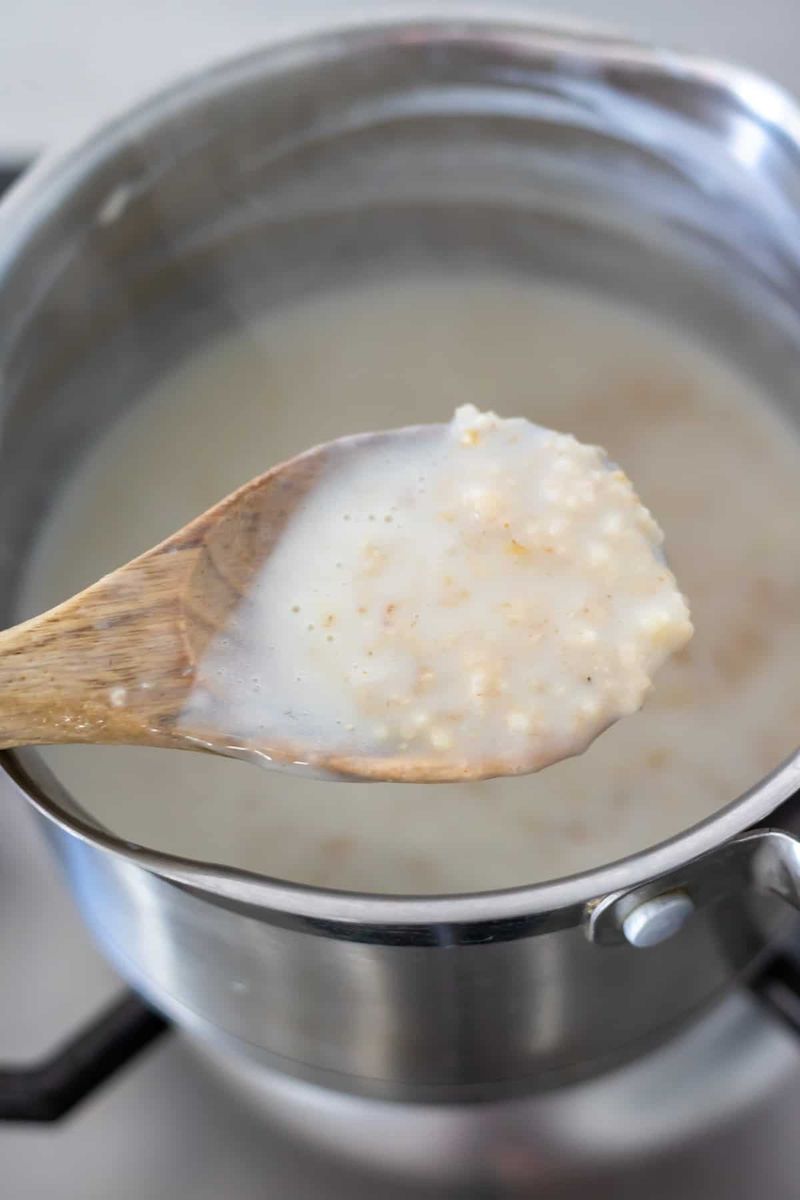
Gruel gets a bad reputation, mostly because of how it appears in old novels as the food of misery and poverty. But oatmeal gruel, when made with care, was a genuinely comforting morning meal.
Oats were cooked much longer than usual until they broke down into a thin, creamy, almost drinkable porridge.
It was considered ideal for children, the elderly, and anyone recovering from illness. Sweetened with a little honey or molasses, it was gentle and warming.
Modern instant oatmeal replaced it without anyone really noticing the difference.
15. Johnnycakes
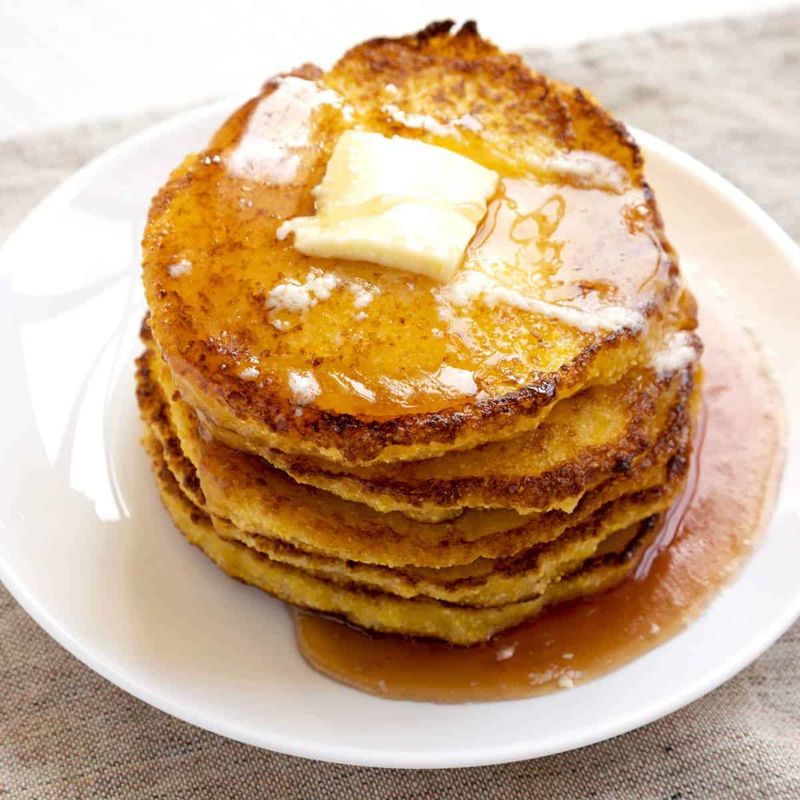
Johnnycakes have been part of American food history since before the United States even existed. Made from ground cornmeal, water or milk, and a pinch of salt, these simple flatcakes were cooked on a hot griddle and eaten plain or with butter and syrup.
Native American communities taught early colonists how to make them.
Rhode Island still claims a strong johnnycake tradition, but everywhere else they have nearly vanished. Their slightly gritty texture and honest corn flavor feel like a direct connection to America’s earliest kitchens.
16. Kippered Herring
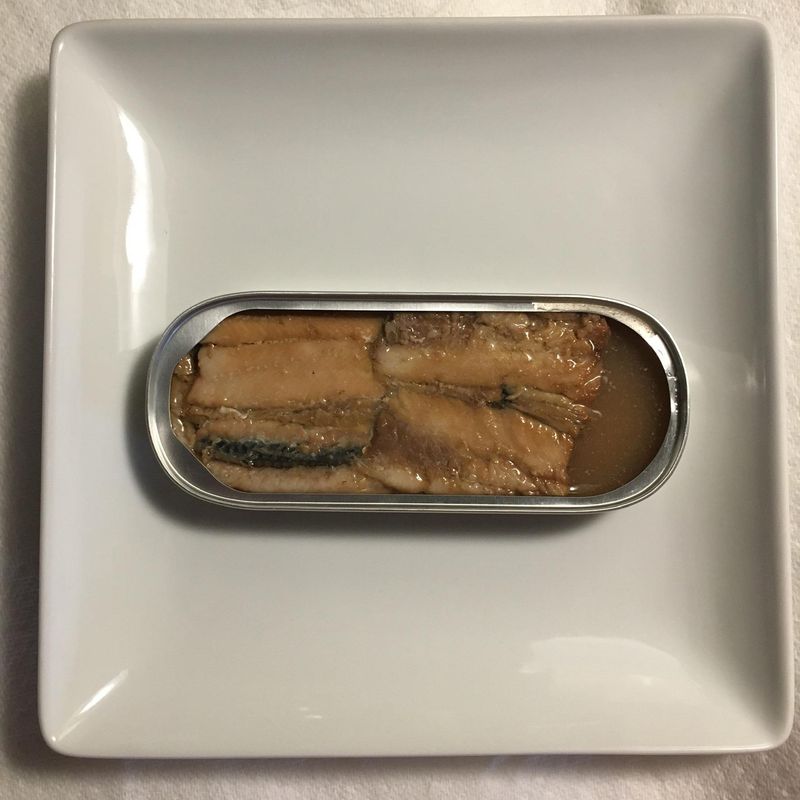
Walk into a traditional British bed-and-breakfast in the 1950s and you would almost certainly find kippers on the menu. Kippered herring, which are whole herrings that have been split, cold-smoked, and lightly salted, deliver a bold, deeply savory flavor that fills the whole kitchen the moment they hit the pan.
Served on buttered toast with a squeeze of lemon, they were considered a proper, grown-up breakfast. American diners occasionally offered them too.
Today, kippers are nearly impossible to find outside of specialty grocery stores, which is a genuine loss.
17. Baked Beans on Toast
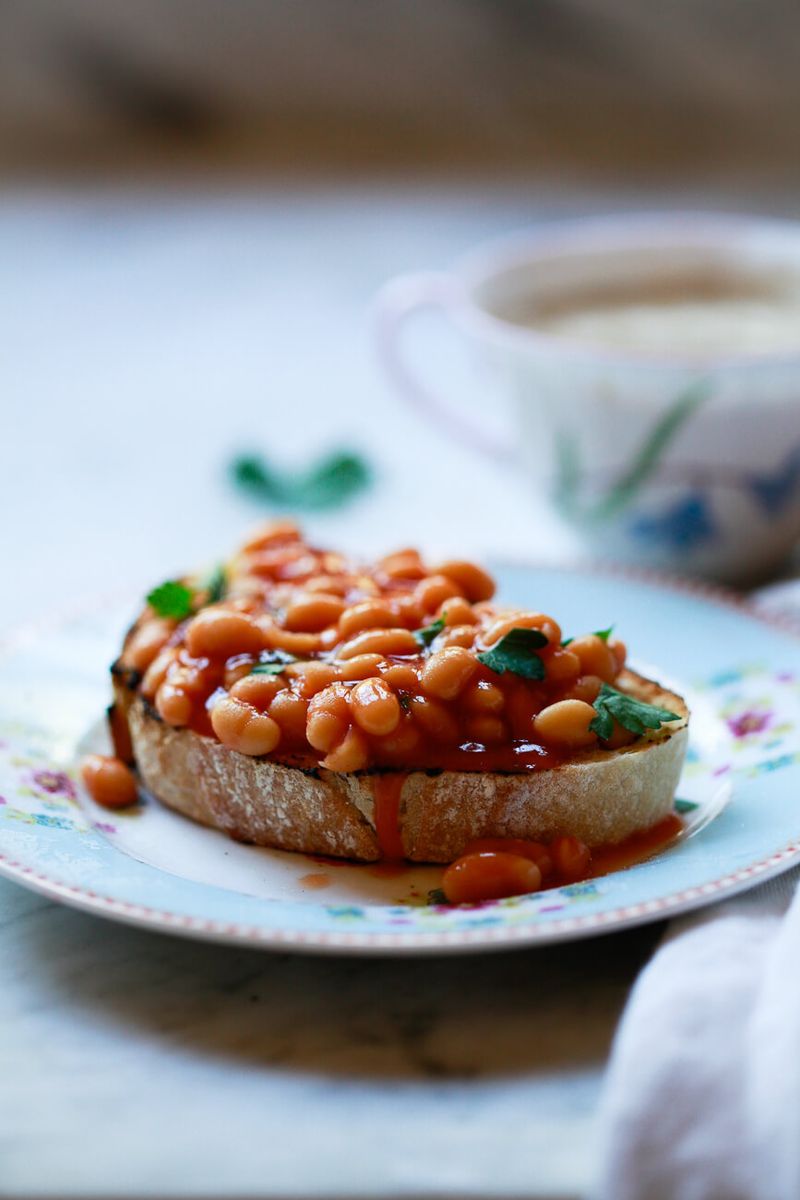
Americans tend to think of baked beans as a barbecue side dish, but in Britain and parts of New England, beans on toast was a perfectly respectable, even beloved, breakfast option. Slow-cooked navy beans in a thick tomato and molasses sauce, spooned generously over hot buttered toast, created something hearty and deeply satisfying.
New Englanders paired baked beans with codfish cakes on Saturday mornings as a weekly tradition. The British version came from a can and was equally cherished.
Both traditions have faded significantly over the past few decades.
18. Rice Porridge with Butter and Sugar
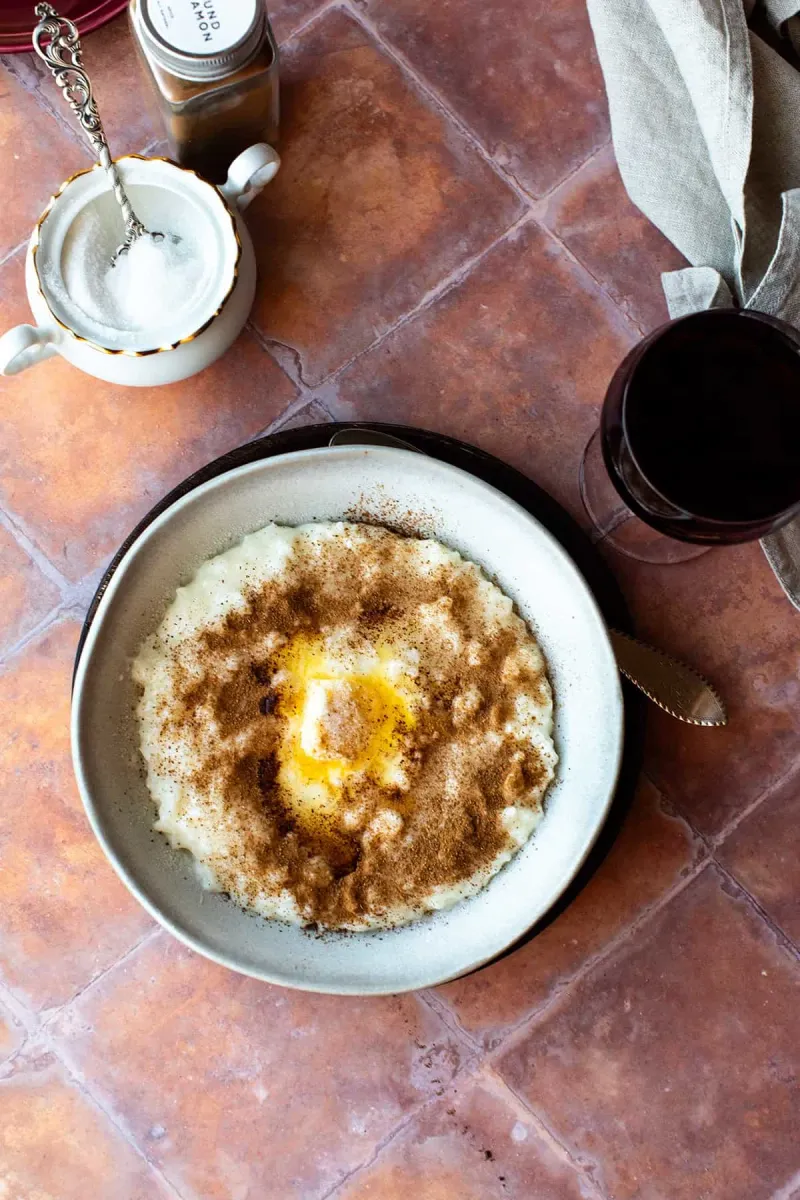
Long before overnight oats and acai bowls took over the morning routine, a humble bowl of leftover rice simmered in milk was a perfectly satisfying breakfast across many American and European households. The rice softened completely, absorbing the milk until the whole thing turned thick and creamy, almost like rice pudding without the fuss.
A small pat of butter melting on top and a dusting of sugar or cinnamon made it feel like a treat. Practical, warming, and wonderfully simple, this quiet breakfast has been almost entirely forgotten by modern cooks.