
Hollywood’s Golden Age was a time of glittering premieres, larger-than-life stars, and carefully crafted public images. Behind the scenes, many talented actors faced enormous pressure to hide who they truly were.
Being gay in classic Hollywood could end a career overnight, so these performers had to be incredibly resourceful and brave. Their stories reveal a fascinating and often heartbreaking side of movie history that deserves to be told.
1. Rock Hudson
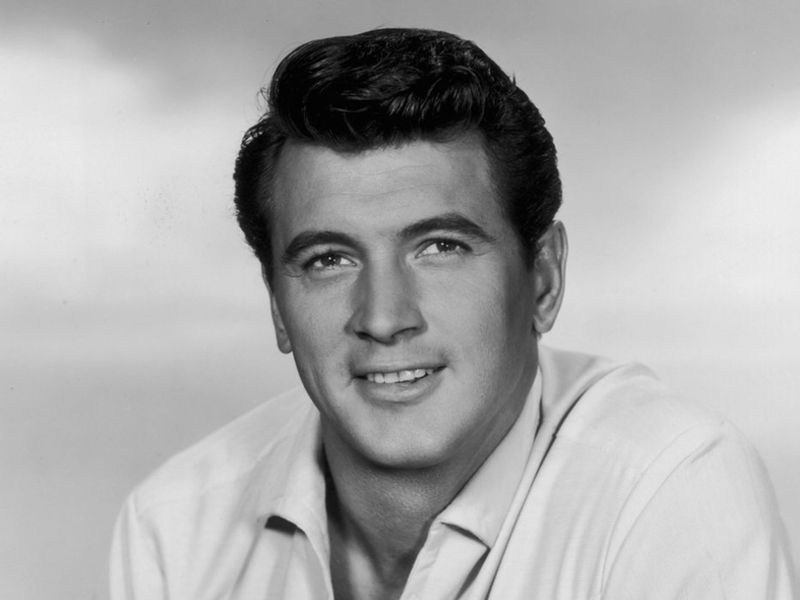
Few stars burned as brightly in the 1950s as Rock Hudson, whose chiseled looks made him one of Hollywood’s biggest leading men. His agent arranged a marriage to Phyllis Gates in 1955 specifically to quiet growing rumors about his sexuality.
When Hudson publicly revealed his AIDS diagnosis in 1985, he became one of the first major celebrities to do so, forever changing how America talked about the disease.
2. Tab Hunter
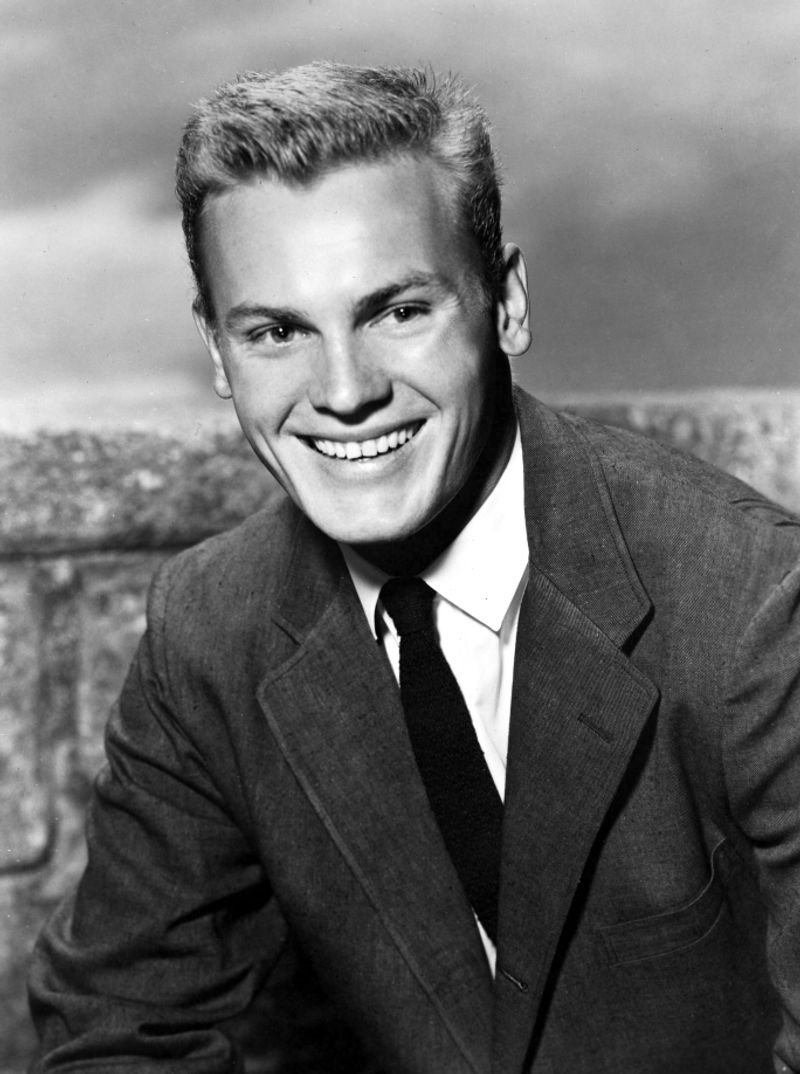
Tab Hunter was the boy-next-door heartthrob that millions of teenagers plastered on their bedroom walls during the 1950s. His studio worked overtime keeping his private life out of the press, carefully managing every public appearance and interview.
Decades later, in his candid 2005 memoir, Hunter finally opened up about his long-term relationship with producer Allan Glaser, giving fans a real glimpse into the man behind the poster.
3. William Haines
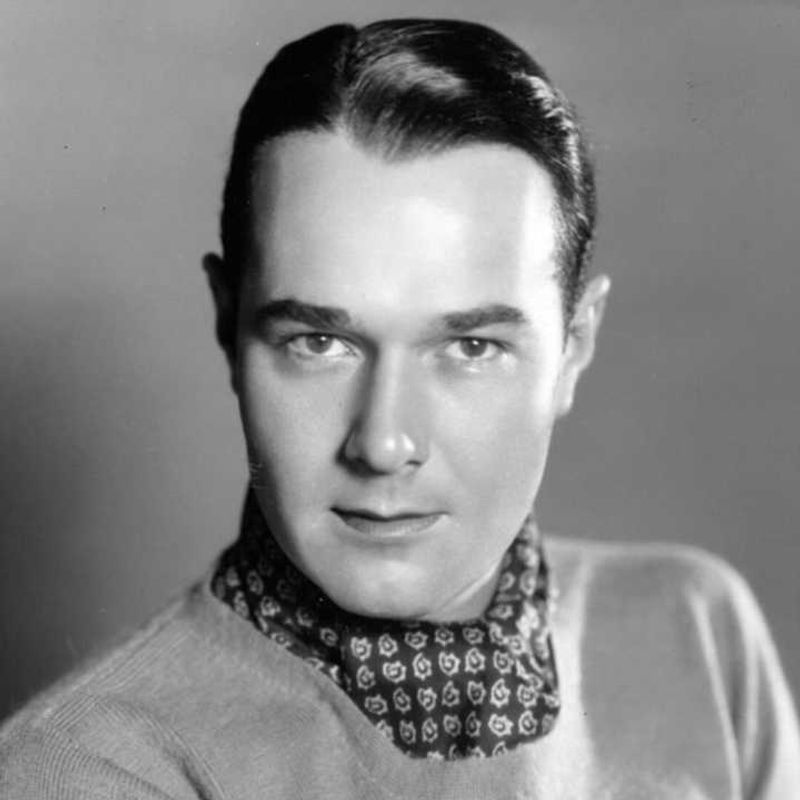
William Haines holds a remarkable place in film history as one of Hollywood’s earliest openly gay actors. Studio bosses pressured him to enter a fake marriage to protect his image, but Haines flatly refused, choosing honesty over stardom.
That decision cost him his acting career, yet he reinvented himself brilliantly as an interior designer to the Hollywood elite, proving that authenticity can lead to unexpected success.
4. Ramon Novarro
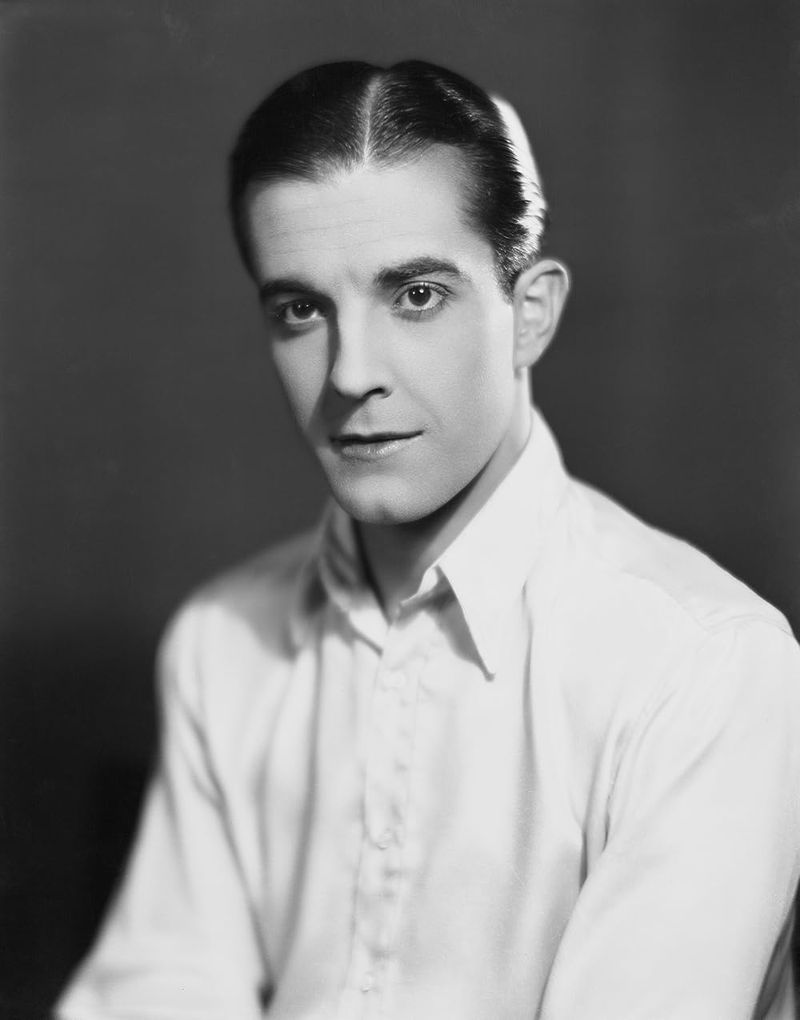
Born Jose Ramon Gil Samaniego in Mexico, Ramon Novarro rose to dazzling heights as a silent film idol often compared to Rudolph Valentino. Within Hollywood circles, his sexuality was quietly understood, but it was never spoken of publicly in an era when such truths could destroy careers.
Tragically, Novarro was murdered in 1968, and his story remains one of classic Hollywood’s most haunting and sorrowful chapters.
5. Anthony Perkins
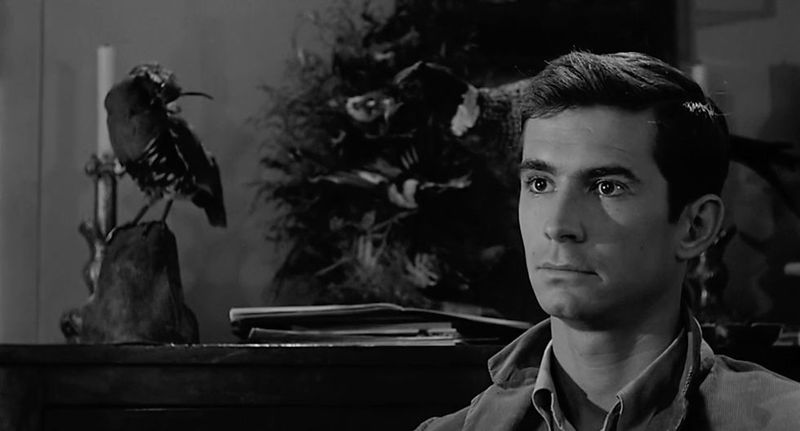
Most moviegoers remember Anthony Perkins as the deeply unsettling Norman Bates from Alfred Hitchcock’s Psycho, a role that defined his legacy. Off screen, Perkins navigated a complicated personal life, maintaining public relationships with women while privately involved with men.
He later spoke openly about Hollywood’s suffocating pressure to project a certain image, and he criticized the industry for forcing performers to live double lives just to survive.
6. Montgomery Clift
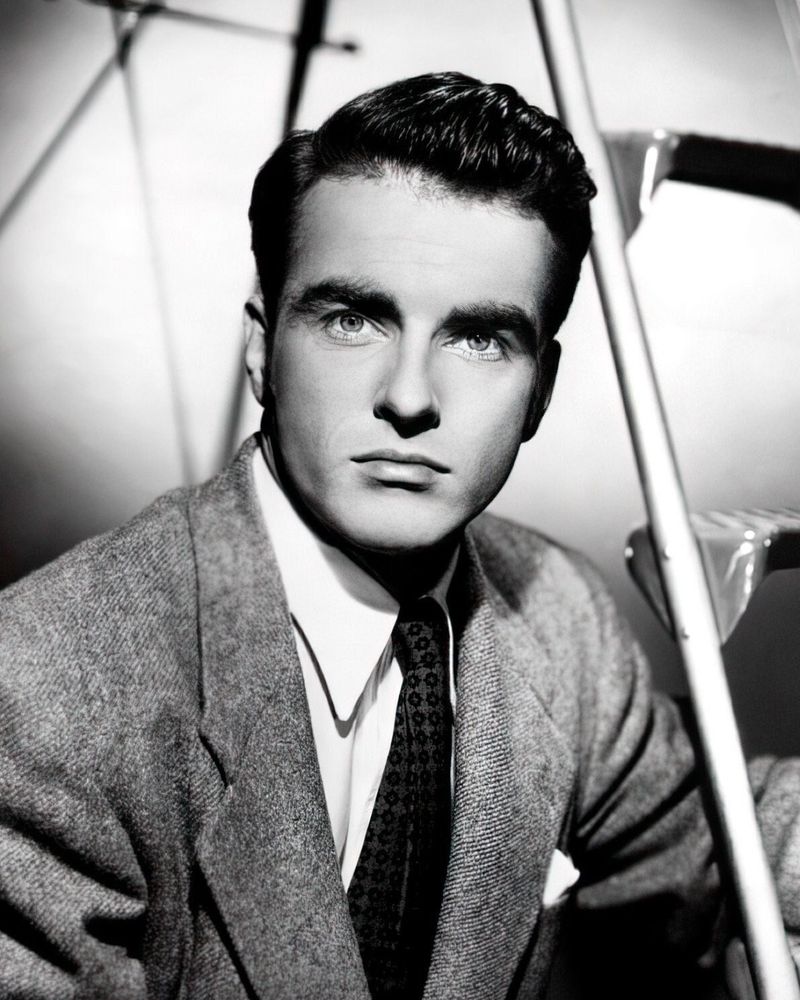
Montgomery Clift was considered one of the most gifted actors of his generation, bringing raw emotional depth to films like A Place in the Sun and From Here to Eternity. He kept his bisexuality private throughout his career, navigating enormous internal conflict in an industry that demanded conformity.
Close friends described him as deeply sensitive and troubled, and his personal struggles ultimately contributed to his early death at just 45 years old.
7. Cary Grant
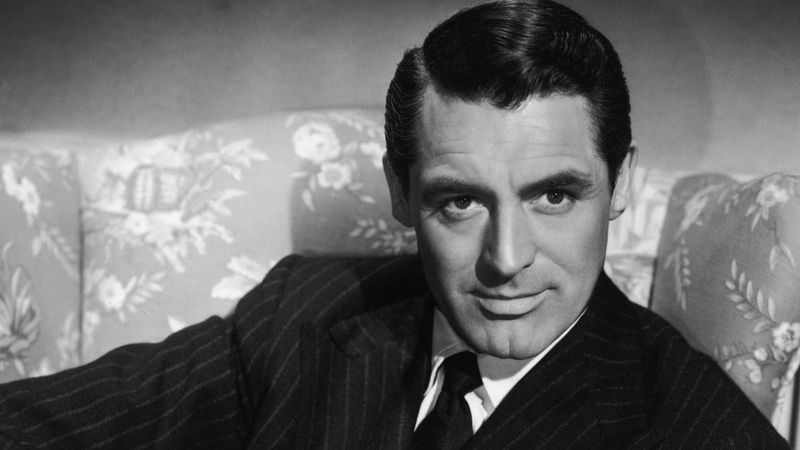
Cary Grant was the very definition of suave sophistication, starring in beloved classics like Bringing Up Baby and North by Northwest. For years, rumors circulated about his close friendship and rumored romance with fellow actor Randolph Scott, with whom he shared a home for twelve years.
Grant married five times and consistently denied any same-sex relationships, but historians and biographers continue exploring this fascinating and complicated chapter of his personal life.
8. Randolph Scott
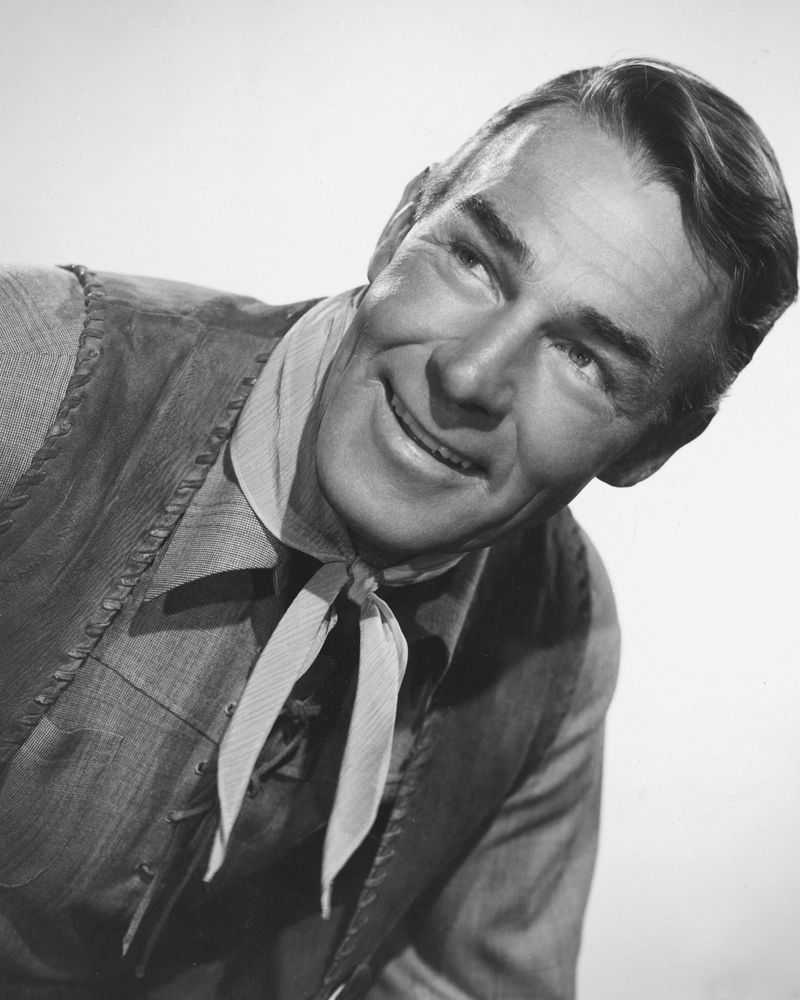
Randolph Scott built his entire career on playing tough, no-nonsense cowboys in dozens of popular Westerns, projecting an image of ultimate rugged masculinity. What made gossip columnists raise eyebrows was his long domestic arrangement with Cary Grant, the two men sharing a beach house in Santa Monica for over a decade.
Scott eventually married and kept his private life locked away, leaving behind more questions than answers for curious film historians.
9. Clifton Webb
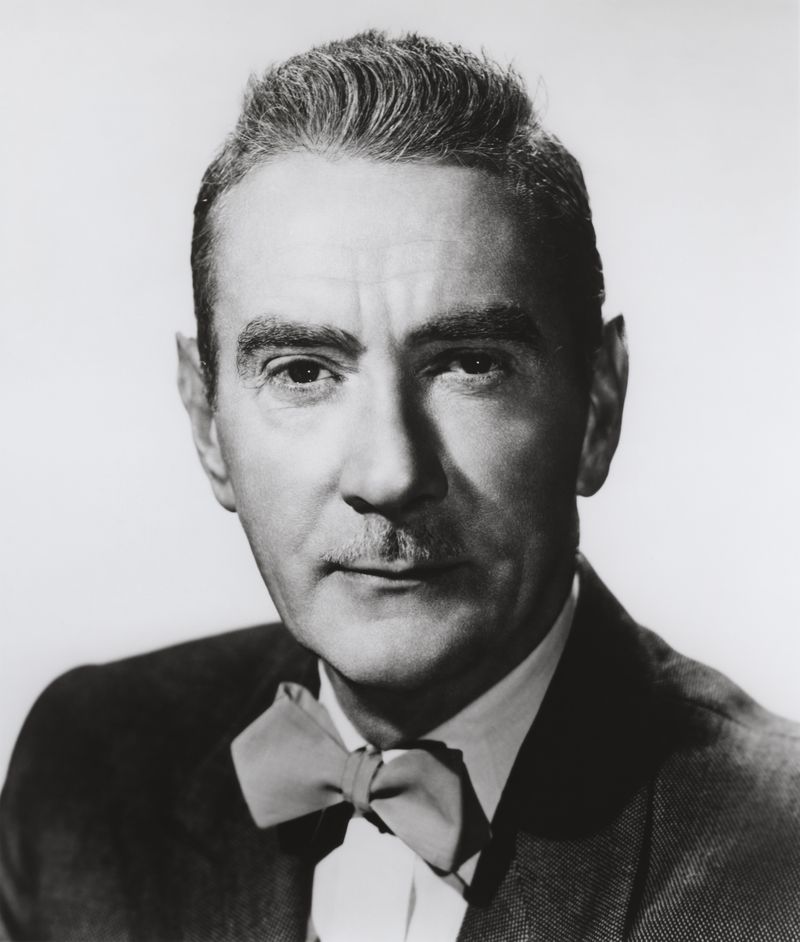
Clifton Webb made a career out of playing delightfully acid-tongued characters, most memorably the razor-sharp critic Waldo Lydecker in Laura. Widely understood to be gay within Hollywood social circles, Webb lived openly with his mother Mabelle for most of his adult life and never married.
Despite the open secret, studios continued casting him in major films, suggesting that talent could sometimes outweigh the industry’s rigid social expectations, at least partially.
10. Charles Laughton
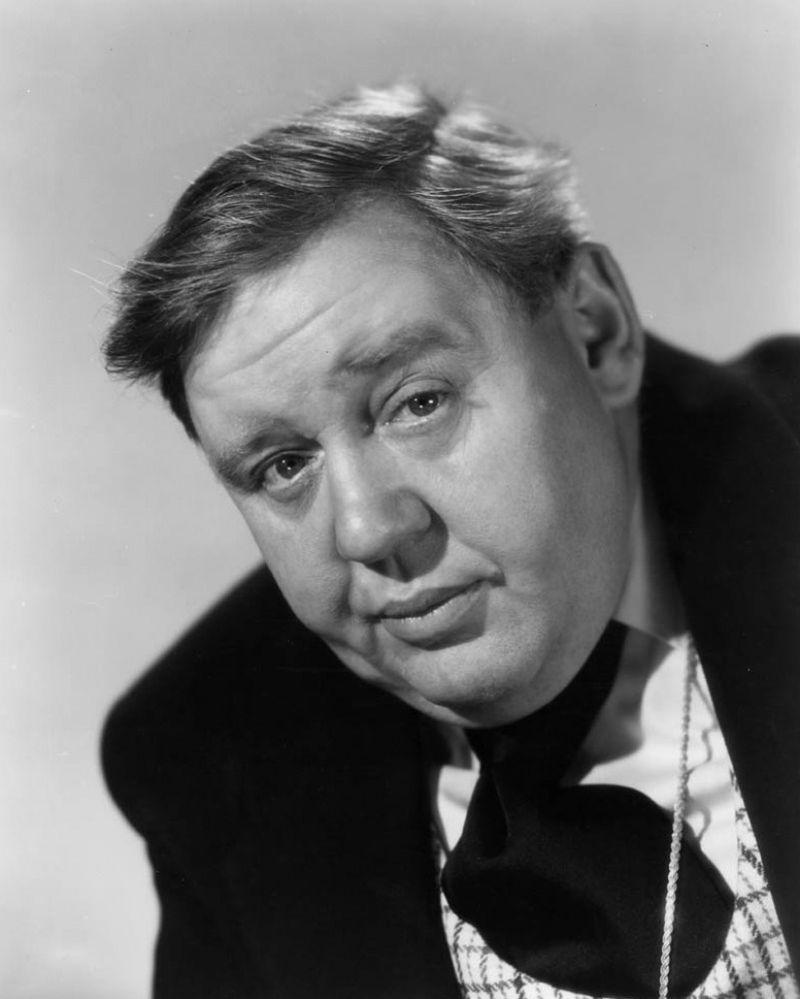
Charles Laughton won an Academy Award for The Private Life of Henry VIII and delivered some of cinema’s most unforgettable performances, from Captain Bligh to Quasimodo. He was married to actress Elsa Lanchester for decades, though both reportedly understood the arrangement as a companionate partnership.
Laughton privately struggled with his sexuality throughout his life, and Lanchester later revealed that he had confessed his homosexuality to her early in their marriage.
11. Sal Mineo
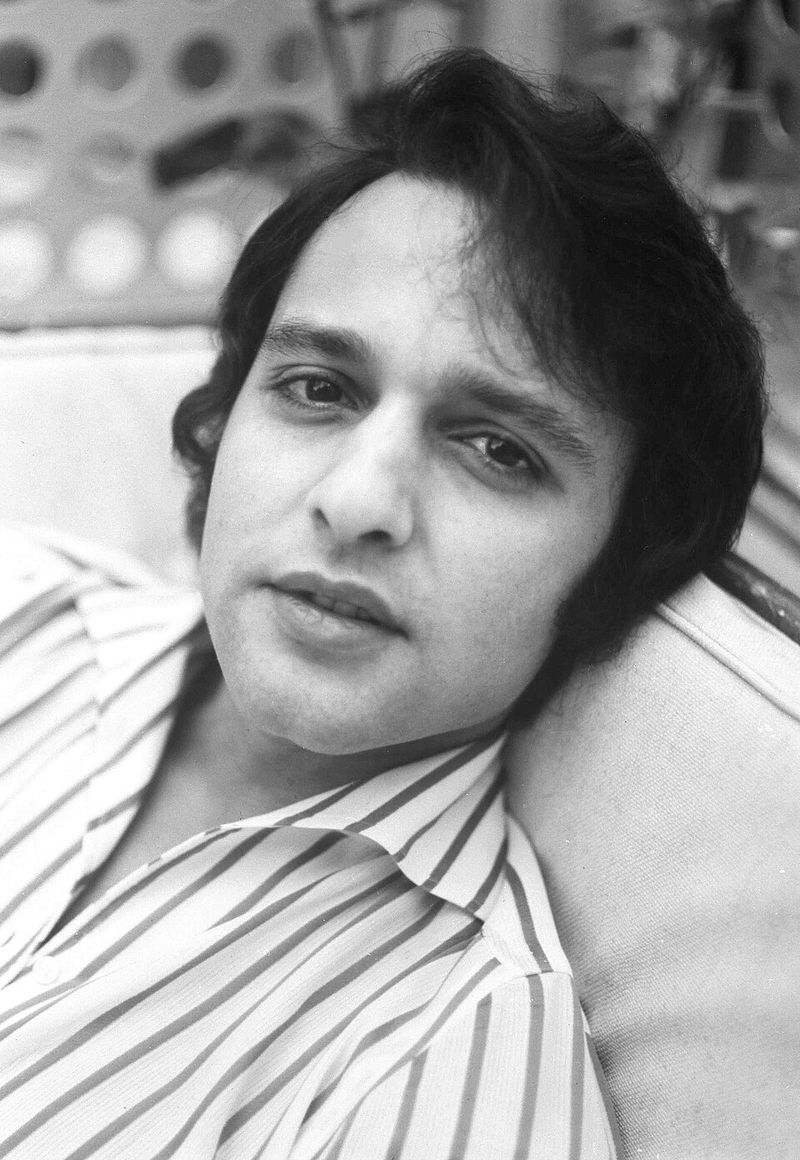
Sal Mineo earned an Oscar nomination at just sixteen for his heartbreaking role in Rebel Without a Cause alongside James Dean. His youthful intensity made him a teen idol, but his career faded as he aged and Hollywood’s interest in him cooled.
Mineo was openly bisexual within his social circle long before it was safe to be public, and his tragic murder in 1976 cut short a life that had already weathered so much difficulty.
12. James Whale
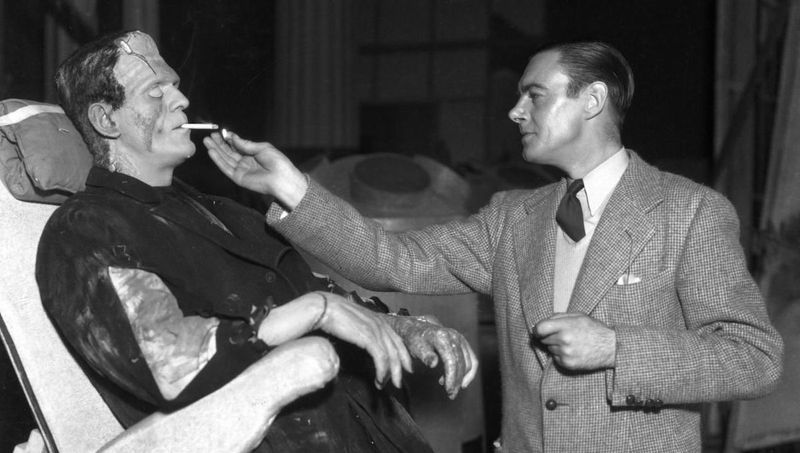
James Whale directed some of Universal’s most iconic horror films, including Frankenstein, Bride of Frankenstein, and The Old Dark House, cementing his place in cinema history. Unlike many of his contemporaries, Whale lived relatively openly with his partner David Lewis and never pretended otherwise.
His story was beautifully dramatized in the 1998 film Gods and Monsters, finally introducing new generations to this groundbreaking director who refused to completely hide who he was.
13. George Cukor
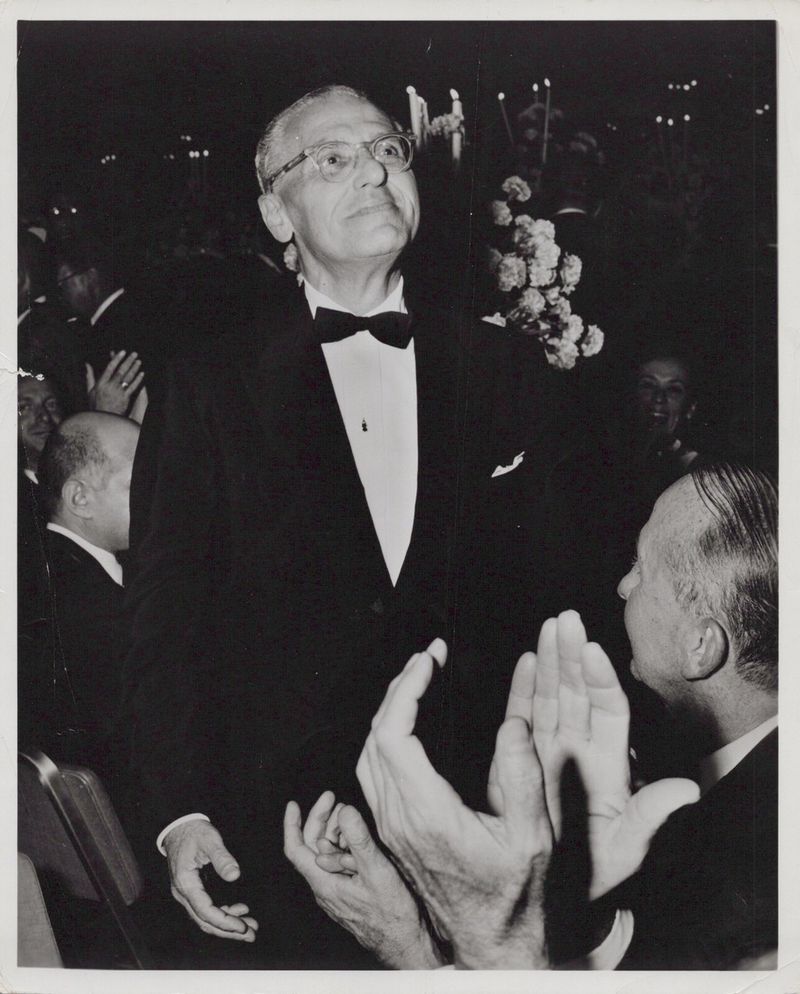
George Cukor directed some of Hollywood’s greatest films, earning the nickname “women’s director” for drawing extraordinary performances from Katharine Hepburn, Greta Garbo, and Judy Garland. His sexuality was well known among Hollywood insiders, and he hosted legendary Sunday gatherings at his home that became famous among the gay creative community.
Cukor won his only Academy Award for My Fair Lady in 1964, a late-career triumph that felt long overdue to many in the industry.
14. Cole Porter
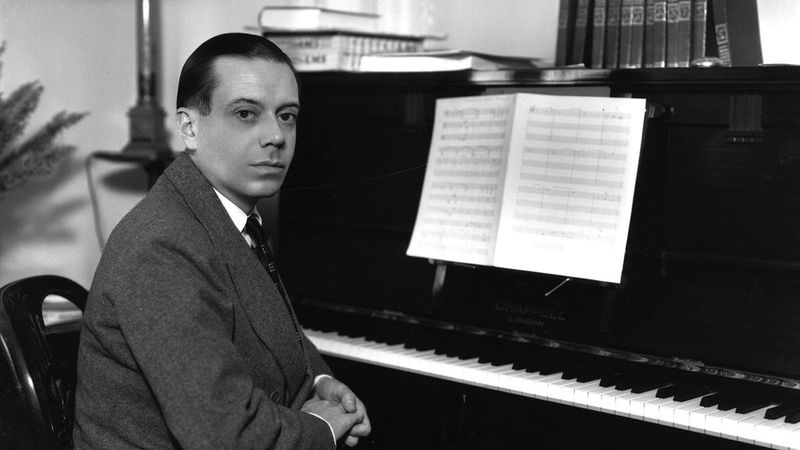
Cole Porter wrote some of the most brilliantly witty songs ever composed, from Anything Goes to Night and Day, leaving an indelible mark on both Broadway and Hollywood. His marriage to Linda Lee Thomas was widely understood as a social arrangement, giving both parties freedom while maintaining respectability.
Porter’s lavish parties were legendary for their mix of celebrities and a knowing, sophisticated crowd that appreciated his sharp humor and genuine warmth.
15. Tyrone Power
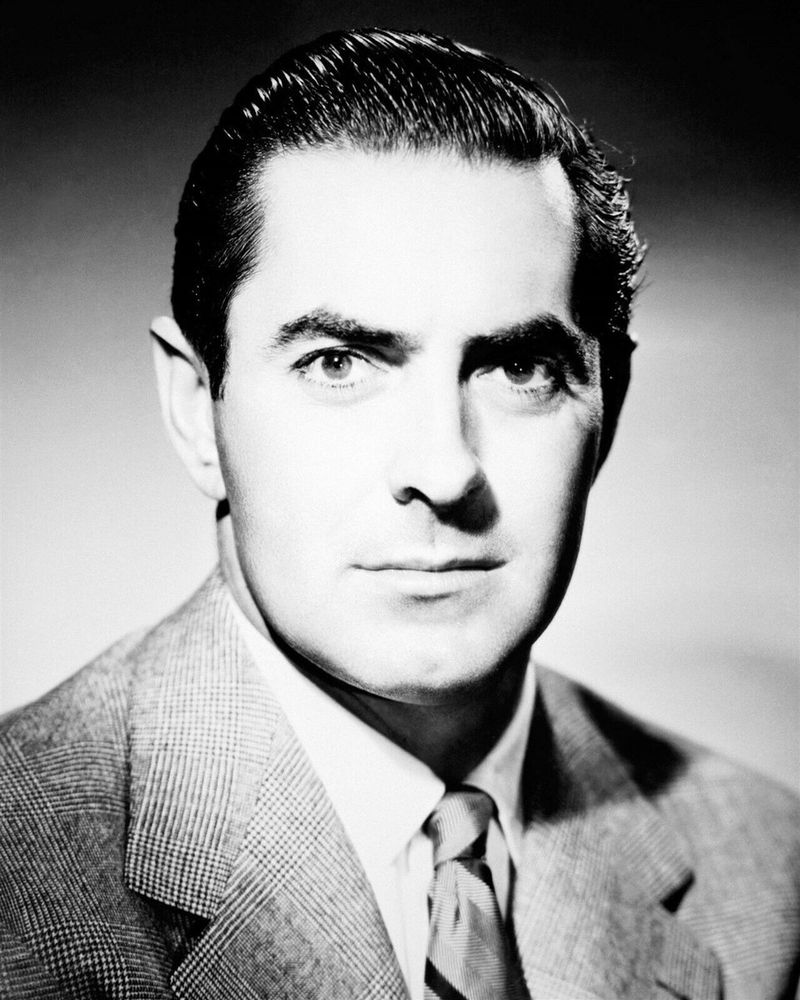
Tyrone Power was arguably one of the most physically stunning stars of Hollywood’s Golden Age, captivating audiences in adventure films and romantic dramas alike. Privately bisexual, he maintained several high-profile relationships with women while quietly pursuing connections with men, including a rumored affair with Errol Flynn.
Power died suddenly of a heart attack in 1958 at just 44, leaving behind a legacy both celebrated and shrouded in carefully guarded secrets.
16. Errol Flynn
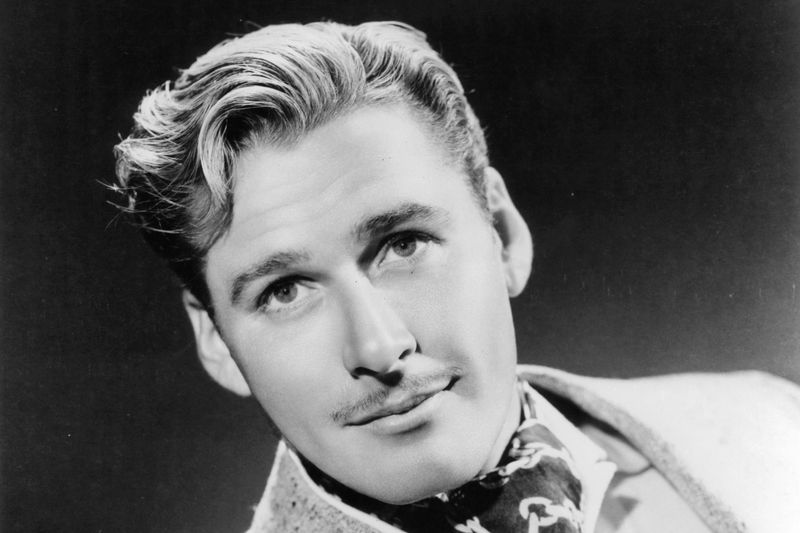
Errol Flynn built his legend on pirate adventures and dashing heroics, becoming synonymous with reckless charm and devil-may-care swagger on screen. His personal life was equally dramatic and far more complicated, involving numerous relationships with both men and women that Hollywood’s publicists worked hard to keep contained.
Biographers have since pieced together a picture of a man whose appetites and identity were far more fluid than his action-hero persona ever suggested.
17. Farley Granger
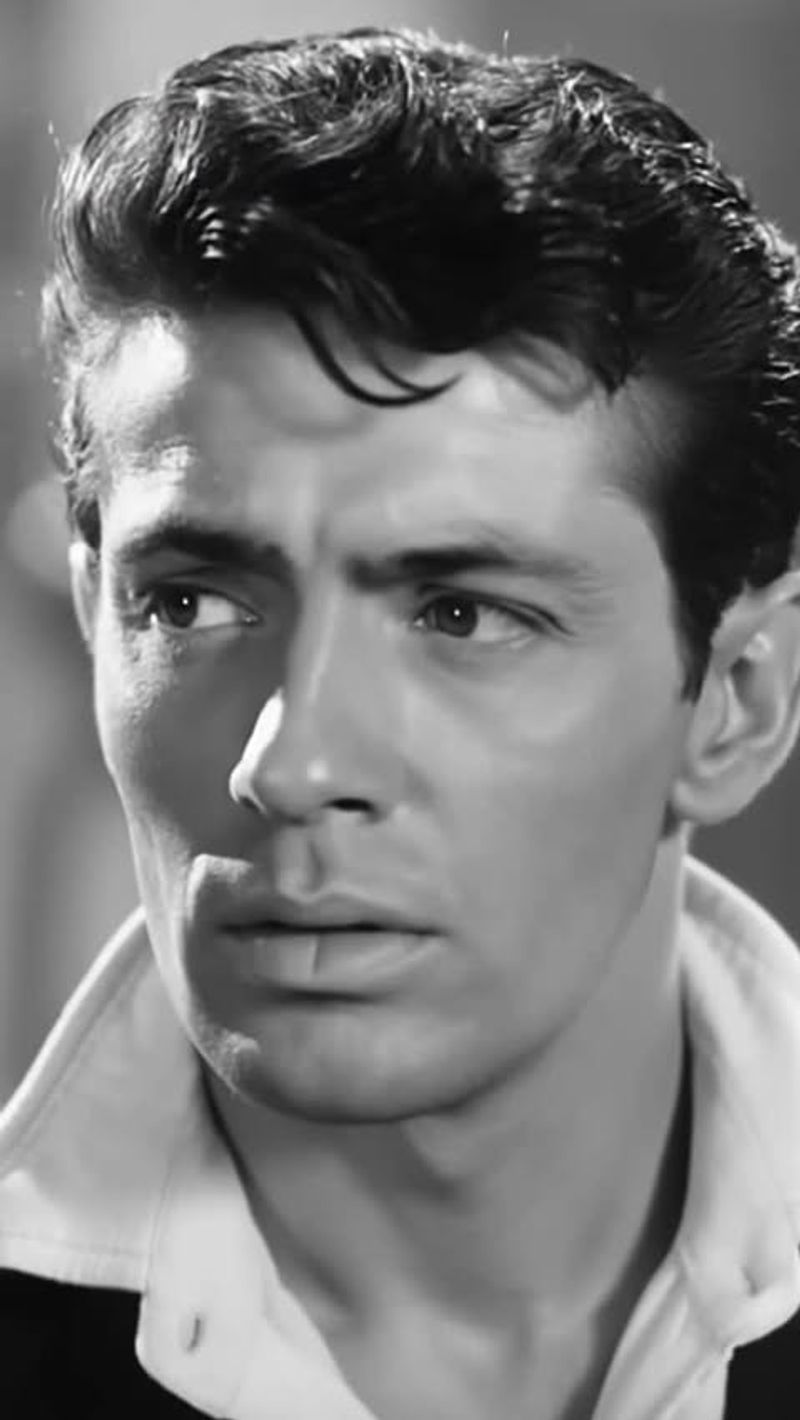
Farley Granger starred in two of Alfred Hitchcock’s most suspenseful films, Rope and Strangers on a Train, bringing a vulnerable quality to his roles that felt remarkably authentic. In his 2007 memoir, Granger wrote candidly about his bisexuality and his relationships with both men and women, including a meaningful connection with composer Arthur Laurents.
His willingness to tell his own story honestly made him a quiet hero for those who grew up watching his films.