
Relationships work best when both people bring kindness, honesty, and effort to the table. But sometimes, certain habits or personality patterns can make a relationship feel draining, one-sided, or even toxic.
Recognizing these patterns early on can save a lot of heartache and help you make smarter choices. This list covers 17 types of women whose behaviors often make them difficult partners to build a healthy relationship with.
1. The Chronic Complainer

Every day feels like a storm cloud when you live with someone who focuses only on what is wrong. The Chronic Complainer rarely finds joy in small wins or quiet moments because her mind is trained to spot problems first.
Over time, this constant negativity drains her partner’s emotional energy. Relationships need optimism to survive the tough days, and without it, even the good times start to feel heavy and joyless.
2. The Emotionally Unavailable Woman

She seems strong, polished, and completely put-together on the outside. But getting close to her emotionally feels like trying to open a locked door without a key.
The Emotionally Unavailable Woman struggles to share her true feelings, which leaves her partner feeling alone even in a committed relationship. Real connection requires vulnerability, and without that openness, the relationship slowly becomes an empty routine rather than a meaningful bond.
3. The Control-Oriented Partner

Wanting things done a certain way is one thing, but needing to control every detail of your partner’s life is something else entirely. The Control-Oriented Partner makes decisions for both people without asking, schedules every hour, and rarely allows breathing room.
Her partner’s sense of independence quietly disappears. Healthy relationships are built on mutual respect, not power imbalances, and when one person holds all the control, resentment is almost always waiting around the corner.
4. The Chronic Blamer

Nothing is ever her fault. Arguments with the Chronic Blamer always end the same way, with her partner holding the bag for problems they did not create alone.
Accountability is the glue that holds relationships together, and without it, conflicts never actually get resolved. Her partner ends up walking on eggshells, afraid to raise real issues because they already know who will be blamed.
This cycle slowly destroys trust and emotional safety in the relationship.
5. The Drama Magnet

Life with a Drama Magnet is never boring, but not in a good way. Small inconveniences become major crises, minor misunderstandings explode into full-blown arguments, and calm days feel almost suspicious to her.
Her partner spends more time managing emotional fires than building something meaningful together. Constant chaos is exhausting, and over time, it chips away at a person’s desire to stay.
Stability and peace are not just nice to have in a relationship, they are necessary.
6. The Perpetual Victim

Bad things happen to everyone, but the Perpetual Victim believes life is uniquely unfair to her alone. Every situation somehow circles back to how she has been wronged, overlooked, or mistreated.
Her partner ends up in a constant role of comforter and problem-solver without ever receiving the same support back. After a while, that imbalance becomes suffocating.
Growth in a relationship requires both people to take ownership of their lives rather than outsourcing responsibility to the world around them.
7. The Jealous Accuser

A little jealousy now and then is human, but constant suspicion is a relationship killer. The Jealous Accuser reads into every text, questions every friendship, and treats her partner like a suspect rather than a teammate.
Trust is the foundation of any strong relationship, and once it is replaced with accusations, the damage runs deep. Her partner starts to feel monitored and disrespected, which eventually pushes them toward the very distance she feared all along.
8. The Self-Absorbed Partner

Conversations with the Self-Absorbed Partner tend to follow one direction: hers. Her needs, her schedule, her feelings, and her goals always take center stage, leaving little room for her partner to feel seen or valued.
Relationships thrive on give and take, but this dynamic is almost entirely one-sided. Her partner’s needs get pushed to the margins so often that they begin to question whether they even matter.
Feeling invisible in your own relationship is one of the loneliest experiences there is.
9. The Non-Communicator

Silence can be golden, but not when important conversations keep getting buried. The Non-Communicator shuts down during conflicts, avoids difficult topics, and hopes problems disappear on their own.
They rarely do.
Her partner is left guessing what went wrong, why there is tension, or how to fix things. Over time, unspoken frustrations pile up like unread mail until they overflow.
Good communication is not optional in a relationship, it is the lifeline that keeps everything connected.
10. The Scorekeeper

Forgiveness is not really in the Scorekeeper’s vocabulary. She keeps a mental record of every mistake, every forgotten anniversary, and every argument she believes she won, ready to pull them out at the worst possible moment.
No relationship can move forward when one person is always looking backward. Her partner never truly feels forgiven, which makes genuine apologies feel pointless.
Healthy partnerships require letting go of the past, not using it as a weapon in every future disagreement.
11. The Materialist

Status symbols and designer labels matter far more to the Materialist than emotional depth or shared values. She measures the quality of the relationship by what her partner provides rather than who he truly is.
This creates a hollow dynamic where love is tied to spending power rather than genuine connection. Partners often feel used rather than cherished.
Real relationships are built on respect and shared meaning, not the price tag of the last gift or the brand of the car in the driveway.
12. The Financially Irresponsible Woman
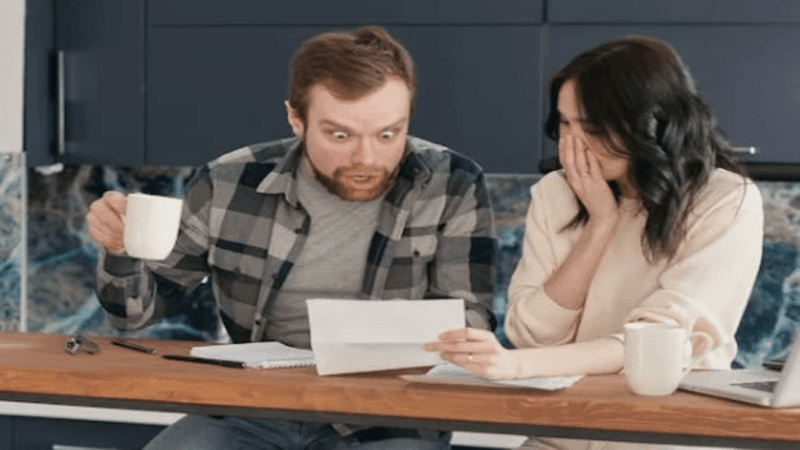
Money problems are one of the leading causes of relationship breakdowns, and the Financially Irresponsible Woman brings plenty of them to the table. Hidden debts, impulsive purchases, and zero interest in budgeting create constant stress for both people.
Her partner ends up carrying the financial weight of the relationship alone, which breeds resentment fast. Financial honesty and shared responsibility are not just practical matters, they are acts of respect that show a partner you value the future you are building together.
13. The Insecure Comparer

Scrolling through social media and comparing your relationship to everyone else’s is a fast track to unhappiness. The Insecure Comparer constantly measures what she has against what others appear to have, and her own relationship always seems to fall short.
Her partner ends up feeling inadequate no matter how much effort they put in. Every relationship has its own rhythm and strengths, and chasing someone else’s highlight reel steals the joy from the real, beautiful moments happening right in front of you.
14. The Unresolved Trauma Carrier

Past wounds do not just stay in the past when they have never been properly healed. The Unresolved Trauma Carrier brings old pain into new situations, projecting fears and triggers onto a partner who had nothing to do with causing them.
Her partner ends up paying for someone else’s mistakes. Healing takes courage and often requires outside support, but without that work, the relationship becomes a battlefield shaped by ghosts.
Unaddressed trauma quietly poisons even the most promising connections over time.
15. The Overly Independent Partner

Independence is a genuinely admirable quality, but taken too far, it can make a relationship feel unnecessary. The Overly Independent Partner keeps her emotional world sealed off, handles everything alone, and rarely lets her partner feel needed or included.
Over time, the relationship starts to feel more like two strangers sharing space than two people building a life together. Interdependence is not weakness, it is the beautiful part of choosing someone and letting them choose you back every single day.
16. The Manipulator

Manipulation does not always look dramatic or obvious. Sometimes it shows up as guilt-tripping, gaslighting, or carefully twisting situations so the other person always ends up feeling like the problem.
The Manipulator rarely plays fair in conflicts, and her partner often walks away from arguments doubting their own memory or judgment. That kind of emotional confusion is deeply damaging.
Relationships should feel safe and honest, not like a chess game where one person always seems to be three moves ahead.
17. The Commitment-Phobe

Some people enjoy the early excitement of a relationship but freeze up the moment things get serious. The Commitment-Phobe keeps one foot out the door at all times, avoiding labels, dodging future plans, and pulling away whenever emotional closeness increases.
Her partner is left in a constant state of uncertainty, never quite sure where they stand. Healthy relationships need a shared sense of direction to grow.
Without commitment, even a genuinely good connection tends to slowly drift apart rather than deepen.