
Not every American food is a home run. Some dishes that locals swear by leave visitors — and even plenty of Americans — scratching their heads in confusion.
Whether it’s the strange textures, overwhelming sweetness, or just plain odd flavor combinations, these foods have earned a reputation for falling short of expectations. Get ready for a brutally honest look at 16 American foods that somehow managed to disappoint the world.
1. Root Beer
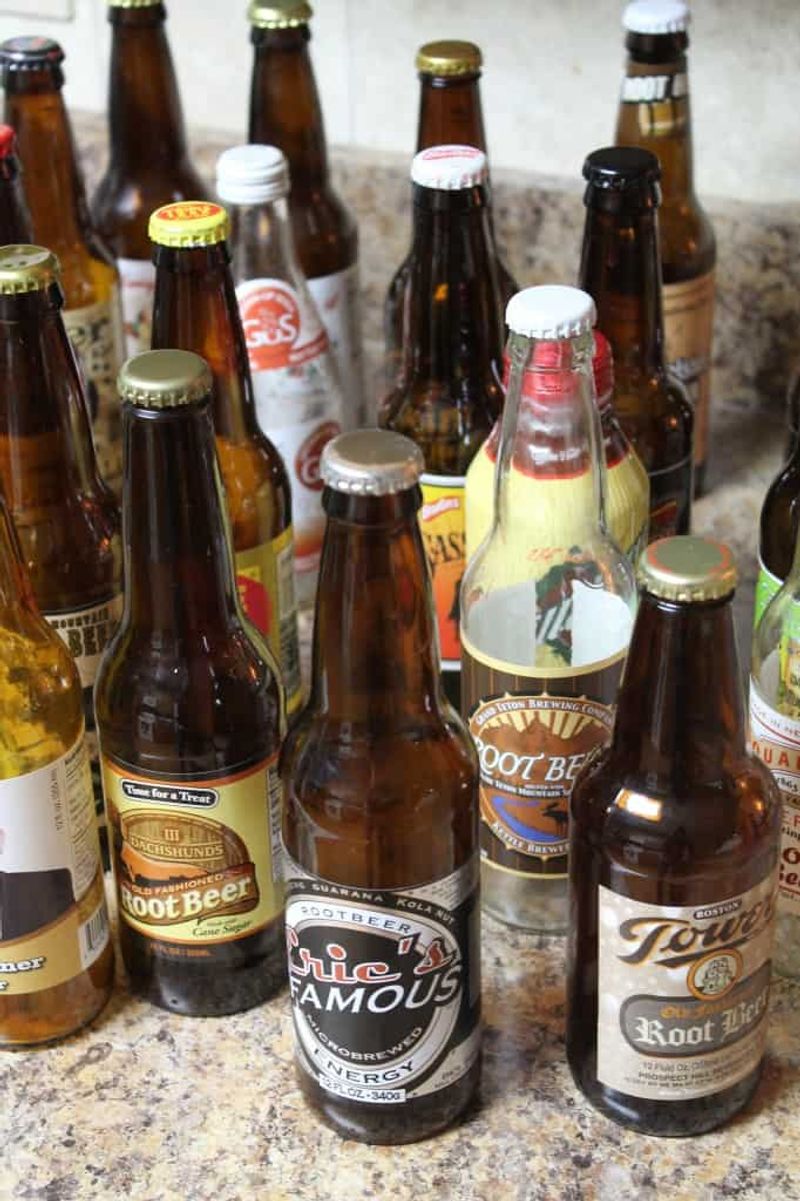
Pour a sip of root beer for someone who has never tried it, and watch their face crumple in confusion. Many international tasters describe the flavor as “liquid toothpaste” or cough syrup in a can.
The strong sassafras-like taste is deeply familiar to Americans but completely jarring to outsiders.
Even within the U.S., root beer is a divisive choice. It is one of those drinks you either grew up loving or never quite understood at all.
2. American Cheese
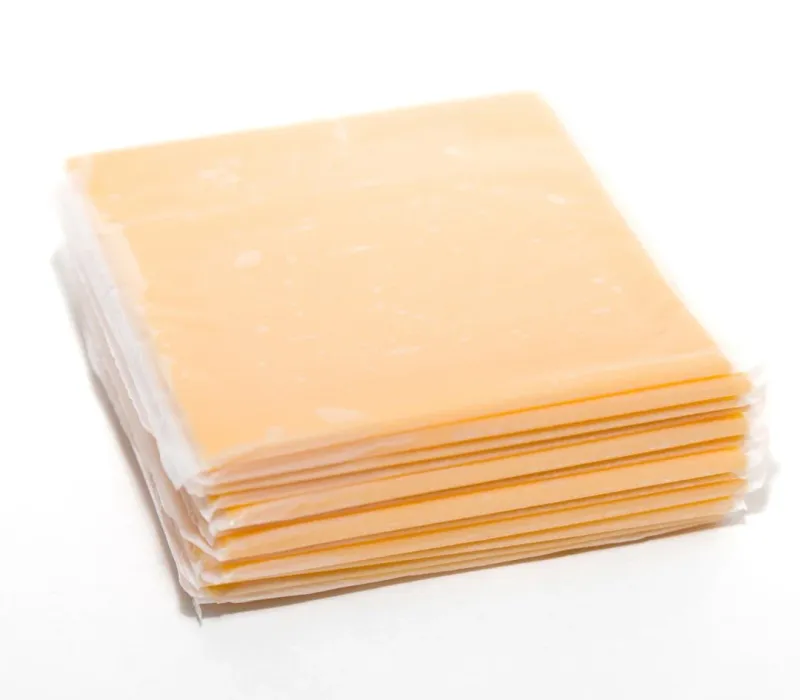
Technically, calling it “cheese” is already a stretch. American cheese is a processed product made with real cheese blended with emulsifiers, oils, and additives that give it an unnaturally smooth melt and a color that looks almost too orange to be real.
Cheese lovers from Europe especially find it baffling. When you are used to aged cheddar or fresh mozzarella, a perfectly square, plastic-wrapped slice feels less like food and more like a prop from a school cafeteria drama.
3. Pop-Tarts
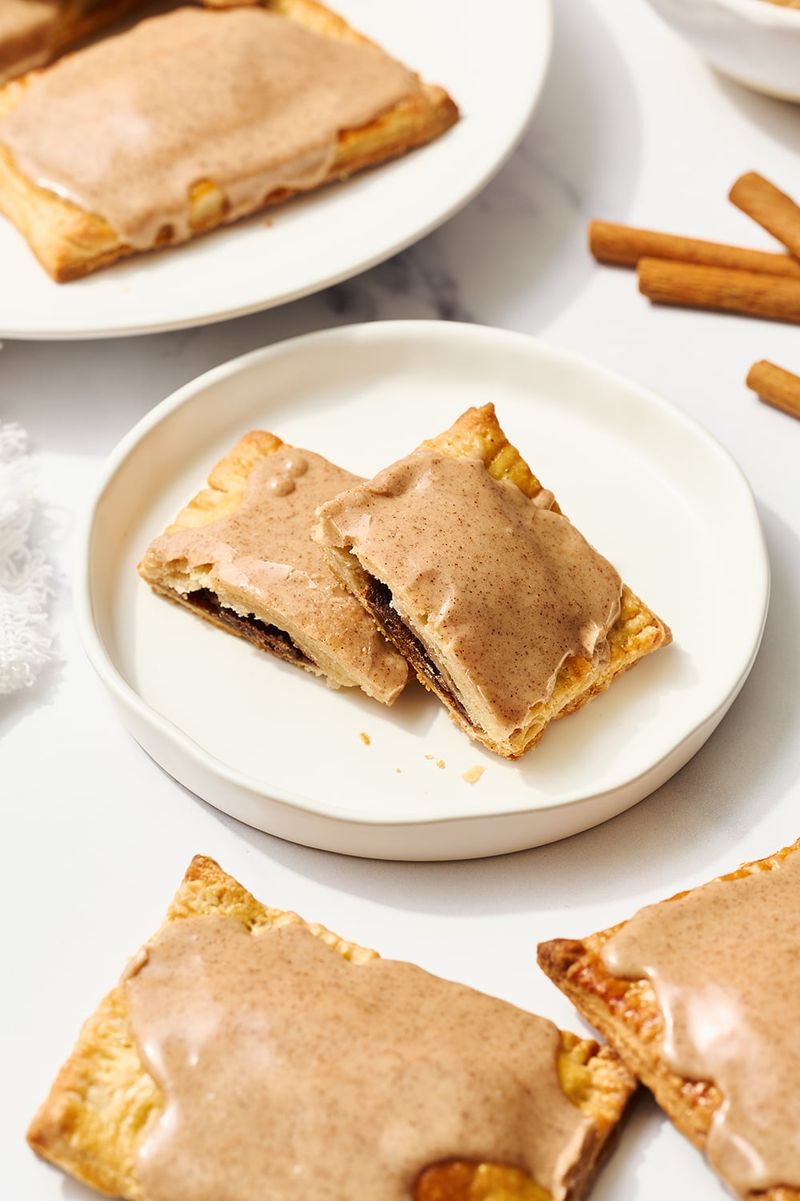
Imagine biting into a flaky pastry shell and finding a filling that tastes like strawberry-flavored sugar paste — that is a Pop-Tart in a nutshell. They are a breakfast staple for millions of American kids, but nutritionists and international food critics are rarely impressed.
The frosting alone contains enough sugar to power a small rocket. Fun fact: Pop-Tarts were launched in 1964, and somehow the recipe has barely changed since.
Some traditions are better left questioned.
4. Spray Cheese
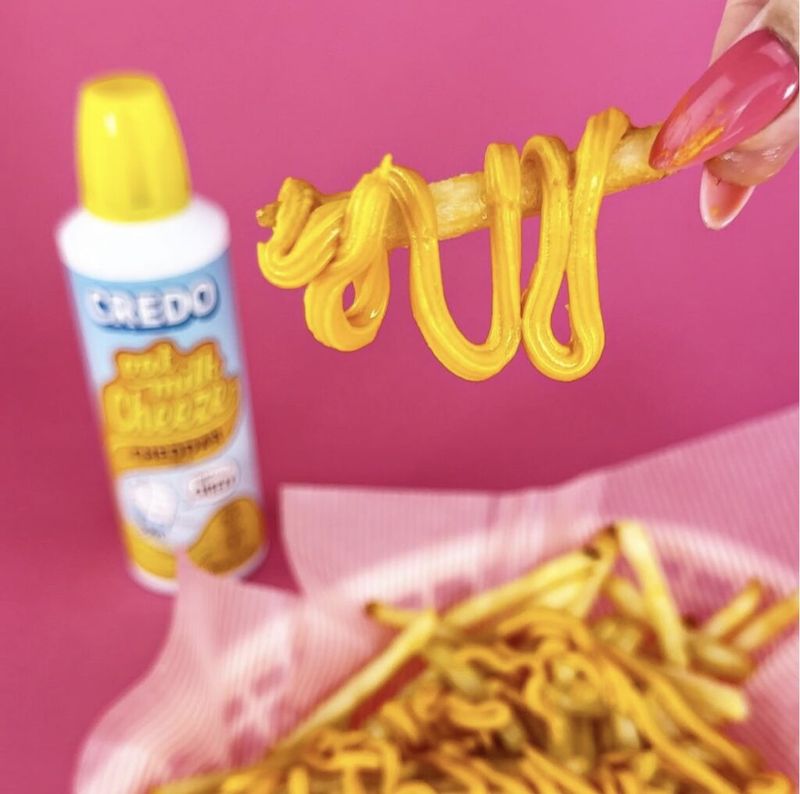
Cheese should not come out of a nozzle. Yet somehow, spray cheese became a real product sold in American grocery stores, and people actually buy it.
The texture is somewhere between foam and paste, and the flavor is a distant cousin of actual cheddar.
Anyone who grew up eating fresh cheese from a deli or a market abroad will stare at a can of spray cheese with genuine disbelief. It is the kind of snack that raises more questions than it answers.
5. Biscuits and Gravy
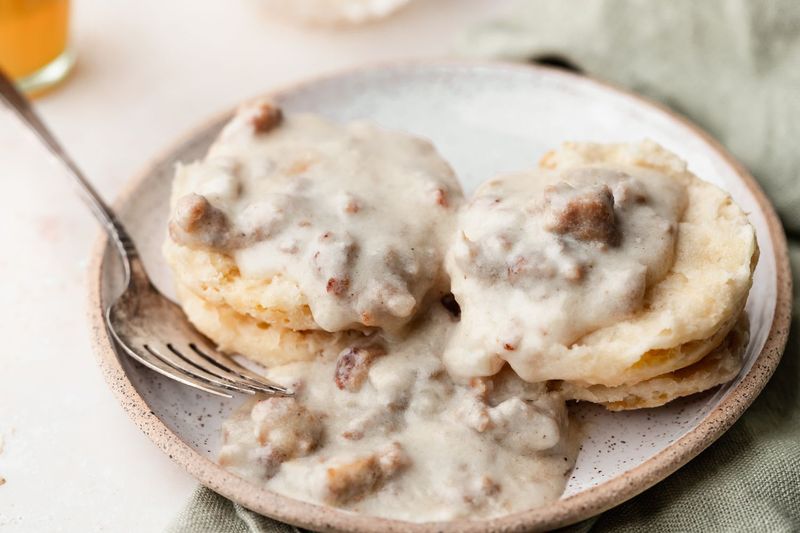
At first glance, biscuits and gravy sounds harmless enough. Then you see it — a mound of pale, thick, peppery white sauce poured over soft bread rolls, with chunks of sausage floating throughout.
To Southern Americans, it is pure comfort food. To nearly everyone else, it looks like something went terribly wrong in the kitchen.
The heaviness of the dish can feel overwhelming first thing in the morning. Still, fans of this breakfast classic would not trade it for anything lighter.
6. Cereal Marshmallows
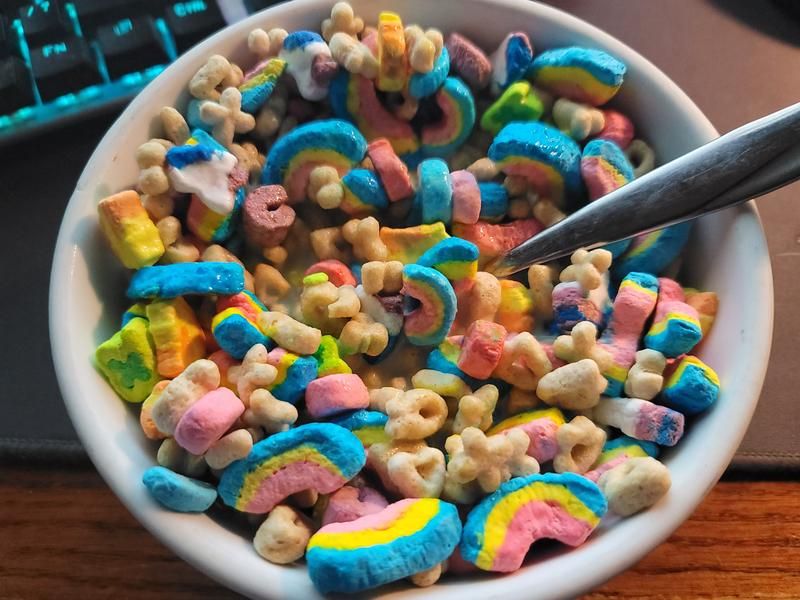
Lucky Charms made cereal marshmallows famous, but that does not mean everyone agrees they belong in breakfast. Those tiny, chalky, neon-colored bits are more sugar than anything else, and they dissolve into a weirdly sweet slurry once milk hits the bowl.
Kids absolutely love them, which says a lot. Adults who try them for the first time as grown-ups often describe the experience as eating sweetened packing material.
Nostalgia is doing a lot of heavy lifting with this one.
7. Candy Corn
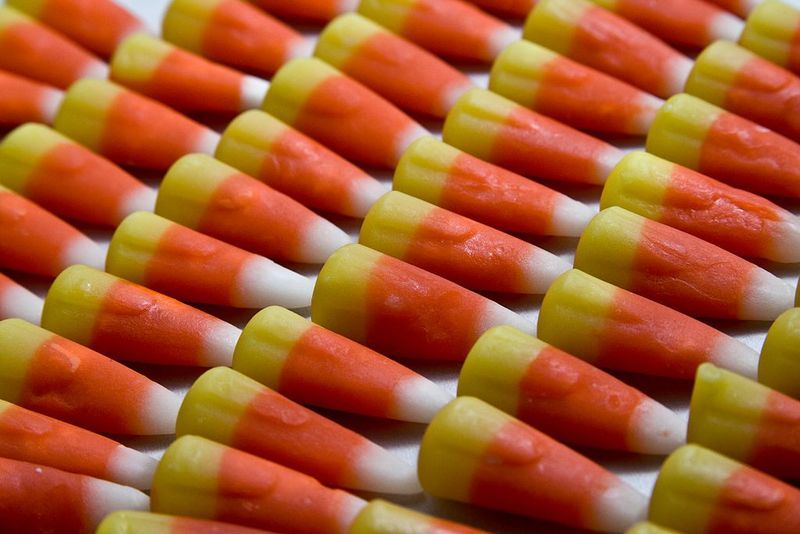
Every October, candy corn returns to store shelves like an uninvited guest at a Halloween party. The tri-colored, waxy little kernels have a flavor that is hard to pin down — somewhere between sugar, honey, and candle wax.
People either adore them or actively avoid the bowl they are sitting in.
Polls consistently show candy corn ranks among the least-liked Halloween candies in America. Yet production continues every year, which is either a marketing mystery or proof that nostalgia always wins over taste.
8. Ranch Dressing
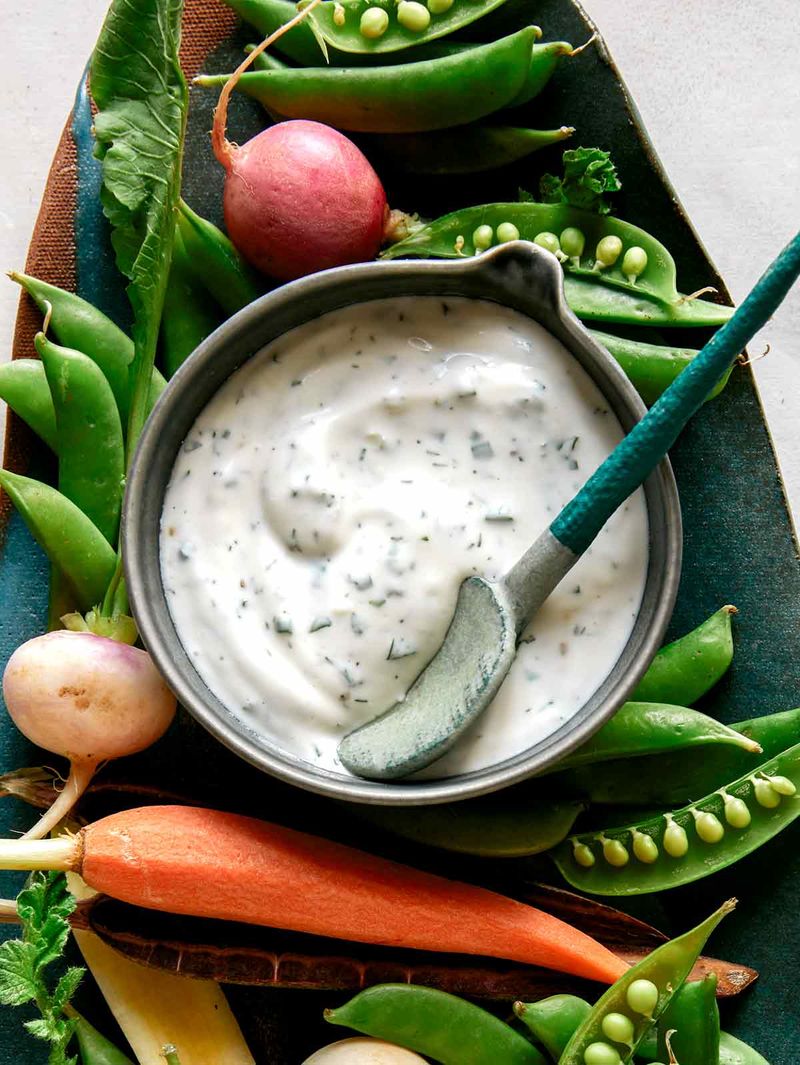
Ranch dressing has colonized the American table in a way few condiments ever have. Pizza, wings, salads, fries, and even sandwiches — ranch finds its way onto everything.
Its thick, creamy, herb-heavy flavor is bold enough to drown out whatever it is sitting next to.
Outside the U.S., people often find the flavor overwhelming or oddly medicinal. Hidden Valley Ranch, the brand that started it all, was invented on an actual ranch in California in the 1950s.
The obsession grew from there and never stopped.
9. Corn Dogs
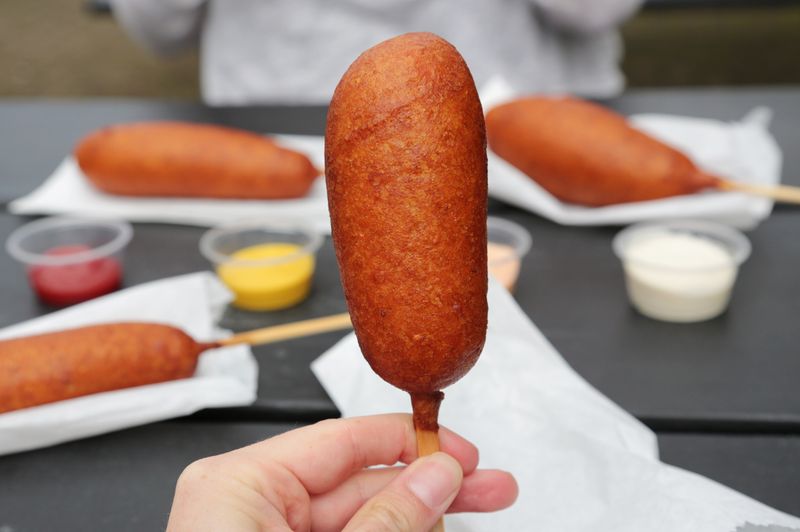
A hot dog wrapped in sweetened cornbread batter and deep-fried on a stick is exactly as chaotic as it sounds. Corn dogs are a staple of American state fairs and school lunch menus, beloved for their salty-sweet combo and total lack of pretension.
To people outside the U.S., the concept often triggers genuine bewilderment. Why put a sausage on a stick, cover it in cake batter, and fry it?
The answer, apparently, is because America could — and so it did.
10. Grits
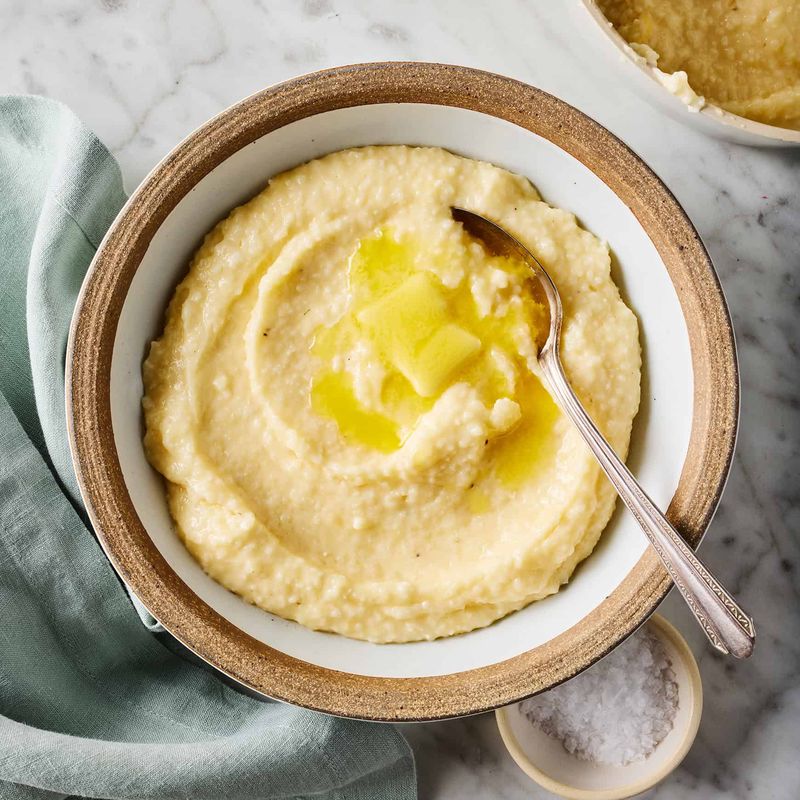
Grits have a devoted fan base across the American South, and for good reason — when made well, they are buttery, smooth, and deeply satisfying. However, when grits are made badly, which happens more often than fans would like to admit, they turn into a bland, gummy paste with no redeemable qualities.
First-timers expecting something exciting are usually underwhelmed. The dish needs serious seasoning, butter, and patience to shine.
Without those, it is essentially warm cornmeal mush in a bowl.
11. Chicken and Waffles
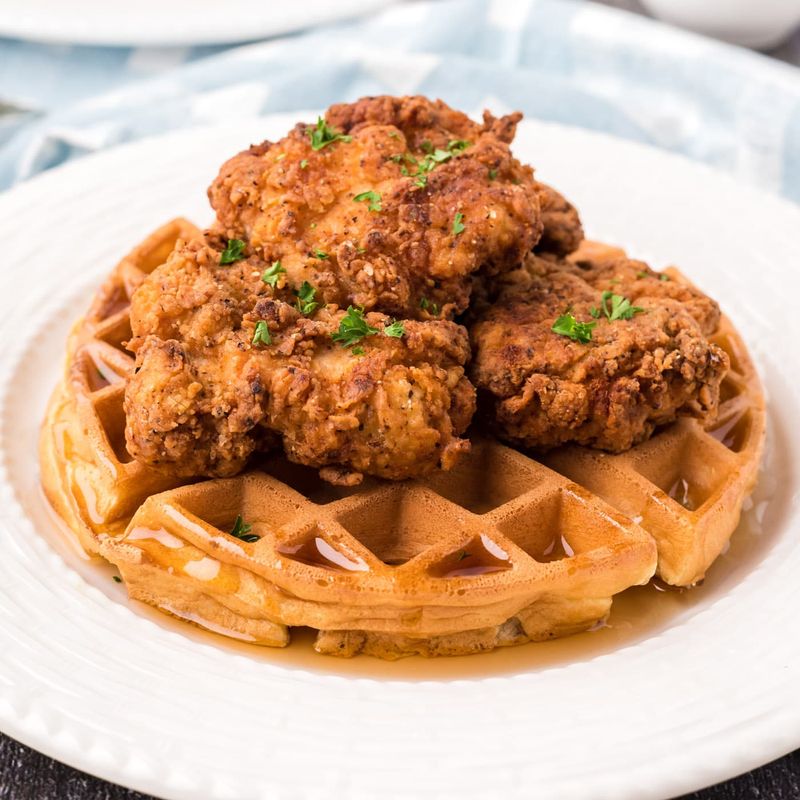
Fried chicken on top of waffles, soaked in maple syrup — it sounds like a dare, but it is actually a beloved American brunch classic. The sweet and savory combination works surprisingly well once you try it, but convincing someone to take that first bite is always the challenge.
The dish has roots in both Southern cooking and Harlem soul food culture. First-time eaters often look suspicious right up until they taste it, and then the expression shifts to something much more agreeable.
12. Sloppy Joes
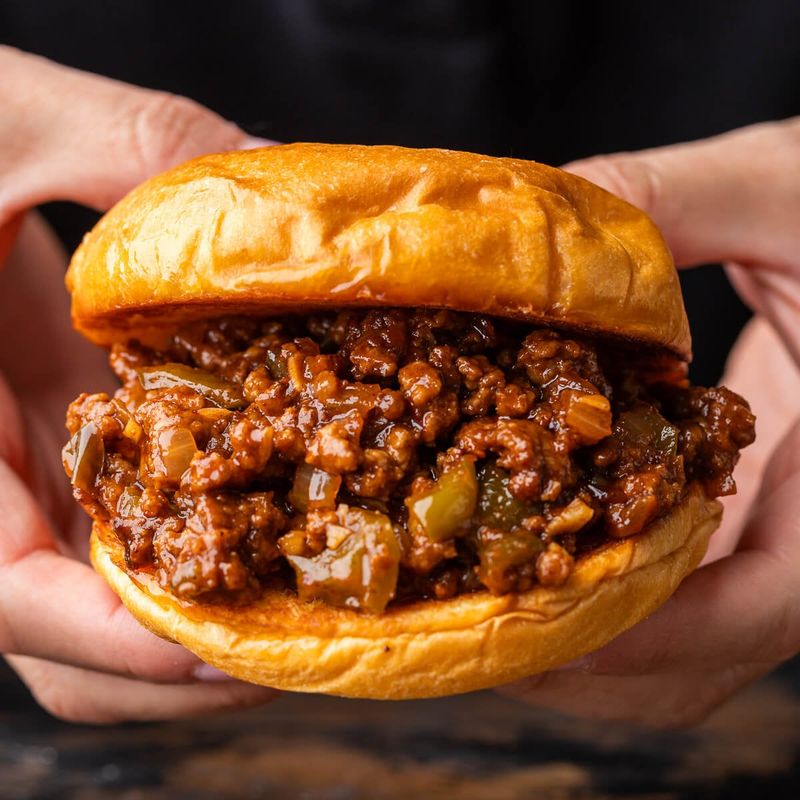
The name alone is a warning label. Sloppy Joes are ground beef cooked in a sweet, ketchup-heavy sauce and piled onto a soft hamburger bun — a meal designed to make a mess and deliver maximum sugar in a savory package.
School cafeterias across America have served them for decades.
International visitors often find the sweetness jarring in what should taste like a meat sandwich. Eating one without ruining your shirt is considered a minor achievement, which might explain why the name stuck.
13. Meatloaf
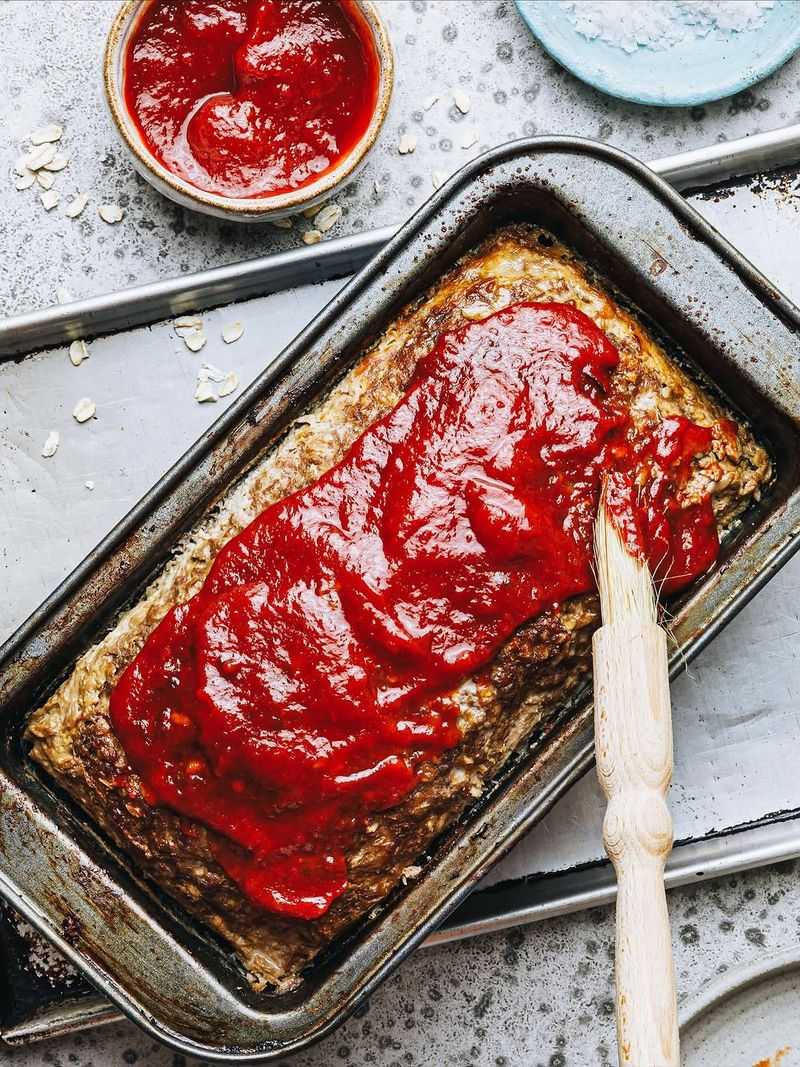
Meatloaf has a serious image problem. The dish — essentially ground beef packed into a loaf shape, baked, and glazed with ketchup — sounds uninspiring, and in many home kitchens, it tastes exactly as uninspiring as it sounds.
The texture can be dense, the flavor flat, and the presentation is rarely anything to admire.
That said, a well-seasoned, properly made meatloaf can genuinely impress. The problem is that bad versions outnumber good ones by a wide margin, giving the dish its gloomy reputation.
14. Deep-Fried Butter
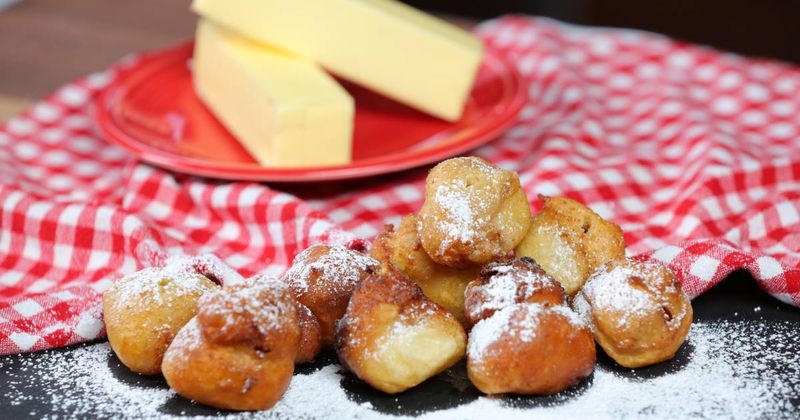
Yes, this is a real thing. Deep-fried butter is exactly what it sounds like — a stick of butter coated in batter and dropped into a fryer until the outside is golden and the inside is a molten pool of pure fat.
It became famous at the Texas State Fair and has been baffling people ever since.
Even committed junk food fans pause at this one. There is novelty value, sure, but calling it food feels generous.
It is more of a dare with a powdered sugar garnish.
15. Macaroni and Cheese
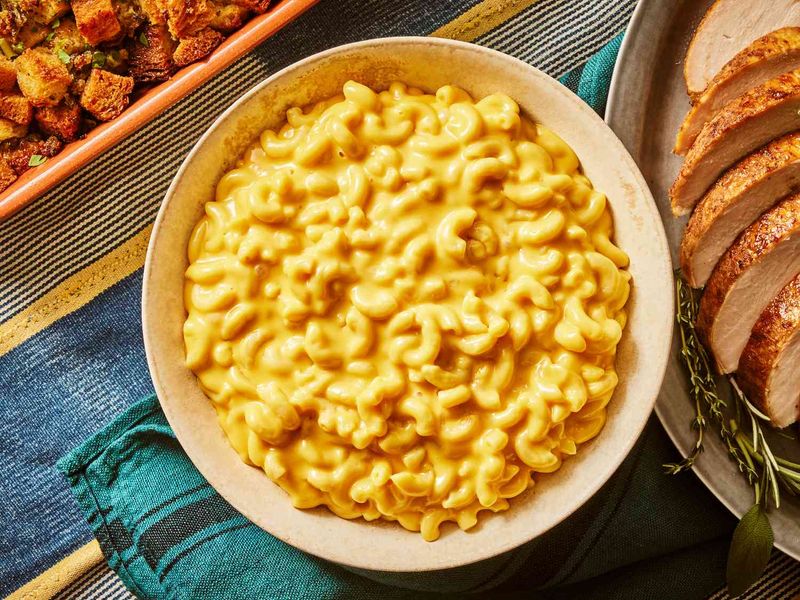
Homemade mac and cheese, crafted with real aged cheese and a proper bechamel, is genuinely wonderful. However, the boxed version — which most Americans grew up eating — is a neon-orange powder-and-pasta combo that bears little resemblance to actual cheese.
Kids adore it, and there is undeniable nostalgia at work. But hand a bowl to someone who has never encountered it before, and that bright orange color alone raises immediate suspicion.
The flavor follows through with something that is more chemistry than cooking.
16. Pumpkin Spice Everything
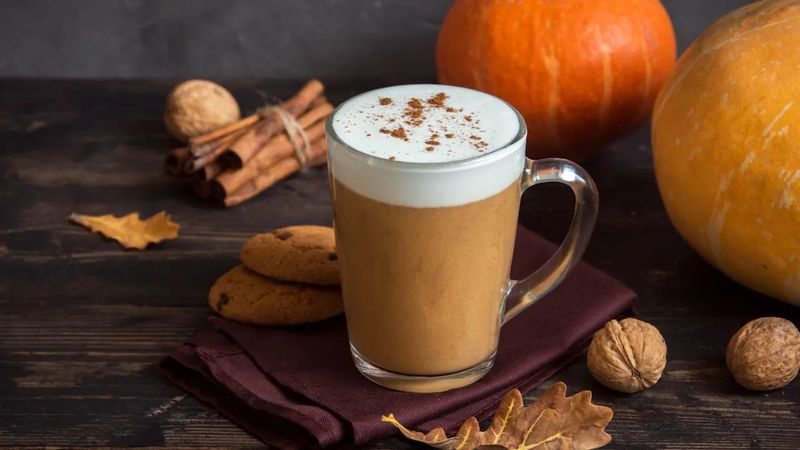
Every September, pumpkin spice takes over American culture like a seasonal invasion. Lattes, candles, cereal, dog treats, and even deodorant get the pumpkin spice treatment.
The flavor — a blend of cinnamon, nutmeg, ginger, and cloves — is pleasant in small doses but exhausting when it is everywhere at once.
People outside the U.S. find the obsession genuinely puzzling. The irony is that most pumpkin spice products contain zero actual pumpkin.
It is the flavor of autumn manufactured in a lab and marketed with impressive aggression.