
Television used to get away with a lot more than it does today. Many classic shows had storylines that audiences laughed at or cheered for back then, but would spark serious debate if they aired right now.
Society has changed a lot, and so has our understanding of topics like consent, representation, and mental health. Looking back at these old plots is a great reminder of how far storytelling has come.
1. Jack Pretends to Be Gay on Three’s Company
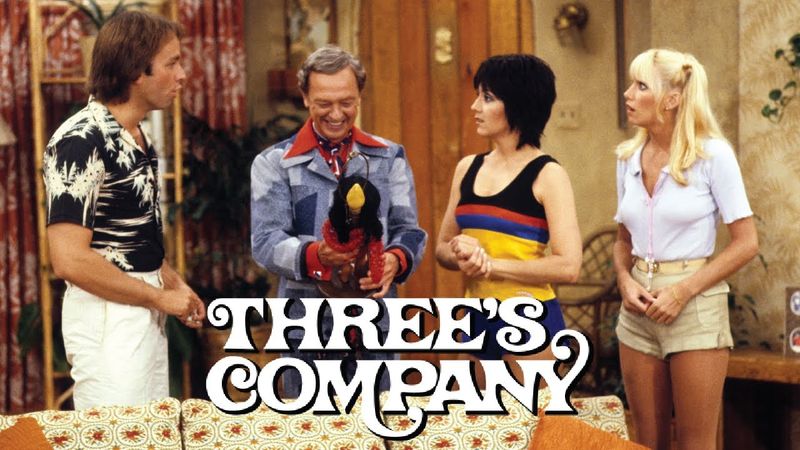
Back in the late 1970s, the entire premise of Three’s Company rested on one joke: Jack had to pretend to be gay so his landlord would let him share an apartment with two women. It seemed harmless and funny at the time.
Today, using someone’s sexual orientation as a disguise or punchline is widely recognized as disrespectful. The idea that being gay was something to fake for convenience would raise serious eyebrows in any modern writers room.
2. Pacey’s Relationship With His Teacher on Dawson’s Creek
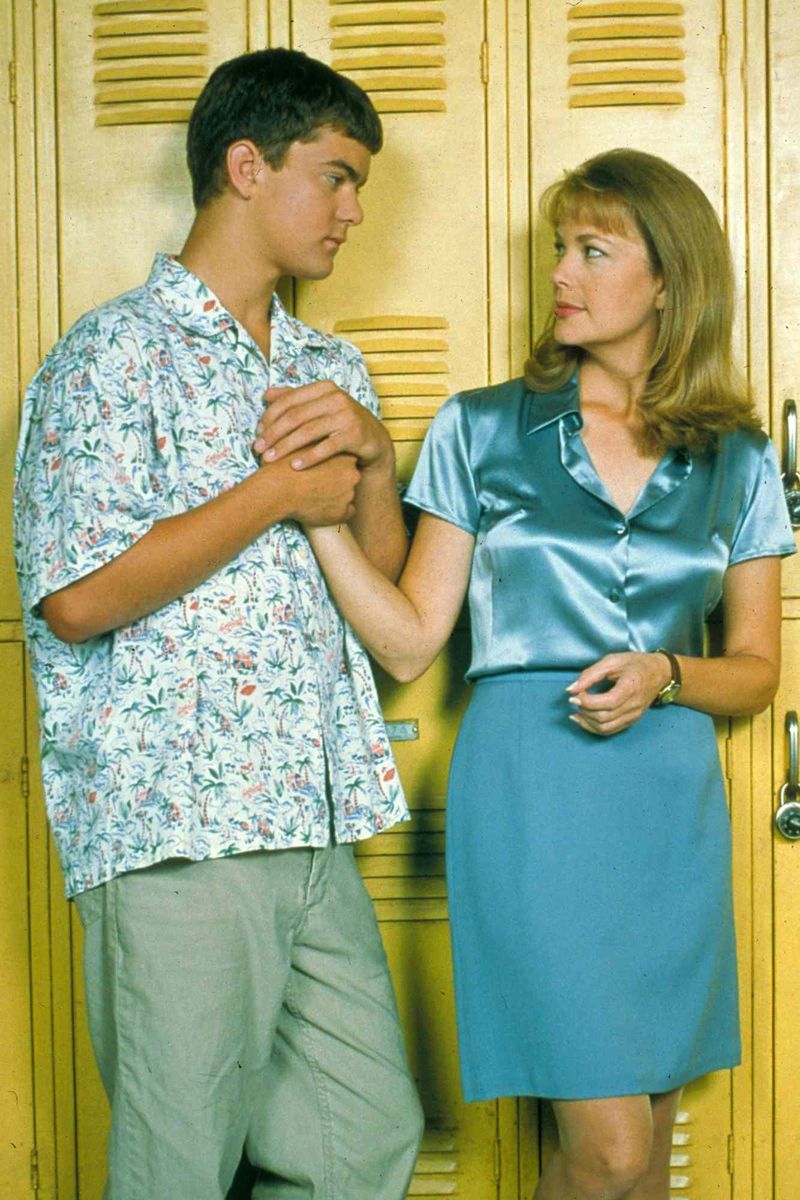
Pacey Witter was just 15 years old when Dawson’s Creek portrayed his sexual relationship with his 35-year-old teacher, Mrs. Tamara Jacobs. Shockingly, the show actually framed it as exciting and confidence-boosting for Pacey.
There was zero acknowledgment of the power imbalance or the fact that this was illegal. Today, any network airing this storyline would face immediate backlash.
It is now clearly understood as grooming, not romance, and no amount of nostalgia changes that reality.
3. Chandler’s Transgender Father on Friends
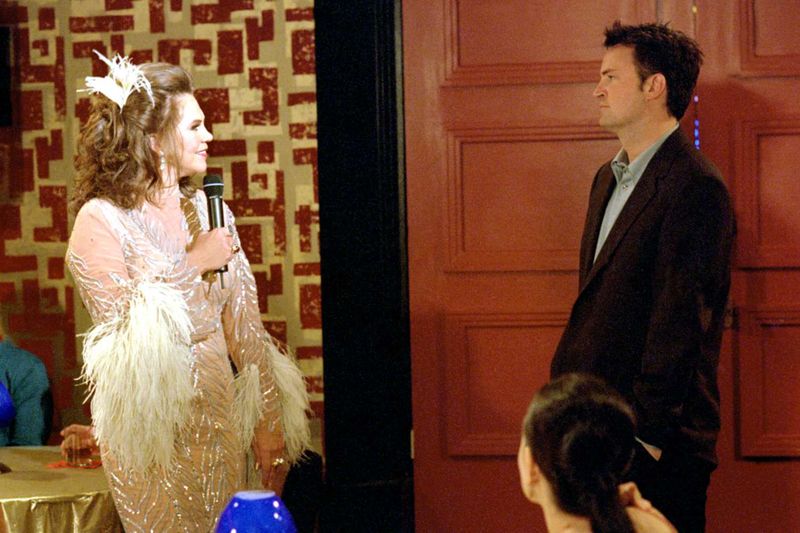
Friends treated Chandler’s transgender father as a recurring punchline for nearly the entire run of the show. The character was played by a cisgender woman and constantly used as a source of awkward humor and embarrassment for Chandler.
Gender identity is not a joke, and casting choices matter deeply. Modern audiences would rightly call this portrayal transphobic.
Representation has come a long way, and this storyline stands as a clear example of how not to handle transgender characters on screen.
4. Luke and Laura’s Romance on General Hospital
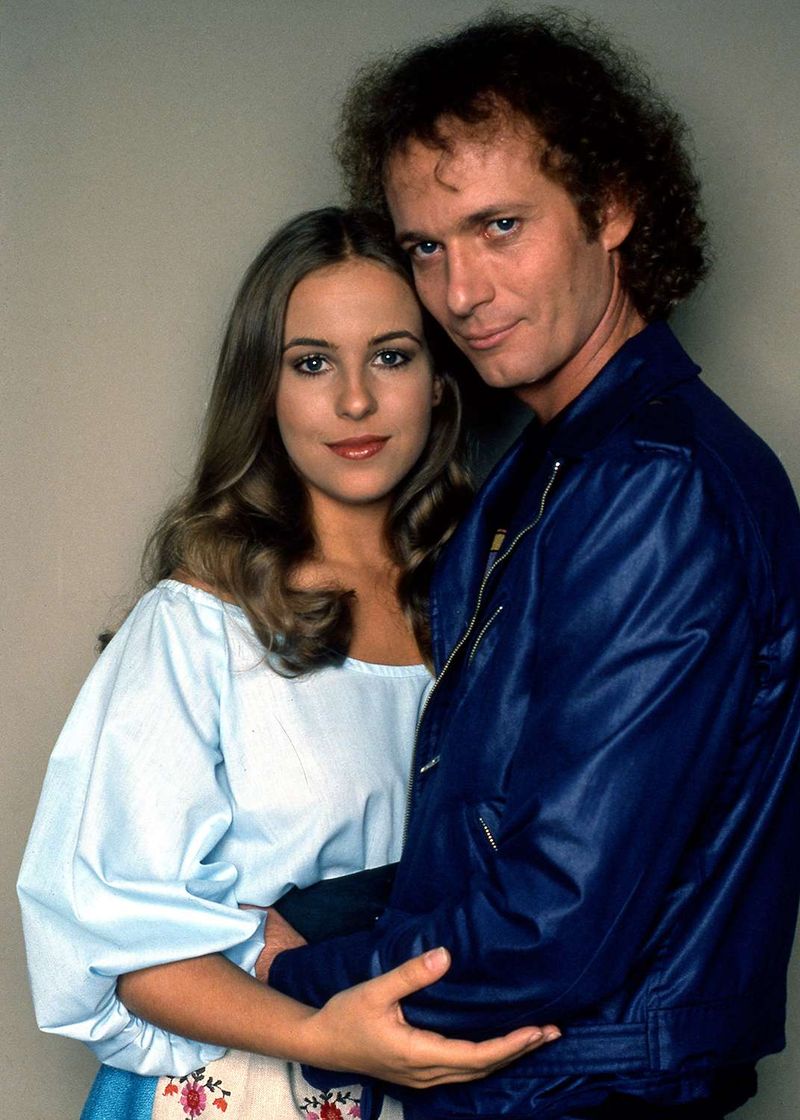
General Hospital sold Luke and Laura as one of the greatest love stories in soap opera history. Millions tuned in for their 1981 wedding.
But here is the uncomfortable truth: their relationship began with Luke sexually assaulting Laura.
The show later tried to rewrite the scene as a seduction, but viewers and critics were not buying it. Romanticizing assault as the foundation of a love story would be completely unacceptable today, and it deserves to be called out for what it truly was.
5. Ralph’s Threats of Violence on The Honeymooners
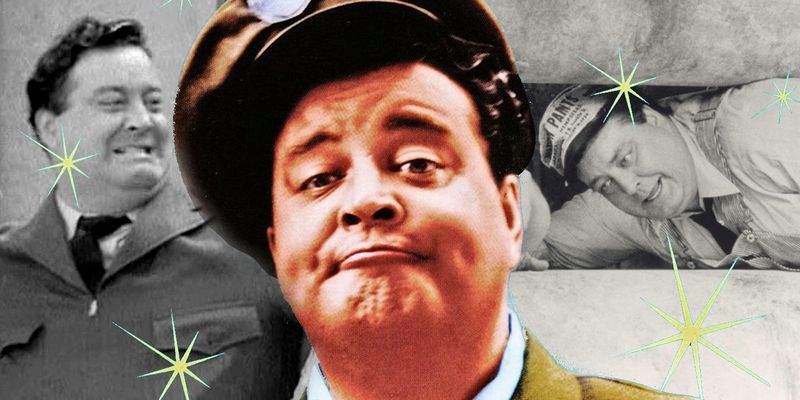
Ralph Kramden had a catchphrase that audiences in the 1950s found hilarious: “One of these days, Alice, pow, right in the kisser!” He regularly threatened to punch his wife to the moon, and the studio audience roared every time.
Domestic violence threats played as comedy would not survive a single episode today. Networks, sponsors, and audiences would all push back hard and fast.
What once passed as harmless slapstick humor is now recognized as a deeply troubling normalization of abuse in the home.
6. Speedy Gonzales Stereotypes in Looney Tunes
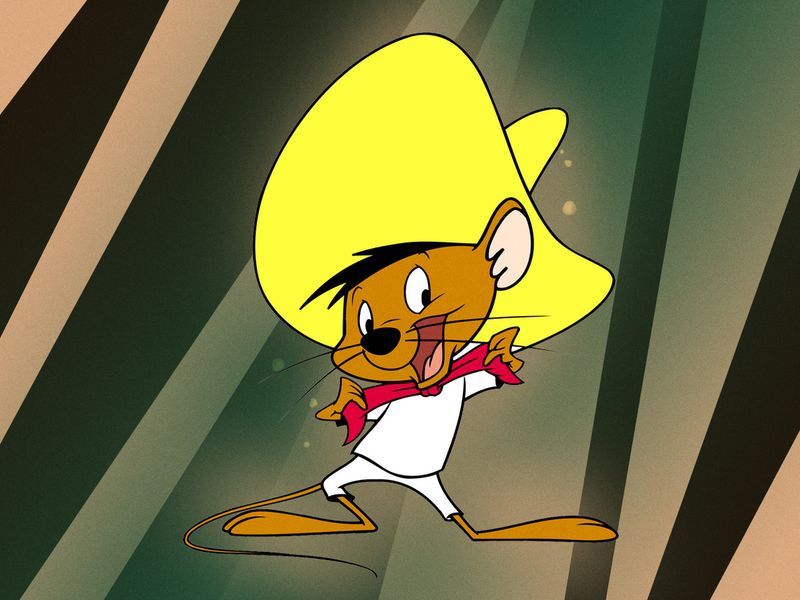
Speedy Gonzales has been a beloved cartoon character since the 1950s, but his portrayal is loaded with exaggerated stereotypes of Mexican culture. The oversized sombrero, the thick accent, and the sleepy village backdrop all reinforce caricatures rather than real representation.
Some Mexican-American viewers have defended Speedy as a fun cultural icon, while others find the stereotypes reductive. Either way, creating a new character built on the same formula today would almost certainly spark a significant public conversation about race and media representation.
7. Men Dressing as Women for Housing on Bosom Buddies
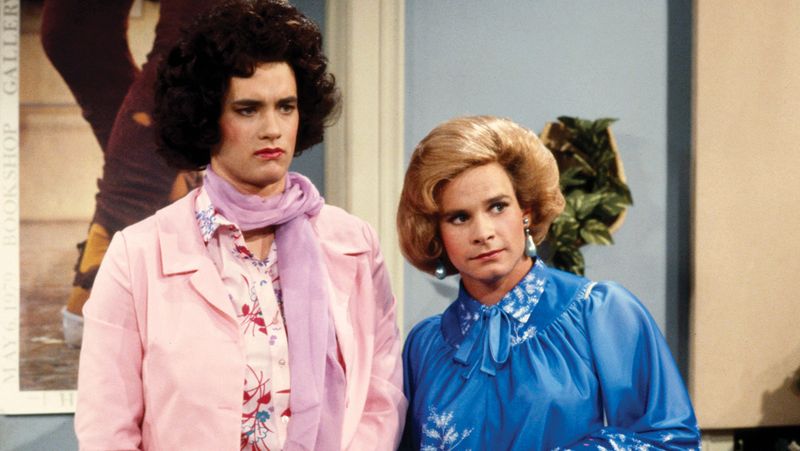
Bosom Buddies launched Tom Hanks’ career, but its central premise relied on two men dressing as women just to afford a place to live. The show mined most of its laughs from the awkwardness of men in dresses navigating a female-only building.
Cross-dressing was treated purely as a gag rather than as any kind of genuine identity. Today, audiences would expect far more thoughtfulness around gender expression.
Using femininity as a punchline feels tone-deaf in an era where gender conversations are taken seriously.
8. Blanche Dating a High School Senior on The Golden Girls
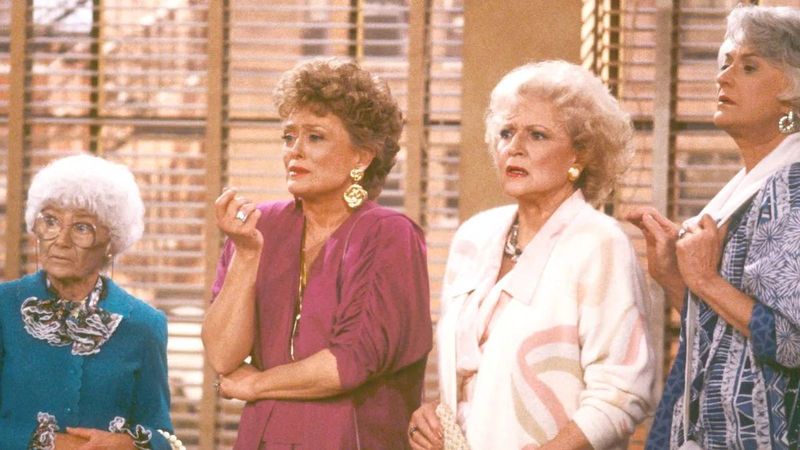
The Golden Girls tackled plenty of mature topics with charm and wit, but one early episode had Blanche excitedly dating a college-aged man who turned out to be a high school senior. The whole situation was played for laughs and quickly forgotten.
Age gaps and consent involving minors are handled very differently today. A storyline where an adult woman romantically pursues someone who turns out to be underage would demand a serious, responsible response from writers, not a quick punchline and a scene change.
9. Gay Stereotypes on Will and Grace
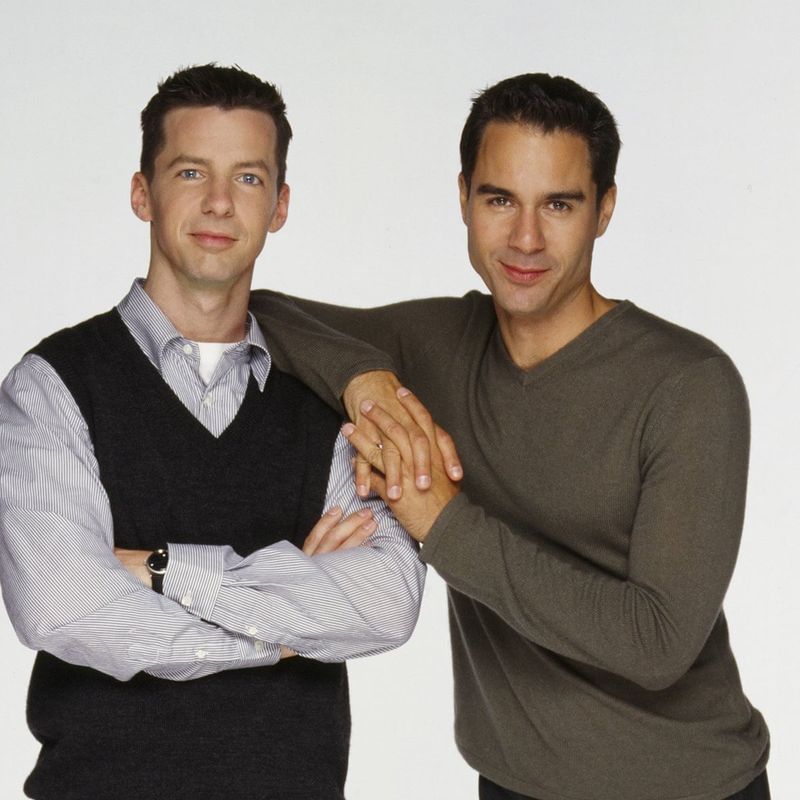
Will and Grace was groundbreaking for putting gay characters front and center on primetime television. However, Jack McFarland leaned so heavily into flamboyant gay stereotypes that many viewers today find the portrayal more limiting than liberating.
Representation has grown richer and more complex since the late 1990s. Audiences now expect gay characters to be fully developed people, not walking punchlines built around exaggerated mannerisms.
Jack’s character, though beloved by many, would likely face sharper criticism if introduced in a brand-new show today.
10. Blackface Sketches on The Carol Burnett Show
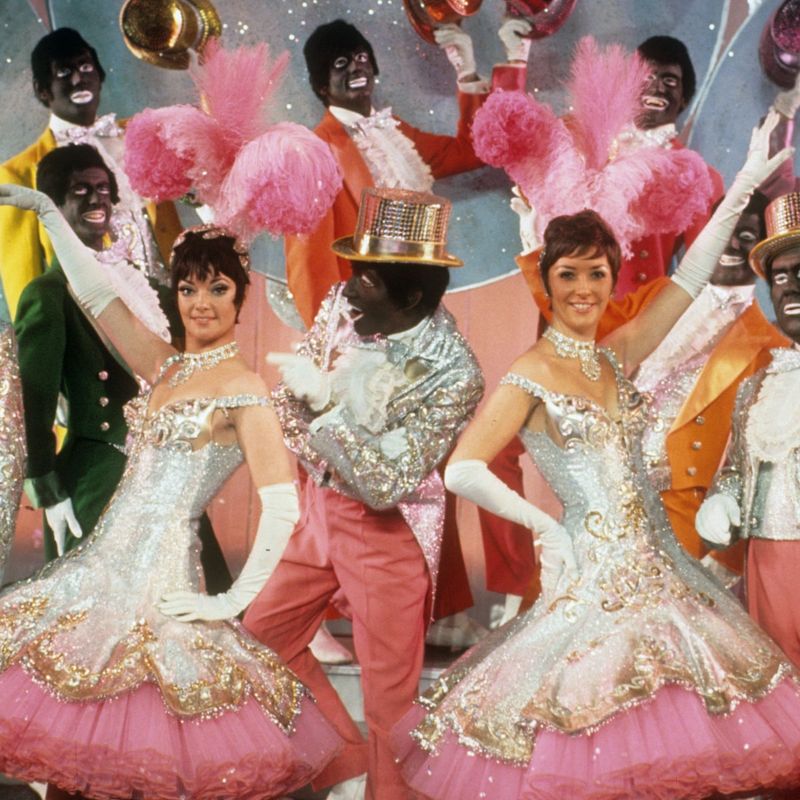
Variety shows of the 1960s and 1970s occasionally featured sketches that used blackface or relied on racial caricatures for comedy. Even beloved programs with genuinely talented casts were not immune to this deeply offensive practice.
Blackface has a painful history rooted in racism and dehumanization, and there is no comedic context that makes it acceptable. Any sketch using it today would end careers overnight.
Looking back at these moments is uncomfortable, but it is necessary to understand why representation in media actually matters so much.
11. Mental Illness Played for Laughs on Gilligan’s Island
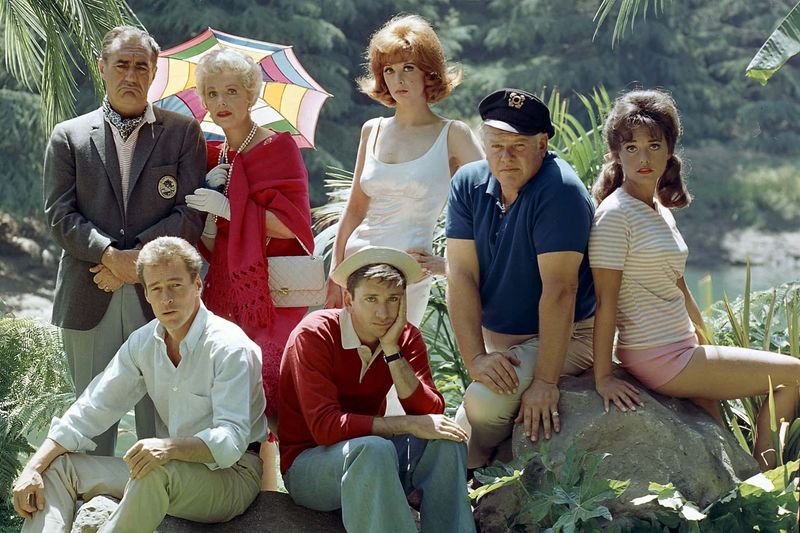
Gilligan’s Island was pure escapist fun, but several episodes used mental breakdowns, amnesia, and erratic behavior as pure comedy fodder. Characters experiencing clear psychological distress were treated as hilarious inconveniences rather than people needing care.
Mental health awareness has transformed dramatically over the past few decades. Laughing at someone having a breakdown or losing their grip on reality would feel cruel and irresponsible to modern audiences.
Writers today are expected to handle mental health storylines with sensitivity, nuance, and real human understanding.
12. Native American Stereotypes on F Troop
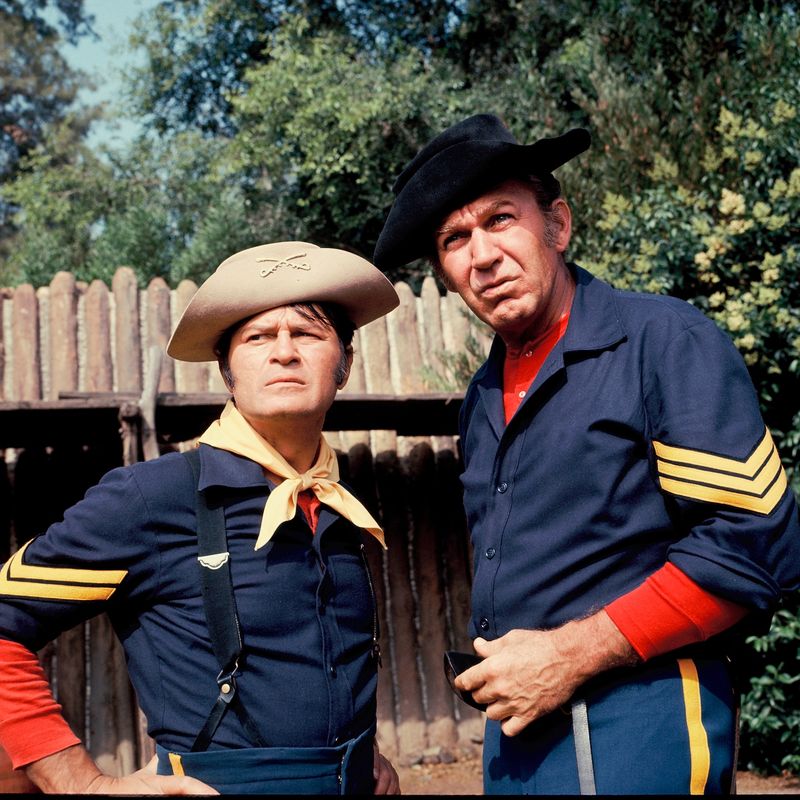
F Troop was a popular 1960s comedy set in the post-Civil War West, and it leaned hard on cartoonish portrayals of Native Americans for its humor. The Hekawi tribe was written as bumbling, money-hungry, and culturally absurd.
Indigenous representation has been a serious and ongoing conversation in media for years. Reducing an entire culture to a collection of silly costumes and broken English punchlines is something audiences and advocacy groups would loudly protest today.
It is a clear example of how comedy can cause real cultural harm.
13. Teenage Girls Pursued by Adult Men on Happy Days
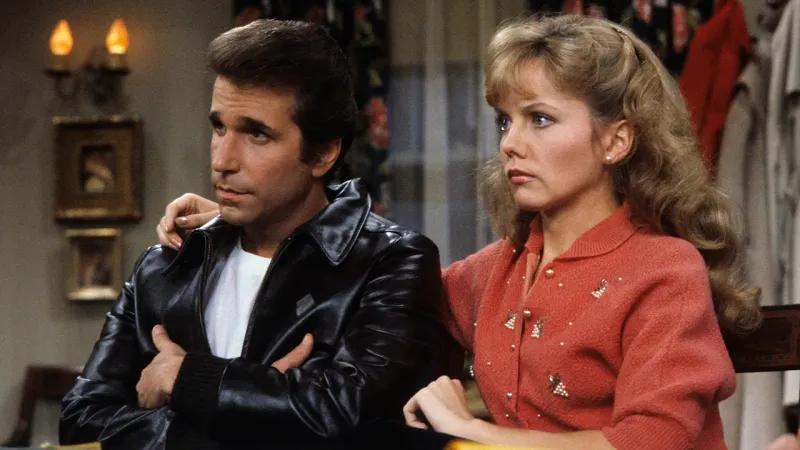
Happy Days was wholesome family entertainment, but Fonzie and other adult male characters regularly pursued teenage girls with little concern shown for the age gap. The show treated this as charming and normal behavior worthy of a cool reputation.
Today, adults romantically chasing high school students would trigger immediate red flags for any responsible writing team. What read as retro charm in the 1970s now looks like a pattern that adults in positions of social power should never model for young viewers watching at home.