
Growing up in the post-war era, Baby Boomers developed a deep respect for certain traditions, tools, and social norms that shaped everyday life. Many of these once-admired things felt like real achievements or signs of success.
But times have changed, and younger generations often see them very differently. Here is a look at things Boomers once held in high regard that today get brushed aside without a second thought.
1. Landline Telephones
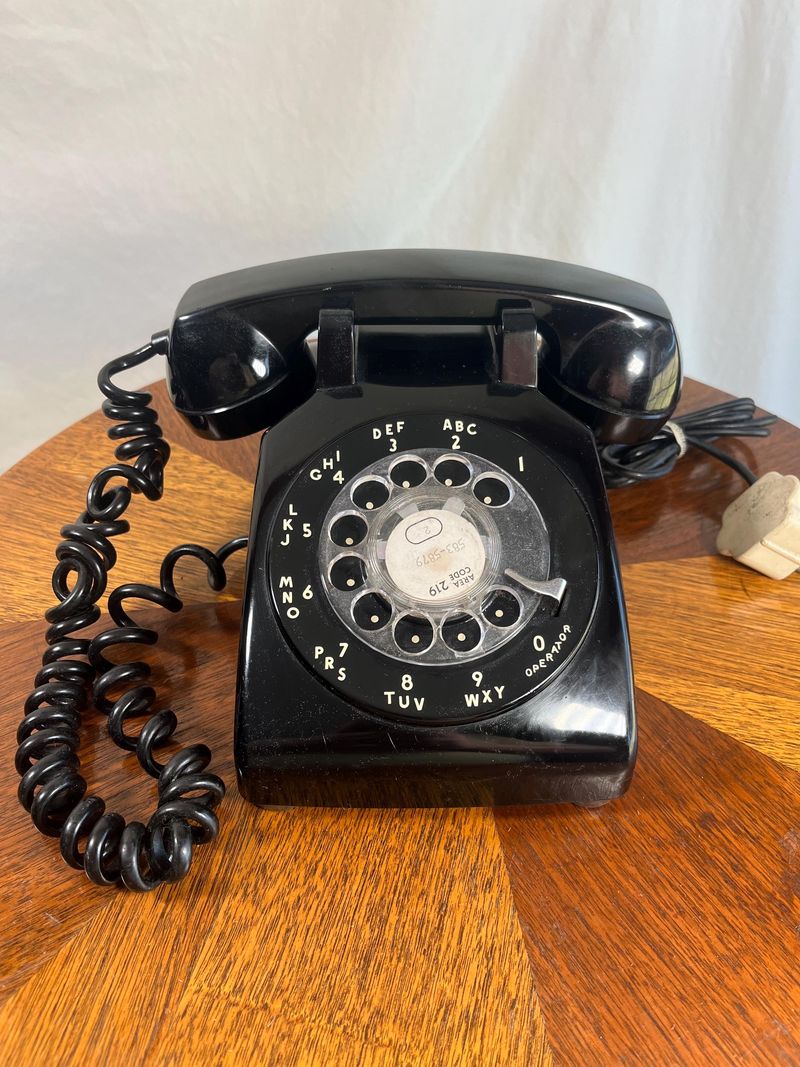
Back in the day, having a home phone number was a big deal. You memorized it, shared it proudly, and answered every call with a cheerful hello.
The landline was the lifeline of every household.
Today, most people under 30 have never even owned one. Mobile phones handle everything faster and easier.
The humble landline, once a symbol of stability and connection, now collects dust or gets mocked as a relic of a simpler time.
2. Formal Dress Codes
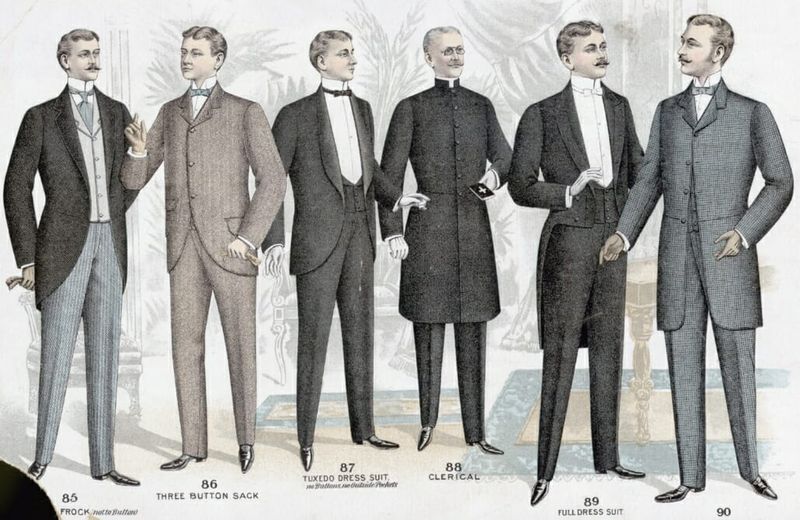
There was a time when dressing up was not optional. Church, dinner, job interviews, even airplane rides called for your best outfit.
Looking polished was a sign of self-respect and good upbringing.
Nowadays, hoodies show up in boardrooms and flip-flops appear at weddings. Casual wear has taken over almost every setting.
While comfort is great, Boomers who ironed their slacks every morning might feel a little let down by today’s anything-goes wardrobe standards.
3. Manual Transmission Vehicles
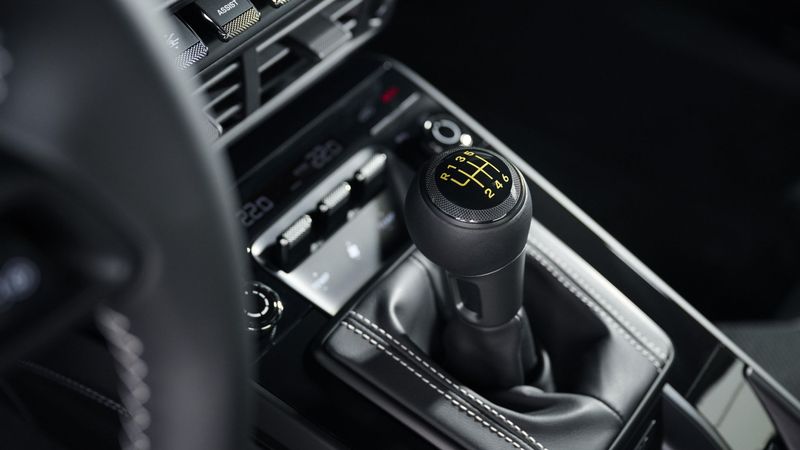
Knowing how to drive a stick shift was practically a rite of passage for Boomers. It meant you truly understood your car, felt connected to the road, and had real driving skills worth bragging about.
Most new drivers today have never touched a clutch pedal. Automatic transmissions dominate the market, and electric vehicles are making gears irrelevant altogether.
What was once an admired skill has quietly faded into something only car enthusiasts still talk about.
4. Printed Encyclopedias
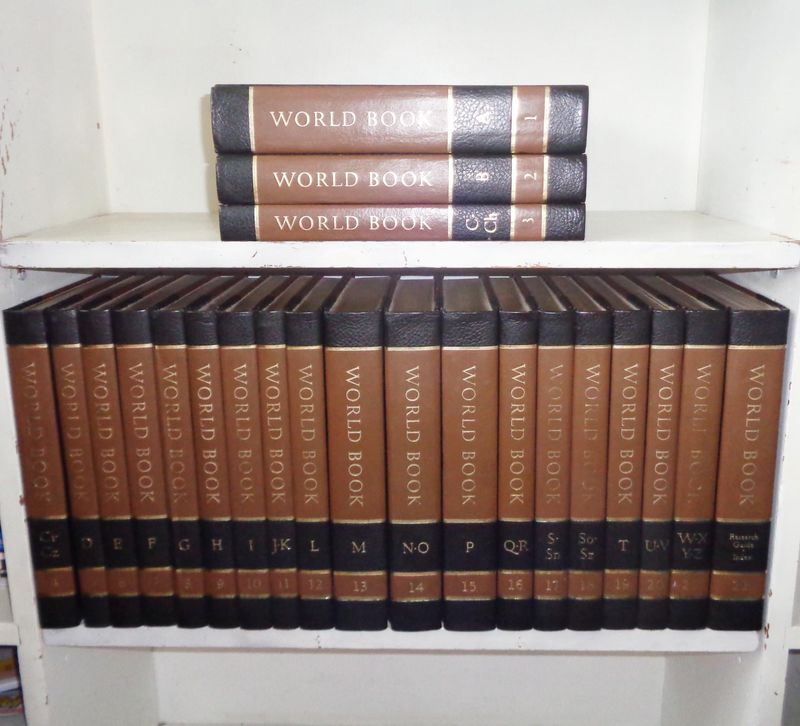
Owning a full set of encyclopedias was a serious investment and a point of family pride. Parents bought them to give their kids every educational advantage possible.
Those thick, heavy volumes lined the shelves like trophies.
Wikipedia and Google have made instant knowledge available for free, anywhere, anytime. Kids today would never wait days to find an answer in a book.
The encyclopedia salesman, once a welcome guest, is now a punchline in generational humor.
5. Print Newspapers and Magazines

Morning coffee and a newspaper went together like peanut butter and jelly for Boomers. The daily paper was how you stayed informed, connected to your community, and felt like a responsible adult in the world.
Social media feeds and news apps have replaced that ritual almost entirely. Print subscriptions are shrinking fast, and many beloved magazines have closed for good.
Younger readers scroll through headlines in seconds rather than unfolding a broadsheet with care.
6. Mailing Handwritten Letters
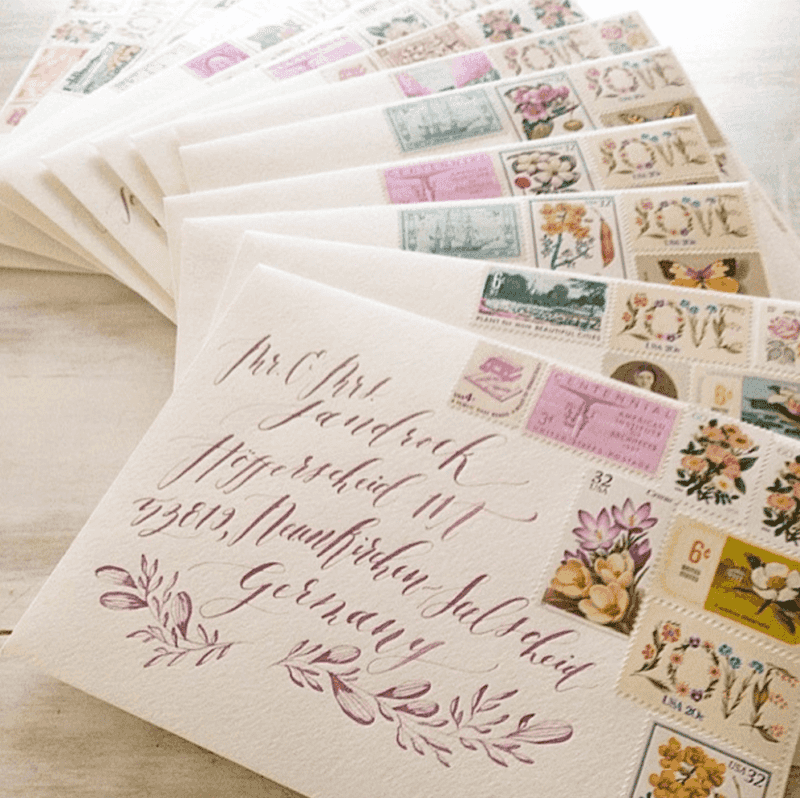
Few things felt as personal and thoughtful as a handwritten letter arriving in the mailbox. Boomers wrote to friends, family, and pen pals across the country, taking real time to choose their words carefully.
Emails, texts, and DMs have made letter writing feel almost laughably slow. Kids today can barely read cursive, let alone write a full page by hand.
The art of the letter has become a nostalgic novelty rather than a respected form of communication.
7. Unquestioning Respect for Authority
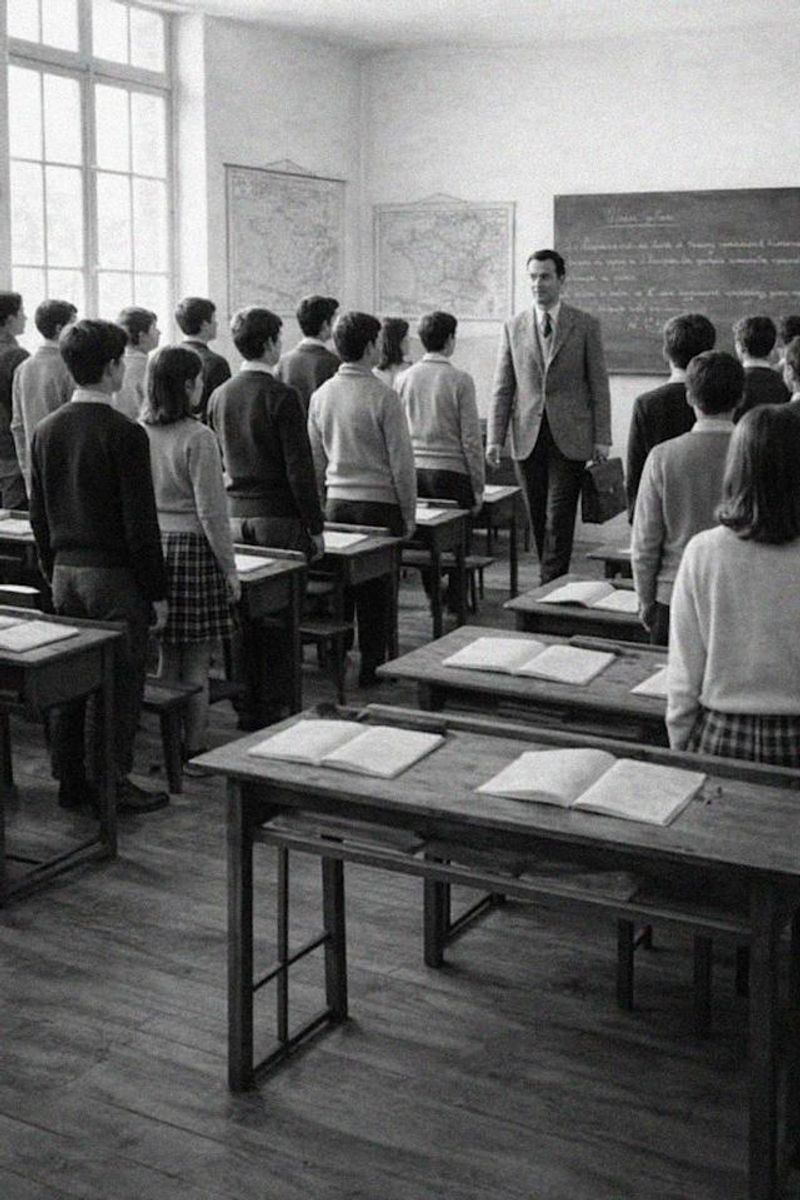
When a teacher, boss, or parent spoke, you listened without arguing. Questioning authority was considered rude, even rebellious.
Respect was given automatically based on someone’s title or age, not their actions.
Today, that kind of blind deference is widely seen as unhealthy. People are encouraged to speak up, ask questions, and hold leaders accountable.
While basic respect still matters, the idea of never questioning those in charge now feels more like a warning sign than a virtue.
8. Rigid TV Schedules
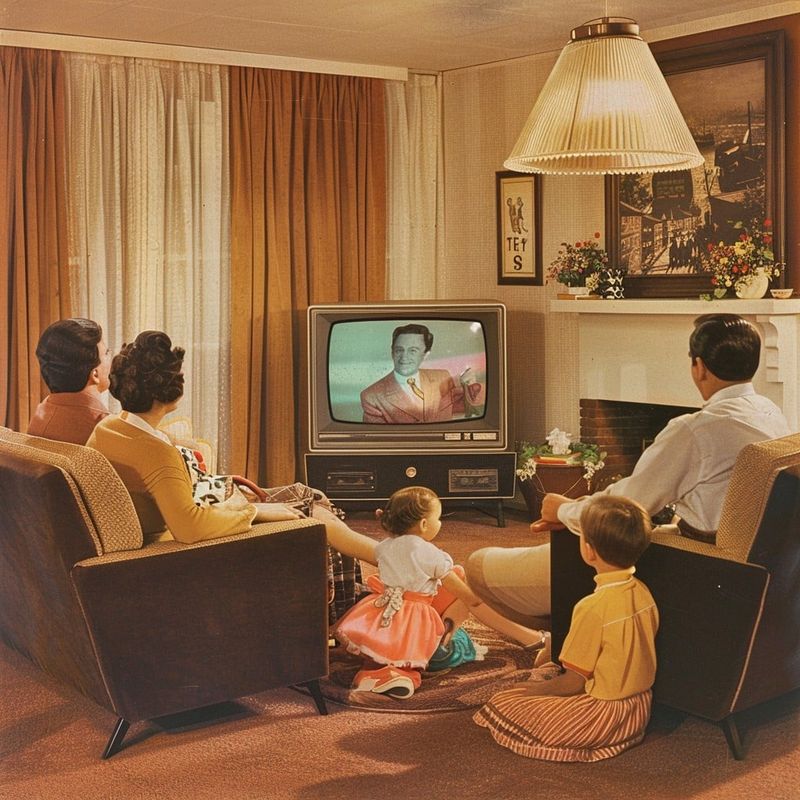
Tuesday at 8 PM meant one thing: your favorite show was on, and you better not miss it. Boomers planned entire evenings around TV schedules, and missing an episode meant waiting months for a rerun.
Streaming services have completely flipped that experience. You watch what you want, when you want, and binge entire seasons in a weekend.
The idea of rearranging your schedule for a TV show now sounds almost absurd to anyone under 35.
9. Formal Living Rooms
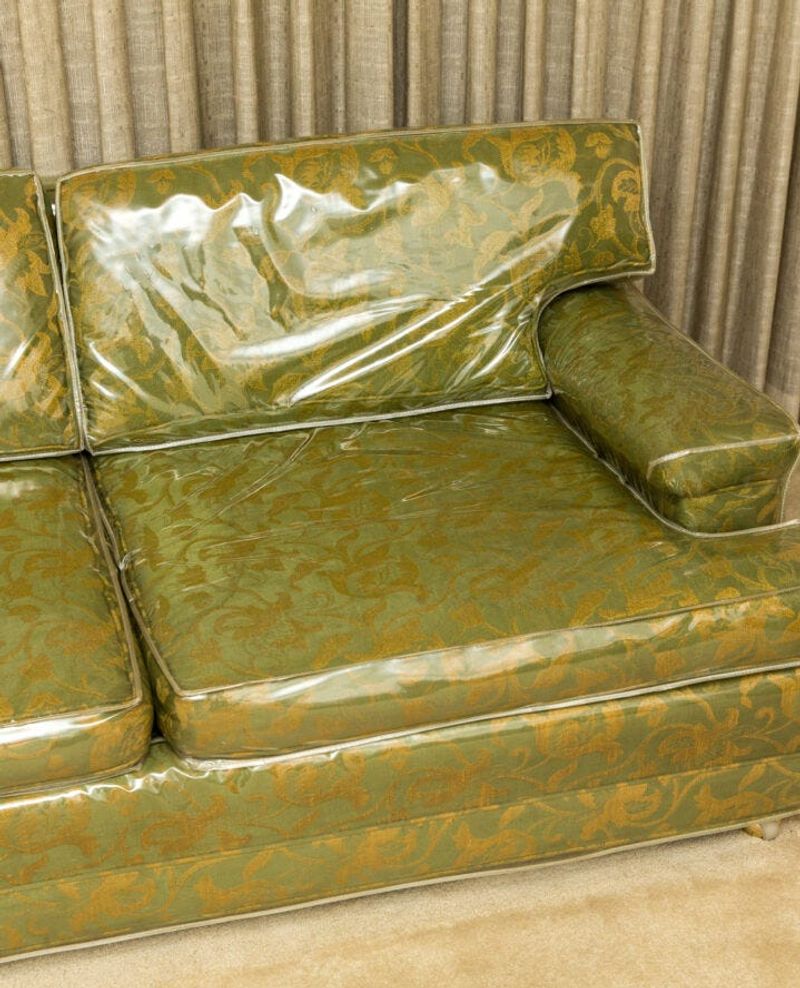
Many Boomer households had a room nobody was allowed to actually use. The formal living room existed purely for company, featuring the nicest furniture, carefully arranged decorations, and sometimes even plastic seat covers.
Open-concept floor plans and relaxed home design have made dedicated formal spaces feel wasteful and stiff. Modern families want spaces they can actually live in, not museum rooms that stay frozen in time.
Today, that untouched formal room feels more puzzling than impressive.
10. Backyard Swimming Pools

Having a pool in your backyard was the ultimate neighborhood flex back in the Boomer era. Neighbors would peer over the fence with envy, and summer pool parties were legendary social events worth talking about all year.
Maintenance costs, water usage concerns, and safety worries have dimmed the pool’s glamour considerably. Many homeowners now see them as expensive headaches rather than status symbols.
What once screamed success now sometimes just screams high water bills and liability insurance.
11. Buying Only American-Made Cars
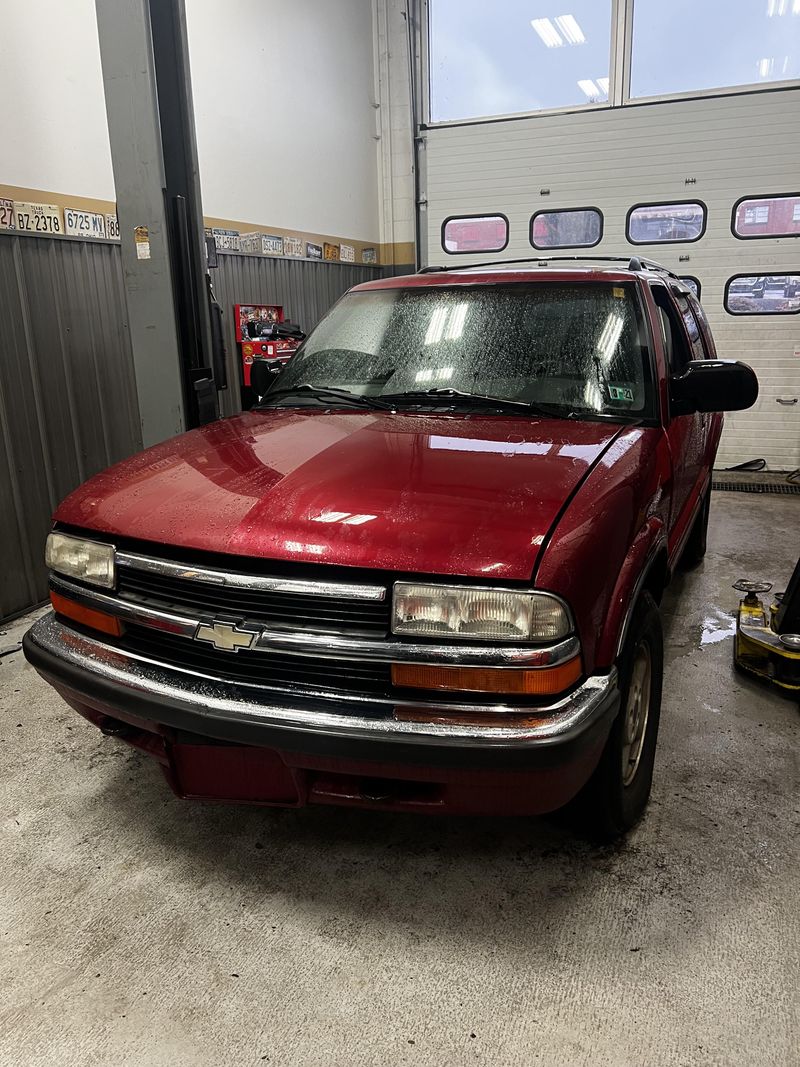
Buying American was more than a preference for many Boomers. It was a patriotic statement, a way of supporting workers and showing loyalty to the country that gave them opportunity and prosperity.
Global car brands now compete at every price point, and younger buyers shop based on reliability, features, and value rather than country of origin. The idea of refusing a great car just because it was built overseas strikes many people today as unnecessarily limiting.
12. Cadillac or Lincoln as a Life Achievement
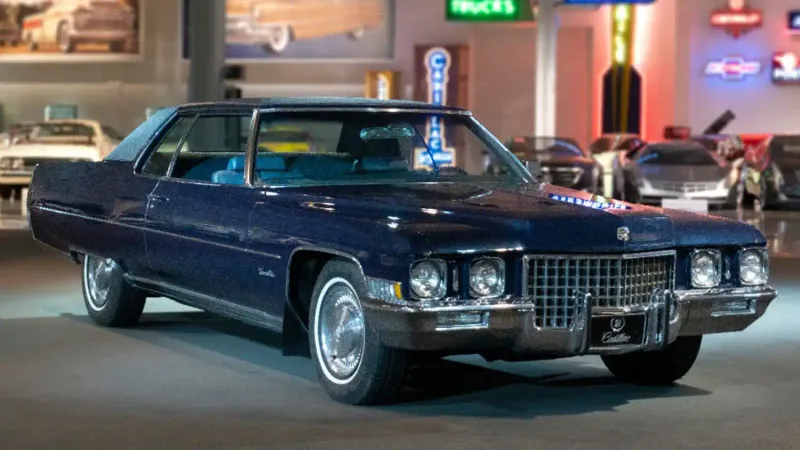
Rolling up in a Cadillac or Lincoln meant you had made it. These were the cars of doctors, executives, and self-made men who wanted everyone to know their hard work had paid off handsomely.
Luxury car options have exploded since then, and Tesla, BMW, and Lexus have redefined what prestige looks like on four wheels. Cadillac and Lincoln still exist, but they no longer carry that same jaw-dropping wow factor they once delivered in the golden age of American automotive ambition.
13. Direct Sales Companies Like Amway and Tupperware
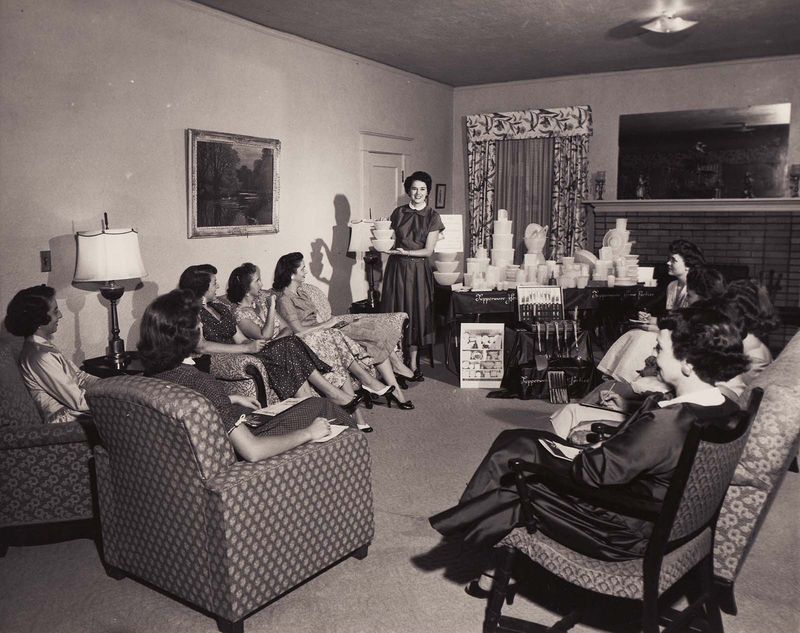
Hosting a Tupperware party or joining Amway felt like a smart, empowering business move for many Boomers. These companies offered independence, community, and a real chance to earn extra income from home.
Today, multi-level marketing companies face heavy skepticism and are frequently compared to pyramid schemes online. Social media has made it easy to research these businesses quickly, and most younger people avoid them entirely.
What once felt like opportunity now often triggers an immediate eye roll.
14. Employee of the Month Awards
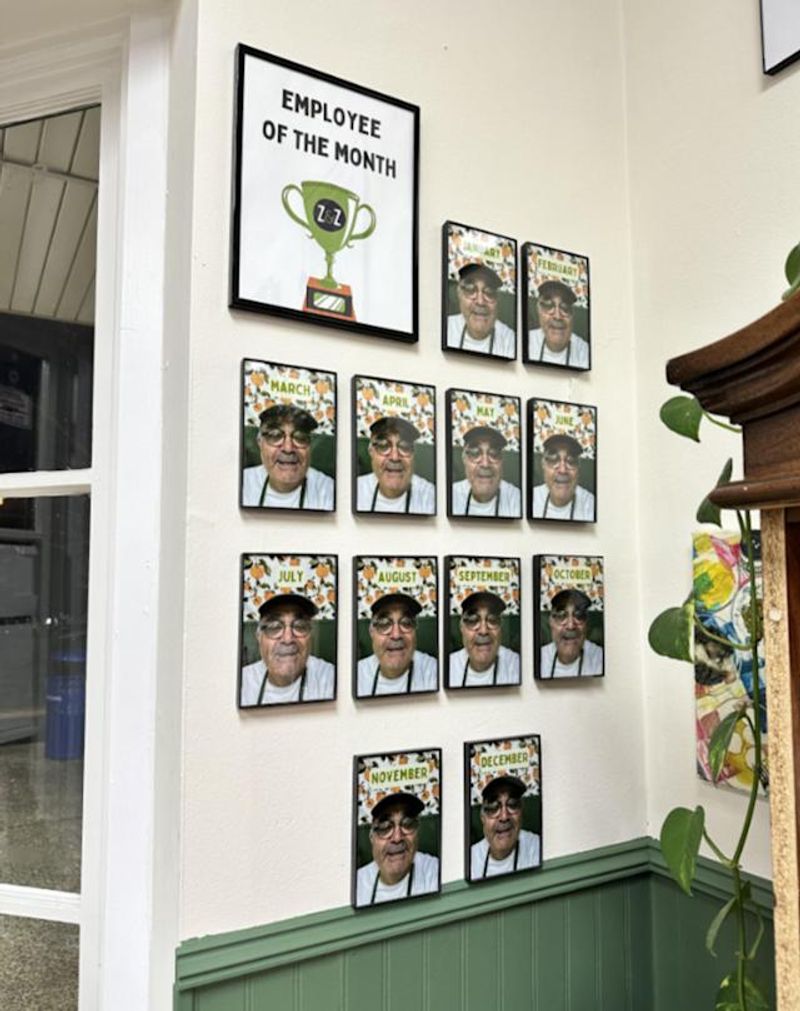
Getting your photo on the break room wall as Employee of the Month was a genuine honor. It meant your manager noticed your hard work and wanted everyone else to notice too.
In today’s workplace culture, this type of recognition often gets treated as a running joke rather than a meaningful reward. Workers increasingly want raises, flexible hours, or meaningful feedback instead of a framed certificate.
The laminated plaque has become a symbol of corporate tokenism more than real appreciation.
15. Living in a Gated Community
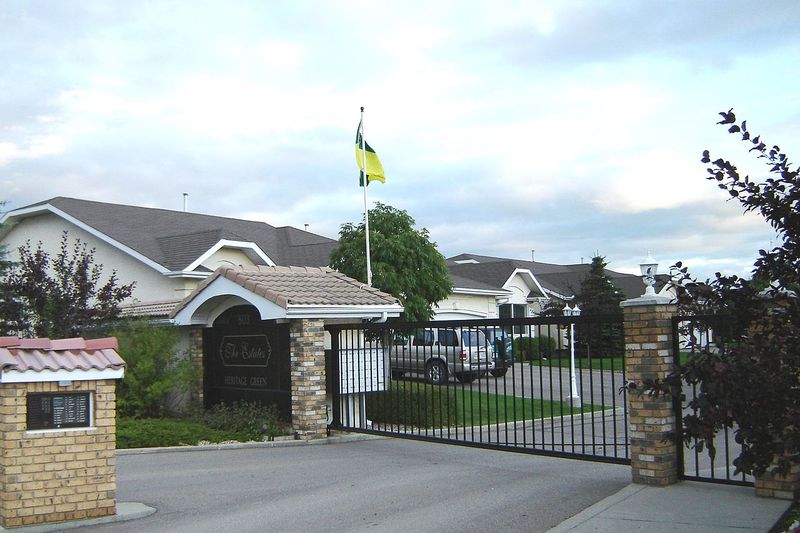
Moving into a gated community once signaled that you had reached a certain level of success. The controlled entry, well-kept lawns, and quiet streets felt like the reward for years of dedicated hard work.
Many people today find gated communities isolating, exclusionary, and surprisingly bland. The appeal of diverse, walkable neighborhoods with character has grown among younger generations.
What Boomers saw as a safe haven, many millennials and Gen Zers see as a bubble designed to keep the world out.
16. Local Chamber of Commerce Awards
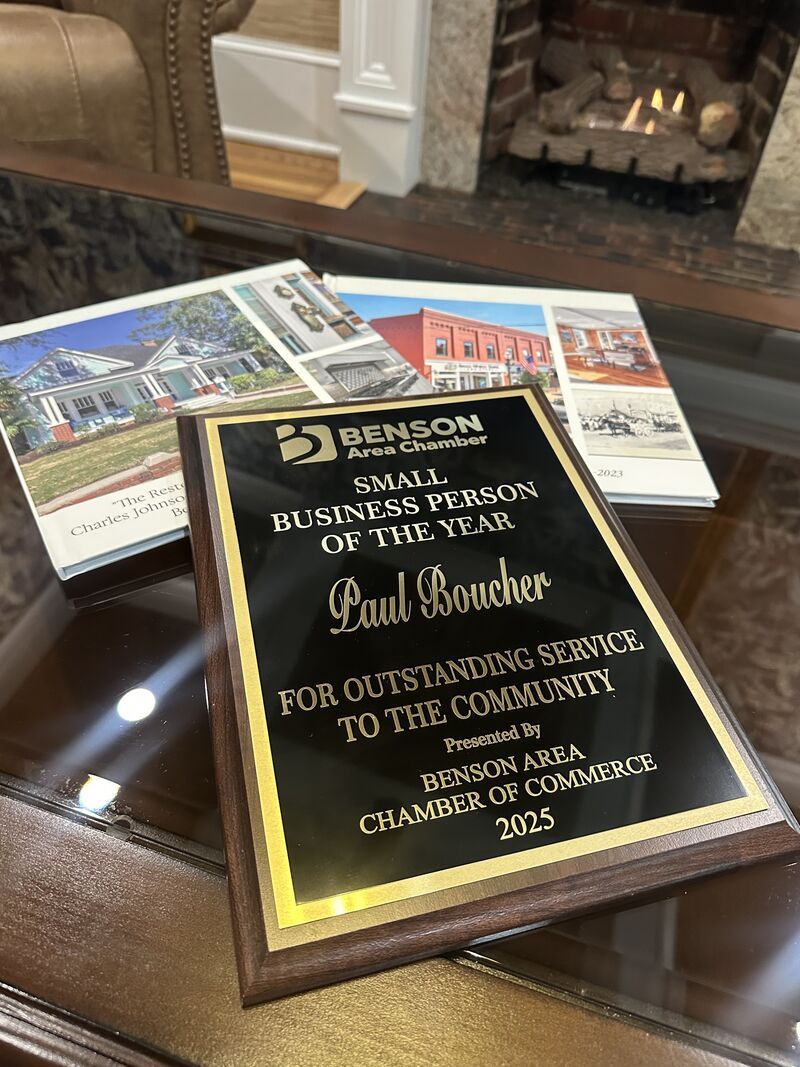
Winning a civic award from the local Chamber of Commerce was once a crown jewel for small business owners. It meant your peers recognized your contributions and trusted your reputation in the community.
With online reviews, social media followings, and national brand recognition dominating today’s business world, local civic awards carry far less weight. Many younger entrepreneurs barely know what a Chamber of Commerce does.
The plaques still get handed out, but fewer people are hanging them on their walls anymore.
17. Paying Your Dues Before Advancing
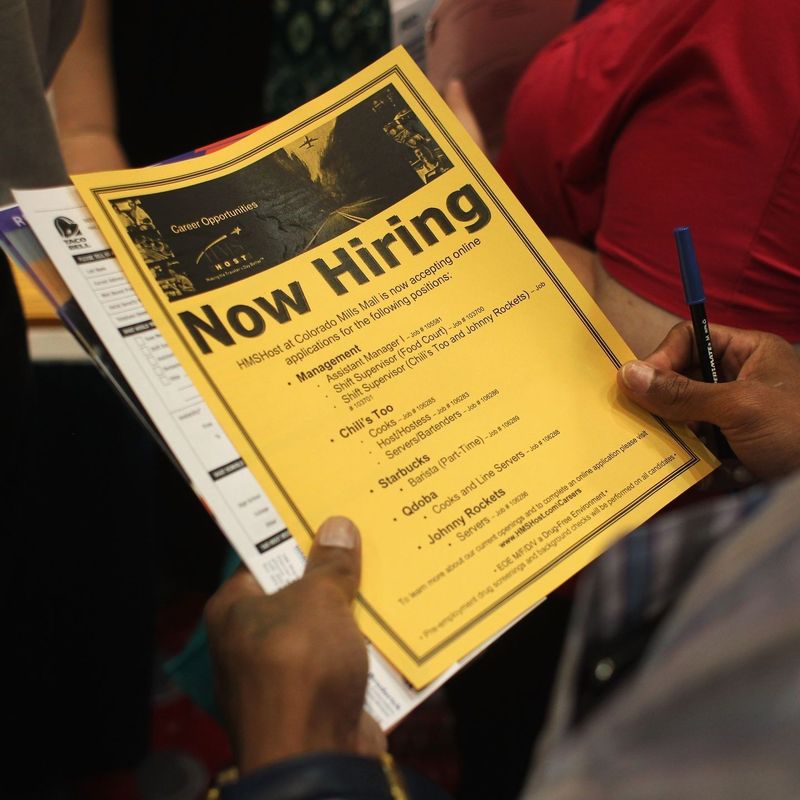
Spend years at the bottom, prove your loyalty, and eventually you earn your way up. That was the unwritten contract Boomers followed at work, and many took real pride in how long they had stuck around.
Younger workers today expect faster paths to advancement based on skill, results, and innovation rather than time served. Job-hopping for better opportunities is now a common and accepted strategy.
The old idea of silently waiting your turn strikes many as a system that benefited managers far more than employees.
18. Never Calling in Sick

Showing up no matter what was once worn like a badge of honor. Boomers who never missed a day bragged about it proudly, seeing illness as something to push through rather than rest and recover from.
Modern workplaces and public health awareness have completely changed this thinking. Coming in sick is now considered inconsiderate to coworkers, and mental health days are increasingly accepted as legitimate reasons to stay home.
Toughing it out at the office is no longer admirable but often seen as reckless.
19. Keeping Up with the Joneses
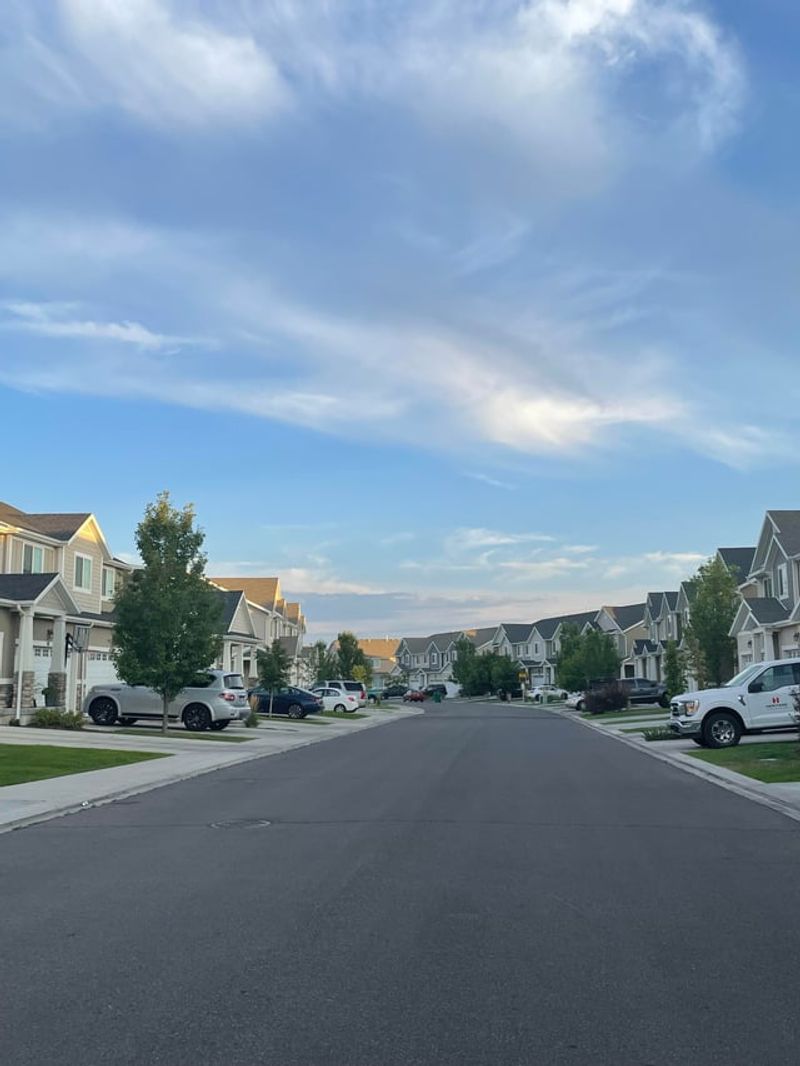
Matching your neighbor’s new car, bigger lawn, or fancier appliances was practically a competitive sport in Boomer suburbia. Social status was measured by what others could see when they drove past your house.
Minimalism, sustainability, and intentional living have shifted priorities dramatically for younger generations. Flaunting wealth is increasingly seen as shallow rather than aspirational.
Many people now find more pride in owning less and living purposefully than in keeping score with whoever lives next door.