
Modern relationships work best when both partners share the load equally. No one person should carry all the weight of keeping a household running, managing emotions, or making every decision.
When expectations fall unfairly on one side, resentment can quietly build over time. Here are 25 things men should never feel solely responsible for in their marriages.
1. Plan Every Date Night

Romantic evenings lose their spark when only one person does all the planning. Date nights should feel like a team project, not a one-man show.
When both partners brainstorm ideas, the experience feels more special for everyone involved.
Wives can absolutely take the lead sometimes, researching restaurants, booking tickets, or suggesting something new. Sharing that creative responsibility keeps things exciting and shows that both people are equally invested in nurturing the relationship.
2. Make All Financial Decisions

Money conversations can be uncomfortable, but skipping them is even more costly. Financial planning works best when both partners have a seat at the table, understand the budget, and agree on spending goals together.
Putting all financial decisions on one person creates unnecessary stress and leaves the other partner feeling disconnected from their own life. Transparency about income, savings, and debt builds trust and helps couples make smarter choices as a united team.
3. Be the Sole Breadwinner

The old-fashioned idea that men must be the only earner in a household is long overdue for retirement. Financial pressure is heavy, and carrying it alone can seriously affect a man’s mental health and overall well-being over time.
Many couples today thrive with dual incomes, flexible arrangements, or even role reversals. What truly matters is that both partners contribute in ways that reflect their abilities, circumstances, and mutual agreement rather than outdated gender expectations.
4. Handle All Emotional Support

Emotional labor is real, and it is exhausting when only one partner carries it. Men are often expected to be the steady rock in a relationship, always calm and ready to listen, even when they are struggling themselves.
Healthy relationships require mutual emotional investment. Wives should also check in, offer comfort, and create safe spaces for their husbands to open up.
Emotional support flows in both directions, and that balance makes a partnership genuinely strong.
5. Organize Every Family Gathering

Family gatherings involve a mountain of logistics, from guest lists and food to timing and venue choices. Placing all of that organizational work on one person is a recipe for burnout, especially when it happens repeatedly throughout the year.
Both partners should share the mental load of coordinating family events. When wives step up to help plan holidays, reunions, or birthday parties, it lightens the burden and makes the celebrations feel like a shared accomplishment rather than a chore.
6. Manage All Household Chores

A clean home is a shared responsibility, full stop. When one partner handles the majority of cleaning, cooking, laundry, and organizing, it creates an unbalanced dynamic that breeds frustration and exhaustion over time.
Dividing chores based on schedules, preferences, and abilities makes daily life more manageable for everyone. Studies consistently show that couples who share household tasks report higher relationship satisfaction.
Pitching in equally is one of the simplest ways to show genuine respect for your partner.
7. Initiate Every Intimate Moment

Always being the one to reach out first for connection can feel lonely, even within a committed relationship. When men are expected to initiate every intimate moment, it can quietly chip away at their confidence and sense of being desired.
Intimacy thrives when both partners feel comfortable expressing affection freely. Wives who occasionally take the lead in creating closeness signal that they are equally invested in the relationship.
That mutual effort builds deeper trust and genuine emotional connection over time.
8. Be the Point Person for Kids’ Activities

Keeping track of soccer practice, school events, doctor appointments, and playdates is a full-time mental workout. When fathers are expected to manage all of it alone, the cognitive load becomes overwhelming and unsustainable very quickly.
Parenting works best as a true partnership. Moms can take ownership of certain schedules, communicate directly with teachers and coaches, and stay equally informed about their children’s needs.
Sharing the coordination of kids’ activities ensures both parents stay connected and neither one burns out.
9. Always Be the Driver

Defaulting to the man as the automatic driver on every trip is one of those subtle habits couples often do not even notice. Over time, it can feel like an unspoken rule that nobody agreed to but everyone follows.
Both partners are capable of navigating roads and getting from point A to point B. Sharing driving duties on road trips, errands, or school pickups is a small but meaningful way to distribute daily responsibilities more fairly and keep things feeling genuinely equal.
10. Remember Every Important Date
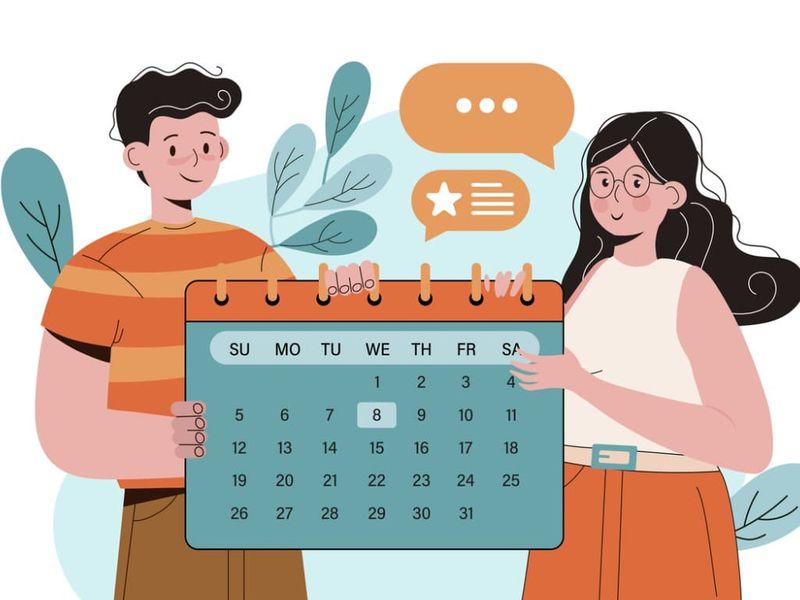
Anniversaries, birthdays, and special milestones matter to both people in a relationship. Yet somehow, the pressure to remember every single one often lands squarely on the man’s shoulders, making forgetfulness feel like a personal failure.
Wives can absolutely use a shared calendar, set reminders, or take the initiative to plan celebrations too. Memory is not a gendered skill.
When both partners make an effort to honor important dates, it shows that the relationship is a mutual priority worth celebrating together.
11. Fix Every Household Problem
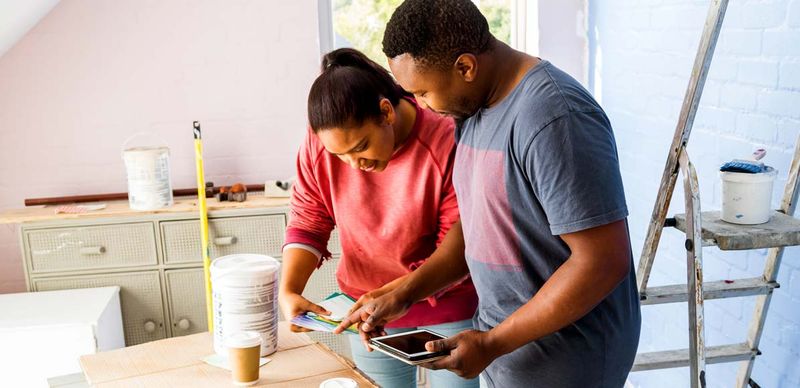
Not every man is a natural handyman, and that is perfectly fine. The assumption that husbands should automatically fix every broken appliance, leaky faucet, or squeaky door puts unfair pressure on men who may lack those specific skills.
Calling a professional, watching a tutorial together, or dividing repair tasks based on actual abilities is a much smarter approach. Wives can absolutely learn basic home maintenance too.
Tackling household problems as a team prevents resentment and gets things fixed more efficiently in the long run.
12. Suppress Their Own Emotions

The old idea that men should stay stoic and emotionless no matter what is genuinely harmful. Bottling up feelings does not make someone stronger.
It quietly damages mental health, strains relationships, and creates emotional distance between partners.
Men deserve the same emotional freedom that women are typically encouraged to express. A healthy marriage includes space for husbands to feel sad, anxious, frustrated, or overwhelmed without fear of judgment.
Wives who create that safe emotional environment help build a far more honest and resilient partnership.
13. Apologize First Every Time

Conflict resolution should never be a one-sided performance. When one partner is always expected to be the first to apologize, it creates an unhealthy power imbalance that makes genuine reconciliation harder to achieve over time.
Accountability is a two-way street. Wives should feel equally responsible for acknowledging their own mistakes and initiating apologies when the situation calls for it.
A relationship where both people can say sorry with sincerity and humility is one built on real mutual respect and emotional maturity.
14. Sacrifice All Personal Hobbies

Marriage should enrich a person’s life, not erase who they are as an individual. When men are expected to give up hobbies, friendships, or personal interests entirely for the sake of the relationship, both partners ultimately lose something valuable.
Healthy couples support each other’s individuality. A man who plays guitar, goes hiking, or enjoys gaming is not neglecting his wife.
He is maintaining the parts of himself that make him interesting, fulfilled, and emotionally well-rounded, which benefits the entire relationship in meaningful ways.
15. Be Responsible for Her Happiness

One person cannot be the source of another person’s entire happiness. That is too much pressure for anyone to carry and sets the relationship up for inevitable disappointment.
Personal happiness is ultimately an inside job for each individual.
Wives who rely solely on their husbands for emotional fulfillment often end up feeling let down, while husbands feel trapped and inadequate. Both partners should invest in their own mental wellness, friendships, and personal growth.
A relationship works best when two already-fulfilled people choose to build a life together.
16. Always Take the Lead in Social Situations

Not every man is an extrovert, and assuming husbands should always be the social spokesperson at parties, family dinners, or work events is an unfair expectation. Introverted men especially can find this kind of pressure exhausting and anxiety-inducing.
Wives can absolutely carry conversations, introduce themselves confidently, and take social initiative without waiting for their husbands to lead. Sharing the social load means both partners get to show up as their authentic selves rather than performing a role they never signed up for.
17. Give Up Time With Friends

Friendships outside of marriage are not a threat. They are actually a sign of emotional health.
When men feel pressured to cut off their social circles simply because they are married, they lose a critical support system that benefits their overall well-being.
Wives who encourage their husbands to maintain friendships show confidence and trust in the relationship. Time spent with friends recharges people, brings new perspectives, and reduces the emotional pressure that can sometimes build up within a marriage when two people are each other’s only outlet.
18. Agree With Every Decision She Makes

Constant agreement is not harmony. It is actually a slow form of self-erasure.
When men feel they must always go along with their wife’s choices to avoid conflict, they lose their voice in their own relationship and home.
Healthy disagreement is a sign of two people who respect each other enough to be honest. Men should feel safe expressing different opinions, pushing back on decisions, and contributing their perspective without fear of emotional backlash.
Real partnership includes respectful debate, not silent compliance dressed up as peace.
19. Manage Her Relationship With Her Family

A wife’s relationships with her own parents, siblings, or extended family are hers to manage. Placing the responsibility of navigating those dynamics on a husband is unfair and often creates unnecessary tension in the marriage itself.
Men should not be expected to smooth over family conflicts, play mediator, or carry the emotional weight of their wife’s family relationships. Each adult is responsible for their own family communication.
Supporting a spouse through family stress is kind, but becoming her relationship manager is an entirely different and unreasonable expectation.
20. Always Choose Her Preferences Over His Own

Compromise is healthy. But one-sided compromise, where one person’s preferences always win, is just control wearing a polite disguise.
Men should not feel obligated to always defer to their wife’s taste in movies, food, travel, or daily routines.
Both partners deserve to have their preferences respected and accommodated. Taking turns, finding middle ground, and occasionally doing things purely because your spouse enjoys them is beautiful.
But expecting a man to consistently suppress his own desires to keep the peace is neither fair nor sustainable long-term.
21. Be Available 24/7

Everyone needs personal space, quiet time, and moments to simply breathe without being needed. Expecting a husband to be emotionally and physically available around the clock is an unrealistic standard that leads to burnout and growing resentment over time.
Wives benefit from having their own support networks, hobbies, and coping strategies that do not depend entirely on their husbands. Giving each other space is not distance.
It is actually one of the healthiest habits a couple can build to maintain long-term connection and individual well-being.
22. Carry All the Stress of Home Ownership

Owning a home comes with a seemingly endless list of responsibilities, from maintenance schedules and utility bills to renovations and property taxes. Dumping all of that mental and financial stress onto the husband is both exhausting and deeply unfair.
Home ownership is a shared investment, and the responsibilities that come with it should be shared too. Wives can research contractors, manage maintenance timelines, handle utility accounts, or take charge of specific home projects.
Splitting these duties prevents overwhelm and reminds both partners that they are genuinely in this together.
23. Pretend Problems Do Not Exist

Sweeping issues under the rug to maintain surface-level peace is not actually peaceful. It is avoidance, and it causes small problems to quietly grow into much larger ones over time.
Men should never feel forced to pretend everything is fine when it clearly is not.
Open, honest communication is the backbone of a healthy marriage. Both partners share the responsibility of addressing concerns calmly and constructively.
When men feel safe enough to raise problems without fear of explosive reactions, the relationship becomes far more resilient and genuinely connected in meaningful ways.
24. Change Who He Is Fundamentally

Loving someone means accepting who they truly are, not treating them as a renovation project. When wives expect their husbands to fundamentally change their personality, values, or core identity, it sends a painful message that the person they married was never actually good enough.
Growth and self-improvement are wonderful. But there is a significant difference between evolving naturally and being pressured to become someone else entirely.
Men deserve to be loved for who they genuinely are, quirks and all, not for who their partner wishes they could eventually mold them into becoming.
25. Always Be the Strong One

Strength is not the absence of vulnerability. Real emotional strength includes knowing when to ask for help, admit fear, or simply say that things feel overwhelming.
The expectation that men must always be the composed, unshakeable pillar in a marriage is quietly damaging.
Wives who allow their husbands to be human, to struggle, to cry, to need support, create an environment where genuine intimacy can actually grow. A man who never gets to be vulnerable in his own home is not living in a partnership.
He is living in a performance with no intermission.