
The Sopranos gave us some of the most unforgettable and morally twisted characters ever seen on television. From cold-blooded killers to emotionally manipulative masterminds, the show never shied away from showing the darkest side of human nature.
Whether you loved them or hated them, these characters left a lasting mark on pop culture. Here is a look at 16 of the most notorious figures from the series, ranked by just how far they were willing to go.
1. Tony Soprano
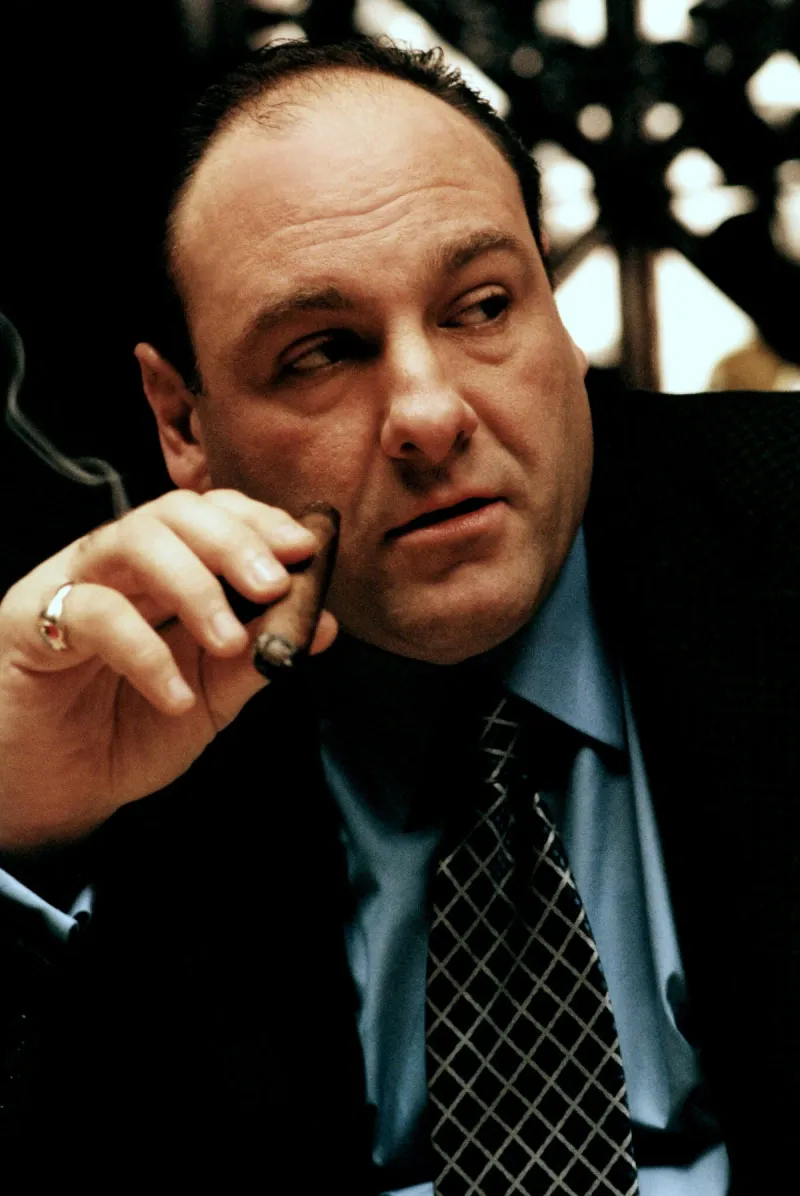
Running the DiMeo crime family was never just a job for Tony Soprano – it was his entire identity. He cheated on his wife repeatedly, ordered murders without blinking, and sat in therapy sessions trying to justify it all.
What makes Tony truly notorious is his self-awareness. He knew exactly the damage he caused to everyone around him.
Yet he kept doing it anyway, choosing power and comfort over decency every single time.
2. Ralph Cifaretto

Few characters in television history have been as genuinely disturbing as Ralph Cifaretto. He murdered Tracee, a young dancer, in a brutal parking lot attack simply because she mocked him.
That single act cemented his place as one of the most sadistic figures in the entire series.
His cruelty was not driven by business – it was personal. Ralph enjoyed causing pain, which made him far more terrifying than any calculated gangster on the show.
3. Richie Aprile
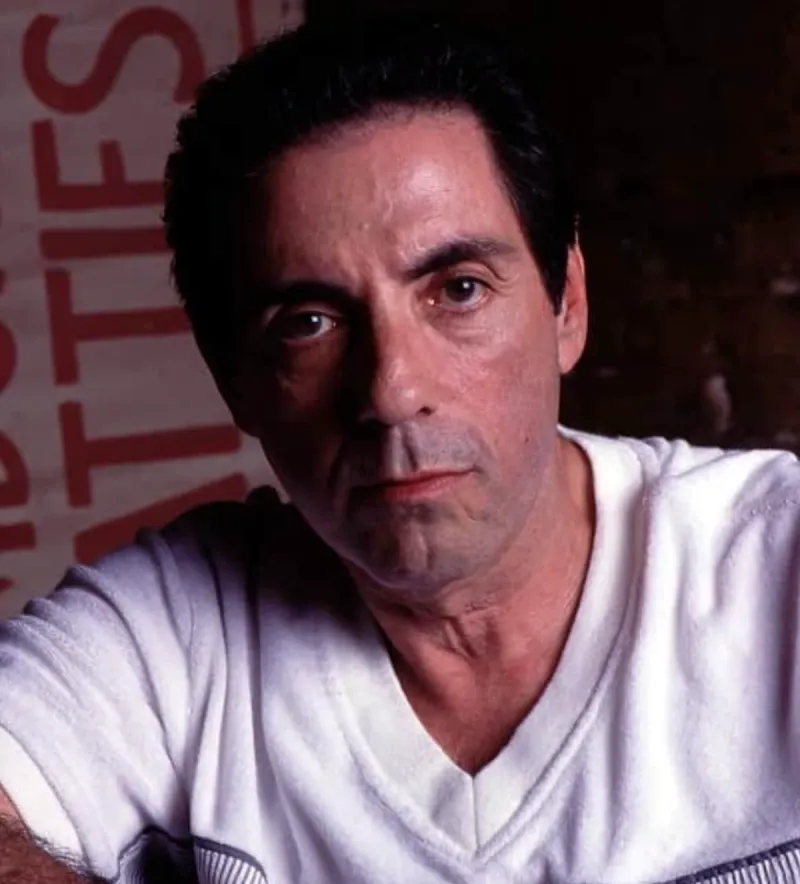
Fresh out of prison and angrier than ever, Richie Aprile wasted no time reminding everyone why he was feared. He tried to extort Peter Gaeta and, when refused, ran him over with a car multiple times in a chilling display of rage.
Richie carried a simmering violence just beneath the surface at all times.
His inability to adapt to a changed world made him a ticking time bomb that exploded in nearly every scene he appeared in.
4. Livia Soprano
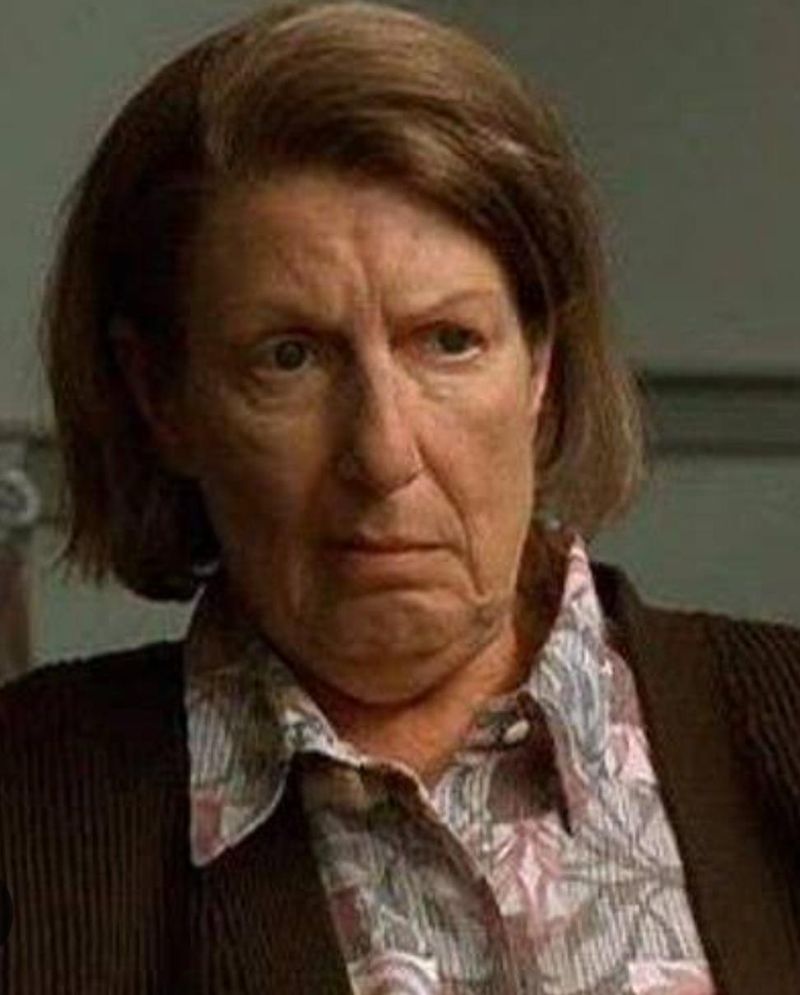
Livia Soprano never threw a punch, yet she may be the most psychologically destructive character on the entire show. She weaponized guilt with surgical precision, making her children feel worthless their entire lives.
Tony himself traces much of his emotional damage directly back to her cold, withholding parenting style.
Perhaps most chillingly, she conspired to have her own son killed. Livia proved that the deadliest weapon in the mob world is sometimes a mother’s disappointment.
5. Phil Leotardo
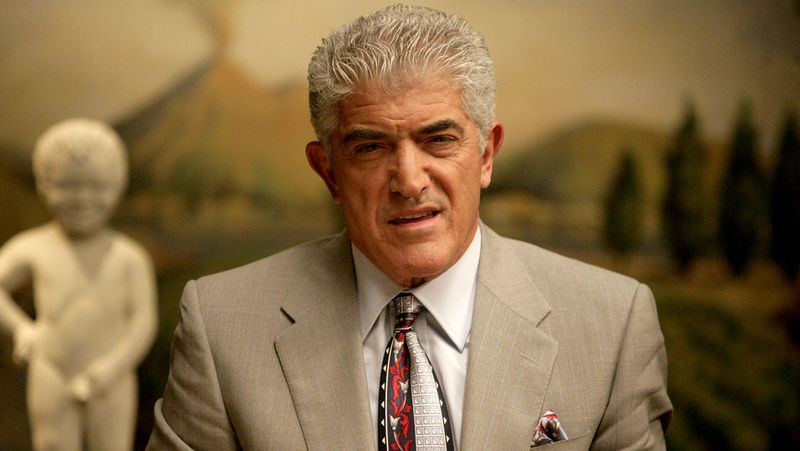
Phil Leotardo turned pride into a weapon of mass destruction. Minor disagreements that most people would brush off became personal vendettas that ended in bloodshed.
His rigid, old-school worldview meant he refused to compromise on anything, escalating conflicts that could have been easily resolved.
His campaign against the New Jersey family led to devastating losses on both sides. Phil is a cautionary tale about what happens when a man lets ego completely override common sense and basic human decency.
6. Christopher Moltisanti
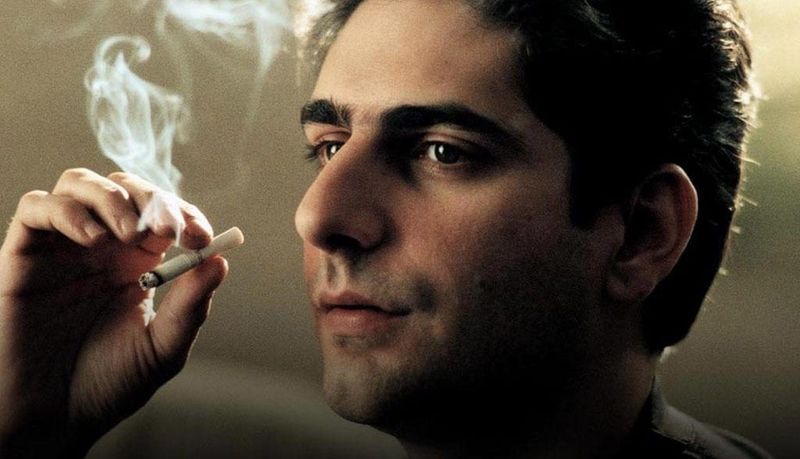
Christopher had more chances at redemption than almost anyone else in the series, and he squandered every single one. His addiction to heroin and prescription pills made him explosively unpredictable, putting people around him in constant danger.
He accidentally smothered a dog, killed an innocent young man over a perceived slight, and dragged others into his spiral.
Watching Christopher was like watching someone choose destruction on repeat, fully aware of what he was losing with each terrible decision he made.
7. Janice Soprano
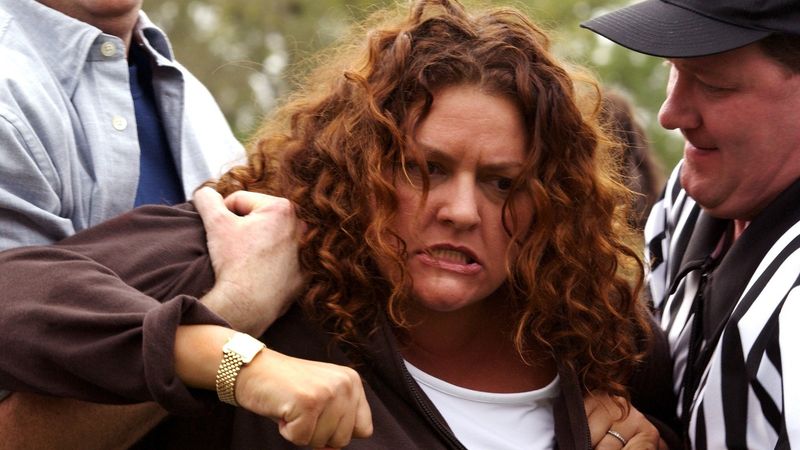
Behind her spiritual slogans and self-help language, Janice Soprano was one of the most calculating manipulators in the entire show. She cycled through relationships, draining partners emotionally and financially before moving on without remorse.
Her violent outburst during a youth soccer game was both shocking and oddly hilarious.
Janice used vulnerability as a performance and empathy as a tool. She is the kind of person who makes everything about herself, even tragedies that have nothing to do with her.
8. Junior Soprano

Insecurity is a dangerous thing, and Junior Soprano proved that with every decision he made. Threatened by Tony’s rising influence, he approved a hit on his own nephew just to assert dominance.
That betrayal set off a chain of events that damaged the entire DiMeo family for years to come.
Junior later shot Tony while suffering from dementia, which felt almost poetic. A man who spent his life fearing irrelevance ultimately became defined by the irreversible harm his fear caused.
9. Silvio Dante
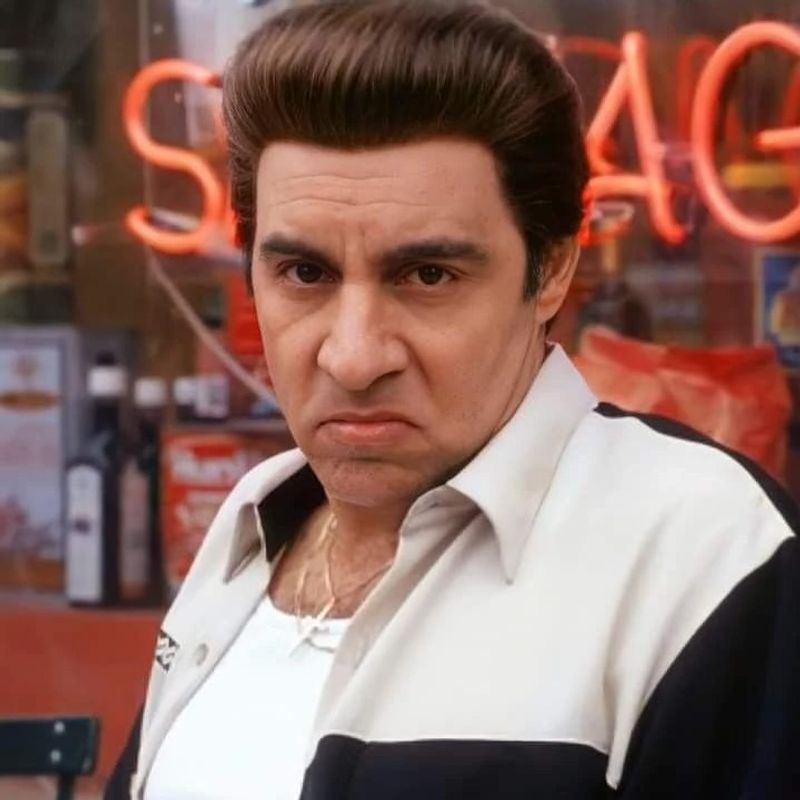
Silvio Dante’s greatest trick was making cold-blooded violence look like professionalism. As Tony’s consigliere, he kept things running smoothly and never let emotion cloud his judgment – which is exactly what made him so frightening.
He executed Adriana La Cerva without hesitation, following orders with the detachment of someone taking out the trash.
His loyalty was absolute and his morality was nonexistent. Silvio showed that competence in service of evil is just as dangerous as chaos.
10. Paulie Gualtieri
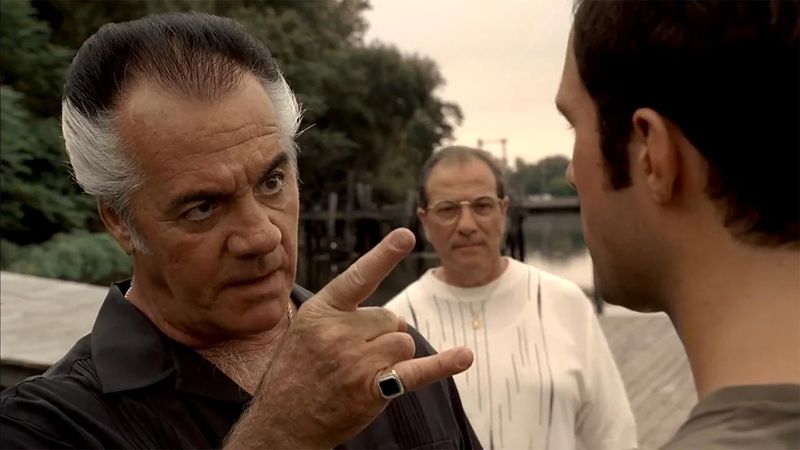
Paulie Walnuts was petty in a way that was almost impressive. He could nurse a grudge over something as small as a perceived insult at dinner for months, eventually turning it into a dangerous confrontation.
His superstitions, paranoia, and small cruelties accumulated into a portrait of a deeply unpleasant human being.
Despite his comic moments, Paulie was genuinely menacing. He murdered an old woman during a robbery and felt almost nothing, which tells you everything you need to know.
11. Carmela Soprano

Carmela Soprano knew exactly who her husband was and chose comfort over conscience for years. She accepted blood money, vacations, and fur coats while pretending not to know where they came from.
Her moral compromises were quieter than Tony’s but deeply calculated, making her complicit in ways she rarely acknowledged.
When she finally confronted her situation, it was more about losing financial security than genuine remorse. Carmela is proof that willful ignorance is still a choice.
12. Bobby Baccalieri
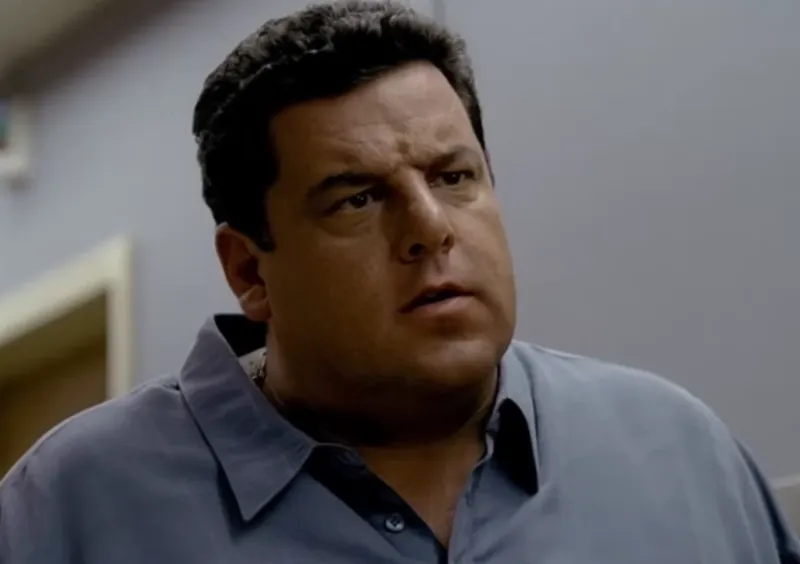
Bobby Baccalieri seemed like the most decent guy in the room – and that made his eventual transformation all the more unsettling. He resisted violence for years, avoiding the worst of mob life with a kind of gentle stubbornness.
Then Tony pressured him into committing his first murder, and something in Bobby shifted permanently.
His story is a reminder that the mob corrupts everyone it touches, even the warmest, most reluctant participants who genuinely tried to hold onto their humanity.
13. Meadow Soprano
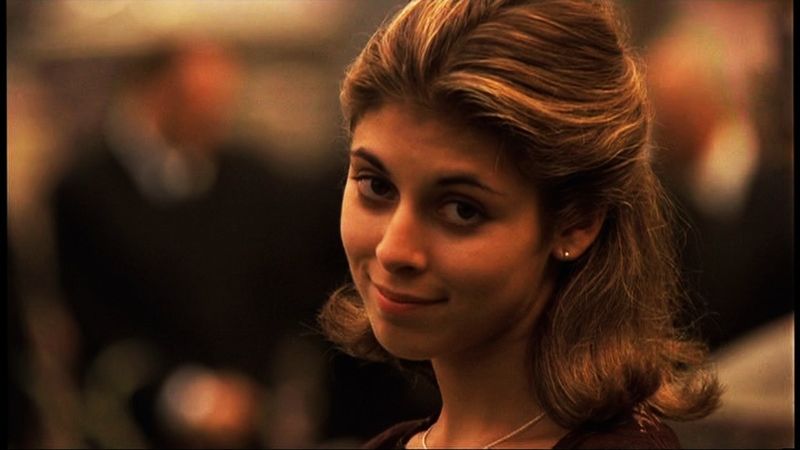
Meadow started the series as someone who questioned her father’s world, asking hard questions that no one else dared to ask. By the final season, she was actively choosing to defend mob figures as a lawyer, rationalizing her family’s criminal empire with the same mental gymnastics Tony used in therapy.
Her arc is one of the show’s most quietly tragic. A young woman with every opportunity to break the cycle instead found a sophisticated way to perpetuate it from a more respectable distance.
14. Big Pussy Bonpensiero
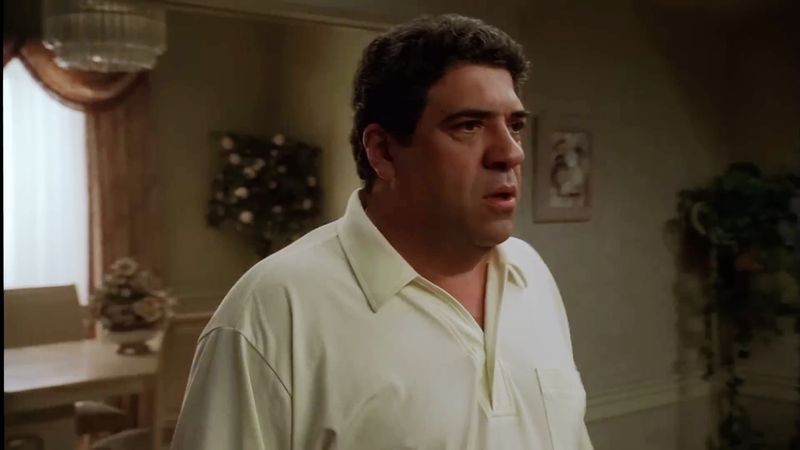
Becoming an FBI informant in the mob is about as notorious as it gets in that world. Big Pussy Bonpensiero betrayed people he had known for decades, feeding information to federal agents while sitting at their dinner tables and attending their children’s events.
The weight of that double life visibly destroyed him.
What makes his story so compelling is the genuine guilt he carried. He was not a cold traitor – he was a desperate man who made an unforgivable choice and knew it.
15. Dr. Jennifer Melfi

Dr. Melfi occupies a strange and troubling place in the show’s moral landscape. She treated Tony for years, giving him emotional tools he used to become a more effective and self-aware criminal.
Research she encountered suggested therapy can actually make sociopaths worse, not better – and she kept seeing him anyway.
Her final decision to terminate treatment felt overdue. Melfi’s story raises uncomfortable questions about professional responsibility and how smart people can rationalize harmful choices when they feel intellectually engaged.
16. Artie Bucco
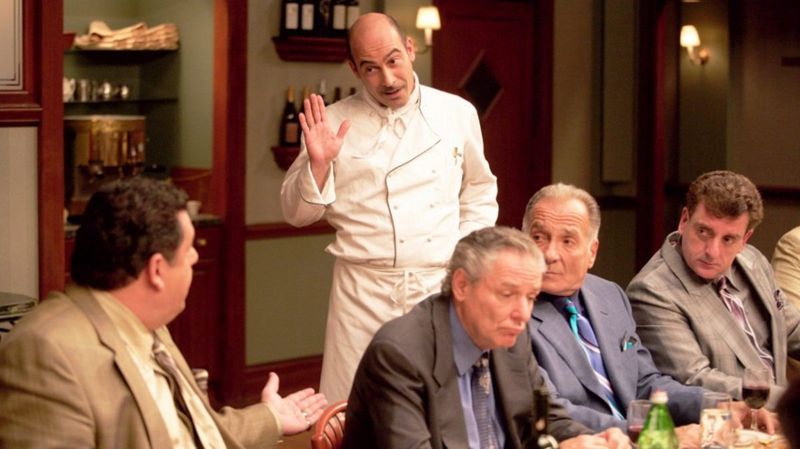
Artie Bucco never pulled a trigger or ran a crew, but his story is one of slow moral erosion that is easy to overlook. He loaned money to a scammer recommended by Tony, then attacked the man in a rage when the deal collapsed.
His simmering resentment toward Tony masked a deep envy of the power and respect mob life provided.
Artie kept choosing proximity to that world over walking away. Sometimes the most revealing kind of notorious behavior is the kind driven purely by jealousy.