
Quentin Tarantino is one of the most passionate movie lovers in Hollywood. He doesn’t just make films — he studies them, collects them, and talks about them with incredible enthusiasm.
Over the years, he has shared a list of movies he considers absolutely perfect, calling them flawless in ways that go beyond personal taste. Get ready to explore the films that even one of cinema’s greatest directors bows down to.
1. The Texas Chain Saw Massacre (1974)
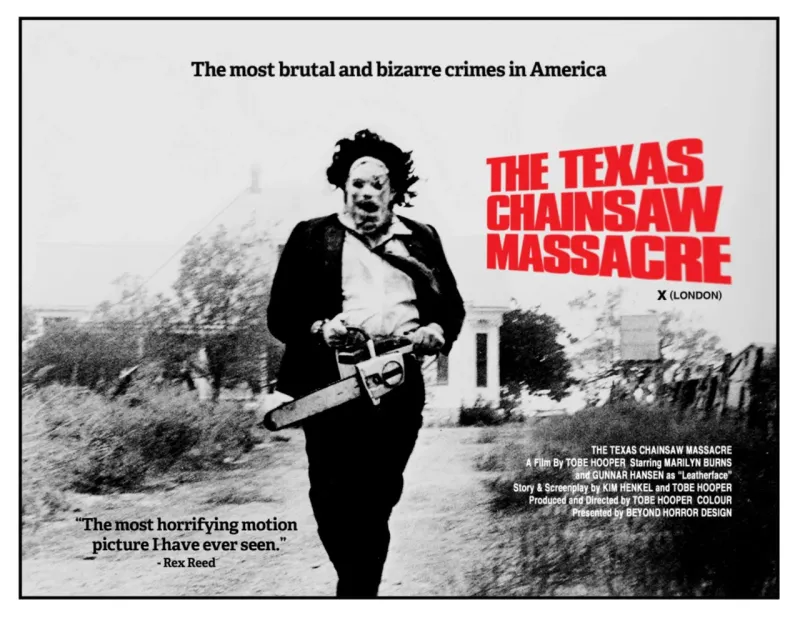
Tarantino actually called this one of the few truly perfect movies ever made in his book Cinema Speculation — high praise from a filmmaker who has seen nearly everything. Shot on a shoestring budget in the scorching Texas heat, director Tobe Hooper created something raw and terrifying that still holds up today.
What makes it “perfect” isn’t just the scares — it’s the atmosphere, the tension, and the unstoppable dread. No film has replicated that suffocating feeling quite the same way.
2. Jaws (1975)
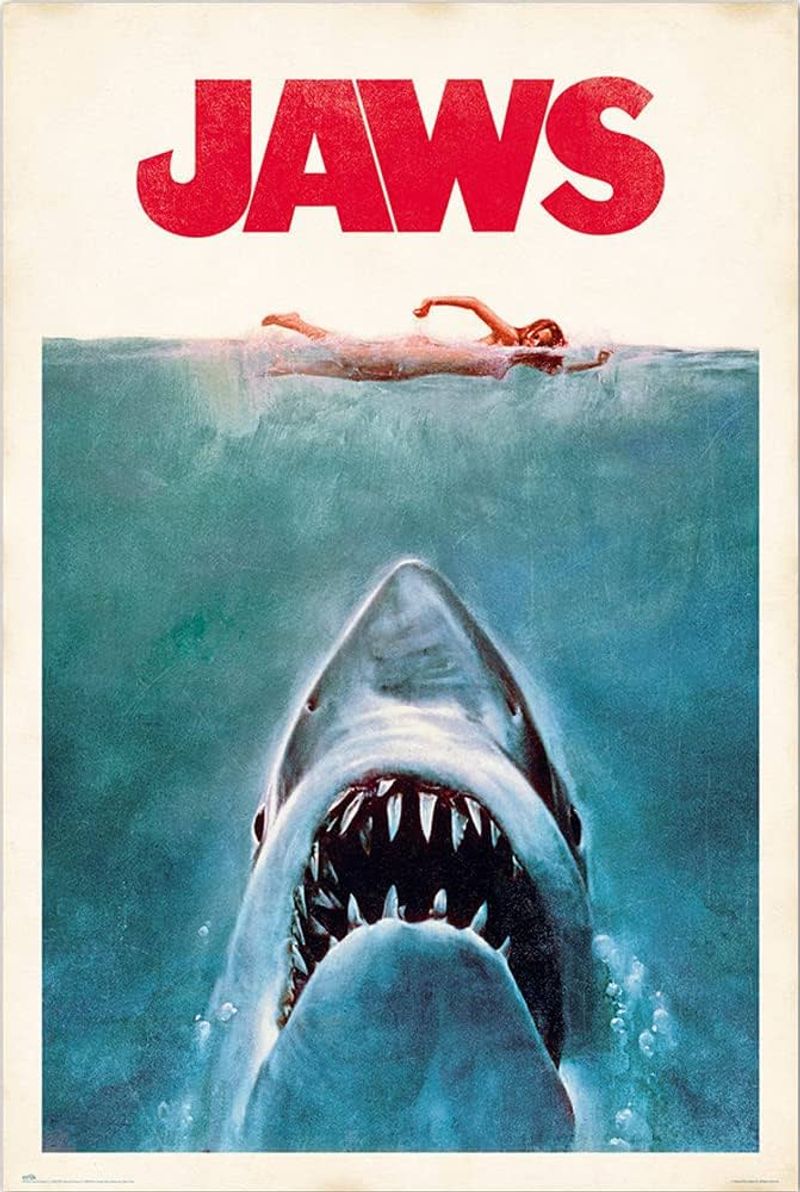
Before “blockbuster” was even a common word, Steven Spielberg invented the concept with this summer thriller about a great white shark terrorizing a small beach town. Tarantino lists it among his perfect films, and it’s easy to see why — every scene is crafted with surgical precision.
The famous mechanical shark broke down constantly during filming, forcing Spielberg to hide it, which accidentally made the movie scarier. Sometimes limitations create masterpieces.
3. The Exorcist (1973)
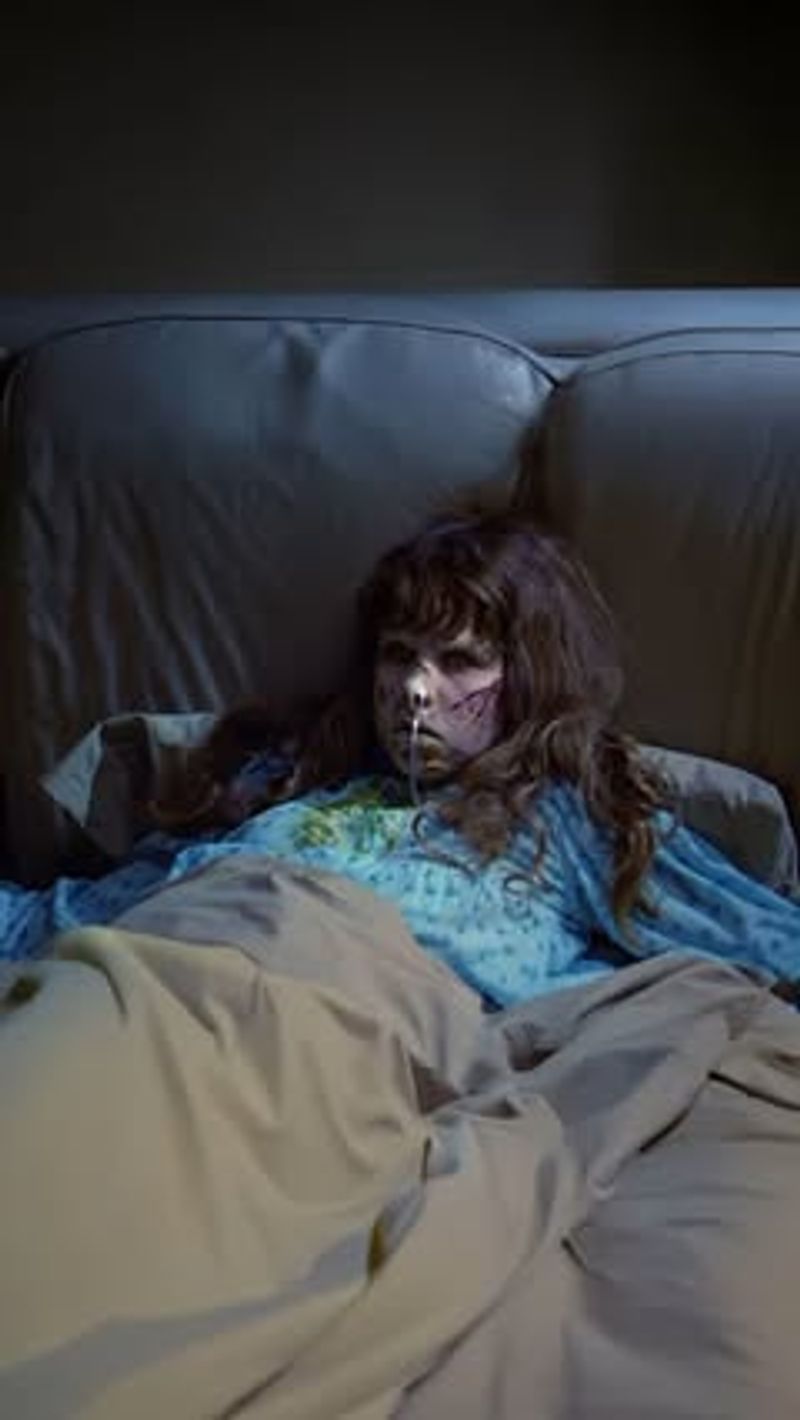
When The Exorcist first hit theaters, people reportedly fainted in the aisles and ambulances were called to screenings. William Friedkin’s supernatural horror film about a young girl possessed by a demon remains one of the most unsettling movies ever committed to film.
Tarantino praises it as flawless, and the craftsmanship backs that up — from the sound design to the performances. Linda Blair’s portrayal is haunting in ways that linger long after the credits roll.
4. Annie Hall (1977)
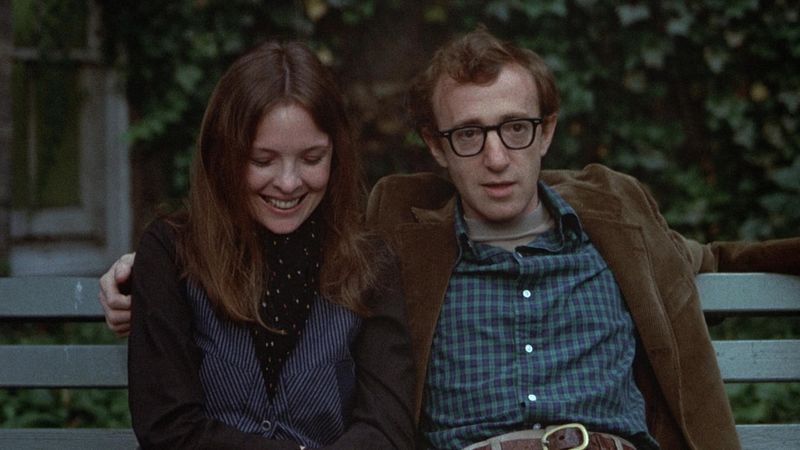
Woody Allen broke every romantic comedy rule with this film, and Tarantino considers it perfect because of exactly that fearlessness. Annie Hall talks directly to the camera, jumps through time, and refuses to wrap everything up in a tidy bow — and it’s all the more honest for it.
It won four Academy Awards including Best Picture in 1977. More importantly, it changed how filmmakers thought about telling love stories, proving that messy and real beats fairy-tale endings every time.
5. Young Frankenstein (1974)
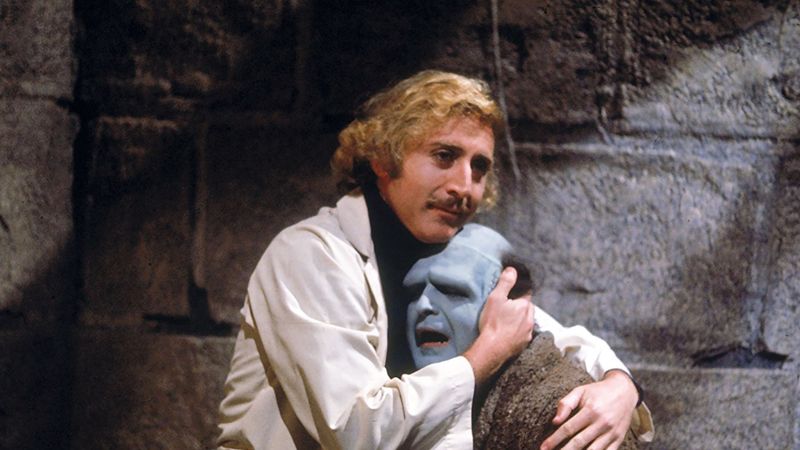
Mel Brooks shot this comedy in gorgeous black and white as a loving tribute to the classic Universal monster movies — and the result is something genuinely hilarious and technically brilliant at the same time. Tarantino calls it perfect, and the craftsmanship truly earns that label.
Gene Wilder co-wrote the script and delivers one of comedy’s all-time greatest performances. The film works as both a parody AND a legitimate horror film, which almost no comedy has ever managed to pull off.
6. Back to the Future (1985)
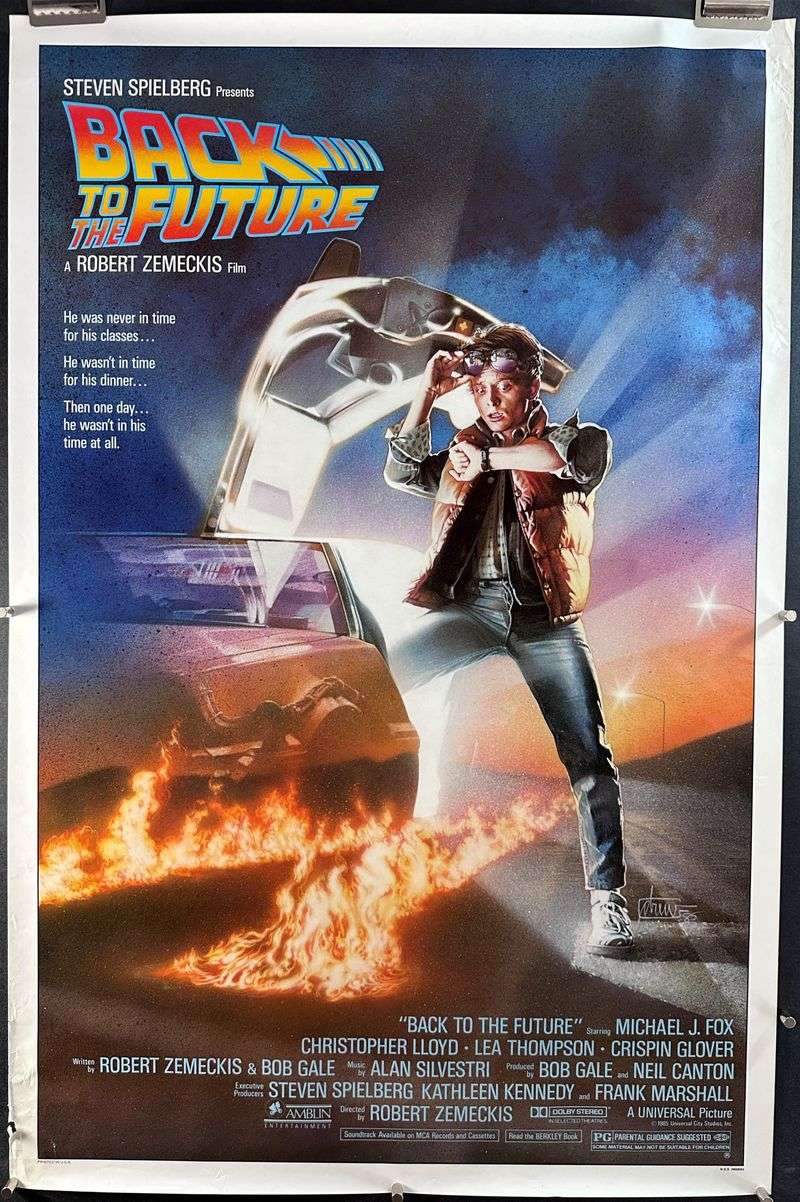
Ask almost any filmmaker about their favorite movie from the 1980s and Back to the Future comes up constantly — Tarantino included. Robert Zemeckis built a time-travel story so perfectly constructed that every single scene sets up something that pays off later.
Screenwriters Bob Gale and Zemeckis reportedly wrote 40 drafts before getting it right. That obsessive attention to story structure shows in every frame, making it one of the most airtight, satisfying scripts in Hollywood history.
7. The Good, the Bad and the Ugly (1966)
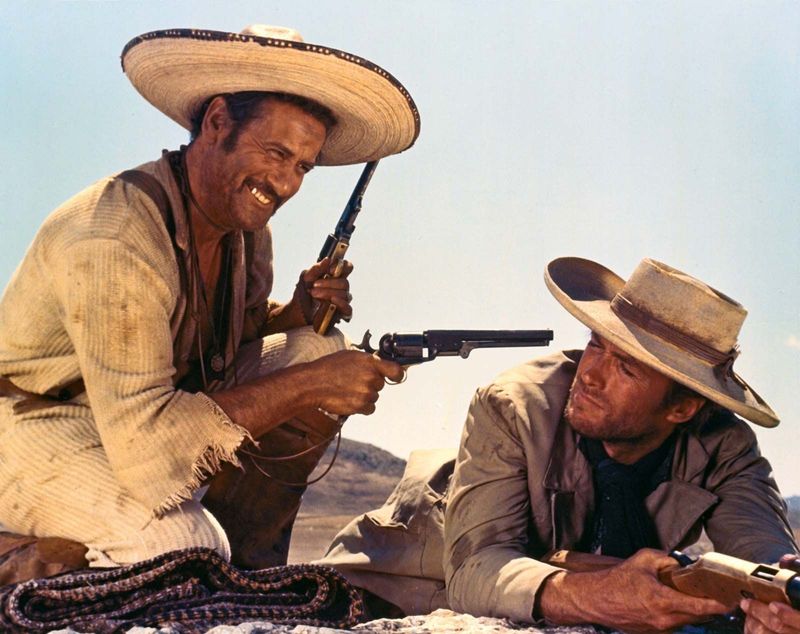
Tarantino has ranked this Sergio Leone masterpiece at the absolute top of his favorite films list — and he’s not shy about it. The three-way standoff at the end is one of the most tension-filled sequences ever filmed, lasting nearly three minutes without a single word of dialogue.
Ennio Morricone’s legendary score practically invented how we think about Western music. Leone stretched every moment to its breaking point, teaching Tarantino that patience in filmmaking is its own kind of power.
8. Taxi Driver (1976)
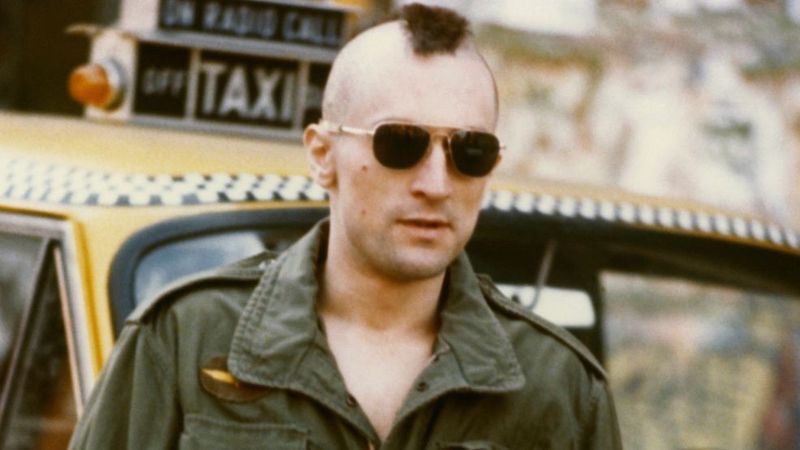
Martin Scorsese’s portrait of a lonely, unraveling Vietnam veteran navigating the neon-soaked streets of 1970s New York City is one of the most intensely personal films ever made. Robert De Niro’s Travis Bickle became an instant cultural icon — and a deeply unsettling one at that.
Tarantino has cited this film repeatedly as a major influence on his own storytelling. The film’s mood, its voice-over narration, and its explosive finale all left fingerprints on everything Tarantino would later create.
9. Carrie (1976)
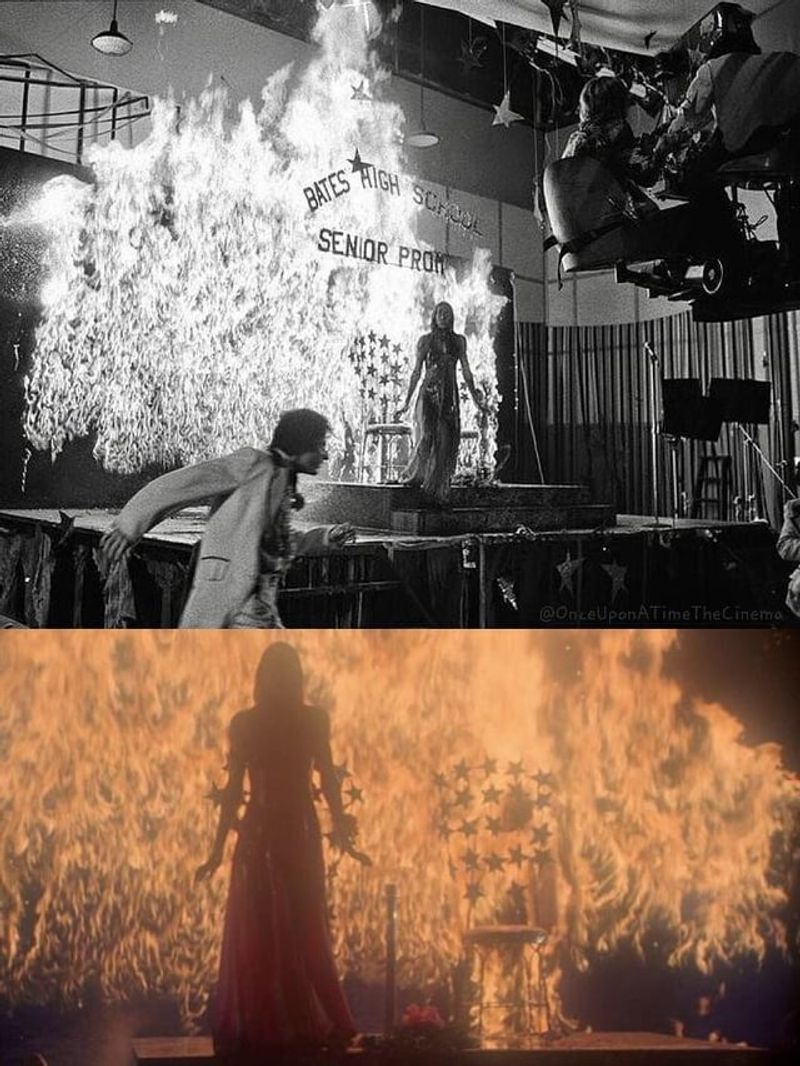
Brian De Palma took Stephen King’s very first published novel and turned it into a horror film that operates on two levels simultaneously — a supernatural revenge story AND a deeply empathetic portrait of a bullied teenager. That emotional depth is rare in horror.
Tarantino has praised De Palma’s work extensively, and Carrie represents the director at his most emotionally raw. The prom scene finale remains one of cinema’s most cathartic and disturbing moments, even nearly 50 years later.
10. The Apartment (1960)
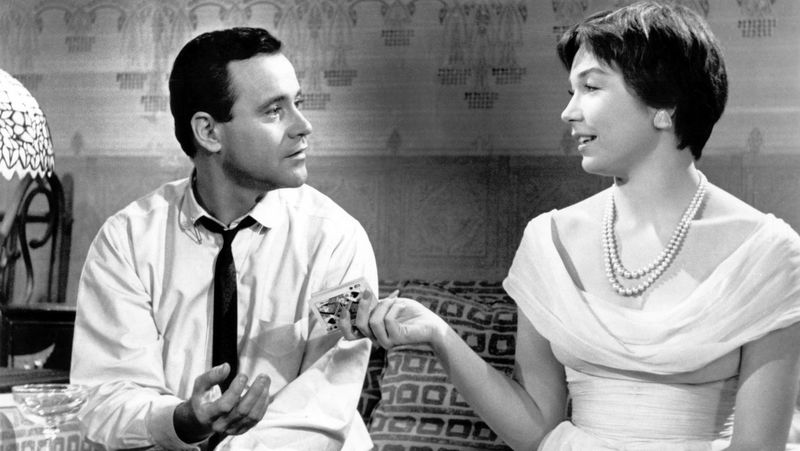
Billy Wilder directed this bittersweet comedy-drama about a lonely office worker who lends his apartment to his bosses for their affairs — and it won five Academy Awards, including Best Picture. Tarantino has called Wilder one of the greatest directors who ever lived.
What makes The Apartment remarkable is how it balances genuine laughs with real heartbreak. Jack Lemmon and Shirley MacLaine create one of cinema’s most relatable, quietly devastating screen partnerships in film history.
11. Rio Bravo (1959)
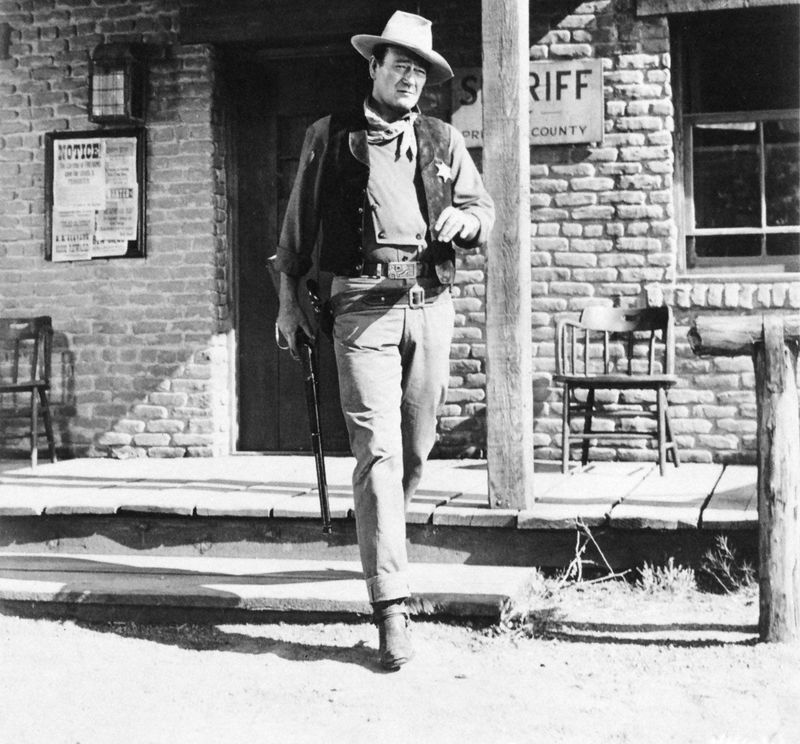
Howard Hawks made this Western as a direct response to High Noon — he thought a true hero shouldn’t need help from ordinary townsfolk. John Wayne leads a ragtag group of deputies holding a killer in jail while waiting for the U.S.
Marshal to arrive.
Tarantino has called Rio Bravo one of his all-time favorites, admiring its relaxed pacing and rich character dynamics. It’s less about action and more about the conversations between people under pressure, which is very Tarantino.
12. Blow Out (1981)
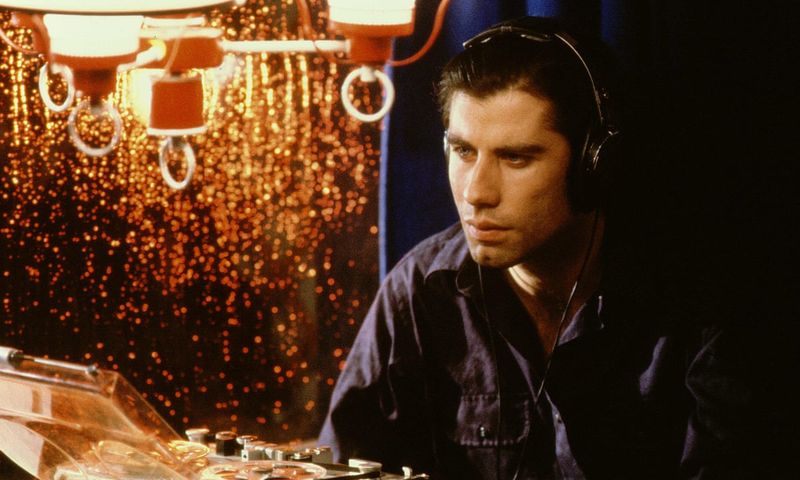
Brian De Palma created what many consider his greatest film with this political thriller about a movie sound man who accidentally records evidence of a murder during a late-night recording session. John Travolta delivers a career-best dramatic performance that often gets overlooked.
Tarantino has championed Blow Out loudly for decades, calling it criminally underrated. The film’s ending is genuinely devastating — one of those conclusions that recontextualizes everything you just watched and leaves you sitting in stunned silence.
13. His Girl Friday (1940)
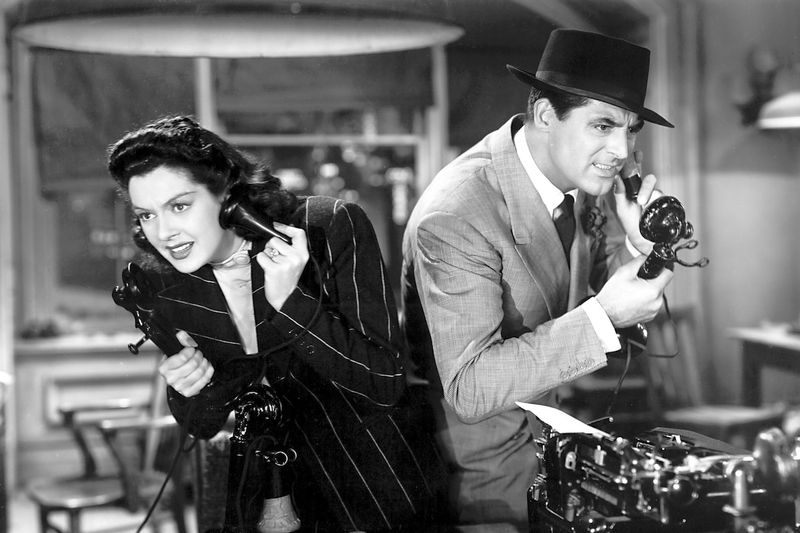
Howard Hawks directed this screwball comedy so fast that actors were reportedly instructed to talk over each other — and the overlapping dialogue crackles with an energy that feels almost modern. Cary Grant and Rosalind Russell are electric together as a bickering ex-couple in a newsroom.
Tarantino has praised the film’s rapid-fire wit and unconventional structure. Watching it today, the speed of the dialogue is almost dizzying.
It proves that great writing and great chemistry between actors never goes out of style.
14. The Wild Bunch (1969)
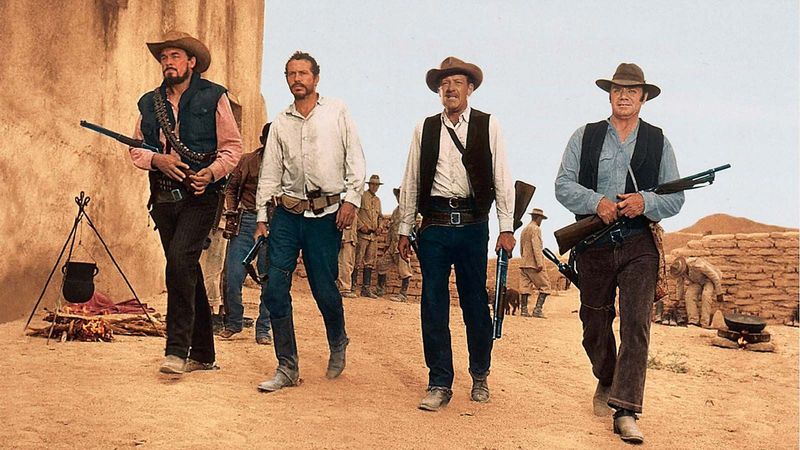
Sam Peckinpah’s controversial Western about a gang of aging outlaws pulling one last job in 1913 Mexico changed the language of screen violence forever. Its slow-motion action sequences were so radical at the time that audiences genuinely didn’t know what to make of them.
Tarantino has cited The Wild Bunch as one of the most important films ever made. The movie’s melancholy tone — men who have outlived their era — gives all that spectacular violence a genuine emotional weight that still resonates powerfully.
15. Duel (1971)
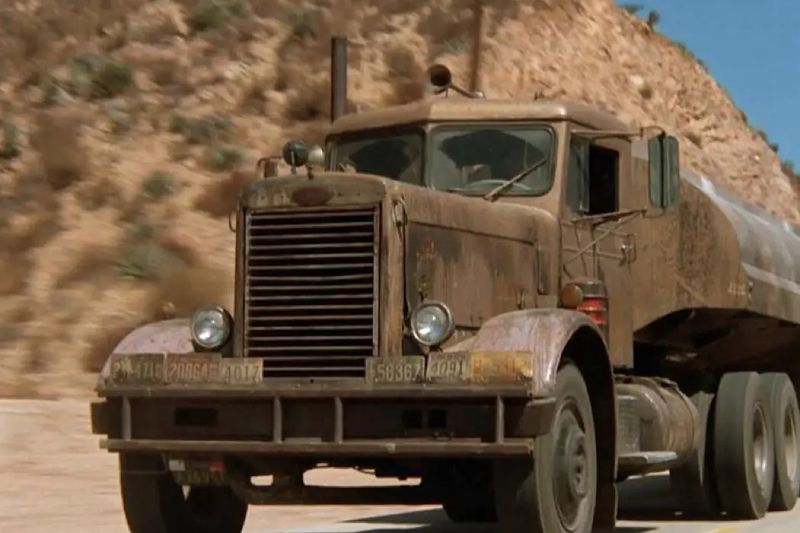
Before Steven Spielberg made Jaws, he made this TV movie about an ordinary businessman being stalked across the California desert by a mysterious, never-seen truck driver — and it’s absolutely terrifying. Tarantino has praised it as a masterclass in sustained suspense filmmaking.
The truck itself becomes the villain, never showing its driver, which makes it feel almost supernatural. Spielberg was only 24 years old when he directed it.
Proof that great filmmakers don’t need big budgets or long careers to create something unforgettable.
16. Once Upon a Time in the West (1968)
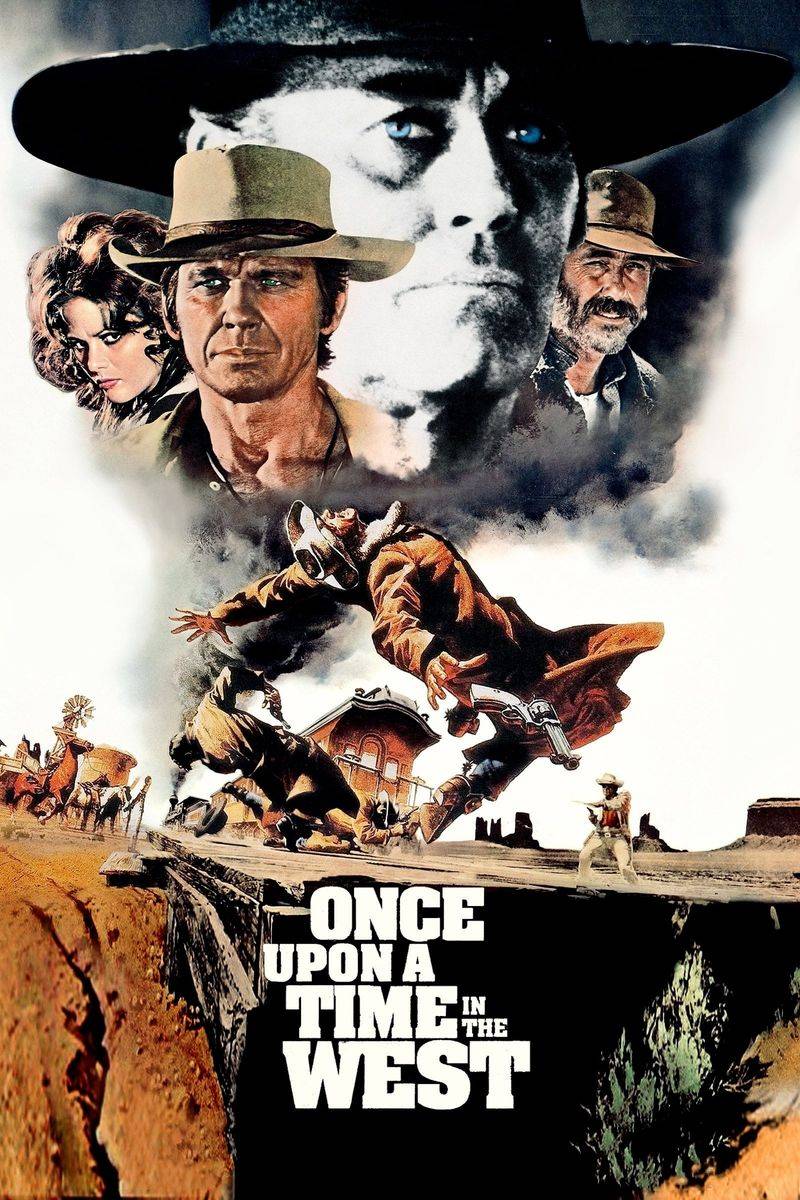
Sergio Leone’s epic Western opens with one of the greatest scenes in cinema history — a nearly wordless, ten-minute standoff at a train station that is all tension and no dialogue. Tarantino has studied this film obsessively, and its DNA is woven through much of his own work.
Henry Fonda, famous for playing heroes, was cast against type as the cold-blooded villain. That casting choice alone was revolutionary.
Ennio Morricone’s score was recorded before filming began, played on set to inspire the actors while they performed.