
Some movies are so brilliantly made that they never get old, no matter how many times you watch them. These are the films that shaped the way we think about storytelling, emotion, and the power of cinema.
From sweeping romances to edge-of-your-seat thrillers, classic movies have something magical that modern films often try to recreate. Whether you are discovering them for the first time or returning to an old favorite, these 16 films deserve a spot on every film lover’s must-watch list.
1. Casablanca (1942)
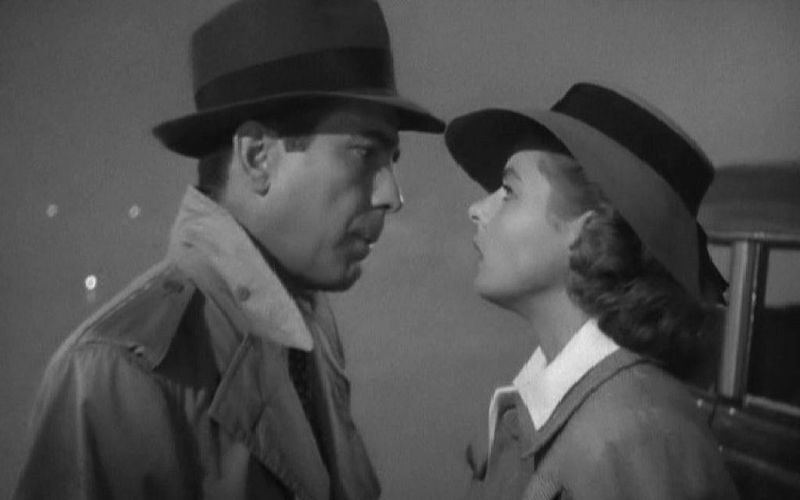
Few films have ever captured heartbreak and heroism quite like Casablanca. Set in World War II-era Morocco, it follows Rick Blaine, a brooding nightclub owner played by Humphrey Bogart, who reunites with his lost love Ilsa, played by Ingrid Bergman.
The chemistry between the two leads is electric, and the story balances romance with real moral weight. Lines like “Here’s looking at you, kid” have become part of everyday language.
This film proves that love stories can also be deeply powerful statements about sacrifice.
2. Gone with the Wind (1939)
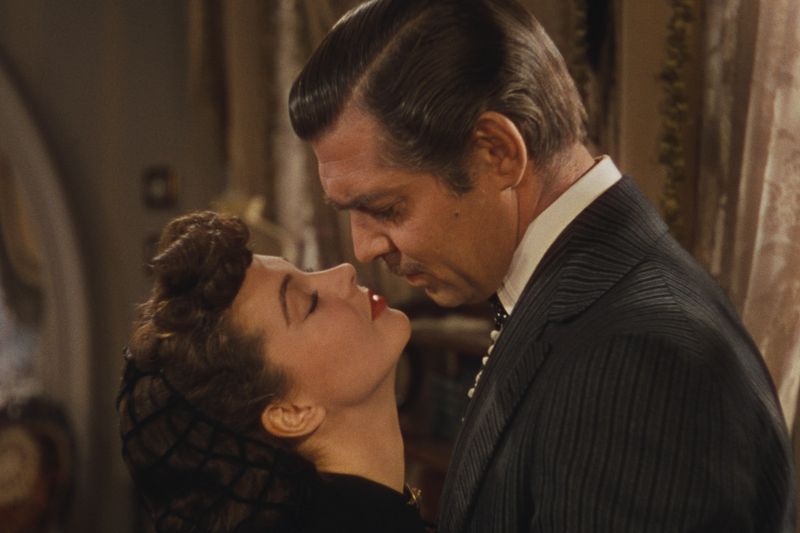
Bold, sweeping, and unforgettable, Gone with the Wind remains one of the most ambitious films ever made. Vivien Leigh plays Scarlett O’Hara, a fiercely determined Southern woman navigating love, war, and survival during the American Civil War.
Leigh’s performance is electric from start to finish, making Scarlett one of cinema’s most complex heroines. The film’s grand scale and emotional depth are hard to match.
Watching it feels like reading an entire novel in one sitting.
3. Citizen Kane (1941)
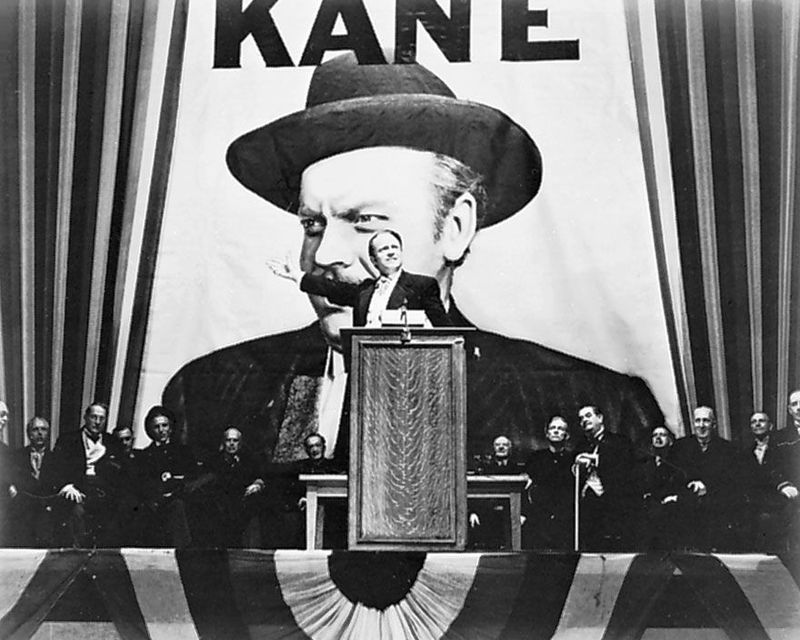
Orson Welles was just 25 years old when he directed and starred in Citizen Kane, and the result changed filmmaking forever. The story unravels the mysterious life of Charles Foster Kane, a media mogul whose wealth could not buy him happiness.
Told through a series of flashbacks and interviews, the film pioneered storytelling techniques still used today. Its famous final reveal about “Rosebud” is one of cinema’s most discussed moments.
Every film school student studies this one for good reason.
4. Seven Samurai (1954)
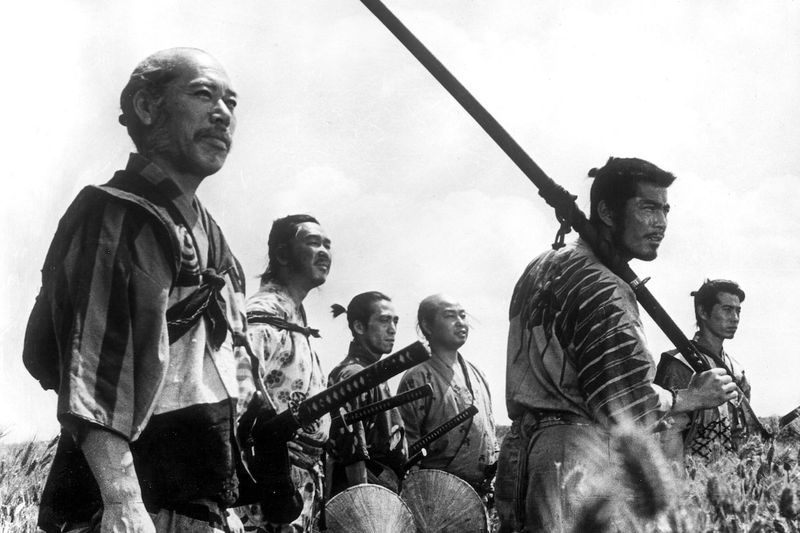
Akira Kurosawa created something truly extraordinary with Seven Samurai. A group of skilled warriors is hired to defend a poor farming village from ruthless bandits, and what follows is a masterclass in action, character, and tension.
Each samurai has a distinct personality, making you care deeply about every one of them. The film runs nearly three and a half hours, yet never drags for a single moment.
Hollywood has tried to remake it multiple times, but the original still stands alone.
5. Vertigo (1958)
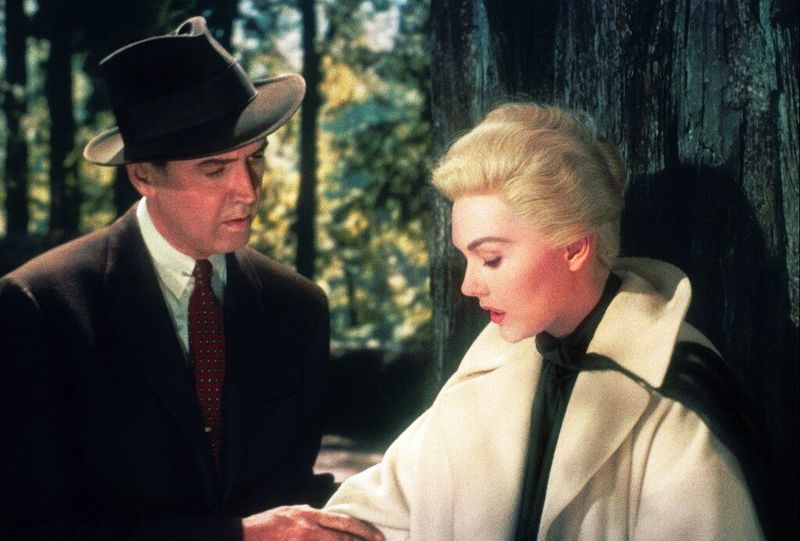
Alfred Hitchcock made many brilliant films, but Vertigo might be his most haunting. James Stewart plays a retired detective with a fear of heights who becomes dangerously obsessed with a mysterious woman he is hired to follow.
The film twists and turns in ways that still surprise viewers today. Hitchcock uses color, music, and camera angles to create a dreamlike, almost unsettling mood throughout.
It was once considered underrated, but critics now regularly rank it among the greatest films ever made.
6. Singin’ in the Rain (1952)
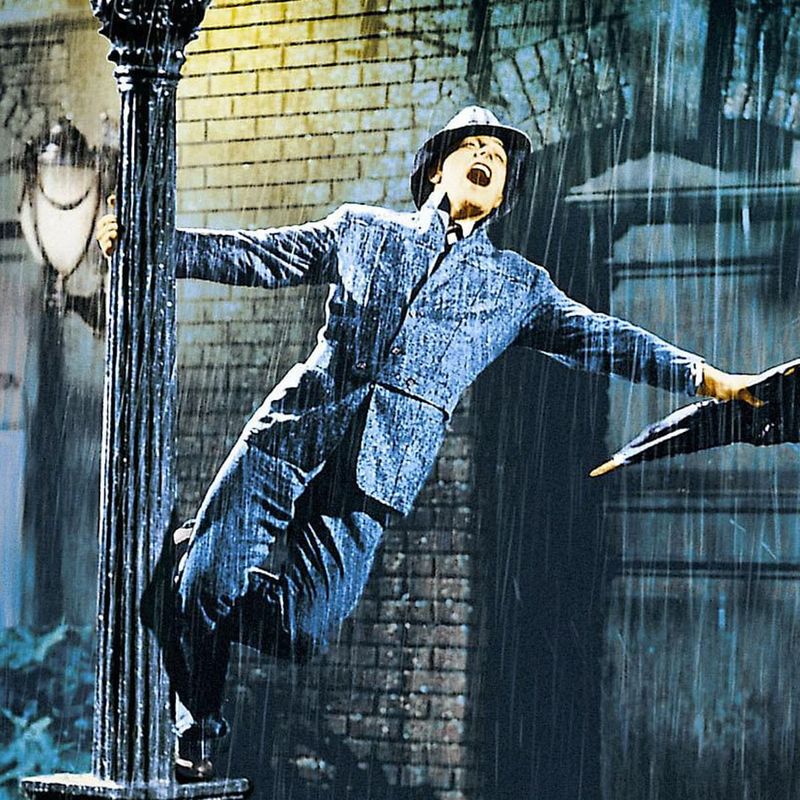
Pure joy is the best way to describe Singin’ in the Rain. Set during Hollywood’s shift from silent films to talkies in the late 1920s, the story is funny, romantic, and packed with show-stopping musical numbers.
Gene Kelly’s iconic rain-soaked dance sequence is one of the most recognizable moments in all of cinema. The film pokes fun at Hollywood itself, which gives it a clever edge most musicals lack.
Even if you think musicals are not your thing, this one will change your mind.
7. The Godfather (1972)
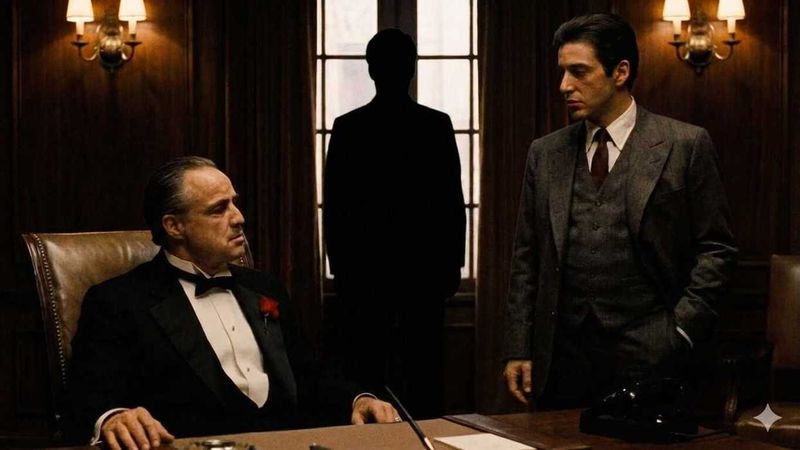
The Godfather is not just a great crime film, it is a great film, period. Francis Ford Coppola’s adaptation of Mario Puzo’s novel follows the powerful Corleone crime family as they navigate loyalty, betrayal, and the cost of power.
Marlon Brando’s performance as Don Vito Corleone is one for the ages, and Al Pacino matches him step for step as his youngest son Michael. The film’s slow-burn storytelling rewards patient viewers with something deeply emotional.
Few movies have been quoted and referenced more.
8. Schindler’s List (1993)
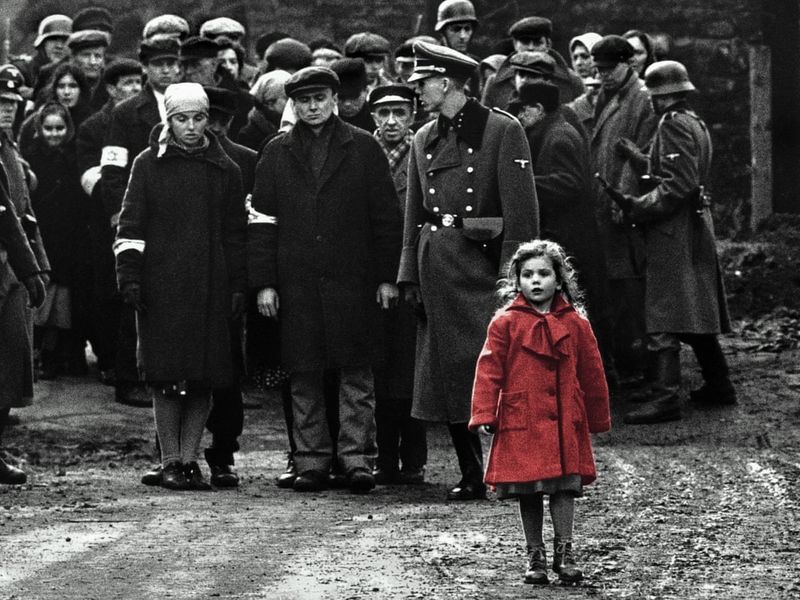
Steven Spielberg’s Schindler’s List is one of the most important films ever put on screen. Based on a true story, it follows Oskar Schindler, a German businessman who saved over a thousand Jewish lives during the Holocaust by employing them in his factory.
Shot mostly in black and white, the film carries a weight that stays with you long after the credits roll. Liam Neeson delivers a career-defining performance.
Watching this film is not easy, but it is absolutely necessary and deeply humanizing.
9. 2001: A Space Odyssey (1968)
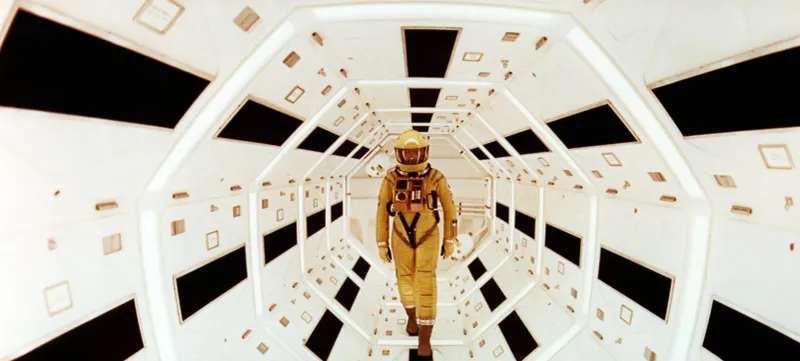
Stanley Kubrick’s 2001: A Space Odyssey is unlike anything else in cinema. Released in 1968, it explored the evolution of humanity and the dangers of artificial intelligence decades before those topics became everyday conversations.
The film barely uses dialogue, instead relying on stunning visuals and a powerful musical score to tell its story. HAL 9000, the ship’s chilling computer, became one of film’s most iconic villains.
Watching it today still feels like staring into something vast and unknowable.
10. Bicycle Thieves (1948)
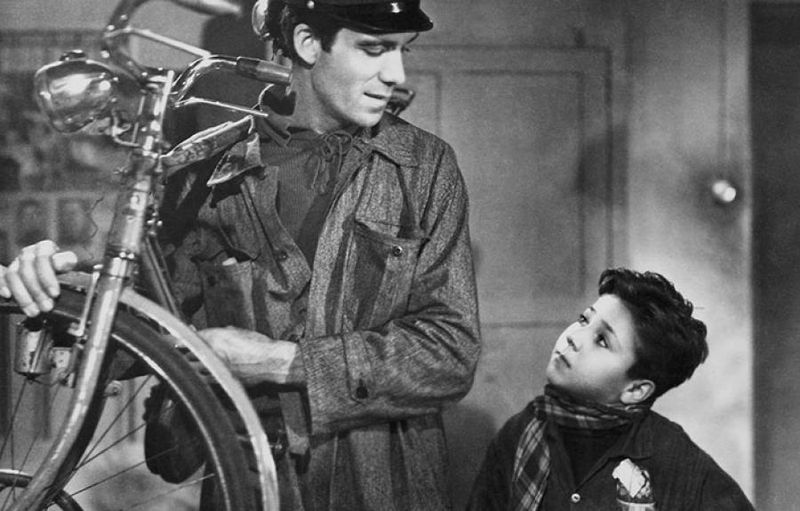
Sometimes the simplest stories hit the hardest. Bicycle Thieves follows a desperate father in post-war Rome whose bicycle, his only means of earning a living, is stolen.
What follows is a heartbreaking search through the city with his young son by his side.
Directed by Vittorio De Sica, the film uses non-professional actors and real Roman streets to create something that feels completely authentic. It won an honorary Academy Award and is still considered one of the finest foreign-language films ever made.
11. Some Like It Hot (1959)
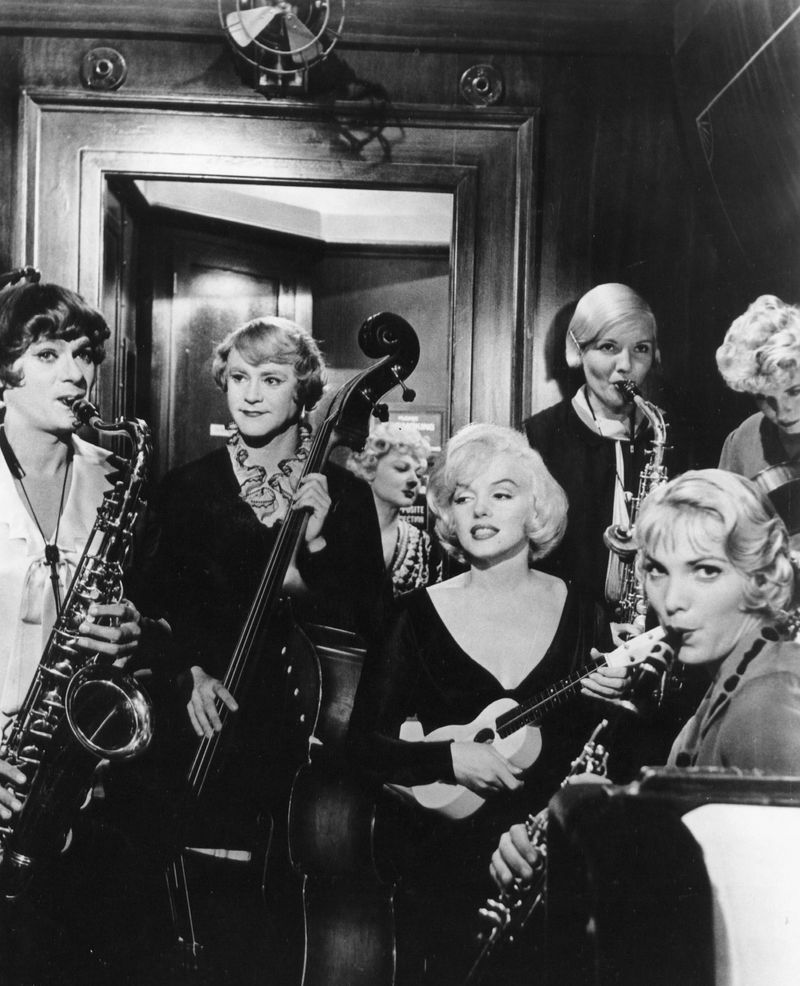
Widely considered one of the funniest films ever made, Some Like It Hot has a setup that still feels fresh. Two male musicians accidentally witness a mob murder and go on the run disguised as women in an all-female band, where one of them falls for the dazzling Sugar Kane.
Marilyn Monroe lights up every scene she is in, while Tony Curtis and Jack Lemmon are hilariously committed to their disguises. The film’s final line is legendary for a reason.
Comedy this sharp rarely ages.
12. Lawrence of Arabia (1962)
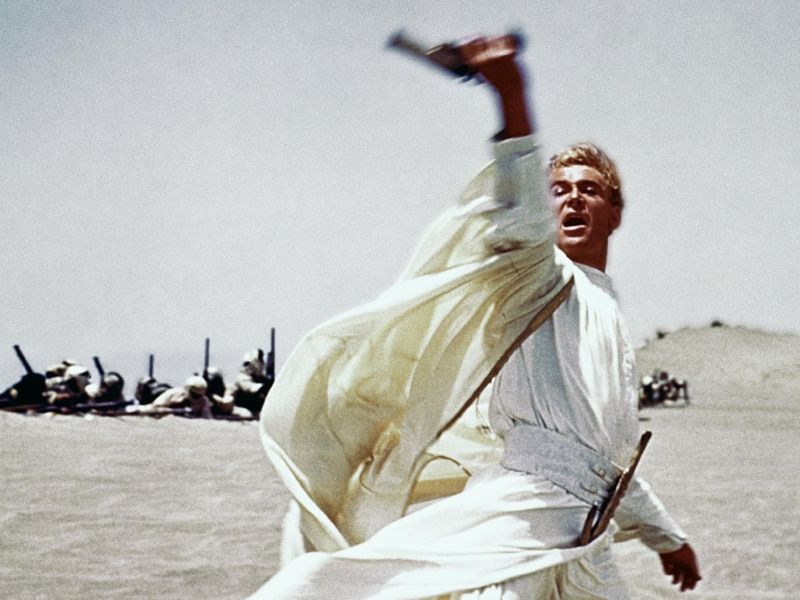
Lawrence of Arabia is a film that demands to be seen on the biggest screen possible. David Lean’s epic follows T.E.
Lawrence, a British officer who united Arab tribes against the Ottoman Empire during World War I, and the film is as visually stunning as it is emotionally complex.
Peter O’Toole gives a magnetic performance as Lawrence, a man torn between two worlds and two identities. The desert cinematography alone is worth the price of admission.
At nearly four hours long, it earns every minute.
13. Rear Window (1954)
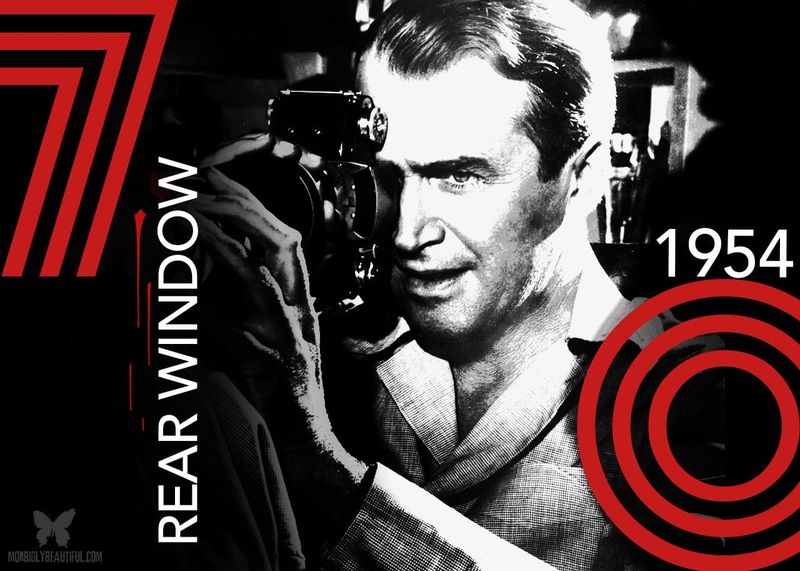
Rear Window is proof that you do not need car chases or explosions to create unbearable suspense. Alfred Hitchcock’s masterpiece traps the audience inside a single apartment with a photographer who becomes convinced his neighbor has committed murder.
James Stewart plays the photographer with just the right mix of curiosity and dread, and Grace Kelly is absolutely magnetic as his stylish girlfriend. The film slowly tightens like a vice until the tension becomes almost unbearable.
Hitchcock at his most precise and brilliant.
14. Tokyo Story (1953)
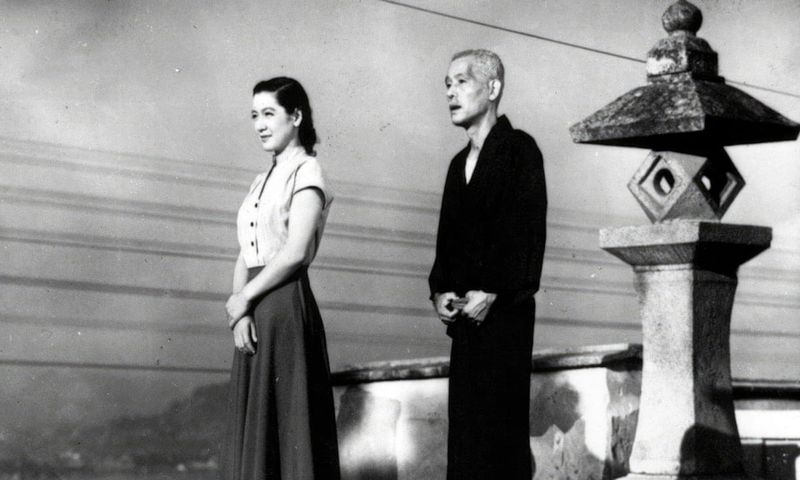
Yasujiro Ozu’s Tokyo Story is one of those films that quietly breaks your heart. An elderly couple travels from their small hometown to visit their adult children in Tokyo, only to find their kids are too busy and too distracted to spend real time with them.
The film moves at a gentle pace, but every scene carries enormous emotional weight. Ozu’s low camera angles and still shots give it a meditative, almost poetic quality.
By the final scene, most viewers find themselves reaching for a tissue.
15. The Wizard of Oz (1939)
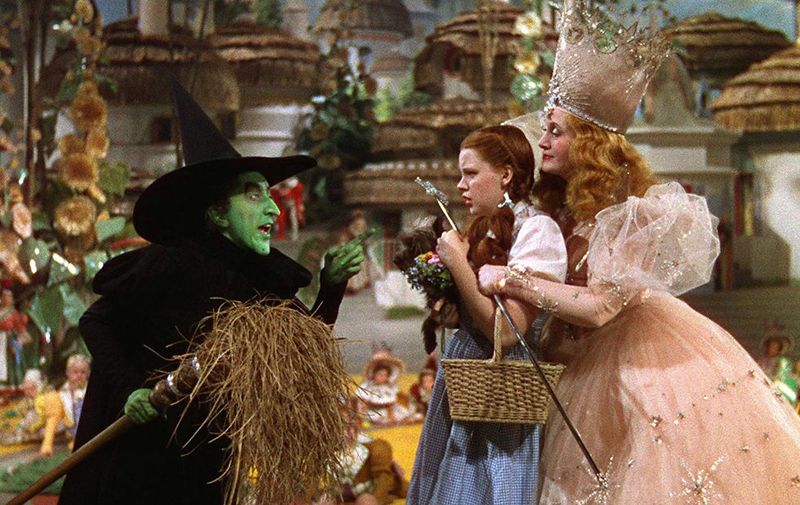
There is a reason The Wizard of Oz has been loved by generations of viewers young and old. When Dorothy is swept away from Kansas to the magical land of Oz, she must find her way home with the help of a Scarecrow, a Tin Man, and a Cowardly Lion.
The transition from black and white to full Technicolor when Dorothy arrives in Oz is still one of cinema’s most magical moments. The songs, the characters, and the story feel timeless.
Some movies are made for everyone, and this is one of them.
16. Rashomon (1950)
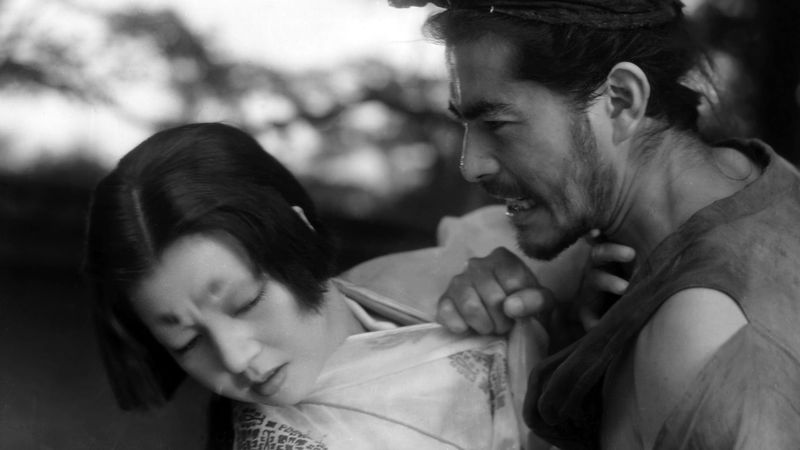
What really happened? That question drives Rashomon from its very first frame.
Akira Kurosawa’s groundbreaking film tells the story of a samurai’s murder through four completely different accounts, each one contradicting the last.
The film sparked a worldwide conversation about truth, memory, and human selfishness that has never really ended. It introduced Japanese cinema to international audiences and won an honorary Oscar at the 1952 Academy Awards.
Watching Rashomon feels like solving a puzzle where every answer raises a new question.