
Houses today look very different from homes built just a few decades ago. Many features that families once considered completely normal have quietly disappeared, replaced by newer technology and changing tastes.
Walking through an older home can feel like stepping back in time, with quirky details that younger generations might find totally puzzling. From carpeted bathrooms to milk delivery doors, these forgotten features tell a fascinating story about how everyday life has changed.
1. Rotary Dial Telephones on the Wall
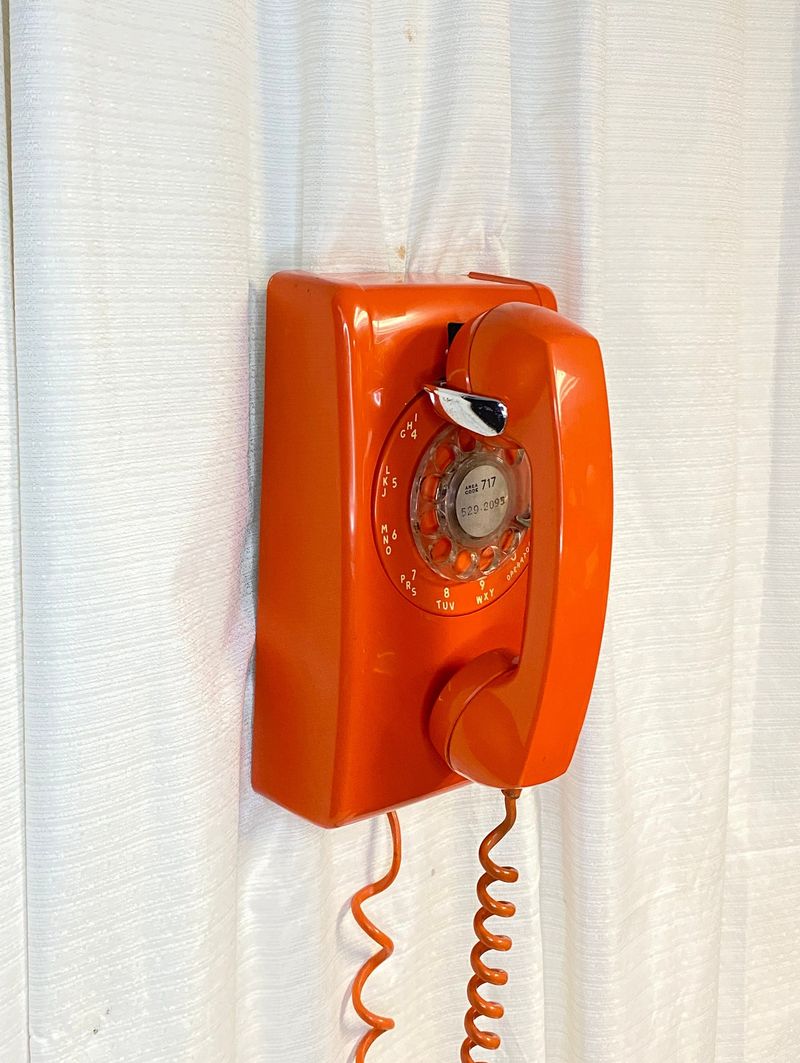
Remember when making a phone call meant standing in one spot and slowly spinning a dial with your finger? Wall-mounted rotary phones were the family communication hub, usually planted in the kitchen or hallway where everyone could reach them.
There was no texting, no voicemail apps, and definitely no emojis. If you missed a call, you simply missed it.
These phones were built tough and often lasted for decades without a single repair needed.
2. Shag Carpet in Every Room
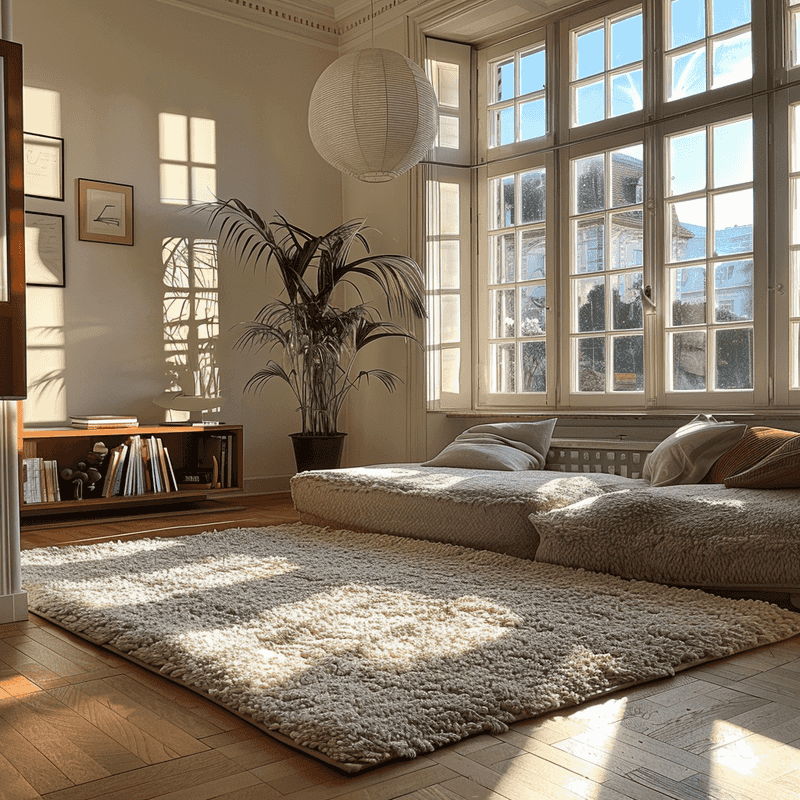
Thick, fluffy, and available in colors like burnt orange and olive green, shag carpet was basically the rockstar of 1970s home decor. Homeowners loved how it felt underfoot, and interior designers recommended it for every single room without hesitation.
Cleaning it was another story entirely. Dirt, crumbs, and mystery objects disappeared into those long fibers like a magic trick.
Today, most people prefer hardwood or short-pile carpet, leaving shag firmly in the past where it belongs.
3. Popcorn Ceilings
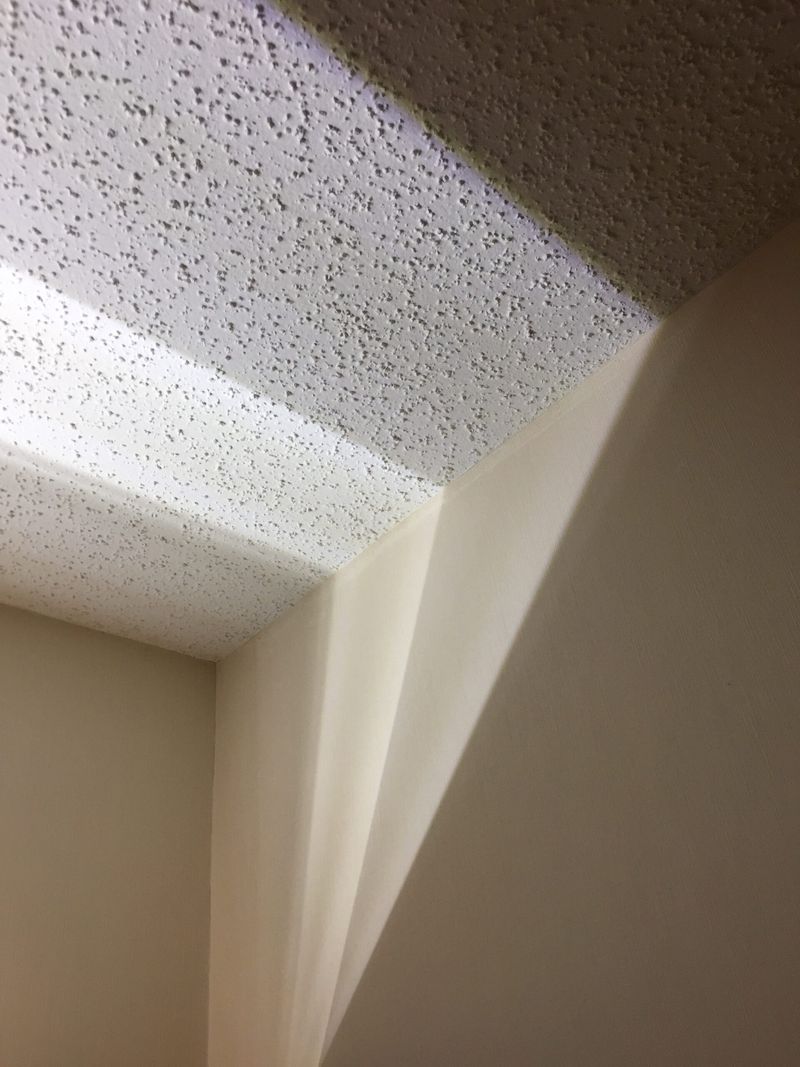
Lumpy, bumpy, and oddly satisfying to stare at, popcorn ceilings were everywhere in homes built between the 1950s and 1980s. Builders loved them because the rough texture hid cracks and imperfections without any extra effort or expense.
They also helped muffle sound between floors, which was a genuine bonus in busy households. Unfortunately, many contained asbestos, making removal complicated and costly.
Smooth ceilings became the modern standard, and most homeowners today eagerly scrape the old texture away.
4. Wood Paneling on the Walls
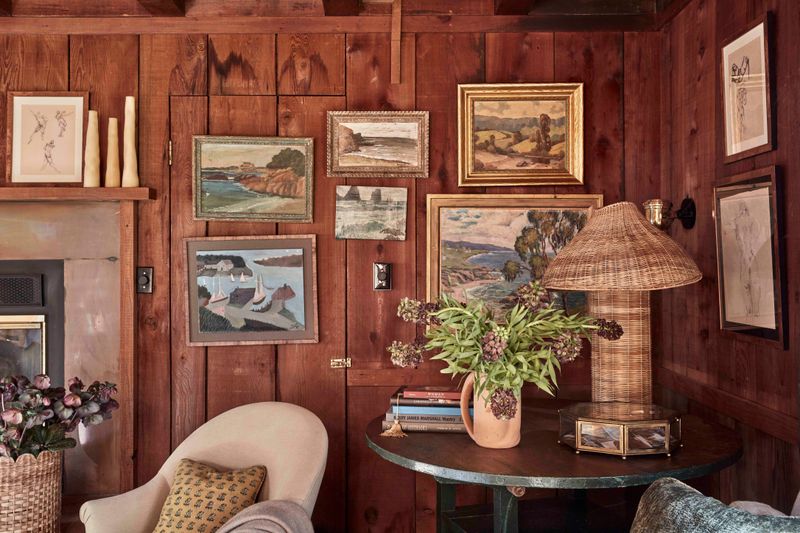
Dark, rich, and unmistakably retro, wood-paneled walls were a symbol of sophistication in mid-century homes. Basements and dens were especially popular candidates for this treatment, giving rooms a cabin-like, cozy character that homeowners absolutely adored.
Over time, tastes shifted toward bright, airy spaces, and those same panels started feeling gloomy and cave-like. Painting them white became a popular DIY fix.
Still, many older homes still hide original wood paneling behind layers of drywall, waiting to be rediscovered.
5. Avocado Green and Harvest Gold Appliances
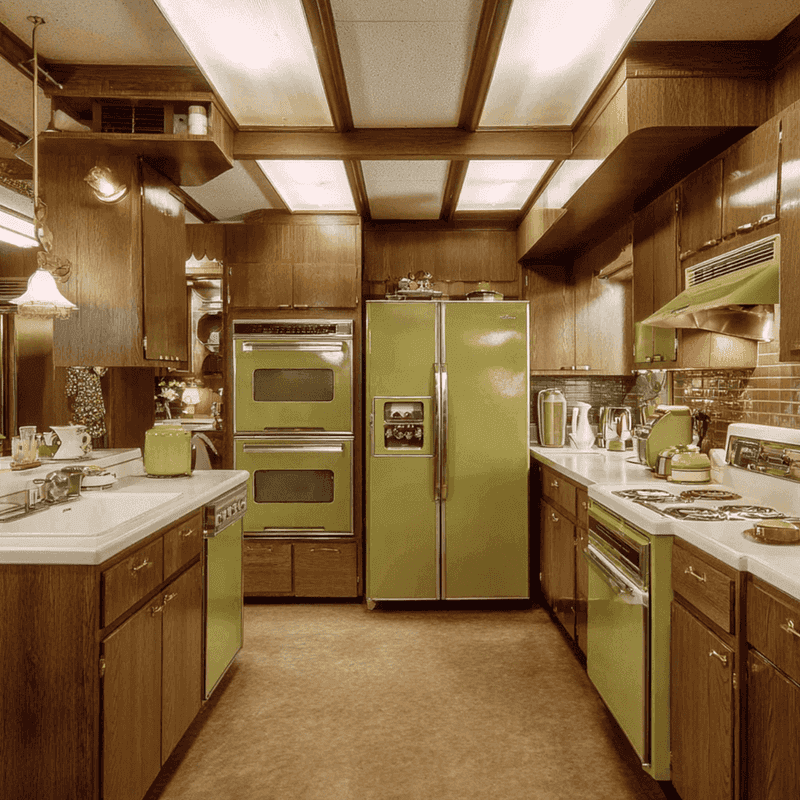
If your kitchen appliances were not avocado green or harvest gold in the 1970s, were you even trying? These bold, earthy colors dominated American kitchens for nearly two full decades and were considered the height of fashionable home design.
Appliance manufacturers marketed these shades aggressively, and families eagerly matched their refrigerators, stoves, and dishwashers in coordinated sets. Stainless steel and white eventually pushed them out.
Today, spotting a working avocado green fridge feels like discovering buried treasure from another era.
6. Fold-Out Ironing Boards Built Into the Wall
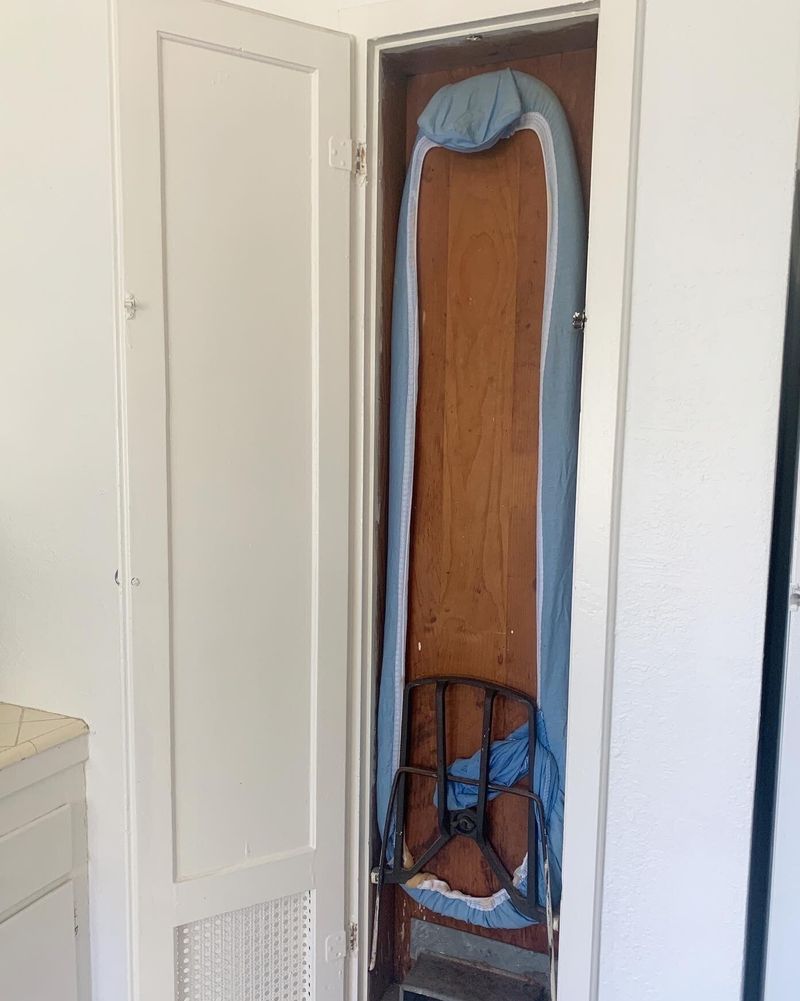
Space-saving and surprisingly clever, built-in fold-out ironing boards were a staple feature in well-designed homes throughout the mid-1900s. Tucked behind a small cabinet door, they could pop out in seconds and disappear just as quickly when the chore was done.
Homeowners loved the tidiness of it all. No bulky boards leaning in closets, no tripping hazards in hallways.
As casual clothing became more common and wrinkle-resistant fabrics improved, ironing became less of a daily ritual, and these handy built-ins quietly faded away.
7. Milk Delivery Doors
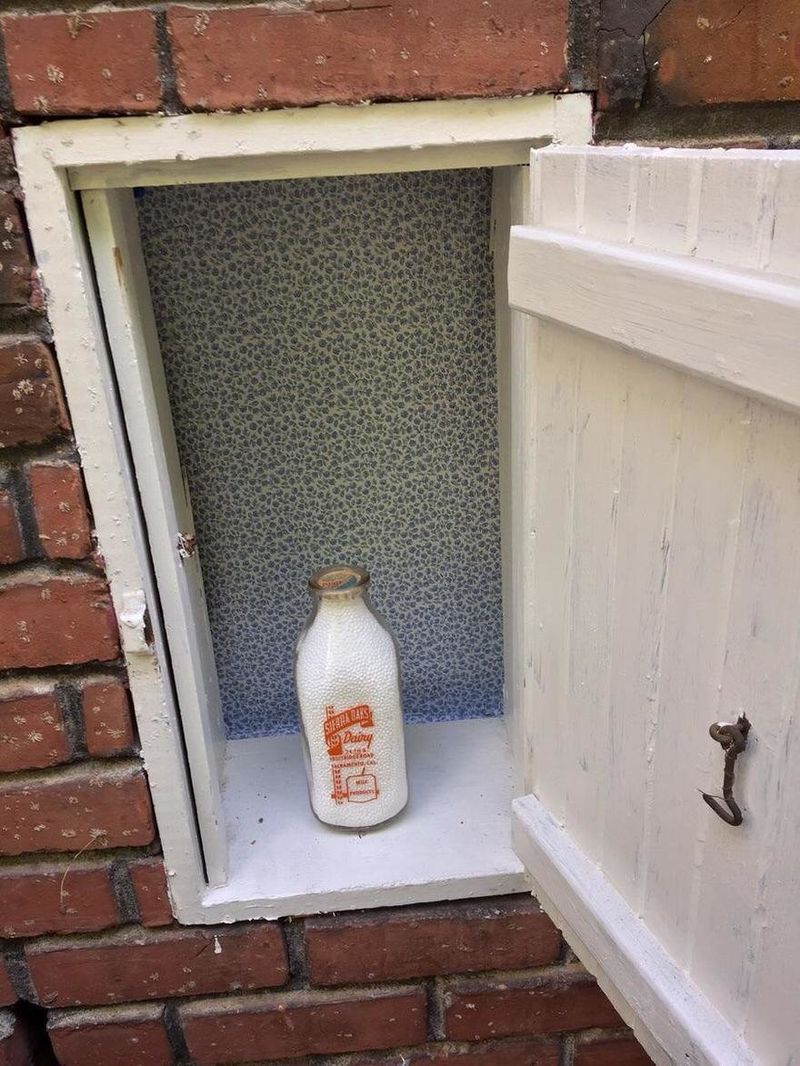
Long before grocery delivery apps existed, the milkman was a trusted neighborhood fixture. Small insulated doors built directly into exterior walls allowed him to leave glass bottles of fresh milk inside without ever knocking or disturbing the family.
These clever little openings were common in homes built before widespread refrigeration made stockpiling milk easy. Once supermarkets took over and home delivery faded, the doors became obsolete almost overnight.
Finding one on an older home today is a charming reminder of a slower, simpler daily routine.
8. Carpeted Bathrooms
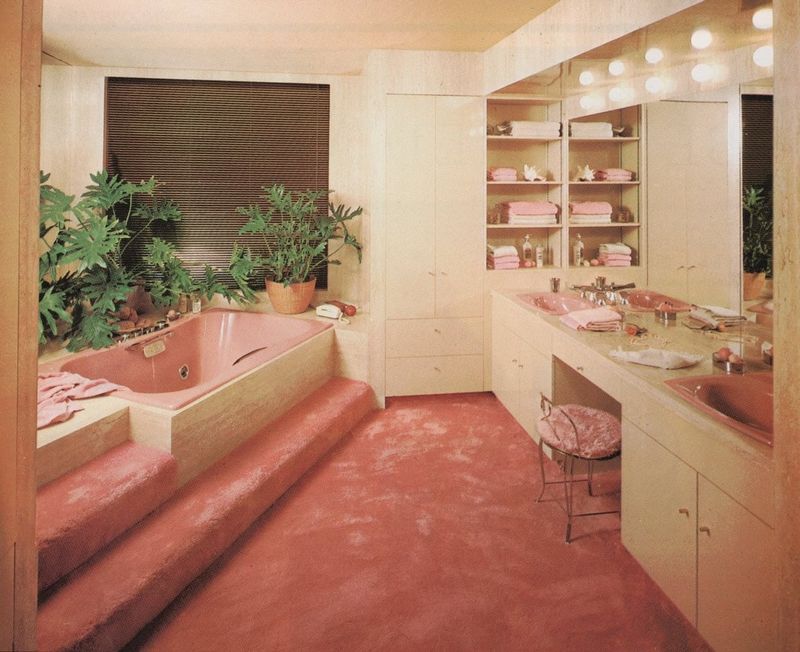
Carpeted bathrooms sound like a questionable idea now, but decades ago they were genuinely trendy. Homeowners wanted their bathrooms to feel warm and luxurious, and soft underfoot carpet seemed like the obvious solution to cold tile floors on chilly mornings.
Moisture, mold, and general hygiene concerns eventually made the downsides impossible to ignore. Imagine stepping out of the shower onto wet carpet every single day.
Hard flooring options like tile and vinyl quickly became the sensible, sanitary standard that bathrooms everywhere now rely on.
9. Laundry Chutes
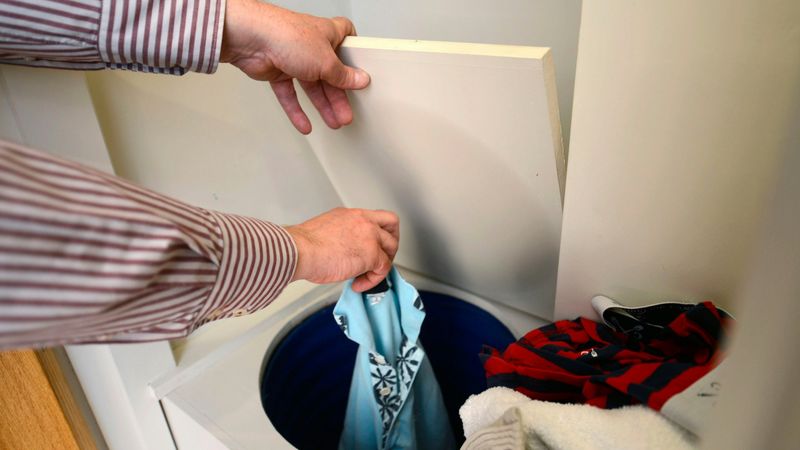
Dropping dirty laundry down a chute in the wall and having it magically appear in the basement felt like something out of a cartoon, but laundry chutes were completely real and wildly practical. Kids especially loved using them, turning a boring chore into a small daily adventure.
Built into walls between upper floors and basements, these vertical shafts saved countless trips up and down staircases. Modern open floor plans left little room for them structurally.
Today, they are rare enough that finding one in a home practically counts as a selling point.