
The 1980s were truly a magical time for arcade gaming. Quarters disappeared into machines faster than you could count them, and kids lined up just to get a turn.
While everyone remembers Pac-Man and Donkey Kong, dozens of other incredible games packed those neon-lit arcades and have since slipped from memory. Get ready to take a trip back in time to rediscover some seriously underrated gems.
1. Tapper (1983)
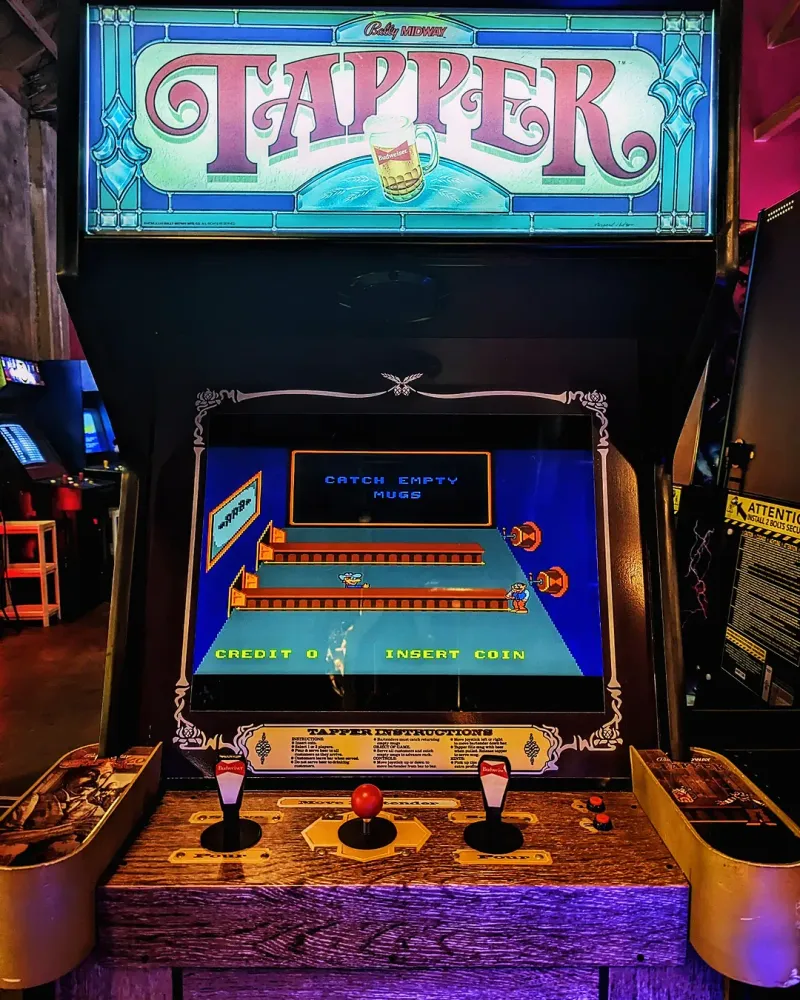
Ever wonder what it would feel like to run the busiest bar in the world without ever leaving an arcade? Tapper put players behind the counter as a bartender, sliding foamy mugs down the bar to rowdy customers before they reached the end.
Originally sponsored by Budweiser, the game later got a root beer-themed makeover for younger audiences. You had to catch empty glasses flying back at you while managing four bars at once.
It sounds simple, but the pressure built fast and furious.
2. Elevator Action (1983)
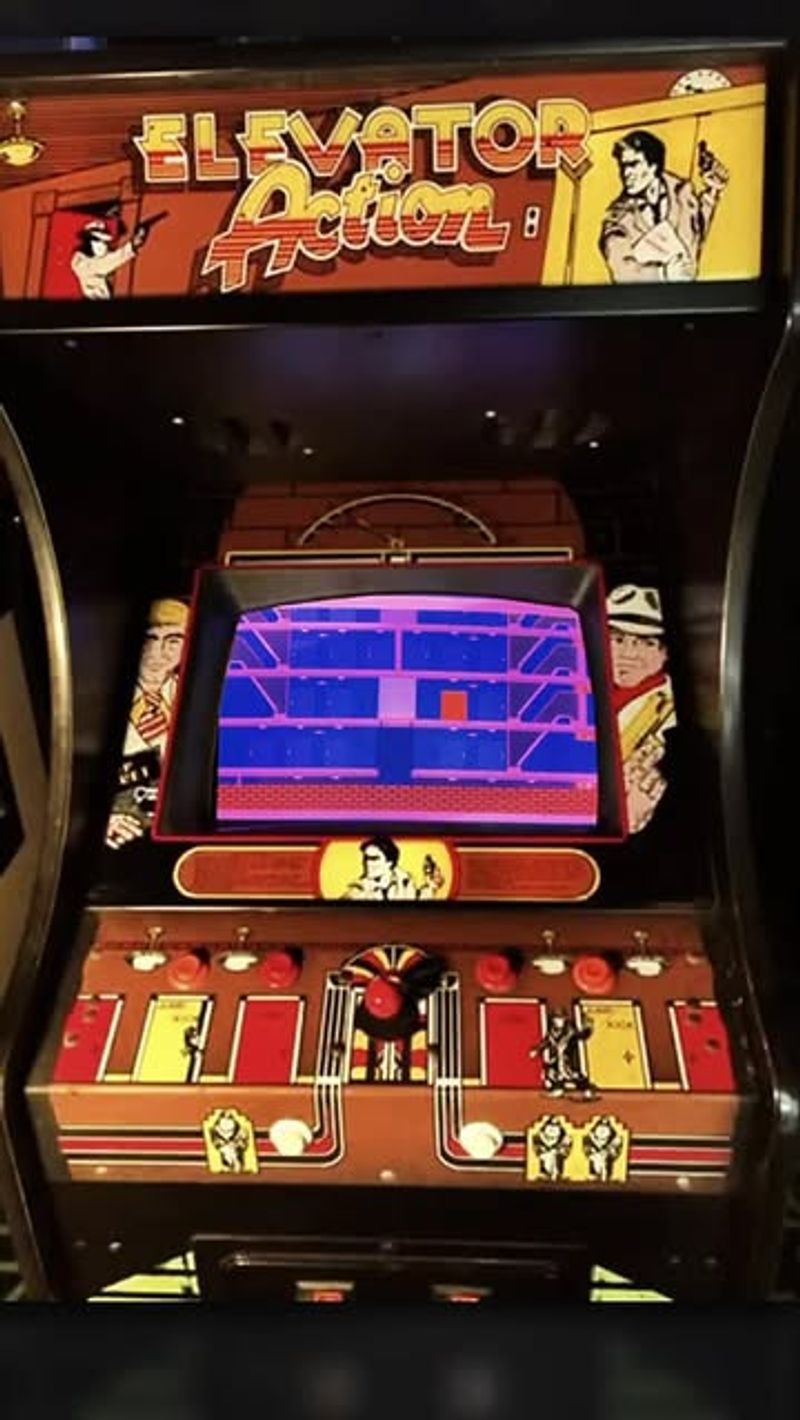
Picture a lone secret agent dropping into a skyscraper, riding elevators, and kicking bad guys through doors. That was Elevator Action in a nutshell, and it was wildly fun.
Players collected red doors hiding secret documents while dodging enemy agents lurking around every floor. The elevators were the real mechanic here, creating a puzzle-like flow that felt different from most shooters of the era.
Taito released this gem in 1983, and it deserved far more lasting fame than it received.
3. Centipede (1980)
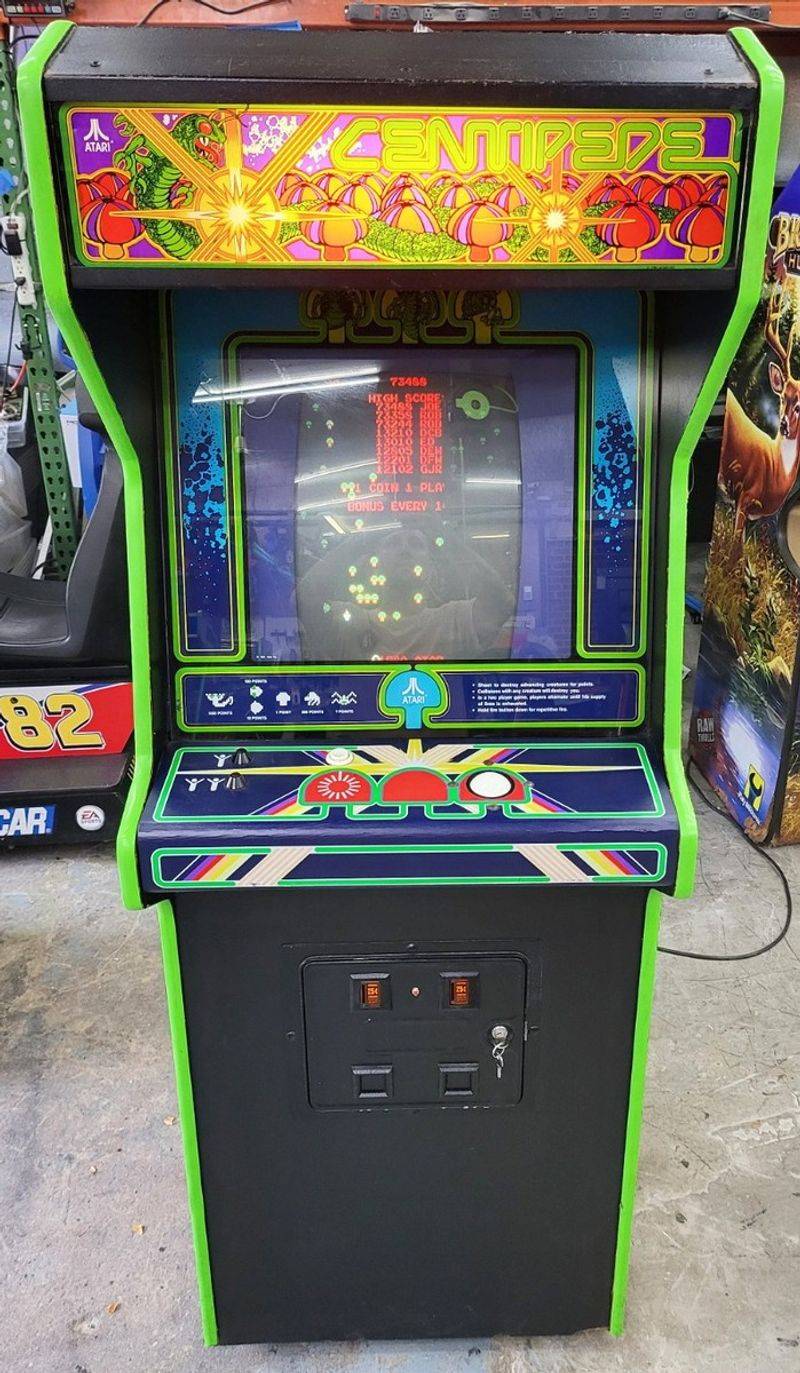
Few things tested your hand-eye coordination quite like watching a giant centipede wind its way through a mushroom field straight toward you. Centipede by Atari was a trackball-based shooter that felt completely unlike anything else on the arcade floor.
You blasted segment by segment while fleas, spiders, and scorpions joined the chaos. The trackball controller gave it a uniquely satisfying feel.
Though many remember the Atari 2600 version, the original arcade cabinet was a whole different, more intense experience.
4. 1942 (1984)
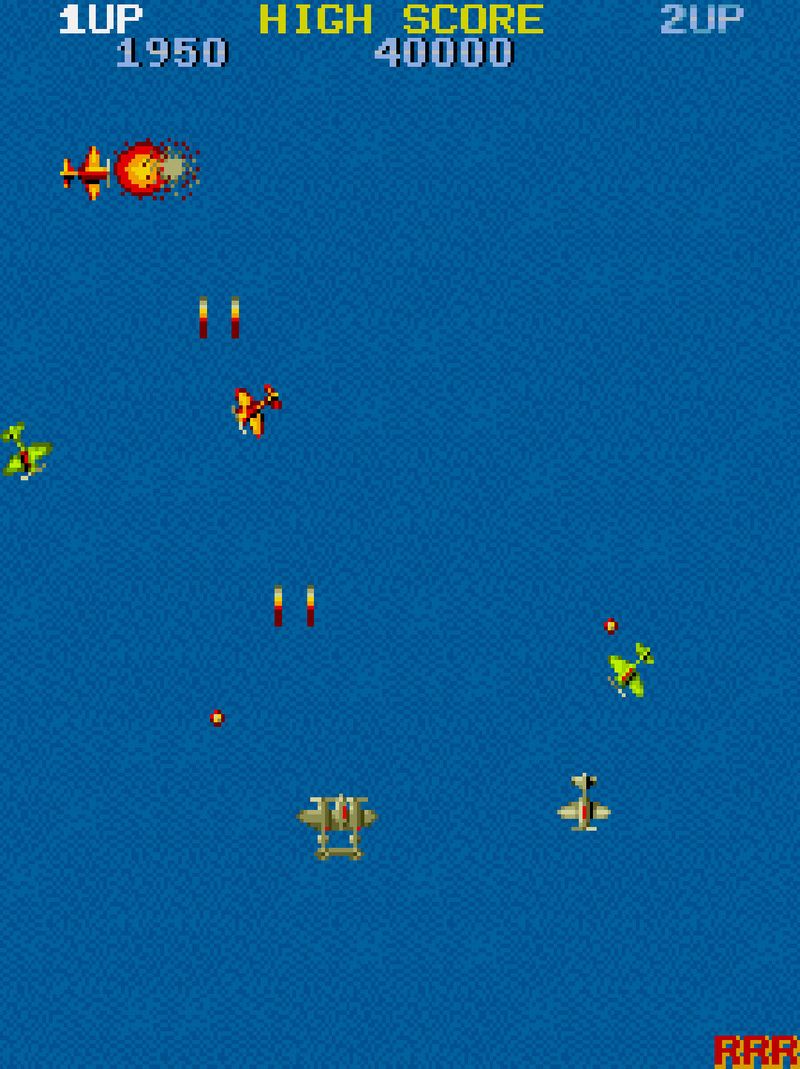
Capcom dropped a vertical scrolling shooter in 1984 that sent players into the skies of World War II with guns blazing and nerves of steel. Flying a P-38 Lightning over the Pacific, you faced relentless waves of enemy planes that tested your reflexes hard.
The barrel roll move was a lifesaver, spinning you out of enemy fire at just the right moment. 1942 spawned a whole series, but the original arcade version had a raw intensity that fans of the sequels sometimes overlook entirely.
5. Star Castle (1980)
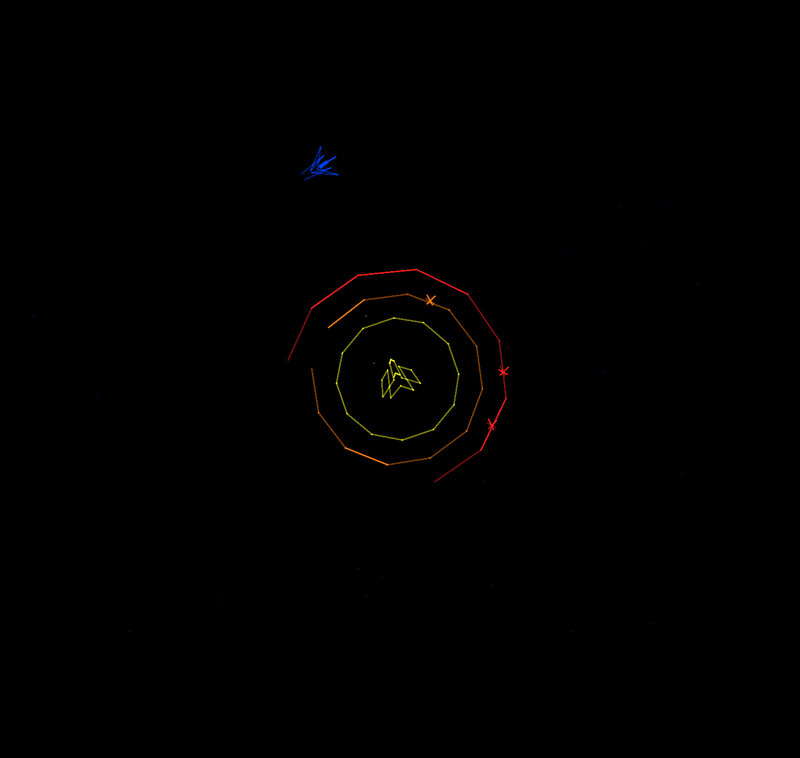
Star Castle looked like something out of a geometry textbook, but playing it felt like defusing a spinning, laser-shooting bomb. Released by Cinematronics in 1980, this vector graphics shooter challenged players to break through three rotating shield rings to destroy the cannon inside.
The cannon fired back, and the rings repaired themselves, keeping you constantly moving. It rewarded patience and precision over button-mashing.
The glowing vector art gave it an eerie, almost hypnotic look that stood out on any arcade floor.
6. Dig Dug (1982)
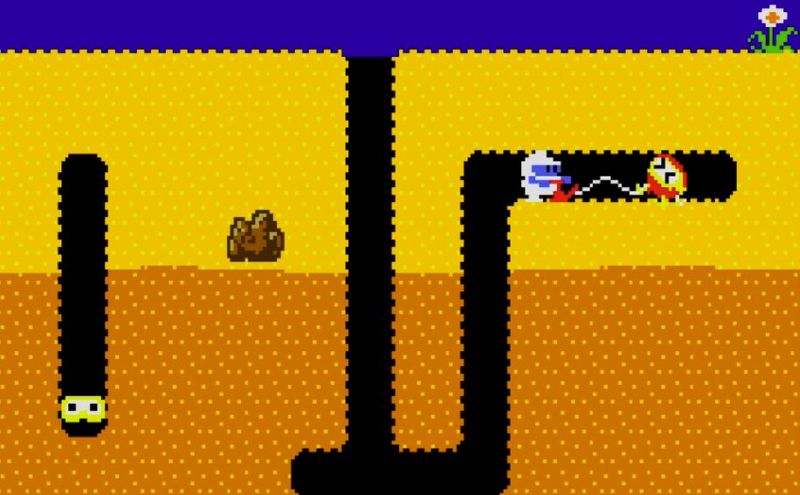
There was something deeply satisfying about pumping enemies full of air until they popped. Dig Dug gave players a pump-wielding hero who dug tunnels underground, inflating Pookas and Fygars until they exploded in a shower of points.
Namco built a surprisingly strategic game beneath that goofy surface. Dropping rocks on enemies earned bonus points, and smart tunnel routing could trap multiple foes at once.
Many fans remember the name but forget just how clever and replayable this underground adventure truly was.
7. Zaxxon (1982)
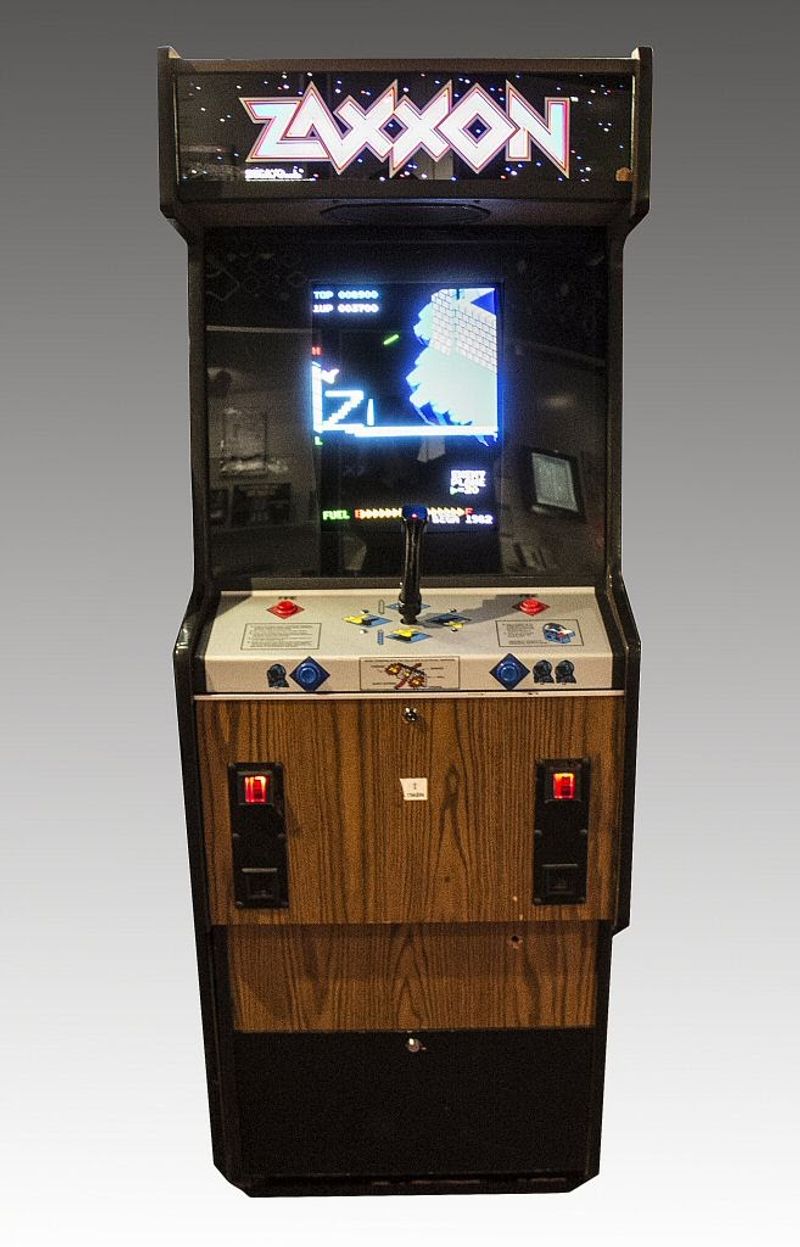
Zaxxon was unlike anything arcade-goers had seen before. Sega introduced a diagonal, isometric perspective that made your spacecraft feel like it was truly flying over fortresses and dodging walls in three-dimensional space.
You had to watch your altitude carefully, since flying too high or too low meant instant destruction. The shadow beneath your ship was your only guide to how high you were flying.
That single mechanic made Zaxxon feel genuinely innovative, and plenty of players still remember staring at the cabinet in pure amazement.
8. Robotron: 2084 (1982)
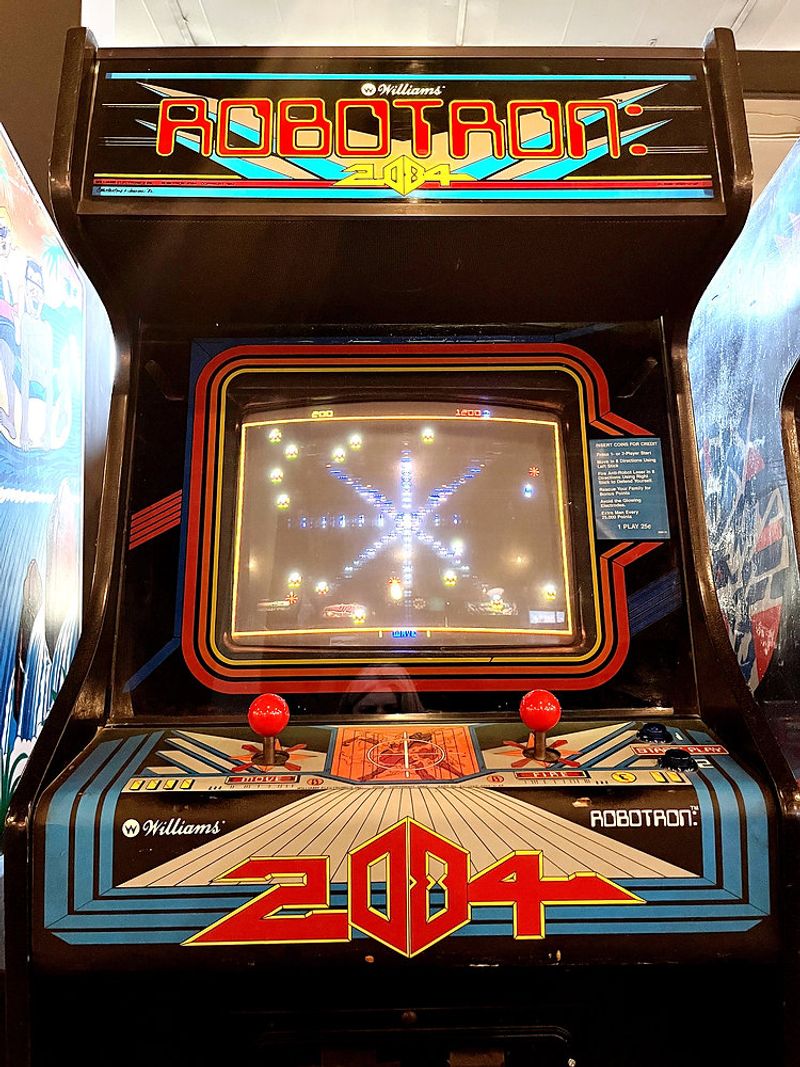
Two joysticks, one for moving and one for shooting in any direction at once. That was the brilliance of Robotron: 2084, and it created some of the most intense, sweat-inducing moments in arcade history.
Williams Electronics built a game about a lone human fighting to save the last surviving family from endless robot armies. The screen filled with enemies so fast that survival felt almost impossible.
Robotron basically invented the twin-stick shooter genre, influencing countless games that came decades later.
9. Joust (1982)
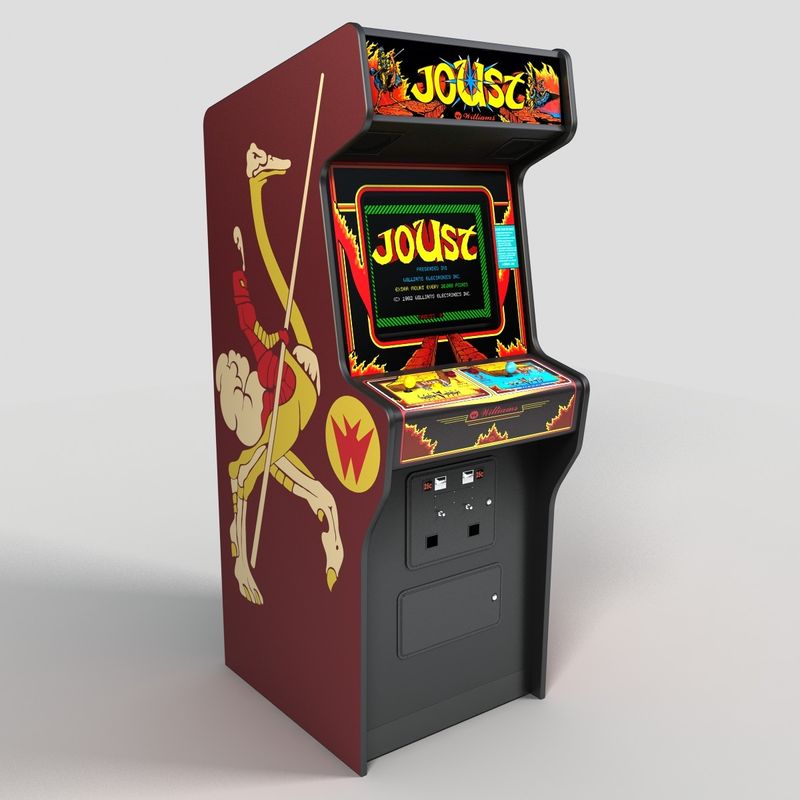
Knights riding giant ostriches jousting against buzzard-mounted enemies over pools of lava. Yes, that was a real arcade game, and it was absolutely brilliant.
Williams Electronics released Joust in 1982, and it became a co-op favorite for pairs of friends.
The flapping mechanic for flight was oddly intuitive, and landing your lance higher than your opponent determined who survived. Joust had a quirky charm that made it wildly replayable.
Many fans have completely forgotten just how creative and fun this feathered fighter really was.
10. Moon Patrol (1982)
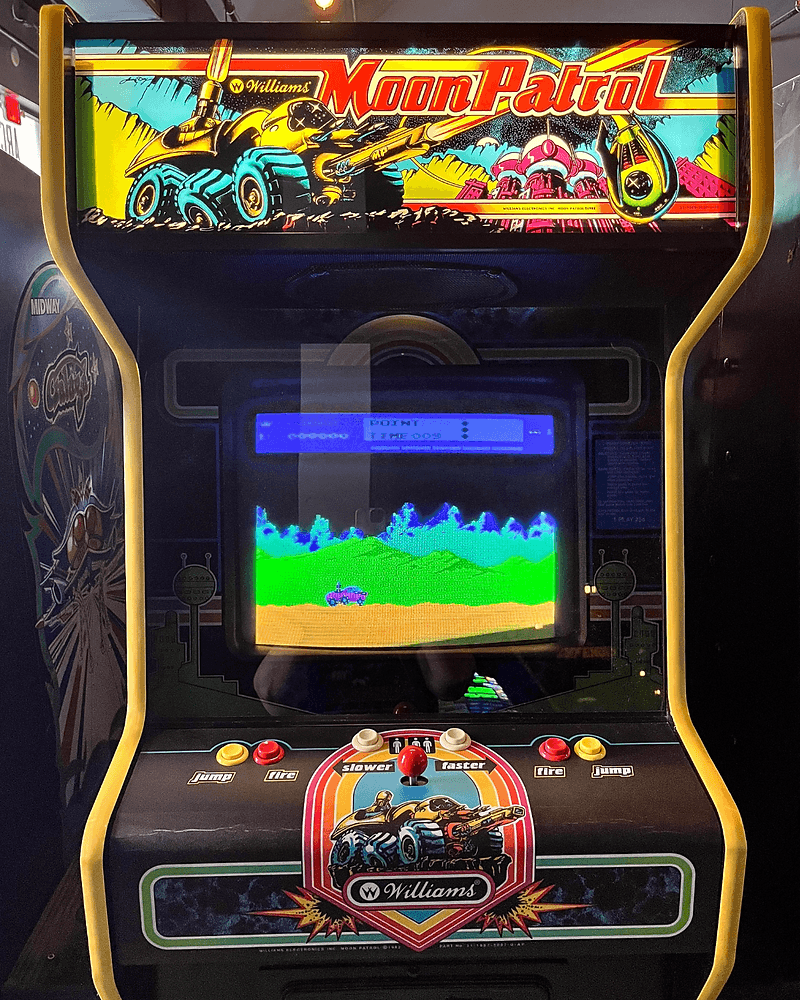
Cruising across the moon in a six-wheeled buggy while blasting UFOs above and dodging craters below sounds like an action movie plot. Irem made it an arcade reality with Moon Patrol in 1982.
What made it special was the parallax scrolling background, one of the first games to use it, giving the moonscape a genuine sense of depth. Players could shoot both forward and upward simultaneously.
Moon Patrol was technically impressive for its time and deserves way more credit in gaming history conversations.
11. Pengo (1982)
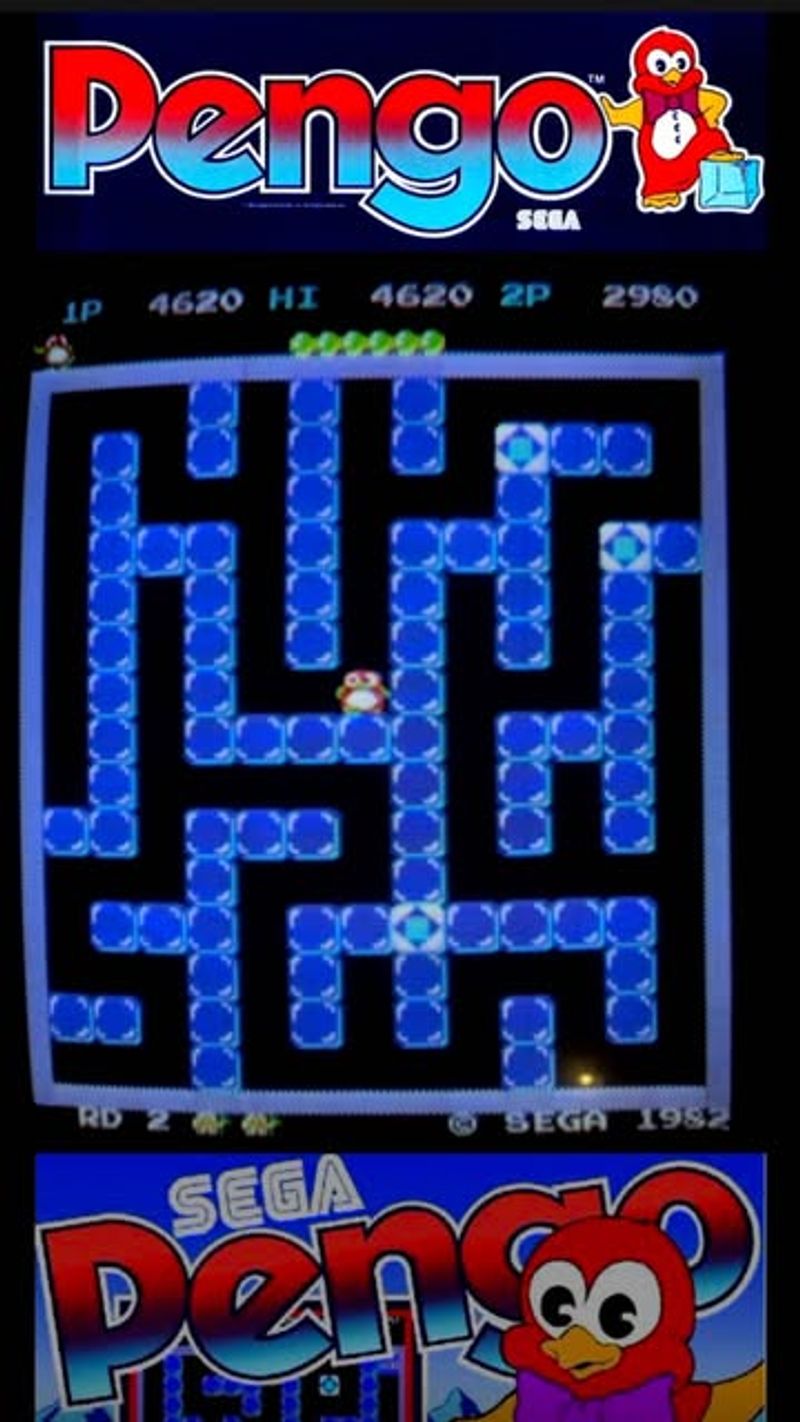
A tiny penguin pushing massive ice blocks around a maze to squash bug-like creatures called Sno-Bees. Sega created Pengo in 1982, and it was one of the most charming, underrated maze games of the entire decade.
Lining up three diamond blocks in a row triggered a bonus and stunned all enemies onscreen, rewarding players who thought ahead. The upbeat music and colorful visuals made it feel cheerful even when things got hectic.
Pengo deserves a spot in every retro gaming conversation but rarely gets one.
12. Spy Hunter (1983)
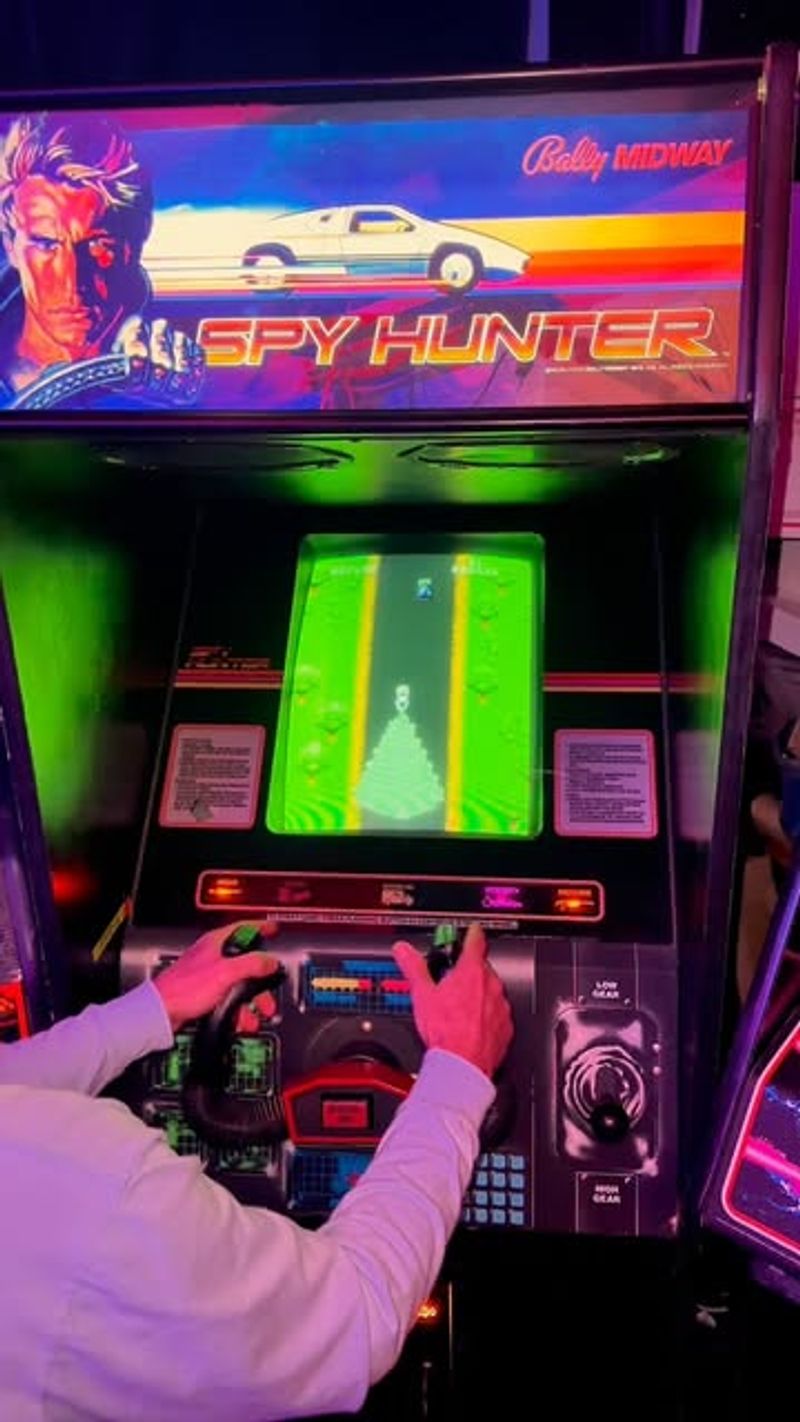
Imagine driving a weapons-loaded spy car down a highway while enemy vehicles tried to run you off the road. Midway’s Spy Hunter in 1983 made players feel like secret agents straight out of a James Bond film.
Your car could pick up weapons from a special truck that appeared on the road, adding oil slicks and smoke screens to your arsenal. The Peter Gunn theme music blaring from the cabinet sealed the deal.
Spy Hunter was genuinely cool and wildly underappreciated today.
13. Burger Time (1982)
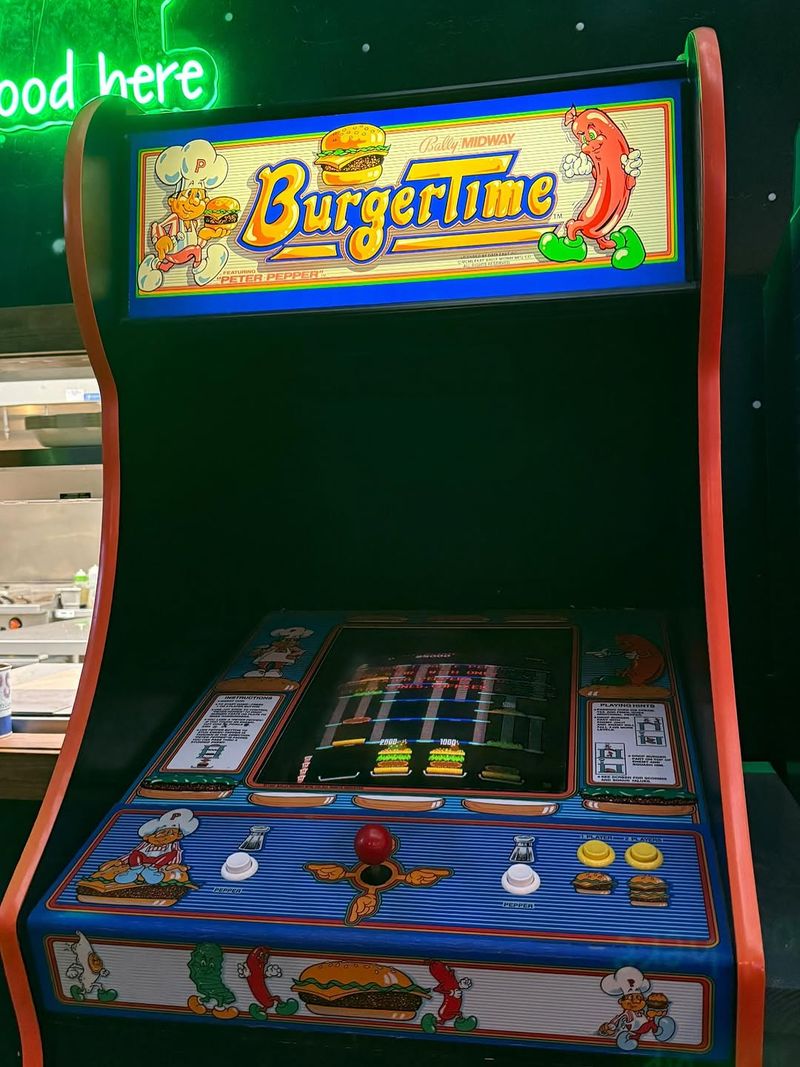
Chef Peter Pepper had one job: build giant burgers by walking across the ingredients to drop them onto the plate below. Burger Time by Data East was a wonderfully weird maze game that nobody expected to love as much as they did.
Eggs, hot dogs, and pickles chased you relentlessly, and your only defense was a limited supply of pepper spray. Timing your drops to squash multiple enemies at once was deeply satisfying.
The whole concept was so absurd that it worked perfectly.
14. Scramble (1981)
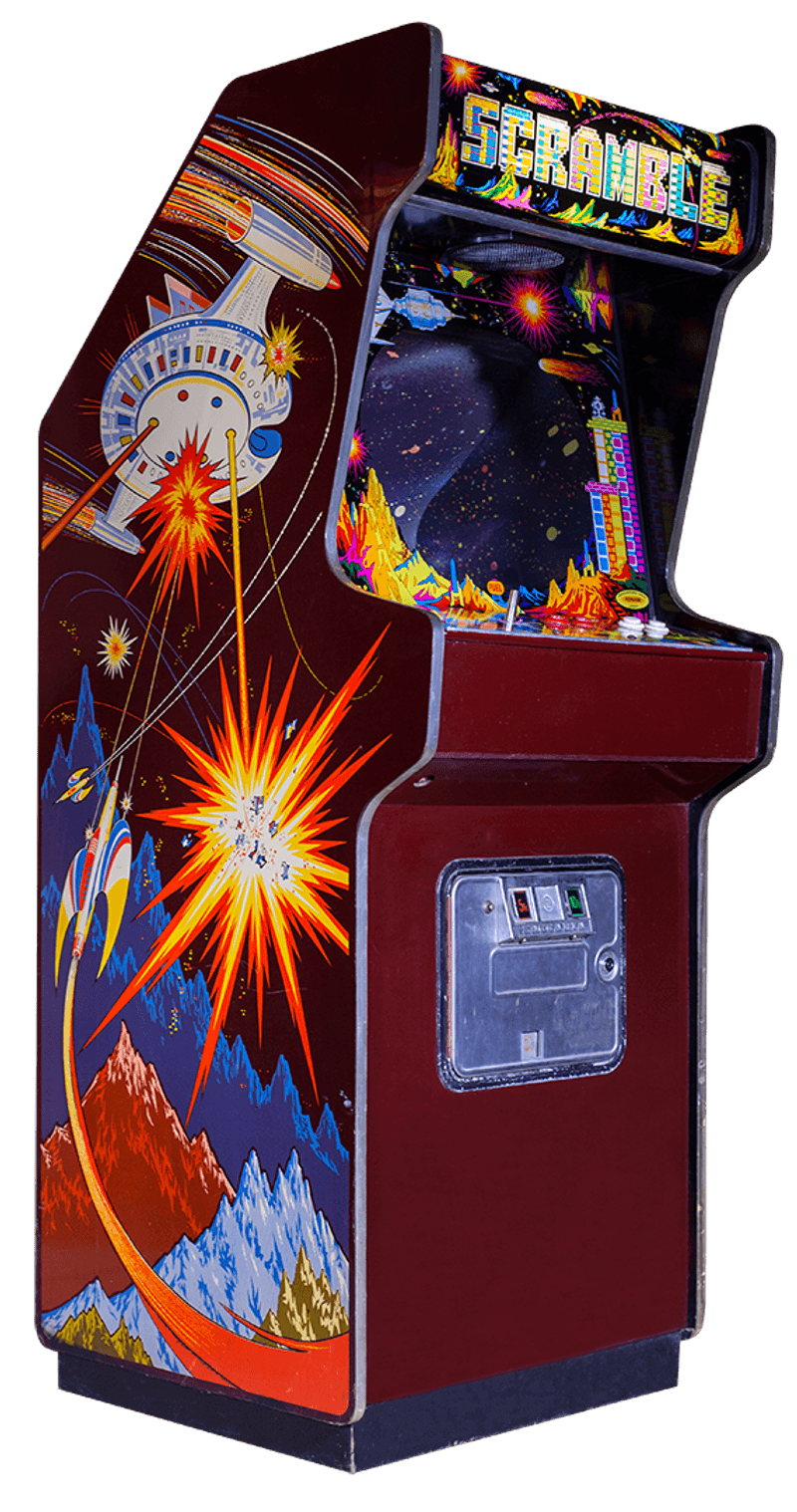
Scramble by Konami holds a special place in gaming history as one of the very first side-scrolling shooters ever made. Released in 1981, it challenged players to guide a spacecraft through multiple distinct stages, each with its own terrain and enemy layout.
You had to manage fuel by bombing enemy fuel tanks along the way, or your ship simply stopped flying. That fuel mechanic added real stakes to every run.
Scramble quietly invented conventions that shooter games still use today, making it one of the most historically important forgotten classics.
15. Gyruss (1983)
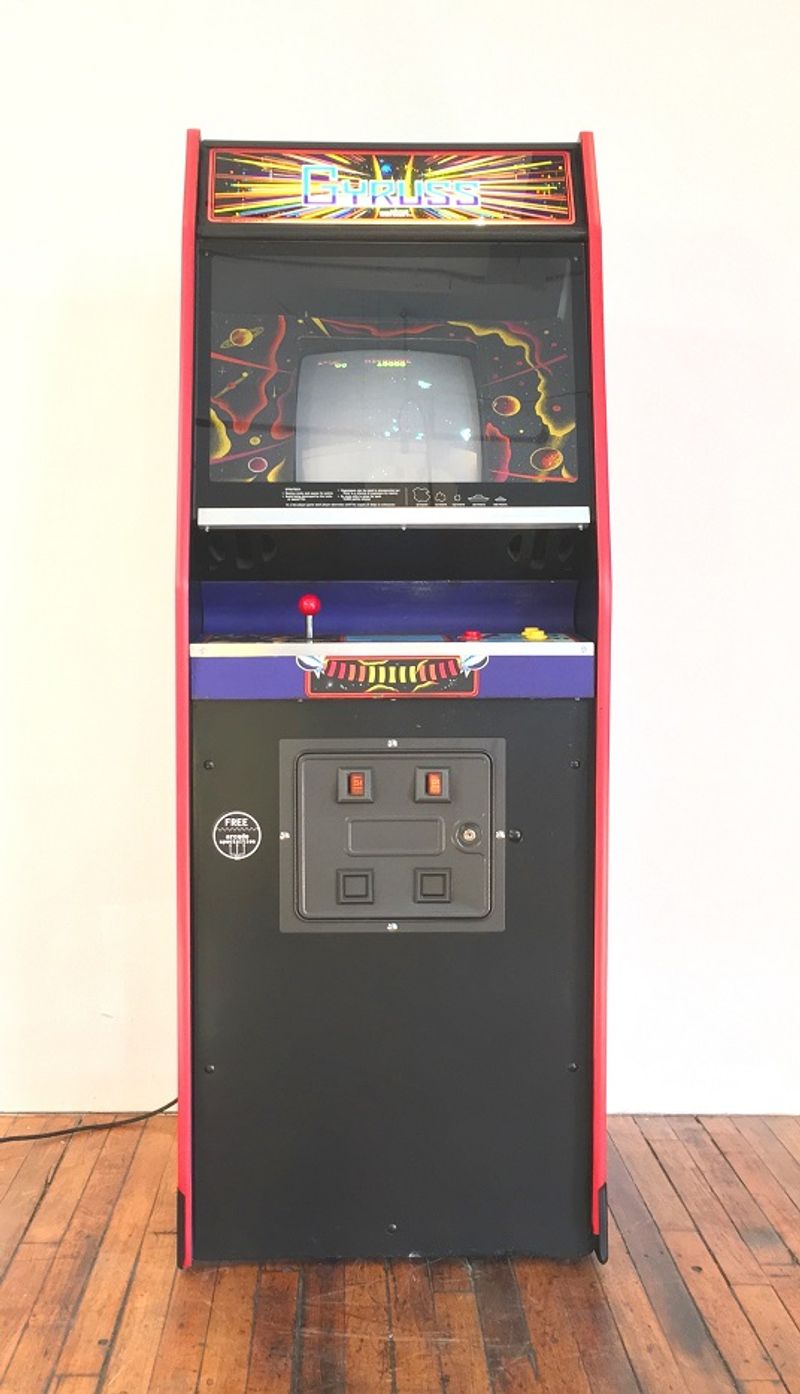
Gyruss spun the tube shooter concept into something mesmerizing. Konami released it in 1983, and players piloted a ship that orbited the center of the screen, shooting enemies that poured inward from the middle in hypnotic waves.
The Bach-inspired electronic soundtrack was genuinely impressive for the era and gave the game an epic, almost orchestral feel. You traveled from planet to planet across the solar system, which gave the game a surprising sense of journey.
Gyruss was stylish, musical, and far too forgotten.
16. Battlezone (1980)
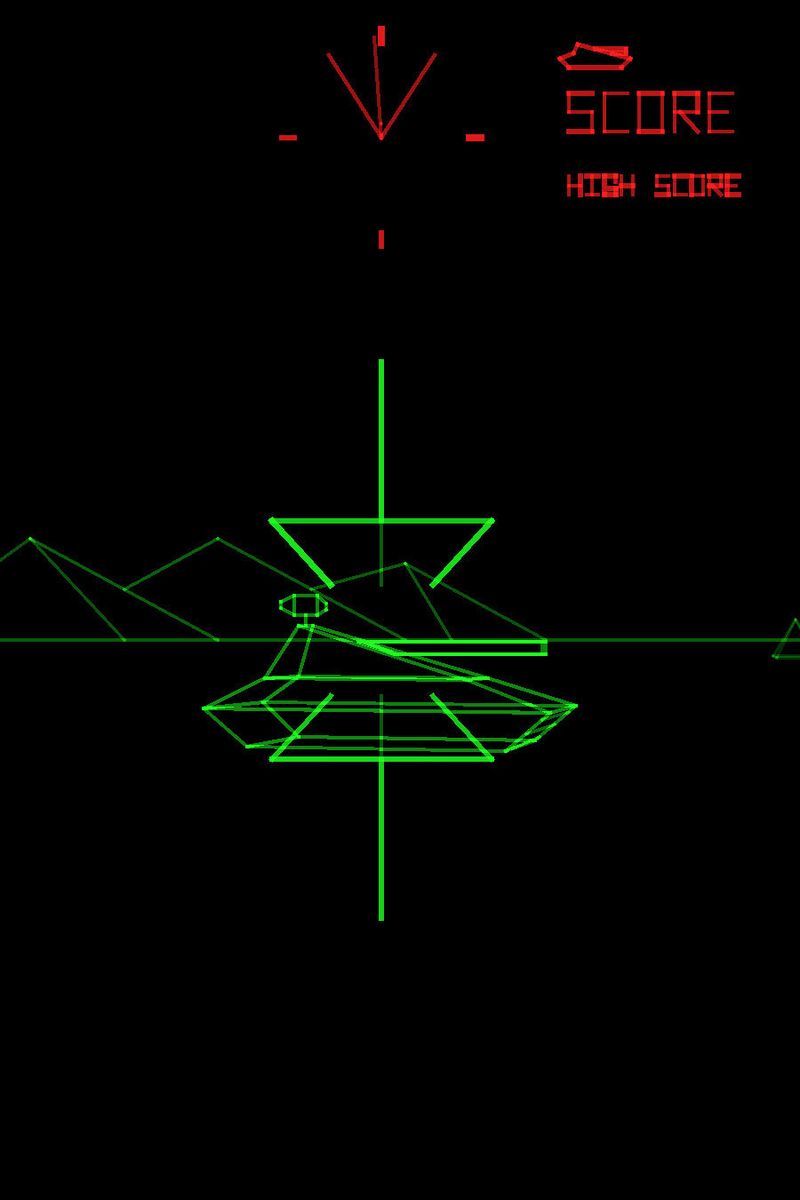
Battlezone put players inside the cockpit of a tank using a periscope-style viewer that blocked out the rest of the arcade, making it feel shockingly immersive for 1980. Atari created a first-person tank combat experience built entirely from glowing green vector graphics.
Enemy tanks and UFOs appeared on the horizon, and you had to rotate and fire before they destroyed you. The U.S.
Army was reportedly so impressed that they commissioned a modified training version. That alone makes Battlezone one of the most fascinating forgotten classics in arcade history.
17. Sinistar (1982)
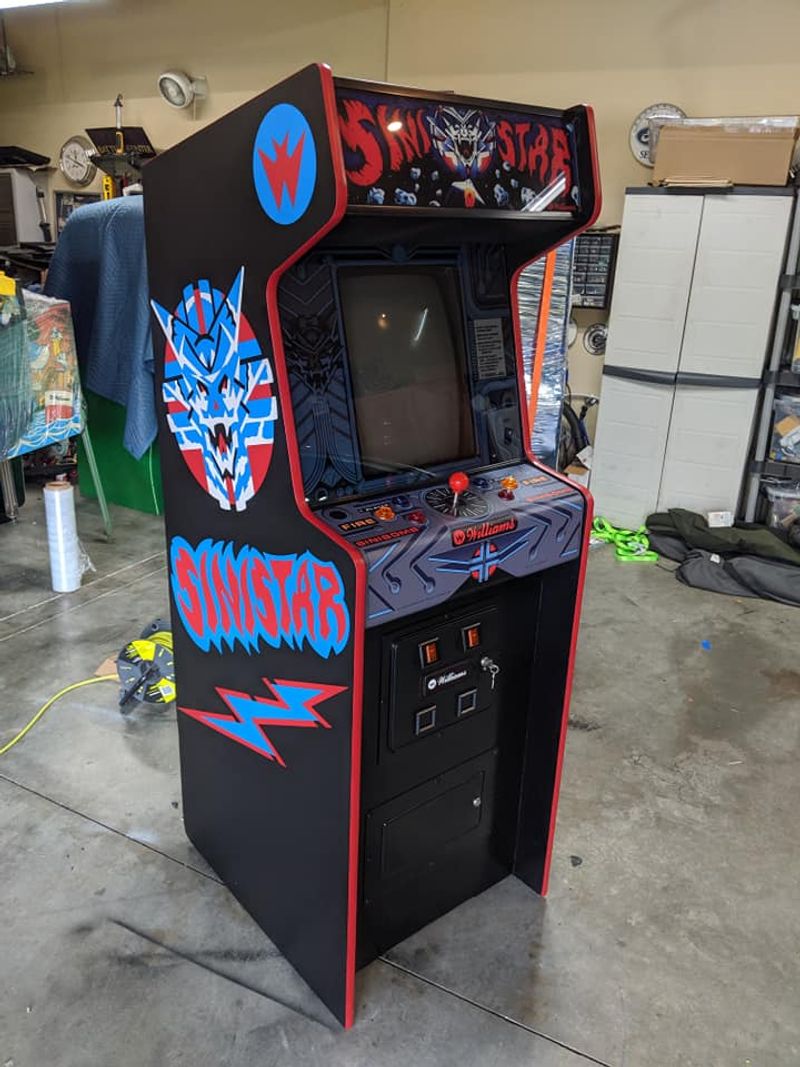
“Beware, I live!” Few arcade games ever scared players quite like Sinistar. Williams Electronics built a game in 1982 where a massive, snarling skull-creature assembled itself piece by piece while you frantically mined asteroids for bombs to destroy it.
The voice synthesis was terrifying for the era, and Sinistar’s taunts made the stakes feel genuinely personal. The pressure of building bombs while dodging enemies before the monster completed itself created pure, unrelenting tension.
Sinistar was a masterpiece of atmosphere that most modern gamers have never even heard of.