
Back in the 1970s, life looked very different from what we know today. People smoked in hospitals, kids rode without seatbelts, and nobody thought twice about it.
Many everyday habits that seemed totally normal back then are now banned by law. It’s wild to look back and realize just how much the rules have changed to keep people safer and healthier.
1. Smoking Indoors in Public Places

Walk into any restaurant, office, or airport in the 1970s, and you’d likely get a lungful of cigarette smoke before you even sat down. Ashtrays were placed on every table like salt shakers, and nobody batted an eye.
Smoking was simply part of daily life in shared spaces.
Secondhand smoke dangers weren’t widely known or taken seriously yet. Scientists and health groups were still building the case against it.
Today, smoking indoors in public spaces is banned in most U.S. states and countries worldwide, protecting millions from the serious health risks of breathing in other people’s smoke.
2. Riding in Cars Without Seatbelts
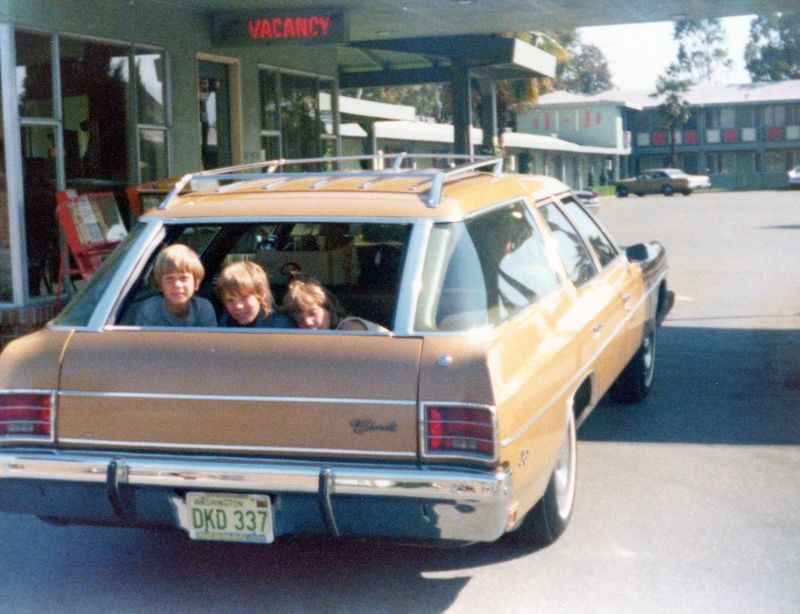
Kids standing in the back of a station wagon, babies bouncing on laps, teenagers sprawled across back seats with no restraint at all – this was a totally normal road trip scene in the 1970s. Seatbelts existed in cars, but wearing them was completely optional.
New York became the first U.S. state to require seatbelt use in 1984, years after most 70s families had already spent a decade buckling nothing. Today, seatbelt laws are strict across the country, and child safety seats are required by law for young children.
The change has saved hundreds of thousands of lives.
3. Hitchhiking on Public Roads
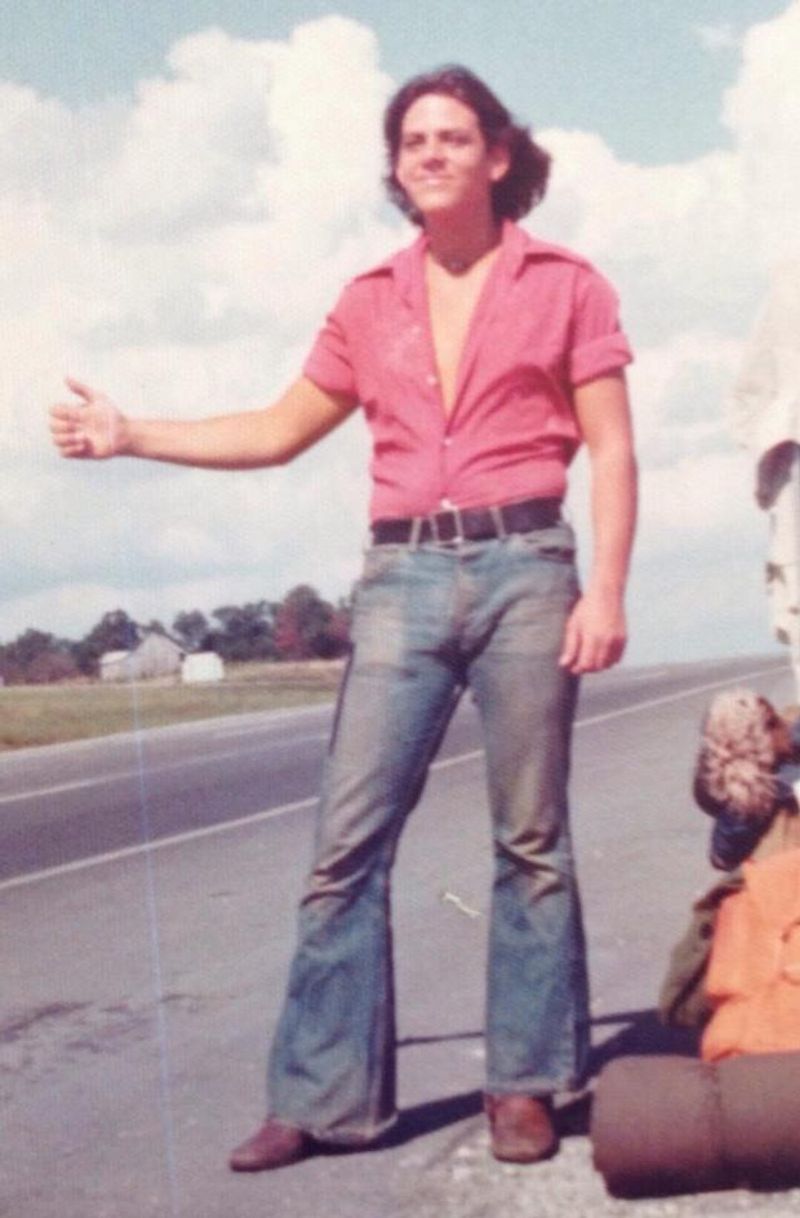
Sticking your thumb out on the side of the road was practically a rite of passage in the 1970s. College students, backpackers, and everyday people caught rides with total strangers without much worry.
It was seen as adventurous, affordable, and perfectly reasonable.
Over time, high-profile crimes connected to hitchhiking changed public perception dramatically. Today, hitchhiking is outright illegal in many U.S. states and heavily restricted in others.
Accepting or offering rides on public highways can result in fines or worse. What was once a carefree way to travel has become a legal gray zone most people wisely avoid.
4. Using Lead-Based Paint in Homes

Bright, durable, and easy to apply – lead-based paint was the go-to choice for homes, toys, and furniture throughout much of the 20th century, including the 1970s. Painters and homeowners used it freely without any understanding of the serious health consequences lurking beneath those glossy walls.
Children were especially vulnerable, as they often chewed on painted surfaces or inhaled dust from peeling walls. Lead poisoning causes severe developmental damage in young kids.
The U.S. Consumer Product Safety Commission banned lead paint for residential use in 1978.
Today, disturbing old lead paint in homes even requires following strict federal safety protocols.
5. Corporal Punishment in Public Schools

Getting paddled by a teacher or principal wasn’t considered abuse in the 1970s – it was called discipline. Wooden paddles hung on office walls like trophies, and parents rarely pushed back.
Physical punishment was seen as a firm but fair way to keep students in line.
Research in child psychology eventually revealed that corporal punishment causes emotional harm and doesn’t actually improve behavior long-term. Today, 31 U.S. states have banned the practice in public schools entirely.
Interestingly, it’s still technically legal in some states, though far less common. The cultural shift away from hitting children as discipline has been massive.
6. Drinking and Driving With Few Consequences

Hard to believe, but in the 1970s, driving after a few drinks was largely socially acceptable. Laws against drunk driving existed, but enforcement was loose, penalties were mild, and many people genuinely didn’t view it as a serious danger.
Friends might joke about it rather than take the keys.
Advocacy groups like MADD – Mothers Against Drunk Driving – were founded in 1980 after tragedies forced the public to confront the deadly reality. Stricter laws, sobriety checkpoints, and harsh penalties followed throughout the 80s and 90s.
Today, a DUI can mean jail time, license suspension, and thousands of dollars in fines.
7. Using Asbestos in Building Construction

Asbestos was practically a miracle material in the eyes of 1970s builders. It was cheap, fireproof, and incredibly durable, making it a favorite for insulation, floor tiles, ceiling panels, and pipe wrapping.
Entire schools and office buildings were packed with the stuff from top to bottom.
The deadly truth – that inhaling asbestos fibers causes mesothelioma and lung cancer – took decades to become mainstream knowledge. By the 1980s, the EPA began regulating its use heavily.
Today, asbestos is banned in over 55 countries. In the U.S., removing it from old buildings requires licensed professionals wearing full protective gear.
It remains one of history’s most dangerous building materials.
8. Advertising Cigarettes Directly to Kids
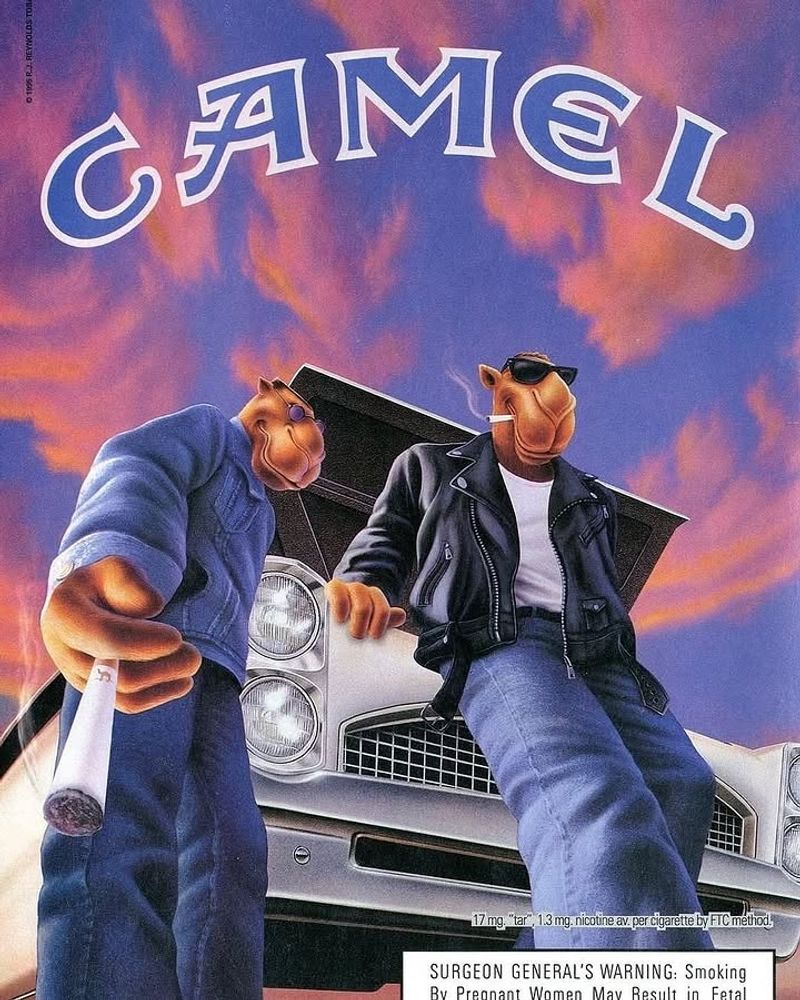
Cartoon characters, bright colors, and playful slogans were once tools of the tobacco industry, aimed squarely at getting younger audiences hooked early. In the 1970s, cigarette brands ran ads in comic books and used mascots that children recognized and loved.
It sounds outrageous now, but it was completely legal.
The Joe Camel campaign of the late 80s became a famous example of this tactic and eventually triggered a federal crackdown. Today, marketing tobacco products to minors is heavily banned under federal law and international agreements.
Tobacco companies now face strict advertising restrictions designed to keep their products away from young eyes entirely.
9. Owning Exotic Pets Without Any Permits

Boa constrictors in the living room, macaws perched on the couch, and even small primates dressed up like babies – exotic pet ownership in the 1970s was surprisingly mainstream. Pet shops sold all kinds of wild animals, and buyers needed no permits, no inspections, and no training whatsoever.
As wildlife populations declined and dangerous incidents increased, state and federal laws tightened significantly. The Lacey Act and later the Captive Wildlife Safety Act put firm limits on what animals Americans could legally own.
Today, most exotic animals require permits, and many species are outright banned as pets. Back then, owning a monkey was about as complicated as buying a goldfish.
10. Selling Raw Unpasteurized Milk Freely

Raw milk fans in the 1970s could walk into a local farm or store and buy unpasteurized milk without any legal hurdles. Many people preferred it, believing it tasted richer and contained more nutrients than the processed stuff lining grocery store shelves.
Farmers sold it openly and proudly.
Then came the outbreaks. Salmonella, E. coli, and Listeria infections linked to raw dairy products caused serious illness and even deaths, prompting a major regulatory response.
By 1987, the FDA banned interstate sale of raw milk. Today, laws vary widely by state – some allow it under strict conditions, while others ban retail sales entirely.
The debate over raw milk still simmers today.
11. Letting Kids Roam Freely Without Supervision
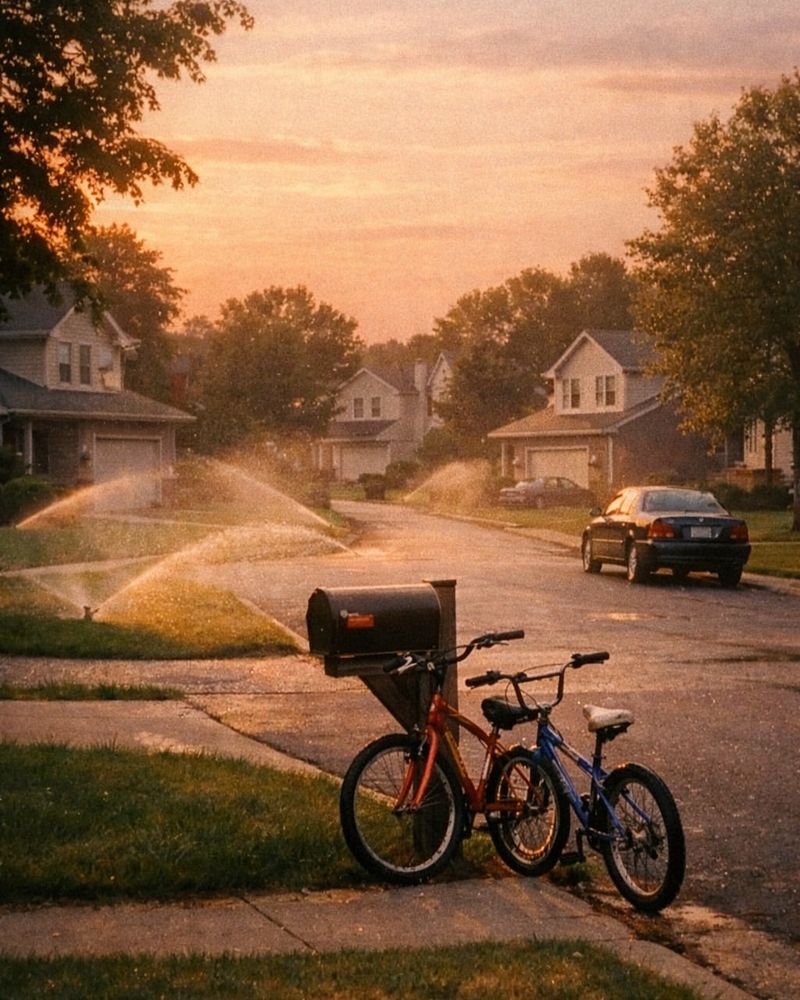
Summer in the 1970s meant leaving the house after breakfast and not coming back until the streetlights flickered on. Kids roamed neighborhoods, explored construction sites, played in drainage ditches, and nobody called the police.
Parents trusted the neighborhood to look after their children collectively.
Today, leaving young children unsupervised in public can result in a visit from child protective services or even criminal neglect charges in some states. A handful of states have passed “free-range parenting” laws to protect parents from prosecution, but the cultural climate has shifted dramatically.
What was once called independence is now sometimes labeled as recklessness by modern legal standards.
12. Dumping Waste Into Rivers and Streams
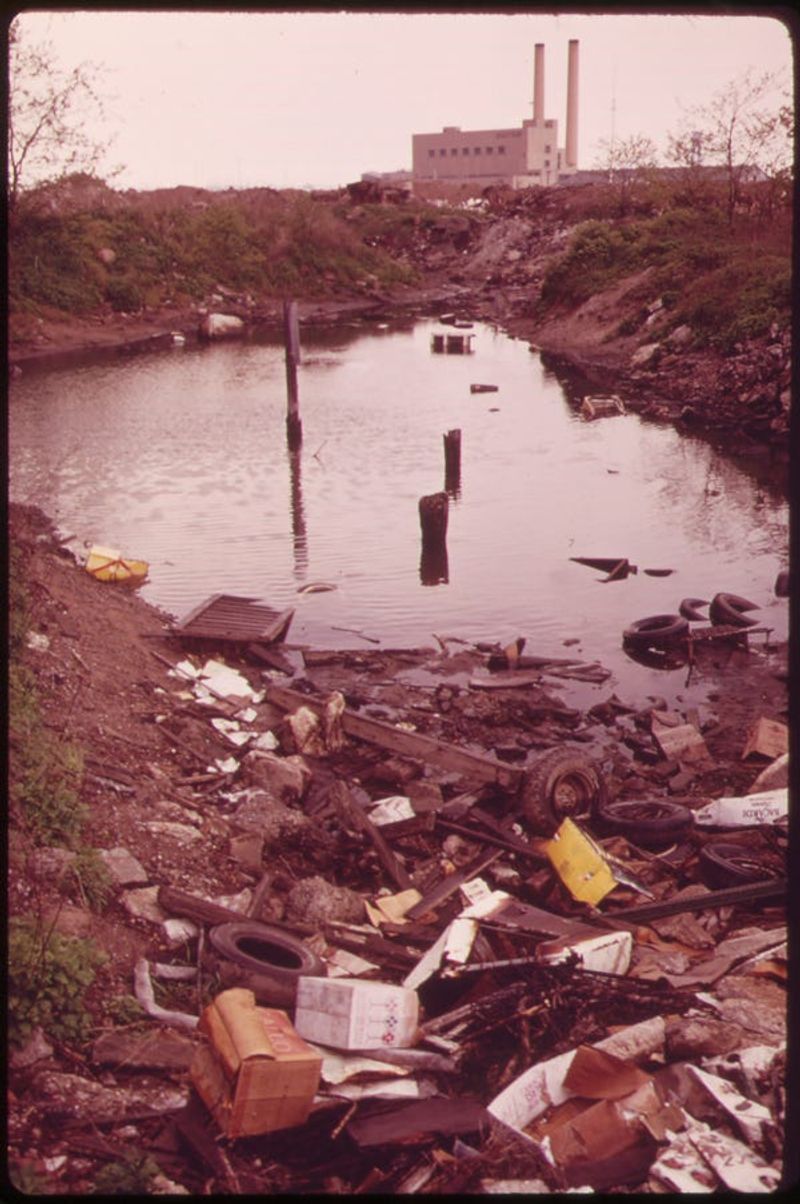
Before environmental protection laws had real teeth, factories and municipalities regularly dumped chemical waste, sewage, and industrial runoff directly into rivers. The Cuyahoga River in Ohio famously caught fire in 1969 because it was so polluted.
Shockingly, this kind of dumping was still common practice well into the 1970s.
The Clean Water Act of 1972 was a landmark response to this environmental crisis, making it illegal to discharge pollutants into U.S. waterways without permits. Violations today carry massive fines and criminal penalties.
The transformation of America’s rivers since then has been remarkable – many waterways once considered dead have slowly returned to life.
13. Giving Kids Medicine With Alcohol or Opioids

Parents in the 1970s reached for teething drops laced with small amounts of opioids or cough syrups containing real alcohol without thinking twice. These products were sold over the counter, marketed for babies and toddlers, and recommended by pediatricians who simply didn’t know better yet.
Research eventually showed these ingredients were not only ineffective for children but potentially dangerous or addictive. The FDA began pulling such products from shelves and issuing stricter guidelines throughout the 1980s and 1990s.
Today, giving a child opioid-containing medication without a prescription is a criminal offense. Many common children’s remedies from the 70s would be outright illegal to sell in today’s pharmacies.
14. Driving Without a Valid Child Safety Seat

Buckling a baby into a rear-facing car seat with a five-point harness? That concept barely existed in the average 1970s household.
Infants rode in arms, toddlers bounced around the back seat, and older kids treated the rear window ledge like a lounge chair. Nobody thought it was dangerous.
Tennessee became the first U.S. state to pass a child passenger safety law in 1978, but it took years before the rest of the country followed. Today, every state requires age- and size-appropriate car seats for children, with fines for violations.
The statistics are clear – proper car seat use reduces infant crash fatality risk by roughly 71 percent.
15. Using DDT as a Common Pesticide
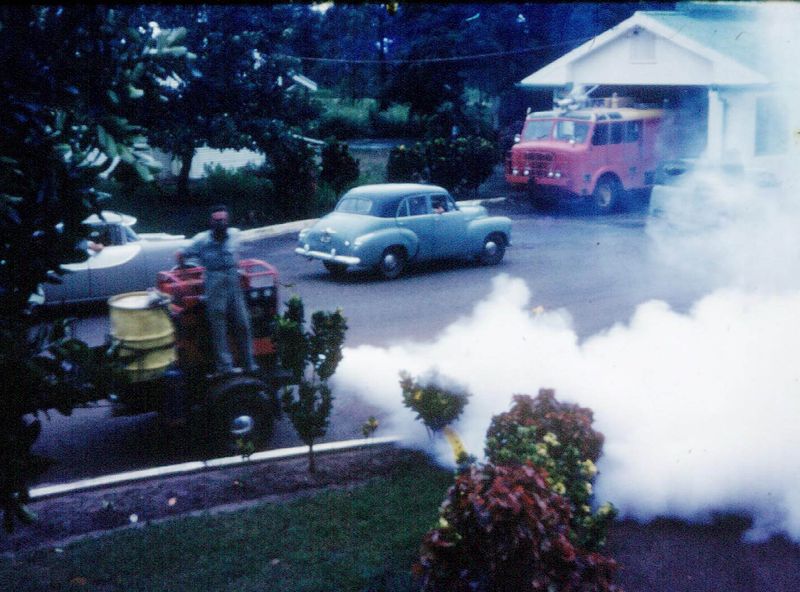
DDT trucks rolling through suburban neighborhoods, misting clouds of pesticide over kids playing in the street – this was a real scene from mid-20th century America that extended into the early 1970s. DDT was celebrated as a wonder chemical, used to kill mosquitoes and agricultural pests with impressive efficiency.
Rachel Carson’s landmark 1962 book “Silent Spring” exposed the devastating effect DDT had on birds, ecosystems, and potentially human health. The U.S. banned most uses of DDT in 1972.
Today, manufacturing or using DDT in the United States is illegal except under extreme emergency conditions. It remains one of the most consequential environmental bans in American history.
16. Performing Workplace Discrimination Openly
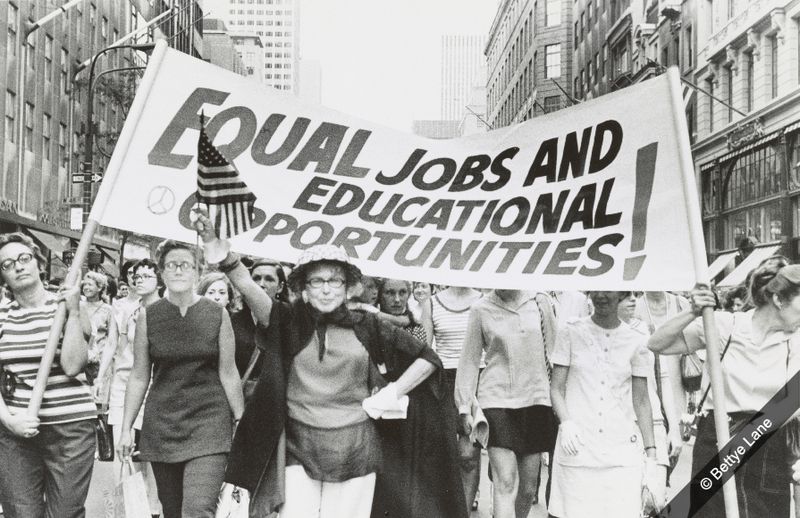
Job listings in the 1970s sometimes openly specified gender or race preferences. Women were regularly passed over for promotions without any legal recourse, and minorities faced systemic barriers that companies didn’t bother to hide.
Discriminatory hiring wasn’t just tolerated in many workplaces – it was policy.
While the Civil Rights Act of 1964 technically prohibited employment discrimination, enforcement was weak and loopholes were wide. Subsequent laws and court rulings throughout the 70s, 80s, and 90s closed many of those gaps.
Today, workplace discrimination based on race, sex, religion, national origin, or disability carries serious legal consequences. The legal landscape around equal employment has transformed almost beyond recognition since then.
17. Wiretapping and Recording Without Consent
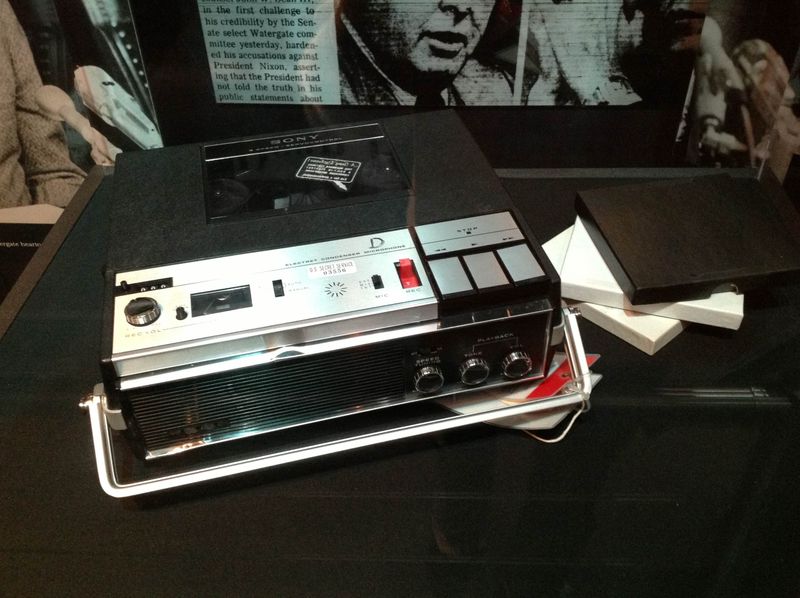
Government agencies and private investigators in the 1970s operated in a murky legal space when it came to recording conversations. The Watergate scandal exposed just how casually officials at the highest levels recorded calls and bugged offices.
Private citizens also recorded phone calls with minimal legal accountability in many states.
The fallout from Watergate helped push stronger privacy protections into law. Today, wiretapping and recording someone without their knowledge or consent is a federal crime under the Electronic Communications Privacy Act.
Many states have even stricter two-party consent laws. What Nixon’s team did routinely would land someone in federal prison today without question.
18. Selling Fireworks With No Age Restrictions
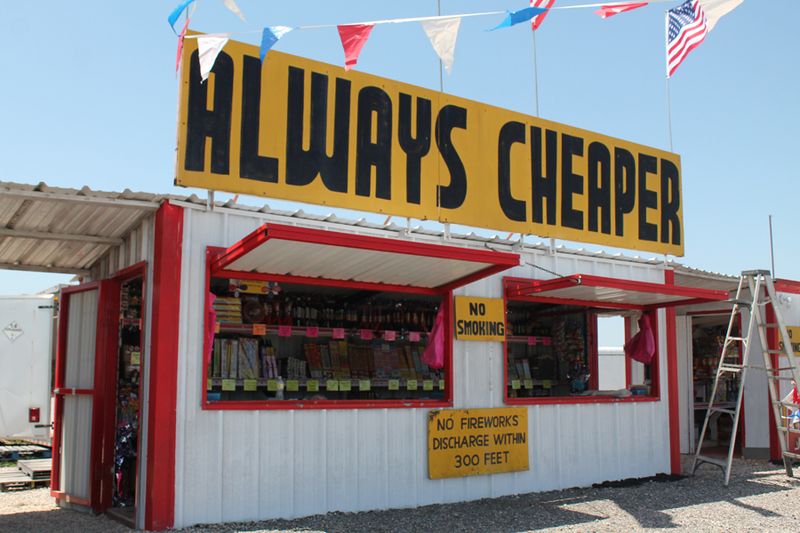
Rolling up to a fireworks stand as a kid in the 1970s and walking away with M-80s, cherry bombs, and bottle rockets was practically a summer tradition. Sellers rarely asked for ID, and parents sometimes sent children to pick up fireworks the same way they’d send them for milk.
Injuries from consumer fireworks – including lost fingers, eye damage, and house fires – prompted states to crack down hard. Today, most states ban the sale of high-powered fireworks to minors, and many restrict or ban certain types entirely for everyone.
Federal regulations also govern what can legally be sold. That carefree 70s fireworks stand now operates under layers of age checks and safety rules.