
Marriage takes work, and sometimes the spark that once burned bright starts to fade without anyone really noticing. When your spouse begins pulling away emotionally, the signs aren’t always obvious at first.
Small changes in behavior can signal bigger problems underneath the surface. Maybe they’re staying late at work more often, or conversations that used to flow easily now feel forced and uncomfortable.
Recognizing these warning signs early gives you a chance to address issues before they become impossible to fix. Understanding what to look for helps you protect your relationship and decide whether it’s time for an honest conversation.
The behaviors listed here aren’t proof your marriage is over, but they deserve your attention. If several of these patterns sound familiar, it might be time to take action and reconnect with your partner before the distance grows too wide.
1. They Stop Sharing Daily Details
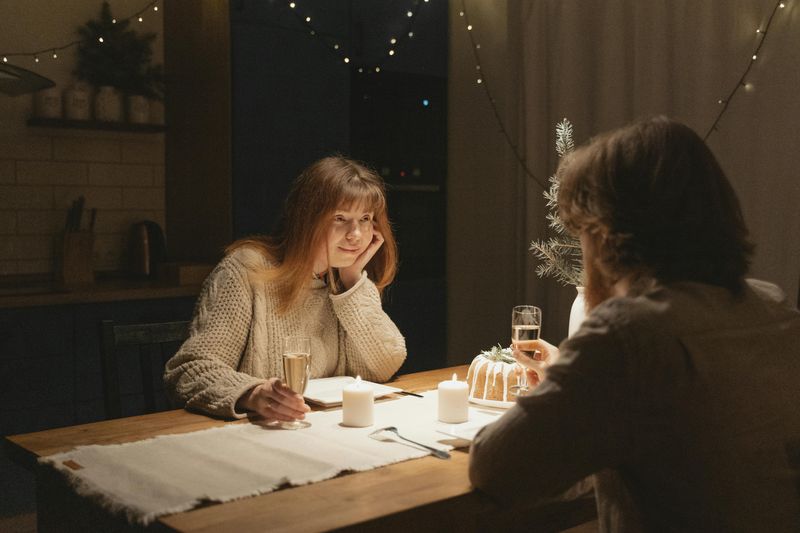
Communication forms the foundation of any strong marriage. When your spouse stops telling you about their day, their thoughts, or their feelings, something has shifted.
They used to share funny stories from work or ask your opinion on decisions, but now conversations feel surface-level and empty.
This withdrawal often happens gradually. You might not notice at first when they stop mentioning their coworker’s drama or forget to tell you about an important meeting.
But over time, you realize you’re living with someone whose inner world has become completely closed off to you.
The silence speaks volumes about emotional distance. When people feel connected to their partners, they naturally want to share experiences and include them in their mental space.
Shutting you out of daily details suggests they’re creating a separate life that doesn’t include you anymore.
Pay attention if your questions get one-word answers or if they seem annoyed when you ask about their day. This behavior shows they’re no longer invested in maintaining the emotional intimacy that keeps marriages strong and healthy.
2. Physical Affection Disappears Completely

Touch connects partners in ways words cannot. Holding hands, quick kisses, hugs when you get home from work—these small gestures maintain physical and emotional bonds.
When your spouse stops initiating any form of physical contact, the relationship loses a vital connection point.
You might find yourself being the only one reaching out anymore. They pull away when you try to hold their hand or offer a perfunctory kiss that feels obligatory rather than genuine.
Even sitting close on the couch becomes something they avoid.
Physical withdrawal often reflects emotional disconnection. People naturally want to touch and be near those they love.
When attraction and affection fade, the desire for physical closeness disappears too. This creates a lonely feeling even when you’re in the same room.
Some couples blame stress or exhaustion, but consistent avoidance of all physical affection signals deeper problems. Intimacy extends beyond the bedroom, and when everyday touches stop happening, your spouse may be emotionally checking out of the marriage one day at a time.
3. They Prioritize Everything Else First
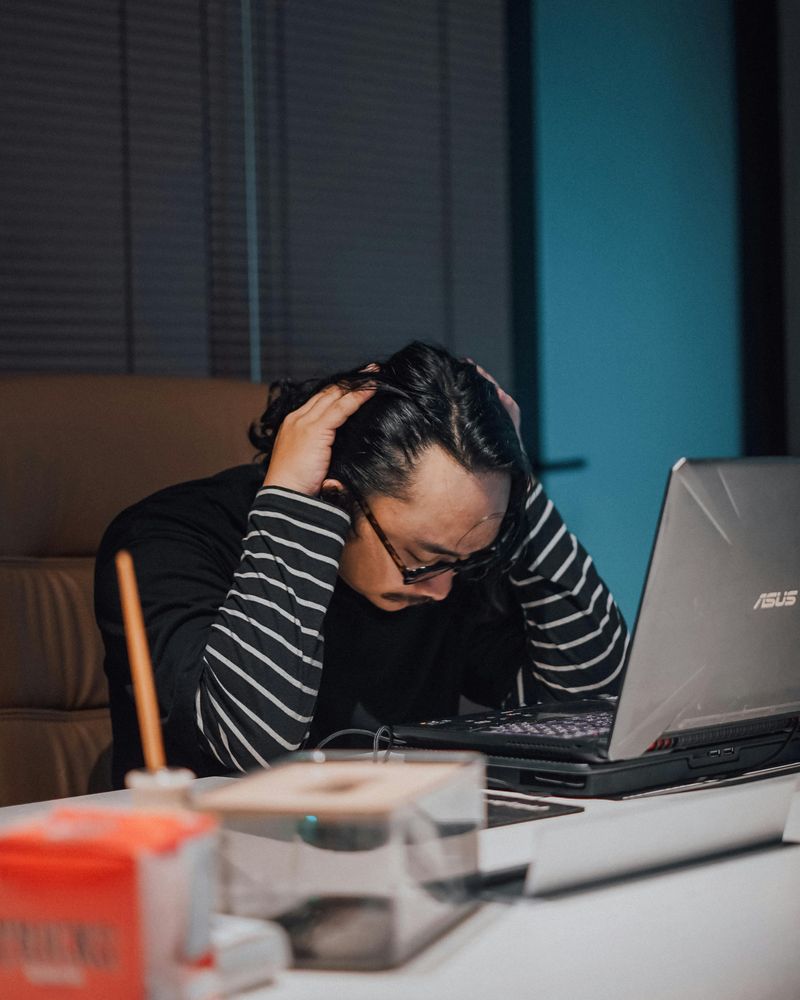
Where someone puts their time reveals what matters most to them. Spouses falling out of love consistently place other activities, people, or responsibilities ahead of their marriage.
Your plans together get cancelled while they make time for friends, hobbies, or extra work projects without hesitation.
This pattern shows up in countless small ways. They accept every overtime shift but can’t find time for date night.
They spend hours on social media but claim they’re too tired to have a real conversation with you. Weekend plans with their friends are non-negotiable, but your requests for quality time get dismissed.
Everyone has legitimate obligations and needs personal interests outside marriage. The difference lies in consistent patterns where you always come last.
When your spouse repeatedly chooses anything over spending time with you, they’re sending a clear message about your importance in their life.
Healthy marriages require intentional effort and dedicated time together. Partners who value their relationship protect that time and make their spouse a priority.
When everything else consistently matters more, love has likely started slipping away.
4. Criticism Replaces Kindness and Support
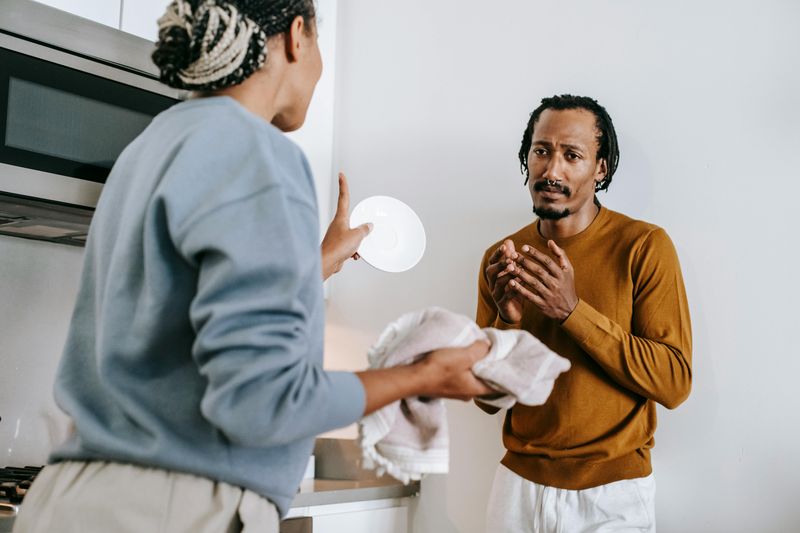
Remember when your spouse used to be your biggest cheerleader? Partners in love offer encouragement and see the best in each other.
When that shifts to constant criticism and nitpicking, the emotional foundation crumbles. Suddenly nothing you do seems right anymore.
They criticize how you load the dishwasher, dress for events, parent the kids, or handle money. Comments that once would have been gentle suggestions now come across as harsh judgments.
The tone carries contempt rather than concern or helpfulness.
This behavior often masks deeper resentment. Instead of addressing real issues directly, they focus on minor faults and everyday mistakes.
The criticism serves as an outlet for frustration about the relationship itself, even if neither person fully recognizes this pattern yet.
Everyone has annoying habits, but loving partners choose patience and acceptance over constant complaints. When your spouse can’t find anything positive to say and picks apart your actions regularly, they’ve lost the fundamental respect that keeps marriages alive and thriving through difficult seasons.
5. Future Plans No Longer Include You

Couples in healthy relationships talk about tomorrow, next month, and years ahead together. They make plans for vacations, discuss retirement dreams, or simply coordinate their schedules.
When your spouse stops including you in future thinking, they may be mentally preparing for a life without you.
Listen carefully to how they phrase things. Do they say “I’m thinking about” instead of “we should consider”?
Do they make major decisions or commitments without consulting you first? These linguistic shifts reveal their mindset more than they probably realize.
You might notice they book trips with friends but haven’t suggested a getaway for just the two of you in years. Career decisions get made without considering how changes affect the family.
Financial planning discussions exclude your input or ignore shared goals you once had together.
This exclusion shows they’re already living separately in their minds. Marriage requires thinking as a team and building a shared future.
When your partner stops seeing you as part of their tomorrow, they’ve emotionally started moving on even if nothing has officially changed yet.
6. They Show Zero Interest in Your Life

Spouses who love each other stay curious about one another’s experiences, feelings, and thoughts. They ask questions, remember important details, and genuinely care about what’s happening in their partner’s world.
When that interest vanishes, emotional connection dies with it.
Your spouse used to ask about your doctor’s appointment, your presentation at work, or how lunch with your sister went. Now they barely acknowledge when you speak.
Important events in your life pass without them noticing or caring enough to inquire about outcomes.
You find yourself feeling invisible in your own marriage. Sharing good news brings no celebration, and struggles receive no sympathy or support.
They’re physically present but emotionally absent, going through motions without actual engagement in your life.
This indifference hurts more than anger or arguments. At least conflict shows some emotional investment.
Complete disinterest signals they’ve mentally checked out and no longer see you as someone worth knowing deeply. The curiosity that once drew you together has been replaced by apathy that slowly kills intimacy.
7. Arguments Become More Frequent and Intense

All couples disagree sometimes, but the nature of conflict reveals relationship health. When small issues suddenly spark major fights, or when arguments happen constantly over trivial matters, underlying problems are surfacing.
Your spouse may be using fights to create distance or justify their fading feelings.
These arguments feel different than normal disagreements. There’s an edge of hostility that wasn’t there before.
They seem eager to pick fights or blow minor issues out of proportion. Resolution becomes impossible because they’re not really fighting about the dishes or the budget.
Alternatively, some people withdraw completely and refuse to engage even in necessary discussions. This avoidance creates its own form of conflict through silence and unresolved tension.
Either extreme—constant fighting or total avoidance—indicates serious disconnection.
Healthy couples can disagree respectfully and work toward solutions together. When every conversation becomes a battle, or when your spouse seems to enjoy hurting you during arguments, love has been replaced by resentment.
The willingness to fight fair and repair after conflict shows whether someone still values the relationship.
8. They Guard Their Phone and Privacy Obsessively

Trust allows transparency in marriage. While everyone deserves some privacy, sudden secrecy around phones, computers, or whereabouts raises legitimate concerns.
When your spouse starts guarding their devices like national secrets, they’re likely hiding something they know would hurt you.
They change passwords without mentioning it, take calls in other rooms, or angle their screen away when you’re nearby. Text messages make them smile but they never share what’s funny anymore.
They’re suddenly working late more often but details about these projects remain vague when you ask questions.
This behavior might indicate emotional or physical affairs, but it always signals broken trust and emotional distance. Even without infidelity, the secretiveness itself damages intimacy.
Partners growing apart create separate lives with information, friendships, and activities they deliberately hide from each other.
Some people argue everyone needs privacy, which is true to an extent. But marriages thrive on openness and vulnerability.
When your spouse treats you like a threat rather than a trusted partner, something fundamental has shifted in how they view your relationship and your right to honesty.
9. Compliments and Appreciation Stop Completely

Feeling valued keeps relationships strong. When people love their partners, they notice efforts and express gratitude.
Compliments flow naturally about appearance, accomplishments, or daily contributions. When appreciation disappears, one partner starts feeling taken for granted and unloved.
You cook dinner every night but never hear a thank you anymore. You dress up hoping they’ll notice, but they walk right past without a glance.
Achievements at work that once made them proud now barely register. The acknowledgment that once fueled your connection has completely dried up.
This lack of appreciation often comes with an attitude that nothing you do is ever quite good enough. They focus on what’s wrong rather than what’s right.
The positive reinforcement that encourages partners to keep trying for each other gets replaced by indifference or criticism.
Expressing gratitude takes minimal effort but makes enormous impact. When your spouse can’t muster even basic appreciation, they’ve stopped seeing you as someone special worth cherishing.
This emotional neglect slowly erodes self-esteem and the desire to maintain a one-sided relationship where effort goes unrecognized.
10. They Actively Avoid Spending Time Alone Together

Quality time together strengthens marital bonds. Couples in love seek opportunities to connect one-on-one, whether through date nights, quiet evenings at home, or simple conversations.
When your spouse consistently finds reasons to avoid being alone with you, they’re protecting themselves from intimacy they no longer want.
Every suggestion for time together gets met with excuses. They’re too tired, too busy, or they invite others along to buffer against private interaction.
They stay up late or go to bed early to minimize time in the same room. Even weekends get filled with separate activities or group events.
This avoidance stems from discomfort with the relationship’s current state. Being alone together forces acknowledgment of problems or requires emotional engagement they’re unwilling to give.
Creating distance feels safer than confronting difficult truths about fading feelings.
Marriages cannot survive without dedicated time for connection. When your partner treats alone time with you as something to escape rather than enjoy, the relationship exists in name only.
Physical proximity without emotional presence leaves you lonelier than being actually alone would feel.