
Parenting often feels like navigating uncharted territory, where the rules constantly shift and what works for one family might flop for another. Yet some of the most effective strategies sound downright odd at first, challenging the traditional advice we grew up hearing.
These unconventional approaches often surprise parents with how well they actually work in real life.
From letting kids argue without jumping in immediately to encouraging a little controlled chaos at home, these unusual rules can transform daily struggles into smoother routines. Many of these ideas flip typical parenting wisdom on its head, yet they create happier kids and less stressed parents.
Ready to explore some surprising techniques that might just change your family dynamic for the better?
1. Let Siblings Solve Their Own Disputes
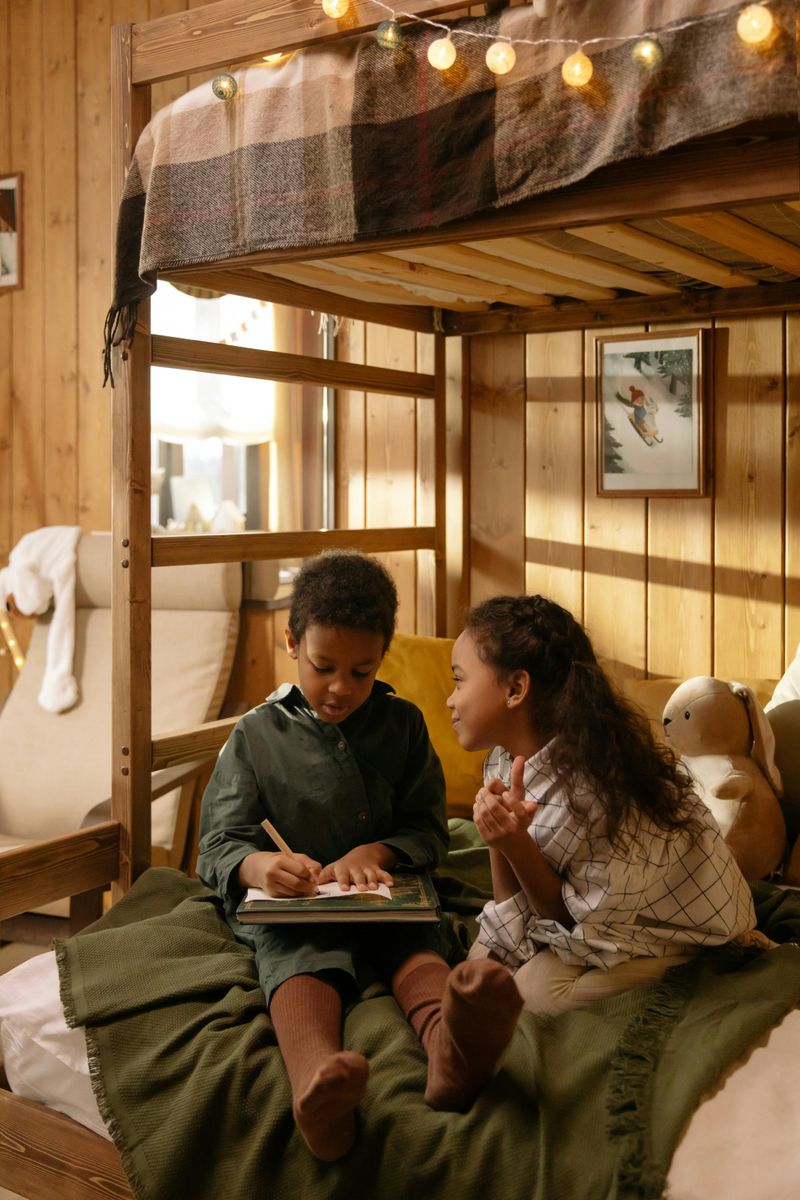
Constant refereeing between fighting siblings drains energy faster than almost any other parenting task. When you step back and allow children to work through their disagreements independently, something remarkable happens.
They develop problem-solving skills and learn negotiation tactics that will serve them throughout their entire lives.
Of course, safety comes first. If things turn physical or truly hurtful, intervention becomes necessary.
But for everyday squabbles over toys, turns, or whose idea was better, staying out of it teaches resilience. Kids discover that conflicts have natural resolutions and that compromise often benefits everyone involved.
This approach also prevents the dreaded pattern where children constantly tattle or seek parental validation for every minor issue. Over time, siblings become more capable of managing their relationships without external mediation.
They learn emotional regulation by experiencing the natural consequences of their actions toward each other.
Parents who embrace this rule report fewer interruptions and more peaceful households overall. The initial period might feel uncomfortable as you resist the urge to jump in, but the long-term payoff is substantial.
Your children gain confidence in their ability to handle interpersonal challenges independently, a skill that extends far beyond childhood into their adult relationships and professional lives.
2. Embrace Boredom as a Learning Tool

Modern parents often feel pressured to keep children constantly entertained with activities, screens, and scheduled events. Boredom, however, serves as a powerful catalyst for creativity and self-directed learning.
When kids complain about having nothing to do, resist the urge to immediately provide a solution or turn on a device.
Unstructured time forces young minds to look inward and generate their own ideas for entertainment. This might lead to building elaborate forts, creating imaginary games, or exploring interests they wouldn’t discover through structured activities.
The discomfort of boredom pushes children to become resourceful and imaginative.
Research supports this counterintuitive approach, showing that children who experience regular periods of boredom develop stronger creative thinking abilities. They learn to tolerate uncomfortable feelings and find constructive ways to fill empty time.
This resilience translates into better coping mechanisms during adolescence and adulthood.
Implementing this rule requires patience as children adjust to entertaining themselves. Initial complaints might escalate before they settle into productive activities.
But parents who stick with it notice their kids becoming more independent and inventive. The state of boredom becomes less frequent as children develop an internal toolkit for generating engagement without external stimulation or constant adult direction.
3. Allow Controlled Mess and Chaos
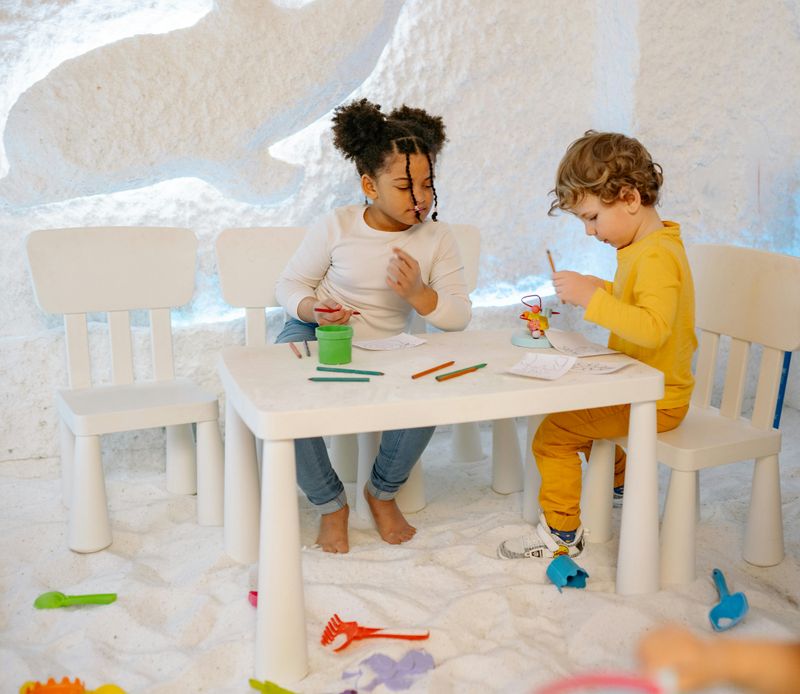
Perfectly organized homes might look Instagram-worthy, but they rarely foster the kind of exploration children need for development. Designating specific areas where mess is completely acceptable gives kids freedom to experiment without constant correction.
Whether it’s a craft corner, outdoor play space, or a bedroom where creative projects can sprawl, these zones become laboratories for learning.
Children engaged in messy play develop fine motor skills, spatial reasoning, and scientific thinking through hands-on experimentation. Painting without worrying about drips, building with blocks that scatter, or mixing ingredients in pretend cooking all contribute to cognitive growth.
The anxiety about cleanliness often interrupts these valuable learning moments.
This rule doesn’t mean abandoning all household standards. Instead, it creates boundaries where different rules apply.
Kids learn that certain spaces have specific expectations, teaching them adaptability and respect for different environments. They understand that the playroom operates under different guidelines than the living room.
Parents implementing controlled chaos report feeling less stressed about minor messes and more present during playtime. Cleanup becomes a defined activity rather than a constant battle.
Children also become more responsible when they know their creative spaces are privileges that require eventual tidying. This balance between freedom and responsibility prepares them for managing their own living spaces as they grow older.
4. Say Yes More Often Than No
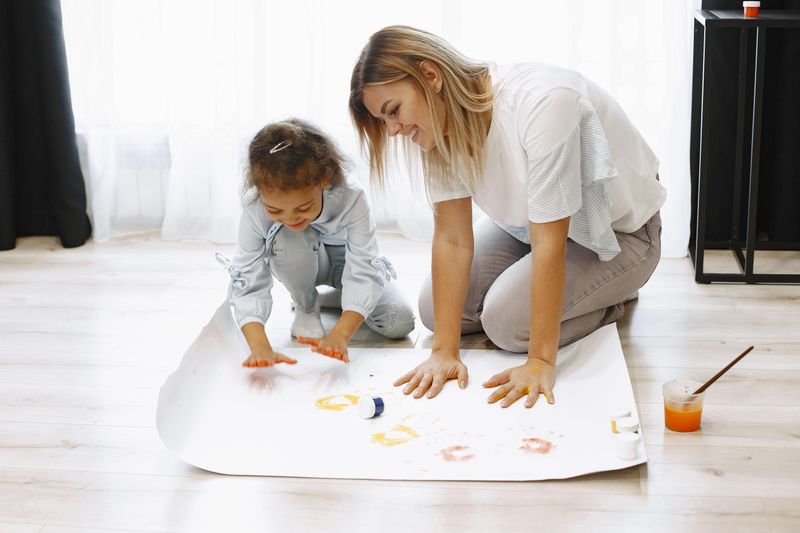
Automatic refusal becomes a default setting for exhausted parents facing constant requests throughout the day. Flipping this pattern by consciously saying yes more often transforms family dynamics in unexpected ways.
When children hear affirmative responses regularly, they feel respected and heard, which reduces attention-seeking behaviors and power struggles.
This doesn’t mean permissive parenting where boundaries disappear entirely. Rather, it involves pausing before responding and genuinely considering whether the request is actually problematic.
Can they have a snack before dinner if they eat vegetables? Sure.
Can they wear mismatched clothes to school? Why not.
Can they skip bath time just this once? Probably fine.
Saving firm boundaries for truly important matters makes those limits more effective when enforced. Children learn which issues are negotiable and which remain non-negotiable.
This clarity reduces confusion and frustration on both sides of the parent-child relationship.
Families practicing this approach notice improved cooperation overall because kids don’t feel like they’re constantly fighting for small freedoms. Parents report feeling less like disciplinarians and more like guides.
The shift in mindset from default-no to thoughtful-yes creates a more positive household atmosphere where children feel their preferences matter, fostering mutual respect and better communication between generations.
5. Let Kids Make Age-Appropriate Risky Choices

Helicopter parenting has created a generation increasingly shielded from minor risks that actually build competence and confidence. Allowing age-appropriate risky choices sounds dangerous but actually promotes better judgment and self-awareness.
Climbing slightly higher on playground equipment, using real tools with supervision, or walking to a neighbor’s house alone all provide valuable learning experiences.
Risk assessment develops through practice, not lectures. When children navigate small challenges successfully, they build internal confidence that translates into better decision-making later.
They learn to evaluate situations, recognize their own limits, and push boundaries safely. Overprotection prevents this essential skill development.
Parents often fear judgment from others when allowing these freedoms, but the developmental benefits outweigh social discomfort. Kids who experience controlled risk-taking show greater resilience, better problem-solving abilities, and reduced anxiety compared to their overly-protected peers.
They trust their own capabilities because they’ve tested them in real situations.
Starting small helps both parents and children adjust to this approach. A six-year-old might pour their own juice, while a ten-year-old could use a vegetable peeler.
Teenagers might navigate public transportation independently. Each stage builds competence for the next level of independence.
The key involves matching the risk level to the child’s developmental stage and providing guidance without hovering, creating capable individuals prepared for adult responsibilities.
6. Skip Traditional Punishments for Natural Consequences
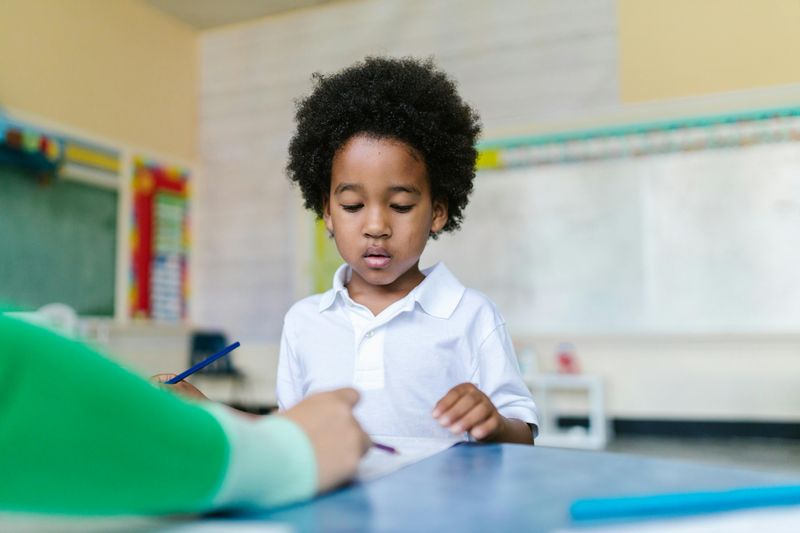
Timeouts, privilege removal, and lectures often fail to teach the intended lessons because they disconnect actions from outcomes. Natural consequences provide more effective learning by allowing children to experience the direct results of their choices.
Forgot your lunch? You’ll feel hungry until snack time.
Refused to wear a jacket? You’ll feel cold at recess.
This approach requires restraint from parents who want to rescue or punish rather than allow natural learning. The discomfort children experience from their own choices creates stronger memory associations than any imposed penalty.
They internalize responsibility because they directly feel the impact of their decisions.
Safety limits still apply here. Natural consequences work for non-dangerous situations where the outcome provides a teaching moment without serious harm.
You wouldn’t allow a child to touch a hot stove, but you might let them experience mild hunger from skipping breakfast after multiple reminders.
Children raised with natural consequences tend to develop stronger internal motivation and personal accountability. They stop relying on external enforcement and start making better choices independently.
Parents spend less energy on discipline battles and more on supportive guidance. This method also reduces resentment because kids can’t blame parents for the consequences since they stem directly from their own actions, creating a clearer cause-and-effect understanding that shapes better future behavior.
7. Encourage Healthy Arguments and Disagreement

Many households enforce a rule that children must always be respectful and agreeable, but this suppresses an important life skill: constructive disagreement. Teaching kids to argue respectfully, present evidence for their viewpoints, and listen to counterarguments prepares them for academic success and professional environments where debate is valued.
Family dinner debates about age-appropriate topics help children develop critical thinking and persuasive communication. They learn that disagreement doesn’t equal disrespect when conducted with proper tone and evidence.
This distinction becomes crucial as they navigate friendships, school projects, and eventually workplace dynamics.
Ground rules make this approach work effectively. No name-calling, interrupting, or dismissing others’ perspectives.
Focus on ideas rather than personal attacks. These boundaries create a safe space for intellectual sparring that builds confidence in expressing unpopular opinions.
Parents who embrace healthy disagreement notice their children becoming more articulate and confident speakers. Kids learn to defend their positions with logic rather than emotion, and they develop empathy by genuinely considering alternative viewpoints.
This skill set proves invaluable during adolescence when peer pressure intensifies and independent thinking becomes essential. Families that practice respectful debate also tend to have stronger communication overall because everyone feels heard and valued, even when opinions differ significantly across generations or between siblings.
8. Give Kids Real Responsibilities, Not Just Chores
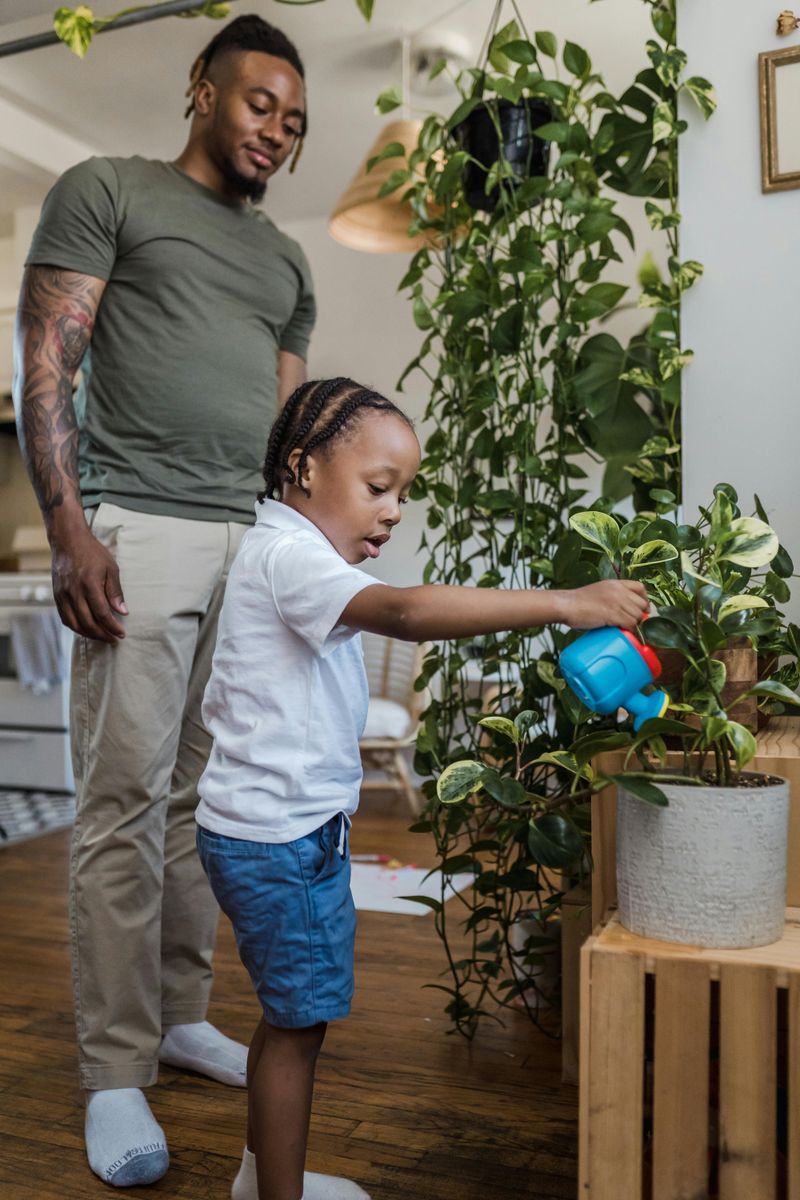
Typical chore charts assign tasks like making beds or setting tables, but real responsibilities involve outcomes that matter to the whole family. Putting a child in charge of watering plants that will die without care, feeding a pet who depends on them, or planning a family meal creates genuine accountability rather than performative helpfulness.
The difference lies in consequence and importance. When a child’s responsibility directly impacts others or living things, they develop a deeper sense of purpose and capability.
They understand their role as a contributing family member rather than someone completing arbitrary tasks to earn allowance or avoid punishment.
Age-appropriate responsibility grows with the child. A five-year-old might care for a hardy houseplant, while a twelve-year-old could manage the family calendar or grocery list.
The key involves matching the task’s complexity to the child’s developmental level while ensuring the responsibility carries real weight.
Children given meaningful responsibilities show increased self-esteem and family connection. They take pride in their contributions and develop work ethic that extends beyond household tasks into academic and social settings.
Parents sometimes hesitate because failure means actual consequences, but that’s precisely what makes the learning valuable. With guidance and support, kids rise to meet expectations when they understand their efforts truly matter to people they care about, building competence and confidence simultaneously.
9. Practice Selective Hearing for Minor Complaints
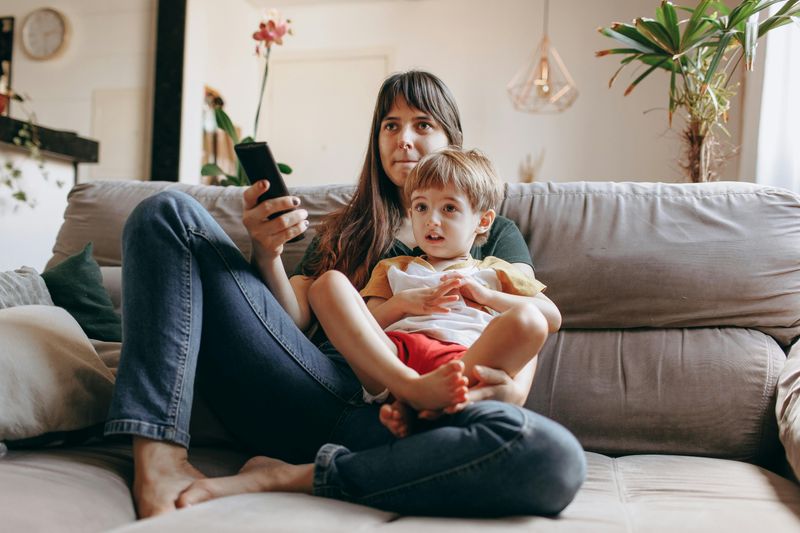
Responding immediately to every whine, complaint, or minor request trains children to expect constant attention and intervention. Selective hearing, deliberately ignoring non-urgent complaints while remaining attentive to genuine needs, teaches kids to self-soothe and distinguish between real problems and temporary discomforts.
This doesn’t mean emotional neglect. Parents still respond to actual distress, injuries, or important communication.
But the endless stream of minor grievances that fill most days can often resolve themselves when children realize complaining won’t summon immediate parental action. They learn to tolerate small frustrations and solve minor problems independently.
The technique requires consistency and clear communication about which issues warrant attention. A scraped knee gets response; boredom complaints might not.
Hunger at mealtime receives action; demands for snacks right after refusing dinner do not. These boundaries help children understand what constitutes genuine need versus manipulation or attention-seeking.
Families implementing selective hearing report more peaceful households with less whining overall. Children become more resilient and less likely to catastrophize minor inconveniences.
Parents feel less overwhelmed by constant demands because they’ve established that not every utterance requires immediate response. This approach also prepares children for environments like school or sports where adult attention isn’t always instantly available, building patience and self-reliance that serves them throughout life in various social and professional settings.
10. Allow Failures Without Immediate Rescue

Watching children struggle or fail triggers powerful parental instincts to intervene and fix the problem. Resisting this urge and allowing age-appropriate failures provides some of the most valuable learning experiences available.
Forgotten homework, failed tests from insufficient studying, or lost friendships from unkind behavior all teach lessons that lectures cannot replicate.
Failure in low-stakes childhood situations prepares kids for higher-stakes adult challenges. They develop resilience, learn to analyze what went wrong, and discover strategies for improvement.
When parents constantly rescue, children never build these essential coping mechanisms and problem-solving skills.
The role of parents shifts from rescuer to supportive coach. After a failure, discussions about what happened, how it felt, and what might work differently next time provide guidance without removing the learning opportunity.
This support acknowledges emotions while maintaining accountability for choices and their outcomes.
Children who experience appropriate failures develop what psychologists call a growth mindset. They view setbacks as learning opportunities rather than permanent judgments of their abilities.
This perspective correlates with greater long-term success and mental health. Parents often struggle with this approach initially, fighting instincts to protect their children from disappointment.
However, those who persevere find their kids becoming more capable, confident, and willing to take on challenges because failure no longer feels catastrophic but rather like a normal part of learning and growth.
11. Schedule Regular One-on-One Time With Each Child

Family time together matters, but individual attention creates entirely different benefits that group activities cannot provide. Scheduling regular one-on-one time with each child, even just 15-30 minutes weekly, dramatically improves behavior, communication, and parent-child bonding.
This dedicated time signals that each child matters individually, not just as part of the family unit.
During this time, the child chooses the activity within reasonable parameters. Maybe it’s a walk around the neighborhood, baking cookies, or playing a board game.
The specific activity matters less than the undivided attention and the message that this time belongs exclusively to them. Phones stay away, siblings wait their turn, and the focus remains entirely on that one child.
Parents notice reduced attention-seeking behaviors and sibling rivalry when each child receives regular individual time. Kids who feel seen and heard in positive contexts act out less frequently to gain attention.
They also communicate more openly during these one-on-one sessions, sharing thoughts and feelings they might not express in family settings.
This approach works especially well in larger families where individual needs can easily get lost in the chaos of daily life. Even busy schedules can accommodate brief but consistent one-on-one time.
The regularity matters more than duration, creating a reliable connection point that strengthens throughout childhood and provides foundation for strong relationships continuing into the teenage years and beyond when communication becomes increasingly important.