
Sesame seeds are tiny, but they show up in kitchens all over the world. People have been growing them for thousands of years, which makes them one of the oldest seed crops we know.
From sweet candies to savory sauces, these little seeds add crunch, nutty flavor, and healthy fats to everyday meals. Once you see how many cultures love them, you may start sprinkling them on everything.
1. Tahini in the Middle East
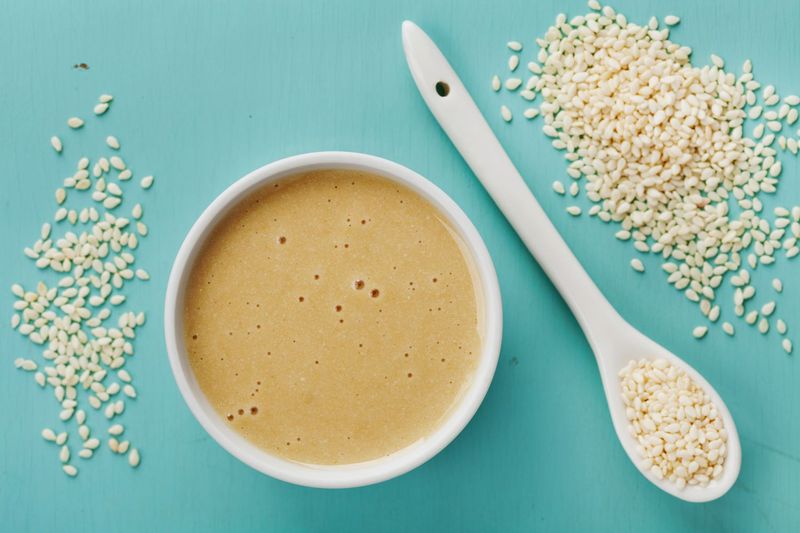
Grandmothers in Lebanon often keep a jar of tahini within arm’s reach, and for good reason. Made by grinding sesame seeds into a smooth paste, it forms the backbone of hummus and baba ghanoush.
Tahini also gets drizzled over falafel, roasted vegetables, and grilled meats. Thin it with lemon juice, garlic, and water for a quick sauce.
Store your jar upside down sometimes, since the oil likes to separate and rise to the top.
2. Japanese Gomashio Seasoning
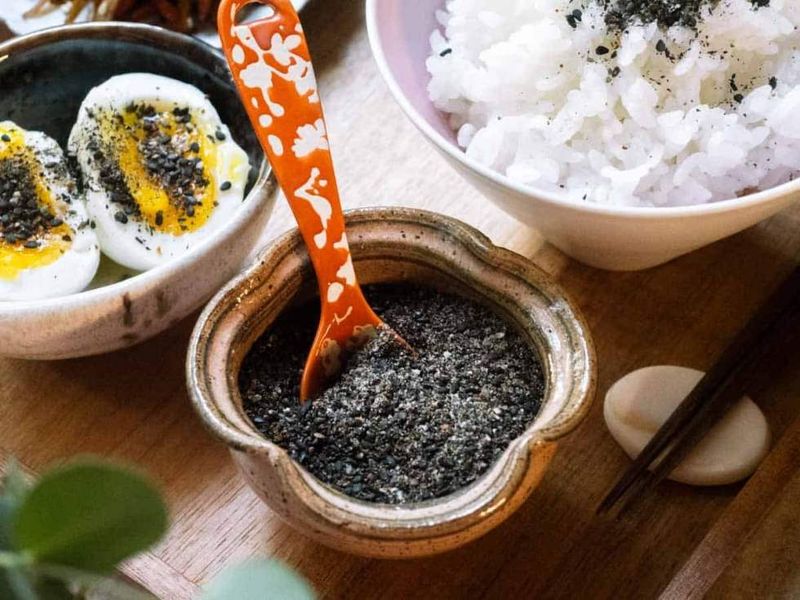
Picture a salt shaker that tastes like roasted nuts. That is gomashio, a simple Japanese mix of toasted sesame seeds and sea salt.
Families sprinkle it over plain rice, onigiri rice balls, and steamed vegetables. Many people use it to cut back on regular salt, because the sesame flavor makes a small amount go further.
You can make it at home by toasting seeds in a dry pan, then lightly crushing them with salt.
3. Korean Sesame Oil Splash
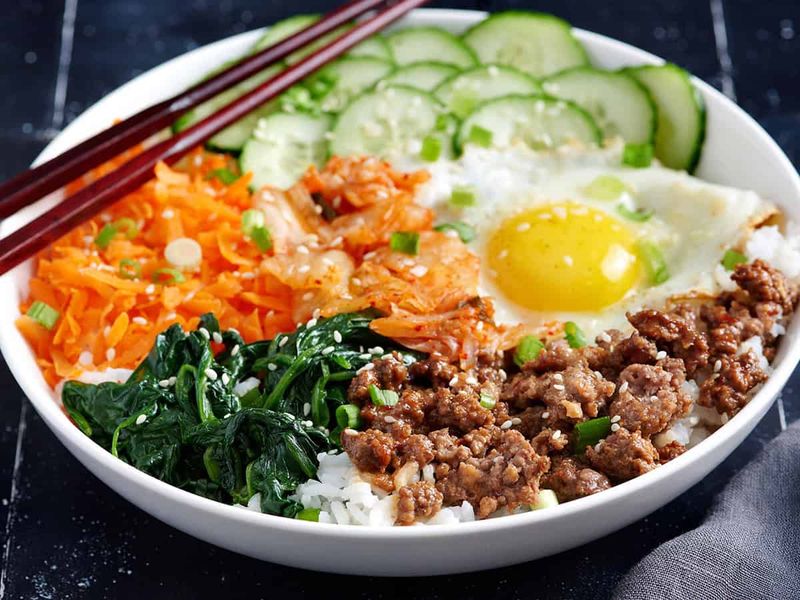
Walk into almost any Korean home kitchen and you will smell toasted sesame oil. Cooks add just a few drops at the end of cooking for a rich, nutty aroma.
It finishes bibimbap, seasons namul vegetable side dishes, and even gets mixed with salt as a dip for grilled pork belly.
Quick tip: toasted sesame oil burns easily, so save it for finishing dishes rather than frying.
4. Halva, the Crumbly Sweet
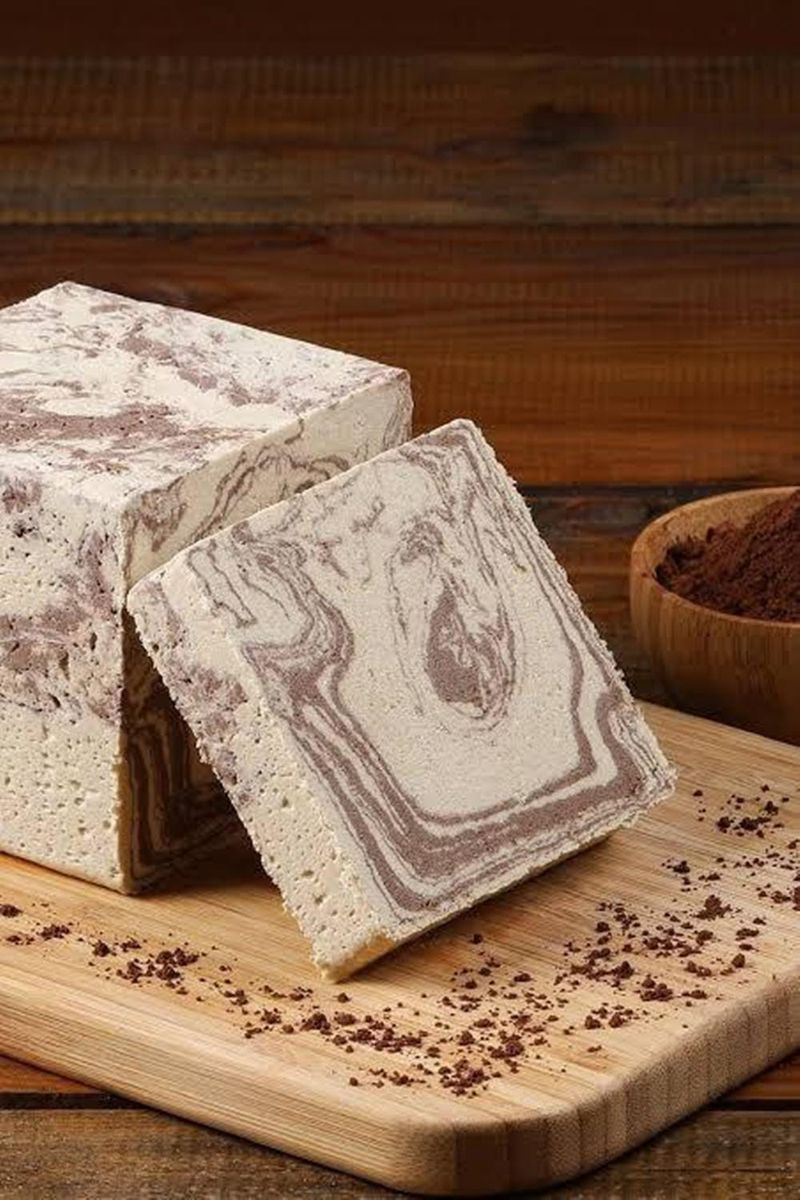
Sweet, flaky, and a little chewy, halva is a treat that has traveled across Turkey, Greece, Israel, and Eastern Europe.
The most popular version mixes tahini with hot sugar syrup until it sets into a crumbly block. Some bakers swirl in chocolate, pistachios, or vanilla.
Fun fact: halva has been made for centuries and was once a favorite in royal Ottoman kitchens. Try crumbling a little over ice cream.
5. Chinese Sesame Balls
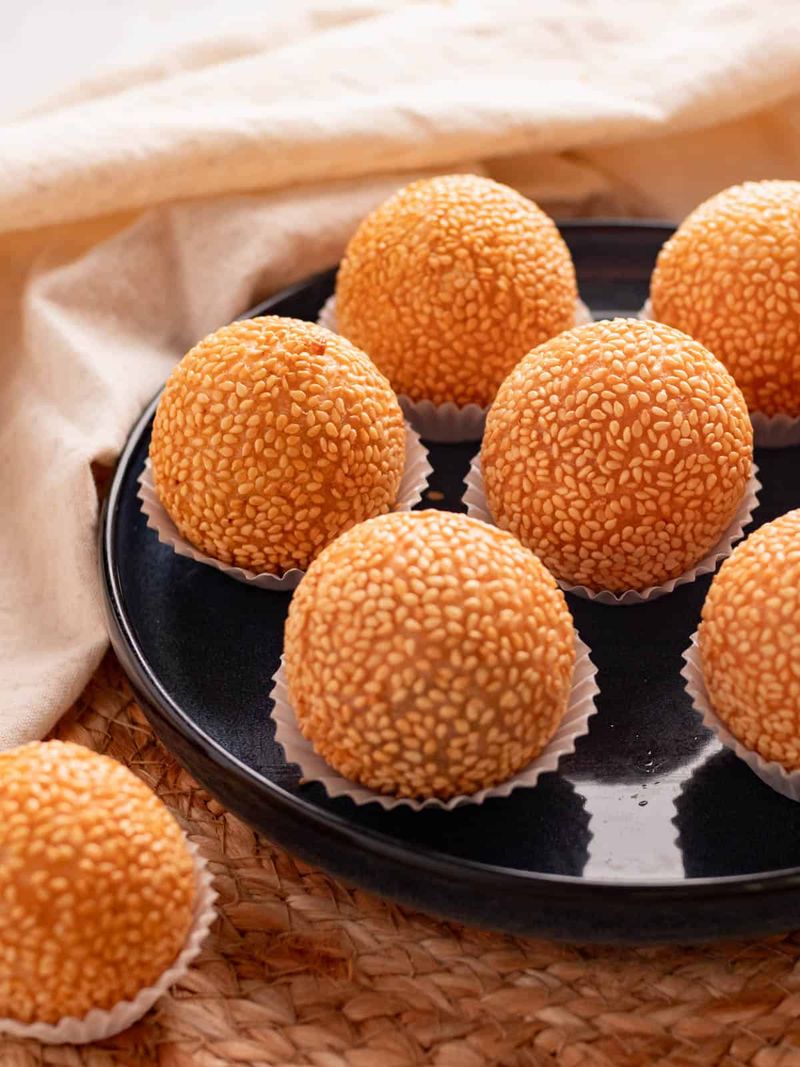
Bite into one at a dim sum restaurant and you will hear a crunch, then feel a soft, stretchy chew. Jian dui are fried rice flour balls rolled in sesame seeds.
Inside, you usually find sweet red bean or lotus seed paste. They puff up as they fry, creating a hollow center.
During Lunar New Year, many families enjoy them because their round shape stands for togetherness and good fortune.
6. Turkish Simit Bread Rings
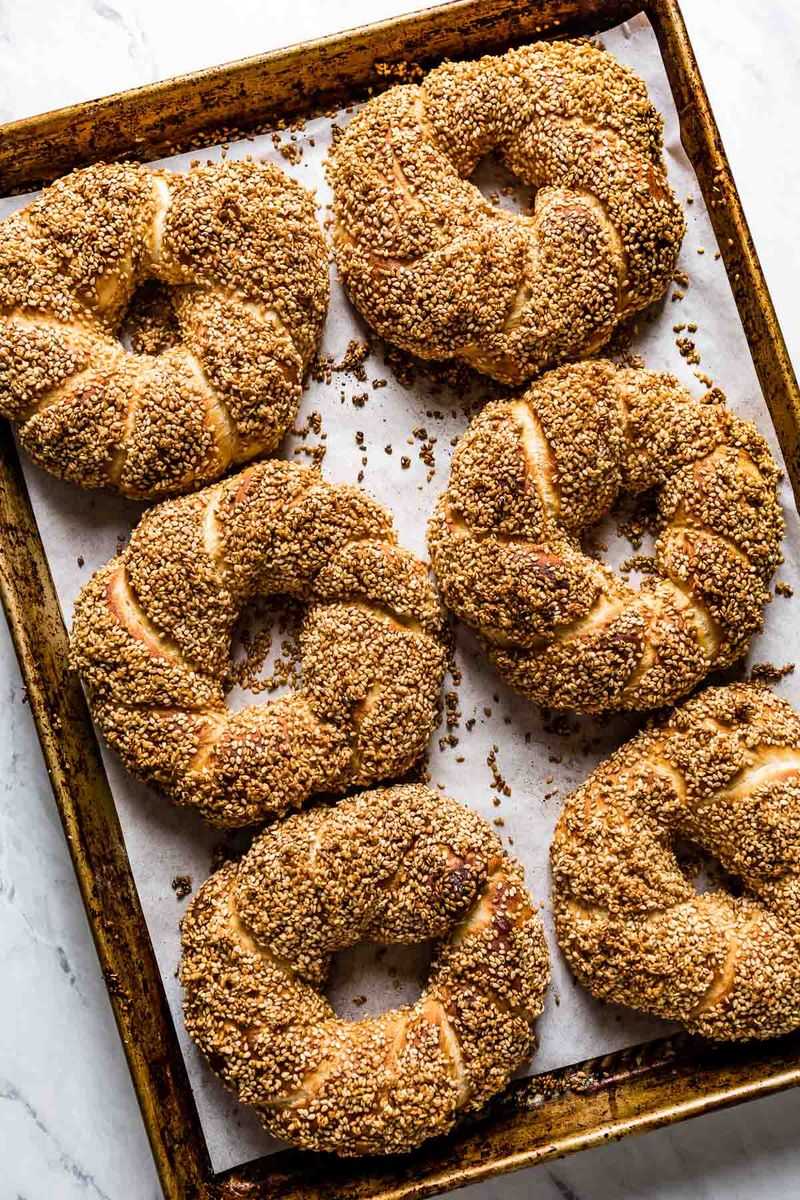
Istanbul mornings come with a soundtrack of street sellers calling out “simit!” These ring-shaped breads are dipped in grape molasses, then pressed into piles of sesame seeds before baking.
The result is crispy outside, soft inside, and deeply toasty.
Locals tear them apart with tea, white cheese, olives, and tomatoes. If you ever visit, grab one warm from a cart.
It costs very little and tastes amazing.
7. Mexican Mole Sauce
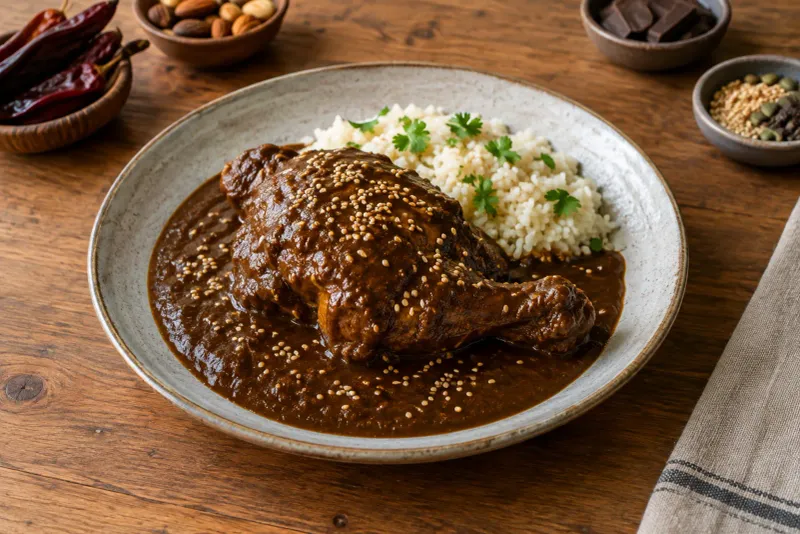
Few sauces are as complex as mole poblano, which can use more than twenty ingredients, including chiles, chocolate, and spices.
Sesame seeds play two roles here. Some are ground into the sauce to thicken it and add richness, while others get sprinkled on top as a crunchy garnish.
Mexican families often make big batches for weddings and holidays. Leftover mole works wonderfully in enchiladas the next day.
8. Indian Til Ladoo for Festivals
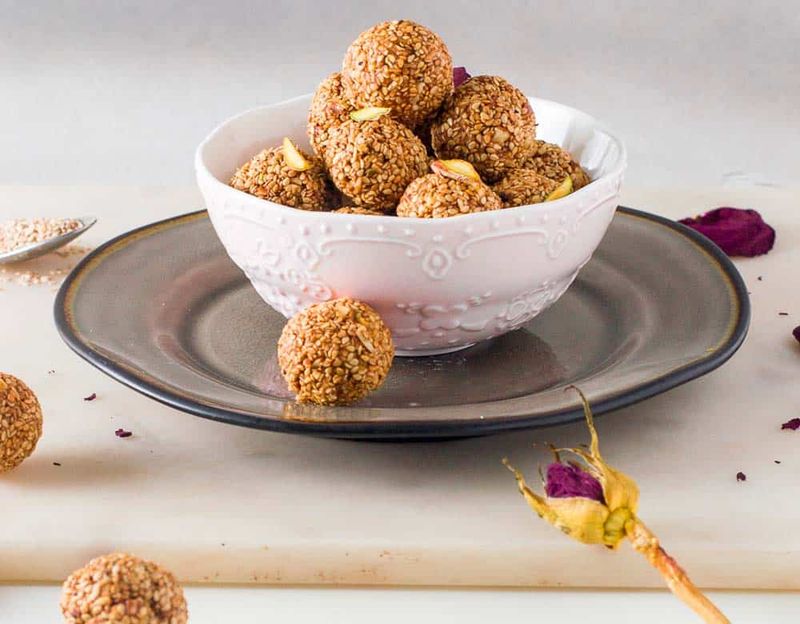
Every January, kitchens across India smell like warm jaggery and toasted sesame. That is because of Makar Sankranti, a harvest festival.
Families roll til ladoo, little balls made from sesame seeds and jaggery, a type of unrefined sugar.
People believe sesame keeps the body warm in winter. Sharing these sweets also comes with a friendly saying in Maharashtra that means “eat sweets and speak sweetly.”
9. Za’atar Spice Blend
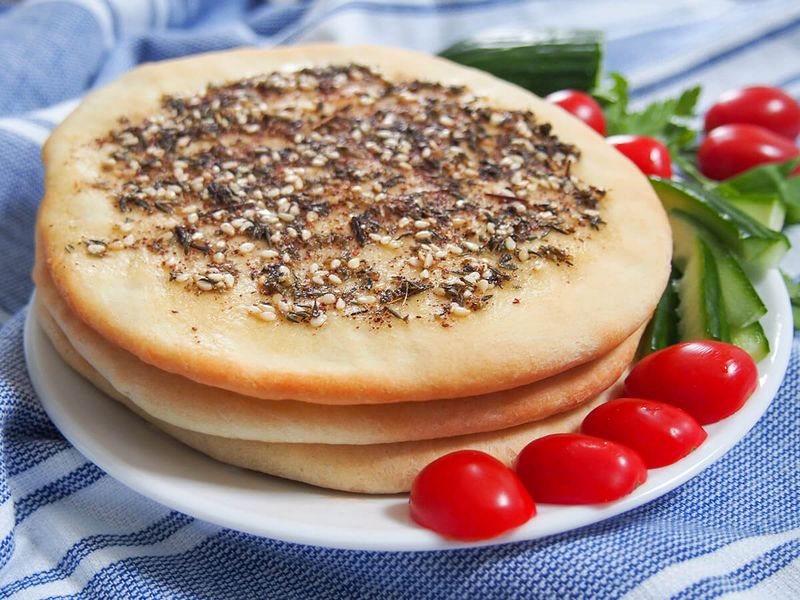
Ask someone from Jordan or Palestine about breakfast, and za’atar will probably come up. This herby blend mixes dried thyme, tangy sumac, salt, and toasted sesame seeds.
The classic way to enjoy it is with bread dipped first in olive oil, then into za’atar.
Bakeries also spread it on manakish flatbreads. At home, try tossing it with roasted potatoes or sprinkling it over eggs for a quick upgrade.
10. Benne Wafers of the American South
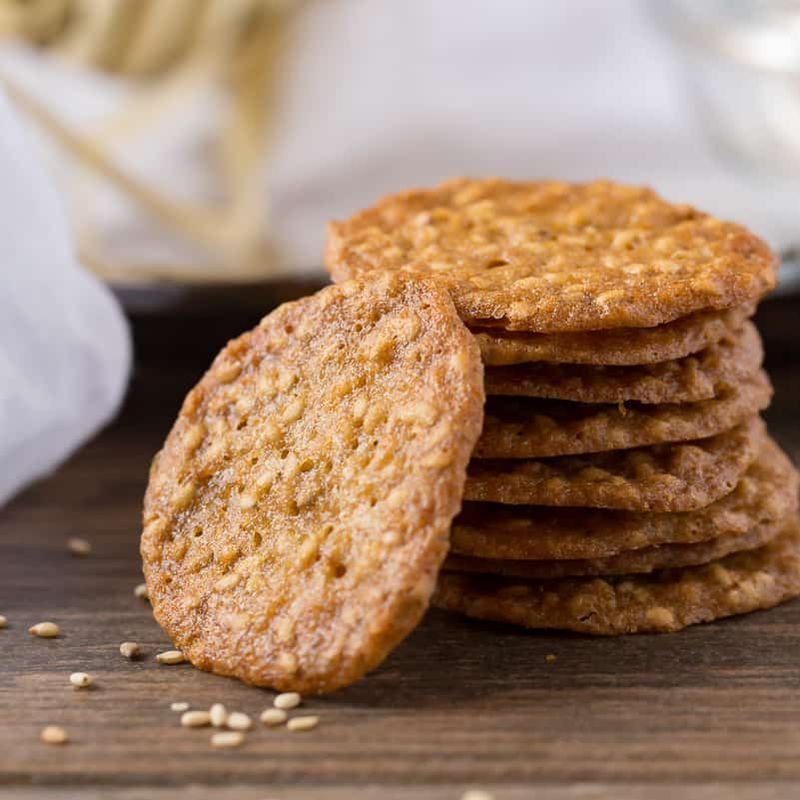
In Charleston, South Carolina, sesame goes by an older name: benne. The word comes from West Africa, where enslaved people brought the seeds and their cooking traditions.
Benne wafers are thin, crispy cookies packed with toasted seeds and brown sugar.
They are a beloved Lowcountry snack and a reminder of African influence on Southern food. Bakers say the secret is toasting the seeds first for maximum flavor.
11. Japanese Goma Dare Dressing
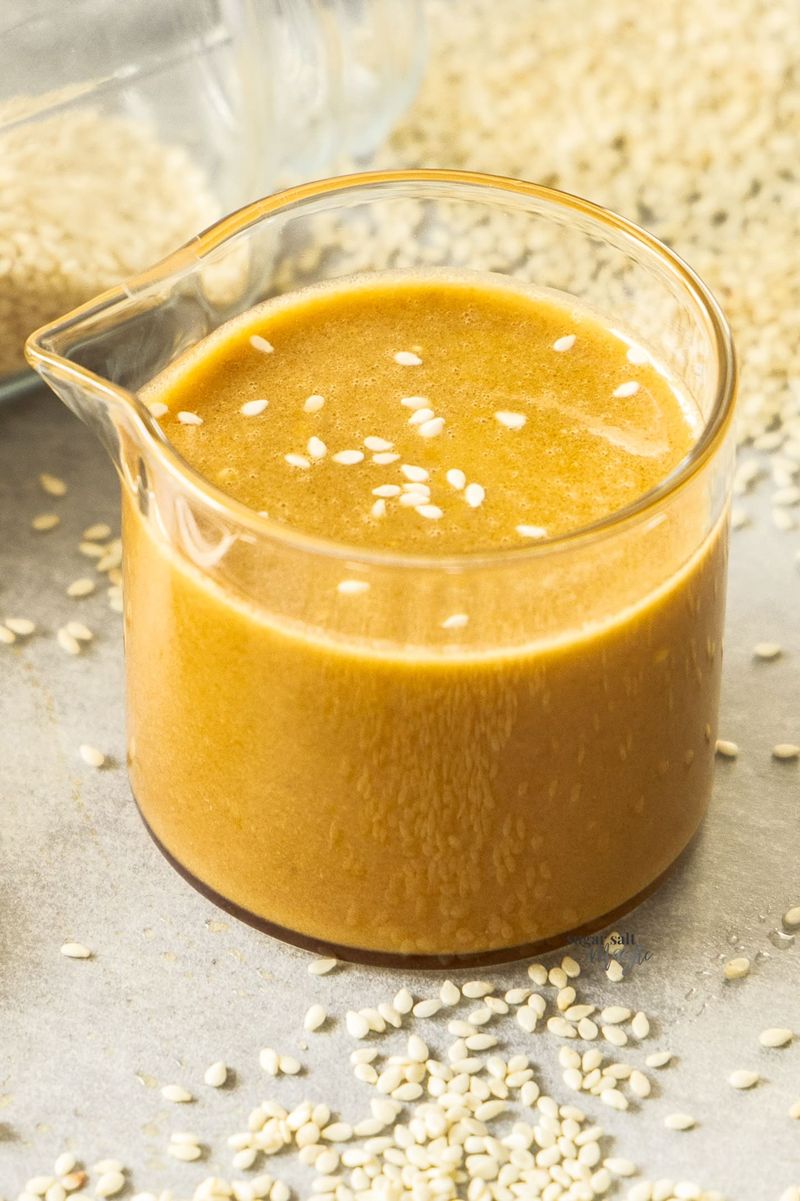
Sometimes the best part of a meal is the dip. In Japan, goma dare is a creamy sesame sauce made with ground seeds, soy sauce, sugar, and rice vinegar.
Diners dunk thin slices of beef and vegetables into it during shabu-shabu hot pot.
It also works as a salad dressing, especially over crunchy cabbage. Many grocery stores sell bottled versions, but homemade only takes about five minutes.
12. Chinese Sesame Noodles
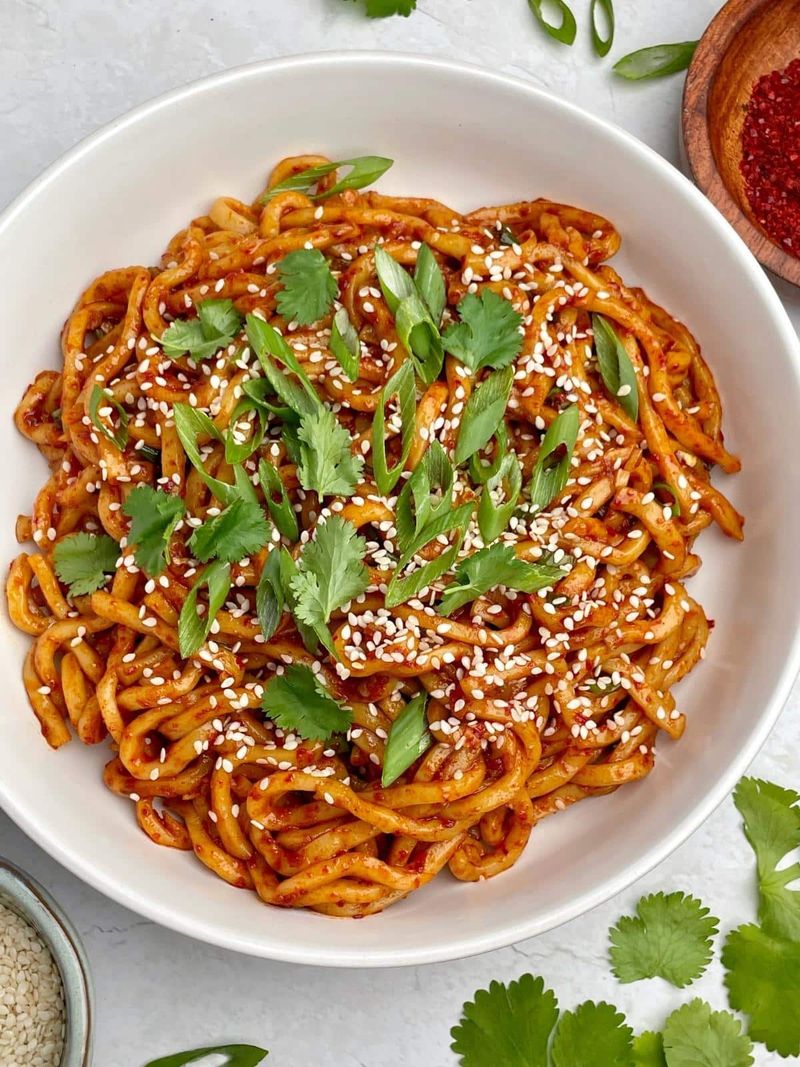
Hungry college students around the world know this trick well. Cold sesame noodles are cheap, filling, and ready fast.
In China, the sauce often uses Chinese sesame paste, which is made from toasted seeds and tastes darker than tahini. Add soy sauce, vinegar, and chili oil, then toss with noodles.
Top with sliced cucumber for freshness. It is a perfect lunch on a hot summer day.
13. Greek Pasteli Bars
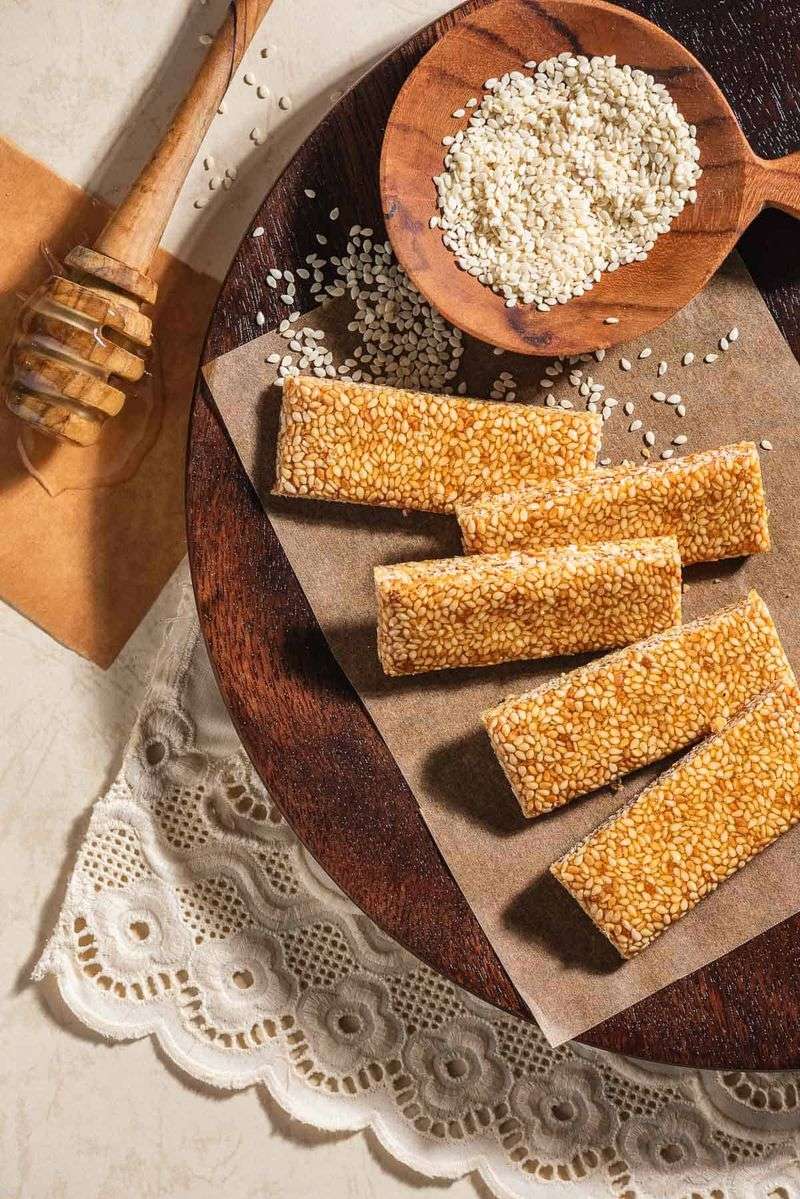
Long before granola bars existed, ancient Greeks were snacking on pasteli. Some historians believe athletes in early Olympic games enjoyed similar honey and sesame treats.
Only two main ingredients are needed: honey and sesame seeds, cooked together and cooled into chewy bars.
Greek families still eat pasteli for quick energy. Add a few almonds or a pinch of orange zest if you want to make it your own.
14. Nigerian Soups and Stews
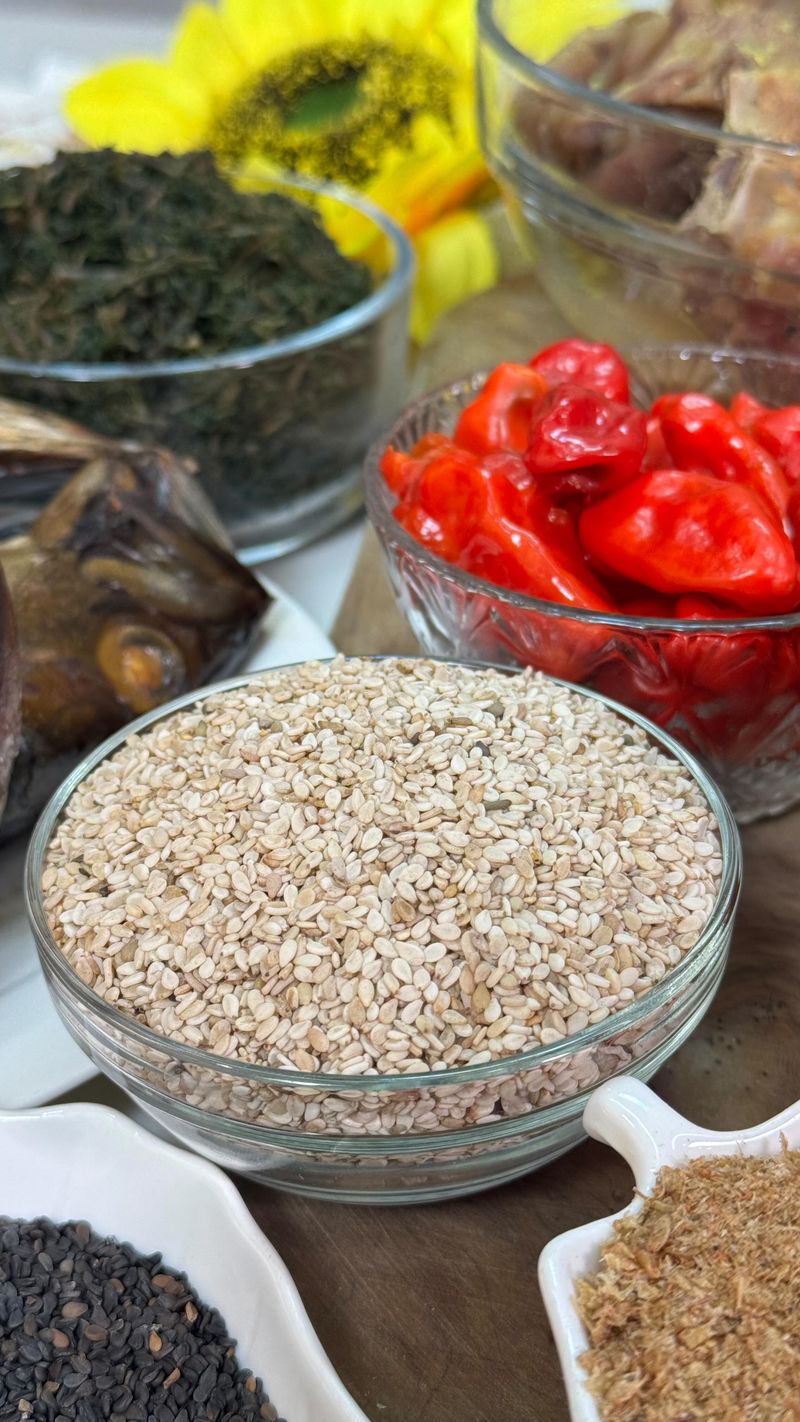
Sesame is grown widely in Nigeria, which is one of the largest producers in the world. In northern regions, people call the seed ridi.
Cooks grind it and stir it into soups and stews, where it thickens the broth and adds nutty depth, similar to how egusi melon seeds are used.
Roasted sesame is also mixed into snacks. Next time you make stew, try adding a spoonful of ground seeds.
15. Hamburger Bun Toppings
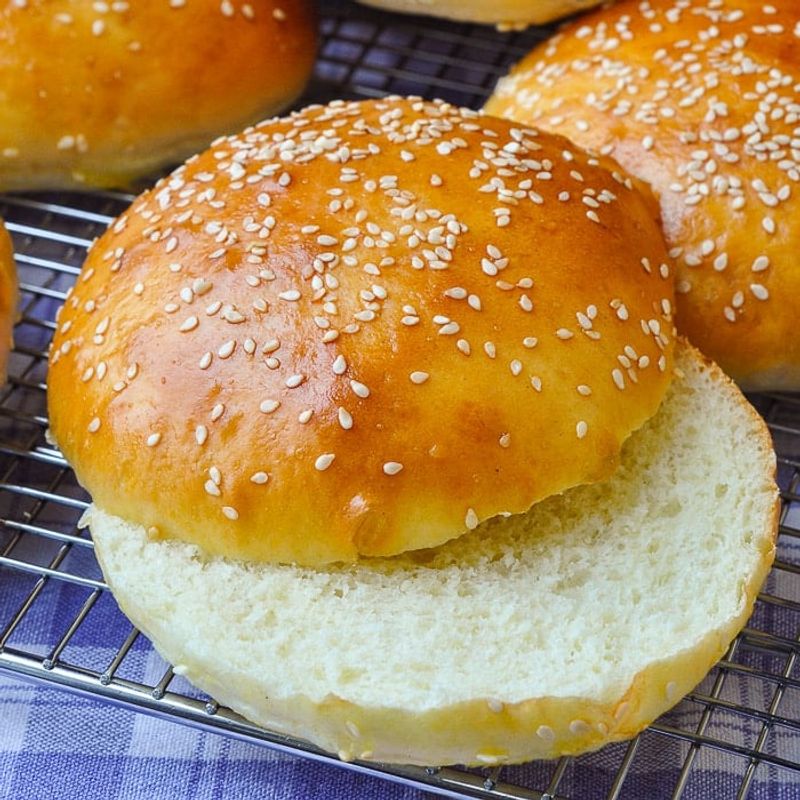
Here is a surprising one hiding in plain sight. The sesame seed bun is so common in the United States that many people forget the seeds are even there.
Bakers brush buns with egg wash so the seeds stick, giving them a toasty crunch and a pretty golden look.
One famous fast food chain once said its buns carry about 178 seeds each. Try counting yours next time!
16. Sesame Crusted Ahi Tuna
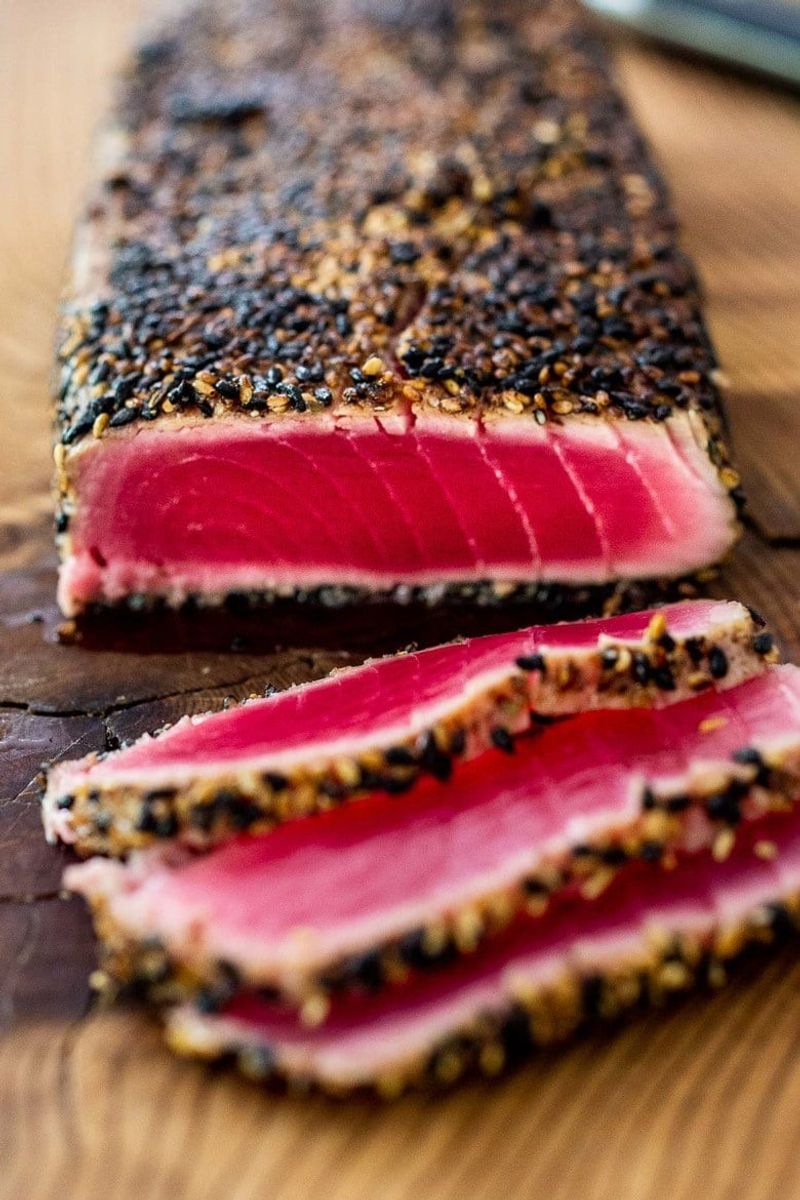
Hawaiian and fusion restaurants love this showstopper. Fresh tuna gets pressed into a mix of black and white sesame seeds, then seared quickly in a hot pan.
The outside turns crunchy while the inside stays tender and pink.
Serve slices with soy sauce, wasabi, or a simple salad. Pressing the seeds firmly before cooking helps them stay put, so do not be shy with your fingers.
17. Black Sesame Desserts in Asia
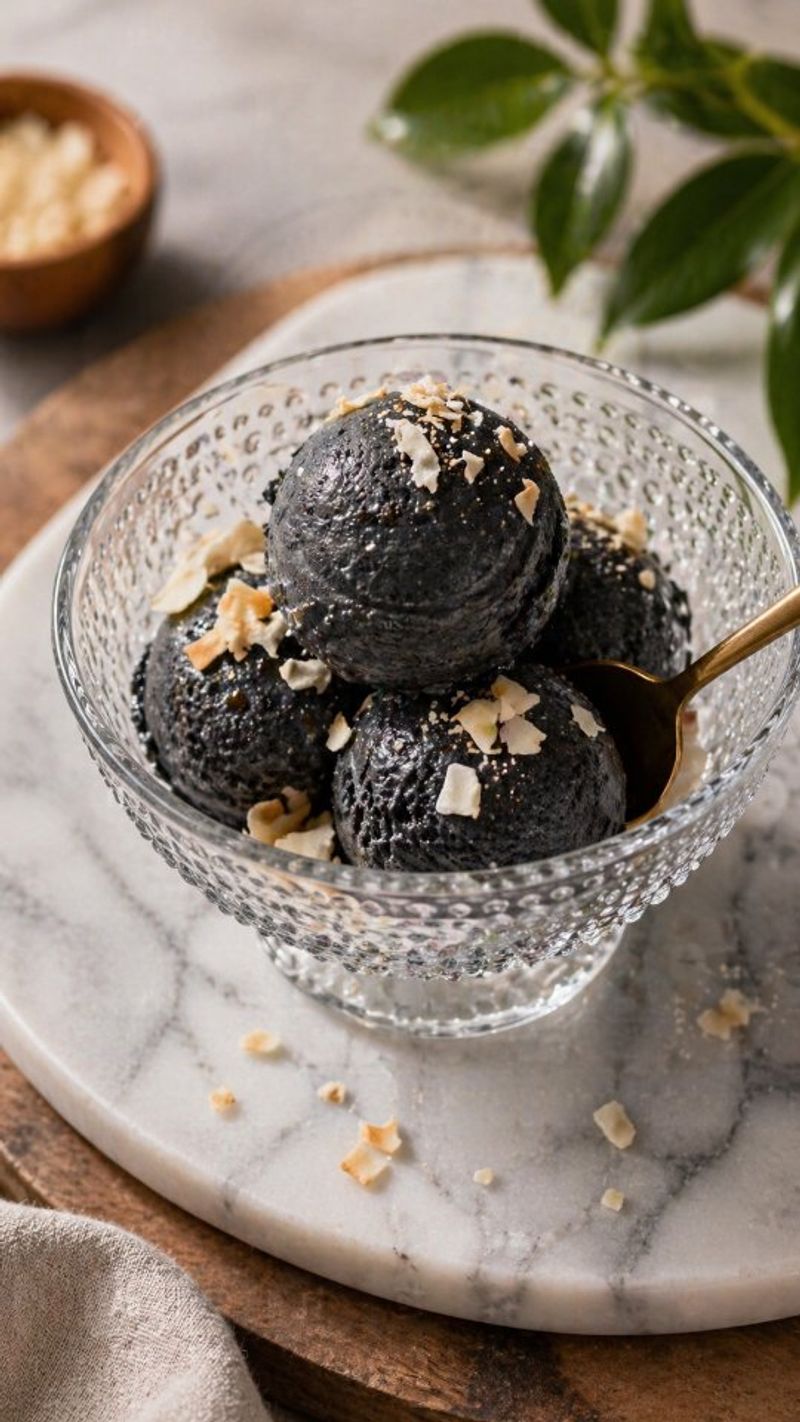
Gray ice cream might sound strange, but one spoonful changes minds fast. Black sesame has a deeper, earthier taste than white sesame.
In China, it is cooked into a sweet, warm soup and stuffed inside tangyuan rice dumplings. Japan and Taiwan turn it into ice cream, pudding, and lattes.
Many people in these cultures also believe black sesame supports healthy hair. Either way, it tastes wonderful.
18. Ethiopian Sesame Roots
Some experts think sesame may have first been grown in Africa or India thousands of years ago. Ethiopia today exports huge amounts of the seed worldwide.
Local cooks toast and grind sesame for snacks and sometimes mix it into spiced dishes and breads.
Farmers prize the crop because it handles dry weather well. That tough nature is one reason sesame spread across so many hot regions.
19. Korean Kimbap Finishing Touch
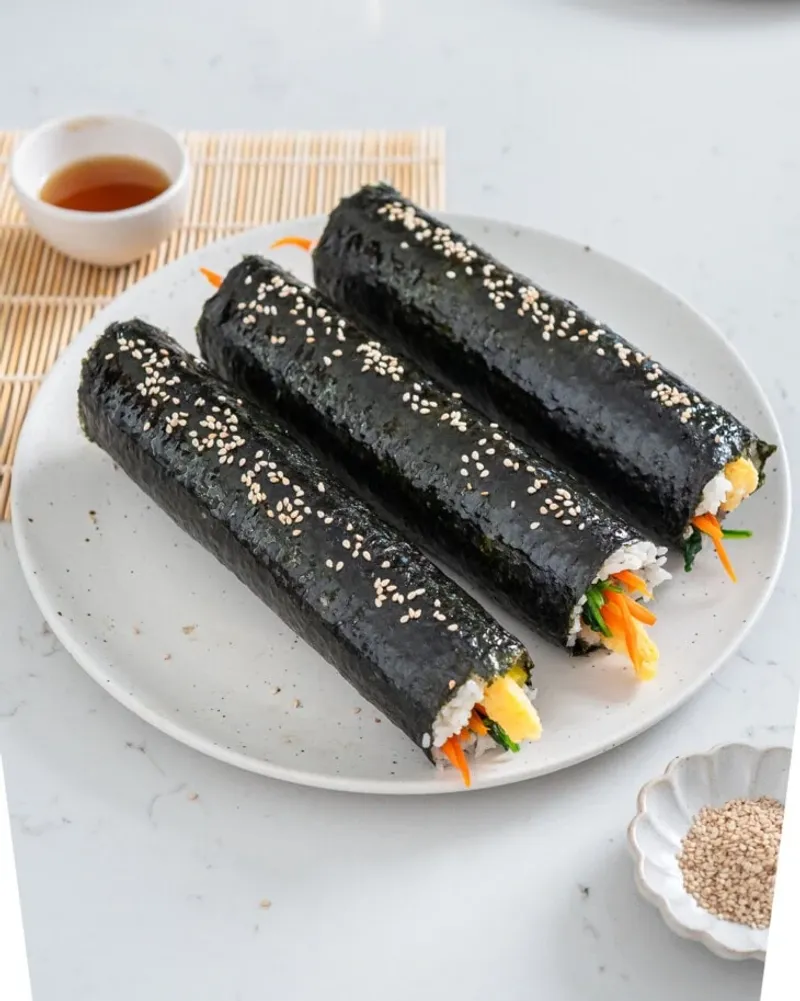
School field trips in Korea often mean one thing: kimbap packed in lunchboxes. These seaweed rice rolls look a bit like sushi but taste different.
The rice gets seasoned with sesame oil and salt instead of vinegar. After rolling, cooks brush the outside with more oil and sprinkle seeds on top.
That shiny, nutty finish makes each slice smell amazing. Kimbap also travels well for picnics.
20. Israeli Bagel Bread Ka’ak
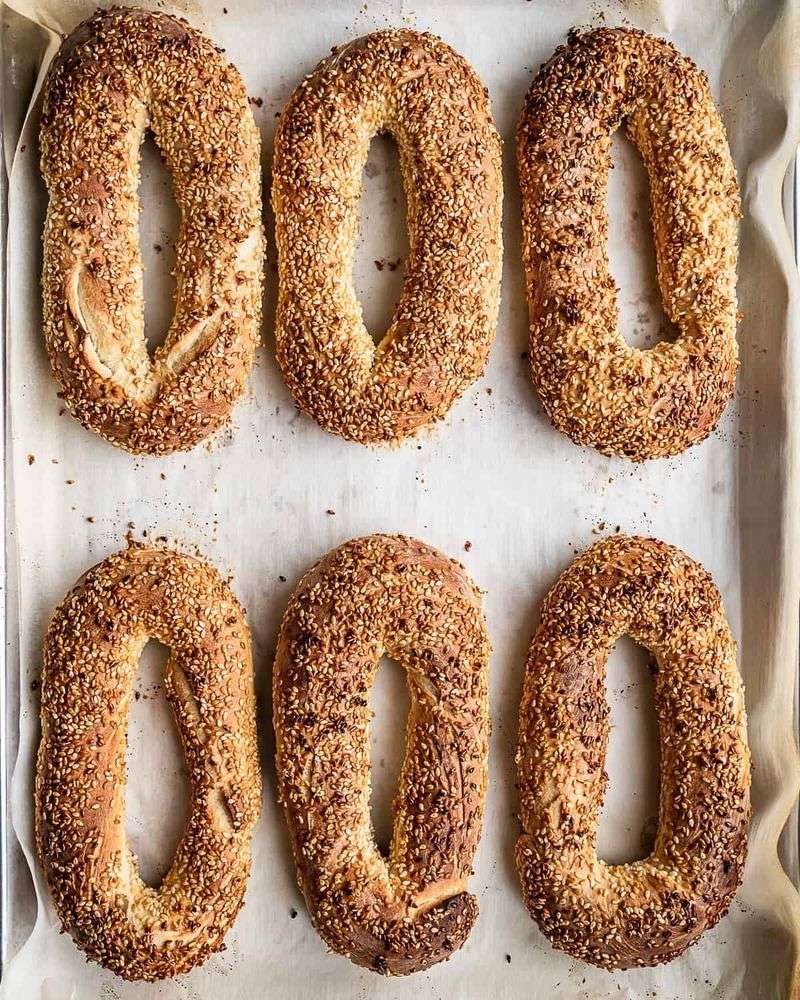
Jerusalem bagels are not like the dense ones in New York. They are long, oval, airy, and absolutely covered in sesame seeds.
Sellers stack them on carts in the Old City, often handing over a small packet of za’atar for dipping.
Many families buy them fresh for weekend breakfasts with hummus, eggs, and salad. Pull one apart while it is still warm for the best experience.
21. Chikki Brittle in India
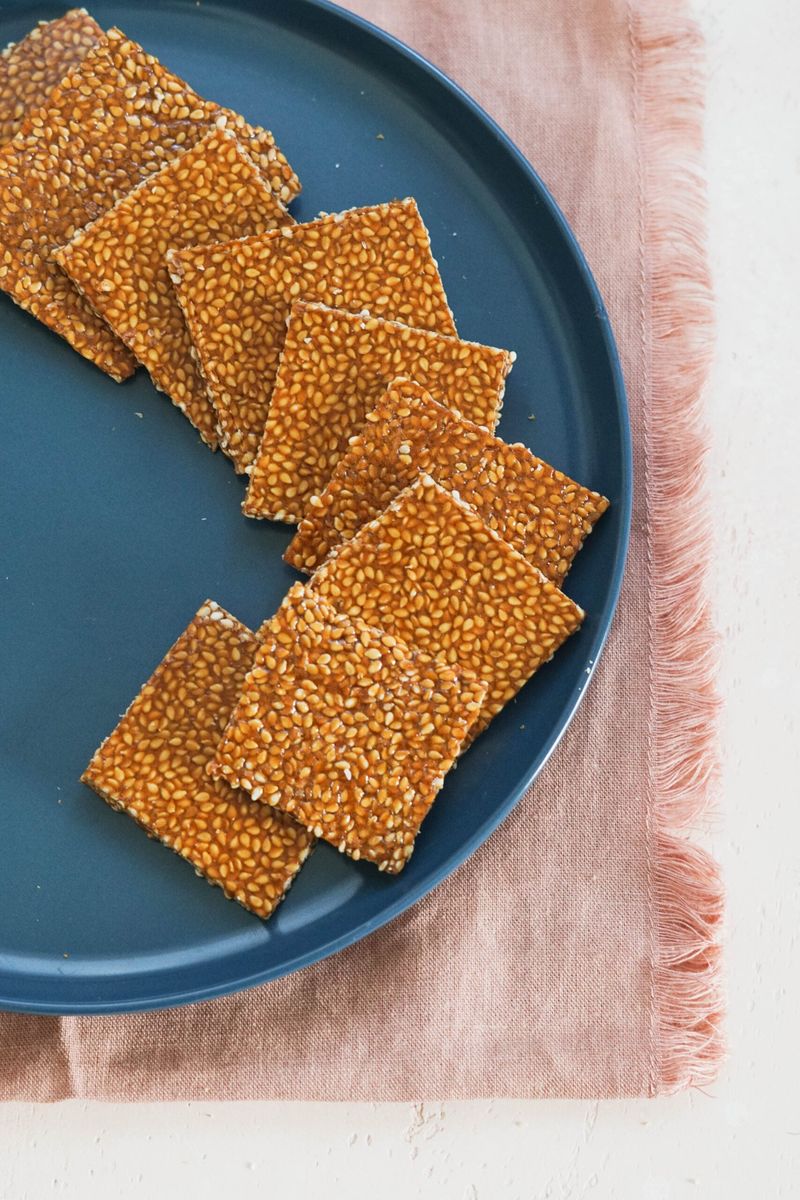
Crunch, snap, and a sweet caramel taste. Indian chikki is a brittle made by cooking jaggery until bubbly, stirring in seeds or nuts, and pressing it flat.
Sesame chikki is especially popular during winter months.
Train stations and roadside shops sell it in small squares wrapped in paper. Kids love it as an after school snack, and it packs plenty of energy for busy days.
22. Furikake Rice Sprinkles
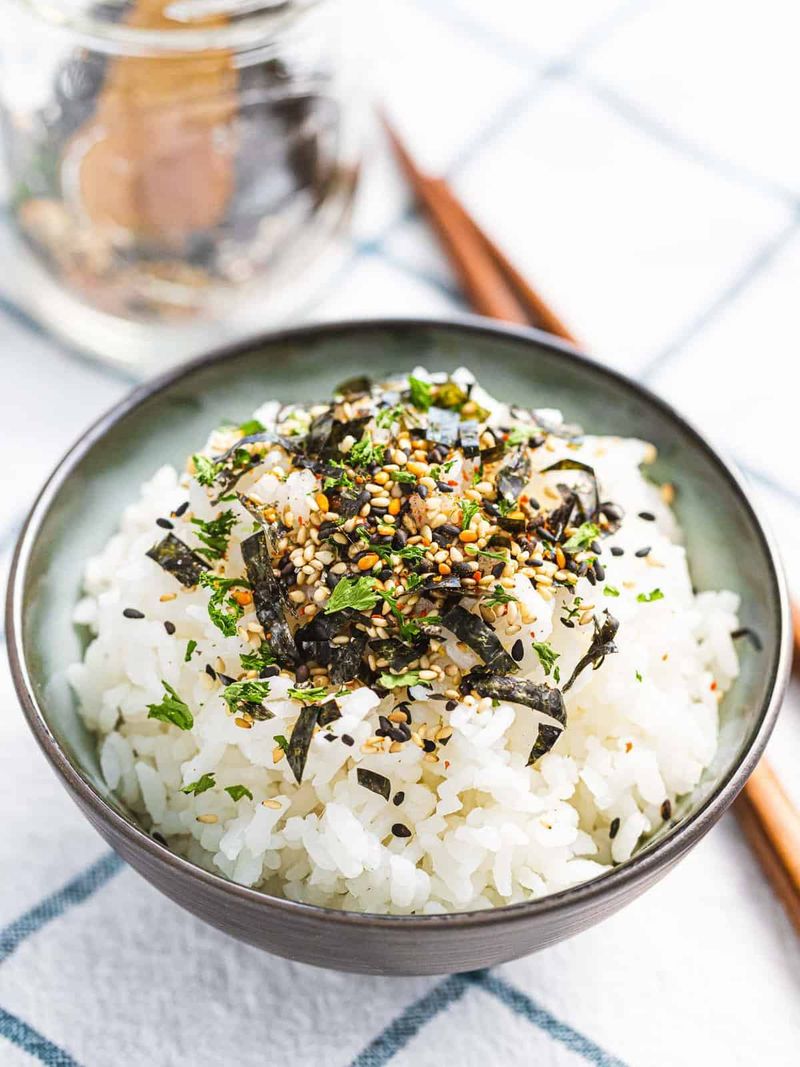
Got a bowl of plain rice and nothing else? Japanese kids know the fix: furikake.
This colorful sprinkle usually mixes toasted sesame seeds with seaweed flakes, salt, sugar, and sometimes dried fish or egg.
It was created in the early 1900s to help people get more nutrients. Today, it shows up on popcorn, avocado toast, and even buttered noodles.
Keep a jar handy for lazy dinners.
23. Sesame Oil for Chinese Wontons
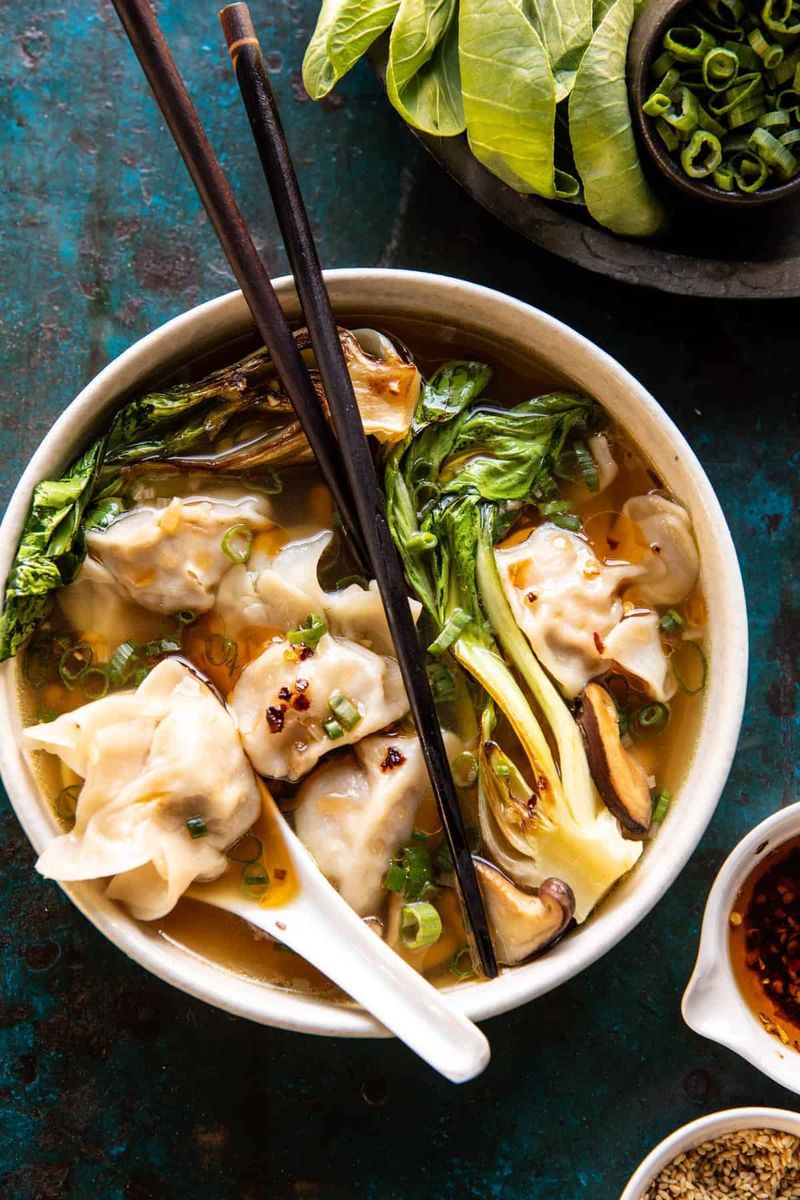
A wonton filling without sesame oil just feels incomplete to many Chinese cooks. Mixed with ground pork, ginger, and soy sauce, it makes the filling juicy and fragrant.
A few drops also float on top of the soup right before serving.
Folding wontons together is a common family activity before holidays. Grab some wrappers and a bottle of sesame oil, and you can join the tradition at home.