
A favorite movie or show can feel different when you watch it years later. A joke may sting, a hero may seem less heroic, or a story may leave someone out.
Some of these titles caused arguments from the start, while others drew fresh criticism over time. Looking back helps us understand what entertainment says about its time and our own.
1. Bonnie and Clyde (1967): When Outlaws Became Stars
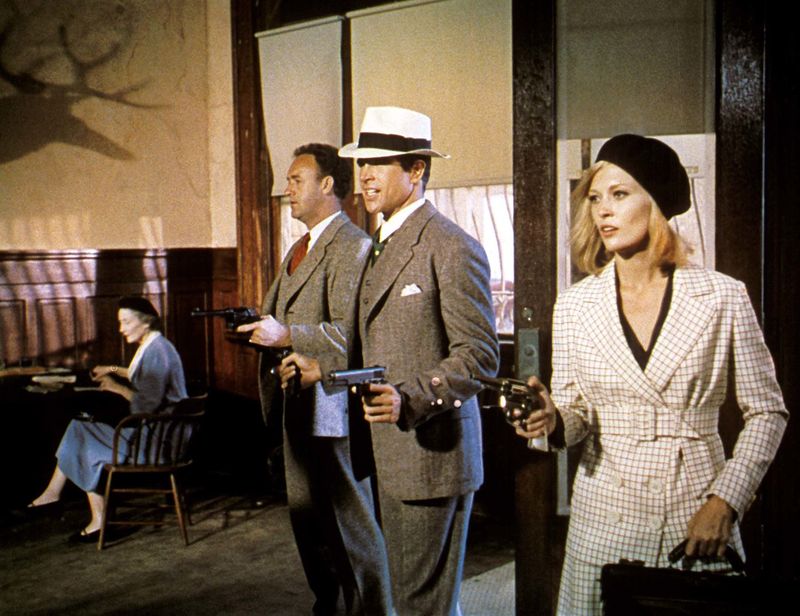
Two charming bank robbers helped change what Hollywood could put on screen. Warren Beatty and Faye Dunaway made their characters magnetic, while sudden violence broke through the glamour and shocked audiences.
Critics disagreed about whether the movie exposed a brutal life or made killers seem exciting. That tension still matters when watching crime stories today.
Notice whose pain gets attention, and ask whether stylish filmmaking makes you overlook the people harmed by the central characters.
2. A Clockwork Orange (1971): Style Meets Moral Unease
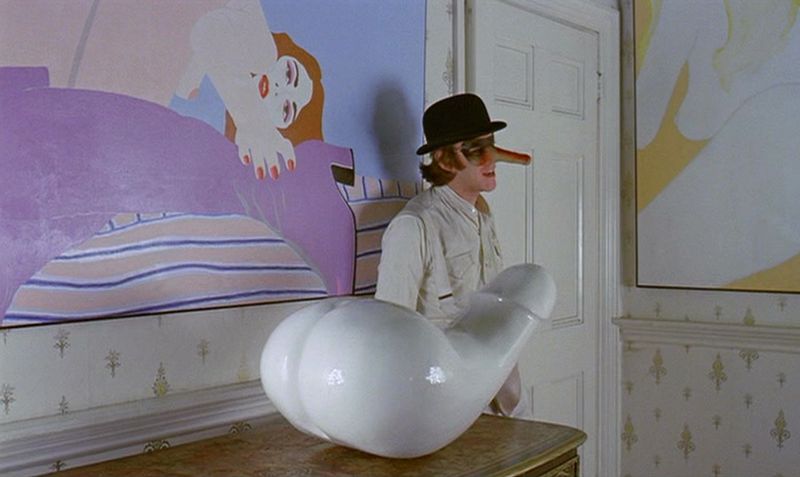
A bowler hat and a bright white outfit became symbols of a deeply disturbing film. Stanley Kubrick used striking images to tell a story involving cruelty, punishment, and attempts to control human behavior.
The debate goes beyond whether its violence is excessive. Can forced goodness count as goodness if someone loses the freedom to choose?
Keep that question separate from admiration for the filmmaking, and check content warnings before watching its physical and sexual violence.
3. The Exorcist (1973): Horror Tests the Limits
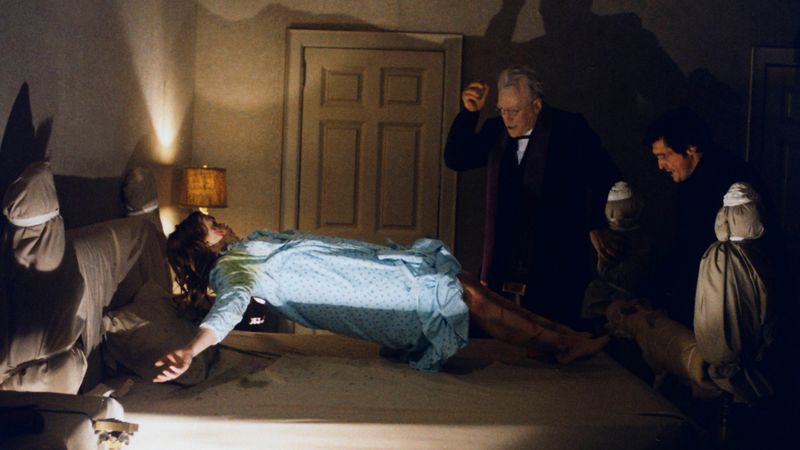
Moviegoers lined up for a horror story that some religious viewers found deeply troubling. Its focus on a possessed child, along with shocking language and imagery, pushed arguments about what mainstream theaters should show.
The American R rating drew criticism from people who wanted stricter limits on young audiences. Others saw a serious struggle between faith and evil.
Before treating its reputation as a dare, consider your comfort with religious horror and disturbing scenes involving children.
4. Guess Who’s Coming to Dinner (1967): Progress With Conditions
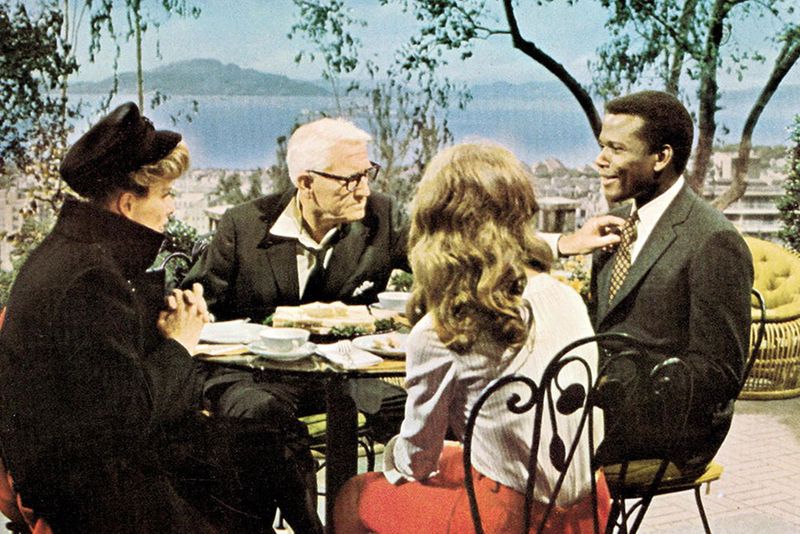
A family dinner carried unusual weight when interracial marriage still faced fierce opposition. Released the year the Supreme Court struck down state bans, the film brought that conflict into a comfortable white household.
Its message challenged prejudice, but later viewers have questioned why the Black suitor must seem almost flawless to earn acceptance. Watch both layers together: the barrier the movie pushed against and the narrow terms it used to make its argument feel safe.
5. Do the Right Thing (1989): A Block Without Easy Answers
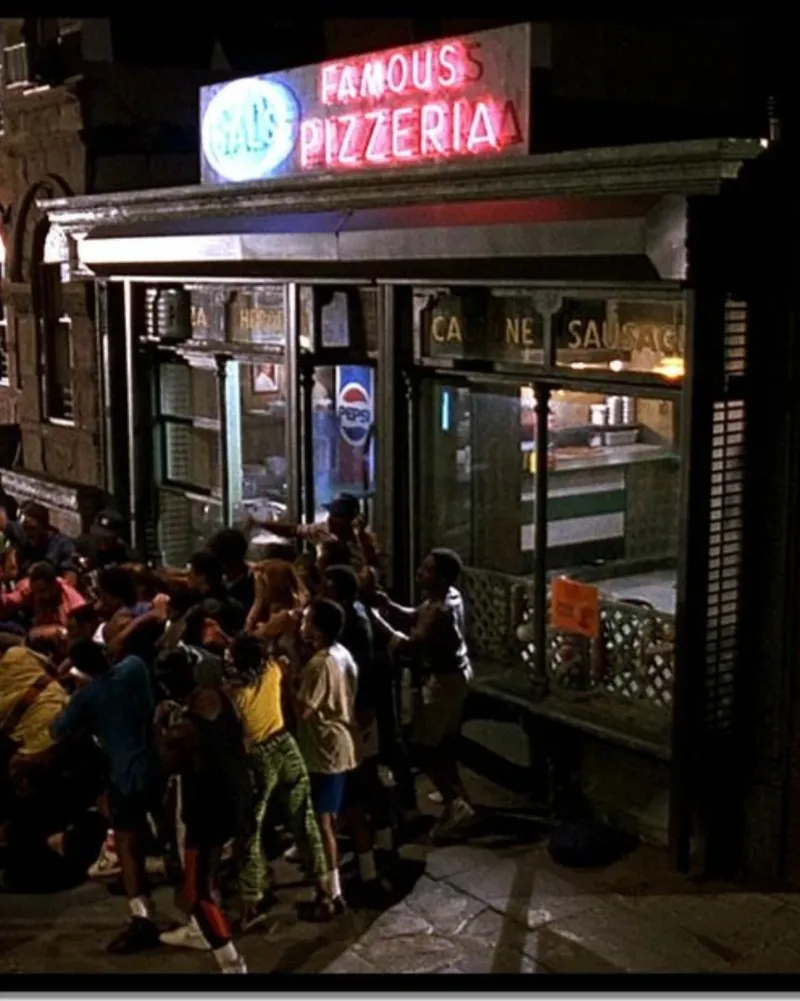
Heat rises from a Brooklyn block until everyday friction becomes a crisis. Spike Lee follows neighbors whose jokes, loyalties, and grudges reveal deeper conflicts about race, power, and who belongs.
Its ending still fuels arguments about property damage, police violence, and responsibility. The lack of a Best Picture nomination also stands out beside that year’s winner, Driving Miss Daisy.
Rather than hunt for one tidy lesson, notice which characters receive sympathy and whose anger gets judged.
6. The Birth of a Nation (1915): Film History’s Racist Landmark
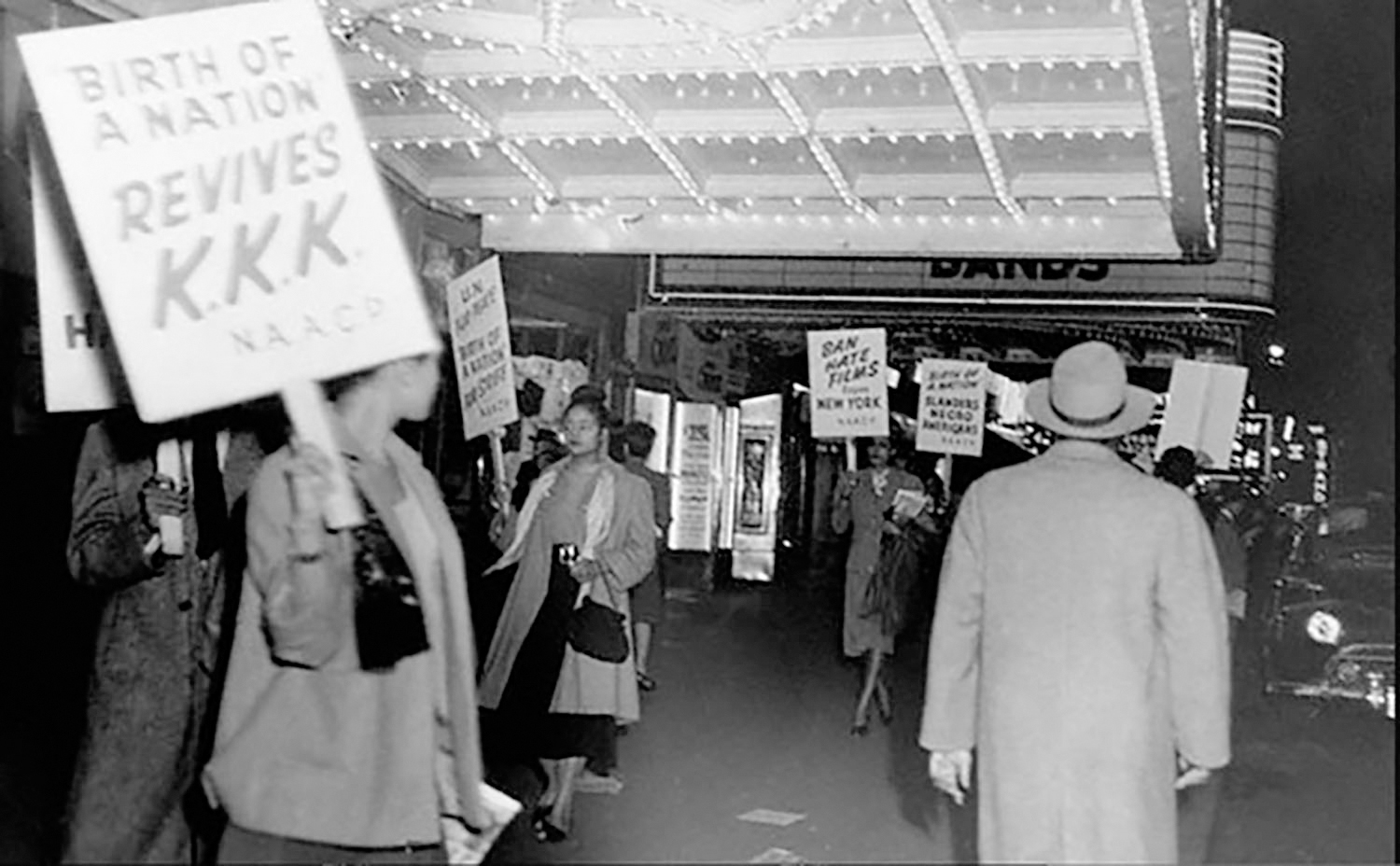
Technical influence cannot excuse a story built on racist lies. D.
W. Griffith’s silent epic glorifies the Ku Klux Klan and presents deeply harmful images of Black people, including white performers wearing blackface.
Opposition was not simply a later discovery: Black activists protested when it opened. Studying its editing and scale requires clear historical context, not praise alone.
Seek educational resources that explain both its filmmaking methods and the real harm caused by its racist message.
7. Cannibal Holocaust (1980): When Shock Crosses Ethical Lines
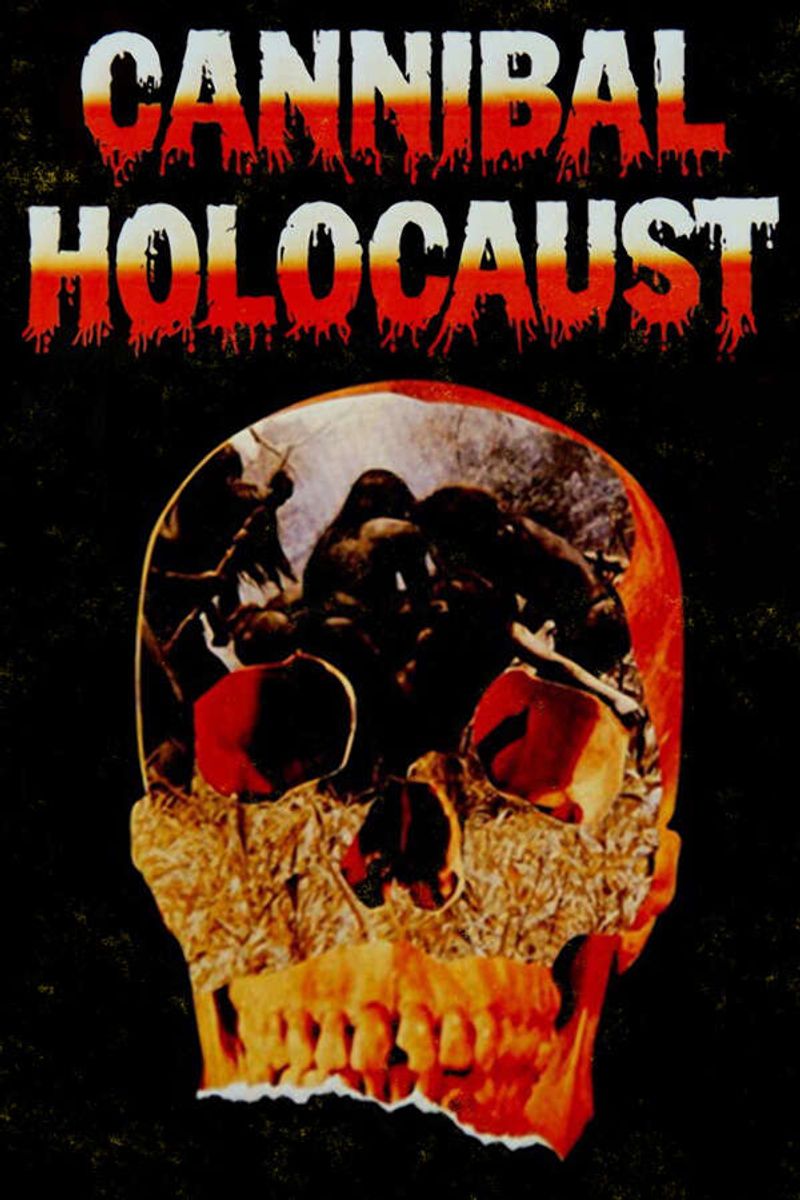
Some movie debates concern what happened behind the camera as much as on screen. Ruggero Deodato’s notorious horror film used staged human violence so convincingly that he faced legal scrutiny over whether performers had actually died.
The animal killings, however, were real. That distinction matters when people defend the movie as criticism of exploitative media.
You can understand its influence on found footage horror without watching it, and detailed content guides can help you decide beforehand.
8. The Dukes of Hazzard: Nostalgia and a Confederate Symbol
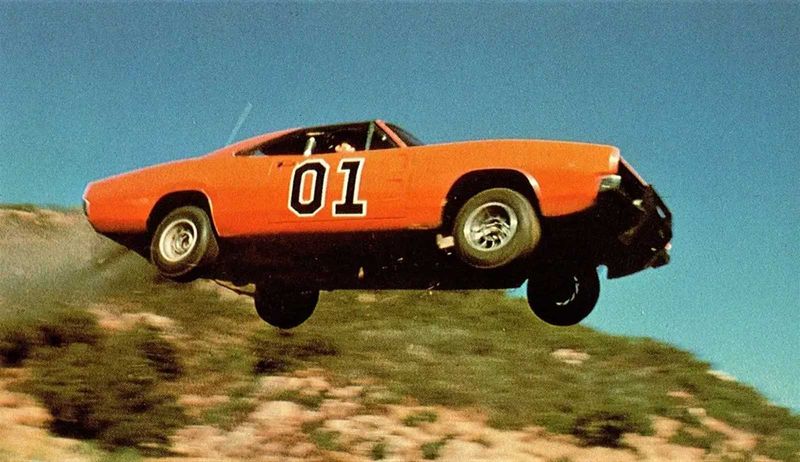
Car jumps and country humor made this series a familiar television escape. Yet its famous orange car, named the General Lee, carries a Confederate flag that cannot be separated from the history surrounding that symbol.
Fans may remember playful adventures, while other viewers see a painful reminder of slavery and racism. Both reactions explain the modern dispute, but nostalgia does not erase history.
Rewatching offers a chance to question what older entertainment treated as harmless decoration.
9. Friends: Familiar Comfort, Uncomfortable Punchlines

That coffeehouse couch still feels like home to many viewers. Beneath the comfort, though, some jokes about gay people, gender, body size, and Chandler’s parent land very differently today.
The show’s mostly white version of New York also raises questions about who gets included in everyday stories. Enjoying the friendships does not require defending every punchline.
Try noticing whether a joke grows from a character’s behavior or simply asks the audience to laugh at someone’s identity.
10. Sex and the City: Freedom With Blind Spots

Designer shoes were only part of the appeal. Open conversations about women’s friendships, dating, and sex helped the series stand apart, giving its characters room to want more than marriage.
Later audiences have challenged its treatment of bisexuality, its limited racial range, and Carrie’s choices as a friend and partner. Those criticisms need not erase its breakthroughs.
A useful rewatch asks whose freedom the show celebrates and whose lives become stereotypes, brief lessons, or background scenery.
11. Law & Order: Special Victims Unit: Rethinking the Heroes
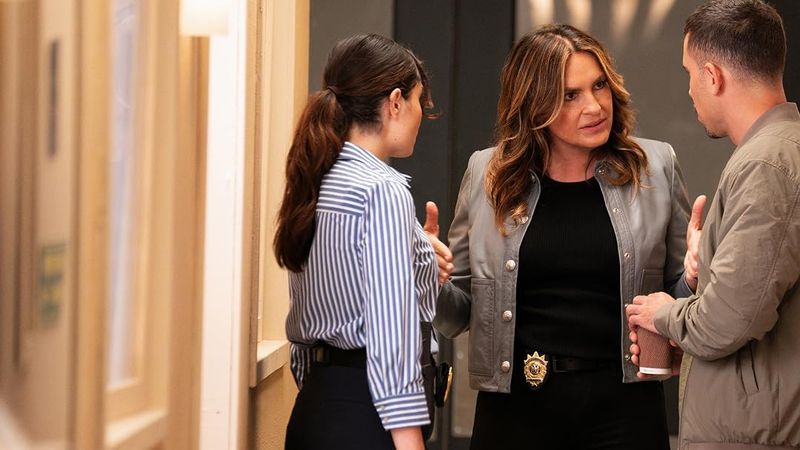
A badge can make a television character seem trustworthy before they speak. Older episodes sometimes lean on that trust while showing harsh questioning, threats, or rule breaking as useful tools for catching offenders.
Some stories also use dated language and stereotypes about race, sexuality, and gender. The series has changed over its long run, so avoid treating every season alike.
Watch whether the story challenges an officer’s conduct or rewards it because the suspect seems guilty.
12. Married… With Children: Who Gets the Last Laugh?
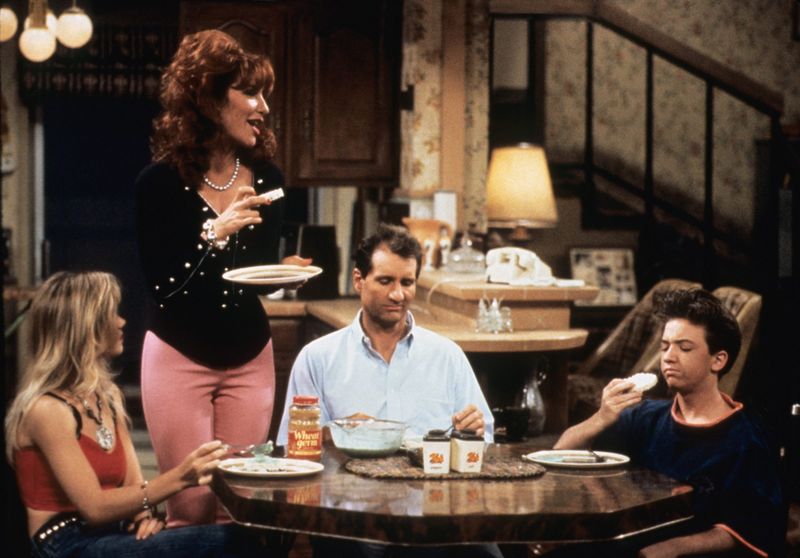
Al Bundy was never meant to be a model husband. The sitcom mocked the cheerful television family by making its household rude, selfish, and constantly ready with an insult.
Still, jokes about women’s bodies and Al’s sexism raise a fair question: is the audience laughing at his failures or sharing his views? Critics also question the sexual framing of Kelly, played initially by teenage Christina Applegate.
Separating the target from the punchline helps explain the debate.
13. Revenge of the Nerds (1984): Underdogs Aren’t Always Innocent
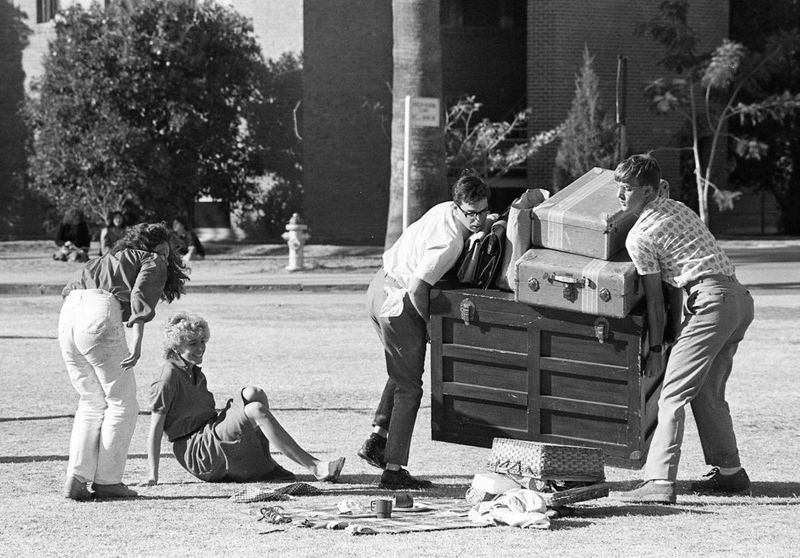
Rooting for the outsiders becomes harder when their victories depend on hurting others. This college comedy invites viewers to cheer for bullied students, but includes spying on women and a sexual encounter based on deception.
That encounter is sexual assault, despite the movie presenting it as a comic triumph. Its treatment shows how an underdog story can hide serious wrongdoing behind charm.
When revisiting older comedies, judge consent by what happens, not by the soundtrack’s cheerful cues.
14. Indiana Jones and the Temple of Doom (1984): Adventure Meets Stereotype
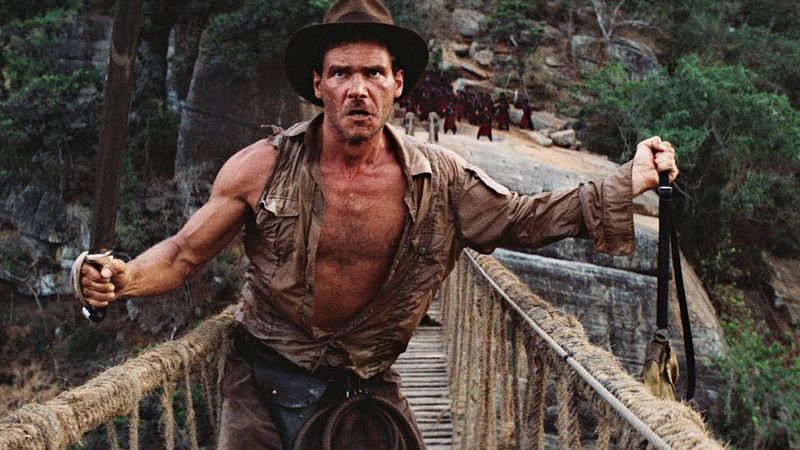
A wild mine cart ride can distract from the world built around it. Set largely in India, this adventure uses an invented banquet, a sinister cult, and frightening imagery that critics say distort Indian culture and Hindu traditions.
The central representation debate concerns South Asia, not Native Americans. Its violence also helped prompt the creation of the PG-13 rating.
Enjoy the stunt work if you choose, but seek Indian perspectives before treating its fantasy as cultural knowledge.
15. Crash (2004): A Big Message Under Scrutiny
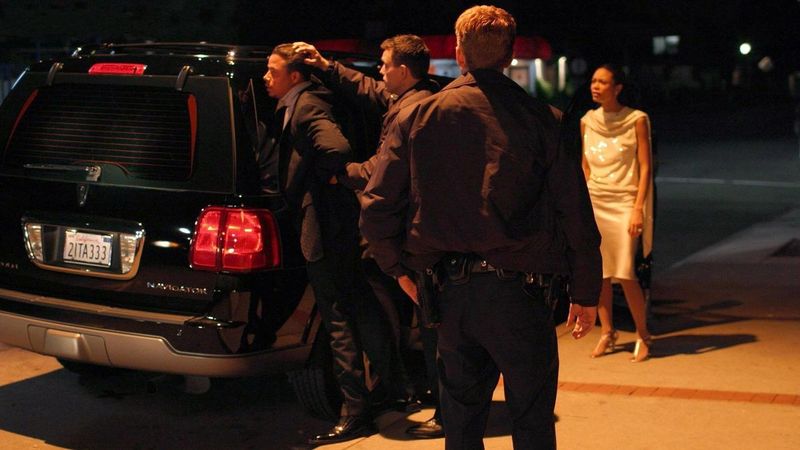
Winning Best Picture did not settle the argument about this Los Angeles ensemble drama. Its linked stories aim to expose prejudice, but critics argue that sudden twists and broad character types turn racism into an overly simple lesson.
Its Oscar victory over Brokeback Mountain added another lasting point of dispute. Supporters value its emotional reach; others question the shortcuts behind that impact.
Consider whether each character feels like a full person or mainly illustrates the film’s message.