
Gravy can turn a plain dinner into something special, but sometimes it tastes a little flat. The good news is that a few surprising ingredients from your kitchen can give it deep, bold flavor.
Some of these might sound strange at first, but cooks have used them for years. Grab a whisk and get ready to make your best gravy yet.
1. Instant Coffee
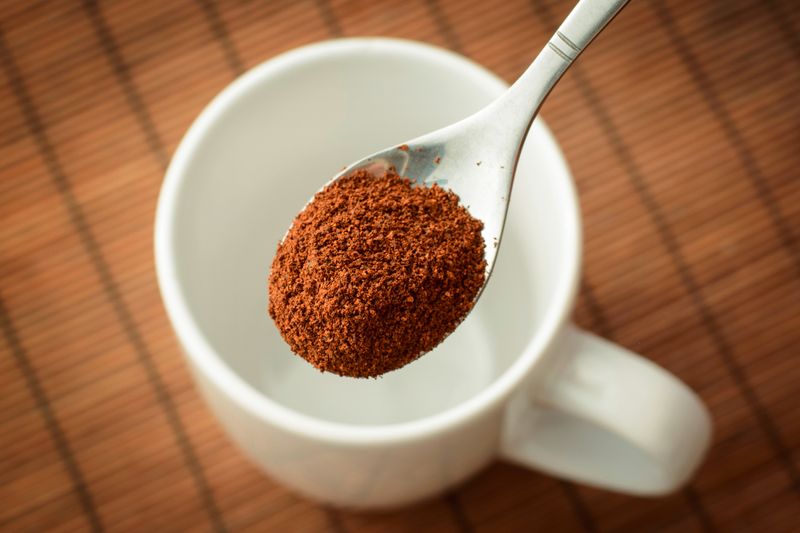
Picture a diner cook in the 1950s sneaking a pinch of coffee into the gravy pot. That old trick still works today.
Coffee adds a roasted, slightly bitter note that makes brown gravy taste deeper and meatier.
Start small, about a quarter teaspoon of instant granules for every two cups of gravy. Stir well so it melts completely.
Nobody will taste coffee, but they will notice the gravy suddenly tastes like it simmered all afternoon.
2. Soy Sauce
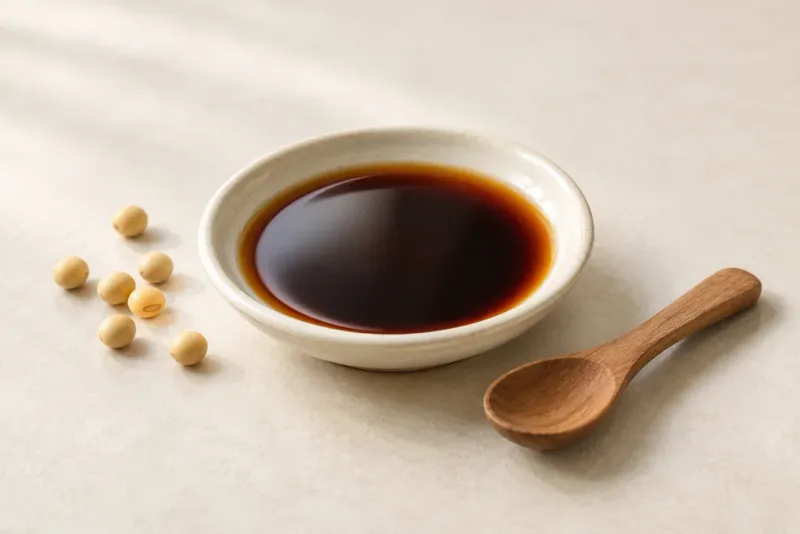
Salty, dark, and full of savory power, soy sauce is a quiet hero in many home kitchens. It brings umami, that rich taste you find in meat and mushrooms, straight into your gravy.
A teaspoon or two is usually plenty. Because it is salty, taste before adding any extra salt.
Soy sauce also gives gravy a lovely deep brown color, which helps when your pan drippings look pale or thin.
3. Miso Paste

Ever opened the fridge and spotted that tub of miso you bought for one soup recipe? Here is a perfect way to use it up.
Miso is fermented soybean paste, and it packs a mellow, nutty saltiness.
Whisk one tablespoon into warm gravy near the end of cooking. Avoid boiling it hard, since high heat dulls its flavor.
White miso is mild, while red miso gives a bolder punch.
4. Worcestershire Sauce
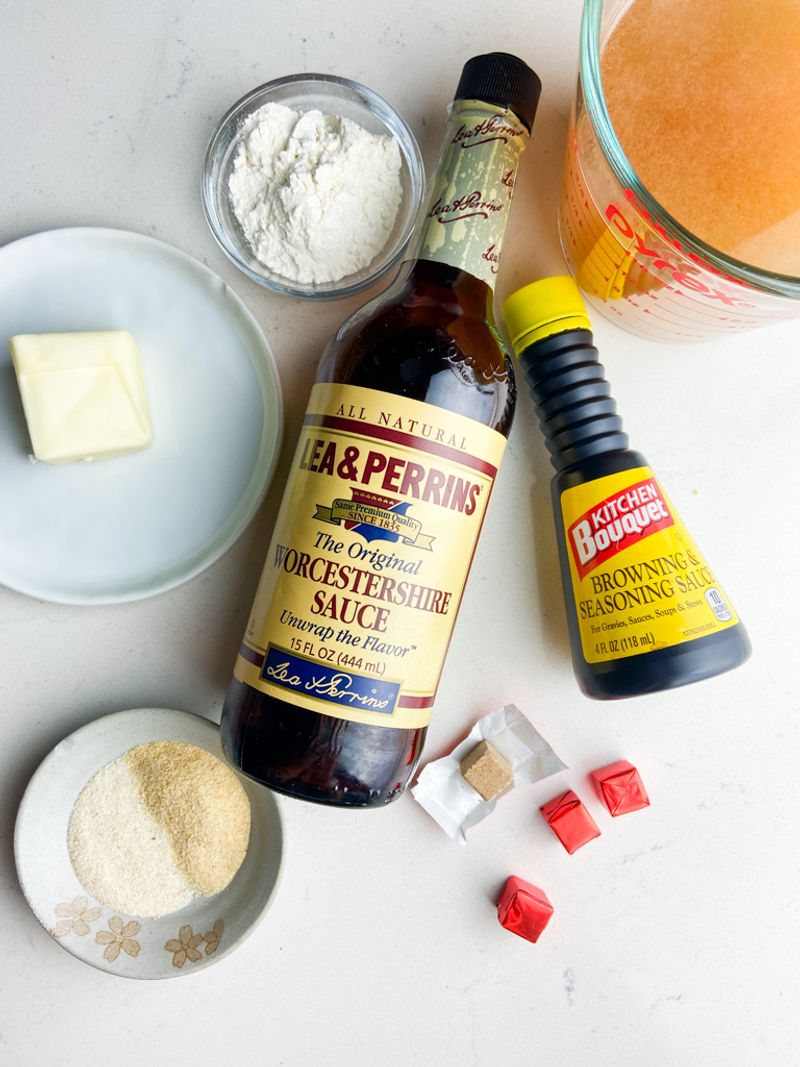
Fun fact: Worcestershire sauce was created in England in the 1830s, and the first batch supposedly tasted so bad it was forgotten in a cellar. After aging, it became delicious.
That tangy, complex flavor comes from anchovies, vinegar, tamarind, and spices. A few dashes wake up beef or turkey gravy instantly.
Try one teaspoon, then taste. It adds brightness and depth at the same time, which is a rare combination.
5. Anchovy Paste

Don’t panic, your gravy will not taste fishy. Anchovies melt into sauces and leave behind only a big, savory boost.
Chefs call it a secret weapon for good reason.
Squeeze about half a teaspoon of anchovy paste into the pan while the fat is warming. Stir until it disappears.
The result is a gravy with surprising richness that guests cannot quite name. Keep the tube in your fridge for months of easy upgrades.
6. Dried Porcini Mushrooms
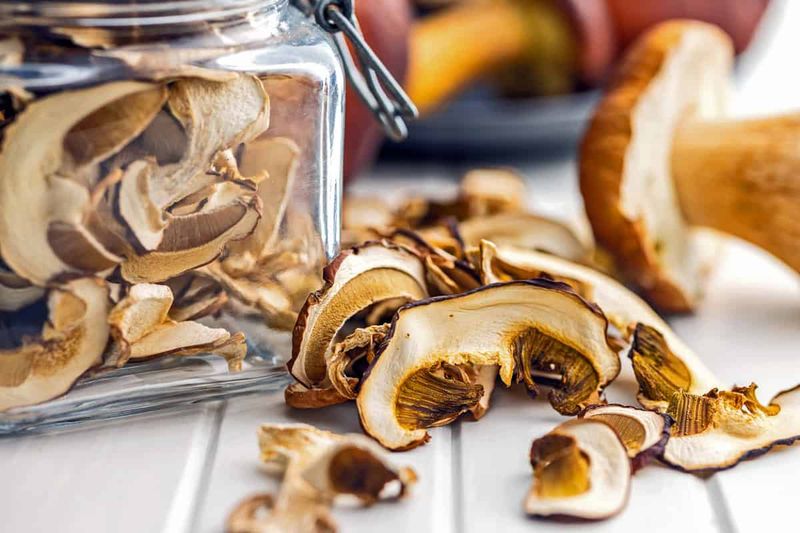
Woodsy and intense, dried porcini mushrooms carry more flavor than fresh ones ever could. Drying concentrates their earthy taste into tiny, wrinkled pieces.
Soak a small handful in hot water for twenty minutes. Chop the mushrooms finely and add them to your gravy.
Then pour in the soaking liquid too, leaving behind any grit at the bottom. That brown liquid is basically free mushroom stock, and it makes gravy taste wonderfully deep.
7. Cocoa Powder
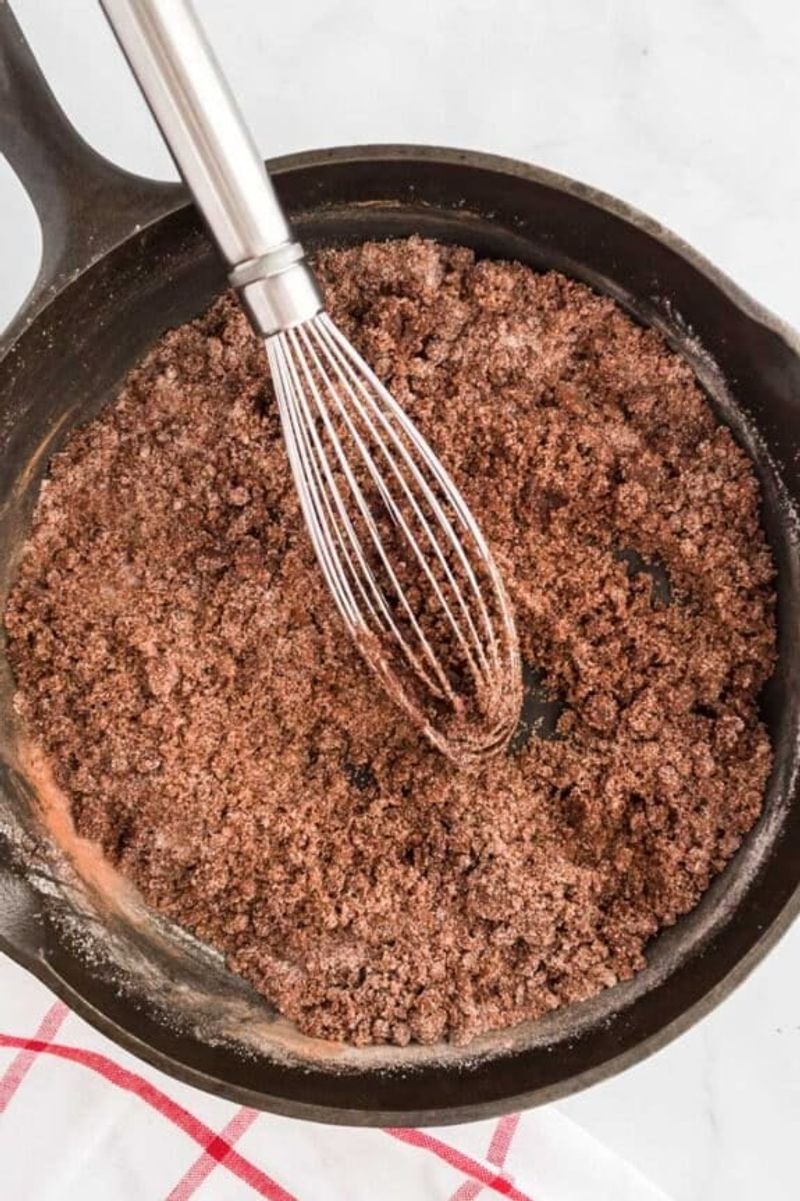
Chocolate in gravy? Mexican mole sauce has mixed cocoa with savory flavors for centuries, so the idea is not as wild as it sounds.
Use unsweetened cocoa powder, not hot chocolate mix. Just half a teaspoon is enough for a pot of beef gravy.
It adds a dark, rounded flavor and a gorgeous rich color. Your family will only notice that the gravy tastes fancier than usual.
Keep the secret if you like.
8. Balsamic Vinegar
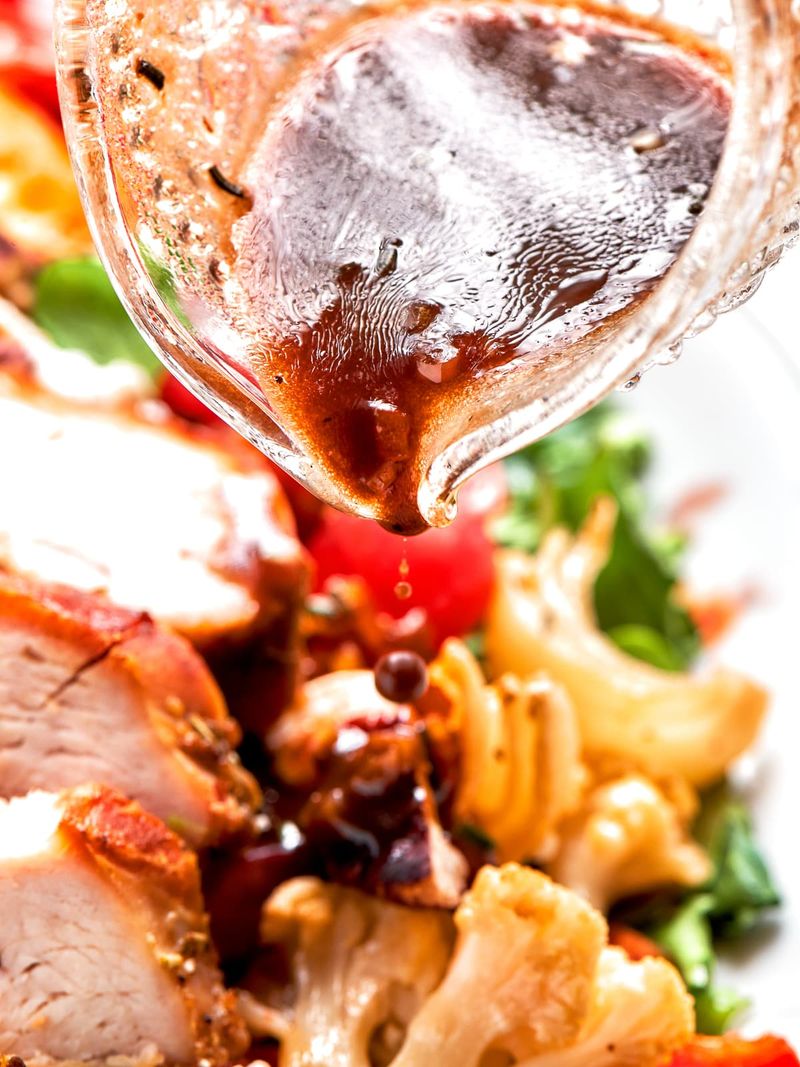
Sometimes gravy tastes heavy and muddy, and what it really needs is a little zing. A splash of balsamic vinegar fixes that in seconds.
Its sweet and tangy flavor cuts through fat and makes every other ingredient pop. Add one teaspoon at the end and taste.
Aged balsamic is thicker and sweeter, while cheaper bottles are sharper. Either one works well, especially with pork, beef, or roasted chicken gravy.
9. Fish Sauce

Open a bottle of fish sauce and the smell might make you step back. Trust the process.
Cooked into gravy, that strong scent fades and leaves pure savory magic behind.
Thai and Vietnamese cooks have used it for generations to add depth. For gravy, a few drops to half a teaspoon is enough.
It works especially well in turkey gravy, where it boosts the meaty flavor without anyone guessing why.
10. Tomato Paste
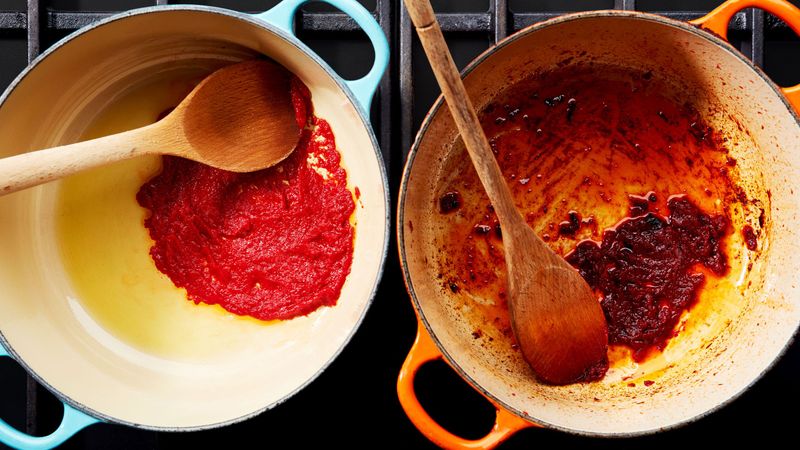
Grandma might have kept a can of tomato paste in the pantry for spaghetti, but it shines in gravy too. The trick is to cook it first.
Stir one tablespoon into the hot fat and let it sizzle until it turns brick red. That browning brings out sweet, roasted flavors.
Then add flour and broth like normal. The gravy will taste fuller and look beautifully dark without tasting like tomato sauce.
11. Apple Cider
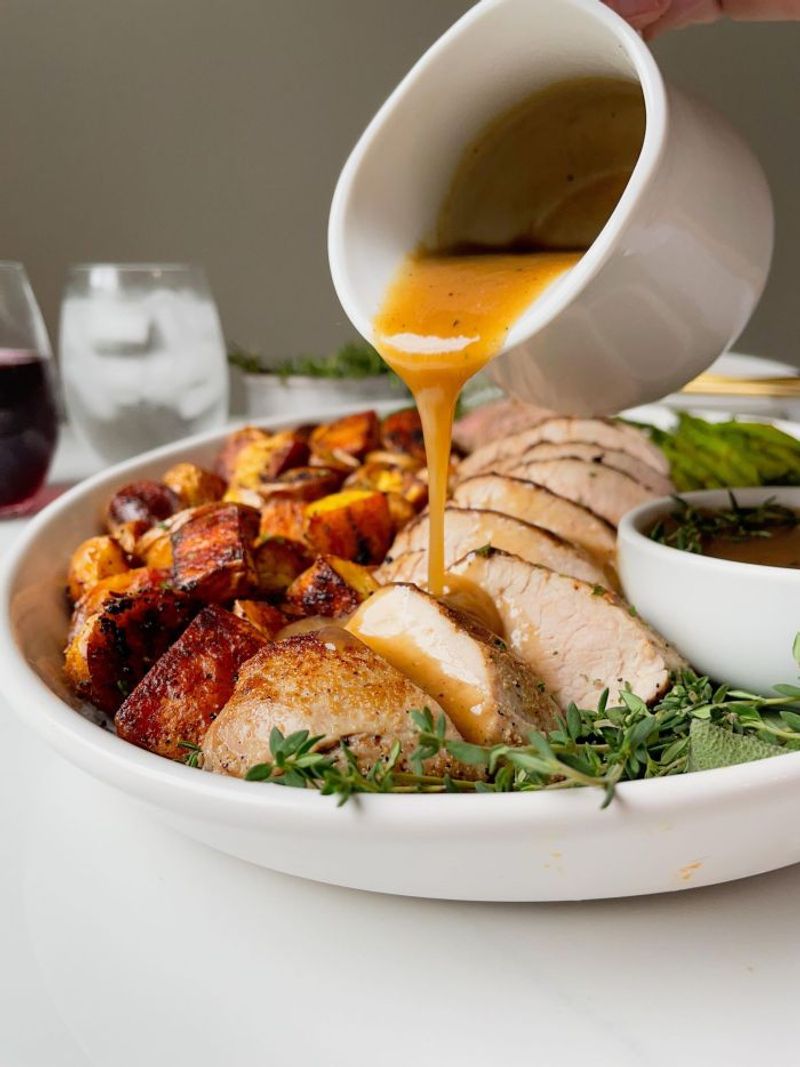
Autumn dinners call for something cozy, and apple cider brings exactly that feeling. Swapping part of the broth for cider adds gentle sweetness and fruity tang.
It pairs best with pork roast or turkey. Replace about a quarter of your liquid with cider, then simmer so the flavors blend.
If it turns too sweet, a splash of vinegar balances it. Your kitchen will smell like a fall farmers market.
12. Brown Butter
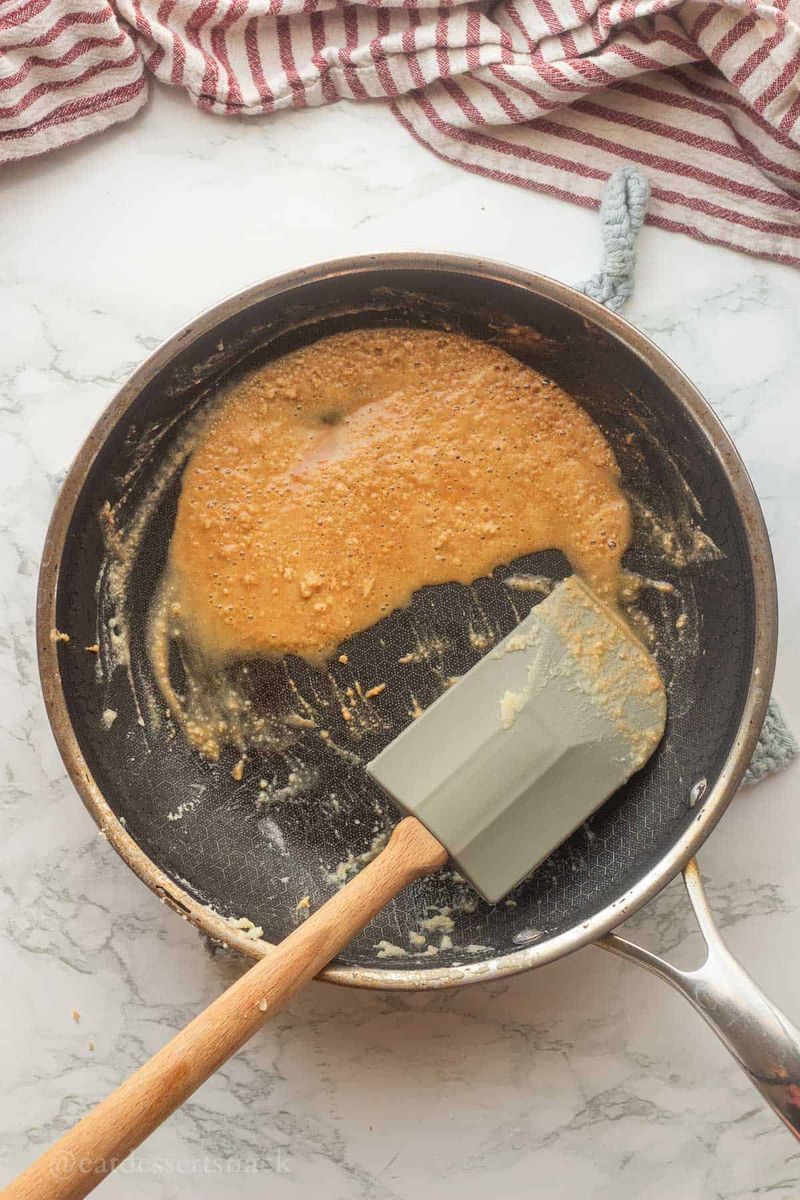
Here is a simple upgrade that feels like a chef trick. Instead of using plain melted butter, cook it a few minutes longer until it turns golden and smells like toasted nuts.
Those little brown bits are full of flavor. Use the brown butter as the fat for your roux, then whisk in flour and stock.
Watch the pan closely, because butter can go from brown to burnt quickly.
13. Parmesan Rind
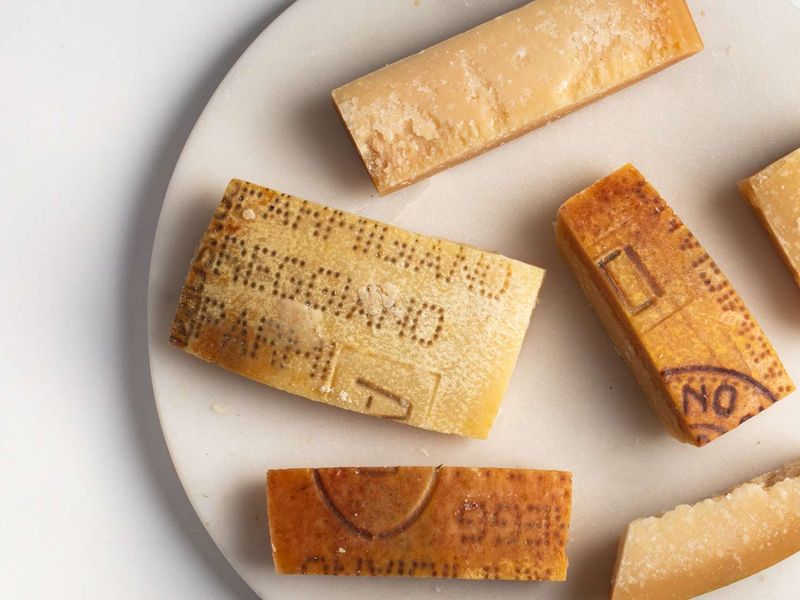
Most people toss the hard end of a Parmesan wedge in the trash. Big mistake!
That rind is packed with salty, nutty flavor waiting to escape.
Drop it into your simmering gravy for fifteen to twenty minutes. It softens and releases its rich taste into the liquid.
Fish it out before serving. Save rinds in a freezer bag so you always have one ready for gravy, soups, or stews.
14. Caramelized Onions
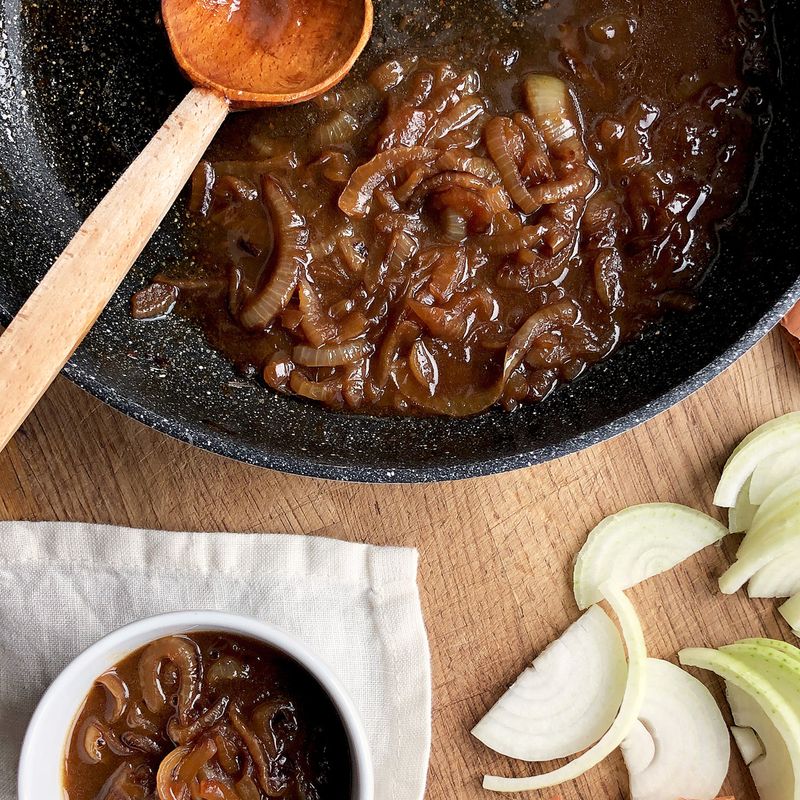
Patience pays off with this one. Slowly cooking sliced onions over low heat for thirty to forty minutes turns them sweet, soft, and deeply golden.
Stir them into gravy for an instant flavor upgrade, almost like French onion soup. You can leave the pieces in for texture or blend everything smooth.
Make a big batch on the weekend and freeze portions, so caramelized onions are ready whenever dinner needs a boost.
15. Black Garlic

Black garlic looks strange, almost like little lumps of licorice. It is regular garlic that has been warmed slowly for weeks until it turns dark, soft, and sweet.
The taste is mellow, with hints of molasses and balsamic. Mash two or three cloves and whisk them into your gravy.
It adds richness without sharp garlic bite. Look for it at specialty grocery stores or online, often sold as whole bulbs.
16. Maple Syrup
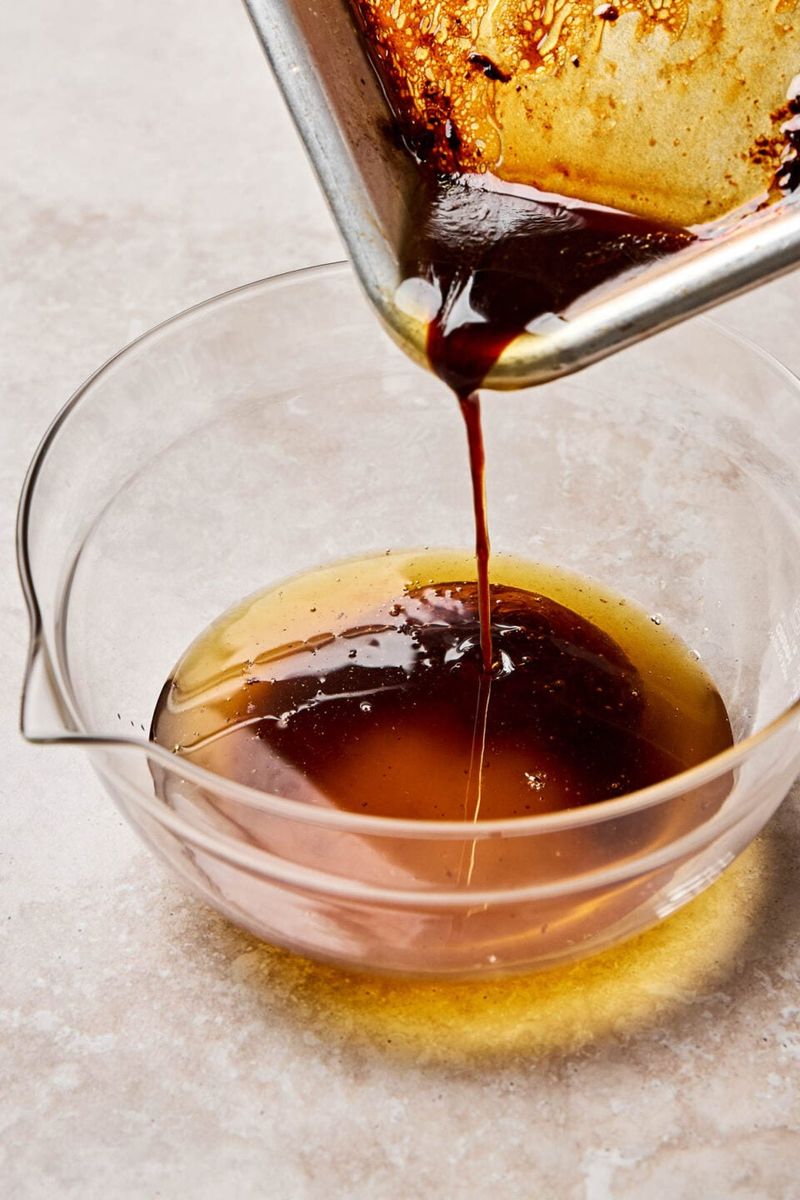
Canadians might smile at this one, since maple syrup shows up in plenty of their savory dishes. A tiny drizzle balances salty drippings beautifully.
Use real maple syrup, not pancake syrup, and start with one teaspoon. It rounds out sharp flavors and gives gravy a glossy finish.
It works especially well with ham, pork, and turkey. Just remember, the goal is a hint of sweetness, not dessert on your mashed potatoes.
17. Dijon Mustard

Tangy and smooth, Dijon mustard does two jobs at once. It adds bright flavor and helps the gravy stay creamy, since mustard works as a natural emulsifier.
That fancy word just means it helps fat and liquid blend together instead of separating. Whisk in one teaspoon near the end.
Chicken and pork gravies love it most. The gravy will taste lively, a bit French, and wonderfully balanced.
18. Red Wine
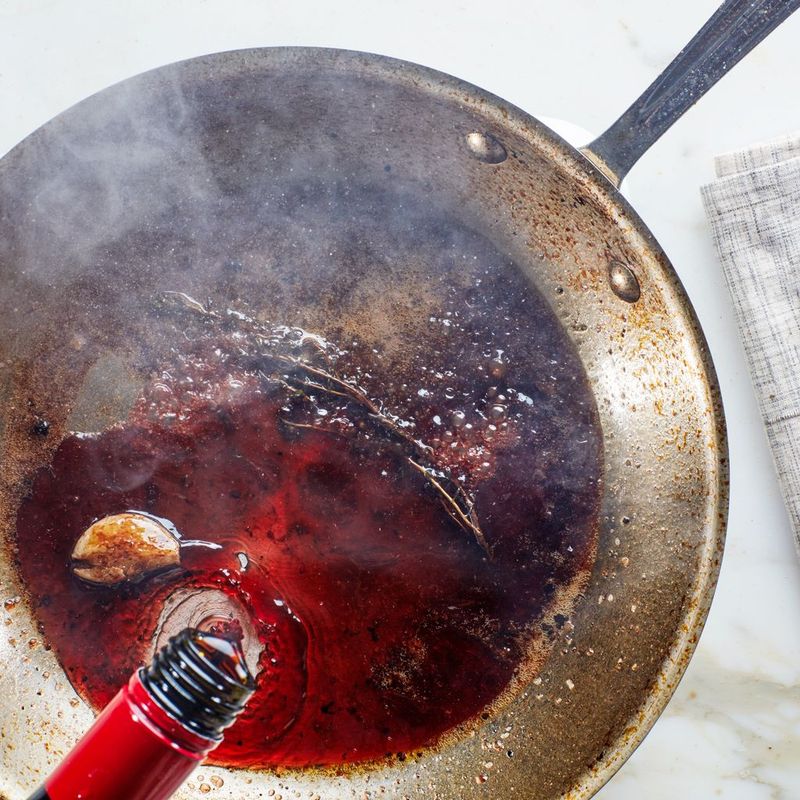
Ever seen a cook pour wine into a sizzling pan and scrape like crazy? That is called deglazing, and it lifts the tasty browned bits off the bottom.
Add half a cup of dry red wine to your roasting pan and let it bubble until it shrinks by half. Most of the alcohol cooks away, leaving fruity, bold flavor.
Beef and lamb gravies especially benefit from this classic restaurant move.
19. Fresh Sage and Thyme
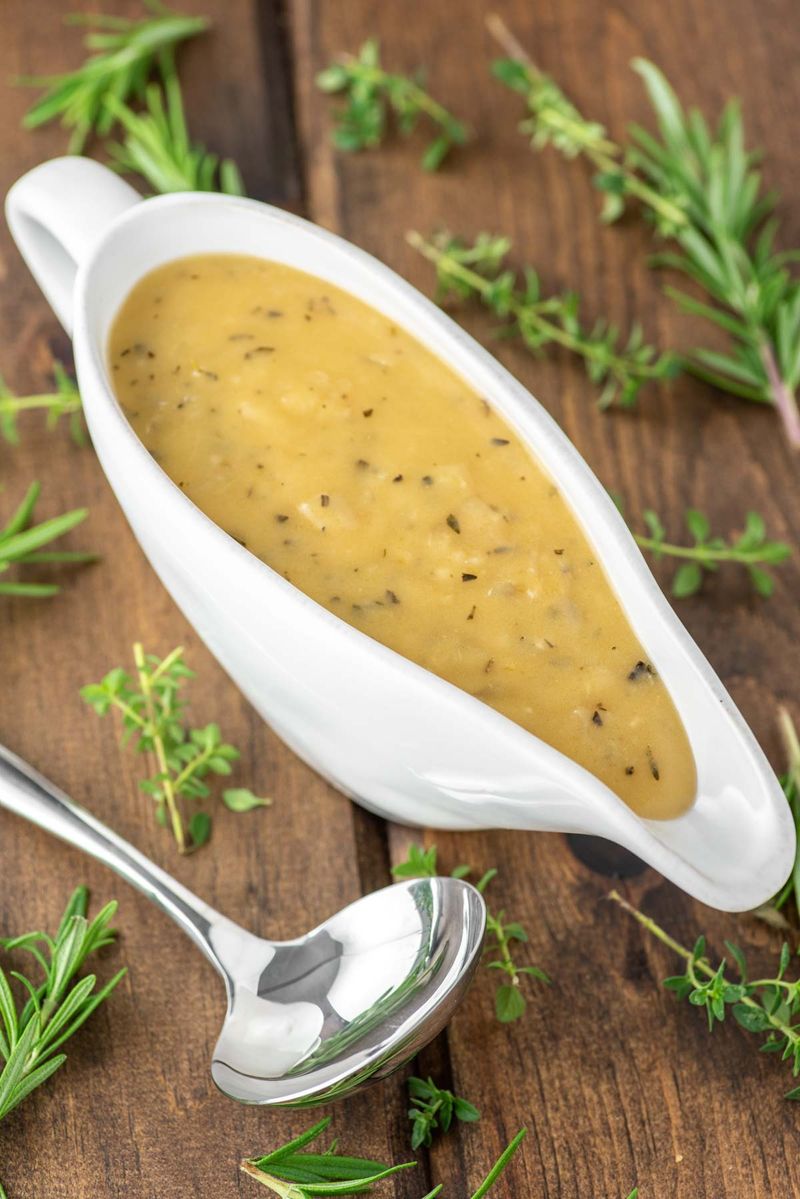
Think of the smell of a holiday kitchen. Much of that cozy scent comes from sage and thyme, two herbs that belong in gravy.
Toss a few whole sprigs into the pot while it simmers, then pull them out before serving. Fresh herbs taste brighter than dried ones.
If you only have dried, use about a third as much. Your gravy will taste homemade in the best possible way.
20. Bone Broth
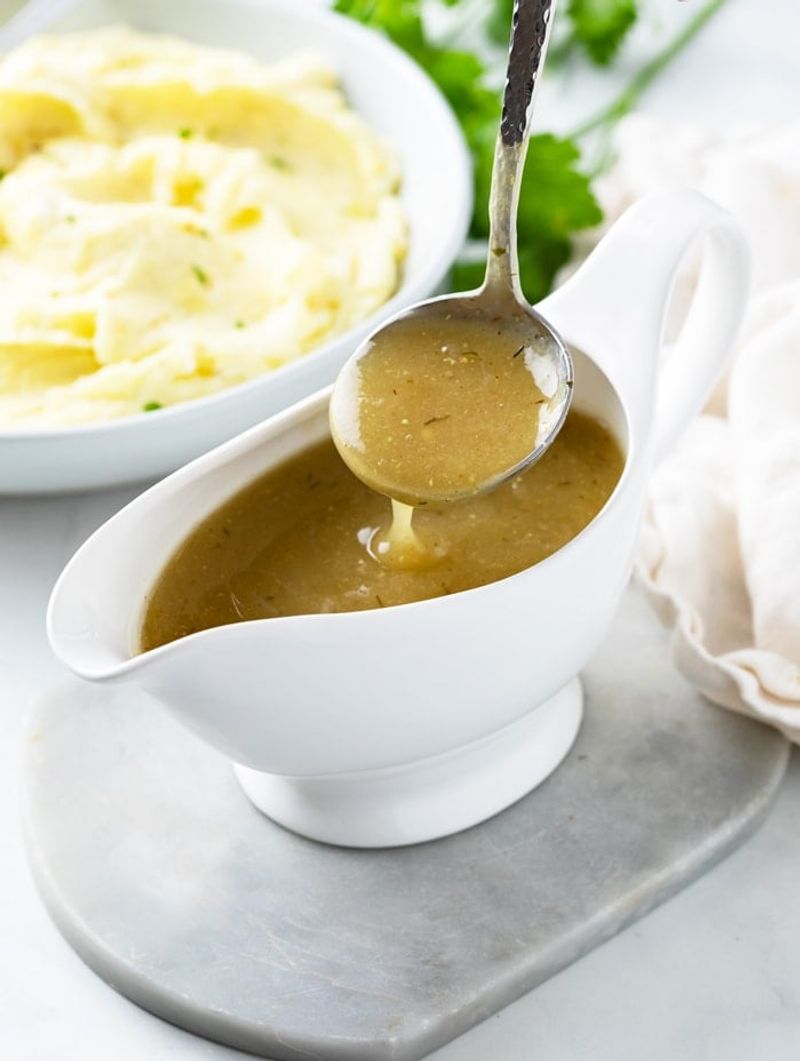
Regular boxed broth is fine, but bone broth is a big step up. It simmers for many hours, pulling gelatin from the bones.
That gelatin gives gravy a silky, thicker feel that coats your tongue and clings to potatoes. Swap it in cup for cup.
You can buy it in stores or make your own using leftover chicken bones in a slow cooker. Body and flavor both improve immediately.
21. Cream Cheese
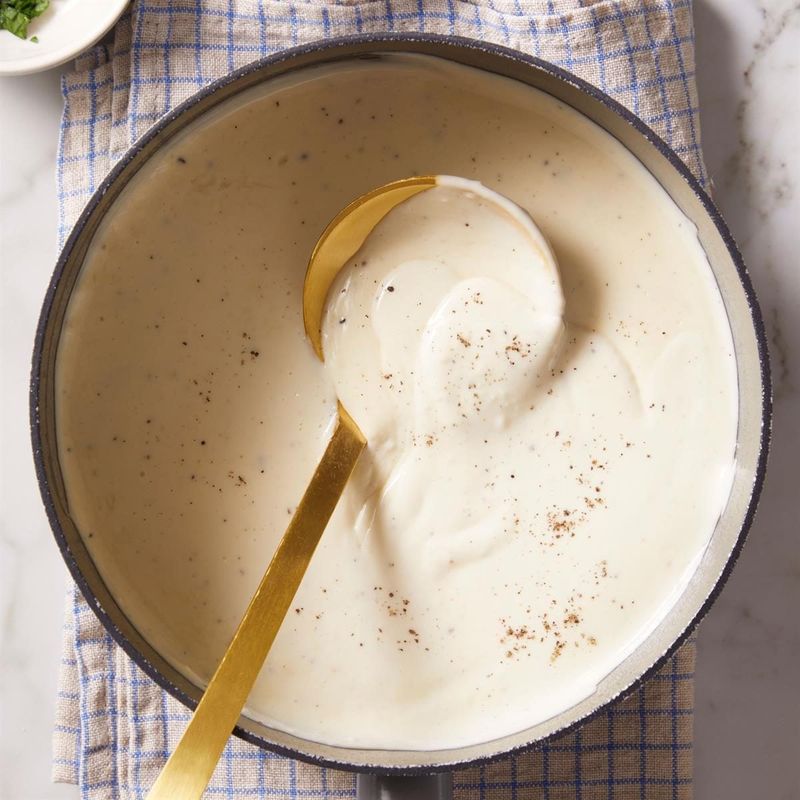
Lumpy or thin gravy? A spoonful of cream cheese might save the day.
It melts right in and makes everything velvety and rich.
Cut about two tablespoons into small cubes so they melt faster. Whisk over low heat until smooth.
The slight tang pairs nicely with chicken, pork chops, and biscuits. Kids often love this creamy version, and it reheats better than many gravies do the next day.