
Some of the fanciest foods on restaurant menus today started out as meals for poor families, servants, and even prisoners. Rich people once turned up their noses at lobster, oysters, and pizza because they seemed too common.
Over time, tastes changed, supplies shrank, and clever cooks found new ways to serve these humble dishes. Learning their stories can help you see everyday food in a whole new way.
1. Lobster
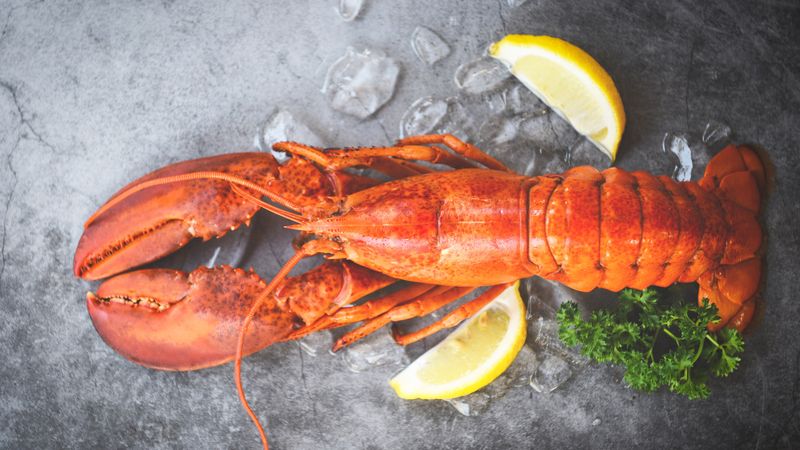
Picture a prisoner in colonial Massachusetts groaning at another lobster dinner. Back then, lobsters washed up on beaches in huge piles, and people used them as fertilizer and fish bait.
Some workers even had contracts limiting how often they could be served lobster. Things changed when railroads carried it inland and tourists tried it fresh.
Today, a single lobster tail can cost more than a whole week of groceries. Talk about a glow-up!
2. Oysters
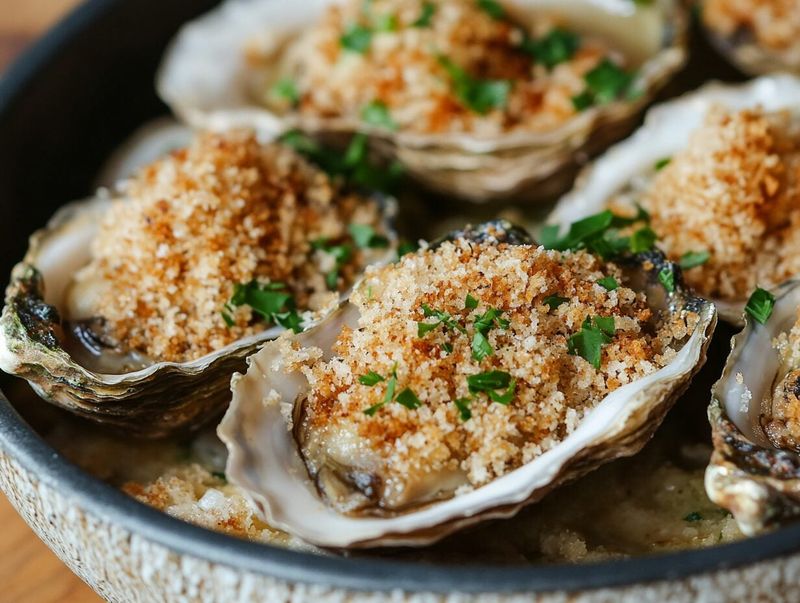
In 1800s New York, oyster carts lined the streets like hot dog stands do today. Workers slurped them by the dozen for pennies.
Oyster beds were so full that almost anyone could afford a hearty meal. Sadly, overharvesting and pollution wiped out many of those beds.
As oysters grew scarce, prices climbed, and they became a symbol of luxury. If you try one, look for local, sustainably farmed oysters for the freshest taste.
3. Pizza
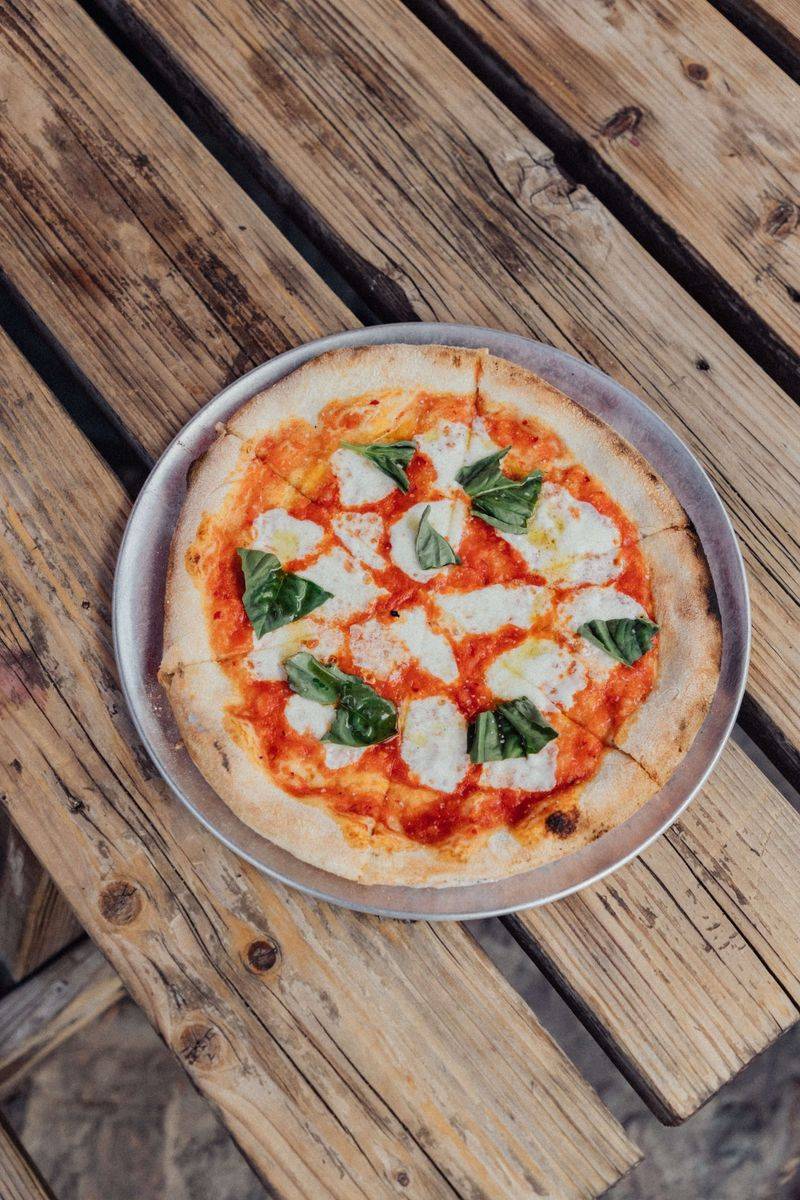
Naples, Italy, in the 1700s was crowded with poor families who needed quick, cheap food. Flatbread topped with tomatoes, garlic, and a little cheese did the trick.
Wealthy Italians considered it messy street food fit only for laborers. A famous legend says Queen Margherita tasted a pizza in 1889 and loved it.
That royal stamp of approval helped pizza spread worldwide. Now gourmet pies with truffles can cost over fifty dollars.
4. Sushi
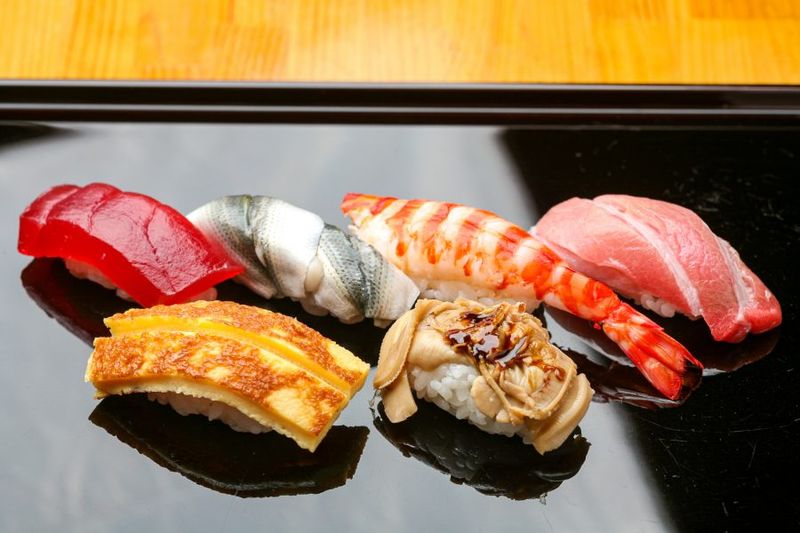
Fast food, Japanese style. That is exactly how sushi began in 1800s Edo, now called Tokyo.
Street vendors sold quick bites of rice and fish to busy workers who ate standing up.
Nobody thought of it as fine dining. Fancy restaurants came much later, after refrigeration improved and sushi traveled overseas.
Today top sushi chefs train for years, and some meals cost hundreds of dollars. Grocery store sushi still keeps its humble roots alive.
5. Caviar
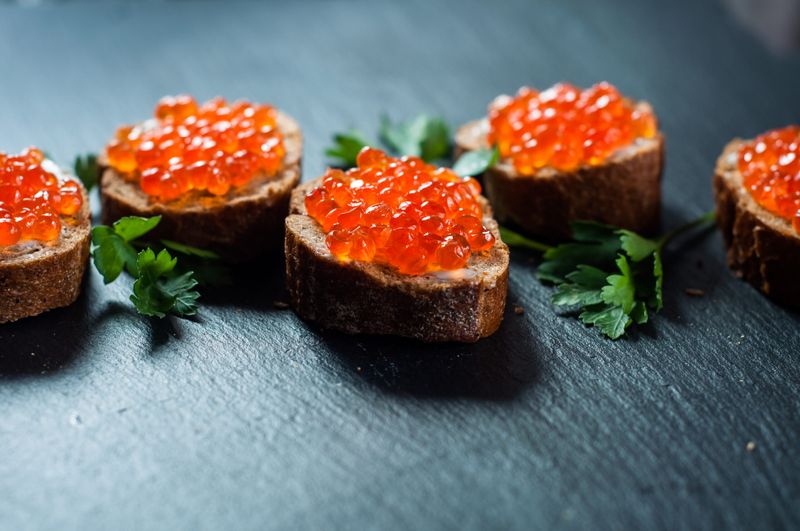
Believe it or not, American bars once handed out salty caviar for free. Bartenders knew salty snacks made customers thirsty and order more drinks.
In the late 1800s, the United States had so many sturgeon that it produced most of the world’s caviar. Fishermen sometimes fed extra eggs to pigs!
Overfishing nearly wiped out the sturgeon, and prices soared. A small tin now can cost more than a fancy pair of sneakers.
6. Salmon
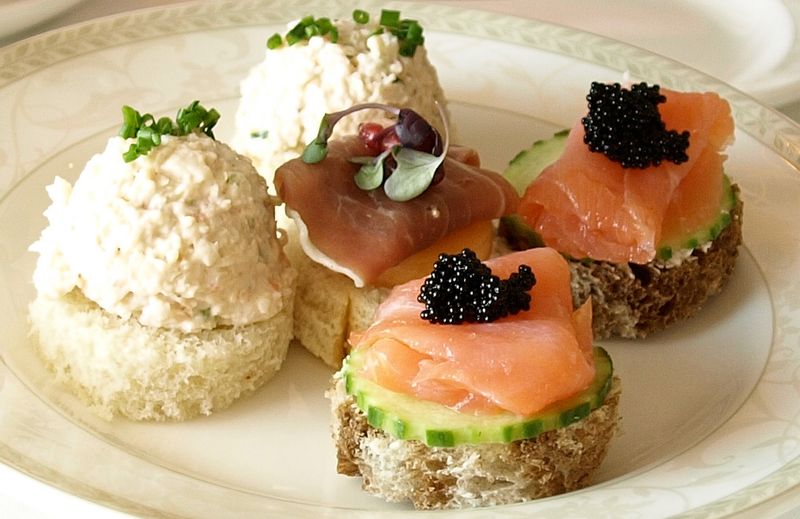
Servants in old Scotland and colonial America reportedly complained about eating salmon too often. Rivers were bursting with the pink fish, so it was cheap and easy to catch.
Dams, pollution, and heavy fishing later cut wild salmon numbers sharply. As it became harder to find, demand from fancy restaurants grew.
Tip for shoppers: frozen wild salmon is often cheaper than fresh and just as healthy, packed with omega-3 fats.
7. Oxtail
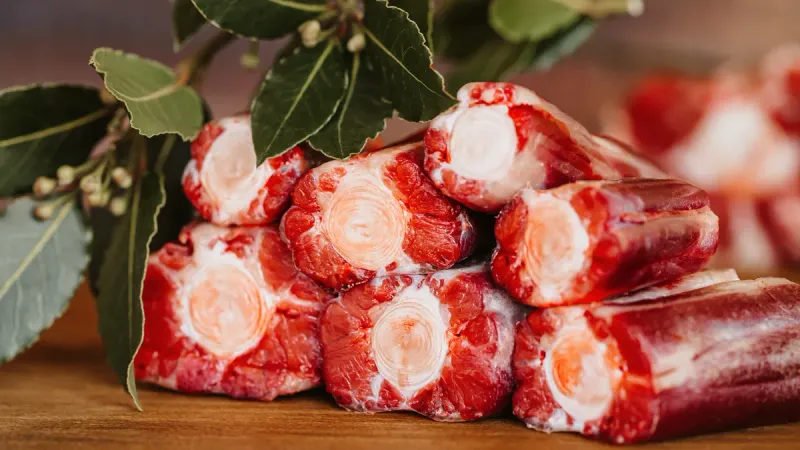
Grandmas everywhere knew the secret long before chefs did. Oxtail, the bony tail of cattle, was once tossed to poor families because butchers could barely sell it.
Slow cooking turned the tough meat into rich, melt-in-your-mouth stew. Caribbean, Korean, and Southern cooks made it a comfort food classic.
Once trendy restaurants discovered it, prices jumped. If you find a deal, grab it, then simmer it for hours for the best flavor.
8. Brisket
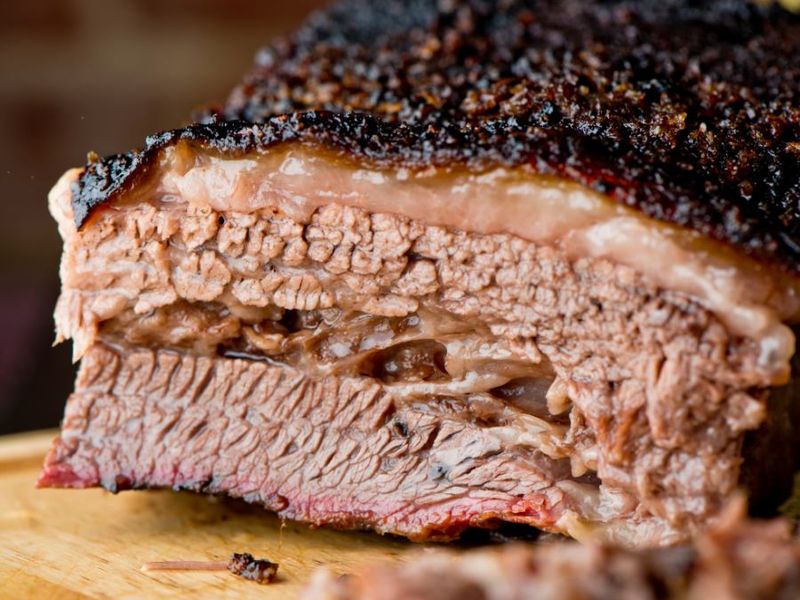
Ask any Texas pitmaster about brisket, and you might hear a long, smoky love story. Not long ago, this tough chest cut was one of the cheapest pieces of beef around.
Jewish immigrant families braised it for holidays, and Texas barbecue joints smoked it low and slow.
Barbecue fever has pushed prices way up in recent years. Want to save money?
Buy a whole brisket and practice your own smoking skills.
9. Chicken Wings
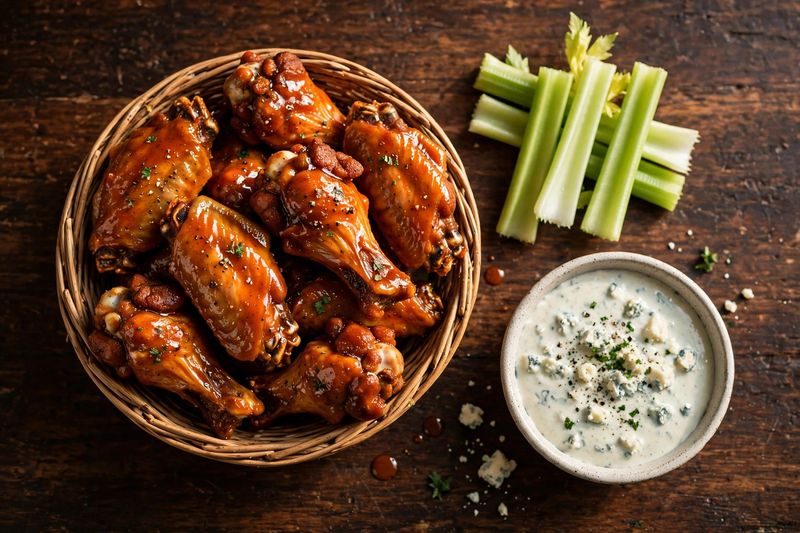
Butchers used to throw wings into the soup pot or the trash. Hardly anyone wanted the skinny, bony part of the chicken.
Then in 1964, the Anchor Bar in Buffalo, New York, fried some wings and tossed them in hot sauce. A legend was born!
Football fans made wings a must-have snack, and now prices spike during big games. Fun fact: Americans eat over a billion wings on Super Bowl weekend alone.
10. Quinoa
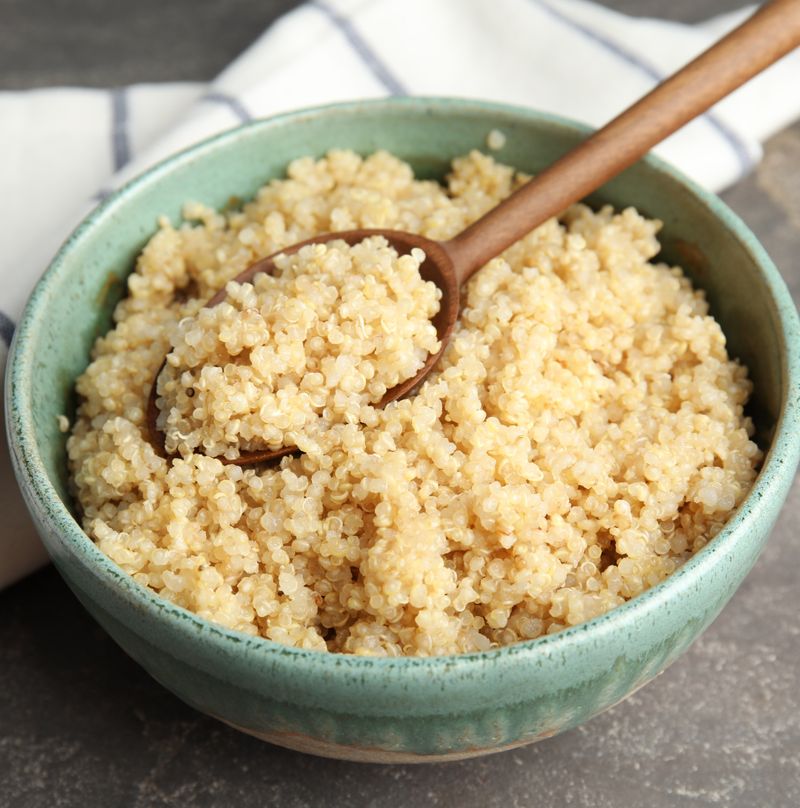
For thousands of years, farmers in the Andes mountains of Peru and Bolivia grew quinoa as an everyday staple. Spanish colonizers looked down on it as food for poor native people.
Fast forward to the 2000s, and health fans called it a superfood. Prices tripled almost overnight.
The tiny seed packs complete protein and cooks in about fifteen minutes. Rinse it first to remove the bitter coating called saponin.
11. Kale
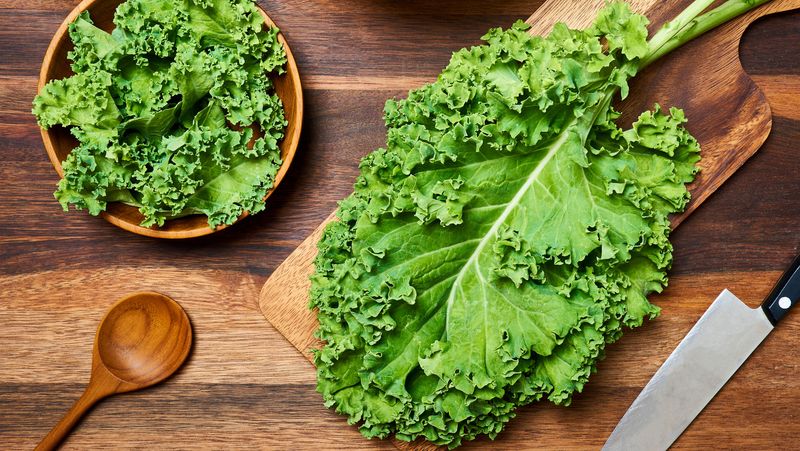
Until about 2010, many restaurants used kale only as decoration around salad bars. Pizza Hut was once reportedly one of the biggest kale buyers in America, just for garnish!
For centuries it fed poor farmers through cold winters because it grows almost anywhere.
Then food bloggers crowned it king of greens, and kale chips and smoothies took over. Massage raw kale with olive oil and salt to make it tender.
12. Pasta
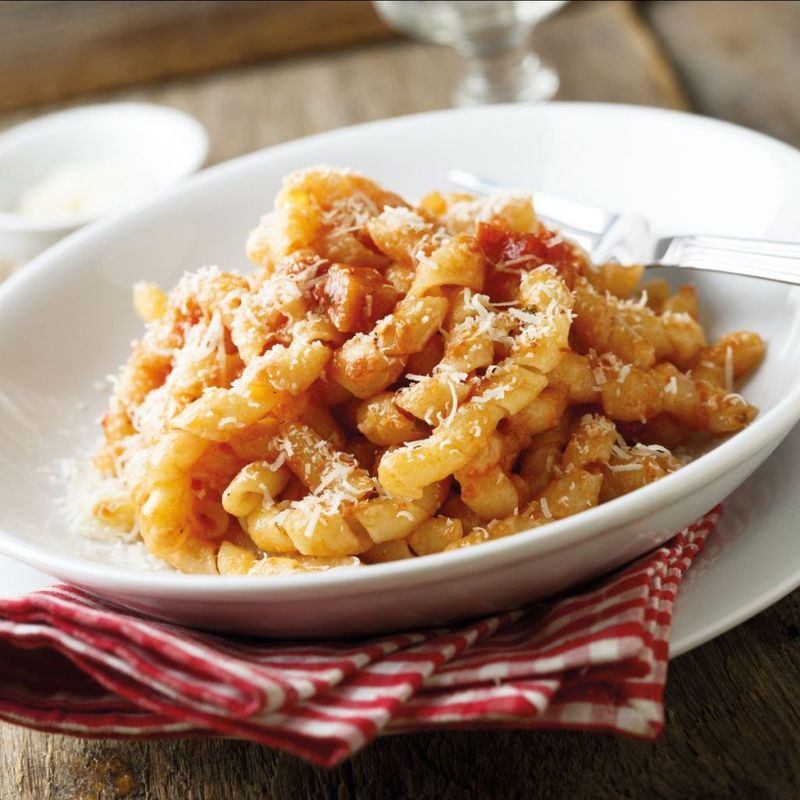
Hungry Neapolitans in the 1700s were nicknamed macaroni eaters, and it was not a compliment. Pasta was cheap, filling, and sold from street stands where people ate it with their hands.
Rich families preferred meat and fancy pastries. Over time, Italian immigrants carried their noodles worldwide.
Now handmade pasta with truffle shavings can fetch big money at restaurants. Still, a box of dried spaghetti remains one of the best budget meals ever.
13. Polenta
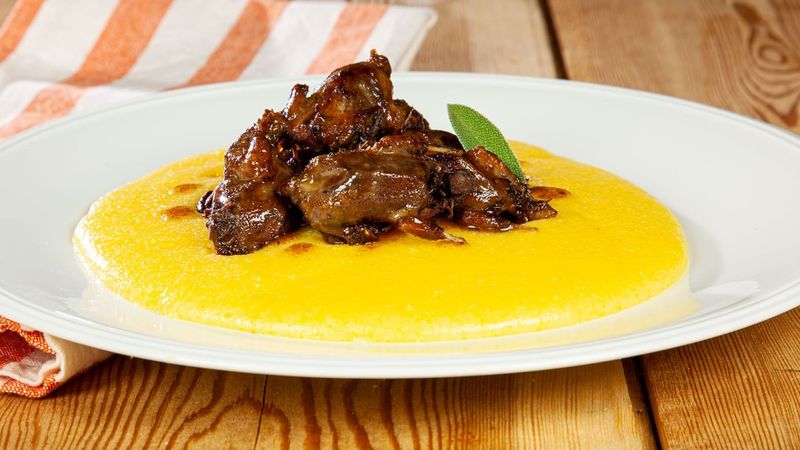
Here is a cozy kitchen secret: polenta is basically cornmeal mush. Poor farmers in northern Italy ate it almost every day because corn was cheap and easy to grow.
Some families stirred it for an hour and served it straight onto a wooden board for everyone to share.
Modern chefs dress it up with cheese, mushrooms, or braised meats and charge plenty. Make it at home for a few cents per serving.
14. Escargot
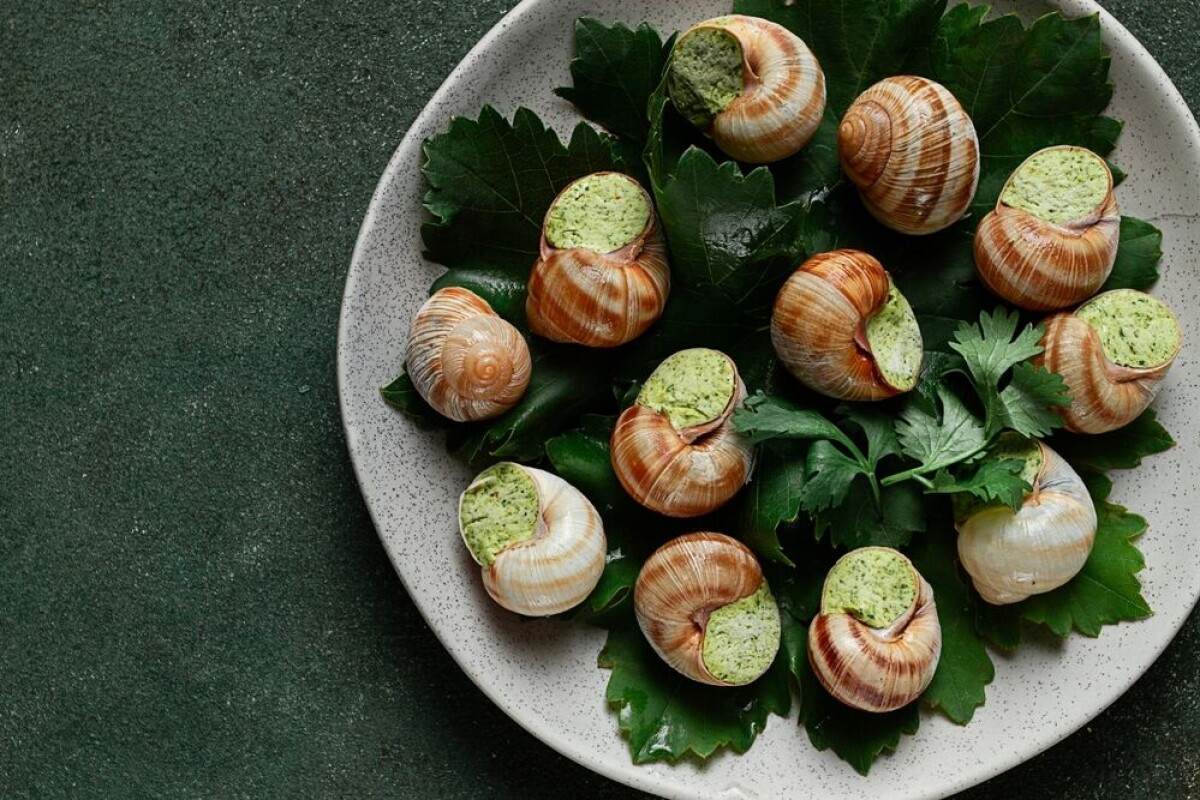
Snails for dinner? Ancient Romans enjoyed them, but in later centuries French peasants gathered them from gardens because meat was too expensive.
The slimy critters were free protein for anyone willing to pick them up. In the 1800s, a famous chef served them with garlic butter to impress important guests.
That elegant twist made escargot a fine dining favorite. Curious eaters say they taste mostly like buttery, garlicky mushrooms.
15. Tacos
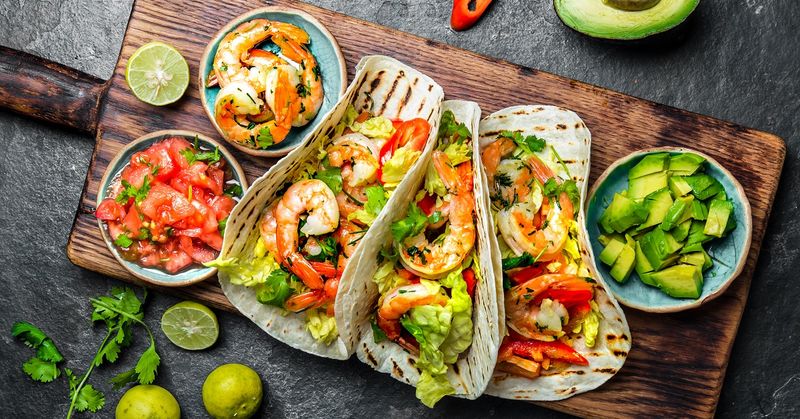
Silver miners in 1800s Mexico may have given tacos their name. Workers wrapped cheap fillings in corn tortillas for an easy lunch underground.
For years, upper-class folks saw tacos as working-class food from street stands.
Today, trendy taco shops serve fillings like lobster and wagyu beef at sky-high prices. Honestly, though, nothing beats a two-dollar taco from a busy street cart, still warm from the griddle.
16. Short Ribs
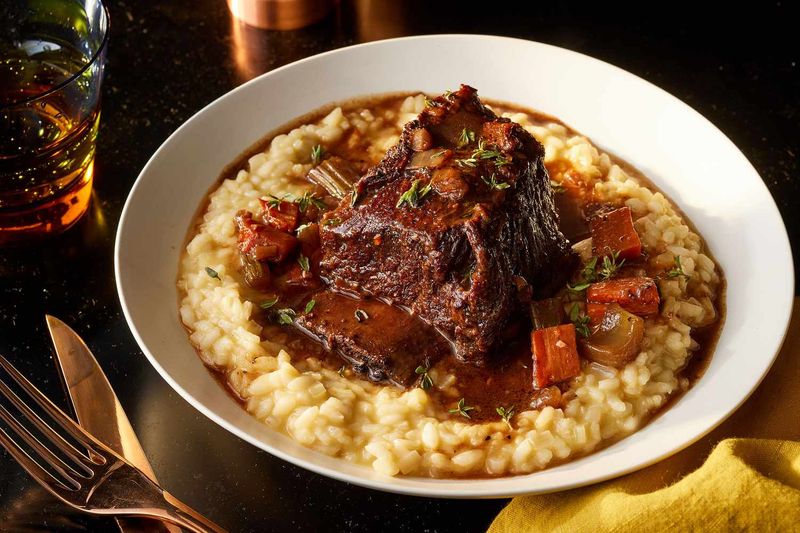
Short ribs were once the leftovers nobody fought over. Their tough meat and big bones made them a bargain for families stretching their grocery money.
In the 1990s, chefs started braising them in wine until they fell off the bone. Diners went wild.
Korean galbi, grilled thin-sliced short ribs, also helped make them famous. Try cooking them in a slow cooker all day for a restaurant-quality meal at home.
17. Mussels
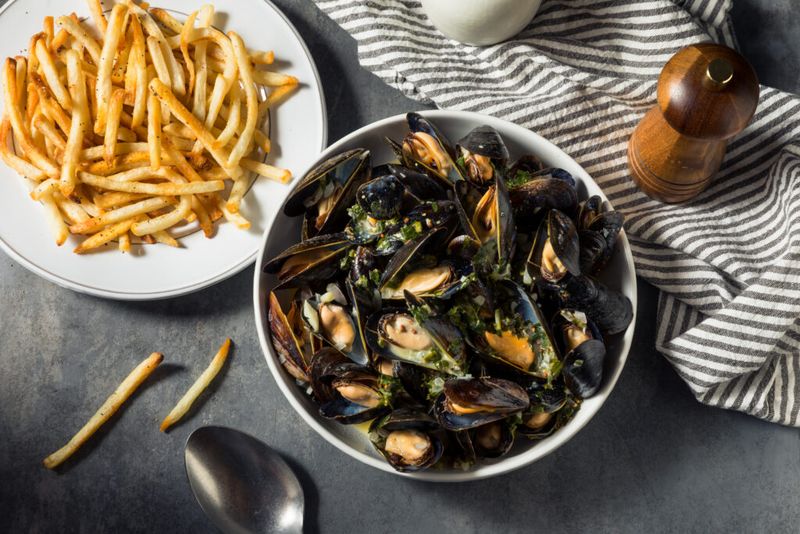
Along rocky coastlines, mussels cling to almost everything. Poor fishing families in Europe gathered them for free during low tide.
In Belgium, mussels with fries became a cheap dinner for workers. Wealthy diners mostly ignored them.
Now bistros charge plenty for a steaming pot in garlic and wine broth. Smart tip: tap any open mussel before cooking, and toss it if it does not close up.
18. Artisan Sourdough Bread
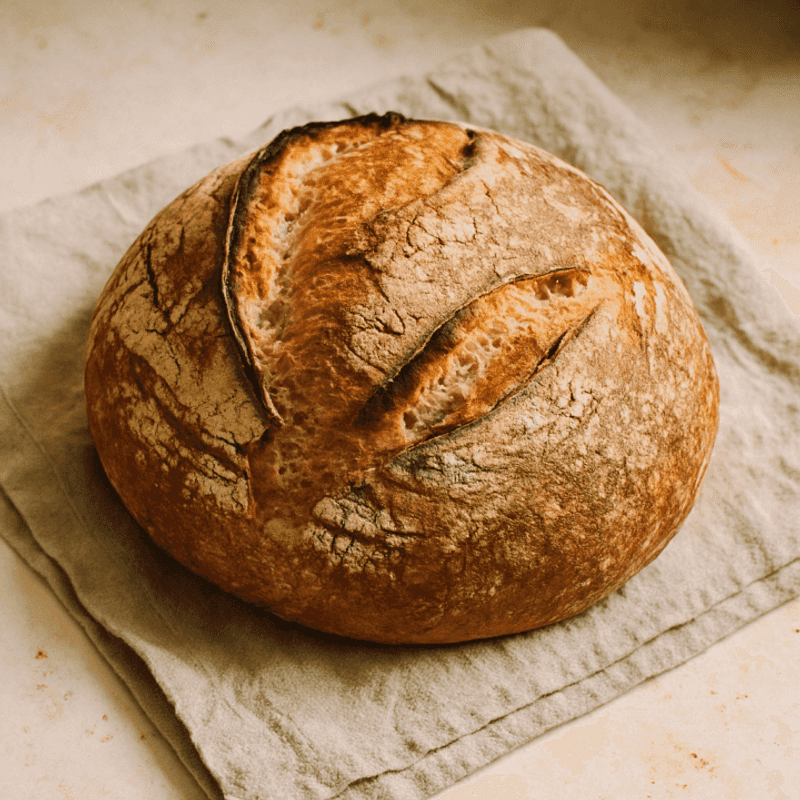
Dark, coarse bread was once a clear sign you were poor. Rich families wanted soft white loaves made with finely sifted flour.
Gold rush miners in California even carried sourdough starters, earning the nickname sourdoughs.
Fast forward, and crusty rustic loaves now sell for eight dollars or more at fancy bakeries. Want to try baking?
A homemade starter needs only flour, water, and a little patience.
19. Bone Marrow
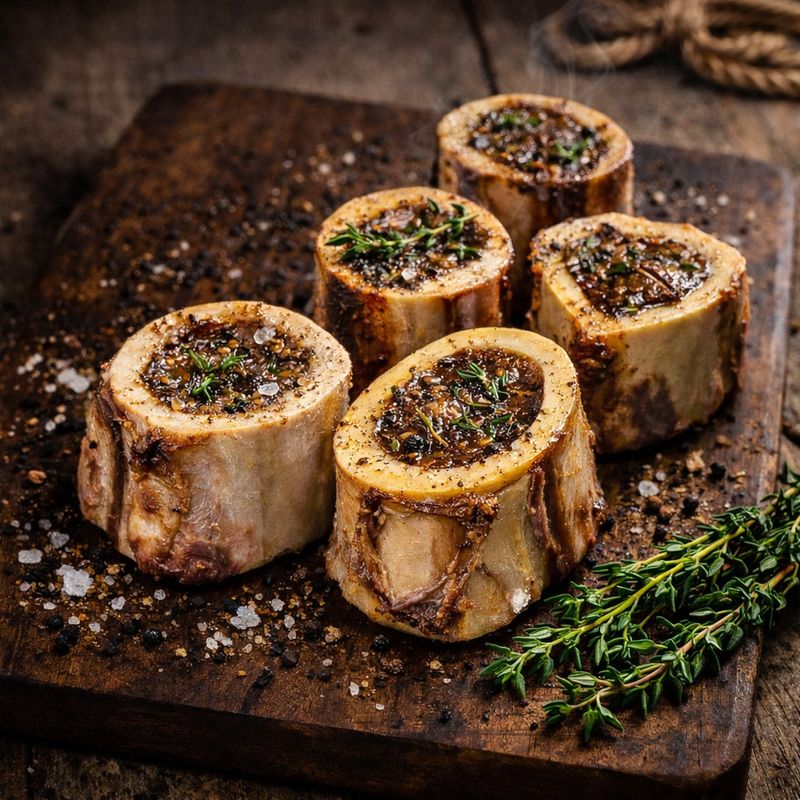
Our ancient ancestors cracked bones for marrow long before forks existed. Later, poor families boiled bones into soup because the meat was too costly.
Butchers practically gave marrow bones away for dog treats.
Then trendy chefs roasted them and served the buttery center on toast. Suddenly, bone marrow appeared on fancy menus everywhere.
Ask your butcher for canoe-cut bones, roast them at high heat, and spread the marrow like butter.