
Every corner of America once had its own special foods, cooked the same way for generations. Some of those dishes are fading fast as families get busier and old cooks pass away.
Learning about them helps keep local history alive, one recipe at a time. You might even find a new favorite meal hiding in your grandparents’ kitchen.
1. Burgoo Stew in Kentucky
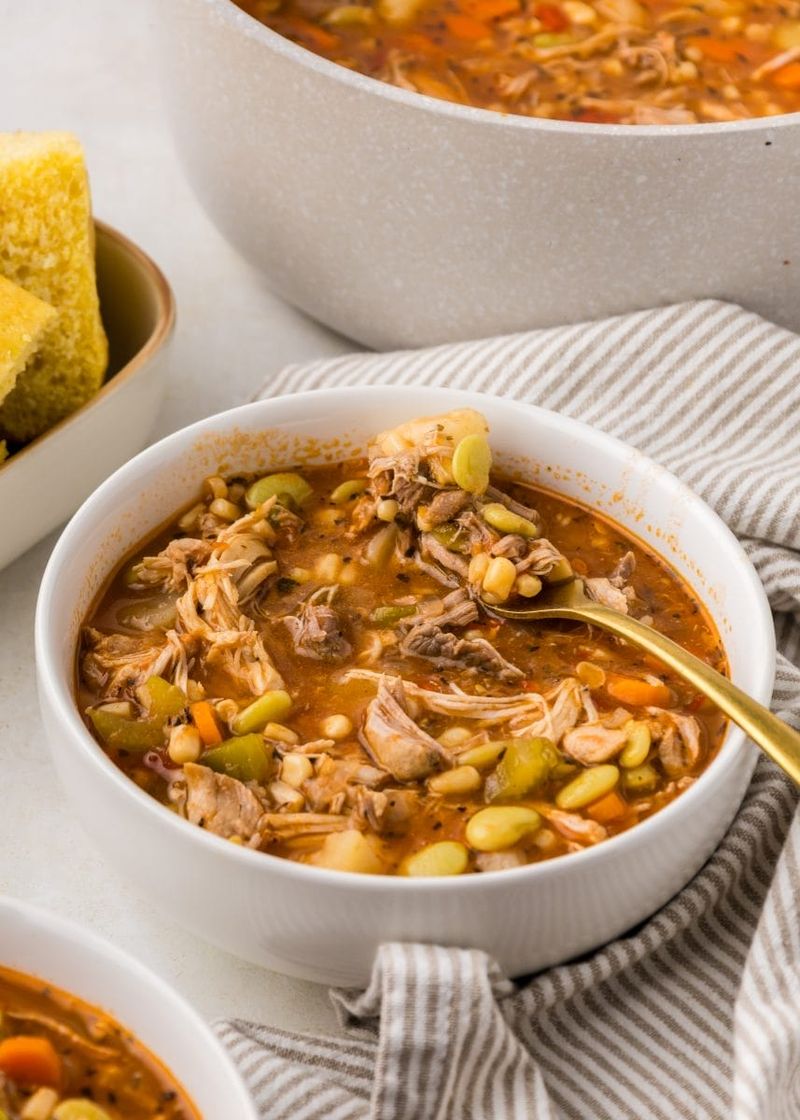
Picture a giant iron kettle bubbling all night at a church picnic. Burgoo is a thick Kentucky stew packed with meats, corn, lima beans, and okra.
Long ago, cooks used squirrel or mutton, and whole towns took turns stirring. Fewer people now want to spend twelve hours tending a fire.
Want to help? Visit Owensboro’s barbecue festival in May, where volunteers still cook burgoo the old way and happily share stories.
2. Pawpaw Gathering in Appalachia
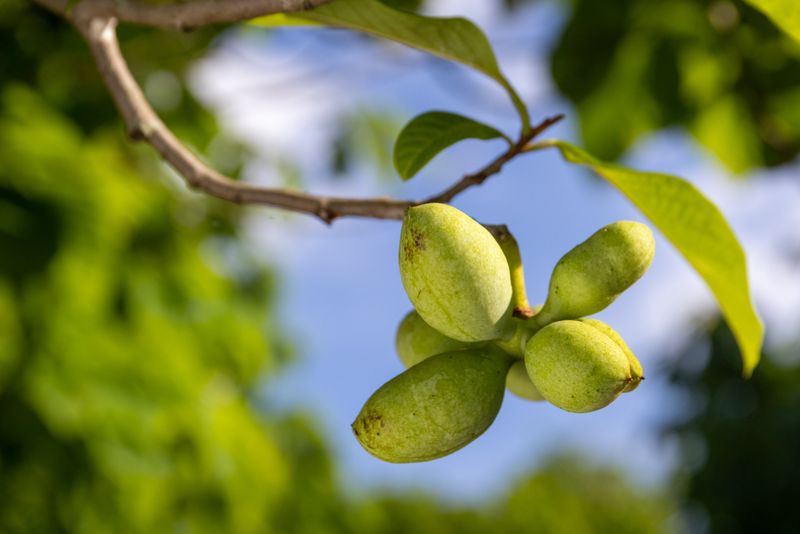
Here’s a fruit most Americans have never tasted, even though it grows wild in their own woods. The pawpaw tastes like banana mixed with mango.
Families in Ohio and West Virginia once picked them every September for puddings and breads. Because the fruit bruises quickly, stores never sold it, and the habit faded.
Look for pawpaw festivals in early fall. Ohio hosts a big one where you can sample ice cream and beer made from them.
3. Ramp Suppers in West Virginia
Smelly? Absolutely.
Beloved? Even more so.
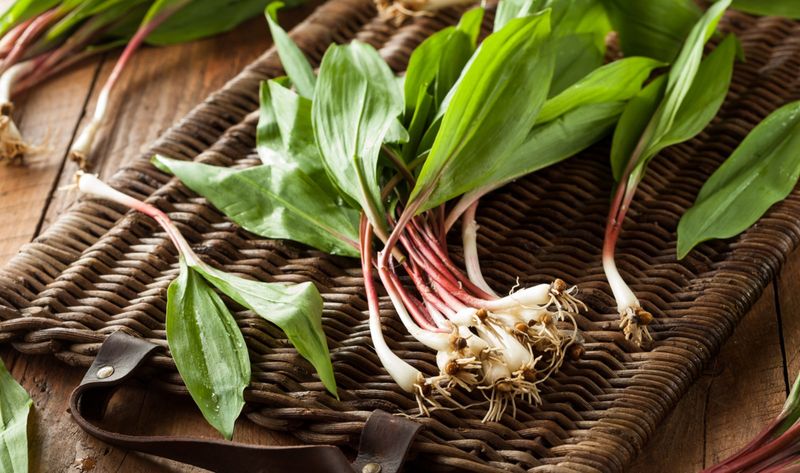
Ramps are wild onions that pop up in Appalachian forests each spring, and mountain towns once threw huge suppers to celebrate them.
Fire halls served ramps fried with potatoes, beans, and cornbread to raise money. Overharvesting and smaller rural populations have made these dinners rarer.
If you find one, go hungry. Just know your breath will remind everyone where you were for a day or two.
4. Hoppin’ John Made from Scratch
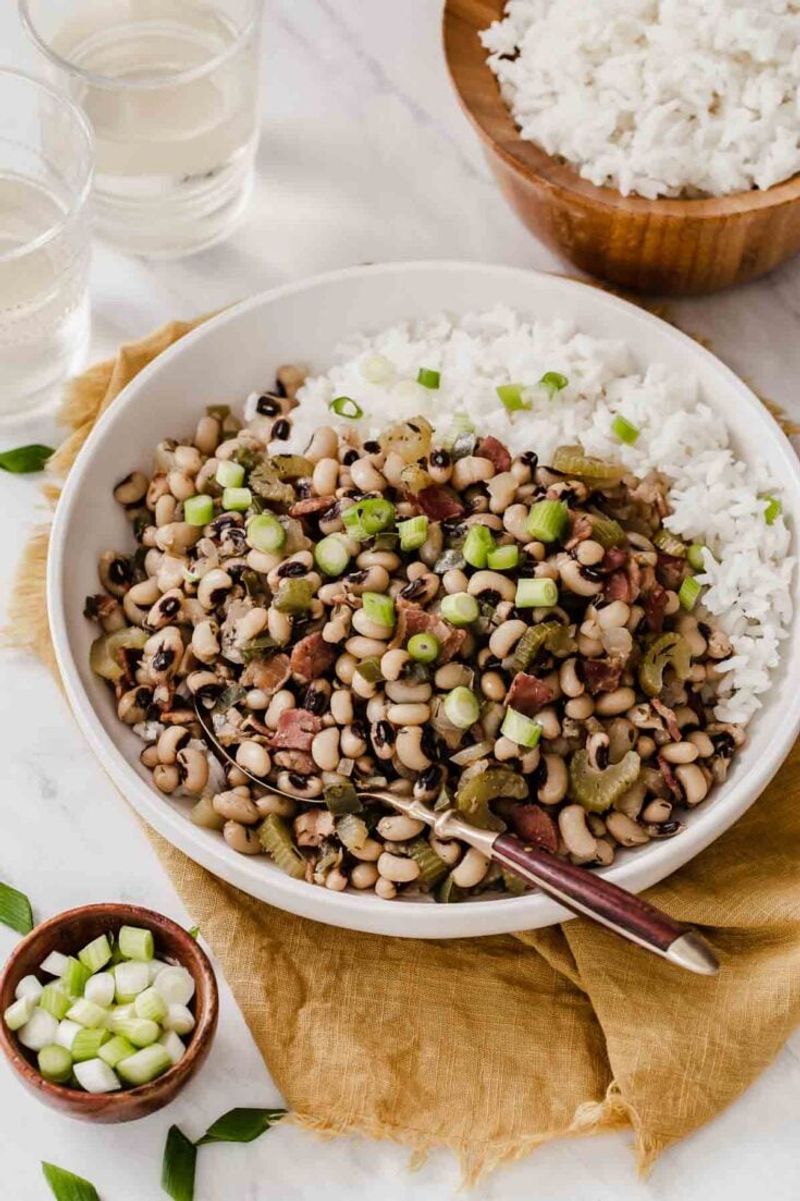
Grandmothers across South Carolina swear that eating black-eyed peas on New Year’s Day brings luck. Hoppin’ John, a mix of peas, rice, and smoked pork, carries roots from West African cooking.
Today, many folks grab canned versions instead of soaking dried peas overnight. Something gets lost along the way.
Try cooking it fresh this January. Add collard greens on the side, since they’re said to bring money too.
5. Sorghum Syrup Stir-Offs
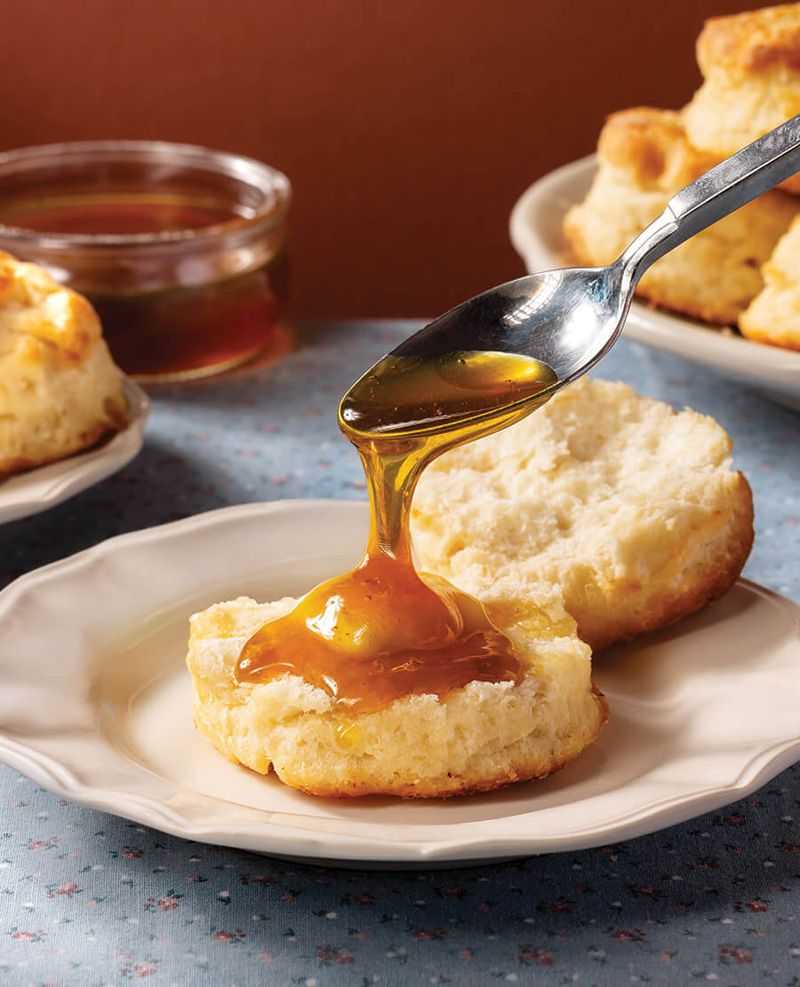
Did you know sorghum syrup was once sweeter than gold to Southern farm families? Before cheap sugar, neighbors gathered each fall to crush cane and boil the juice for hours.
These stir-offs turned into parties with music and games. Now, only a handful of small farms in Tennessee and Kentucky keep the practice going.
Grab a jar if you spot one. It tastes amazing drizzled over hot biscuits with butter.
6. Fish Boils in Door County
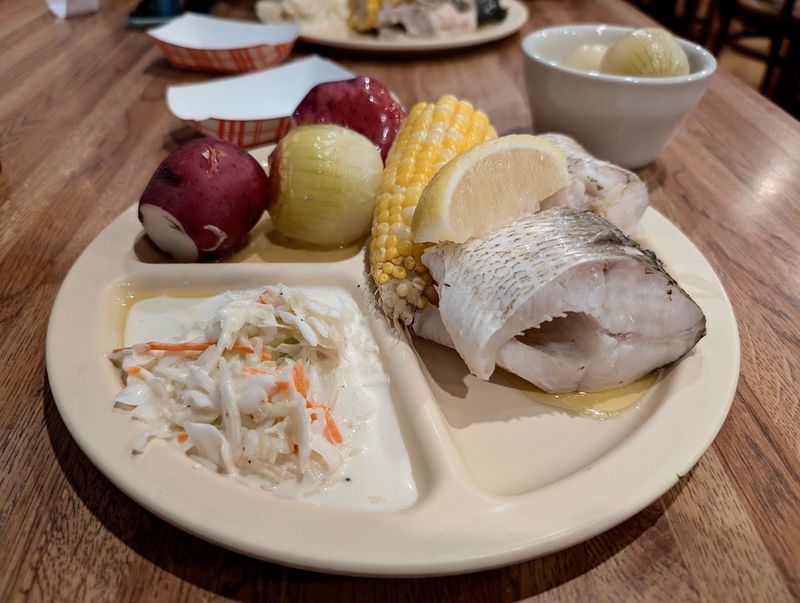
Whoosh! A giant fireball shoots up from the kettle, and the crowd cheers.
That’s the boil-over, the best part of a Door County fish boil in Wisconsin.
Scandinavian settlers cooked whitefish, potatoes, and onions this way. Kerosene thrown on the fire makes fishy oil spill out.
Fewer restaurants host them each year. Catch one during summer and finish with cherry pie, the classic dessert pairing.
7. Scrapple in Pennsylvania Dutch Country
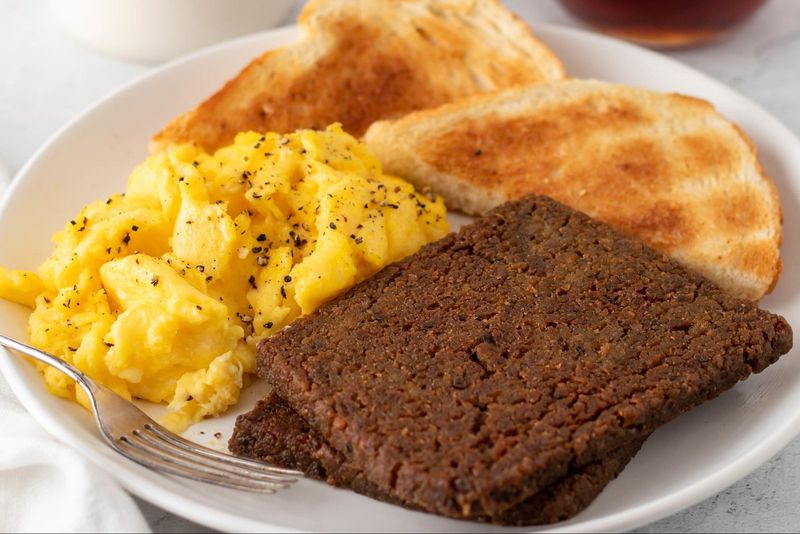
Nothing went to waste on old Pennsylvania farms. Scrapple was made from pork scraps mixed with cornmeal and spices, then shaped into a loaf.
Sliced thin and fried crispy, it’s a breakfast hero. Younger eaters often skip it once they learn what’s inside, which is a shame.
Give it a fair shot with apple butter or maple syrup. You might be surprised how good thrift can taste.
8. Cajun Boucherie Gatherings
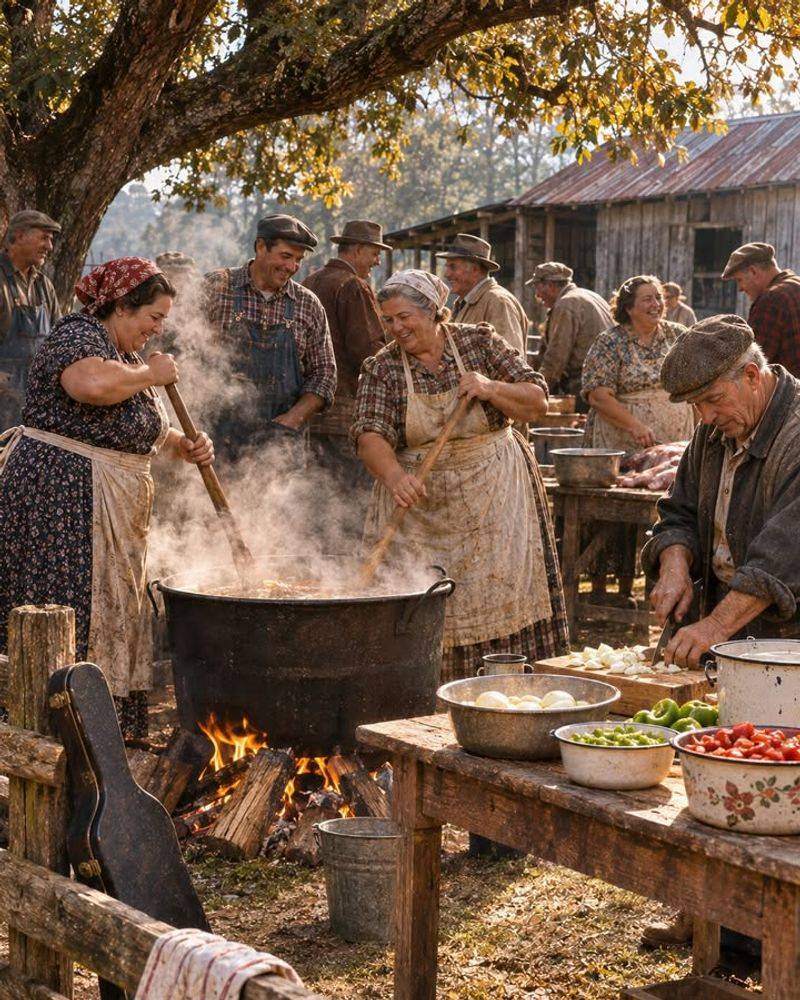
Back in the day, Cajun families in Louisiana shared one hog among several households. A boucherie was an all-day event where neighbors made boudin, cracklins, and hogshead cheese together.
Without fridges, sharing meat made sense. Modern stores ended that need.
Some towns, like those around Lafayette, still hold boucheries as festivals. Go for the food, but stay for the fiddle music and French chatter.
9. Frogmore Stew Lowcountry Boils
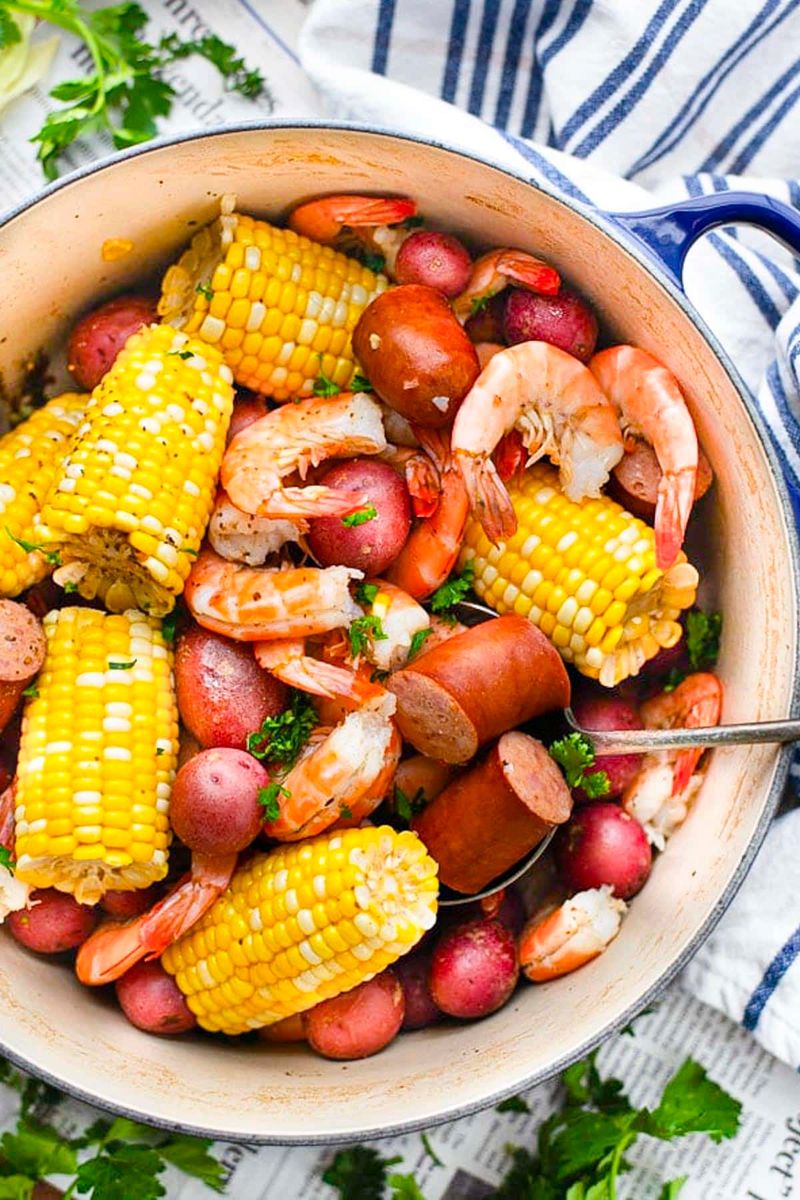
Spread newspaper on the table, dump the pot, and dig in with your hands. Lowcountry boils from coastal Georgia and South Carolina mix shrimp, sausage, corn, and potatoes.
Shrimpers once cooked them on docks. Coastal development and fewer local shrimp boats have changed that scene.
Hosting one at home is easy. Buy wild American shrimp if possible, and support the fishing families who started it all.
10. Chess Pie at Southern Church Socials
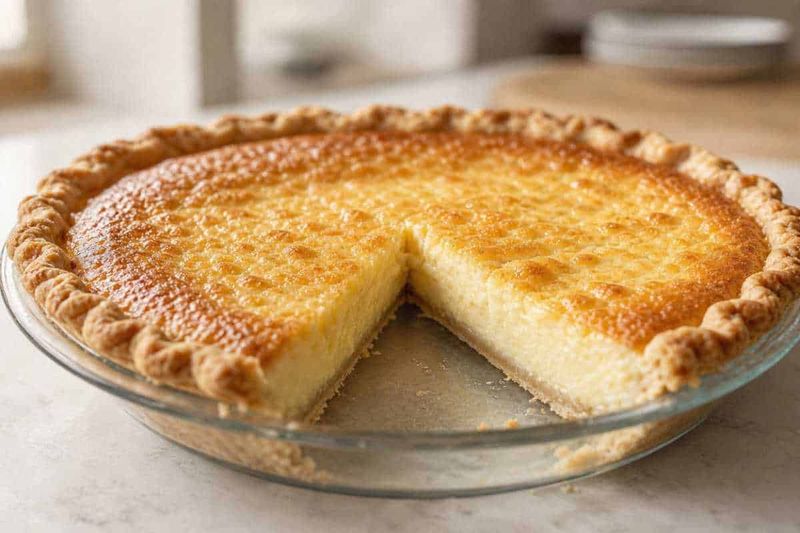
Simple ingredients, sweet results. Chess pie needs only eggs, butter, sugar, and a little cornmeal, yet it tastes rich and custardy.
One story says a cook called it “jes pie” when asked its name. Church socials across the South once had several on every table.
Store-bought desserts have pushed it aside. Baking one is a perfect beginner project, since you probably have everything already.
11. Cincinnati Goetta
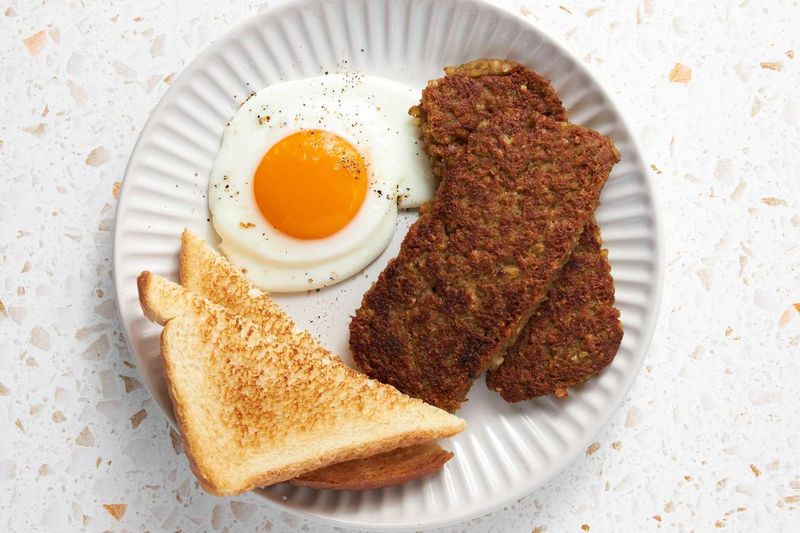
German immigrants in Cincinnati made meat stretch further by mixing it with steel-cut oats. The result, goetta, gets fried until crunchy outside and soft inside.
Locals love it, but outside Ohio almost nobody has heard of it. Young families cook it less often than their grandparents did.
Fun fact: Cincinnati hosts Goettafest each summer. Try it with eggs, or slip a slice into a breakfast sandwich.
12. Native American Wild Rice Harvesting
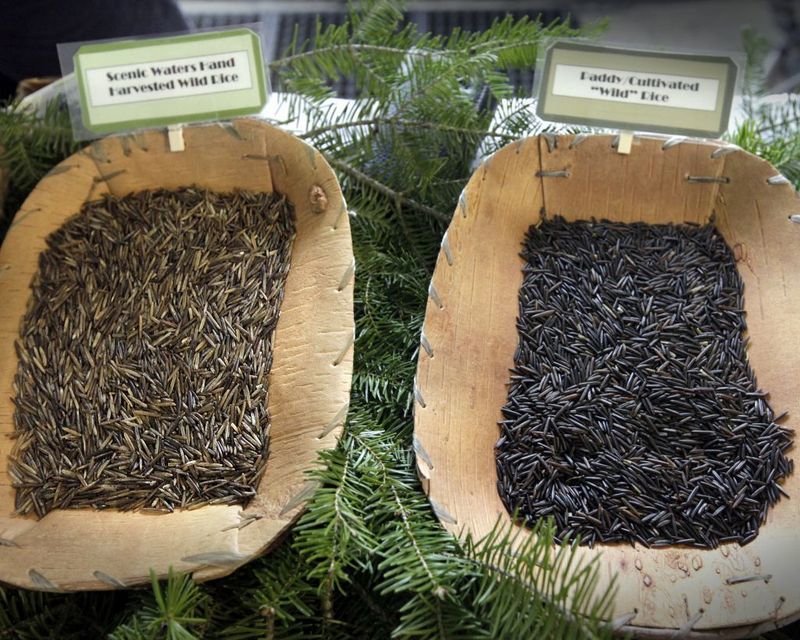
Gliding through Minnesota lakes in a canoe, Ojibwe harvesters gently knock rice grains into the boat with wooden sticks. That’s how real wild rice has been gathered for centuries.
Pollution and climate change threaten the plants. Cheaper farmed rice also competes for shoppers.
Look for hand-harvested wild rice sold by tribal businesses. It costs more, but it tastes nuttier and supports a sacred tradition.
13. Hawaiian Imu Pit Cooking
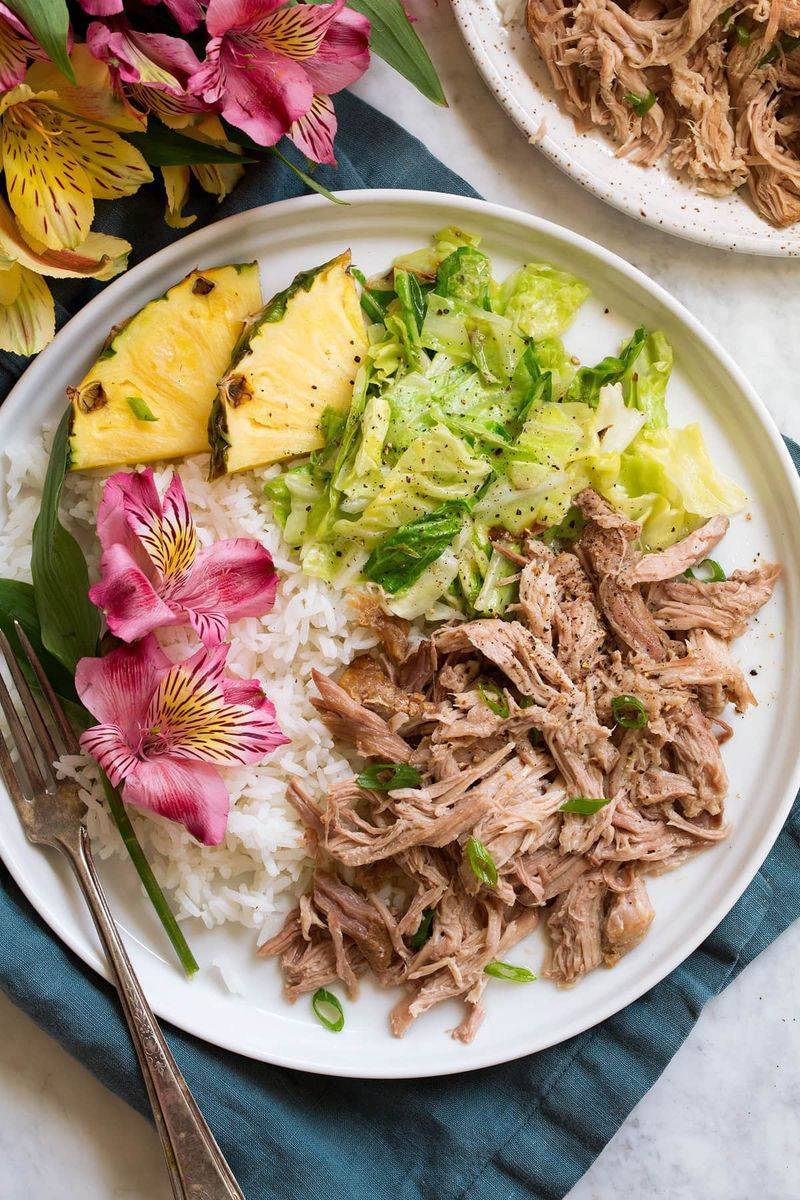
Digging a hole, lining it with hot rocks, and burying a whole pig sounds wild. Yet that’s how Hawaiians make kalua pork in an imu.
Wrapped in banana and ti leaves, the meat cooks for hours until it falls apart. Small yards and busy schedules make home imus rare now.
Many families now use ovens with liquid smoke. Real imu pork still shines at special luaus.
14. New England Bean Suppers
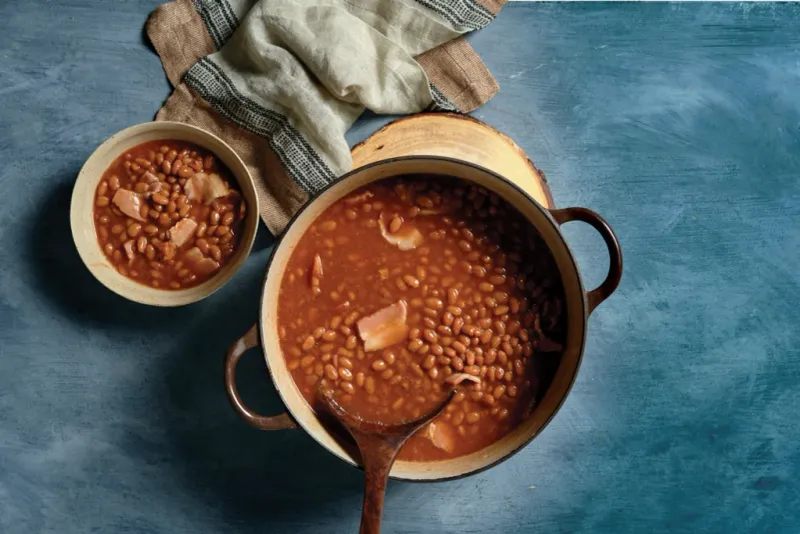
Saturday night in a small Maine town once meant one thing: baked beans at the grange hall. Volunteers slow-cooked beans with molasses and salt pork for hours.
Brown bread, hot dogs, and pie rounded out the meal. Shrinking volunteer groups mean fewer suppers each year.
If one pops up near you, show up. A few dollars buys dinner and keeps a community gathering spot alive.
15. Navajo Blue Corn Mush
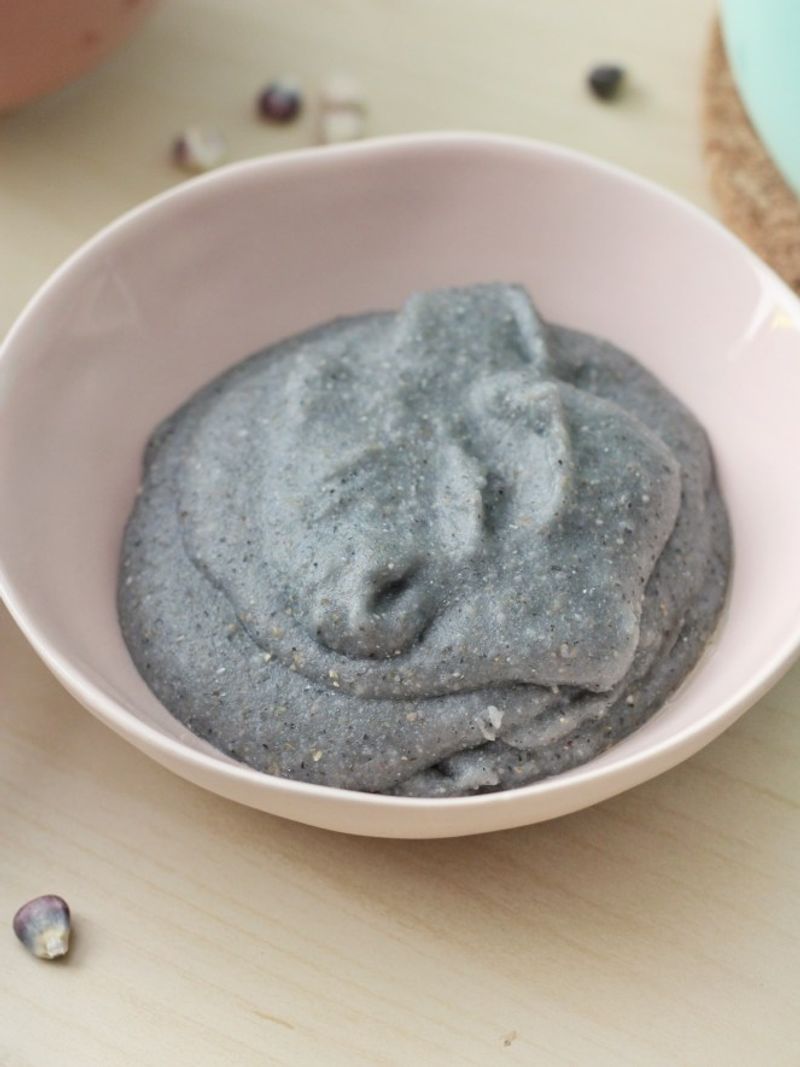
Juniper ash might sound like a strange ingredient, but it gives Navajo blue corn mush its bright color and extra nutrients.
Elders served it at breakfast and ceremonies for generations. Processed foods and limited access to traditional corn have made it less common on reservations.
Groups across Arizona and New Mexico now teach young people to grow blue corn again. That’s a hopeful sign worth cheering.
16. Chesapeake Muskrat Dinners
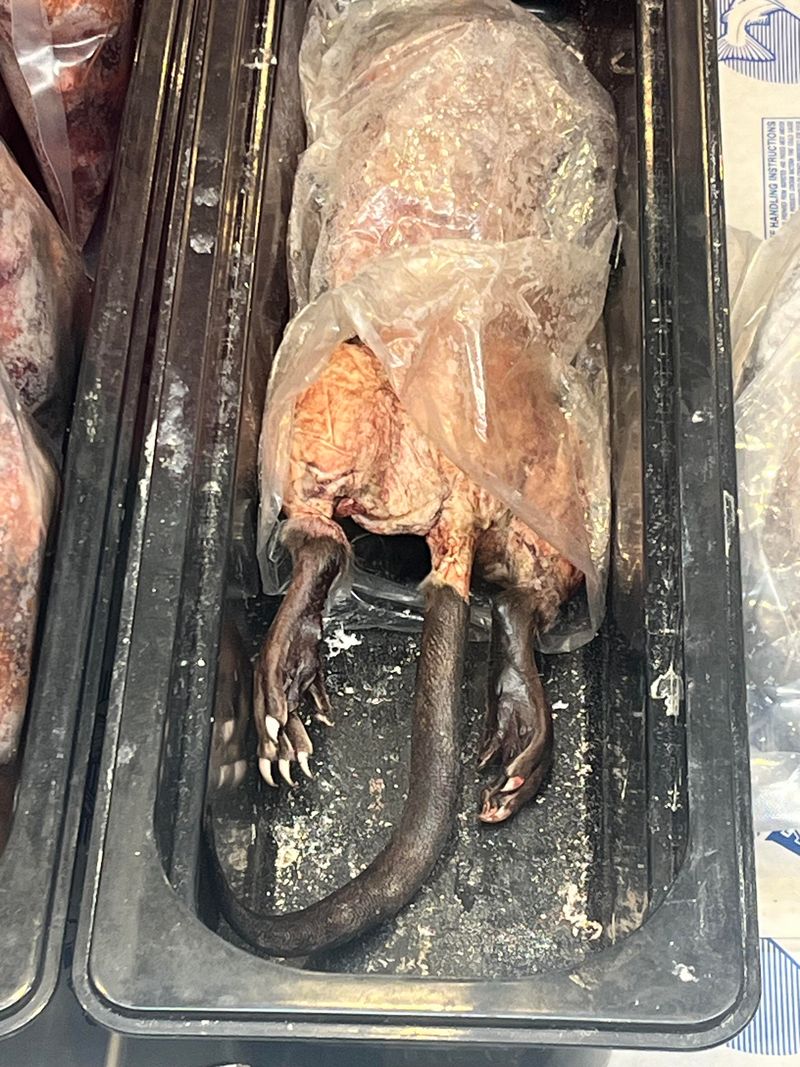
Yes, people really eat muskrat. On Maryland’s Eastern Shore, trappers’ families have cooked these marsh critters for winter dinners since colonial days.
Fire companies still host a few muskrat suppers, though crowds are getting older. Many newcomers just can’t get past the idea.
Brave eaters say it tastes like dark duck meat. Even if you skip it, the history is fascinating.
17. Gullah Geechee Red Rice
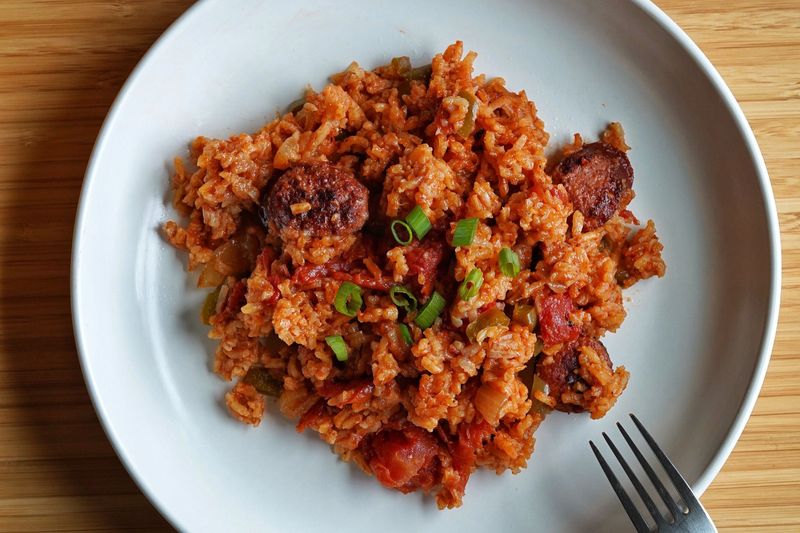
On the Sea Islands of Georgia and South Carolina, Gullah Geechee cooks have kept African food traditions alive for centuries. Red rice, cooked with tomatoes and smoked meat, is a proud example.
Rising land prices are pushing families off the islands. Recipes risk vanishing with them.
Support Gullah-owned restaurants and cookbook authors. Every plate you buy helps protect a culture that shaped Southern cooking.
18. Lefse Rolling in Minnesota
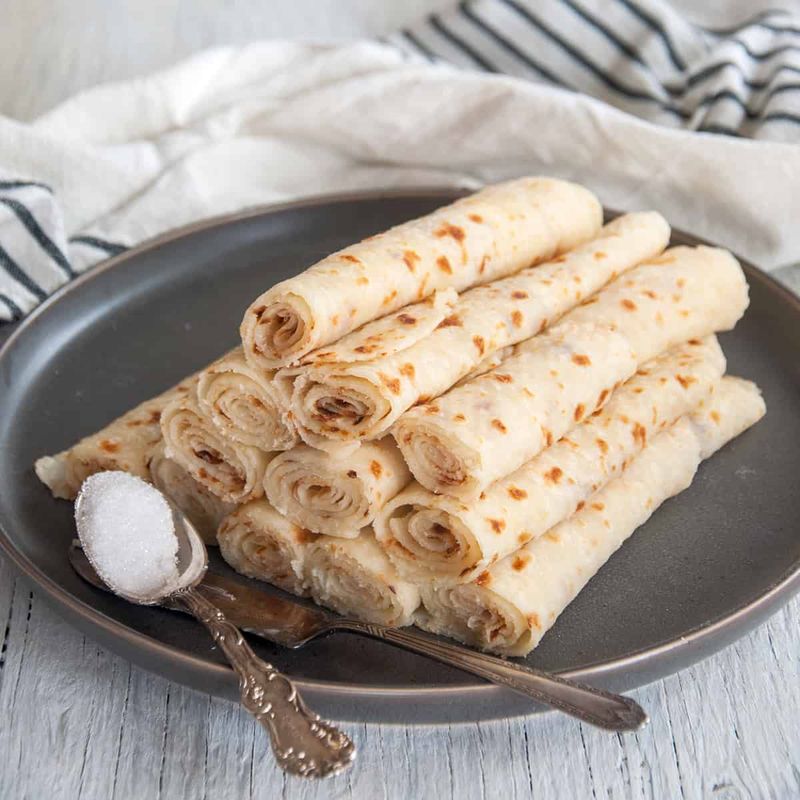
Ask any Norwegian-American grandma in Minnesota about lefse, and watch her eyes light up. Thin potato flatbread was rolled by hand every holiday season.
Special grooved pins and long turning sticks make it tricky. Younger relatives often buy packaged lefse instead.
Best tip? Spend an afternoon learning from an older family member.
Butter and sugar spread on warm lefse makes the effort worth it.
19. Southwestern Chile Ristras
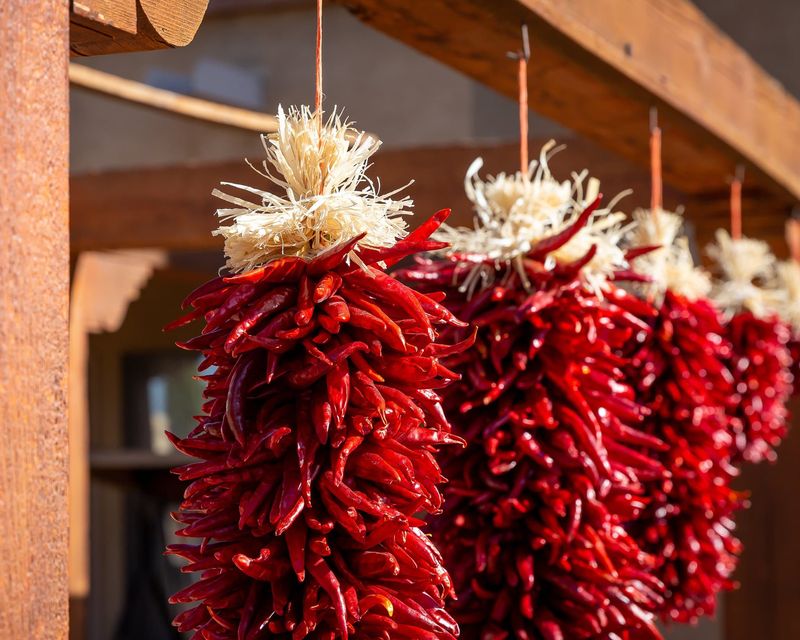
Bright red strings of chiles hanging by adobe doors are a famous New Mexico sight. Families once tied ristras to dry their harvest for winter cooking.
Now many ristras are just decorations, sometimes even sprayed with shellac. Fewer homes actually cook with them.
Buy an edible ristra in fall from Hatch or Chimayo growers. Pull a chile off whenever you need some heat.
20. Texas Czech Kolache Baking

Central Texas has a sweet secret from Czech immigrants. Kolaches, soft pastries filled with fruit or poppy seed, came over in the 1800s.
Church ladies once baked thousands for festivals by hand. Today, chain shops sell sausage versions that purists say aren’t real kolaches at all.
Visit West, Texas, or the Caldwell Kolache Festival. Homemade apricot ones are pure joy with morning coffee.
21. Maple Sugaring Off Parties in Vermont
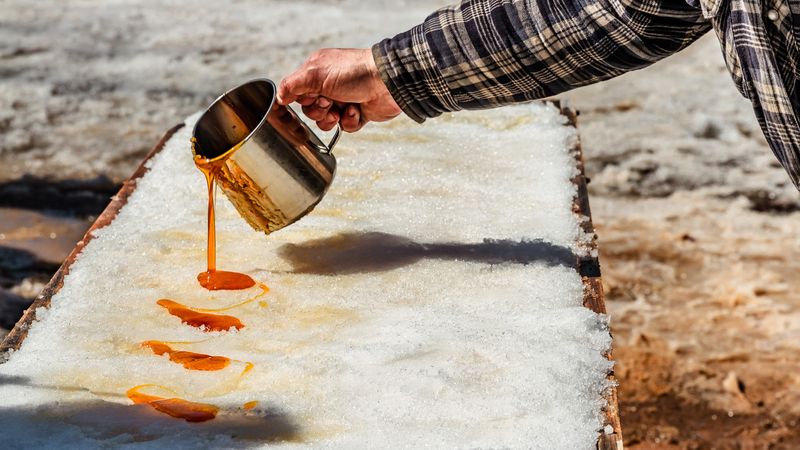
Hot maple syrup poured on fresh snow turns into chewy candy in seconds. Vermonters call it sugar on snow, often served with a pickle and a doughnut.
Sugaring off parties marked the end of syrup season. Big commercial operations have replaced many family sugarhouses.
Many farms open their doors in March during Maple Open House Weekend. It’s the sweetest way to welcome spring.
22. Alaskan Akutaq
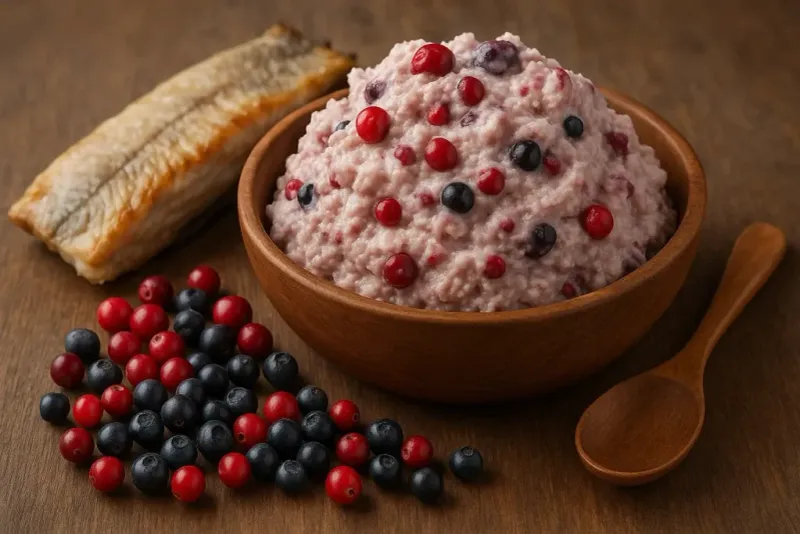
Some call it Eskimo ice cream, but akutaq is far older than any sundae. Alaska Native families whip animal fat with wild berries and sometimes fish.
Gathering berries on the tundra was a family outing. Store-bought snacks and shifting seasons have made homemade akutaq less common.
Many Yupik elders now teach recipes in schools. Some modern versions use vegetable shortening, keeping the spirit alive.
23. Home Canning Bees in the Midwest
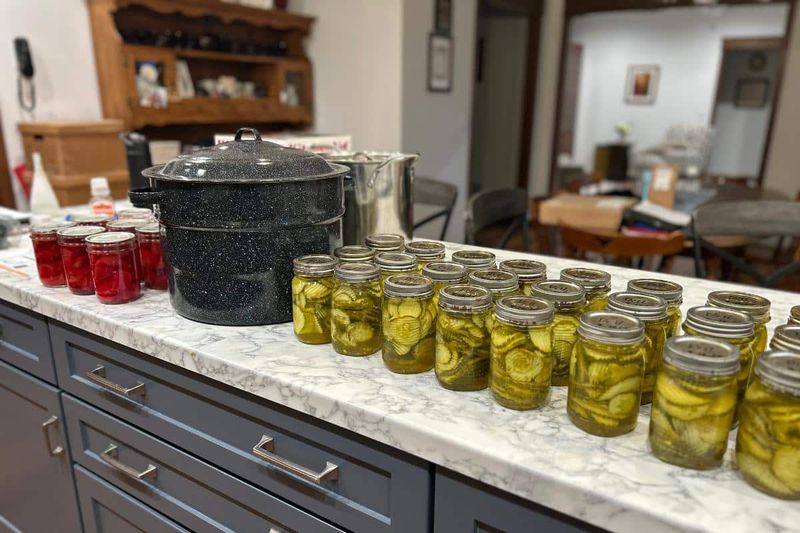
Steamy kitchens, clinking jars, and lots of gossip. Midwest canning bees brought neighbors together each August to preserve tomatoes, pickles, and peaches.
Grocery stores made canning seem unnecessary. Plenty of people today have never sealed a jar.
Starting is simple with a water-bath canner and tested recipes. Invite friends over, split the work, and you’ll have homemade salsa all winter long.