
Most of us toss food the moment we spot a fuzzy patch of mould. Yet some of the world’s tastiest treats only exist because cooks invited helpful moulds into the kitchen on purpose.
From tangy cheeses to savory sauces, these tiny living helpers create flavours no recipe could copy alone. Get ready to meet the friendly fungi hiding in your fridge and pantry.
1. Roquefort Cheese
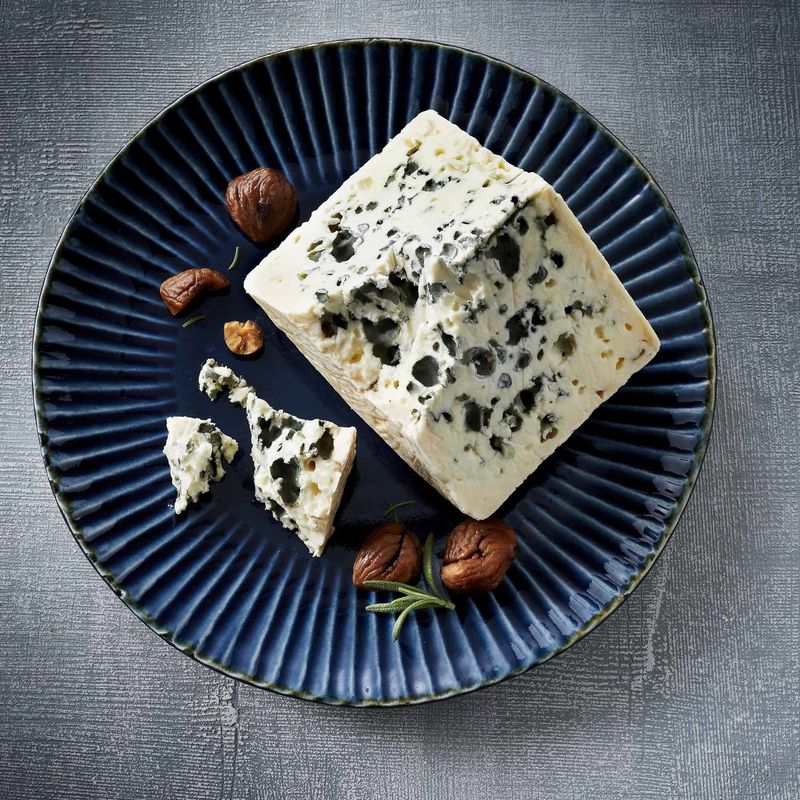
Legend says a shepherd left his lunch in a French cave, chased a pretty girl, and returned months later to find his bread and cheese covered in blue mould. Brave enough to taste it, he discovered Roquefort.
Today, the mould Penicillium roqueforti still gives this sheep’s milk cheese its sharp, salty bite. By law, it must age in the Combalou caves of southern France.
Try crumbling it over a pear salad.
2. Brie de Meaux
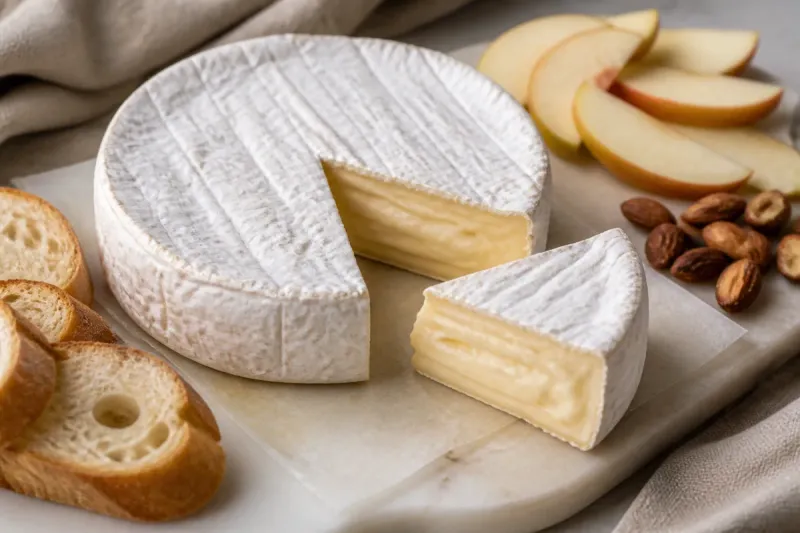
That snowy white coat on Brie is not wrapping paper. It is a living layer of Penicillium camemberti, a mould that slowly softens the cheese from the outside in.
As it works, the inside turns gooey and develops mushroomy, buttery notes. French kings loved it so much it was nicknamed the King of Cheeses.
Go ahead and eat the rind. Let Brie sit out for an hour before serving for the creamiest texture.
3. Camembert
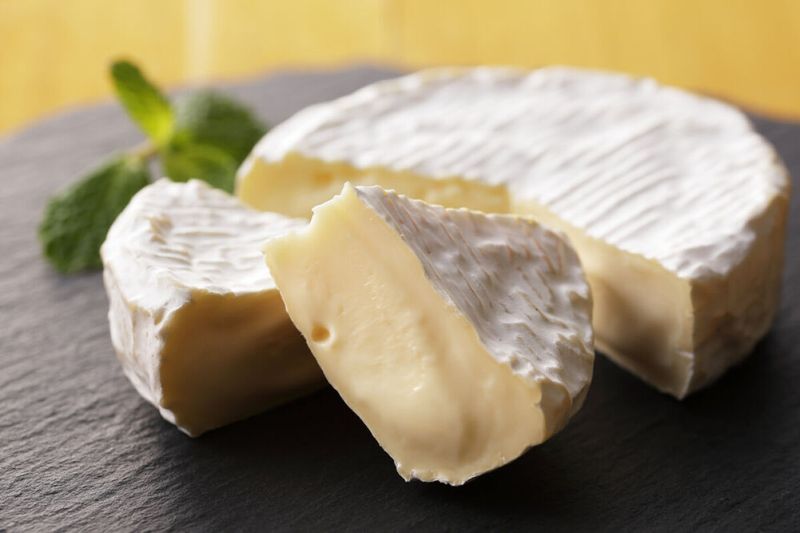
French soldiers in World War I received little wooden boxes of Camembert in their rations. Many grew to love the cheese and brought that taste home, helping it become famous worldwide.
Like Brie, Camembert wears a soft white mould rind. Its smaller size means it ripens faster and tastes earthier.
Here is a cozy trick: bake the whole round in its box for fifteen minutes, then dip warm bread straight in.
4. Gorgonzola
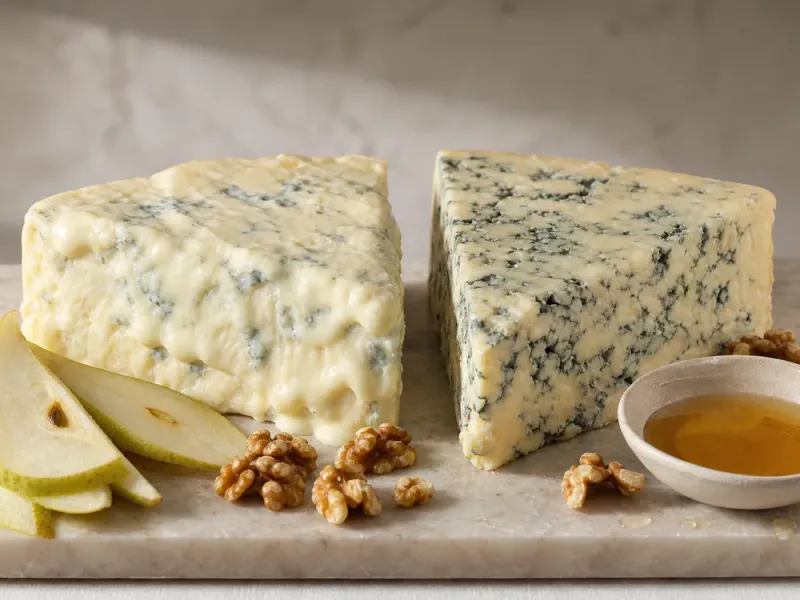
Picture a small town near Milan, Italy, over a thousand years ago. Cheesemakers there noticed blue-green streaks forming in their creamy cow’s milk cheese, and Gorgonzola was born.
Workers poke metal needles into each wheel so air can reach the mould inside. That oxygen helps the blue veins spread.
Gorgonzola comes in two styles: dolce is soft and mild, while piccante is firm and bold. Stir the mild one into pasta sauce.
5. Stilton
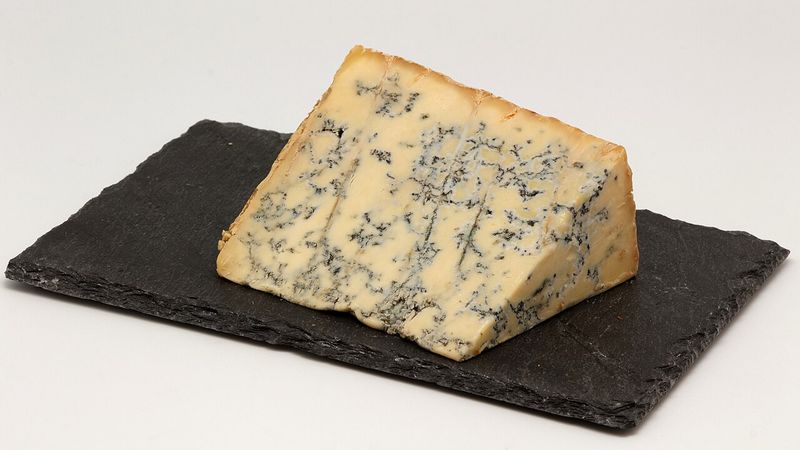
Funny fact: Stilton cheese cannot legally be made in the village of Stilton. The name came from a coaching inn where travelers bought it, but official makers live in three nearby English counties.
Blue mould gives Stilton a rich, nutty, slightly tangy flavour with a crumbly texture.
In Britain, it is a classic holiday treat. Pair a small piece with apple slices or crackers to balance its strong personality.
6. Soy Sauce
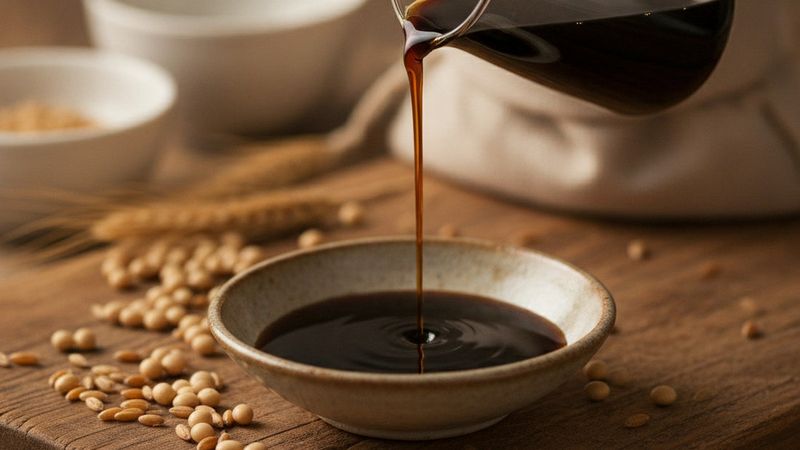
Every splash of soy sauce starts with a mould called koji, or Aspergillus oryzae. Brewers grow it on steamed soybeans and roasted wheat before adding salty water.
The mixture then rests for months, sometimes years, in big tanks or wooden barrels. During that time, koji breaks down proteins into deep, savory umami flavour.
Look for labels that say naturally brewed. They taste far richer than cheap chemical versions.
7. Miso
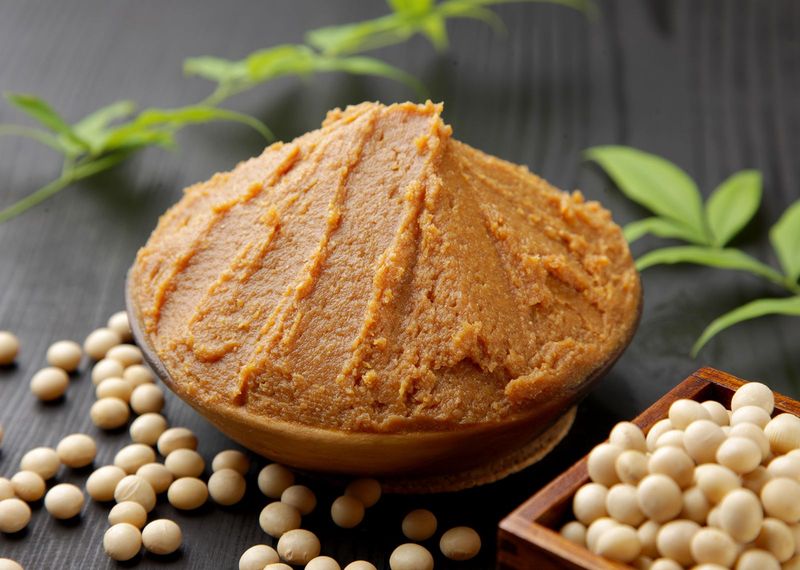
Japanese grandmothers have stirred miso into soup for centuries, and that warm, salty broth starts with mould.
Makers mix koji-covered rice or barley with mashed soybeans and salt. Then they wait.
White miso ages a few weeks and tastes sweet, while red miso can age years and gets bold.
Never boil miso hard, because heat kills its helpful living bacteria. Stir it into hot soup right before serving.
8. Sake
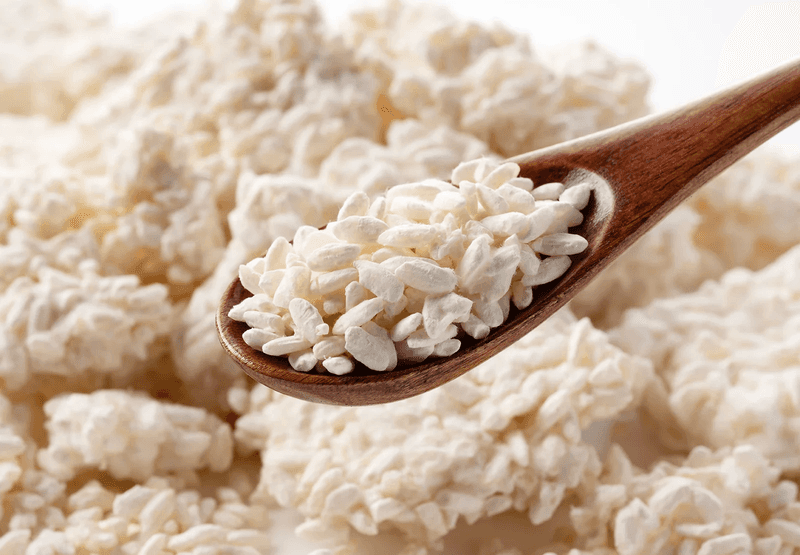
Rice by itself cannot turn into a drink easily, because yeast needs sugar to work. That is where koji mould steps in as the hero.
Brewers sprinkle koji spores over steamed rice. The mould turns starch into sugar, and yeast then ferments that sugar.
This adult beverage from Japan gets its fruity, flowery aroma thanks to the team effort. Some sake breweries have been running for over 400 years.
9. Tempeh
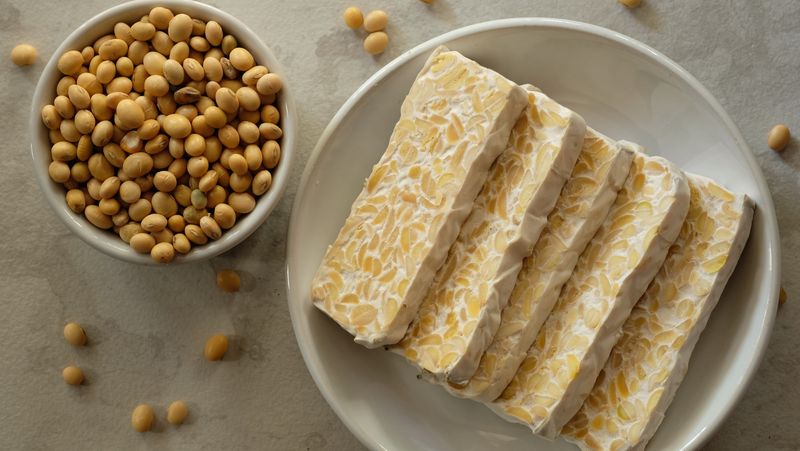
Slice open a block of tempeh and you will see whole soybeans glued together by a white web. That fluffy web is mould called Rhizopus.
Indonesian cooks have made tempeh for hundreds of years, traditionally wrapping beans in banana leaves.
The mould makes soybeans easier to digest and adds a nutty, mushroom-like taste. It is packed with protein, so it is popular with vegetarians.
Pan-fry thin slices until golden and crispy.
10. Dry-Cured Salami
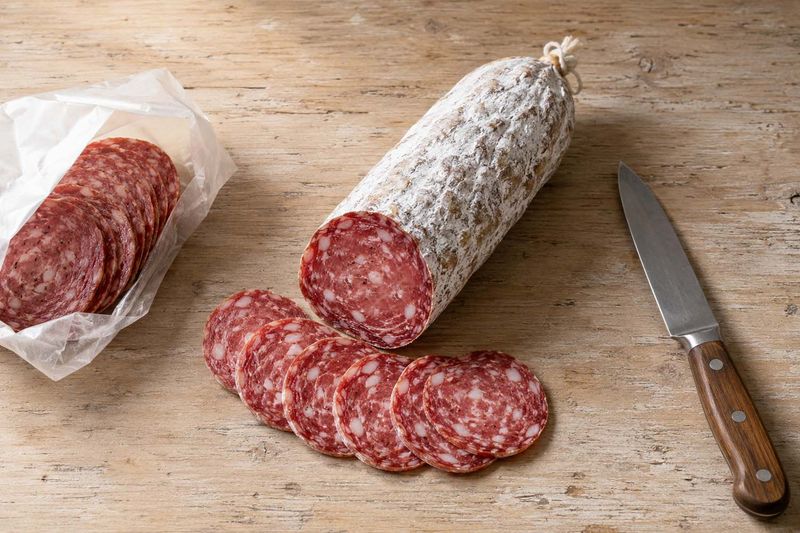
Ever noticed a powdery white coating on fancy salami? No need to panic.
Good mould, often Penicillium nalgiovense, is added on purpose.
That fuzzy jacket protects the meat from bad germs and keeps it from drying too fast. It also adds gentle earthy flavour as the sausage hangs for weeks.
You can peel off the casing before eating if the texture bugs you. Plenty of people happily eat it, though.
11. Country Ham
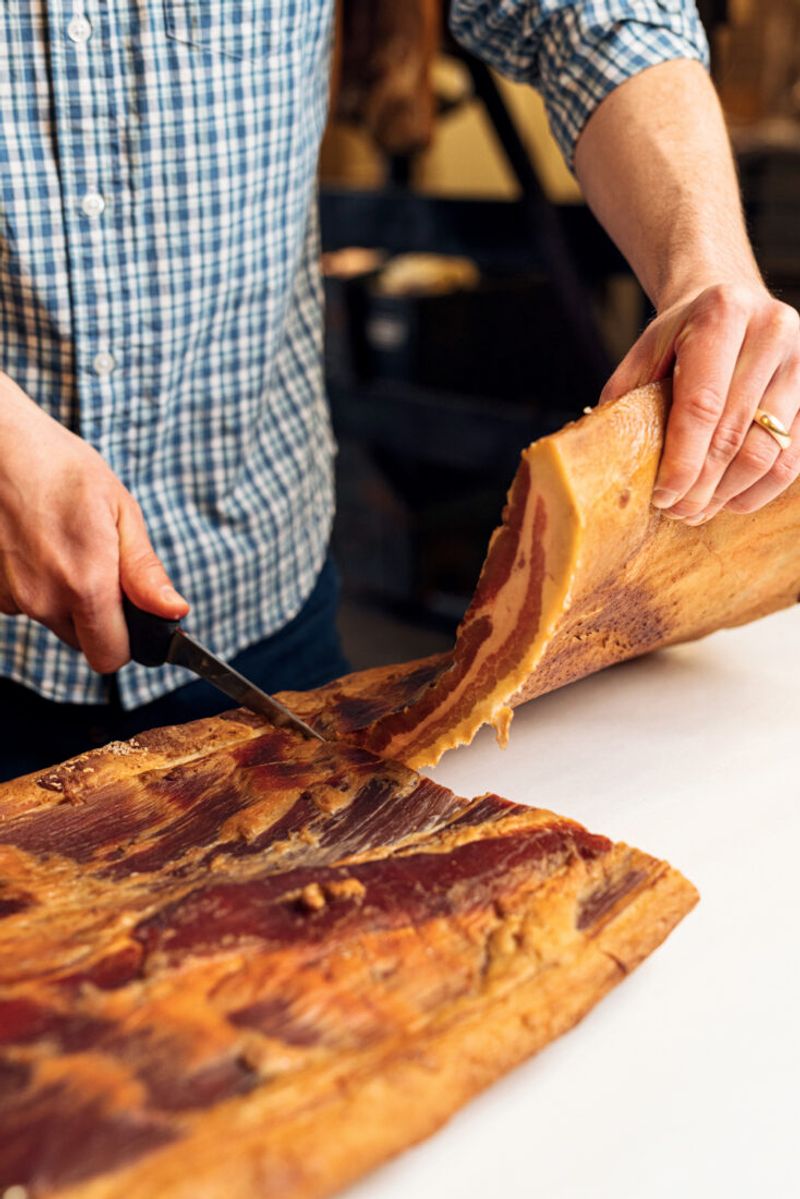
Down in Kentucky and Virginia, families have hung salted hams in smokehouses for generations. Over many months, a layer of mould grows across the outside.
Old-timers will tell you that mould is a good sign. It helps develop the deep, funky, salty flavour Southern country ham is known for.
Before cooking, cooks scrub the mould off and soak the ham to pull out extra salt. Thin slices go great on biscuits.
12. Sweet Botrytis Wine
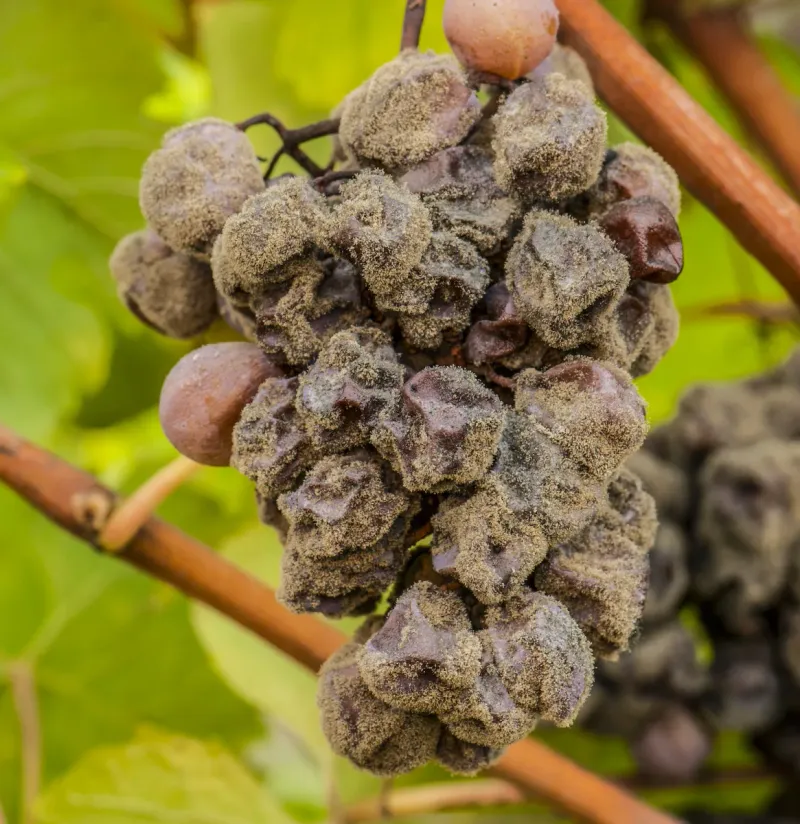
Winemakers call it noble rot, which sounds like a fancy way to say spoiled. Yet this mould, Botrytis cinerea, creates some of the world’s priciest sweet wines.
It pokes tiny holes in grapes, letting water escape. The shriveled fruit becomes super sugary with honey and apricot notes.
Famous examples include Sauternes from France and Tokaji from Hungary. Grapes are often picked one by one, which explains the high price.
13. Katsuobushi
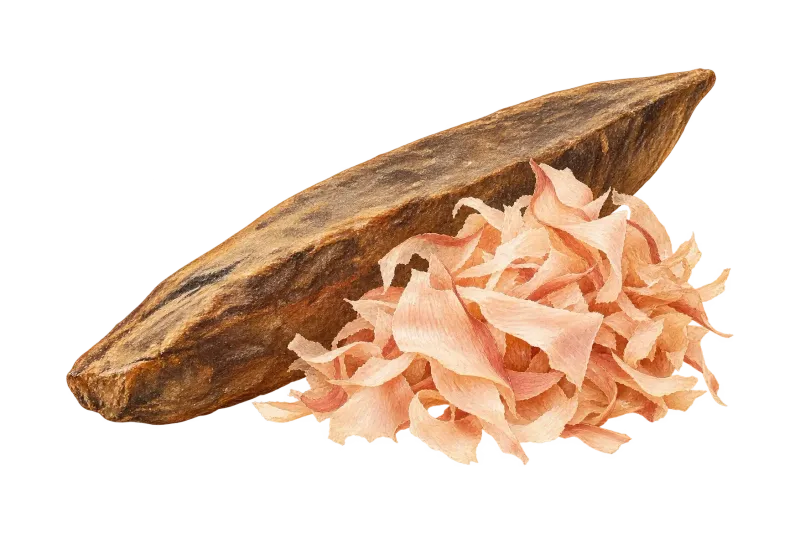
Katsuobushi might be the hardest food on Earth. These blocks of dried, smoked bonito fish feel like wood and must be shaved with a special tool.
Top-quality versions get coated with mould several times over months. The mould pulls out moisture and builds intense smoky, savory flavour.
Those thin pink flakes dancing on top of takoyaki are katsuobushi. They also form the base of dashi, Japan’s essential soup stock.
14. Shaoxing Wine
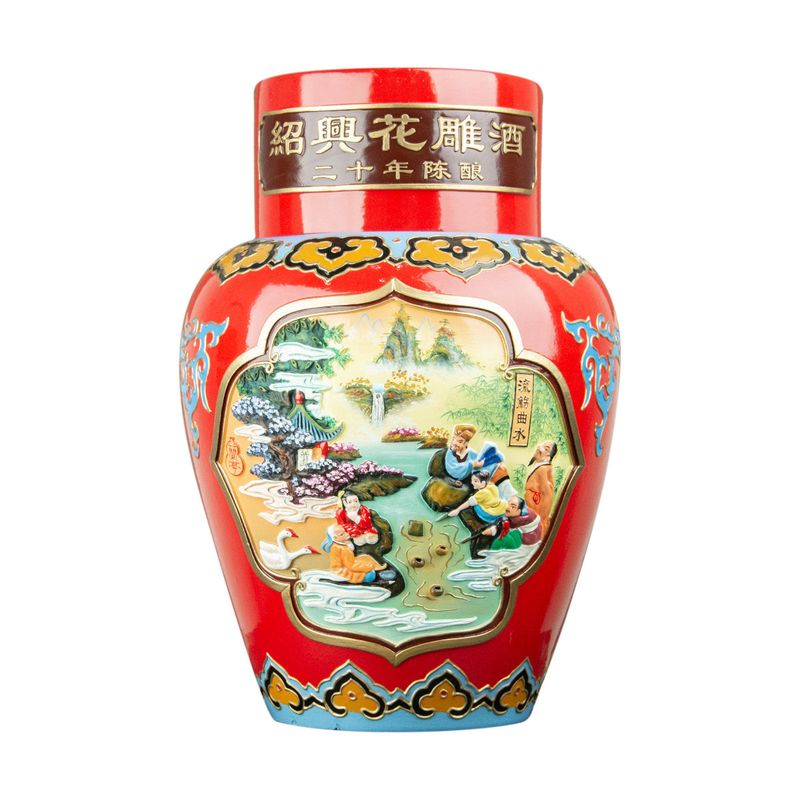
Ask a Chinese restaurant chef about their secret ingredient, and Shaoxing wine might come up. This amber rice wine gets its start from a mould-rich starter called jiuqu.
Moulds and yeasts in the starter turn glutinous rice into a nutty, slightly sweet liquid aged in clay jars.
Cooks splash it into stir-fries and braised dishes for amazing aroma. Find it in Asian grocery stores, usually near the sauces.
15. Fermented Black Beans
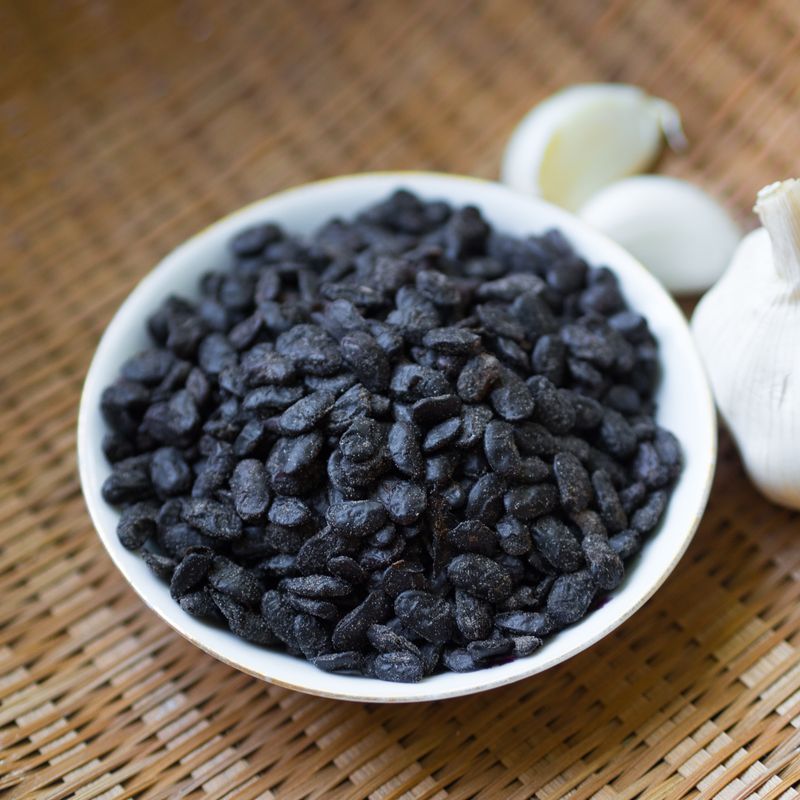
Wrinkly, salty, and a little stinky, fermented black beans pack a huge punch for their size.
Called douchi in Chinese, these soybeans are covered in mould, salted, and dried. The result tastes like a cross between soy sauce and dark chocolate.
Over 2,000 years old, they are one of China’s oldest seasonings. Rinse a spoonful, mash with garlic, and toss into steamed fish or green beans for a quick flavour boost.
16. Amazake
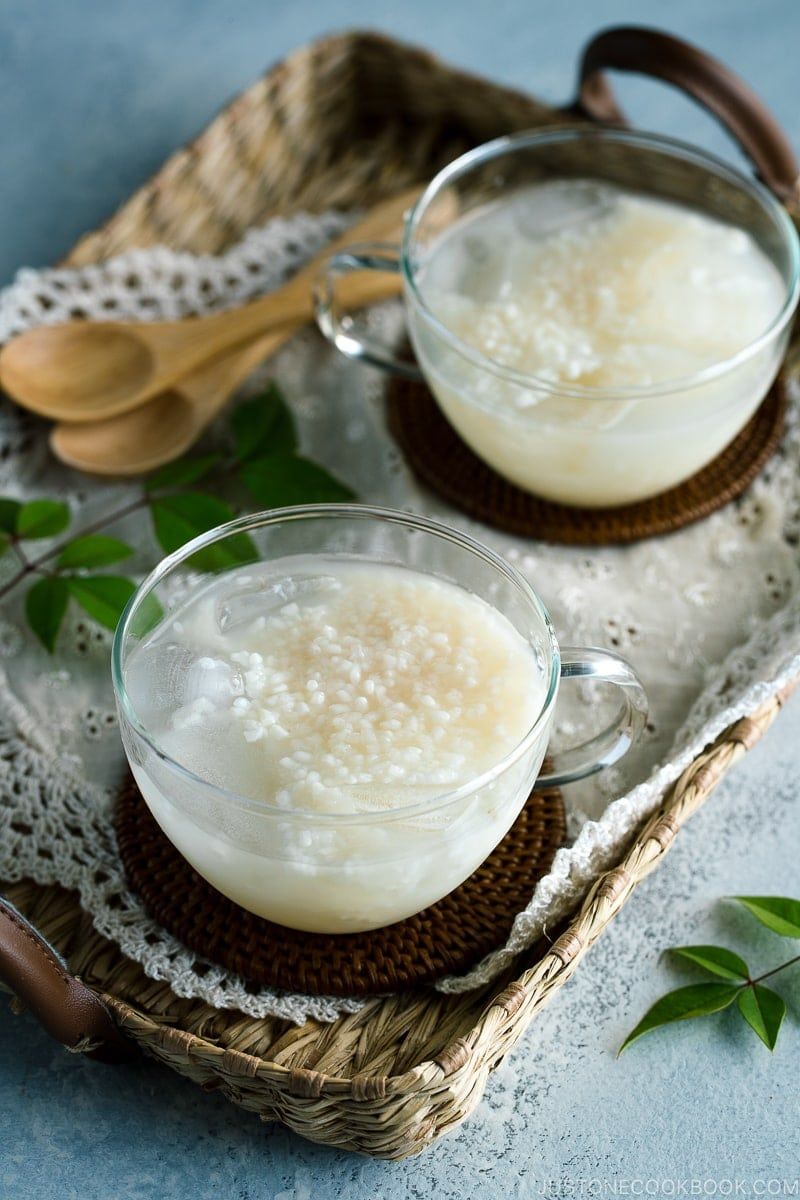
On cold winter nights in Japan, people line up at shrines for steaming cups of amazake. The name means sweet sake, though most versions have no alcohol at all.
Koji mould turns cooked rice into natural sugar overnight, with no added sweetener needed. The drink tastes creamy, mild, and almost like rice pudding.
Some call it a drinkable IV because it is so full of nutrients. Try it warm with grated ginger.
17. Fermented Tofu
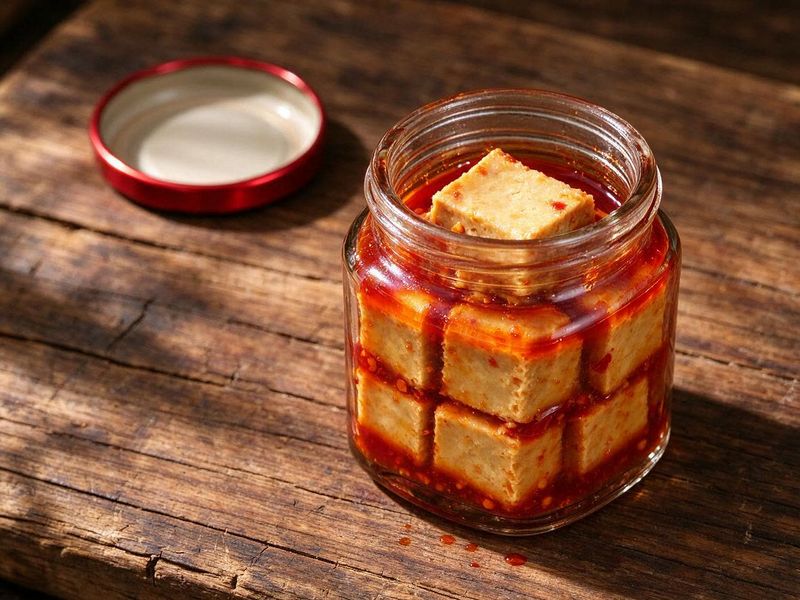
Some fans call it Chinese cheese, and one taste explains why. Fermented tofu is creamy, salty, and tangy, a lot like soft blue cheese.
Cubes of tofu grow a fuzzy mould coat, then soak in brine with rice wine and spices for months. Red versions get color from red yeast rice.
Just a tiny dab goes a long way. Smear some on plain rice porridge, or mash it into stir-fried spinach.
18. Danish Blue
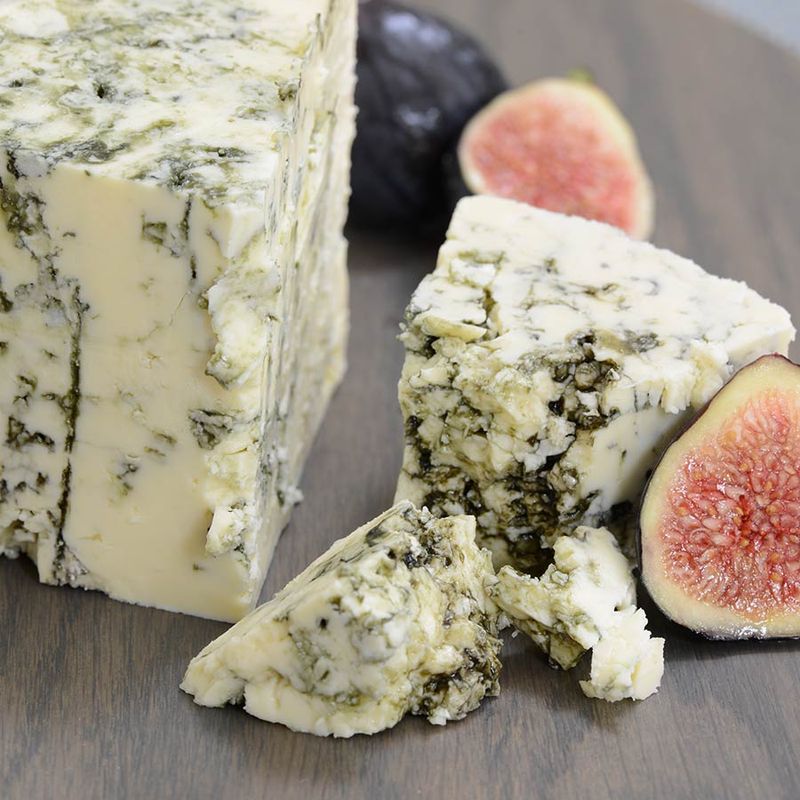
Back in the early 1900s, a Danish cheesemaker named Marius Boel wanted to create a cheese to rival Roquefort. His experiment became Danish Blue.
Made from cow’s milk instead of sheep’s, it is creamier and a bit milder, though still sharp and salty thanks to its blue mould veins.
Because it is softer and easier on the wallet, it makes a great first blue cheese. Spread it on rye bread or melt it on burgers.
19. Red Yeast Rice
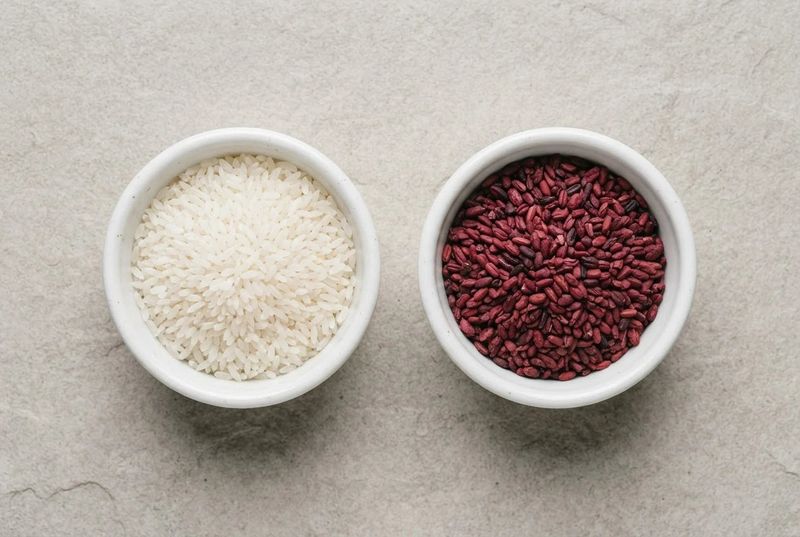
Ever wondered why Chinese barbecue pork glows such a bright red? Often the secret is red yeast rice, which, despite its name, is coloured by a mould called Monascus purpureus.
The mould grows on rice and turns every grain deep crimson. It adds a gentle earthy, slightly sweet flavour along with that famous color.
People in China have used it for over a thousand years in cooking, wines, and fermented tofu.