
Movie muscles can look amazing, but the stories behind them are not always simple. Some actors have discussed using hormones or other drugs, while others have denied using steroids.
Their comments can help us understand the pressure to look a certain way on screen. The accounts below separate admissions, denials, and less certain reports, because a dramatic photo is never proof of drug use.
1. Dwayne Johnson: A Teenage Experiment
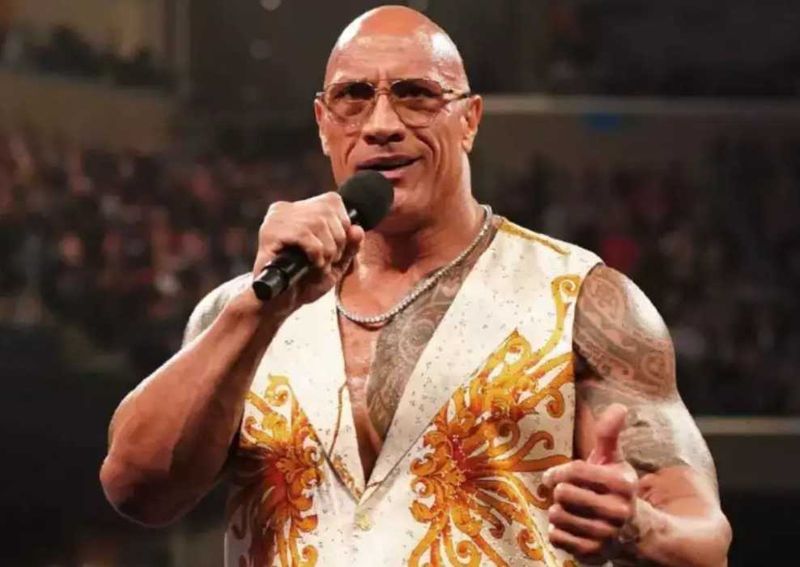
Before becoming a movie powerhouse, Johnson says he made a risky teenage choice. In a 2009 MTV interview, he said he tried steroids around age 18 or 19 with friends who did not understand what they were doing.
That admission concerns his youth, not proof of later use. Keep those timelines separate when reading headlines.
His story also shows why copying friends at the gym can lead to decisions made without understanding possible health risks.
2. Arnold Schwarzenegger: Looking Back at Bodybuilding
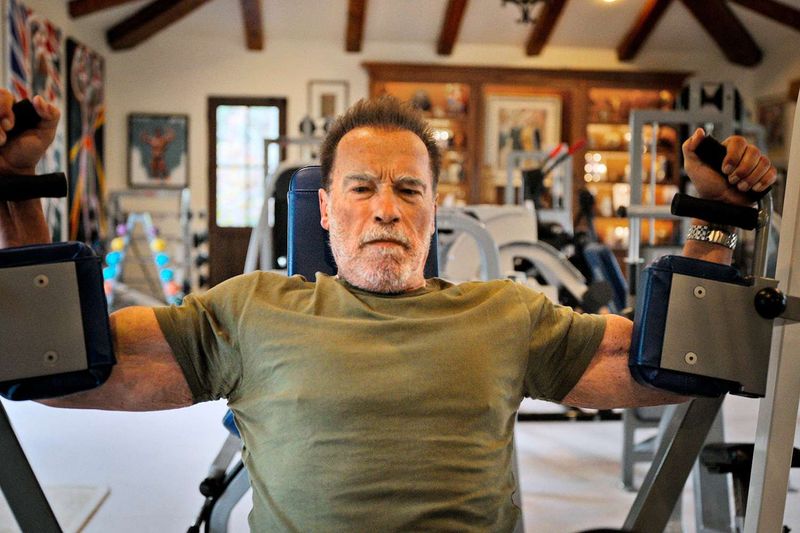
Few actors have discussed bodybuilding’s drug history as openly as Schwarzenegger. He has acknowledged using steroids during his competitive years and described receiving medical supervision in an era with different rules.
He has also discouraged younger people from following that path. Historical context explains his account, but it does not establish safety.
For readers, the useful distinction is simple: an athlete’s memories are personal history, not a medical recommendation or a fitness plan to copy today.
3. Sylvester Stallone: Speaking About Growth Hormone

Action films demand plenty from their stars, and Stallone has publicly defended using human growth hormone. His comments drew attention after Australian authorities found prohibited hormone products in his luggage in 2007.
HGH and anabolic steroids are different substances, even when headlines group them together. Avoid turning his account into a general admission about every Rocky film.
Celebrity claims about recovery or aging should never replace advice from a qualified clinician who knows your medical history.
4. Zac Efron: The Cost of Looking Camera Ready
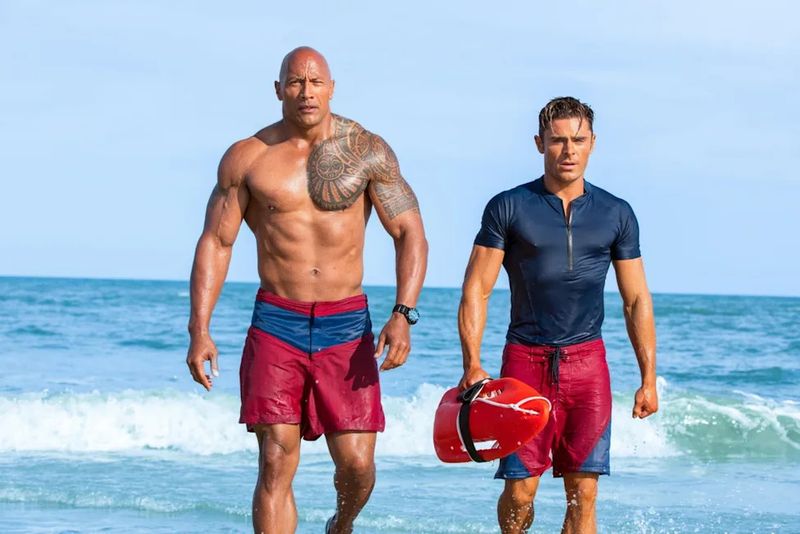
Looking beach ready came with a serious downside for Efron. In his 2022 Men’s Health interview, he discussed using Lasix, a diuretic, while preparing his extremely lean Baywatch appearance.
He also described insomnia and depression linked to that demanding period. Diuretics remove water; they do not build muscle like anabolic steroids.
His experience offers a useful reality check: a screen physique may depend on temporary measures that are unhealthy or impossible to maintain in everyday life.
5. Hugh Jackman: A Clear Steroid Denial
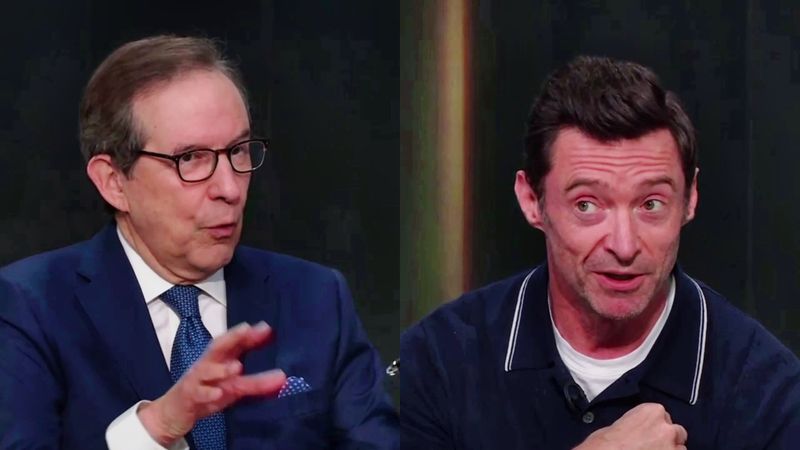
Wolverine’s muscles have inspired years of questions, but Jackman’s answer was direct. During a 2023 interview on Who’s Talking to Chris Wallace?, he denied taking steroids and credited traditional training and food.
His account belongs in the denial category, not among admissions. Online guesses about his age or appearance do not establish drug use.
When judging fitness claims, separate what someone actually said from what strangers believe a body should look like at any particular age.
6. Chris Hemsworth: Separating Comments From Speculation

Thor’s towering build often becomes part of a larger argument about superhero bodies. Hemsworth has credited demanding workouts and nutrition, while reporting about Hollywood drug use has placed his name beside expert opinions.
Those opinions are not evidence that he used performance enhancers. Broad estimates about Marvel performers cannot establish facts about one actor.
Treat claims of a specific denial carefully unless the original interview is available, and never mistake a trainer’s guess for a verified admission.
7. Frank Grillo: Prescription Testosterone Enters the Conversation

Known for gritty fight scenes, Grillo has discussed testosterone replacement therapy in Men’s Health. He described starting treatment after learning that his testosterone was low, presenting it as a medical decision.
He also made sweeping comments about drug use among other actors. Those remarks reflect his claims, not verified medical histories of unnamed colleagues.
The distinction matters: prescribed treatment for a diagnosed condition is not automatically the same as taking hormones to exceed normal healthy levels.
8. Alan Ritchson: Explaining His Treatment Timeline

Building Reacher’s imposing frame was only part of Ritchson’s story. In interviews, he has described low testosterone and starting replacement therapy after the physical strain of preparing for the show’s first season.
He has distinguished that treatment from his earlier training and denied using HGH. Keeping the timeline intact prevents misleading claims about how he first gained size.
Fatigue alone does not diagnose low testosterone; testing and medical assessment are needed before anyone considers hormone treatment.
9. Mickey Rourke: An Answer That Left Room for Doubt
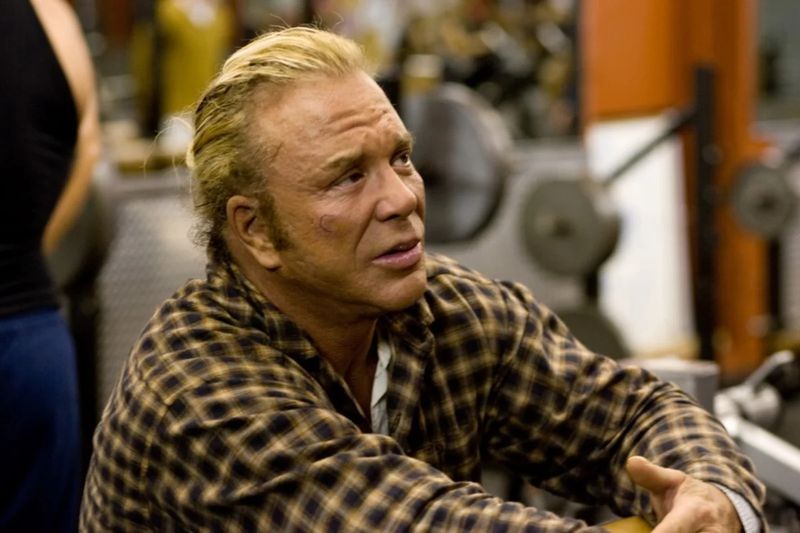
A short answer can create a long trail of headlines. Asked about steroids around The Wrestler, Rourke gave the New York Daily News a response about behaving like a wrestler when playing one.
That wording has often been treated as an implied admission, but it is less precise than a direct account of taking a named drug. Describe it as suggestive rather than fully documented.
Careful wording helps readers understand where a quotation ends and interpretation begins.
10. Charlie Sheen: A Baseball Role and a Direct Admission
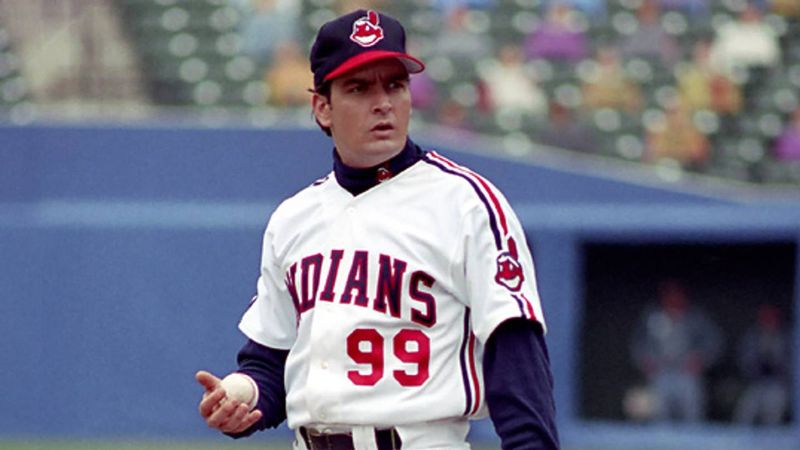
Playing a wild pitcher apparently involved more than practicing throws. In a 2011 Sports Illustrated interview, Sheen said he used steroids for several weeks while making the baseball comedy Major League.
He also claimed his pitching speed improved. That is his personal account, not a controlled test showing what caused the change.
The interesting takeaway is how movie preparation can overlap with sports pressures, even when the final product is entertainment rather than an actual professional competition.
11. Hulk Hogan: Interviews and a Public Record
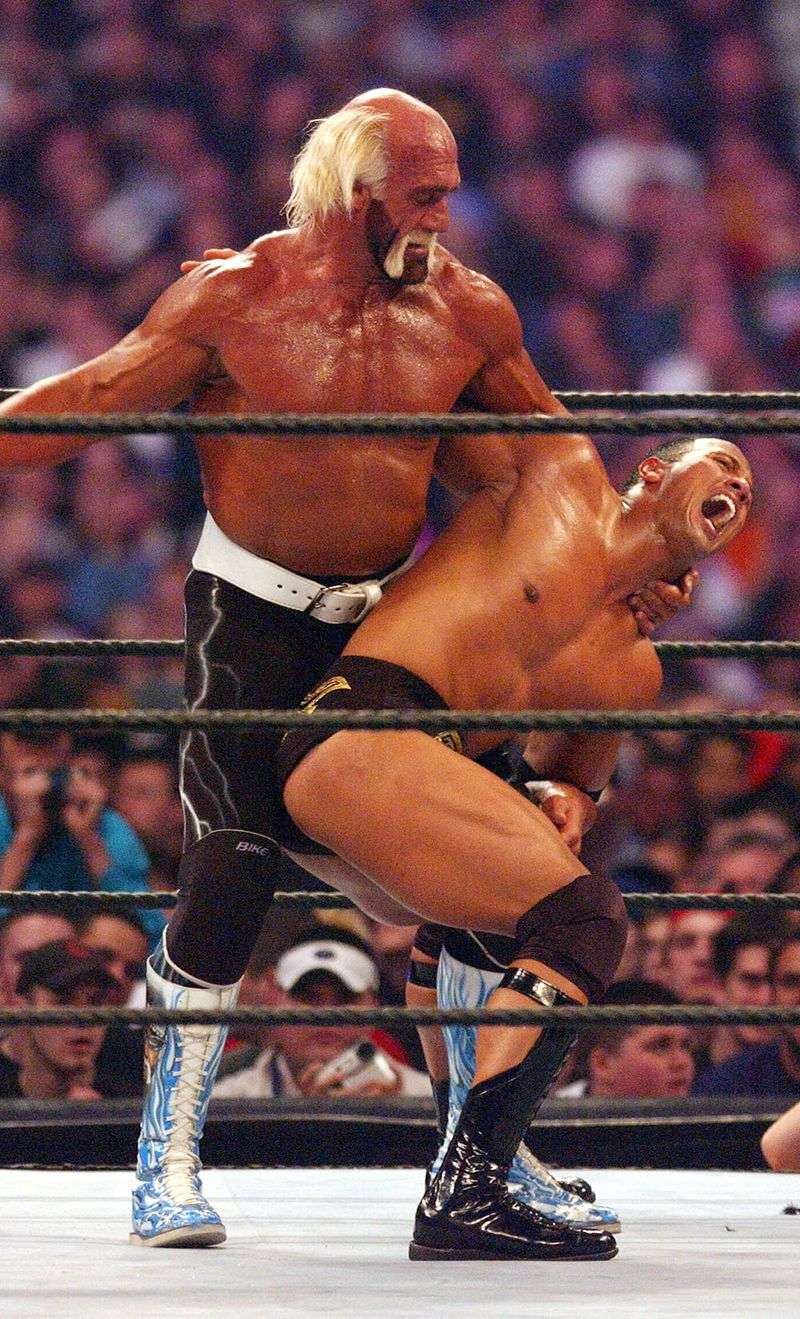
Wrestling fame followed Hogan into films, but his steroid history reached beyond entertainment interviews. His public record includes an earlier television denial and later testimony acknowledging use during the 1994 federal wrestling steroid trial.
The courtroom admission was testimony, not an interview, so those settings should not be confused. His case shows why dates and context matter when public statements change.
Readers should compare the original accounts instead of relying on a single memorable headline alone.
12. Bill Goldberg: Recalling Football Pressures
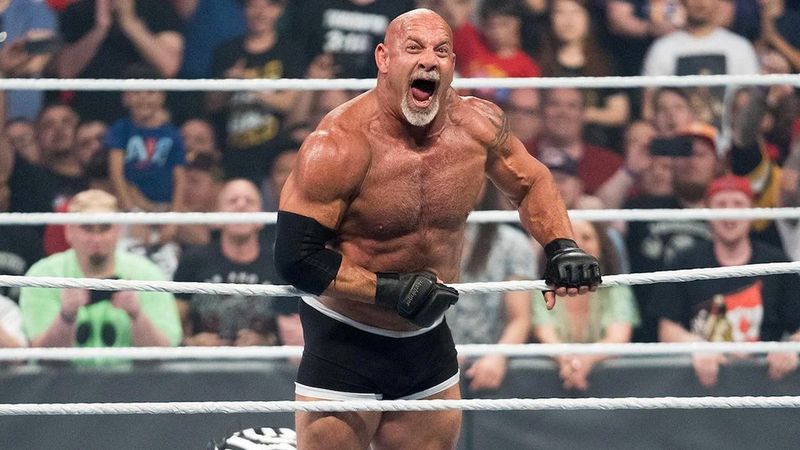
Long before wrestling entrances and movie appearances, Goldberg chased success on the football field. In recorded interview discussions, he has acknowledged steroid use during his college football years while describing the push to become bigger.
That account concerns a particular stage of his life, not proof about every later performance. It also highlights a familiar pressure in competitive sports: believing size determines opportunity.
Young athletes deserve qualified coaching and health support, rather than shortcuts borrowed from celebrities.
13. Nick Nolte: Anti-Aging Claims Need Context
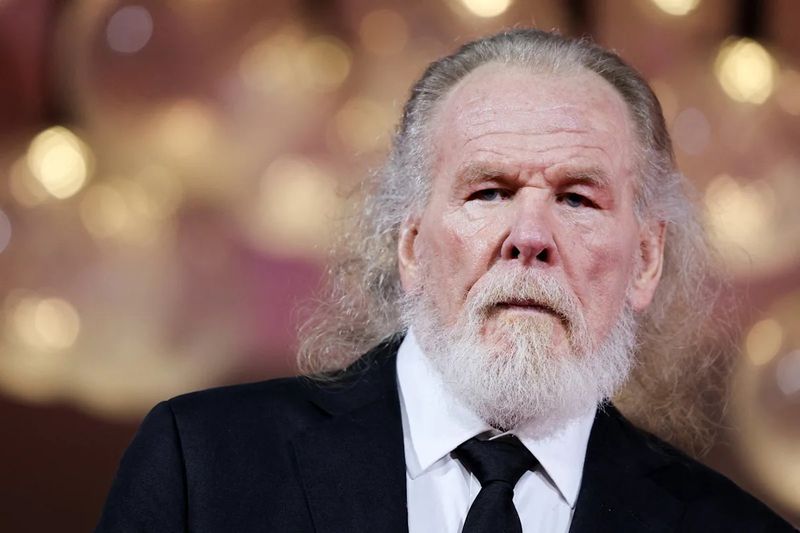
Hollywood’s interest in hormones is not limited to building action muscles. Nolte has been reported discussing human growth hormone favorably in coverage of anti-aging practices, placing him in a different conversation from athletic steroid admissions.
However, summaries often leave out the original interview and medical details. Avoid treating those reports as proof of a particular treatment schedule.
Claims about looking or feeling younger do not establish that HGH safely reverses normal aging in otherwise healthy adult people.
14. Dixie Carter: A Cautiously Reported Connection

Best remembered for Designing Women, Carter appears in reports about celebrities praising HGH for anti-aging purposes. This is not the same claim as using steroids to prepare for an action role or improve sports performance.
The supplied material does not identify a clear original interview, so stronger statements would be misleading. Her inclusion needs that limitation.
When a celebrity health story lacks a traceable source, pause before repeating personal medical details as though they were firmly established.
15. Joe Rogan: Open Discussion Is Not Medical Guidance
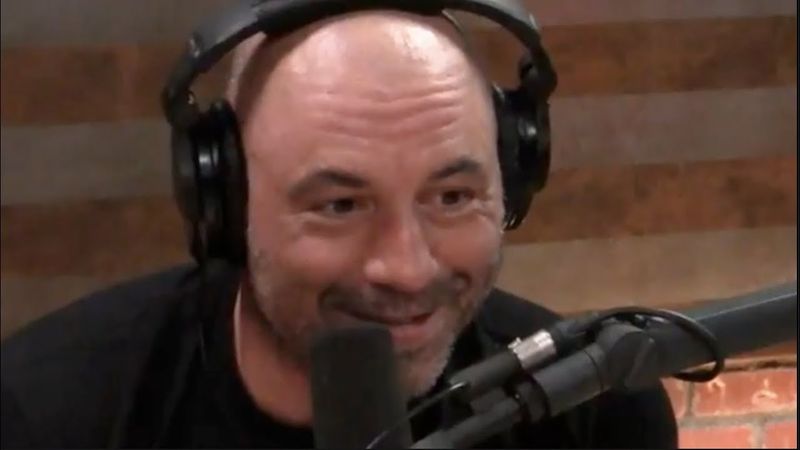
Podcast listeners have heard Rogan discuss testosterone replacement therapy openly. The comedian, host, and former NewsRadio actor has described using prescribed testosterone and aiming for levels associated with his younger years.
Such statements explain his personal approach, but they cannot show what another person needs. Treatment decisions require symptoms, appropriate blood tests, and ongoing monitoring.
His openness makes the topic easier to discuss, provided listeners remember that a familiar voice is not a substitute for individual medical care.